Choosing the right birth control method is a deeply personal decision that affects physical health, emotional well-being, and long-term life planning. According to data from the Centers for Disease Control and Prevention, the majority of people capable of pregnancy in the United States use some form of contraception during their reproductive years. Yet confusion remains common. Many patients report uncertainty about how different birth control methods work, how effective they are in real life, and which side effects are normal versus concerning.
Follow Us!
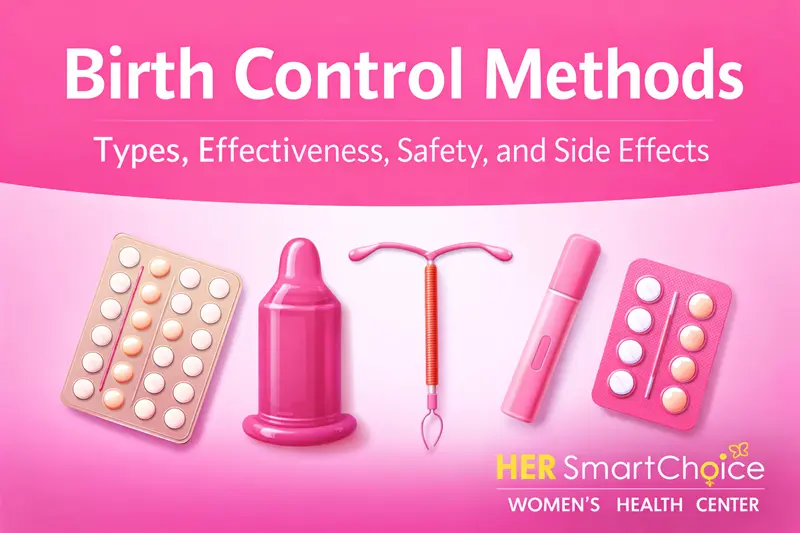
Birth control methods include a wide range of hormonal and non-hormonal options designed to prevent pregnancy safely and effectively. Some methods are taken daily, others work for months or years, and some are used only when needed. Each option carries its own effectiveness profile, safety considerations, and potential side effects.
This guide explains the main types of birth control methods, how effective they are with perfect and typical use, what research says about safety, and what side effects may occur. It also addresses emergency contraception, STI protection limitations, and when to seek medical advice. The goal is to help readers make informed decisions in partnership with a qualified healthcare provider, including clinicians at Her Smart Choice who provide confidential, evidence-based birth control care in Los Angeles through in-person and telehealth services.
What Are Birth Control Methods
Birth control methods are medical or behavioral approaches used to prevent pregnancy. Most methods work by stopping ovulation, preventing fertilization, or blocking implantation. Some rely on hormones that affect the reproductive cycle, while others use physical barriers or timing-based strategies.
Hormonal birth control methods typically contain estrogen, progestin, or both. These hormones suppress ovulation, thicken cervical mucus to block sperm, and thin the uterine lining. Non-hormonal birth control methods rely on physical barriers, copper-based mechanisms, or fertility awareness rather than hormones.
It is important to distinguish birth control from sexually transmitted infection prevention. Most birth control methods do not protect against STIs. Barrier methods like condoms reduce STI risk, while hormonal methods, IUDs, implants, and emergency contraception do not. The Centers for Disease Control and Prevention recommends using condoms alongside other birth control methods when STI protection is needed.
Types of Birth Control Methods
Birth Control Pills
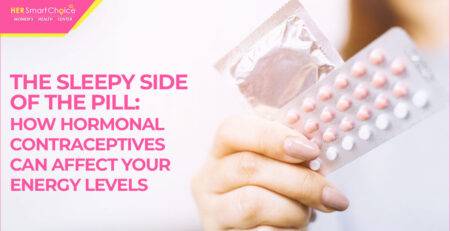
Birth control pills are among the most widely used contraceptive methods. They are taken daily and contain either a combination of estrogen and progestin or progestin alone.
Combination pills prevent ovulation and regulate menstrual cycles. Progestin-only pills primarily thicken cervical mucus and may suppress ovulation in some users. According to a 2023 review in the New England Journal of Medicine, birth control pills are over 99 percent effective with perfect use but closer to 91 percent effective with typical use due to missed doses.
Common side effects may include nausea, breast tenderness, spotting between periods, and mild headaches. Serious complications such as blood clots are rare but more likely in smokers over age 35 or those with certain medical conditions. These risks are discussed in more detail in cluster content such as birth control and blood clot risk and does birth control cause weight gain.
Birth Control Patch
The birth control patch delivers hormones through the skin. It is applied weekly for three weeks followed by one patch free week. Its mechanism and hormone profile are similar to combination birth control pills.
Research published in Obstetrics and Gynecology indicates that the patch has similar effectiveness to pills when used correctly. Typical use effectiveness is about 91 percent. Skin irritation and breast tenderness are among the more common side effects. Like pills containing estrogen, the patch may slightly increase blood clot risk in certain populations.
Birth Control Shot
The birth control shot contains a progestin injection given every three months. It works primarily by suppressing ovulation.
Studies cited by the World Health Organization show that the shot is more than 99 percent effective with perfect use and about 94 percent effective with typical use. Some users experience irregular bleeding, weight changes, or delayed return to fertility after stopping. Bone density changes have also been observed, particularly with long term use, which is why clinicians often review duration carefully.
Birth Control Implant
The birth control implant is a small rod placed under the skin of the upper arm that releases progestin for up to three years. It is one of the most effective birth control methods available.
According to a large cohort study published in The Lancet, implants have a failure rate of less than 1 percent. Because it does not require daily or monthly action, typical use effectiveness is nearly identical to perfect use. Side effects may include irregular bleeding patterns, headaches, or mood changes. Detailed comparisons appear in cluster topics such as birth control implant explained and birth control pill vs implant.
Intrauterine Devices
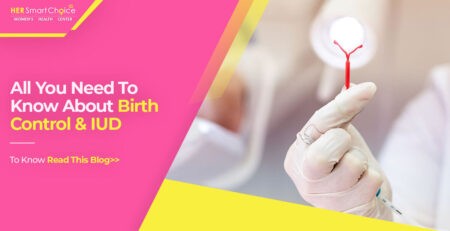
IUDs are small devices placed in the uterus by a trained clinician. There are hormonal and copper options.
Hormonal IUDs release progestin and can last three to eight years depending on the type. Copper IUDs contain no hormones and can prevent pregnancy for up to ten years. Research published in JAMA shows that both types have effectiveness rates exceeding 99 percent.
Hormonal IUDs often reduce menstrual bleeding and cramps, while copper IUDs may initially increase bleeding and cramping. Serious complications such as uterine perforation are rare. Further distinctions are addressed in cluster content like IUD types and differences and IUD vs birth control pill.
Barrier Methods
Barrier methods include male condoms, female condoms, diaphragms, and cervical caps. They physically block sperm from reaching the egg.
Male condoms are approximately 98 percent effective with perfect use and about 87 percent effective with typical use, according to CDC data. Condoms are unique among birth control methods because they reduce the risk of many STIs. Diaphragms and cervical caps are less effective and require proper fitting and spermicide use.
Fertility Awareness Methods
Fertility awareness-based methods involve tracking menstrual cycles, body temperature, and cervical mucus to avoid intercourse during fertile periods.
Effectiveness varies widely. A 2022 review in BMJ reported typical use failure rates ranging from 2 percent to over 20 percent depending on the method and user consistency. These approaches require education, daily monitoring, and regular cycles.
Emergency Contraception
Emergency contraception is designed to prevent pregnancy after unprotected sex or contraceptive failure. Options include levonorgestrel pills taken within three days and ulipristal acetate taken within five days. Copper IUD placement within five days is the most effective form.
Emergency contraception does not terminate an existing pregnancy. The Food and Drug Administration states that these methods primarily delay ovulation. Side effects are generally mild and may include nausea or temporary menstrual changes. Emergency contraception is not intended for routine use and does not protect against STIs.
Birth Control Effectiveness
Birth control effectiveness is measured using perfect use and typical use. Perfect use reflects how a method performs when used exactly as prescribed. Typical use accounts for real world factors such as missed pills or delayed appointments.
Long-acting reversible contraceptives like implants and IUDs have the smallest gap between perfect and typical use. Methods requiring daily or situational action show larger differences. Understanding this distinction helps patients choose options aligned with their lifestyle and preferences. A dedicated discussion appears in the cluster topic, perfect use vs typical use effectiveness.
Birth Control Safety and Side Effects
Most birth control methods are safe for the majority of users. However, individual health factors matter. According to guidance from the American College of Obstetricians and Gynecologists, clinicians consider age, smoking status, migraine history, blood pressure, and medical conditions when recommending contraception.
Common side effects include nausea, breast tenderness, spotting, and changes in menstrual flow. These often improve within the first three months. Less common but serious risks include blood clots with estrogen-containing methods and infection risk during IUD insertion.
Mood changes and weight concerns are frequently discussed. Research published in JAMA Psychiatry suggests that some hormonal methods may be associated with mood symptoms in certain individuals, though causation remains an area of ongoing study. Evidence on weight gain is mixed, with stronger associations seen with the birth control shot than with pills or IUDs.
Switching Birth Control Methods Safely
Switching birth control methods may be appropriate due to side effects, lifestyle changes, or evolving health needs. Clinicians often recommend overlapping methods or using backup contraception during transitions to avoid gaps in protection.
The cluster topic how to switch birth control methods safely explores timing strategies in more detail. Missing pills or delayed injections can reduce effectiveness, which is why guidance such as what happens if you miss a birth control pill is important for ongoing care.
Accessing Birth Control in Los Angeles
Access to birth control varies by location, insurance coverage, and clinic availability. In Los Angeles, clinics like Her Smart Choice provide a range of birth control methods including pills, IUDs, implants, patches, and shot options. Services may include same-day appointments, low-cost or confidential care, and telehealth consultations depending on eligibility.
Local access matters because follow-up, method changes, and side effect management often require ongoing clinical support. Patients are encouraged to choose providers who offer counseling tailored to individual health needs and preferences.
Frequently Asked Questions
The most effective birth control methods are implants and IUDs, which prevent over 99 percent of pregnancies with typical use. Pills, patches, and shots are highly effective when used correctly but have higher failure rates with typical use due to missed doses or delays.
Most birth control methods do not protect against sexually transmitted infections. Condoms are the primary method that reduces STI risk. Using condoms along with another birth control method provides both pregnancy and infection p/rotection.
Emergency contraception is considered safe for most people and does not affect future fertility. It works best when taken as soon as possible after unprotected sex. Side effects are usually mild and temporary.
Research suggests that most hormonal birth control methods do not cause significant weight gain. The birth control shot has shown a stronger association with weight changes in some users. Individual responses vary.
Some methods like IUDs and implants work immediately when placed at the correct time in the cycle. Pills and patches may require seven days of backup protection depending on when they are started.
Seek medical care if you experience severe headaches, chest pain, shortness of breath, leg swelling, or vision changes. Persistent or disruptive side effects should also be discussed with a healthcare provider.
Major medical organizations state that most birth control methods are safe for adolescents. Confidential counseling and education help teens choose appropriate options based on health and lifestyle.
Medical Disclaimer and Conclusion
This article is for informational purposes only and does not constitute medical advice. Always consult with a qualified healthcare provider for diagnosis and treatment.
Birth control methods offer safe and effective ways to prevent pregnancy when chosen thoughtfully and used correctly. Options range from daily pills to long-acting devices that work for years, each with unique benefits and considerations. Understanding effectiveness, safety, and side effects helps individuals make informed decisions aligned with their health goals.
Whether exploring birth control for the first time or considering a switch, professional guidance is essential. Clinics like Her Smart Choice in Los Angeles provide evidence-based counseling and access to multiple birth control methods, supporting patients in choosing options that fit their bodies, lives, and futures.
Follow Us!