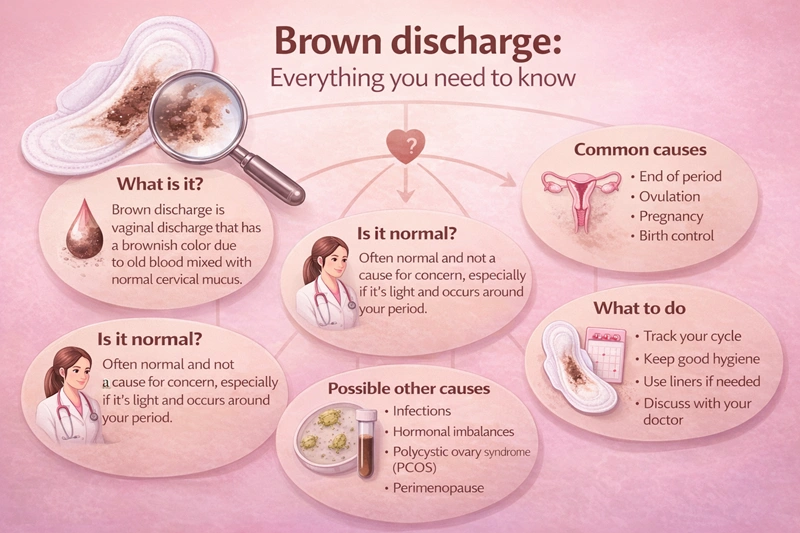
Brown discharge is a common but often confusing experience for many women, especially during pregnancy or around childbirth. According to data cited by the American College of Obstetricians and Gynecologists, up to one in four pregnant women experience some form of vaginal discharge changes during pregnancy, with brown discharge being among the most frequently reported concerns. While it is often harmless, brown discharge can sometimes signal infection, hormonal changes, or pregnancy-related complications that require medical attention.
Follow Us!
Brown discharge during birth or pregnancy can look alarming, particularly when it appears unexpectedly or lasts longer than anticipated. Understanding what causes it, when it is considered normal, and when it may indicate a medical issue is essential for protecting reproductive health. This article explains what brown discharge is, why it occurs, how it relates to pregnancy and childbirth, and how it is evaluated and managed in clinical settings such as Her Smart Choice. You will also learn when to seek care, how long it typically lasts, and what can be done safely if treatment is needed.
What is brown discharge?
Brown discharge refers to vaginal discharge that appears light brown, dark brown, or rust-colored rather than clear or white. The color usually comes from old blood that has taken longer to leave the uterus or vagina. When blood is exposed to oxygen, it darkens, which explains the brown appearance.
From a medical standpoint, brown discharge is not a diagnosis but a symptom. It can occur at various stages of the menstrual cycle, during pregnancy, before or after labor, or as part of postpartum recovery. In many cases, brown discharge is a normal physiological process. In other cases, it may be associated with infection, cervical irritation, hormonal shifts, or pregnancy-related conditions that require evaluation.
Brown discharge is often confused with spotting or active bleeding. Spotting is usually light pink or red and suggests fresh blood, while brown discharge typically indicates older blood leaving the body more slowly.
Brown discharge during pregnancy and birth
Brown discharge during birth is a phrase many patients use broadly to describe discharge that occurs at different points in pregnancy, labor, or after childbirth. Each timing has different clinical implications.
Brown discharge in early pregnancy
In early pregnancy, brown discharge is commonly linked to implantation bleeding. Research published in the journal Obstetrics and Gynecology suggests that implantation-related bleeding can occur in up to 30 percent of early pregnancies and is often light brown or pink in color. Hormonal changes, cervical sensitivity, and minor irritation after intercourse can also cause brown discharge during this stage.
Although often harmless, early pregnancy brown discharge should still be discussed with a healthcare provider to rule out ectopic pregnancy or miscarriage, especially if accompanied by pain or cramping.
Brown discharge before labor begins
As the body prepares for labor, some women notice brown discharge mixed with mucus. This may be part of the mucus plug releasing, sometimes called the “bloody show.” The mucus plug helps protect the uterus from bacteria during pregnancy. When it begins to loosen, discharge may appear brown or streaked with blood.
The American Pregnancy Association notes that this can occur days or even weeks before labor begins and does not always mean labor is imminent.
Brown discharge during labor
Brown discharge during labor is less common but can occur due to cervical dilation, vaginal examinations, or minor tissue irritation. In clinical settings, providers monitor the amount, color, and timing of discharge closely to ensure there are no signs of placental complications or excessive bleeding.
Brown discharge after childbirth
After delivery, vaginal discharge called lochia is expected. Lochia typically progresses from bright red to pink or brown and then to yellow or white over several weeks. According to the Cleveland Clinic, brown discharge during postpartum recovery often reflects normal healing as the uterus sheds remaining blood and tissue.
However, foul-smelling discharge, fever, or heavy bleeding may indicate infection and should be evaluated promptly.
Symptoms associated with brown discharge
Brown discharge can occur alone or alongside other symptoms. Understanding associated signs can help determine whether it is likely normal or concerning.
Common accompanying symptoms may include mild cramping, pelvic pressure, or changes in discharge consistency. These symptoms are often benign, especially during pregnancy or postpartum recovery.
More concerning symptoms include strong odor, itching, burning, fever, abdominal pain, or heavy bleeding. These may suggest infection or other complications and warrant medical evaluation.
Emergency symptoms include severe abdominal pain, dizziness, shoulder pain, or soaking through pads rapidly. These may indicate ectopic pregnancy or significant hemorrhage and require immediate care.
Causes and risk factors
Brown discharge has multiple possible causes, many of which depend on reproductive stage and overall health.
Hormonal changes
Fluctuations in estrogen and progesterone can affect the uterine lining and cervical mucus. Hormonal shifts during pregnancy, after childbirth, or when starting or stopping birth control can contribute to brown discharge.
Old menstrual blood
Blood that remains in the uterus or vagina after menstruation may exit slowly, appearing brown rather than red. This is one of the most common and benign causes.
Cervical irritation
The cervix becomes more sensitive during pregnancy and with hormonal changes. Intercourse, pelvic exams, or transvaginal ultrasounds can cause light bleeding that appears as brown discharge.
Infection
Sexually transmitted infections and vaginal infections can cause brown discharge, often accompanied by odor, itching, or discomfort. The Centers for Disease Control and Prevention emphasizes that untreated infections during pregnancy may increase the risk of complications, making evaluation important.
Pregnancy-related conditions
Brown discharge may be associated with miscarriage, ectopic pregnancy, placental issues, or retained tissue after childbirth. While not common, these conditions require timely diagnosis.
Risk factors include previous pregnancy complications, smoking, advanced maternal age, and a history of infections.
Diagnosis and evaluation
When a patient presents with brown discharge, clinicians evaluate timing, duration, color, odor, and associated symptoms. Medical history and pregnancy status guide the diagnostic approach.
Common diagnostic steps include pelvic examination, pregnancy testing, ultrasound imaging, and laboratory testing for infections. Ultrasound helps assess fetal development, placental location, and uterine health. No single test alone determines the cause, and findings are interpreted together.
Providers also consider differential diagnoses to distinguish between normal physiological discharge and conditions requiring treatment.
Treatment options
Treatment for brown discharge depends entirely on the underlying cause.
If brown discharge is determined to be normal, no treatment is required. Reassurance and monitoring are often sufficient.
For infections, treatment may include antibiotics or antifungal medications that are considered safe during pregnancy when indicated. Clinical guidelines emphasize treating confirmed infections promptly to reduce complications.
If brown discharge is linked to hormonal changes, providers may recommend observation or adjustments to birth control methods after pregnancy.
In cases involving pregnancy complications, management follows established obstetric protocols and may involve close monitoring, medication, or procedural care depending on severity.
There is no universal medication to stop brown discharge. Treatment focuses on addressing the cause rather than suppressing the symptom itself.
How to stop brown discharge safely?
Many women search for how to stop brown discharge, but medical guidance stresses that discharge should not be stopped unless it is caused by a treatable condition.
Safe steps may include avoiding vaginal irritants, practicing safe sex, attending regular prenatal care, and following treatment plans prescribed by a healthcare provider.
Home remedies or over-the-counter products should not be used without medical advice, especially during pregnancy or postpartum recovery.
Prevention strategies
Not all causes of brown discharge are preventable, but some measures may reduce risk.
Routine prenatal care, timely STI screening, and following postpartum care instructions are key preventive steps. Maintaining vaginal health by avoiding douching and unnecessary products is also recommended by major medical organizations.
Living with brown discharge during pregnancy or after birth
Experiencing brown discharge can cause anxiety, particularly for pregnant women. Understanding that it is often normal can ease concerns, but staying attentive to changes is essential.
Keeping track of symptoms, attending follow-up appointments, and communicating openly with healthcare providers support both physical health and peace of mind. Most women who experience brown discharge go on to have healthy pregnancies and recoveries.
Frequently asked questions
Brown discharge during pregnancy is often normal and commonly caused by old blood leaving the uterus or cervical irritation. However, it should always be discussed with a healthcare provider to rule out infection or pregnancy complications.
Brown discharge usually lasts a few days and often resolves on its own. Postpartum brown discharge may last longer as part of normal uterine healing.
Brown discharge may be concerning if it is heavy, foul-smelling, accompanied by pain, fever, or dizziness. These symptoms require prompt medical evaluation.
There is no safe way to stop brown discharge without addressing the cause. Medical evaluation is necessary before attempting any treatment, especially during pregnancy.
Brown discharge usually indicates old blood, spotting is light fresh blood, and bleeding involves heavier blood flow. Each has different clinical implications.
Yes, infections can cause brown discharge, often with odor or discomfort. Testing and treatment are important to prevent complications.
Medical disclaimer and conclusion
This article is for informational purposes only and does not constitute medical advice. Always consult with a qualified healthcare provider for diagnosis and treatment.
Brown discharge during birth or pregnancy is often harmless, but it should never be ignored. Understanding its causes, recognizing warning signs, and seeking timely care can help protect reproductive health. With proper evaluation and evidence-based care, most women can navigate these changes safely and confidently.
Read more:
Birth Control Patch Effectiveness
Birth Control Implant How It Works
Does Birth Control Cause Weight Gain
Birth Control and Mood Changes
How to Switch Birth Control Methods Safely
Follow Us!