spotting vs bleeding

Spotting vs. Bleeding: Understanding Changes After Abortion

Going through an abortion is always considered a deeply emotional journey, and debate on it is still going on. One of the crucial topics in abortion, which is in the headlines nowadays, is understanding the difference between spotting and bleeding after an abortion.

Follow Us!

Instagram

Facebook

Linkedin

Yelp

It's important to understand that the body goes through various changes during and after the procedure. One aspect that can cause confusion and concern is spotting or bleeding.


Further, you’ll explore the differences between spotting and bleeding after an abortion, common causes, and when to seek medical assistance. Understanding these changes can help provide reassurance and peace of mind during the post-abortion period.


Spotting or bleeding after an abortion is a normal occurrence. It is the body's way of healing and recovering from the procedure. However, it's essential to distinguish between spotting and bleeding to better understand what is considered normal and what might require medical attention.


Spotting vs Bleeding  


Spotting is characterized by light vaginal bleeding that is often pink or brown in color. It may appear as small drops of blood on a pad or when wiping after using the bathroom. Spotting is typically minimal and doesn't require the use of a regular menstrual pad. It's important to note that spotting can occur for several weeks after an abortion, and its duration can vary from woman to woman. 


On the other hand, bleeding refers to a more significant flow of blood that may require the use of a regular menstrual pad. While some degree of bleeding is expected after an abortion, it is crucial to monitor the amount of blood loss. If you are soaking through pads within a short period of time or experiencing heavy bleeding that resembles a period, it is recommended to seek medical attention promptly.


 Common Causes Of Spotting After An Abortion

 

spotting after abortion


Now that we understand the difference between spotting and bleeding, let's explore the common causes of spotting after an abortion:


Hormonal Changes: After an abortion, there is a significant shift in hormone levels as the body adjusts to the absence of pregnancy. These hormonal changes can lead to spotting as the uterus sheds its lining.


Tissue Expulsion: During the abortion procedure, the uterus is emptied, and the remaining pregnancy tissue is expelled (if any). This process can cause spotting as the body eliminates the remaining tissue.


Healing Process: The body goes through a healing process after an abortion, and spotting can occur as the uterus heals and any small wounds or abrasions from the procedure begin to close.


It is essential to note that the intensity and duration of spotting can vary from woman to woman. Some may experience only a few days of light spotting, while others may have intermittent spotting for several weeks. It's important to follow the aftercare instructions provided by your healthcare provider and reach out to them if you have any concerns about the amount or duration of the spotting.


When You Should Seek Medical Assistance

 

women's health clinic


While spotting is generally considered normal after an abortion, there are instances when you should seek medical assistance:


Heavy Bleeding: If you are experiencing heavy bleeding that requires changing pads frequently (soaking through more than one pad per hour) or if you pass large clots, it is important to seek immediate medical attention. Heavy bleeding can be a sign of complications and should be evaluated by a healthcare professional.


Prolonged Spotting: If you are experiencing prolonged spotting that lasts longer than a few weeks or if the spotting becomes heavier over time, it's a good idea to consult your healthcare provider. Prolonged or increasing spotting may indicate an underlying issue that requires medical evaluation.


Persistent Pain: While some level of cramping and discomfort is expected after an abortion, persistent or severe pain that is not relieved by over-the-counter pain medications should be addressed by a healthcare professional.


Remember, your healthcare provider is there to support you throughout the post-abortion period. Don't hesitate to reach out to them if you have any concerns or questions about your recovery.


Tips To Manage Spotting - Following Healthy Recovery After Abortion
 

how to stop spotting


To manage spotting and promote a healthy recovery after an abortion, here are some tips:


Rest and Take It Easy: Give your body the time and rest it needs to heal. Avoid strenuous activities, heavy lifting, and vigorous exercise for a few days after the procedure.


Use Appropriate Protection: During the spotting phase, it's recommended to use pads instead of tampons to minimize the risk of infection. Change pads regularly to maintain good hygiene.


Stay Hydrated: Drink plenty of fluids to support your overall well-being and aid in the healing process. 


Follow Your Doctor's Instructions: Your healthcare provider will provide specific aftercare instructions tailored to your situation. It's crucial to follow these instructions closely to ensure a smooth recovery.


Final Thoughts


To conclude, spotting or bleeding after an abortion is a normal part of the healing and recovery process. Spotting, characterized by light vaginal bleeding, is usually expected and can last for several weeks. However, it's important to monitor the amount and duration of the bleeding to ensure it remains within a normal range. 

Follow Us!

Instagram

Facebook

Linkedin

Yelp

Seek medical attention if you experience heavy bleeding, prolonged spotting, or persistent pain. Her Smart Choice, a leading abortion center near you, is available with same-day appointments and walk-in checkup facilities. So, if you feel any discomfort, feel free to reach out!

FAQ

Is it normal to bleed heavy 3 weeks after an abortion?

Heavy bleeding three weeks after an abortion can be concerning. While some women may experience heavier bleeding during this time, it's essential to monitor the situation closely. If the bleeding is excessive or accompanied by severe pain or other symptoms, please contact us at Her Smart Choice for guidance and support.

What causes heavy bleeding after an abortion?

Heavy bleeding after an abortion can be caused by several factors, including retained tissue, hormonal changes, or complications during the procedure. It's important to monitor your symptoms and seek medical assistance if bleeding is excessive or prolonged.

Can hormonal changes affect bleeding after an abortion?

Hormonal changes can indeed affect bleeding after an abortion. Fluctuations in hormone levels may cause variations in menstrual cycles, leading to different experiences of spotting or bleeding during recovery.

Is heavy bleeding common after a medical abortion?

Heavy bleeding can occur after a medical abortion, but it is not common for it to be excessively heavy. Most women experience light to moderate bleeding, and if you have concerns about the amount of bleeding, please contact us for guidance.

What should I do if bleeding worsens after abortion?

If bleeding worsens after an abortion, it’s important to seek medical attention immediately. Contact your healthcare provider or visit our clinic at Her Smart Choice for personalized care and support. Your health and well-being are our top priorities.
Read more...
spotting between birth control

Spotting Between Birth Control: What You Need to Know

Nowadays, using birth control methods to manage reproductive health is common among many individuals. While birth control is effective in preventing pregnancy, some women might experience unexpected spotting between periods. Are you one of them? If yes, then this blog will become your true guide.   Also, you will explore the causes, potential concerns, and ways to manage spotting that can occur while using birth control.    

Understanding Spotting Between Birth Control

  birth-control Spotting, also known as breakthrough bleeding, is when you notice small amounts of blood between your regular periods. It can be quite unsettling, but it's relatively common, especially among those using hormonal birth control methods like pills, patches, rings, or hormonal IUDs.  

Hormonal Fluctuations

Hormonal birth control works by regulating your hormones to prevent pregnancy. Sometimes, the body takes time to adjust to these hormonal changes, leading to spotting. This is particularly common during the initial months of using a new birth control method.      

Missed or Irregular Doses

For birth control methods like pills, consistency is crucial. Missing or taking pills at different times can disrupt the hormonal balance, causing spotting. It's essential to take your pills as directed by your healthcare provider.  

Hormonal IUDs

Intrauterine devices (IUDs) release hormones that prevent pregnancy. Spotting might occur, especially during the first few months after insertion. This is because your body is adapting to the hormone levels released by the IUD.  

Uterine Changes

Some birth control methods, like the hormonal IUD, can cause changes in the uterine lining. This might lead to occasional spotting as your body adjusts to the new environment.  

Interaction with Other Medications

Certain medications, like antibiotics or anti-seizure drugs, can interfere with hormonal birth control's effectiveness, potentially leading to spotting or breakthrough bleeding.  

Is Spotting a Cause for Concern?

  women's health clinic   Spotting between birth control cycles isn't always a cause for alarm. It's often a result of your body adjusting to hormonal changes or missed doses. However, there are situations where spotting might indicate a need for medical attention:

Severe or Prolonged Spotting

If you experience heavy or prolonged spotting that lasts for more than a few days, it's a good idea to consult your healthcare provider. They can help determine whether your birth control method needs adjustment or if there's an underlying issue.  

Pain or Discomfort

Spotting accompanied by pain, cramping, or discomfort could be a sign of an infection, a misplaced IUD, or another medical condition that needs attention.  

New or Unusual Symptoms

If you notice new or unusual symptoms, like fever, chills, or unusual vaginal discharge along with spotting, it's essential to seek medical guidance.  

Managing Spotting Between Birth Control

While spotting can be bothersome, there are steps you can take to manage it:  

Consistency with Birth Control

Follow your birth control regimen consistently. Take your pills at the same time daily, change patches or rings as directed, and keep up with your IUD's maintenance schedule.  

Give It Time

During the initial months of using a new birth control method, your body needs time to adjust. Spotting might decrease as your body becomes accustomed to hormonal changes.  

Consult Your Healthcare Provider

 
birth control clinic
  If spotting persists or concerns you, don't hesitate to consult your healthcare provider. They can offer personalized advice, suggest adjustments to your birth control, or check for any underlying issues.  

Track Your Symptoms

Keep a record of your spotting episodes, their duration, and any accompanying symptoms. This information can assist your healthcare provider in making the most appropriate decisions.  

Final Thoughts 

Spotting between birth control cycles might be unexpected, but it's usually a result of hormonal adjustments or missed doses. While it's not always a cause for concern, it's essential to pay attention to the severity, duration, and accompanying symptoms. Open communication with your healthcare provider is key to managing spotting effectively. Remember, everyone's body reacts differently to birth control, so what works for one person might not be the same for another. Stay informed, stay consistent, and prioritize your reproductive health.
Read more...
pregnancy after implant removal

Pregnancy Testing Guidelines After Implant Removal

When it comes to pregnancy, timing is everything. If you've recently had your contraceptive implant removed and are curious about when to take a pregnancy test. This blog is here to guide you about pregnancy testing guidelines after implant removal. We'll break down the crucial information you need to know, providing you with clear guidelines to ensure accurate results. Let's dive into the details!   First things first, let's briefly talk about contraceptive implants. These small devices, usually placed in your arm, release hormones to prevent pregnancy. When you decide it's time for a change, your healthcare provider will remove the implant. But what happens next? This is the point at which timing becomes significant.  

The Waiting Period After Implant Removal

 
implant removal
  After implant removal, your body needs time to adjust. This adjustment period is essential for accurate pregnancy testing. Taking a test too soon might not give you the reliable result you're looking for. The hormones from the implant might still be present in your system, which can affect the test outcomes.  

When To Take A Pregnancy Test After Implant Removal 

  pregnancy test after implant removal   Generally, waiting for at least seven days after removal is recommended. This allows most of the contraceptive hormones to disappear, reducing the chances of a false result.   Waiting until after a full menstrual cycle is even better for more reliable results. This usually requires approximately four to six weeks. By waiting for a complete cycle, you ensure that your body's natural hormone levels have had time to normalize, enhancing the accuracy of the test.   When selecting a pregnancy test, consider choosing one that can detect lower levels of hormones, as this increases the likelihood of detecting a pregnancy in its early stages. It's also advised to use your first-morning urine for testing, as it is more concentrated and contains higher levels of pregnancy hormones.  

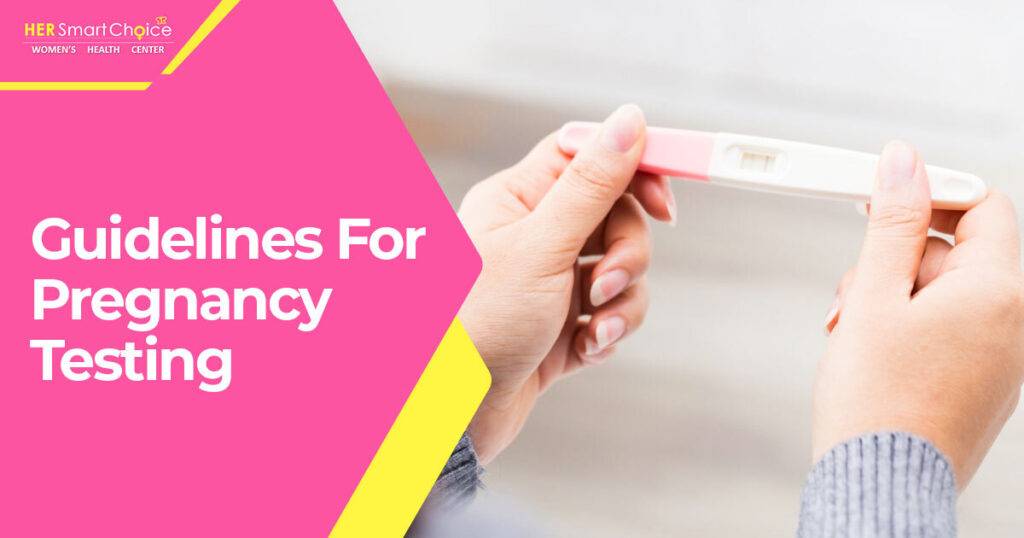
Guidelines for Pregnancy Testing

  pregnancy testing guidelines   The general rule of thumb is to wait at least seven days before taking a pregnancy test after implant removal. This gives your body enough time to clear out any lingering hormones. However, waiting for a full menstrual cycle to pass is even more reliable. Here are the factors that need to consider:   The Seven-Day Wait: If you're eager to know, waiting at least seven days before taking a pregnancy test can be a good starting point. This allows time for most of the contraceptive hormones to leave your system.   Menstrual Cycle Tracking: For a more accurate result, wait until you've had a full menstrual cycle after implant removal. This may typically take about four to six weeks. Testing after a complete cycle ensures that your body is back to its natural hormone levels.  

Choosing the Right Test

  women's health clinic   Now that you've patiently waited for the right time, it's important to choose the right type of pregnancy test. There are two main types: urine tests and blood tests. Both can detect pregnancy, but they have different levels of sensitivity.   Urine Tests: These are the tests you find at your local pharmacy. They're easy to use and can detect pregnancy hormones in your urine. However, the sensitivity varies among different tests. Opt for a test that can detect lower levels of hormones for more accurate early results.   Blood Tests: Conducted at a healthcare provider's office, blood tests are even more accurate than urine tests. They have the capability to identify pregnancy hormones earlier than urine tests. If you're unsure about the results from a home pregnancy test, consider getting a blood test done for confirmation.   Use Morning Urine: Your morning urine is more concentrated and contains higher levels of pregnancy hormones. Testing with morning urine increases the chances of accurate results.   Follow Instructions: Read the instructions on the pregnancy test carefully and follow them precisely. Using it incorrectly can result in inaccurate results.   Retest if Necessary: If you get a negative result but your period still doesn't arrive, consider retesting after a few days. Hormone levels can vary, and retesting can provide clarity.  

Summing Up

  Timing truly matters when it comes to pregnancy testing after implant removal. By waiting for at least seven days or a full menstrual cycle, you increase the accuracy of your results. Remember to choose the right type of test and follow instructions diligently. If you're ever uncertain about your test results, consult a healthcare professional for guidance. Her Smart Choice is available for you 24 by 7 via telehealth and with same-day appointments. If you have any queries, share them with us!
Read more...
how abortion save lives

How Can Abortion Save a Woman’s Life?

Abortion is a complex and controversial topic that encompasses various ethical, legal, and personal perspectives. While the debate often revolves around reproductive rights and personal choice, it is essential to recognize that there are situations where abortion becomes medically necessary and can save a woman's life.    Let’s take a keen look at Seven common scenarios where abortion is a medical necessity and can save a woman's life.  

Seven Common Scenarios Where Abortion Is Crucial For Protecting Women’s Health

  women's health clinic   Certain medical conditions, such as severe heart problems, organ failure, or advanced cancer, can put pregnant individuals at substantial risk. In such scenarios, continuing a pregnancy might worsen these conditions, leading to life-threatening complications. Here are a few common scenarios, you can look at:   

Ectopic Pregnancy

An ectopic pregnancy happens when a fertilized egg grows in the wrong place, usually in the tubes connecting the ovaries to the uterus. This is risky because the tubes can break, causing serious bleeding inside the body. Since the baby can't grow normally in this situation, the only way to protect the women’s life is to end the pregnancy through abortion.  

Severe Preeclampsia

Serious preeclampsia happens when blood pressure gets really high in pregnancy, which can lead to organ damage. If left untreated, it can result in seizures, strokes, and other life-threatening complications. When this happens a lot, having the baby early or ending the pregnancy could be the safest way to keep the pregnant woman healthy.  

Severe Kidney Disease

Pregnancy places additional stress on the kidneys, and individuals with pre-existing kidney disease face higher risks of complications, including kidney failure. It's important for doctors to look closely at how serious kidney disease is and how it could harm both the mother and the baby. If the dangers are too great, they might suggest ending the pregnancy with an abortion to keep the pregnant woman safe and healthy.  

Blood Disorders

Certain medical conditions and blood disorders can cause excessive bleeding during pregnancy. If left unaddressed, this bleeding can lead to shock and other life-threatening complications. In such circumstances, abortion might be the safest action you can take to prevent further harmful effects.   

Sepsis and Infection 

When infections get really bad and turn into sepsis, they can become very dangerous. If infections spread quickly and normal treatments don't work, abortion might be the best way to stop the infection and keep the woman safe and healthy.  

Cancer

Although doctors have gotten better at treating cancer in pregnant women, some treatments can still be risky for the growing baby. In these cases, someone who is pregnant might decide to have an abortion to focus on treating their cancer and improve their chances of getting better. Not having access to abortion in these situations can make the woman’s health and chances of getting better from cancer worse in the long run.  

Lethal Fetal Anomalies

Some fetuses develop life-threatening abnormalities that are incompatible with life outside the womb. These abnormalities can be detected through prenatal screenings, and they often result in the death of the baby shortly after birth. Continuing the pregnancy under these circumstances can subject the pregnant woman to unnecessary physical and emotional distress. Well, abortion becomes a compassionate and safer option to spare both the fetus and the pregnant individual from needless suffering.  

Recent Views On Urgent Necessity Of Access To Safe And Legal Abortion

 
safe and legal abortions
  Access to safe and legal abortion is necessary to protect and prioritize women's health. The American College of Obstetricians and Gynecologists (ACOG) has established guidelines for women's healthcare that emphasize the importance of providing comprehensive reproductive services, including abortion, to ensure the well-being of women.   However, recent instances highlight the consequences of denying women access to abortion. In a case from Texas, a woman was denied an abortion despite experiencing severe complications during her pregnancy. As a result, she faced life-threatening risks and narrowly escaped death. This tragic incident underscores the urgent need to ensure that women have the option to choose abortion when it is medically necessary.    According to an analysis, the maternal mortality rate in the United States remains alarmingly high. In 2020, the overall maternal mortality rate was 24 deaths per 100,000 live births, which is more than three times the rate in most other high-income countries. This statistic highlights the urgent need to prioritize women's health and access to essential reproductive healthcare services.   The ACOG's guidelines recognize that access to safe and legal abortion is a fundamental aspect of comprehensive reproductive healthcare. By denying women the option to choose abortion, their health and well-being are put at risk. Pregnancy complications, such as severe heart problems, organ failure, or advanced cancer, can pose significant threats to a woman's life. In such cases, abortion becomes a necessary intervention to protect her health and safety.  

All Pregnant Women Deserve the Option to Choose Abortion

 
abortion clinic
  Every pregnant woman’s journey is uniquely personal, influenced by her health, circumstances, and aspirations. Ensuring the availability of the abortion option respects the fundamental principle of bodily autonomy and empowers women to make choices that align with their well-being and life path.   Every woman deserves the right to make informed decisions about her pregnancy, supported by safe and compassionate medical care. Upholding the option to choose abortion acknowledges the diversity of experiences and values each woman’s right to shape their reproductive future in a way that best suits them.  

Final Thoughts

  Abortion as a medically necessary and lifesaving option is a reality that cannot be ignored. In circumstances, abortion can save a woman's life. It is essential to ensure access to safe, legal, and supportive abortion services to safeguard the lives and rights of those facing these challenging situations. By recognizing the importance of abortion in these scenarios, we can ensure that individuals receive the care they need and deserve.
Read more...
post-abortion bleeding

Managing Post-Abortion Bleeding: A Comprehensive Guide


Are you curious to know how much bleeding is normal after an abortion? The heaviest bleeding usually occurs within 2–5 hours after taking Misoprostol, but it should ease off within 24 hours. You might also have intense cramping and bleeding for 3-5 hours, though it can vary.


Experiencing an abortion can be a significant event in a person's life, and it is crucial to have accurate information about what to expect afterward. One common concern that arises after an abortion is post-abortion bleeding.


Are you experiencing anxiety due to the possibility of excessive bleeding after an abortion? Let’s explore it further.


While some bleeding is expected, it is essential to understand what is considered normal and when to seek medical attention. In this comprehensive guide, you will learn everything you need to know about how much bleeding is normal after an abortion, how to manage post-abortion bleeding and receive helpful tips for a smooth recovery.


Understanding Post-Abortion Bleeding


post abortion bleeding


After an abortion, whether it is a medication abortion or a surgical procedure, some level of bleeding is expected. This bleeding occurs as the body sheds the uterine lining that is built up during pregnancy. The amount and duration of bleeding can vary from person to person and may depend on factors such as the type of abortion and how far along the pregnancy was.


How Long Does Post-Abortion Bleeding Last After Taking Abortion Pills?


how long do you bleed after abortion pill


After using abortion pills, you may experience light bleeding that can last for 1-3 weeks. But don't worry; your regular menstrual period should return within 4-6 weeks.

It's entirely normal for your body to take some time to empty the uterus fully. Some women may have heavy bleeding for up to 48 hours and pass clots for days or weeks after using Misoprostol.

This is common and generally not concerning unless you soak through more than two maxi pads per hour for 2 hours or more or pass heavy clots more significant than a golf ball. However, do not forget that every woman's body and experience are unique when it comes to post-abortion bleeding results.


Abnormal Bleeding


While some bleeding is normal, it is essential to recognize signs of abnormal bleeding that may require medical attention. If you experience any of the following, it is advisable to consult a healthcare provider:

  • Soaking through more than one pad or tampon per hour for several hours in a row.
  • Passing larger than normal blood clots (larger than a golf ball).
  • Experiencing severe abdominal pain or cramping that does not improve with over-the-counter pain relievers.
  • Foul-smelling discharge or fever, which could be a sign of infection.
 

Tips for Managing Post-Abortion Bleeding

 
managing post abortion bleeding
 

Rest and Hydration: It is essential to take rest and stay hydrated to avoid making the bleeding worse, as fatigue and dehydration can worsen its effects.


Avoid Strenuous Activities: You should avoid engaging in physically demanding activities or heavy lifting that may worsen bleeding or put additional stress on the body.


Use Pads, Not Tampons: You can avoid using tampons during post-abortion bleeding, as they can increase the risk of infection. Instead, it is good to use sanitary pads.


Watch for Excessive Bleeding: While some bleeding is normal after an abortion, it is essential to keep an eye on the volume of blood loss. If you soak through more than one pad in an hour for several hours or pass large blood clots, seek medical attention immediately.


No Intercourse: You can take a break from sexual intercourse until your healthcare provider gives the green light. This can help prevent infections and allow your body to heal.


Follow Medical Advice: Your healthcare provider will provide post-abortion care instructions. It is essential to follow them closely to promote healing and minimize complications.


Monitor for Signs of Infection: Watch for symptoms of infection, such as fever, severe abdominal pain, foul-smelling discharge, or prolonged bleeding. If you observe any of these symptoms occurring, make sure to seek medical attention immediately.


Hydration and Nutrition: Staying hydrated and maintaining a healthy diet can support the healing process faster. Drink plenty of fluids and consume nutritious foods rich in iron and vitamins to aid in replenishing lost nutrients.


Avoid Irritants: To prevent infection and promote healing, it is essential to avoid irritants such as douching, swimming in pools or hot tubs, and sexual intercourse until your healthcare provider gives the green light.


Emotional Support: Undoubtedly, going through an abortion is emotionally challenging. It is good to seek support from trusted friends, family, or counselors. It helps you process your feelings and emotions during this time.


Seeking Medical Attention


abortion clinic


While most cases of post-abortion bleeding are normal and resolve on their own, it is crucial to keep an eye on any signs of concern. Make sure to contact your healthcare provider if you experience the following symptoms:

  • Excessive bleeding that requires changing a pad every hour for several consecutive hours.
  • Severe pain that is not relieved by over-the-counter pain medications.
  • Passage of large blood clots, especially if they are accompanied by heavy bleeding.
  • Foul-smelling discharge or signs of infection, such as fever or chills.
  • Prolonged bleeding that lasts longer than a few weeks
 

Final Remarks


Managing post-abortion bleeding requires knowledge, self-awareness, and a proactive approach to one's well-being. By understanding what makes up normal bleeding, recognizing signs of concern, and following practical tips for managing and monitoring bleeding effectively, you can go through this aspect of the post-abortion recovery process with confidence.

If you have any doubts related to post-abortion bleeding or want professional medical assistance, feel free to reach out to Her Smart Choice in California. We are available for same-day appointments for you!

Read more...
hCG Stay In Your System After Abortion

How Long Does hCG Stay In Your System After Abortion?


Have you recently gone through an abortion, and now you're wondering about a thing called hCG and how long it sticks around in your body afterward? 

Follow Us!

Instagram

Facebook

Linkedin

Yelp

Well, you've come to the right place! In this quick read, we're going to dive into the subject of how long hCG hangs around after an abortion.


First of all, hCG (Human Chorionic Gonadotropin) is a hormone that your body produces during pregnancy. It's kind of a big deal because it helps support the early stages of fetal development. But once you've had an abortion, whether it was a medical one with pills or a surgical procedure, your body goes through some changes as it gets back to its non-pregnant state.


Now, you might be curious about how long hCG remains in your system after an abortion. Well, it's not a one-size-fits-all answer, my friend. The duration can vary from person to person, and it depends on factors like the type of abortion you had, how far along you were in the pregnancy, and your own body chemistry.


In further elaboration, let’s explore the timeline for hCG elimination from your body after an abortion and the valid reasons. But hey, remember that everyone's experience is different, so it's always a good idea to talk to a healthcare professional for personalized advice.


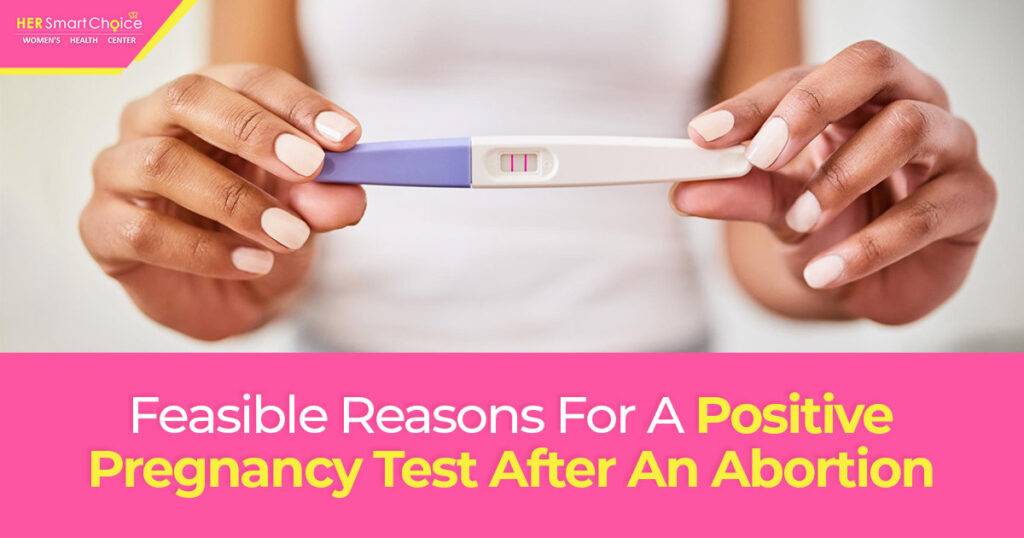
Feasible Reasons For A Positive Pregnancy Test After An Abortion


 hCG Stay In Your System After Abortion


The length of time that hCG stays in your body after an abortion can vary depending on a few factors, including how far along you were in your pregnancy and the type of abortion you had. Generally, hCG levels will start to decrease after an abortion, but it can take several days or even weeks for the hormone to be completely eliminated from your body. 


To elaborate, following an abortion, the pregnancy hormone hCG typically decreases by 50% within 24 hours. However, small amounts of hCG may still remain in the body, which could result in false positive readings on pregnancy tests if taken shortly after the procedure.


Considering that hCG can remain detectable in the body for 4 to 6 weeks, positive pregnancy test results may continue to appear for several weeks after an abortion.


If you had a medication abortion, which involves taking pills to end the pregnancy, hCG levels may take longer to decrease than if you had a surgical abortion. This is because medication abortion takes a long time to complete, and the hormone levels may take longer to return to normal. It is important to follow up with your healthcare provider after a medication abortion to ensure that the procedure was successful and that hCG levels are decreasing as expected.


After having a surgical abortion, where they remove the pregnancy tissue from your uterus, the hCG levels (pregnancy hormone) might go down faster. Nevertheless, it's good to seek the help of your healthcare provider, later on, to confirm the procedure was successful and to check for any complications.


How long after abortion do symptoms of pregnancy go away?


abortion services


After an abortion, many women experience symptoms that are similar to those of early pregnancy, such as nausea, fatigue, and breast tenderness. So, how long after abortion do symptoms of pregnancy go away? Well, these symptoms can be caused by the hormonal changes that occur after an abortion, as well as by the physical process of the abortion itself. 


The length of time that these symptoms persist can vary depending on the individual and the type of abortion they had. Generally, symptoms will improve within a few days to a week after the abortion. However, it is not uncommon for some symptoms, such as fatigue, to hold on for several weeks.


It is important to follow up with your healthcare provider after an abortion to ensure that there are no complications and to discuss any concerns or questions you may have about your recovery.


When is the earliest I can take a pregnancy test after an abortion?


abortion clinic


After an abortion, the earliest you can take a pregnancy test depends on the type of abortion and your hCG hormone levels. For a medication abortion, it's best to wait 7 to 10 days before testing. Surgical abortion may require 10 to 14 days for accurate results. 


Taking the test too soon might give a false positive due to the remaining hCG in your body. It's crucial to follow your healthcare provider's advice on when to take the test. Waiting for the right time ensures more reliable results and eases any uncertainties you may have about your pregnancy status. 


Final Thought


After an abortion, it is normal to have questions about how long it will take for your body to return to its pre-pregnancy state. 


While the length of time that hCG stays in your system can vary depending on the type of abortion you had, it is generally several days to weeks. It is important to follow up with your healthcare provider after an abortion to ensure that the procedure was successful and to discuss any concerns or questions you may have about your recovery.


In Los Angeles, there are many options for women's health clinics and abortion clinics. When choosing a clinic, it is essential to consider your individual needs and preferences, as well as factors such as cost, location, and the qualifications and experience of the healthcare providers. Whether you choose to go to a specialized abortion clinic or a women's health clinic that offers a broader range of services, it is essential to prioritize your health and well-being during this time. Reach out to Her Smart Choice to get answers to your queries.

Follow Us!

Instagram

Facebook

Linkedin

Yelp

FAQ

How long does pregnancy hCG stay in your system?

The duration that pregnancy hCG remains in your system can vary, but typically, it decreases significantly within a few days to weeks after an abortion, often becoming undetectable within 4 to 6 weeks.

How long do hCG levels stay elevated after abortion?

hCG levels typically remain elevated for about 4 to 6 weeks after an abortion, depending on individual factors. Monitoring these levels can help ensure that the body is returning to its pre-pregnancy state.

How is hCG tested in the body?

hCG is tested in the body primarily through urine or blood tests. These tests measure the levels of human chorionic gonadotropin (hCG), which is a hormone produced during pregnancy, helping to determine pregnancy status or monitor post-abortion recovery.

How to monitor hCG levels after abortion?

Monitoring hCG levels after an abortion involves regular blood tests as directed by your healthcare provider. These tests help track the decrease in hCG levels, ensuring that the abortion process is complete and your body is returning to its normal state.

How accurate are hCG pregnancy tests?

The accuracy of hCG pregnancy tests is generally high, with most tests detecting hCG levels correctly about 97% of the time when used after a missed period. However, factors like timing and test sensitivity can affect results.

Can hCG levels fluctuate after pregnancy?

hCG levels can fluctuate after pregnancy due to various factors, including the body's natural hormonal adjustments and the timing of any medical procedures. It's important to consult a healthcare provider for personalized insights and guidance.

Read more...
incomplete abortions

Incomplete Abortions: Symptoms, Causes, and Treatment


Going through an abortion can be an emotionally challenging experience. However, what can be even more complicated is an incomplete abortion. If you're unfamiliar with the term, you might mistake it for a failed abortion and assume that the pregnancy is ongoing. But that's not the case.

Follow Us!

Instagram

Facebook

Linkedin

Yelp

Incomplete abortion refers to a situation where the pregnancy has been terminated, but not entirely. If left untreated, it can result in severe complications, including infection. If you suspect that you're experiencing an incomplete abortion, it's crucial to seek medical attention immediately. Keep reading to learn more about incomplete abortions, their signs, symptoms, causes, and treatment options.


What distinguishes complete abortion from incomplete abortion?


complete and incomplete abortions


It is a common misconception that complete abortions and incomplete abortions are interchangeable terms, but this is not accurate. Unplanned abortion has various subtypes, including both complete and incomplete abortion, as well as unavoidable, missed, and threatened abortion.


When all the fetal contents are expelled from the uterus after an abortion, it is referred to as a complete abortion. On the other hand, an incomplete abortion occurs when the fetal contents are not entirely removed from the uterus and significant remains are left inside the body, leading to potential toxicity. Incomplete abortion is more harmful than complete abortion, as it can have severe aftereffects.


Signs And Symptoms of Incomplete Abortion


symptoms of incomplete abortions


The signs and symptoms of an incomplete abortion can vary depending on how far along the pregnancy was and how much fetal tissue remains in the uterus. Some of the most common symptoms of incomplete abortion include:

  • Heavy Vaginal bleeding: This is the most common symptom of an incomplete abortion. The bleeding may vary in intensity, from mild spotting to severe bleeding.
  • Abdominal pain: You may experience cramping or abdominal pain or discomfort, similar to menstrual cramps, which can be mild or severe.
  • Fetal tissue passing: You may pass fetal tissue, which can be identified as blood clots or pieces of tissue.
  • Severe Infection: Incomplete abortion can increase the risk of infection, which can cause fever, chills, and foul-smelling vaginal discharge.
  • Fever and Chills: If you experience ongoing fever, chills, and diarrhea following an abortion, it could be a sign of an incomplete abortion.


Causes of Incomplete Abortion


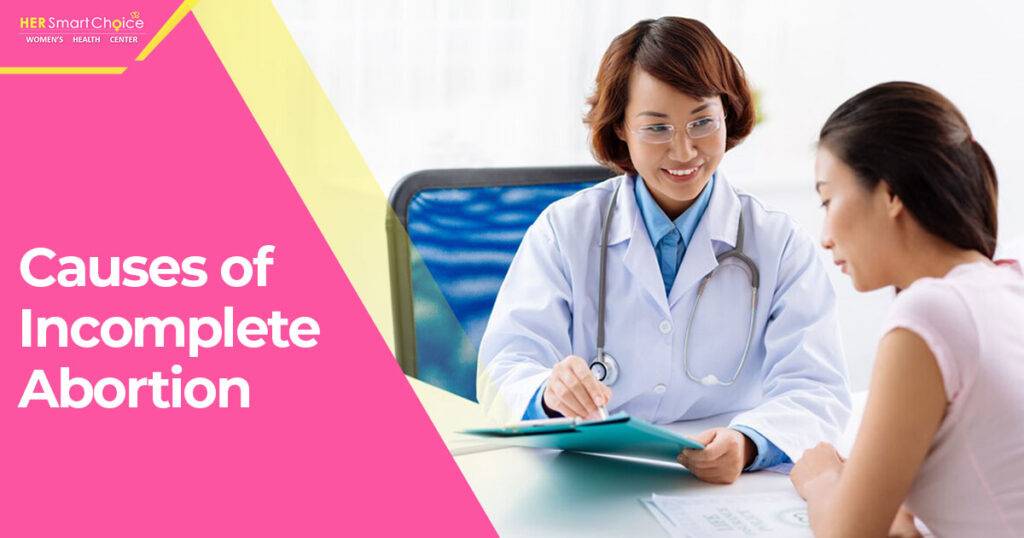
incomplete abortion causes


Some incomplete abortion cases are linked to chromosomal abnormalities. The remaining cases are attributed to other modifiable causes. Incomplete abortion can be caused by various factors, including:

 

Incompetent Cervix: When the cervical tissue is weak, it can cause premature birth or the loss of a healthy pregnancy, a condition known as an incompetent cervix. Structural issues with the cervix can lead to its weakness, causing it to shrink and open up in the second or third trimester without any signs of labor. This can result in a late miscarriage, an incomplete miscarriage, or preterm labor before the due date.


Structural Abnormalities: Another crucial cause of incomplete abortion is structural abnormalities. Structural problems can prevent the pregnancy tissue from being completely removed. Some issues with the uterus, like uterine fibroids or birth defects, can make it more likely to have incomplete abortions.

 

Hormonal Imbalance: Incomplete abortion can also be caused by hormonal imbalances, such as low levels of progesterone. Progesterone is a hormone that supports pregnancy and helps maintain the uterine lining. If progesterone levels are too low, the uterine lining may not be able to support the pregnancy, resulting in incomplete abortions.


Unsafe Abortions: Unsafe or illegal abortions can be dangerous, and without proper medical supervision, they can lead to incomplete abortions, risking severe complications. It is crucial to seek safe and legal abortion services from qualified healthcare providers.


Misinformation: Misinformation about the proper use of abortion medication at home can lead to incomplete abortions, where some pregnancy tissue is left behind. This can cause complications such as infection and bleeding.


Also, obtaining the medication from unreliable sources or using an incorrect dosage are common causes when you do it all by yourself. In this situation, medical supervision via a telehealth abortion provider is crucial to ensuring the safe and effective use of the medication.


Medical Termination of Pregnancy: The National Library of Medicine (NLM) conducted a study that suggests that medical abortion is a safe, efficient, and cost-effective method of terminating a pregnancy. However, incomplete abortion is a possible side effect. Incomplete expulsion of pregnancy tissue can occur if the medications fail to work correctly, particularly in cases of advanced gestational age or if they are not taken as directed.


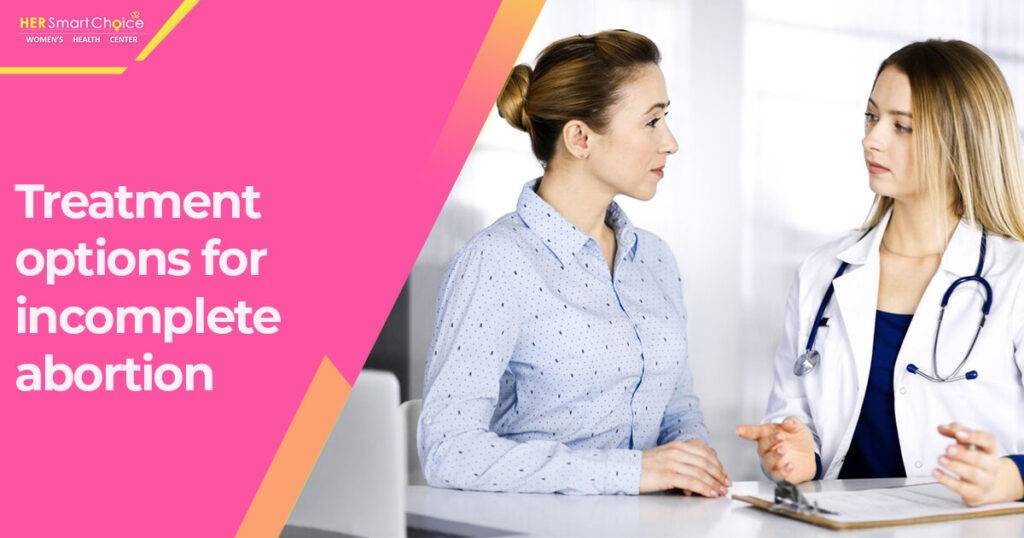
Treatment options for incomplete abortion


Causes of Incomplete Abortion


Expectant Management: In some cases, the body can expel the remaining tissue on its own. The doctor may recommend waiting a few days or weeks to see if the tissue passes naturally.


Manual Vacuum Aspiration (MVA): This procedure involves using a handheld device to remove the remaining tissue from the uterus. MVA is a safe and effective option for incomplete abortion and can often be done in an outpatient setting.


Dilatation and Curettage (D&C): D&C is a surgical procedure in which the cervix is dilated and the remaining tissue is removed from the uterus using a curette. This procedure is usually performed under general anesthesia and is more invasive than MVA.


Medication: In some cases, medication may be used to complete the abortion process. The doctor may prescribe misoprostol, a medication that helps expel the remaining tissue from the uterus.


Steps To Prevent Incomplete Abortion


abortion clinc Los Angeles


There are several steps that can be taken to reduce the risk of incomplete abortion, including:


Seeking medical care: It is essential to seek medical care from a qualified provider for any type of abortion.


Following medication and post-procedure instructions: For medical and surgical abortion procedures, it is important to follow all medication and post-procedure instructions provided by the healthcare provider.


Monitoring symptoms: You should monitor their symptoms after an abortion procedure and seek medical care if they experience any concerning symptoms.


Access to abortion pills: In some cases, abortion pills can be a safe and effective option for terminating a pregnancy. It's important to have access to safe and legal abortion pills through qualified healthcare providers.


Immediate Access to Abortion Care: The leading walk-in abortion clinic, Her Smart Choice, offers facilities where patients can receive immediate care with an immediate or same-day appointment. This can be an important option for those who need urgent care.


Telehealth abortion provider in California: Telehealth options can provide convenient and confidential access to healthcare services, including abortion care, for those who may face barriers to in-person care.


Final Thoughts


Incomplete abortion can be a serious condition that requires prompt medical attention. You must keep in mind that the symptoms can range from mild to severe and can cause serious complications or infections. However, the information you have obtained from the above passages will help guide you in making informed decisions for a safe future pregnancy and a healthy reproductive lifestyle.

Follow Us!

Instagram

Facebook

Linkedin

Yelp

If you suspect that you may have had an incomplete abortion, it is important to seek medical attention from a qualified healthcare provider as soon as possible. Being a leading women’s health center, Her Smart Choice offers a range of services, including walk-in appointments or telehealth at your convenience. So, don’t think more; just make a call with our experts and get satisfactory answers to your queries. Live a safe and healthy life!
FAQ

Can incomplete abortion cause infertility?

Incomplete abortion can potentially cause infertility. If not treated properly, retained tissue may lead to infection or scarring, which can affect future pregnancies. It’s essential to seek medical care to address any complications promptly.
What follow-up care is needed after abortion?

Follow-up care after an abortion is essential for monitoring recovery and addressing any complications. Patients should schedule a follow-up appointment within one to two weeks post-procedure to ensure proper healing and discuss any concerns with their healthcare provider.

How soon can I conceive after abortion?

The timeframe for conceiving after an abortion can vary, but many women can become pregnant as soon as two weeks post-procedure. It's important to consult with your healthcare provider for personalized advice and to ensure your body is ready for pregnancy.

What are signs of retained products post-abortion?

The signs of retained products post-abortion include persistent abdominal pain, heavy bleeding, fever, and unusual discharge. If you experience any of these symptoms, it’s important to seek medical attention promptly.

How to manage pain after misoprostol?

Managing pain after misoprostol involves using over-the-counter pain relievers like ibuprofen or acetaminophen, applying heat to the abdomen, and resting. If pain persists or worsens, consult a healthcare professional for further guidance.

Read more...
Supporting Women Through the Abortion Process

Supporting Women Through the Abortion Process

Abortion is a sensitive and multifaceted issue, but one thing is clear: women who opt for abortion deserve compassionate and respectful care. That is why healthcare providers play a prime role in supporting women through the abortion process, both by providing high-quality medical care and by offering emotional support and counseling.    In this blog, you will explore and get to know about various ways in which healthcare providers can help women navigate the abortion process with dignity and respect.   

Promising Role of Healthcare Providers in Supporting Women Through the Abortion Process

 
abortion center
 

Supportive Counseling and Education

One of the prime roles healthcare providers can play is to offer the right counseling and education to women who are considering an abortion. This includes providing accurate information about the procedure itself as well as discussing the woman's options and helping her make an informed decision. Healthcare providers should also provide information about contraception and help the woman make a plan for future contraception use.   

Adequate Pre-Abortion Care      

Before a woman undergoes an abortion, she will need to undergo certain medical tests and procedures. Healthcare providers can help ensure that these are conducted in a compassionate and respectful manner and that the woman feels comfortable and supported throughout the process. They can also provide information about pain management and anesthesia options and answer any questions the woman may have about the procedure.   

Care During the Abortion

During the abortion itself, healthcare providers should prioritize the woman's comfort and well-being. This includes providing pain management and anesthesia as needed and ensuring that the woman is aware of what's happening throughout the procedure. Providers should also monitor the woman's vital signs and be prepared to respond quickly if any complications arise.  

Comprehensive Post-Abortion Care

After the abortion, healthcare providers should continue to offer support and care to the woman. This may include follow-up appointments to ensure that the woman is healing properly and to address any concerns she may have. Providers should also offer counseling and emotional support to help the woman process her feelings about the procedure.  

Respectful and Non-Judgmental Care

Perhaps most importantly, healthcare providers should offer respectful and non-judgmental care throughout the entire abortion process. This means treating the woman with dignity and compassion, regardless of her reasons for seeking an abortion. Providers should avoid making assumptions about the woman's motivations or beliefs and instead focus on providing high-quality medical care and support.  

What Providers Should Avoid When Providing Abortion Care

  women's health clinic   It is essential that healthcare professionals prioritize their duty of care to women, girls, and pregnant individuals seeking abortion care and not allow their personal beliefs to disrupt access to these services in countries where abortion is legal.   Although in some countries healthcare professionals are allowed to refuse to perform abortions based on their personal beliefs, it is their responsibility to refer women to suitable healthcare providers to avoid any delays in accessing legal abortion services.  All healthcare providers are responsible for ensuring that women can access these services without any delays.   However, healthcare professionals cannot refuse to provide care in cases of emergency and must always provide post-abortion care to those who require it. Refusals of care based on personal beliefs can cause significant harm to patients and must be avoided at all costs.  

Final Thoughts!

  Undoubtedly, now that you know that healthcare providers play a critical role in supporting women through the abortion process, By offering crucial support in different ways as well as high-quality medical care, providers can help women navigate this complex and often emotionally charged experience with dignity and respect.  It is important for healthcare providers to approach the abortion process with compassion and understanding and to prioritize the well-being and comfort of the women in their care. The professionals at Her Smart Choice, a leading Women’s Health Center, ensure that you will feel comfortable, supported, and confident while making a decision. Connect with us to open up your heart about your reproductive health; we understand you!  
Read more...

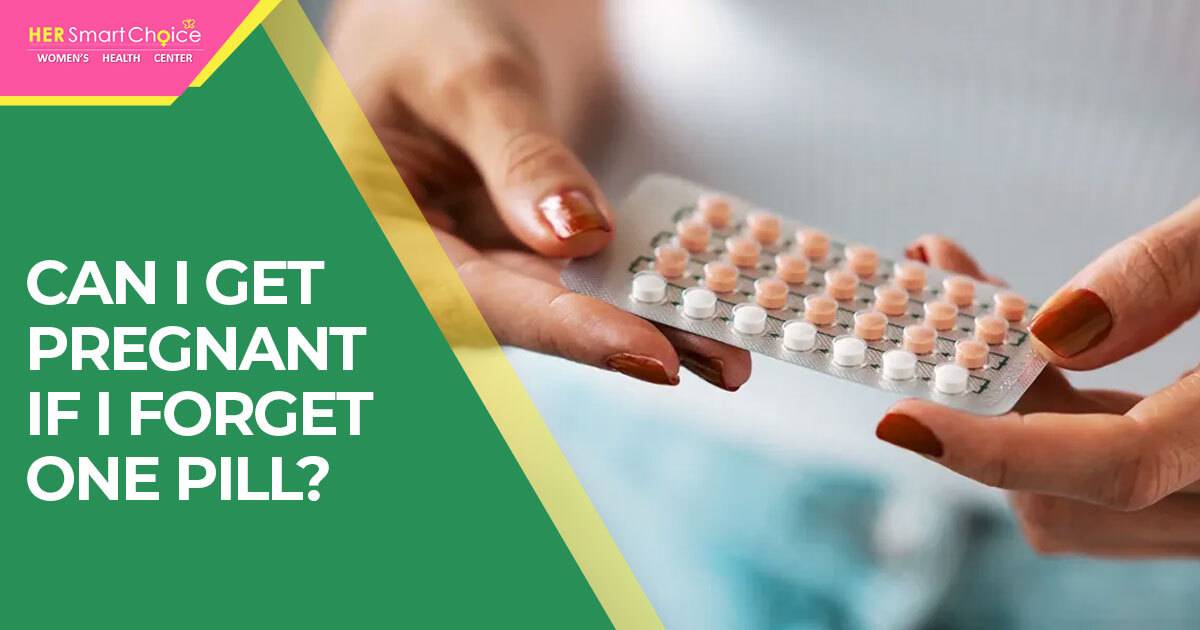
Can I get pregnant if I forget one Birth Control pill?

Birth control pills are a widely used form of contraception globally, with high efficacy rates when taken correctly. However, missing a pill or taking it at the wrong time can decrease its effectiveness and increase the risk of pregnancy.

Follow Us!

Instagram

Facebook

LinkedIn

Yelp

Further, it also depends on several factors, such as the type of pill, the number of missed active tablets, and the duration since your last pill intake. For instance, missing an active combination contraceptive pill may slightly increase the risk of pregnancy, but even if you take it at the wrong time, some of the drugs will still be present in your body which is elaborated in the following paragraphs of this blog.


Let’s explore the risks associated with forgetting one birth control pill, how it affects different types of pills, and what you can do to minimize such risks. 


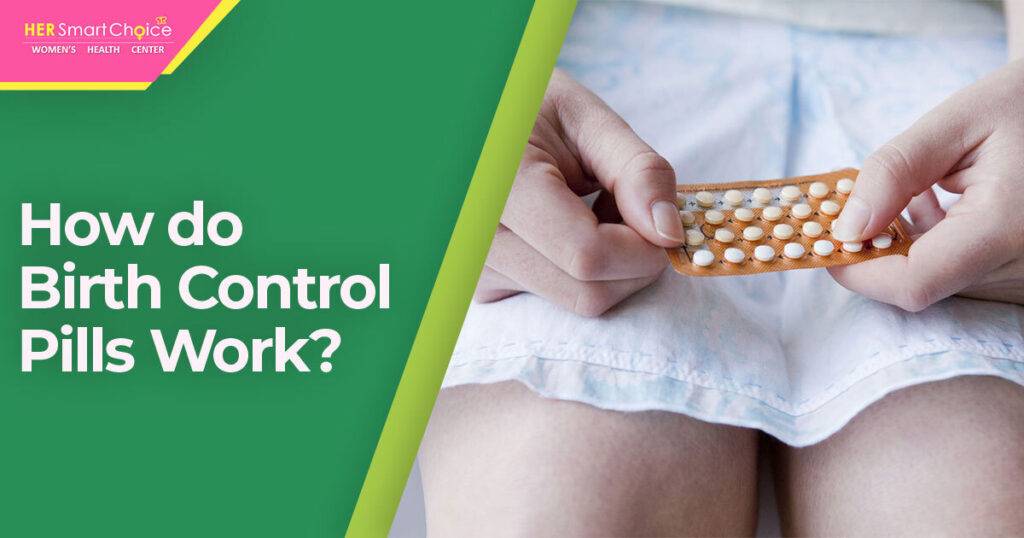
How do Birth Control Pills Work?


birth control pills


Before we delve into the risks of missing a pill, it's crucial to understand how contraception pills work. These pills contain synthetic hormones, such as estrogen and progestin, which work together to prevent ovulation, or the release of an egg from the ovaries; thicken the cervical mucus, making it challenging for sperm to reach the egg; and thin the lining of the uterus, making it difficult for a fertilized egg to implant and grow.


When taken correctly, birth control pills are highly effective, with a failure rate of less than 1% per year. But missing a pill can reduce its effectiveness and increase the chances of pregnancy.


The Risks of Forgetting One Birth Control Pill


women's health clinic


If you forget to take one pill, the risk of pregnancy is relatively low, but it still exists. The possibility of pregnancy depends on the type of pill you are taking, the number of pills missed, and the timing of the missed pill. 


Missing a combination pill, which contains estrogen and progestin, increases the risk of pregnancy slightly but not significantly. If you miss taking an active combination contraceptive pill (a type of birth control pill that contains both estrogen and progestin), the risk of getting pregnant will slightly increase. The active pills in combination with contraceptive pills are the ones that contain hormones and are responsible for preventing pregnancy.       


However, even if you take the pill at the wrong time (for example, taking it a few hours late), some of the drugs (hormones) from the pill will still be present in your body. This means that there is still some level of contraceptive protection, although it may be slightly reduced as compared to taking the pill consistently and at the correct time.


It's important to note that missing pills or taking them at the wrong time can decrease the effectiveness of the contraceptive and increase the risk of pregnancy. If you are using combination contraceptive pills, it's advised to follow the prescribed schedule and take the pills consistently to maximize their effectiveness. 


On the other hand, missing a mini-pill, which only contains progestin, increases your chances of getting pregnant, although the chances are still low. It means that when you miss taking a mini-pill, the absence of progestin in your system can increase the possibility of pregnancy. 


Progestin plays a crucial role in preventing pregnancy by thickening the cervical mucus, thinning the uterine lining, and inhibiting ovulation. Therefore, missing a mini-pill can disrupt these mechanisms and potentially allow for ovulation and fertilization to occur.


However, it's important to note that even if you miss a mini-pill, the chances of getting pregnant are still relatively low compared to not using any form of contraception. The progestin from previously taken pills may still provide some contraceptive effect, and the overall effectiveness of the mini-pill in preventing pregnancy is relatively high when taken correctly.


Extended-cycle contraceptive pills are also a popular choice among women who want to avoid monthly periods. These pills contain 84 active tablets and seven low-dose estrogen or inactive tablets, which equates to four packs per year.


By taking low-dose estrogens in the last seven tablets, it's possible to minimize the negative side effects of a hormone-free interval, such as bloating and bleeding. 


The risk of pregnancy also depends on when you forget to take the pill during your cycle. Missing a pill in the first week of the pack increases your chances of pregnancy more than forgetting pills in the middle of the pack. This is because your system is already depleted of hormones after a seven-day absence.


If you miss several pills in a row, your chances of getting pregnant increase significantly, especially in the last half of your pack or at the start of a new pack. In such cases, it's advisable to use emergency contraception or contact nearby women's health clinic.


Reducing the Risks of Forgetting One Birth Control Pill


birth control clinic


To reduce the risk of forgetting one pill, you can take several measures, such as:

  1. Setting reminders: You can use an application on your phone, an alarm, or a calendar to remind you to take your pill at the same time every day. You can also keep your pill pack in a visible and accessible place, such as your nightstand or your purse.


  1. Using a backup method: You can use a backup method of contraception, such as condoms or a diaphragm, for the first seven days of taking a new pill pack or if you miss a pill by more than 24 hours.


  1. Taking advantage of the placebo pills: If you are taking a combination pill, you can use the placebo pills, which are inactive pills, as a reminder to take your pill every day. The placebo pills are usually colored differently from the active pills and are taken during the fourth week of the pack.


  1. Consider alternative methods: If you find it challenging to remember to take a daily pill, discuss alternative contraceptive methods with your healthcare provider. There are various options available, such as long-acting reversible contraceptives (LARCs), which provide effective contraception for an extended period without requiring the consumption of daily pills.

Follow Us!

Instagram

Facebook

LinkedIn

Yelp

Summing Up

To be precise, missing one birth control pill can increase the risk of pregnancy, but the possibility depends on the type of pill, the number of pills missed, and the timing of the missed pill. To reduce the risks of forgetting one pill, you can use reminders, backup methods, placebo pills, and consult your healthcare provider. If you do forget a pill, take it as soon as possible and follow the steps outlined above for each type of pill to minimize the risk of pregnancy. You may also contact an expert at Her Smart Choice to avoid any consequences. 


FAQ

Is it possible to get pregnant after missing one pill?

Missing one pill can increase the risk of pregnancy. If you've missed a pill, it's essential to take it as soon as you remember and continue with your regular schedule. However, using a backup contraceptive method is advisable to ensure protection.

What happens if I miss one pill but take others on time?

Missing one pill while taking others on time can still affect your contraceptive effectiveness. If you miss a single pill, take it as soon as you remember, and continue with your regular schedule. Generally, you remain protected, but consult your healthcare provider for personalized advice.

What are the consequences of missing one pill and having sex?

The consequences of missing one pill and having sex can increase the risk of unintended pregnancy. It's important to consult with a healthcare provider to understand your options and ensure effective contraceptive use.

What should I do after missing a pill?

Missing a pill requires prompt action. If you miss a pill, take it as soon as you remember, even if it means taking two pills in one day. If it's been more than 24 hours, follow the instructions specific to your birth control type and consider using backup contraception. For personalized guidance, please contact Her Smart Choice.

How effective is the pill after a missed dose?

The effectiveness of the pill after a missed dose depends on how long it has been since the dose was missed. If taken within 24 hours, it remains effective; however, if more than 24 hours have passed, additional contraceptive methods should be used for at least seven days.

Can I skip my period by missing a pill?

Skipping your period by missing a pill is possible, but it’s important to understand the implications. If you miss one or more active pills, you may experience changes in your menstrual cycle, potentially leading to a delayed or lighter period. Always consult with your healthcare provider for personalized guidance.

How long after missing a pill can I get pregnant?

Missing a birth control pill can increase the risk of pregnancy. If you miss a pill, you can become pregnant as soon as you have unprotected sex, especially if you miss more than one pill in a row.

What happens if I miss multiple pills?

Missing multiple pills can significantly reduce the effectiveness of your birth control. It's essential to consult with a healthcare provider to discuss the best course of action, which may include using backup contraception to prevent unintended pregnancy.

Read more...
aspiration surgical abortion

Managing Pain During Aspiration Surgical Abortion: Tips and Techniques

Aspiration surgical abortion, also known as vacuum aspiration or suction abortion, is a surgical procedure that can effectively end a pregnancy. It is a secure way that involves the usage of suction to remove the pregnancy tissue from the uterus. However, it might cause discomfort and pain during and after the procedure. The good thing is that there are several pain management techniques available to reduce pain and uneasiness.  If you are considering aspiration surgical abortion in California, here are some effective tips and techniques that can help you manage pain during the procedure.  

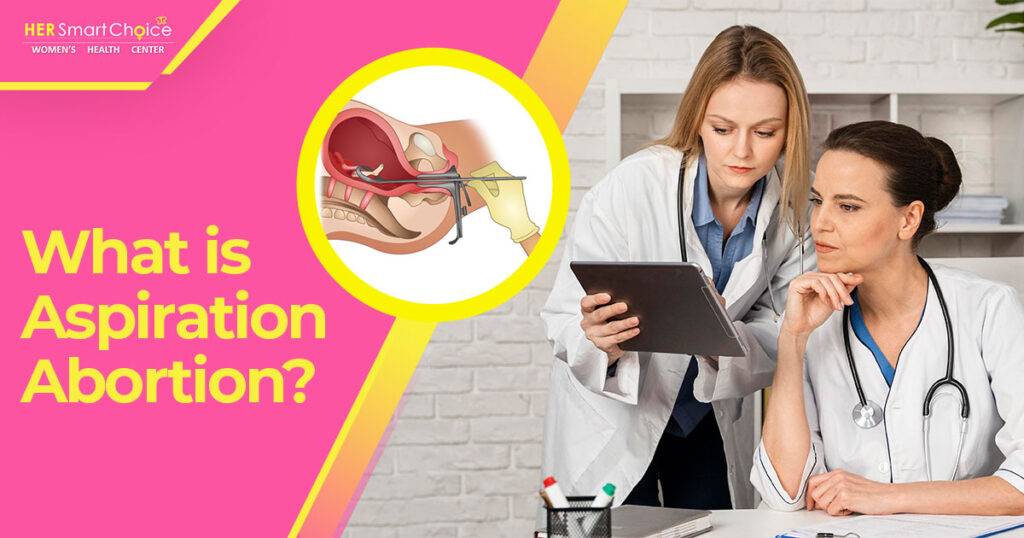
What is Aspiration Abortion?

aspiration abortionAspiration abortion is a surgical procedure performed in Women’s Health Clinic. It involves the removal of the pregnancy tissue from the uterus using suction. This procedure is usually performed in the first trimester of pregnancy, up to 14 weeks after the last menstrual period.   
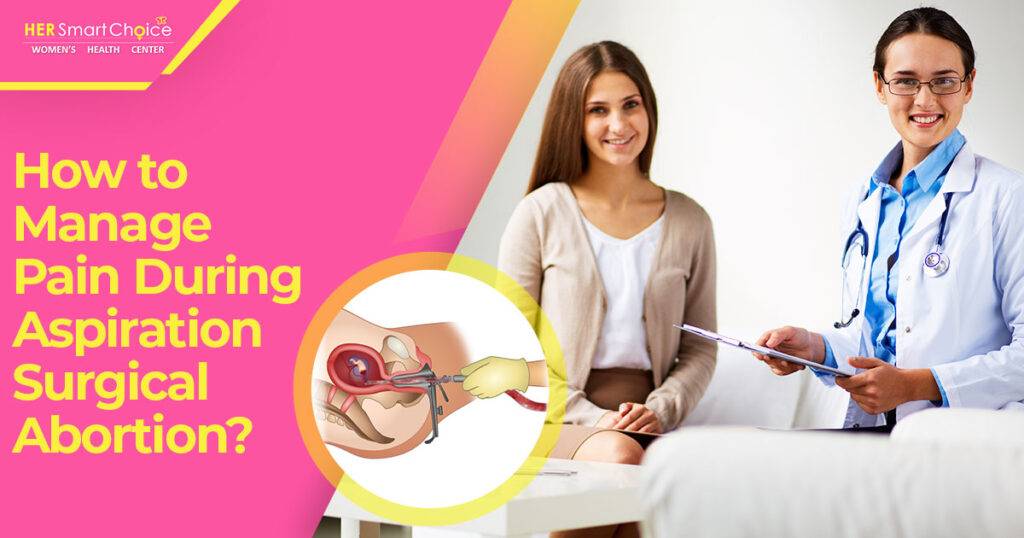
How to Manage Pain During Aspiration Surgical Abortion?

  women's health clinic   While aspiration surgical abortion is a relatively safe and straightforward procedure, it can cause distress and pain for some women. The degree of pain experienced during the process can vary from woman to woman, depending on factors such as pain threshold, anxiety, and the type of anesthesia used. Further, you will find that several pain management techniques are available to help with pain management and uneasiness during vacuum surgical abortion.  

Tips and Techniques for Managing Pain During Aspiration Surgical Abortion in Abortion Clinic

 
abortion clinic
  • Pain Relief Medication
Pain relief medication considers the most effective way to manage pain during the procedure. Non-steroidal anti-inflammatory drugs (NSAIDs) can be used to manage mild to moderate pain during the procedure. In some cases, stronger pain medication can be used to manage severe pain. Besides all this, it is important to talk to your doctor about which pain relief medication is best for you. 
  • Local Anesthesia
Local anesthesia involves the injection of a numbing agent into the cervix to reduce pain during the procedure. This technique is quick and relatively painless, but the effects of the anesthesia can last for several hours. Local anesthesia can be used in combination with pain relief medication to provide additional pain relief.
  • Conscious Sedation
Conscious sedation is a technique that involves giving medication through an IV to induce a state of relaxation and mild sleepiness. It can help reduce anxiety and pain during the procedure. The patient is usually awake and able to communicate during the procedure, but may not have a clear memory of it afterward.   (Note: Here IV stands for intravenous, which means that the medication is administered directly into a vein through a small tube (catheter) that is inserted into the patient's arm or hand.)
  • Relaxation Techniques
Relaxation techniques such as deep breathing, visualization, and guided imagery can help to reduce anxiety and pain during the procedure. These techniques can be practiced before the procedure and during the procedure to help manage pain and promote relaxation.
  • Heat Therapy
Heat therapy involves the application of heat to the lower abdomen (part of the body below the chest) to help reduce pain and discomfort during aspiration surgical abortion. Heat can be applied through a heating pad, warm compress, or hot water bottle. Heat therapy can help to soothe the muscles and promote relaxation. 
  • Distraction Techniques
Distraction techniques such as listening to music, watching a movie, or focusing on a specific object can help to divert attention away from the pain and discomfort during aspiration surgical abortion. Distraction techniques can be practiced before and during the procedure to help manage pain and obtain comfort.
  • Support System
The support system is essential to have during aspiration surgical abortion as it can help to minimize anxiety and pain. A partner, friend, or family member can provide emotional support and help to distract from the pain and tenderness during the procedure.  

The Bottom Line

  To put it briefly, managing pain during aspiration surgical abortion is possible with the variety of techniques available. It's important to have an open discussion with your healthcare provider to determine the best option for you.  At Her Smart Choice, we strive to provide comprehensive care and support for women undergoing aspiration surgical abortion If you have any questions or concerns about the procedure, don't hesitate to visit our walk-in abortion clinic. Our doors are always open to assist you.  
Read more...