abortion clinic Los Angeles

Abortion Centers: Types of Procedures and Supportive Services Available


Abortion is a medical intervention that results in the termination of a pregnancy. It is a complex issue that involves many personal and social factors, and it is important for women to have access to safe and supportive abortion services. In California, abortion is a legal procedure, and there are many abortion centers that provide these services.


HER Smart Choice is one of the reputed women's health clinic in Los Angeles that provides a variety of reproductive healthcare services, including abortion. The abortion clinics offer a range of abortion procedures and supportive services to help women make informed decisions about their reproductive health. Let’s explore the different types of abortion procedures and supportive services available at reliable abortion centers.


Types of Abortion Procedures


At an abortion center, women have access to two primary types of abortion procedures: medication abortion and surgical abortion. The selection of abortion type is influenced by a range of factors, such as the stage of pregnancy, medical history, and personal preferences of the woman seeking the abortion.


Abortion through Medication
 
medical abortion pills Los Angeles
 

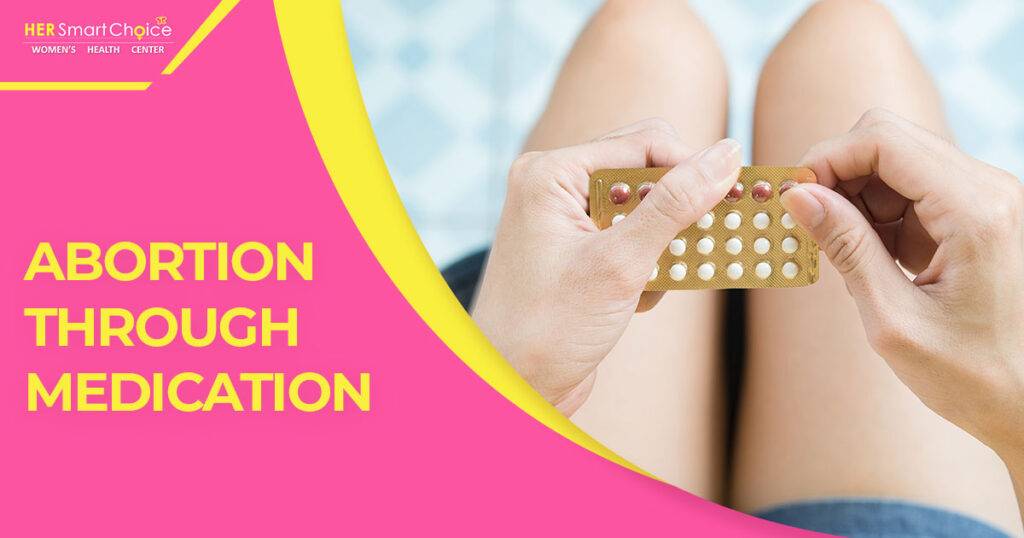
The abortion pill, or medication abortion, is a safe and non-invasive way to terminate a pregnancy. It requires taking two medications, mifepristone, and misoprostol. Mifepristone is taken at the clinic to block progesterone, while misoprostol is taken at home, typically 24–48 hours later, to induce contractions and expel the pregnancy.


Medication abortion is most effective when used before 10 weeks of pregnancy, and it has a success rate of approximately 95–98%. It is a safe and effective option for many women, and it allows for greater privacy and autonomy than surgical abortion. However, it can also be more physically and emotionally taxing, as women may experience cramping, bleeding, and other side effects.


Abortion through Surgery
 

abortion clinic


Surgical abortion is a medical method of ending a pregnancy by removing it from the uterus. The most common surgical abortion procedure is aspiration abortion. Aspiration abortion, also known as vacuum aspiration, It involves using a small tube attached to a suction device to remove the pregnancy from the uterus. The procedure typically takes 5–10 minutes and can be performed under local anesthesia or conscious sedation. Aspiration abortion is most effective when used before 14 weeks of pregnancy.


Services for Support and Assistance In Abortion Centers
 
free abortion clinics in california
 

In addition to providing abortion procedures, abortion services also offer a variety of supportive services to help women make informed decisions about their reproductive health. These services include:


Family Planning Services


The local abortion centers offer a range of family planning services, including birth control pills, condoms, Depo-Provera, patches, and IUDs. These services can help women prevent unwanted pregnancies and plan for their future reproductive health.


Women's Health and Wellness Services


Abortion Clinics provide a variety of gynecological services, including Pap tests, STD testing and treatment, and urogynecology services. These services can help women maintain their reproductive health and detect and treat any potential issues.


Fertility and Reproductive Health Services


Women's health centers offer infertility services, including fertility testing and treatment. These services can help women and their partners navigate fertility challenges and achieve their reproductive goals.


Support and Care During Abortion 


The abortion center provides a range of abortion support services, including counseling, education, and referrals. These services can help women navigate the emotional and logistical challenges of abortion and access the resources they need to make informed decisions about their reproductive health. 


Final thoughts


A women's health center offers reproductive healthcare services, including medication and surgical abortion. They also provide supportive services to help women make informed decisions. 


If you need reliable reproductive healthcare services, Her Smart Choice is a valuable resource. It is important to have access to safe and supportive abortion services. We are committed to providing quality care to women in California. Besides, we are the most convenient walk-in abortion clinic in Los Angeles. Our state-of-the-art facility is equipped with all the latest tools and technologies to provide women with our best health services.
Read more...
Abortion center Los Angeles

Supporting Someone Going Through an Abortion: Tips for Friends and Family

  Abortion is generally seen as a taboo in some regions or societies, and it makes it difficult for a woman to make an informed decision about her health. Counselors in abortion clinics provide proper assistance to women who are going through an abortion to stay positive and strong. However, individually, if someone close to you has decided to have an abortion then you can provide support and guidance to them during this. No doubt, it can be challenging for you to support someone going through an abortion.    Let's explore some tips and guidance on how to support a friend or family member who is having an abortion.   

Tips for Providing Emotional Support to a Friend or Family Member Having an Abortion

 
abortion clinic
 

Be an active listener

If you decide to support someone going through an abortion then you have to become an active listener. Giving suggestions is not always the solution, sometimes listening to women during this situation is what they actually needed the most.  Let your loved one know that you are there for them, understand their feelings at the moment, and are willing to listen to their concerns without any judgment. Encourage them to share their thoughts and emotions, and be present to listen and offer support.  

Respect their decision

The other most important thing that you can do is to respect their decision and keep it on priority. Your support helps them to make an informed decision and keep them away from the depressed situation. So, it's important to understand the sensitivity of the situation and support her decision while she is having an abortion. Regardless of your personal beliefs, it's not your place to judge or pressure them into making a different decision. Be supportive of their choice and let them know that you are there for them, no matter what.  

Provide practical support

Practical support can be invaluable to someone going through an abortion. Offer to accompany them to appointments, provide transportation, or help with household chores or childcare. You may get to know that these small and kind acts can make a big difference during a difficult time.   

Educate yourself

Educate yourself on the process of abortion and the range of emotions someone may experience during this time. This can help you better understand what your loved one is going through and offer more meaningful support. You can also research local resources, such as counseling services in local abortion centers or support groups, that may be helpful for your loved one.  

Check-in regularly

Check in regularly with your loved one to see how they are doing and if they need any additional support. Your support makes them confident and gives them a feeling of safety. Also, you can take them to an abortion center for regular checkups. However, be mindful not to overwhelm them with constant check-ins or pressure them to talk if they are not ready.  

Offer emotional support

Most women need emotional support during this time, so it is good if you offer them the same. This can include providing a listening ear, offering words of encouragement, or simply being there to provide a comforting presence. Let them know that they are not alone and that you are there to support them through this difficult time.  

Respect their privacy

Respect your loved one's privacy and only share information about their abortion with their permission. It's important to protect their confidentiality and avoid sharing any personal details without their consent.  

Be patient

Recovery from an abortion can be a long and emotional process. Be patient with your loved ones and understand that they may need time to process their emotions and feelings. Offer support and reassurance, but avoid pressuring them to move on or "get over it" too quickly.  

Sum Up

  In this blog, you’ll get to know that supporting someone going through an abortion requires patience, empathy, and understanding. By following all these tips, you can help your loved one through this difficult time. Remember to practice self-care and seek support if needed, as supporting someone through an abortion can be emotionally taxing.  So, if you want to help your loved one through this challenging experience, provide them with support and care. You may also visit our women's health clinic in Los Angeles to meet with our expert healthcare counselors if you have no one around. We ensure that you will feel safe while making an informed decision. Her Smart Choice is always there to help women for their better health and future!
Read more...
understanding abortion

Understanding Abortion: Timelines, Fertility, and Pain

Did you know that abortion is a medical procedure that is often shrouded in misconceptions and myths? As a deeply personal and complex decision, women may choose to terminate a pregnancy for various reasons, from health concerns to personal circumstances. In the following passages, you will get to know about the post-abortion fertility timeline, implications, pain management, and how soon you can get pregnant after an abortion. Explore further to learn more about the abortion process.   

Abortion Timelines: When can you get an abortion?

when can you get an abortion
The time frame during which an abortion can perform comes under abortion timelines. The gestational age of pregnancy finds out the type of abortion procedure that can be performed. In many states of the US, abortion is legal for up to 24 weeks of pregnancy. However, there are still some states with enacted laws that restrict access to abortion after a certain time. Further, you may get to know when can you get an abortion.                  

Early Abortion

  Early abortion refers to ending a pregnancy within the first trimester, which usually encompasses the initial 12 weeks of gestation. The most common type of early abortion is medication abortion. It involves the pills' consumption to induce a miscarriage. The abortion with medication pills is typically performed up to 10 weeks of pregnancy.  

Surgical Abortion 

  In surgical abortion, the process involves the removal of the contents of the uterus. It is typically performed under local anesthesia and takes about 10-15 minutes to complete the surgery. This abortion can be performed up to 24 weeks of pregnancy, depending on the state.   

Late Abortion 

  The termination of a pregnancy in the late abortion is done after 24 weeks of gestation. This abortion is performed rarely in serious cases, such as when the life or health of the mother is at risk. It can also happen when the fetus has a severe medical condition.    

How Soon After an Abortion Can You Get Pregnant

pregnancy after abortionThe timing of when a woman can get pregnant after an abortion depends on several factors, including the type of abortion procedure and the individual's reproductive health. Here are some general guidelines on how soon after an abortion can you get pregnant:   After a medication abortion: A woman can ovulate (release an egg) as soon as two weeks after taking the medication for a medication abortion. It is possible to get pregnant soon after having a medication abortion, but it is recommended that women wait at least one menstrual cycle before trying to conceive to allow their bodies to fully recover.   After a surgical abortion: A woman can ovulate as soon as two weeks after a surgical abortion, but it is recommended that women wait at least two menstrual cycles before trying to conceive to allow their bodies to fully heal.   After a late abortion: Late abortion (after 24 weeks of gestation) is typically only performed in cases where the mother's health or life is at risk, or when the fetus has a severe medical condition. In these cases, it may not be possible for a woman to become pregnant again.  
Is Abortion Painful?

  One of the most common concerns that disturb women before the procedure is: Is abortion painful? The painful experience depends on the individual’s tolerance ability and the type of abortion process you choose or performed by a doctor.   
  • Abortion is a medical procedure that can cause mild to moderate pain.
  • The level of pain experienced can vary based on factors such as the type of procedure and individual pain tolerance.
  • Medication abortion is associated with cramping similar to menstrual cramps, while surgical abortion is typically performed under local anesthesia to minimize pain.
  • Every woman's pain tolerance is different, and some women may experience more discomfort than others.
  • It is important to seek out accurate information and consult with a qualified healthcare provider to make informed decisions about reproductive health.
  • Pain management techniques may be used during the procedure to minimize discomfort.
  • Women can take over-the-counter pain relievers to manage cramping and discomfort after the procedure.
  • Emotional and psychological support can also be beneficial in helping women cope with any pain or discomfort associated with abortion.
 

How Do Abortion Pills Work?

  how abortion pills work   Medication abortion, also known as the abortion pill, is a safe and effective method of terminating a pregnancy. Abortion pills come in a combination of two pills, that is, mifepristone and misoprostol.   Primarily Mifepristone is taken and it blocks the hormone progesterone, which is essential to continue the pregnancy. After taking mifepristone, misoprostol is taken to cause contractions and expel the contents of the uterus.   The abortion pill is typically taken up to 10 weeks of pregnancy and is a safe and effective method of terminating a pregnancy.  

Summing Up

  Abortion is a deeply personal and complex decision that women may make for a variety of reasons. Understanding the timelines, fertility, and pain associated with abortion procedures is important for women who are considering their options.  It is important to seek out accurate and reliable information when making healthcare decisions and to consult with a reputed healthcare provider for personalized care and support. At Her Smart Choice, we are committed to providing safe, confidential, and compassionate care to women seeking abortion services.
Read more...
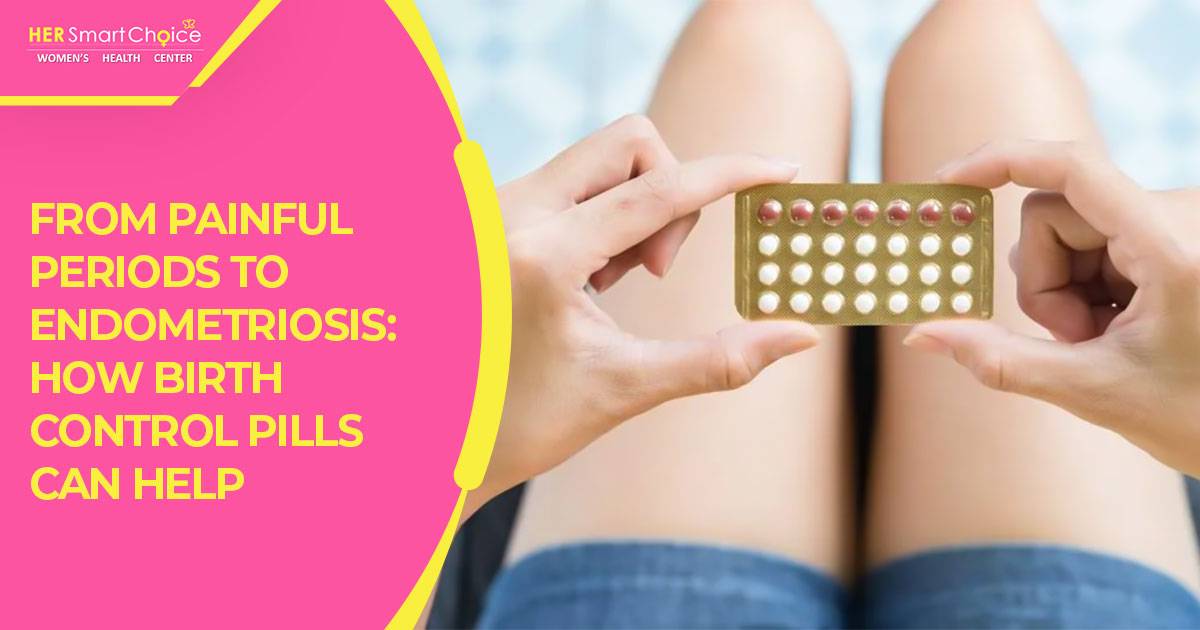
birth control pills

From Painful Periods to Endometriosis: How Birth Control Pills Can Help

Women experience menstrual pain during their monthly cycle, but for some, the pain is not that simple. It can be more than just a symptom of their period; it may be a sign of endometriosis. Millions of women around the globe are affected by endometriosis. But, however, birth control pills can be proven effective for both painful periods and endometriosis. In this blog, you can explore how birth control pills work and how they can help manage these conditions.


What is Endometriosis?

 
Endometriosis
 

When a woman has endometriosis, the body tissues that lie inside the uterus (also known as the endometrium) grow outside. It includes the ovaries, fallopian tubes, or other organs in the pelvic region. Also, the growth of tissue in your organs can cause pain, inflammation, and sometimes scarring. Not only this, but endometriosis can also lead to fertility problems.


Symptoms of Endometriosis


The most common symptom of endometriosis is pelvic pain, which can occur during periods or throughout the menstrual cycle. Other symptoms may include:

 
  • Pain during intercourse
  • Pain during bowel movements or urination
  • Heavy or irregular periods
  • Fatigue
  • Infertility
  • Diagnosing Endometriosis
 

Diagnosing endometriosis can be challenging, as it often requires a surgical procedure called a laparoscopy to confirm the presence of endometrial tissue outside of the uterus. However, a doctor may suspect endometriosis based on symptoms and medical history.


How Birth Control Pills Can Help


Birth control pills contain hormones that prevent ovulation, which can help reduce the growth and spread of endometrial tissue. Additionally, birth control pills can help regulate the menstrual cycle, which can reduce pain and other symptoms associated with endometriosis.


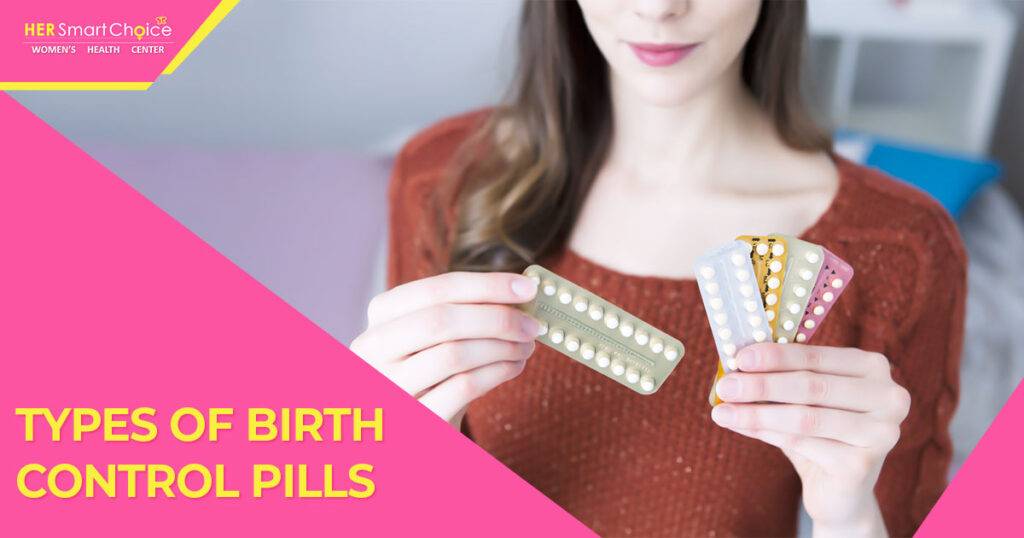
Types of Birth Control Pills


types of birth control pills


Birth control pills are divided into two parts: combination pills and progestin-only pills. These pills can be given as per the patient's condition.


Combination Pills


Combination pills contain both estrogen and progesterone and are the most common type of birth control pill. They work by preventing ovulation, thickening cervical mucus to prevent sperm from reaching the egg, and thinning the lining of the uterus to make it less hospitable to a fertilized egg. Combination pills come in different formulations with varying levels of hormones. Some women may need to try different formulations before finding one that works best for them.


Progestin-Only Pills


Progestin-only pills contain only progestin and are also known as mini-pills. They work primarily by thickening cervical mucus to prevent sperm from reaching the egg, although they may also reduce the thickness of the uterine lining. Progestin-only pills are a good option for women who cannot take estrogen, such as those with a history of blood clots or certain types of cancer.


How Birth Control Pills Are Taken


Both combination pills and progestin-only pills are taken daily, at roughly the same time each day. Combination pills are usually taken for 21 days, followed by a 7-day break during which a woman will have her period. Progestin-only pills are taken continuously, with no break for a period.


Benefits of Birth Control Pills for Endometriosis


Birth Control Pills for Endometriosis


There are several benefits to using birth control pills to manage endometriosis:


Reduced pain: Birth control pills can help reduce the pain associated with endometriosis by regulating the menstrual cycle and reducing the growth and spread of endometrial tissue.

Reduced inflammation: Endometriosis can cause inflammation in the pelvic region, which can lead to pain and other symptoms. However, birth control pills can reduce inflammation.


Regulated periods: Birth control pills can help regulate the menstrual cycle, which can reduce pain and other symptoms associated with endometriosis.


Reduced risk of ovarian cancer: Women with endometriosis are at an increased risk of ovarian cancer. However, using birth control pills can reduce this risk.


Choosing a Birth Control Pill


birth control clinic Los Angeles


Choosing the right birth control pill can be a personal and sometimes difficult decision. It's important to consider your individual needs and preferences, as well as any health conditions you may have. Some factors to consider when choosing a birth control pill include:


Hormone sensitivity: If you're sensitive to estrogen or progestin, you may want to choose a low-dose pill or a progestin-only pill.

Menstrual symptoms: If you have heavy bleeding or painful cramps, you may want to choose a pill with a higher dose of hormones or a continuous-dosing regimen.

Convenience: If you have trouble remembering to take a pill every day, you may want to choose a long-acting method, such as an IUD or implant.

Health conditions: If you have certain health conditions, such as high blood pressure or a history of blood clots, you may need to choose a non-hormonal method or a low-dose pill.


Getting Birth Control Pills in Los Angeles

 
birth control pills Los Angeles
 

If you're interested in getting birth control pills in Los Angeles, there are many resources available to you. You can visit a women's healthcare provider, such as a gynecologist or family planning clinic, to discuss your options and get a prescription. You can also visit a pharmacy to fill your prescription or order birth control pills online and have them delivered to your home.


At Her Smart Choice, we offer personalized care and support to help you find the best birth control option for you. Our team of healthcare professionals has years of experience in family planning and reproductive health, and we're dedicated to providing compassionate and high-quality care to our patients. We offer a range of birth control options, including birth control pills, and we'll work with you to find the best fit for your needs and lifestyle.


Conclusion


In conclusion, birth control pills are a safe and effective method of contraception and menstrual management for many women. If you're considering birth control pills in Los Angeles, it's important to talk to a healthcare provider and choose the method that's right for you. At Her Smart Choice Consultancy, we're here to support you in your reproductive health journey.

Read more...
Birth control pills

Melatonin and Birth Control: The Unexpected Relationship

  Millions of women consume birth control pills to prevent pregnancy, are you one of them? Besides, some people also take melatonin supplements that help them to get a good sleep. If you are also one of them, you may be surprised to learn that there is a solid connection between them.    In the following passages, you'll explore the surprising relationship between melatonin and birth control, and what you need to know to stay safe and secure.   

Role of Melatonin

  Birth control pills   The pineal gland of human body naturally produces a hormone known as Melatonin in response to darkness. Its role is to regulate the sleep-wake cycle by promoting drowsiness and lowering body temperature. The supplements of melatonin are commonly used to treat insomnia and sleep disorders.  

Benefits

  • It can help improve the quality and duration of sleep, especially for people with sleep disorders, like, insomnia.
  • Its antioxidant properties can help in providing protection against cellular damage and reduce inflammation in the body.
  • It regulates immune system function, which can help improve overall health and lowers the risk of certain diseases. 
  • It may have a protective effect against age-related cognitive decline.  
  • It may also reduce the symptoms of depression and anxiety. 
 

Role of Birth Control pills

 
birth control pills
  Birth control pills are also an effective type of hormonal birth control method that women have taken to prevent pregnancy. Birth control pills consist of synthetic versions of the hormones that are known as estrogen and progesterone. These pills work together to thicken cervical mucus and prevent ovulation to prevent sperm from reaching the egg.   

Benefits

 
  • It can help regulate menstrual cycles and reduce symptoms of premenstrual syndrome along with preventing pregnancy. 
  • It may also lower the risk of ovarian and endometrial cancer. 
  • It also improves acne and reduces unwanted hair growth associated with PCOS conditions. 
  • The pills may also reduce the risk of developing pelvic inflammatory disease (PID), which can lead to infertility. 
  • It provides a non-hormonal option for managing heavy or painful periods via using pills. 
 

Connection Between Melatonin and Birth Control Pills

  Birth control pills   Generally, it has been seen that the effectiveness of birth control pills may affect melatonin There is a reason behind this, according to which melatonin can increase the activity of an enzyme called CYP43. Melatonin is responsible for breaking down estrogen and progesterone.   Further, estrogen and progesterone break more quickly when CYP3A4 is more active. This can also lead to lower levels of these hormones in the body. As a result, this can reduce the effectiveness of birth control pills. They depend on hormones to prevent ovulation and thicken cervical mucus.    Medical researchers found that women who consume melatonin supplements had lower levels of estrogen and progesterone in their blood compared to women who didn't take melatonin. This could be a sign of the interference of melatonin with the effectiveness of birth control pills. However, some studies found only a small effect of melatonin.   

Things You Need To Know To Stay Safe

 
women's health clinic
  If you're taking both, melatonin supplements and birth control pills, together then you must talk to your healthcare provider before you have it. They may discuss its potential benefits and risks with you or may recommend an alternative form of contraception. Lastly, the providers of the birth-control clinic may also adjust your dosage of either birth control pills or melatonin, so that they may not affect your routine and health.    You may also note that other substances can affect the impact of birth control pills, including antibiotics, antifungal medications, and some authorized or herbal supplements. Make sure to verify it from a reputed women's health clinic, like Her Smart Choice. Here you can meet with expert healthcare providers and obtain the best counseling to make an informed decision.    

Conclusion

  While the connection between melatonin and birth control pills may be surprising, it is important to be aware of the potential risks and benefits. If you are taking both of these substances, talk to your healthcare provider about the best course of action to ensure that you are fully protected from unintended pregnancy and other health risks. From the above information, you may learn how to stay safe while taking both melatonin supplements and birth control pills.    As always, it is important to carefully follow the instructions for taking any medications or supplements. For that, you can consult Her Smart Choice, a leading healthcare provider, before consuming both supplements and pills; even here you get reliable counseling on choosing the suitable birth control options for women. 
Read more...
birth control pills

The Sleepy Side of Pills: How Contraceptives Affect Your Energy Levels?

  Millions of people use hormonal contraceptives as a popular form of birth control as they consider it the best and easy method to prevent pregnancy. Undoubtedly, these contraceptives are quite effective to provide instant relief to women with less pain. Yet they can also impact many aspects of a person’s health, including energy levels. In this blog post, you’ll explore the potential effects of hormonal contraceptives on sleep and learn some tips to manage any sleep-related side- effects.   

How Hormonal Contraceptives Affect Your Energy Levels?

  hormonal contraceptives   The synthetic versions of the hormones, estrogen and progesterone, present in hormonal contraceptives can affect the natural hormone levels of the body. These changes in the hormones can impact energy levels in the following ways:  

Disrupting Sleep Patterns

  This contraceptive may impact your body’s natural sleep-wake cycle. It further leads to difficulty in falling asleep. This disturbance can be caused due to several factors, such as hormone levels and increased anxiety or stress. The more you get poor sleep, the more its quality can lead to the feeling of fatigue and low energy.   

Experience an Increase In Fatigue

  Some women also experienced an excess of fatigue and tiredness during or after hormonal contraceptives. The reason behind this fatigue can be changes in hormone levels and poor sleep quality. This sleeplessness affects your daily routine and prevents you from completing daily tasks on time and may also feel less motivated to engage in physical activity.   

Affecting Mood 

  The hormonal birth-control method can impact mood which in turn affects energy levels. You can feel increased mood swings, which can mostly create due to depression or anxiety. It can also lead to decreased motivation and a lack of interest in daily activities.   

Changing Appetite 

  The hormonal contraceptives can impact appetite which further affects energy levels. In such a situation, you may feel cravings for carbohydrates that can further lead to feelings of fatigue. The change in appetite can lead to the intake of poor nutrients that may have a negative impact on your energy levels.   

Tips For Managing Sleep-Related Side Effects Of Hormonal Contraceptives

  hormonal birth control side effects   You can do several things to manage sleep-related side effects from hormonal contraceptives. You have no need to stress yourself, just need to follow the below-given tips:  

Stick To a Consistent Sleep Schedule

  If you want to make a proper routine, you have to follow a sleep routine. You can try to make a punctual routine of going to bed every day and waking up at the same time, even on weekends. This effort can help you to regulate your body’s natural sleeping cycle and improve quality sleep.   

Create a Sleep-Conducive Environment 

  The environment of your surroundings also matters to make your sleep comfortable and relaxing. If you keep your bedroom cool, quiet, and dark. You can avoid the use of electronics like blue light, in the bedroom as it disrupts sleep. If you consider black-out curtains then it can create a more restful environment.   

Practice Relaxation Techniques 

  You may also try some basic techniques that can provide you relaxation and a comfortable sleep for a long, It includes meditation, deep breathing, or yoga to improve sleep quality and reduce stress. It is good to consider these techniques and add them to your daily routine to manage sleep-related side effects.   

Regular Exercise Routine

  You can make a routine of regular exercise that can help you to get quality sleep and reduce feelings of fatigue. If you aim for only 30 minutes of moderate-intensity exercise in your initial days, then also you may be able to improve your sleeping. Choose any exercise, such as brisk walking, cycling, or swimming, that can provide you with relaxation.   

Talk To Your Healthcare Provider

  Even if you’re experiencing sleep-related side effects due to hormonal contraceptives, talk to your healthcare provider. Expert healthcare providers may recommend or suggest alternative birth control methods and other ways to manage your symptoms. Even the professional can help you to identify any other health issue that may be contributing to your sleep-related symptoms.   

Conclusion 

  The above passages clearly conclude about the popularity of hormonal contraceptives and their impact on sleep routines. These birth control methods are very effective but they decrease the level of energy and sleep which causes discomfort to women. However, you can still be able to recover from such a situation, for that, you only need to keep in mind the above-mentioned tips. These tips help you to turn those hard days into a normal routine again, that are temporary. You can improve your health again with the guidance of a professional healthcare provider. Her Smart Choice women's health clinic is always available to listen to your queries with its same-day appointments and telehealth solutions.
Read more...
crisis pregnancy centers

Crisis Pregnancy Centers: Exposing Deceptive Practices and Risks for Women


Making an informed decision during pregnancy is crucial, whether it is about acquiring services or selecting the right health center. Some centers claim to have the best pregnancy-related services, but they don’t. These non-profit organizations are actually known as Crisis Pregnancy Centers (CPCs) and may mislead women seeking reproductive health care.


What are Crisis Pregnancy Centers?

  what are crisis pregnancy centers

Crisis pregnancy centers are a type of NGO or pregnancy support center that present themselves to work as healthcare clinics, yet they provide counseling intended to discourage access to abortion care. Even you may find that the providers in such centers engage in manipulative and deceptive practices that spread misinformation on abortion and sexual health. CPCs work as medical clinics, but they may not be authentically regulated.


These centers try to attract patients by offering free services, including onsite ultrasounds and STI testing. However, their main goal is to discourage abortion and mislead the patient, which can be harmful later.


How Crisis Pregnancy Centers Deceive Women

 
pregnancy support centers
 

One of the main demerits of CPCs is that they use deceptive practices to attract women into their centers. Misleading advertising is one of the sources they may use to offer comprehensive reproductive health care services through crisis centers. But, actually, they offer only limited services that keep women away from abortions.


They may also use false tricks, such as giving incorrect information about the risks and side effects of abortion or delaying your appointment, which can affect your reproductive life. Besides, CPCs use similar names or set up their centers near clinics to confuse women seeking abortions.


Risk Factors for Women Associated with Crisis Pregnancy Centers


crisis pregnancy centers risks


You have to be more careful when choosing abortion services; CPCs can put your life at risk with inappropriate care. Some of the common risks associated with CPCs and the effects of their misinformation include:


Delayed Medical Care: With a lack of resources and knowledge, CPCs may guide you wrongly and delay you from seeking medical care on time. Later, this can lead to serious complications for your reproductive health or even become a life threat. Maybe you’ll fail to know that CPCs are not licensed or regulated healthcare providers. Even they may not have the expertise and resources to provide you with comprehensive care.


Sharing Misinformation: CPCs may circulate false information about abortion and birth control options, which can be harmful to your reproductive health. For instance, they may scare women by considering abortion dangerous and having long-term effects.


Lack of Access to Comprehensive Care: These crisis centers may not have adequate resources to provide you with prenatal care or other necessary services. As a result, it can put the lives of the fetus and mother at risk.


Stigmatization and Shame: The worst part of these centers that you might want to avoid is their communicative style. They may use stigmatizing language and tactics to discourage women, which, as a result, may raise feelings of guilt, shame, and isolation inside you.


Financial Exploitation: Some CPCs may also use the method of high charges to exploit women. They may charge inflated prices for pregnancy tests, services, and medicines that discourage women from acquiring pregnancy services on time.


Limited Parenting Support Resources: Some Crisis pregnancy centers offer parenting support, whereas many do not have the resources and expertise to provide these services, which can put the mother and baby’s lives at risk of financial, emotional, and life-threatening threats.


Where to Turn for Pregnancy Support?


women's health clinic California


You can check out various alternatives to CPCs to access termination of unplanned pregnancy services, counseling, reproductive health care, and education. These alternatives include:

 
  • Her Smart Choice: In this reputed Women's health clinic near you, you will obtain a variety of services, including reproductive health care, birth control, and counseling with same-day appointments that are helpful for women to access quick health solutions.
 
  • Planned Parent hood: You can visit Planned Parent hood, which offers a range of services, including contraception, prenatal care, and abortion care services, as well as counseling and education.


Conclusion


Crisis pregnancy centers have been a controversial issue for many years, with critics arguing that they use false practices and misinformation to discourage women from seeking abortions. CPCs may offer some limited services and support, and they are not licensed or regulated healthcare providers.

Women need to have access to accurate information and resources about reproductive healthcare options to make informed decisions. You can also choose the right center to obtain accurate health care services. Feel free to reach out to Her Smart Choice to get the answers to your queries anytime over the phone!

Read more...
Tubal Ligation birth control

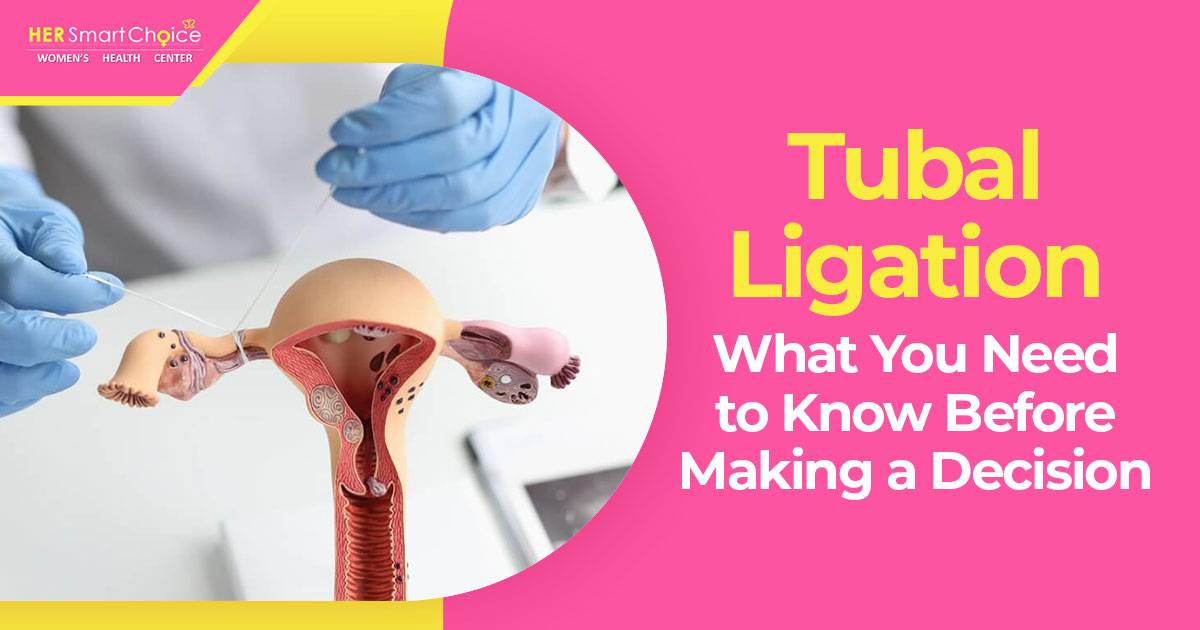
Tubal Ligation: What You Need to Know Before Making a Decision


Do you find yourself struggling to choose the right birth control method? In this blog, we'll take a closer look at Tubal Ligation, a permanent solution. May it be a good fit for you?

Follow Us!

Instagram

Facebook

Linkedin

Yelp

There are some temporary and permanent birth control methods available in the healthcare center for women. 


Do not stress your brain, today in this blog, you're going to read about Tubal Ligation, a permanent solution, and who needs to get their tubes tied. Generally, Tubal Ligation is another type of birth control method that is effective for female sterilization and there are some factors that one needs to consider before getting tubes tied


What is Tubal Ligation?


what is tubal ligation


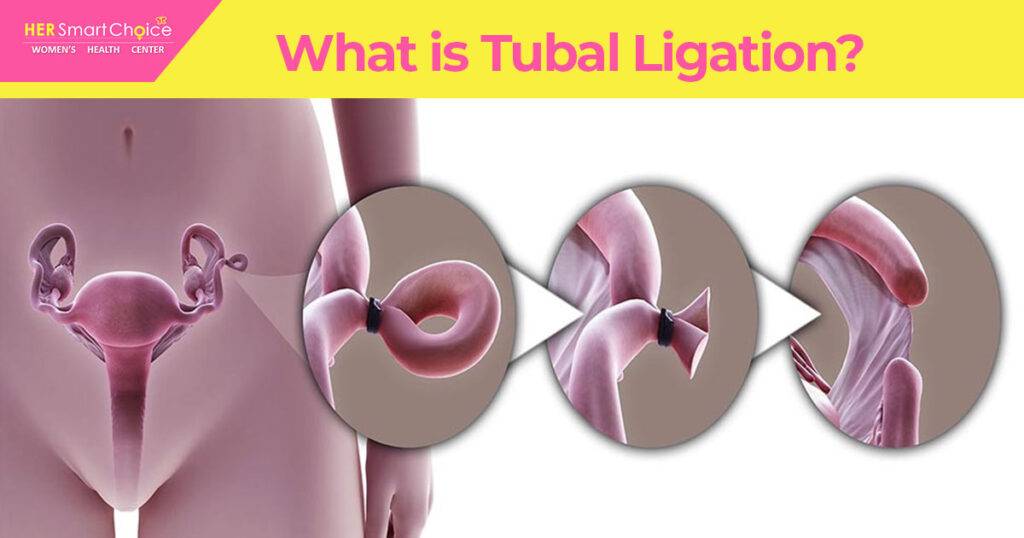
Tubal Ligation is a surgical procedure, also known as ‘tubes tied’, which involves blocking or sealing off the fallopian tubes. Further, it helps in preventing sperm and eggs, this way it succeeds in achieving permanent female sterilization. 


This procedure considers a highly rated and effective form of contraception. Even it has a highly effective success rate as per the research study of American College of Obstetricians and Gynecologists (ACOG). In the following passage, you’ll get to know about the various factors that women should consider before undergoing this process, such as age, family planning goals, and medical history. 


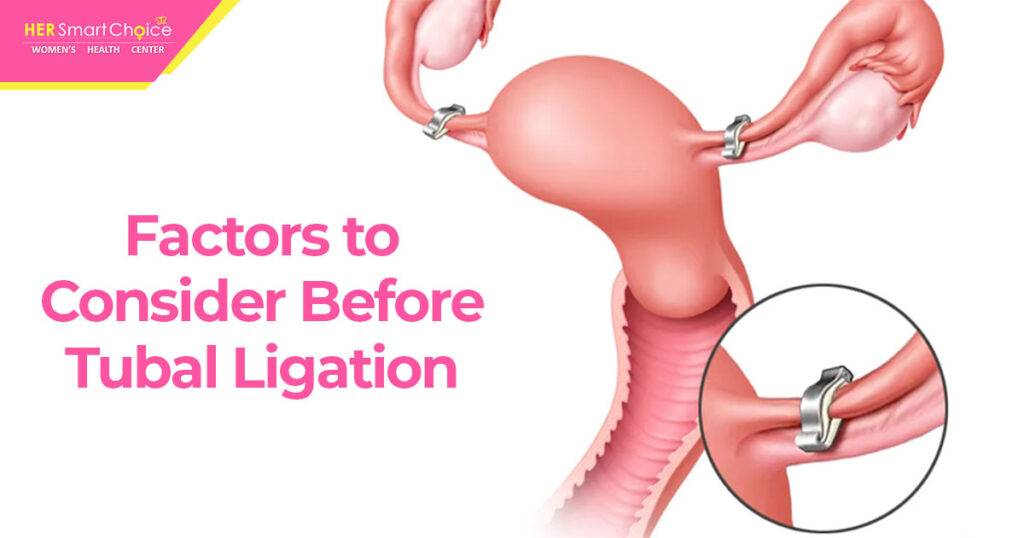
Factors to Consider Before Tubal Ligation


type of birth control


Complete Family - If you or women near you, have completed their families and do not want to expand may consider their tubes tied. Tubal Ligation is a permanent form of contraception for women who don’t want any children. There are very few chances for women to get pregnant after undergoing the entire process. So, if you’re prepared for not having more children, then getting tubes tied is the right solution for you.


Medical Conditions that Make Pregnancy Unsafe: If women have some medical conditions, including severe heart disease, kidney disease, or certain cancer types, they may consider the tube-tied form of contraception. Otherwise, in such situations, the family endangers the mother’s life. 


Family History of Hereditary Diseases: In such conditions, women who are dealing with a family history of genetic disorders, may get their tubes tied. They consider this to prevent the transmission of diseases to offspring. This way they ensure that no problem related to their genes will be passed on further to their children. 


Age Factor  - Age is also considered a vital factor for getting a test tube tied. Mostly, women of 35 plus age group may be advised to get their tubes tied.  They have a higher risk of complications during pregnancy. 


Partner’s Decision: The ultimate decision, whether getting the tubes tied or not, is of women. It is good if you give importance to considering the partner’s opinions. If the partner does not want more children, getting birth-control tubes is the right option. 


Future Family Planning Goals: If you are unsure about your family planning goals or who may want to have children in the future should consider other forms of contraception. Tubes Tied are the permanent method of birth control with a highly successful rate. But, if you want temporary control over pregnancy, then you should go for other methods, such as IUDs, birth control pills, or condoms. 


Personal Beliefs & Values: Some women also follow this birth control method only for personal beliefs and values. They want to reduce the impact of the excess birth rate by not having more children. So, they get the tubes tied to stop further pregnancies. 


Recovery After Tubal Ligation


recovery after tubal ligation


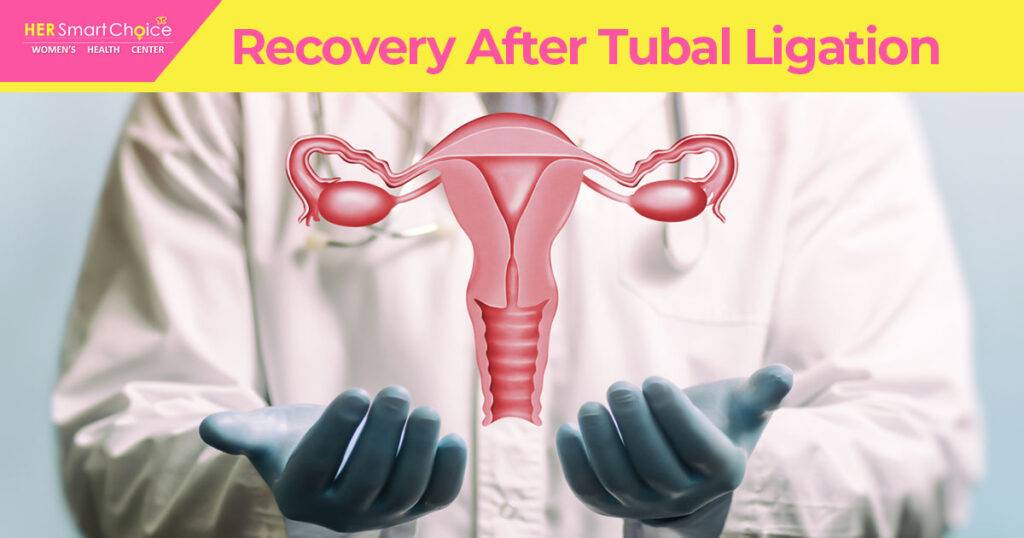
The procedure of tubal ligation is surgical and it requires the followings instruction for recovery:


  • After tubal ligation, recovery is straightforward and most women can return to their normal routine within a few days. 
  • It is essential to follow your doctor’s instructions carefully for a better and smooth recovery. 
  • Must remember to follow common post-operative instructions, including avoiding heavy lifting or exercise for a few days. 
  • It is also essential to avoid sexual activities for a few days until the doctor allows you again. 
  • Pain medication also is there but may be prescribed to manage any discomfort. 
  • Some patients may also experience spotting or mild cramping after the procedure, which is normal, no need to be scared in such a situation. 
  • It is essential to keep the particular area clean and dry to prevent infection. 
  • Contact your doctor or your nearby Women’s Health Clinic if you experience severe pain, fever, or heavy bleeding after the procedure. 


Conclusion 


From the above passages, you may get a clear view of tubal ligation and its effective nature as a contraception method. There are numerous factors that women need to consider before getting tubes tied. It includes personal beliefs, medical conditions, family planning, age factor, partner decision, and others that impact women’s decision for choosing this permanent birth control method. The procedure of tubal ligation is safe and effective and most successful in results. But, still, it is advised to discuss with the doctor to make an informed decision as per your health history and present report. Contact Her Smart Choice for expert advice on tubal ligation and other birth control options.

Follow Us!

Instagram

Facebook

Linkedin

Yelp

FAQ

What is Tubal Ligation and how does it work?

Tubal Ligation, commonly referred to as getting your "tubes tied," is a surgical procedure that permanently blocks or seals the fallopian tubes to prevent sperm from fertilizing eggs, thereby resulting in permanent female sterilization.

Who should consider Tubal Ligation?

Tubal Ligation is typically considered by women who have completed their families and do not wish to have more children, those with medical conditions where pregnancy could pose risks, and women with a family history of hereditary diseases. It is also important for those who are sure about their family planning goals.

What factors should I consider before opting for Tubal Ligation?

Key factors include your age, family planning goals, medical history, partner’s opinions, and personal beliefs and values regarding having children. Consulting with a healthcare professional can help ensure that it is the right choice for you.

What can I expect during recovery after the procedure?

Recovery from Tubal Ligation is generally straightforward. Most women can return to normal activities within a few days. It is important to follow your doctor’s post-operative instructions, refrain from heavy lifting or exercise initially, and watch for any concerning symptoms such as severe pain or heavy bleeding.

What are the risks and potential complications of Tubal Ligation?

While Tubal Ligation is considered a safe and effective procedure, potential risks include infection, chronic pain, or complications from the surgery itself. It's important to discuss these risks with your doctor to weigh them against the benefits.

Read more...
need for safe abortions

The Importance of Confidentiality in Abortion Care: Protecting Women’s Privacy and Safety

  Abortion always remains in the headlines as a controversial topic. Its sensitivity keeps it surrounded by stigma and judgment. Women who seek abortion care may face several challenges, including social pressure, legal restrictions, and financial hardships. The main concern for women is the need for confidentiality in abortion care. Also, it is essential for protecting women’s rights, privacy, and safety.  There is no doubt in saying that keeping the patient’s information private and secure is a fundamental principle of healthcare clinics. Her Smart Choice Women's Health Clinic also keeps this principle on the top of its services lists. Women who seek abortion may have a fear of judgment or violence from the opposition (who oppose abortion). Therefore, most women want to keep their information confidential.   

The Importance Of Confidentiality In Abortion Care

importance of confidential abortions
Confidentiality Builds Trust: It is an essential aspect to build trust between patients and the abortion counselor. Most of women are often vulnerable while seeking an abortion. They may feel anxious and depressed about their decision. So, they need to build their trust in their counselor to keep their information private and secure. Even the counselor helps you to share your feelings and experiences without any fear, this stronger counselor-patient relationship.    Confidentiality Protects Privacy: For protecting the privacy of women, confidentiality plays an important role. Women may face stigma and discrimination from their communities or families while seeking an abortion. Maybe a woman has to face violence and judgment also. But, confidentiality keeps all your personal information secure to your healthcare providers. This will keep you protected from any potential harm or harassment.    Confidentiality Reduces Stigma: In many societies, abortion still seems as a stigma that keeps women of that place uncomfortable while seeking an abortion. As a result, women always stay in fear of being judged by society and the people around them. Confidentiality works here in reducing the stigma by providing a safe and supportive environment to women considering abortion. If she feels secure then she can make an informed decision about abortion.    Confidentiality Encourages Honesty: Encouraging honesty is the next important aspect while giving abortion counseling. Women may have emotional and psychological needs that are complex. For that, they will provide an environment where they can share their feelings and experiences without any fear of judgment. Once a woman knows their information is secure and confidential, they are more honest and opens up to her counselor. As a result, it brings good outcomes for the patient and their growth.   

The Role Of Healthcare Providers in Ensuring Confidentiality

women's health clinic   Healthcare providers also have a significant role in ensuring confidentiality in abortion care. They keep the information safe by following certain steps, such as using a secure health record system, limiting patient access, and ensuring no one obtains the patient’s information without consent. Healthcare providers ensure that their staff is well-trained and experienced in keeping the process and details confidential. They understand the importance of protecting information.   

Here is the outline of a few roles for healthcare providers: 

  • Healthcare providers may have legal and ethical resources to maintain patient confidentiality. 
  • A provider must ensure to keep the patient’s information private or not disclose it to unauthorized individuals. 
  • A provider should obtain written consent from patients before sharing their medical information with a third person or party. 
  • Healthcare providers can use secure communication channels when transmitting patient information electronically. 
  • A provider must ensure that patient records are stored in a safe place and can be accessed only by authorized personnel. 
  • Providers must implement accurate measurements to protect patient information from theft, loss, or any kind of unauthorized access. 
  • Healthcare providers may also have to put clear policies and procedures in place for handling patient information. 
  • They must be aware if anyone breaches the patient’s information and lodge a complaint against them. 
  • They may encourage patients to ask questions related to their (patient) rights and raise concerns if needed. 
 

Conclusion 

After reading the entire blog, you learn about the importance of confidentiality in abortion counseling. If the patient builds trust with their healthcare provider, only then can they can make an informed decision about abortion or birth control. Here you will also get to know about the role of the healthcare provider in following the listed methods and securing the information of patients. This will help you in understanding the trust that is building in abortion with the provider.
Read more...
Nexplanon and birth control

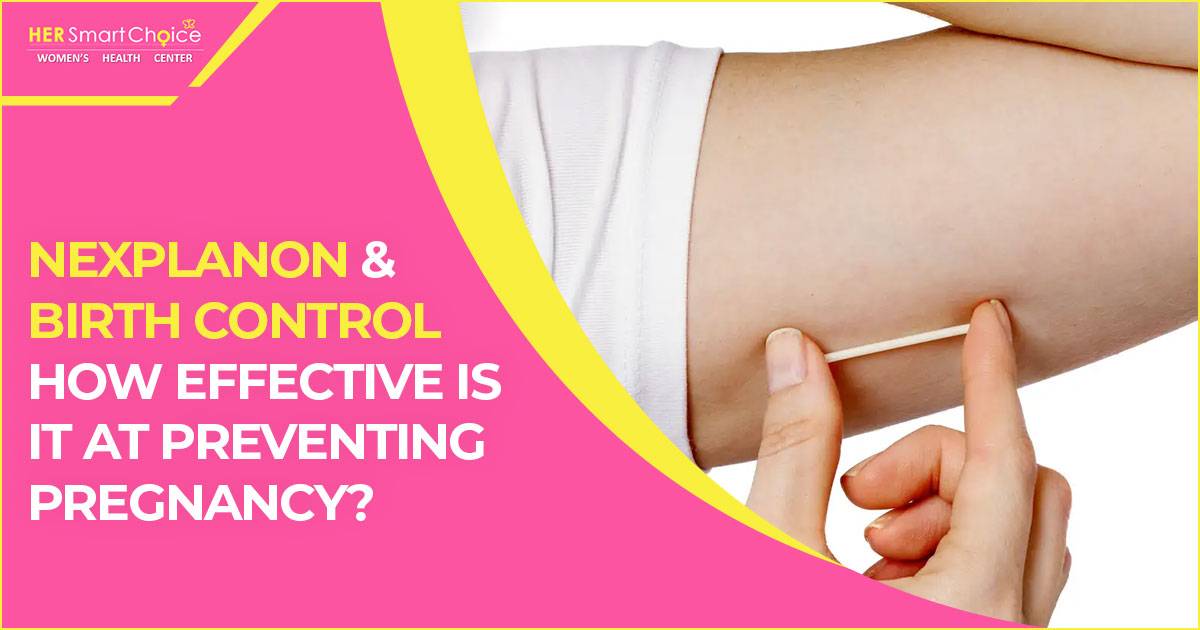
Nexplanon Birth Control: How Effective Is It at Preventing Pregnancy?

  Birth-control methods are becoming popular day by day as technology grows. The decision-making of birth control reflects the women’s right to make decisions on their own. Despite all these, let’s talk about a variety of options available for birth control, including vaginal rings, IUDs, oral contraceptives, and patches. However, there is one of the new forms of birth control introduced - Nexplanon implant. It is basically a small and flexible rod that is inserted beneath the skin of the upper arm. But the question raised is how effective is Nexplanon at preventing pregnancy? In this blog post, you’ll learn about Nexplanon, its effectiveness, and how it prevents pregnancy.  

What is Nexplanon?

 
nexplanon birth control method
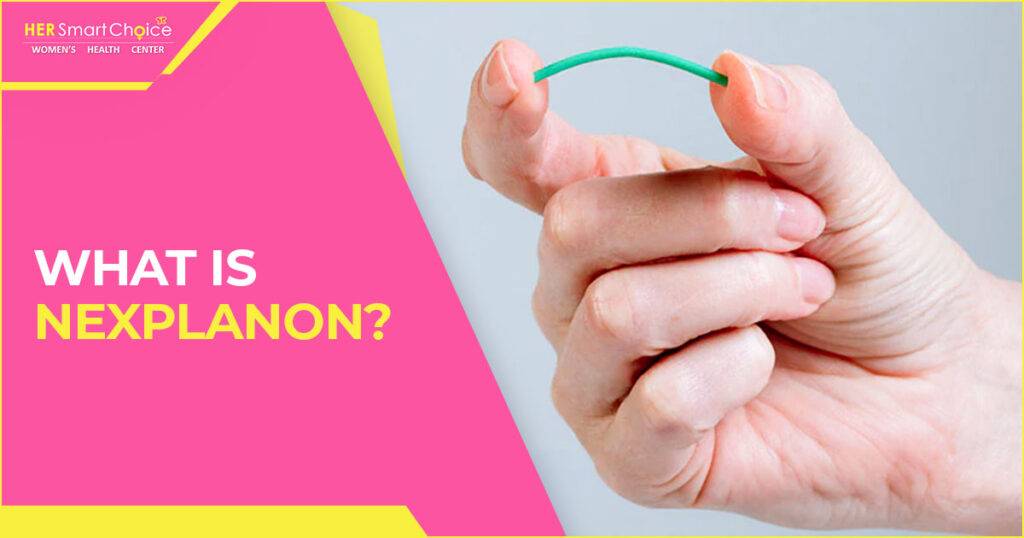
Nexplanon is a tiny and flexible implant that is inserted in the woman’s body from beneath the skin of the upper arm. This form of hormonal birth control comes under progestin-only, which represents the release of synthetic versions of the hormone progesterone. The device is the size of a matchstick. Further, it is inserted by a healthcare provider during a quick, outpatient procedure. The duration of the implant lasts for up to three years once it is inserted. It provides a long-lasting experience and reduces the stress of taking daily pills, injections, or other forms of contraception.  

How Does Nexplanon Prevent Pregnancy?

 
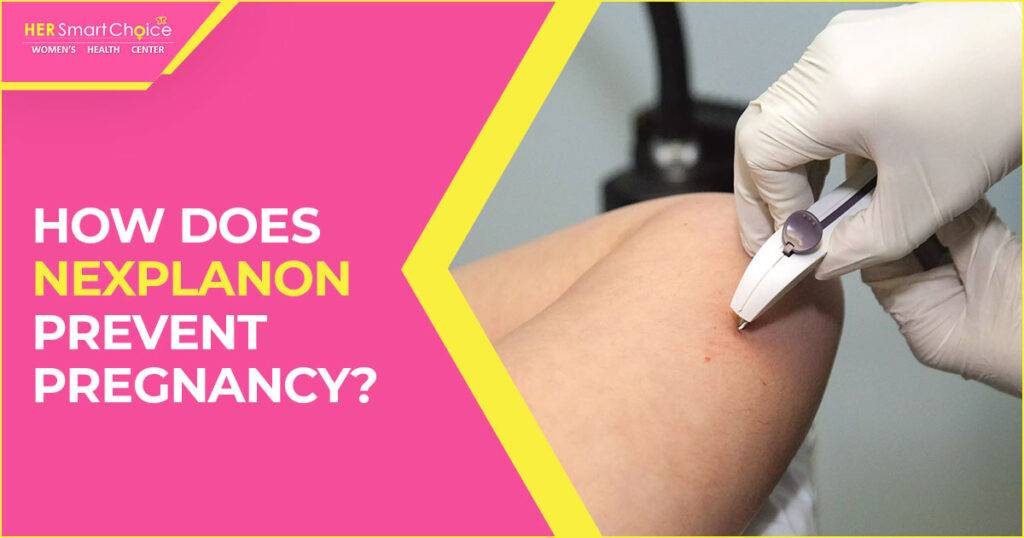
Nexplanon implant birth control
To prevent pregnancy, Nexplanon releases a synthetic hormone called progesterone version. This hormone impacts differently in preventing pregnancy and its working ways are also distinct. First, it thickens cervical mucus, which as a result, makes it difficult for sperm to reach and fertilize an egg. Second, it makes the lining of the uterus thin that in a result becomes less hospitable to fertilize an egg. Ultimately, it can also suppress ovulation in some women in preventing the release of an egg altogether.  

How effective is Nexplanon Birth Control at preventing pregnancy?

  If Nexplanon birth control is used appropriately and consistently, it is beneficial over 99% effective at preventing pregnancy. That is why this is known to be the most effective birth control form. Well, sometimes the effectiveness of the Nexplanon gets affected due to numerous factors. These factors consist of the age and weight of users, their smoking habits, and whether they take proper medication or not. Some medications, like certain antibiotics and antifungal drugs, may reduce the effectiveness of Nexplanon.   Here is a step-by-step breakdown of how Nexplanon insertion process works:  
  • First of all, your healthcare provider will review your medical history to discuss the potential benefits and risks of implementation with you. The examination includes a physical exam and blood pressure checkup.
  • Once you’re ready for the process, the provider will numb the area where the implant will be inserted with a local anesthetic. This will minimize the feeling of pain during the procedure.
  • In the next step, the provider will make a small incision in the upper arm. They will use a specific service to insert the implant beneath the skin.
  • After the implant is inserted, the insertion area will cover with a small bandage or strips. The provider may also pressurize the particular area to minimize the bleeding.
  • At last, you will be given a prescription or specific instructions on how to care for the insertion area, including, to keep it clean and dry, or when you can resume routine activities.
  Note: Nexplanon does not protect against sexually transmitted infections (STIs), it is better to use condoms or other protection methods.  

How is Nexplanon Inserted?

 
Nexplanon birth control
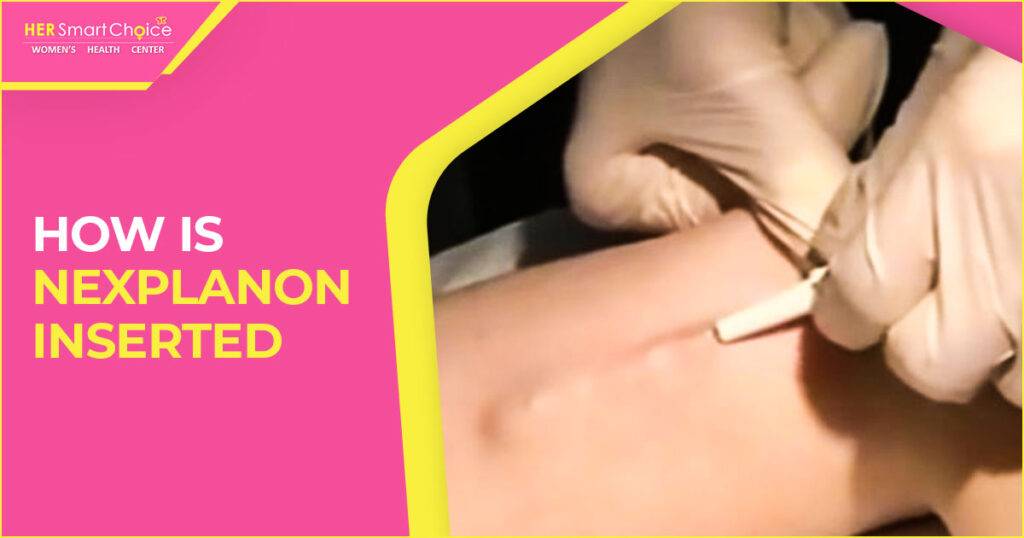
Nexplanon takes a few minutes to insert. Read the following points to learn about the insertion procedure.
  • A healthcare provider inserted the Nexplanon during a quick and outpatient procedure.
  • The implant process usually takes less than five minutes and to minimize the discomfort, it is done under local anesthesia.
  • In the next step, a small incision in the upper arm will be made by the provider inserting the implant beneath the skin.
  • Once inserted, the implant shall remain for up to three years.
  • Make sure to keep the insertion area clean and dry after insertion to prevent infection.
  • You should also need to avoid heavy lifting or hectic activities for the first few days after the insertion.
  • You will also receive detailed instructions and caring tips from your healthcare provider. They will also let you know what to expect in the weeks and months following insertion.
  It is important to seek the assistance of an experienced healthcare provider to insert Nexplanon. Do not attempt it by yourself; otherwise, it can cause danger or increase the risk of complications.  

Can You Get Pregnant On Nexplanon?

  can you get pregnant on Nexplanon   However, there are some factors that can reduce the effectiveness of Nexplanon. It includes certain medications that can interfere with the absorption and metabolism of the hormone in the implant. Additionally, if the implant is not inserted correctly or becomes damaged, it may be less effective at preventing pregnancy.  

Conclusion

  Undoubtedly, Nexplanon birth control is one of the most effective hormonal birth-control methods, with over 99% assurance. But the entire procedure of insertion should be done under the guidance of an experienced healthcare provider to avoid later consequences. You may reach out to Her Smart Choice, a reputed birth control clinic in Los Angeles with an extensive range of women's health service providers.
Read more...