Her Smart Choice

Choose The Right Pill: A Comprehensive Guide to Birth Control Pills in Los Angeles

  Nowadays, birth control methods are popular among women, especially, when individuals faced unplanned pregnancies. It allows individuals to have control over their reproductive health and make the right decision about their future. Birth control methods can help in preventing unplanned pregnancies and put a significant impact on the life of a person.    We understand that it becomes difficult for many individuals to choose the right option of birth control from several options. In this comprehensive guide, you may get a closer look at the wide range of birth control pills available in Los Angeles, as well as their pros, to help individuals like you make an informed decision.    To begin with, the basics, Birth control pills are a form of hormonal contraception to prevent ovulation. Most birth control pills contain a combination of two hormones: estrogen and progestin. These hormones work together to prevent pregnancy and stop the release of eggs from the ovaries.   
Types of birth control pills

Her Smart Choice health clinic
  There are two main types of birth control pills: combination pills and progestin-only pills. Combination pills are considered by most of individuals as commonly prescribed birth control pills. Combination pills consist of both estrogen and progestin, whereas progestin-only pills contain only progestin, also known as mini-pills. 

Combination Pills

  The most commonly prescribed combination pills come in various strengths and formulations. Here are some common combinations of pills:   Monophasic Pills: These pills are the most common kind of combination pill that contains the same level of estrogen and progestin in each pill. Also, available in a variety of brands.    Multiphasic Pills: These pills are designed to mimic the natural hormonal fluctuations of the human body Moreover, these pills contain a wide variety of brands.    Extended Cycle Pills - Extended-Cycle Pills - When it comes to extended pills, individual, women prefer it to women. These pills are taken regularly for 12 weeks, followed by a week of placebo pills.    Benefits Of Combination Pills:  
  • If the pills are taken correctly, then it is highly effective to prevent pregnancy. 
  • Reduce menstrual cramps by regulating menstrual cycles
  • It can reduce the risk of ovarian and improve acne. 
  • Some combination pills can be used to treat conditions like PCOS. 
 

Progestin- Only Pills

  These mini pills consist only of progestin and no estrogen. It thickens the cervical mucus, which further makes it difficult for sperm to reach the egg. It is a good option for women who can’t take estrogen.    Benefits of Progestin-Only Pills  
  • If you don’t use estrogen, then you can use these pills.
  • It may have fewer side effects than combination pills.
  • An individual can use it while breastfeeding. 
 

Choosing the right pill for you
Birth control pills
Generally, the impact of choosing the right birth control method is a personal decision. Yet in some cases, healthcare provider recommends these pills. The personal decision of obtaining pills entirely depends on your individual needs and preferences. Here are some of the things that need to be considered while selecting a birth control pill:   Medical History: Before taking any birth control pill, make sure to talk with your healthcare provider about your medical history. Medical conditions, such as high blood pressure, and blood clots, may make certain birth control pills unsuitable.    Side Effects: Your healthcare provider must know about your previous and current medical situations, otherwise the pills may cause harm to your health. It can happen even if you do not follow the prescribed timing to consume medicine.   Convenience: An individual can have the combination pills once a day, while progestin-only pills must be taken at the same time for effective results. Considering which pill is more convenient for you is also based on your daily routine.    Other Health Benefits: Some birth control pills can also provide additional benefits despite of birth-control. It includes reducing the risk of cancer or treating conditions like PCOS. It is, good if you can consult with your healthcare provider about which type of birth control pill is beneficial for you.   

Conclusion 

  In this blog, you have learned the detailing of birth-control pills and how can they work best for you. Not every pill type is appropriate for you, for that you may have to consult with the reputed healthcare provider. Choosing the right birth-control pill can be a personal decision that highlights the needs and preferences of individuals. The two types of pills- Combination and Progestin-only are clearly explained in the above paragraphs.    Make sure to consult with a healthcare provider and consider your medical history, convenience, and other health benefits before taking pills.
Read more...
abortion pills california

Emergency Contraception or Abortion Pill

Pregnancy is a blessing for women, but an unexpected pregnancy can be daunting and challenging. Besides, there is no doubt that there are several options to terminate the pregnancy and end it safely. There are two options that are most popular to prevent unintended pregnancy, emergency contraception and abortion pills.    Many women may be unsure about choosing the right method as per their health condition. Even some of them may not be aware of the difference between the two of them. In the following passages, you will know everything about how emergency contraception and abortion pills work, and how you can choose the right option for yourself.   

Reproductive Choice : Emergency Contraception 

 
emergency contraception
An emergency contraception is a form of birth control that is also known as the morning-after pill that can take up to 72 hours after having unprotected sex. It is different from an abortion pill but works by preventing fertilization of the egg by the sperm. The relaxing part of emergency contraception is its easy availability at most drugstores and doesn’t need any prescription.   

How Does Emergency Contraception Work?

  The main work of emergency contraception is to delay ovulation, which means the release of an egg from the ovary. It thickens the cervical mucus which makes it difficult for the sperm to reach an egg. In simple words, emergency contraception prevents the pregnancy from occurring instead of terminating it. However, contraception is not as effective as regular birth control methods and should not be used regularly.   

Who Can Use Emergency Contraception?

  The use of emergency contraception is quite effective and secure for most women, regardless of age, weight, or medical history. It is mostly used by individuals who have unprotected sex or experienced contraceptive failures, such as missed birth control pill or broken condoms. It is essential to note that contraception is not to terminate pregnancy so it is not recommended for women who are already pregnant.   

Reproductive Choice : The Abortion Pills

  abortion pill   Medication abortion is a safer and more effective way to end a pregnancy up to 10 weeks from your last menstrual period. It is popular as an abortion pill. The pill procedure involves two different medications - mifepristone and misoprostol. Both pills work together to terminate the pregnancy.    Mifepristone is used to block the hormone progesterone, which is required for the continuity of pregnancy. On the other hand, Misoprostol helps in expelling pregnancy through the contraction of the uterus.   

How does Abortion Pills work? 

  The best part of the abortion pill is its easy and safe accessibility. It can be taken in the comfort of your residence or at a women’s health clinic under the supervision of an experienced healthcare provider of Her Smart Choice clinic. Make sure to take the abortion pill with a prescription by a doctor or healthcare provider, otherwise, it can cause distress.    Generally, the two doses of medication are taken within the difference of 24-48 hours. The first medication, known as mifepristone, is taken orally and blocks the hormone progesterone. Without this hormone, the pregnancy cannot continue. The other medication includes misoprostol, which is taken after 24 to 48 hours of the previous medication. It is taken orally. It expels the pregnancy through the uterus.  

Who Can Use The Abortion Pill?

  There is no doubt that the abortion pill is a safer and more effective method of birth control for many women. Yet, this medication procedure can be taken up to 10 weeks of pregnancy. It is not recommended for individuals who are more than 10 weeks pregnant or have certain medical conditions that make it unsafe for their health or life.   

Emergency Contraception Or The Abortion Pills

 
emergency contraception or abortion pills
The decision of choosing the emergency contraception or abortion pills entirely depends on individuals' preferences and situations. 
  • Emergency contraception is considered a good option for women who have indulged in unprotected sex or experienced contraceptive failure. It prevents pregnancy from occurring. 
 
  • The abortion pill is also considered a safe option for women with up to 10 weeks of pregnancy. But it has to be done under the supervision of medical providers. 
 

How to find an Abortion Clinic in California

 
abortion clinic california
It is important to seek a reputable women’s health clinic while considering emergency contraception or the abortion pill. The experts of the clinic provide you with detailed information on your health status and counseling to make an informed decision about abortion or contraception. If you choose a leading women’s health clinic, they will provide you with confidential and non-judgemental care and support for women seeking reproductive health services.    Her Smart Choice in California offers counseling, education and telehealth services to women on abortion and other women’s health concerns. These sessions of counseling or over a call help you to make an informed decision that is right for your health and life.   

Conclusion 

  In the above-given passages, you get to know about the variety of options available related to the reproductive health of women. Emergency contraception and the abortion pill are the two most popular options to prevent unplanned pregnancies safely. Further, you may learn about the working of these methodologies in this blog and the importance of seeking advice from healthcare providers. It will help you to make an informed decision and make the right choice as per your health conditions. Therefore, it is important to consider factors such as personal beliefs, medical history, and access to healthcare when making a decision about which option to choose. Whether you choose the abortion pill or emergency contraception method, make sure to connect with a reputable abortion clinic in California, so that you can receive the right and adequate care and support that you need or deserve.
Read more...
pregnancy and pelvic pain

Pregnancy and Pelvic Pain: Causes, Management, and Relief

  Pregnancy is a soothing journey that gives pleasure but also brings some physical changes to Women’s bodies, including pelvic pain. Pelvic Pain might be a symptom of infection or pain in the pelvic bone, but living with it can be challenging. It can cause trouble in your daily life that may not be easy to manage. However, if you’re experiencing discomfort due to pelvic during pregnancy, you’re not alone.    In this blog post, you will learn about the causes of pelvic pain during pregnancy, manage strategies, and explore how to find relief. Understand the causes and management techniques that can help in navigating this aspect of pregnancy without any trouble.   

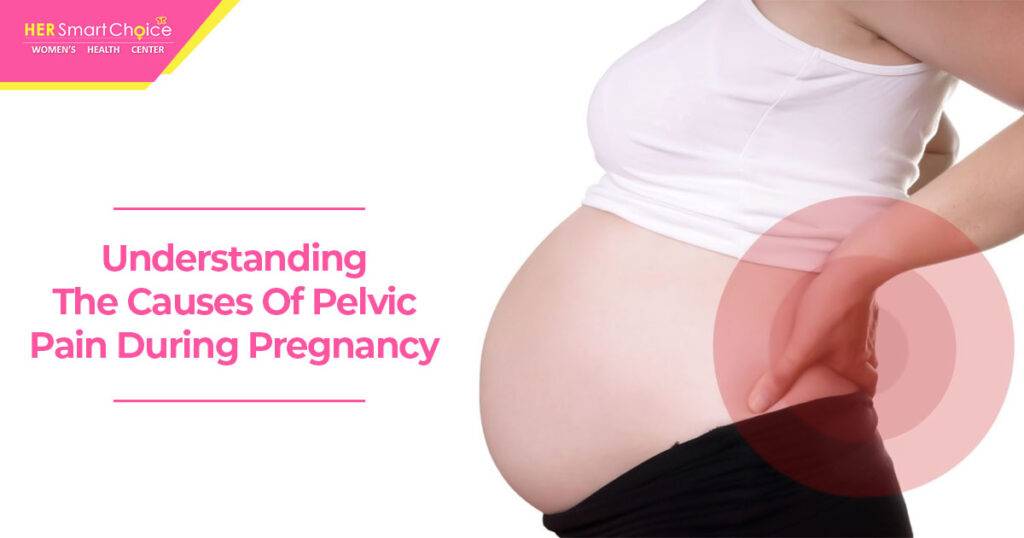
Understanding The Causes Of Pelvic Pain During Pregnancy

  pelvic pain causes   Hormonal Changes: The body of a woman undergoes several hormonal changes during pregnancy. One hormone which is known as relaxin, plays a crucial role in preparing women’s bodies for childbirth. Relaxin works by relaxing the joints and ligaments in the pelvis. Further, it allows the baby to come out of easier passage during delivery. However, the effect of hormonal can lead to increased joint mobility and cause pelvic pain.    Ligament Stretching: The stretching and strain on the ligaments can cause when the baby grows. The growth expands the uterus and pressurized the surrounding ligaments that support the uterus. Further, it leads to pelvic pain. In the second trimester, the stretching becomes more notable.   Weight and Posture Changes: In pregnancy, weight gaining is a common phenomenon. The growing uterus can change the women’s center of gravity which shifts her posture. These changes in the body alignment add stress to the pelvic area.    Pressure on Nerves: With the growth of the baby, the expanding uterus can put excess pressure on nearby nerves, including the sciatic nerve. You can feel pain from the lower back and down the leg as a cause of this pressure. This pain can provide you discomfort during pregnancy.   

Management and Relief Strategies

  pelvic pain during pregnancy   Pelvic Support: If you use a maternity belt or pelvic support garment, it will provide support to the pelvic area and help in relieving pressure and stabilize the joints.
  • Prenatal Exercises: If you keep yourself engaged in related exercises during pregnancy, then it will strengthen the muscles support the pelvis, and promote overall stability. Here are some of the specified exercises:
 
  • Pelvic floor exercises: These exercises, also known as Kegel exercises, strengthen the pelvic floor muscles by providing support to the pelvic area. 
 
  • Prenatal Yoga: There are some gentle yoga poses that are specifically designed for pregnant women. It can help in improving flexibility, provide relaxation and prevent discomfort. 
 
  • Prenatal Pilates: These prenatal exercises can improve posture and strengthen core muscles. 
  Body Mechanics And Posture: It is good to practice proper body mechanics and maintain good posture throughout the day to alleviate pelvic pain. In it, you have to avoid sitting or standing in one position for long. You can use a supportive chair with proper back support during pregnancy.    Heat and Cold Therapy: To reduce pelvic pain during pregnancy, you can use cold packs or heat packs to relax muscles and reduce inflammation and excessive pain. You can experiment with both method, heat or cold, to check which provide you relief.    Rest and Sleep: It is crucial for pregnant women to take adequate rest and quality sleep to manage pelvic pain. You can even take the help of a supportive pillow to sleep better. It will also provide relief from the pressure on the pelvis. You may experiment with different sleeping positions for a comfortable sleep.    Alternative Therapies: In pregnancy, you can explore complementary approaches that can provide relief from pelvic pain, such as prenatal massage, chiropractic care, and acupuncture. You can consult with the experts of the leading women’s health clinic, Her Smart Choice. It is crucial to consult with specialists before performing any exercise during pregnancy for safety.   

Seeking Professional Guidance

  women's health clinic   It is good to consult with an experienced healthcare provider at a women’s health clinic. They will help in addressing pelvic pain during pregnancy and provide effective strategies to manage them.  You may also consult with midwives and physical therapists to obtain individual treatment plans. Also, they will meet the specific needs and conditions of each pregnant individual.   

Conclusion 

  Undoubtedly, experiencing pelvic pain during pregnancy can discomfort you, but understanding its cause and effective management techniques can help you to cope with it. Recognizing the above-mentioned factors, appropriate exercises, professional guidance, and relief strategies help you to explore great comfort during pregnancy. It allows you to enjoy your transformation journey of becoming a mother without any discomfort. Remember, it is good to consult with the experts of women’s healthcare professionals for personalized advice, pelvic pain management, and support related to pregnancy.
Read more...
post abortion care

Understanding Post Abortion Care: What to Expect

It is always difficult for an individual to make a decision about abortion. As this decision requires strong physical and emotional well-being. There are many ways to have an abortion but all methods require proper care. Especially, when it comes to post-abortion care, it plays an essential role in safe recovery and providing support throughout the entire process. In this blog post, you will explore and learn about what post-abortion care entails and what individuals can expect during this period.   

What To Expect After An Abortion

  what to expect after abortion   Immediate Recovery - Whether it’s a medical or surgical procedure, the body requires time to heal after an abortion. If you follow an immediate procedure, you may experience cramping and some bleeding, which is considered normal. The healthcare provider will offer the best guidance to obtain appropriate medication that give you relief from pain and manage any discomfort.    Emotional Support - The abortion procedure involves distinct emotions at the same time. It is vital to address them with compassion and understanding. Many healthcare providers offer counseling as a part of post-abortion care to help individuals navigate their emotions and feelings. Further, it helps them to cope with any emotional challenges they may face. The sessions provide a secure space to express emotions and discuss concerns, and receive guidance on emotional well-being.    Physical Recovery - After an abortion, the physical recovery period varies, and it all depend on the type of procedure and individual circumstances. It’s important to follow the instructions of your healthcare provider or doctor regarding post-abortion care. It includes the following:  
  • Rest and Recovery - Undoubtedly, rest is vital so that your body heals quite faster. You can avoid strenuous activities, intense exercise, or heavy lifting for a few days. Even your healthcare provider also suggests you take maximum rest.
 
  • Hygiene and Self-care - You have to maintain good hygiene so that you can avoid infections. Take all the prevention, such as using sanitary pads instead of tampons for some time. It will help in avoiding the introduction of bacteria into the vagina. Also, taking a shower instead of a bath also minimizes the risk of infection. 
 
  • Medication and Follow-up Appointments - You can obtain antibiotic or pain relief medication from your healthcare provider. It is essential to follow all the instructions related to medication and fulfill them. In addition, you may also get the entire knowledge of follow-up appointments to ensure your recovery progress is monitored. 
  Contraception and Family Planning - Post-abortion care includes a detailed discussion about contraception and family planning. It is important to explore contraceptive options and select a method that matches your preferences and needs. Even you can get the assistance of healthcare providers to obtain information and guidance on various methods, including IUDs, oral contraceptives, implants, condoms, and more.    Post-Abortion Complications - There are very less chances of complications related to post-abortion, yet it is essential to be aware of potential signs of infection or other related issues. In such a situation, you can contact your healthcare provider if you experiencing heavy bleeding, severe pain, foul-smelling discharge, or fever. To avoid serious complications, seeking medical attention on time is more effective.   

What is the role of healthcare clinics in post-abortion?

  abortion clinic Los Angeles   Choosing a reputed healthcare clinic near you is always a great idea. The trained professionals in the clinic assist better, they conduct medical evaluations to assess the physical health of an individual after the abortion procedure. The abortion clinic in California, like Her Smart Choice, offers a same-day appointment, a safe and non-judgmental environment for patients to express their feelings, address concerns or conflicts, and receive guidance in coping with post-abortion emotions.    Not only this, but healthcare clinics provide accurate and reliable information about post-abortion care that is very helpful for individuals. They educate patients about the recovery process and the potential complications that they may face. Further, the experts of the clinic help you by providing you with proper knowledge and tips for a healthy recovery. Clinics may also provide reliable information on contraception methods, reproductive health, and family planning to help patients to make informed decisions about the future and their reproductive choices.    Even you will get adequate contraceptive counseling and provision on family planning. Doctors or healthcare providers in clinics help you to understand the different methods of post-abortion, their effectiveness, benefits, and potential side effects, and offer adequate follow-up care.    

Conclusion 

  The above-given passages include all the comprehensive information about post-abortion care. This approach focuses on the emotional and physical well-being of individuals following abortion care services. This information helps you to understand how to face the situation wisely and navigate the recovery process without any stress. By seeking appropriate support, care, and follow-ups, individuals can ensure a safe and healthy recovery after an abortion.    Remember, experienced healthcare providers of Her Smart Choice guide you throughout the procedure anytime over a call or walk-in appointment.  
Read more...
abnormal bleeding

Abnormal Bleeding: Causes, Symptoms, and Treatment Options

What is Abnormal Bleeding?

  Abnormal bleeding is basically uterine bleeding that refers to any variation in the normal menstrual cycle. This term is broadly spread and includes various types of bleeding patterns, such as irregular bleeding, heavy periods, or bleeding between periods. If you want to seek medical help, you must understand the difference between normal and abnormal bleeding.    In addition, normal bleeding of the menstrual period occurs in a specific or predictable pattern for about 21 to 35 days. If we analyze the moderate flow of menstruation, then the bleeding itself lasts for an average of 4 to 7 days. This flow of bleeding requires changing a pad every few hours. However, menstrual cycles can vary from woman to woman.   

What Causes Heavy Abnormal Bleeding?

abnormal bleeding causes
 

Menorrhagia is a medical name for heavy abnormal bleeding that can have several underlying causes. It is essential to keep in mind that heavy bleeding is relative, but not the same for every person. It can be heavier for one person and may be normal for another. Here are some of the potential causes that can be resulted in heavy abnormal bleeding:   Hormonal Imbalances - It specifically refers to the increase of estrogen relative to progesterone, which means it can upset the normal menstrual cycle. As a result, it leads to heavy bleeding. Conditions like PCOS or certain thyroid disorders can contribute to hormonal imbalances.    Uterine Fibroids - It is a kind of noncancerous growth that develops in the uterus’ muscular walls. The cause is that they can vary in size and location which can cause heavy bleeding during the menstrual cycle. It can also distort the uterine cavity.    Presence of Endometrial Tissue - This tissue is present within the muscular walls of the uterus. It can cause enlargement of the uterus, resulting in heavy and painful periods.    Growth Within Uterus Lining - The benign growth that develops within the uterus lining can lead to heavy and prolonged menstrual bleeding. It specifically happens when they become disrupted.    Excessive Thickening of Uterine Lining - Excessive thickening can occur due to hormonal imbalances. It includes an excess estrogen relative to progesterone as mentioned before. This term can lead to heavy menstrual bleeding.    Blood Disorders - Certain blood disorders can also impair the normal clotting process which further results in heavy bleeding during menstruation.    Pelvic Inflammatory Disease– PID is a kind of infection that affects women’s reproductive organs. It consists of the uterus, ovaries, and fallopian tubes. Inflammation and scarring can contribute to heavy or irregular menstrual bleeding.    Certain Medications - If you have taken certain medications, such as anti-inflammatory drugs then it can lead to heavy bleeding. It can also interfere with the ability of the blood to clot in an accurate way.    Intrauterine Devices (IUDs) - IUDs play a vital role in abnormal bleeding. Hormonal IUDs reduce menstrual bleeding in some women, whereas non-hormonal or copper IUDs can lead to heavier bleeding during periods.    Cancerous Conditions - It happens very rarely, but in some cases, heavy or abnormal bleeding can depict the symptoms of uterine or cervical cancer or precancerous conditions. In such situations, women must require prompt medical attention for adequate diagnosis and treatment.    However, it is suggested that you must consult a healthcare professional if you are experiencing heavy abnormal bleeding. The experts of Her Smart Choice, a women’s health center, assist you to determine the underlying causes and develop a tailored and appropriate treatment plan that suits your health condition.   

Symptoms Of Abnormal Bleeding

 
symptoms of abnormal bleeding
 
  • You will feel weakness and fatigue due to excessive bleeding during periods, passing large blood clots, and anemia symptoms. 
  • Unpredictable menstrual cycle lengths or durations, inconsistent bleeding patterns.
  • Postmenopausal refers to vaginal bleeding that occurs after menopause.
  • Bleeding between periods that occurs outside of regular menstrual cycles, also known as intermenstrual bleeding. 
  • Occurrence of bleeding during or after sexual intercourse.
  • Gastrointestinal bleeding depicts the blood in the stool, black or tarry stools. 
  • Abnormal bleeding from the nose, and gums, or minimal injury to other body parts. 
 

Treatments That Can Help

 
abnormal bleeding treatments
  Heavy Menstrual Bleeding: The hormonal birth control and anti-inflammatory drugs help you in reducing bleeding and pain, tranexamic to promote blood clotting, removal of the uterine lining, and surgical interventions if there are any severe cases.    Irregular Menstrual Cycles: The treatment of irregular menstrual cycles depends on the underlying cause. Hormonal contraceptives, including birth control pills, patches, and hormonal IUDs can regulate cycles and hormones.    Postmenopausal Bleeding: In postmenstrual cases, women require an immediate evaluation that the HSC center provides with its same-day services. The thinning of vaginal tissues can also be a sign of endometrial cancer or other gynecological conditions. Further ultrasound, biopsy, and diagnostic tests may be recommended to determine the cause and treatment.    Bleeding Between periods: Treatments are based on underlying causes, yet hormonal contraceptives may be prescribed to regulate menstrual cycles. If the cause is due to infections or abnormalities, such as antibiotics or surgical removal may be essential.    Bleeding During Or After Sexual Intercourse: You must contact a healthcare professional if you’re facing postcoital bleeding. It can involve infections, cervical or vaginal abnormalities, or, in rare cases, cancer. Its treatment will depend on the cause and other surgical or medication treatments.   

Conclusion

  The above-given passages provide you the general information on abnormal bleeding and its causes. The categorization of heavy abnormal bleeding is also helpful information that lets you know the situations in which you need to be aware or need consultation. It is important to note that abnormal bleeding can have some severe impacts, including cervical cancer. Whether it is light spotting or heavier bleeding, you must consult healthcare professionals.    The experienced healthcare providers of Her Smart Choice offer a proper evaluation, diagnosis, and appropriate treatment as per your health condition. Early detection and treatment help in managing abnormal bleeding and prevent potential complications. 
Read more...
can you get std without having sex

Concerns & Precautions: Can You Get An STD Without Having Sex

Can You Get An STD Without Having Sex? The answer is Yes you can. Many of you may not be familiar with the possibility of getting an STD without having sex. Sexually transmitted diseases (STDs), is a disease that is associated with sexual activity, but you can get STDs without having sex.   In the following passages, you’ll learn about the several ways how can you get an STD without having sex. You may also get aware of the misconception related to non-sexual STDs concern and prevention. If you want to keep your sexual health safe then you have to understand these alternative transmission routes. So, let’s dive and learn about non-sexual STD transmission  

STDs Without Having Sexual Intercourse

non sexual stds Mother-To-Child Transmission - One way is mother-to-child transmission through which you can acquire STDs without sexual intercourse. It is the primary way and is also known as vertical transmission. The infection can be passed during pregnancy, labor, and breastfeeding, from the mother to her baby. However, STDs like HIV, syphilis, hepatitis B, and herpes can be transmitted in this way that are explained further:   HIV: Human Immunodeficiency Virus that is popular as HIV, can be transmitted from mother to child. It may happen when an HIV positive mother is  pregnant, giving birth to a child, or breastfeeding.    Syphilis: Syphilis is caused when a pregnant woman has untreated syphilis bacteria. Otherwise the infection can be transmitted to the fetus. It leads to congenital syphilis that can cause serious health complications for the baby.    Hepatitis B: The HBV virus can be transmitted from an infected mother to newborn child during child’s birth. This viral infection affects the liver and causes chronic diseases untreated.    Blood And Needle Exposure - Another significant way is via blood and needle exposure for non-sexual STD Transmission. The already used or shared needles, syringes, or drug paraphernalia can transmit blood-borne infections, such as HIV, hepatitis B, and hepatitis C. This infection can be transmitted with the contact of infected blood or other body fluids.    Skin-to-skin Contact  - Some of the STDs like herpes, can be transmitted through skin contact. It doesn’t require sexual engagement. It consists of close contact during intimate activities, such as kissing or oral sex, the presence of open sores. These activities can facilitate the transmission of these sexually transmitted infections.  To exemplify, herpes can be caused through the direct transmission from skin contact without engaging in sexual intercourse. The HSV can be transmitted through contact with oral, genital, or anal areas, specially when there are active sores present.    Environment Exposure - Some STDs can be acquired through environmental exposure. To exemplify, there are public lice (crabs) that can spread with the sharing of contaminated bedding, towels, or clothing. Similarly, trichomoniasis is a parasitic infection that can be contracted through sex toys and damp towels.     

Precautions That You Need To Know

STD precautions Practice Abstinence - Well, it’s a quite difficult task to practice abstinence but it is the most effective way to prevent STDs. If you choose to abstain from any sexual activity the risk of sexually transmitted infections can be eliminated. Abstinence is a personal choice and should be respected.    Education & Awareness - It is essential to stay informed about STDs, even if you’re not active sexually. You can get knowledge of different types of infections and the potential risks associated with each. In such a situation, you can seek reliable sources of information, including healthcare websites, providers, and resources to stay updated about sexual health.    Communicate and Set Boundaries - In any relationship, it is essential to set boundaries and make direct communication, whether it involves sexual activity or not. You can express your expectations and boundaries to your partner regarding physical contact and potential risks. Make sure to have open and clear communication to build trust and understanding.    Maintain Personal Hygiene - To prevent STD transmission, it is essential to follow and adopt good personal hygiene practices, such as washing your hands with soap regularly, especially before eating. Make sure to keep your body clean and maintain proper genital hygiene. Use mild soaps without any harsh chemicals or scents to clean the genital area.    Be Cautious in Medical Settings - Make sure to follow proper safety measures to control infections when seeing medical care. You can verify healthcare providers to ensure that they follow all the protocols when using medical instruments, needles, and other equipment.   Blood-borne Infections Information - Make sure to stay informed about blood-borne infections that can be transmitted through sharing needles or with contact with contaminated blood. Before receiving any medical treatment that includes the use of needles or blood products, make sure that healthcare providers use sterile equipment.  

Conclusion 

  The above-given information on the cause of STDs without sexual engagement and their prevention will be helpful for you. It clearly explains that sexually transmitted diseases are not limited to sexual intercourse alone but it's a widespread disease. You can take prevention only if you’re aware of the several situations that can cause STDs without sexual intercourse.    Prevention can be possible only if you follow all the above-given precautions and preventive measures positively. Make sure to make the communication clear and be cautious in medical settings and take other precautions to reduce the risk of contracting STDs. Empower yourself with the right and up-to-date knowledge to make informed choices and protect yourself from sexually transmitted infections.
Read more...
OBGYN los angeles

Role Of Gynecologists In Providing Medical Abortion Pills

One must have knowledge of how to deal with an unplanned pregnancy. Otherwise, it can cause damage to the reproductive life of women. It usually happens when women face unexpected pregnancy and she begins to seek information and explore too many options. However, medication abortion is considered one of the safest options, which is generally known as the abortion pill.    The main concern is that many women wonder whether their gynecologist provides this service or not. In the following paragraphs, you will explore whether can gynecologists give you abortion pills. You can also learn alternative ways to access abortion medication.   

Understanding Medical Abortion

medical abortion
Before understanding medical abortion, it is essential to get accurate knowledge of laws, regulations, and medical guidelines on abortion access in your region. Medical abortion is a safe and effective method of pregnancy termination at an early stage and it is legal in California. As we discussed in the previous blog, Mifepristone and Misoprostol are the abortion pills to bring out a miscarriage.     The medication procedure is entirely different from surgical abortion, which requires a professional team and a healthcare setting. Most of the time, women who want to keep the process private and desire to undergo the process in their homes must be in the gestational stage of pregnancy.   

Role Of Gynecologist In Providing Medical Pills 

  Gynecologists, women’s reproductive health professionals, serve their patients with a wide range of services. These services consist of contraceptive counseling, routine check-ups, prenatal care, and managing other GYN-related conditions. Besides, the availability of abortion services through gynecologists can vary from region to region.    Gynecologists prescribe and manage meditation pills for several conditions, such as menstrual irregularities, contraception, hormone imbalances, and more. It is a good idea to understand their expertise and be involved in medication that empowers women to make informed decisions.    Comprehensive Counseling - Gynecologists are experts in handling several women’s reproductive health conditions. In the matter of abortion pills, professional GYN prescribes medical pills. Their main role begins with comprehensive and accurate counseling. During a consultation, gynecologists assess every aspect of women, such as their medical history, lifestyle, and other specific health issues to find the accurate abortion pills that meet their health concerns.    Moreover, gynecologists address concerns and clarify your doubts related to reproductive health. Even they explain the whole details in simple language so that you can understand how to take the medication for effective results. Even the counseling helps the patients to make informed decisions regarding their reproductive health.     Contraceptive Pills - Another primary role of gynecologists is to prescribe contraception medical pills. Contraceptive pills are basically used for birth control, which further offers women the ability, time, and space to plan their pregnancies later. Gynecologists guide you in selecting the most suitable option using their extensive knowledge of various types of contraceptive pills. They will provide you with an adequate option based on your requirements, lifestyle, and medical concerns.    Gynecologists assess several factors of women’s health, such as medical history, any drug interaction, medicine or alcohol consumption, and preferences while prescribing contraceptive pills. They also monitor the patient’s response in concern with raising the course of dosage or not.    Management of Menstrual Irregularities - The irregularities in the menstrual period impact the quality of life of women. The heavy periods and painful situations make women uncomfortable. Gynecologists play an important role to identify the cause of this irregularity and provide you with proper medication treatment for effective results and comfort.    They may prescribe you hormonal medication pills to regulate your normal menstrual cycle and reduce pain. They also identify the associated symptoms if any and ensure medication effectiveness through ongoing monitoring.    Hormone Imbalances and Disorders - Some of the imbalances and disorders, such as PCOS and hormonal acne require specialized management. Taking the assistance of Gynecologists is good, because of their expertise in diagnosing and treating these conditions via medication or surgical methods. Mostly, they prefer medication methods as per patients’ comfort.   To address hormonal imbalances and manage the related symptoms, gynecologists make essential testing. Not only this, they also monitor the progress of the patient and provide guidance as per the lifestyle. It doesn’t mean that there are no modifications done according to the medication. Adjustments are also part of the treatment that a professional explains to the patient and helps them in settling into it.    Postpartum Care - Even after childbirth, a gynecologist plays a vital role in providing medication pills to reduce the pain. These medications are associated with postpartum care. It can help in preventing complications and support healthy recovery.   

Where do you get the abortion pill?

can your gynecologist give you abortion pill
Obtaining abortion pills also requires a safe move as some of the medical centers may also provide you with the less effective and wrong medication. Make sure to choose reliable and legal healthcare providers to receive the right gynecologists' guidance.    Here are some common healthcare settings where gynecologists can provide you the abortion pills:   Her Smart Choice Women's Health Center: Her Smart Choice specializes in providing services for women’s reproductive health, including pregnancy-related care and abortion pills. You can obtain free testing and abortion pills from your nearby HSC Women's Health Center. We are available at the following locations: Her Smart Choice Women's Health Center Los Angeles Her Smart Choice Women's Health Center Huntington Park Her Smart Choice Women's Health Center Van Nuys Her Smart Choice Women's Health Center Long Beach   Women’s Health Clinics: These centers offer a wide range of reproductive healthcare services and abortion services with the assistance of gynecologists. Planned Parenthood: Parenthood is considered a prominent reproductive healthcare organization that offers comprehensive services, including abortion care.  Family Planning Clinics: Family planning offers reproductive healthcare services, including contraception, prenatal care, and abortion.   

Conclusion 

In the above paragraphs, you may get to know about the role of gynecologists and how your gynecologist can give you the abortion pill. The experience of handling various patients and treating them with the right abortion medication makes them perfect. So, if you have any queries or doubts related to abortion medication, you can get the help of gynecologists by visiting your nearer healthcare center.    Her Smart Choice is one of the trusted women’s healthcare centers, which will provide you with the best medication treatment. Even here you can get free abortion pills if you come under the low-income section. Meet the expert OB-GYN at the HSC clinic in your own region and get a same-day appointment and treatment.
Read more...
HSC

Why do people choose medication abortion

In today’s era, most people choose medication abortion as the most preferred method of terminating a pregnancy. Medication abortion and abortion pills are the same thing. Further, it offers a secure and non-invasive experience to women and works as an alternative to surgical procedures. In this blog post, you will get to know about how do abortion pills work and the reason people choose this method on an extensive level.   

How do abortion pills work?

how abortion pills work
  The abortion pill is a non-surgical method. It involves two medication procedures. The primary one is Mifepristone which works by blocking the hormone and progesterone. The progesterone present in it can cause the lining or uterus thin and helps in preventing pregnancy from developing further.   After taking Mifepristone, an individual has to take Misoprostol within 24 to 48 hours. These abortion pills can cause the uterus to contract and expel the pregnancy. It results in stimulating the uterus muscles, which results in cramping and bleeding. The process of expelling pregnancy safely takes several hours to complete.  

Reason Behind Choosing Medication Abortion

medication abortion
 

Easy Access To Pills 

The reason behind the popularity of medical abortion is its easy availability and convenience. Even to keep your pregnancy termination more private, you can obtain medication abortion through telemedicine. Also, you can consult with professionals or healthcare providers who work remotely. It will help you to receive all the necessary medication on time through mail delivery.    The best part of the medication procedure is that it allows the access to abortion services to people living in rural areas or regions. This is how medication abortion offers an adequate solution to all those individuals who face geographical, financial, or logistical barriers.   

Privacy and Non-invasive Process

  Another key reason for opting an medication abortion is its simple procedure. It's not tough like surgery, but it's non-invasive in nature. Medical abortion includes the usage of two FDA-approved drugs, Mifepristone and Misoprostol, unlike surgical abortion. Surgical Abortions require instruments and medical processes to treat miscarriage situations.    Not only the privacy but also to make the termination of pregnancy comfortable, and reduce the need for invasive processes and hospital visits.   

Lower Cost

  Undoubtedly, medical abortions are generally more affordable as compared to surgical abortions. As the latter includes surgical equipment, clinic visits, and anesthesia. Contrary to surgical abortion, medical abortion requires very less medical resources which saves much of your cost.    This medical abortion is more viable and requires limited resources and insurance coverage for abortion services.   

Early Pregnancy Termination 

  In the early stages of pregnancy, if you choose abortion pills it work more effectively. Basically, it works up to ten weeks gestation which means that an individual may have an opportunity to terminate a pregnancy in the beginning period. It will keep away any kind of physical and emotional damage.    As most individuals prefer the ending of pregnancy as soon as it progresses further. The earlier solution can minimize the potential complications and related health risks.   

Self-empowerment and Control

  Another factor that makes it preferable is that it provides women the right to make their decision by themselves. It empowers them to mark their reproductive choices by being actively involved in the procedure. Being an individual, you can experience a sense of control and autonomy in your abortion decision.    Further, it reduces anxiety and strengthens emotional well-being throughout the entire process. Medication abortion allows individuals to manage their abortion according to their personal values and preferences.   

Minimal Recovery Period

  In comparison with the surgical abortion method, medication procedures have fewer complications. It takes very less time to recover from the situation and helps you to feel secure. Medical abortion is an appealing and beneficial option for those who seek a less intrusive method. After having the medication, an individual may experience bleeding, cramping, and nausea, but all this will be temporary. After that, it will provide a fast recovery.   

Conclusion 

  In the above passages, you may get to know about the reasons and factors that impact the term - medical abortions. The increase in demand and preference for medical abortions depends on several key factors. But all these factors depict how safe and effective abortion pills are in the way they work and benefit an individual. From privacy to physical security, it is good in all aspects. Medical abortions empower women and provide them with relief both physically and mentally.    Here you may obtain all the adequate information, but make sure to access the right clinic and healthcare support. Before making an informed decision, you may go through the updated information about the whole procedure. Well, all the information given in the above passages is very helpful for an individual who wants a safe and secure abortion. Still, if you have any queries, you may reach out to us. 
Read more...
how late can you get abortion in california

Exploring Viability: How Late Can You Have an Abortion in California?

The topic of abortion is always in debate with laws and issues, but the rules vary from jurisdiction to jurisdiction.  It has been seen that even in California, which is known for highly-valued reproductive rights. The concept of viability is important in determining the timeline for abortion procedures. While exploring the question of how late you can have an abortion, you need to understand the parameters of viability. Here, in the following passages, you will learn about the concept of viability, its benefits on abortion law, and the regulations linked with late-term abortions in California. 

What do you mean by Viability?

Viability refers to the time and situation when the fetus can survive outside the womb with or without medical assistance. Various factors impact the determination of viability, including gestational age, the capacity of the fetus to sustain life, and the growth of vital organs. Undoubtedly, the viability can vary from pregnancy to pregnancy, in which medical and healthcare professionals assist the individual in the case.  

Understand California’s abortion Laws

california abortion laws The surveys show that California is popular for its effective and progressive approach to women’s reproductive rights. They provide the individual the freedom of making their own decisions, about their pregnancy and healthcare. California Constitution protects the right to choose an abortion. However, the timeline for abortion-related laws is not defined by a fixed number of weeks but by the concept of viability.   

Gestational Age and Viability in California

Viability considers an important factor to determine the legality of late-term procedures when there is no gestational age limit for abortions in California. Also, viability occurs around the gestation period of 24 weeks. Further, it can also vary on several factors such as fetal abnormalities or mother’s health. At that time, it is essential to recognize that late-term abortions considering specific conditions and restrictions in California. 

Late-Term Abortion Regulations in California

late term abortion Late-Term abortions are also recognized as post-viability abortions. These abortions are performed only under some specific situations. California abortion laws allows late-term abortions only when they detect risk to the health and life of the pregnant woman. It also included the stage when the fetus has serious abnormalities. These permissions and decisions are based on cases, including medical consultation with professionals to ensure the safety and well-being of an individual. 

The role of medical professionals

Later-term abortions require healthcare providers to a complex medical procedure. Here you can meet physicians specializing in maternal-fetal medicine. It involves assessing the viability to find out the necessity for a late-term abortion. Qualified medical professionals not only help in the decision-making process but also prioritize the health and well-being of a person.   

Consideration of Maternal Health

maternal health Medical professionals always prioritize the health and well-being of pregnant individuals while determining the timing of abortion. The healthcare providers will help you to know the potential risks linked with continuing the pregnancy. They will suggest you the treatment as per your health conditions and also help you to understand the complications that can cause a significant threat to your mother's life. The factors that are included in it are - overall health, maternal age, any pre-existing medical conditions, and other factors.   

Overall

In California, the concept of viability is essential to understand the timeline for abortions. Viability is an important factor to determine the legality of late-term procedures. Even the progressive approach to reproductive rights prioritizes the health and well-being of individuals with pregnancy. Late-term abortions are relatively rare and are adopted in some specific situations. It involves the situation when any individual has threats to the life of a pregnant woman. If you or someone near you considering an abortion, you must ensure to visit reputable healthcare providers. To obtain accurate information and guidance, you may reach out to us. 
Read more...

Urinary Tract Infections During Pregnancy: Risks, Management, and Safety of Treatment

Pregnancy is always a sensitive matter that requires lots of care and attention for significant results. There is a common concern that comes during pregnancy which is Urinary tract infections (UTIs). It affects a significant pregnancy rate of expectant mothers.    Did you know that UTIs can pose risks to both the developing fetus and mother if not treated on time?    That is why, it is essential to understand the risks, management, and treatment options for UTIs. Especially, when pregnancy is critical. In the following paragraphs, you will explore the impact of UTIs on pregnancy, effective techniques to manage and approaches to treat that ensure the well-being of both baby and mother.   

Symptoms

  Urinary tract infections during pregnancy are common and similar to non-pregnant individuals. The symptoms include frequent urination, burning sensation in the vagina, cloudy or strong-smelling urine, discomfort or pelvic pain, and sometimes, fever, cold, and chills also included. Undoubtedly, regular prenatal care and visits are essential to monitor your good health and avoid potential complications. Besides, You can also obtain assistance on routine healthcare from a telehealth abortion provider over a call.  

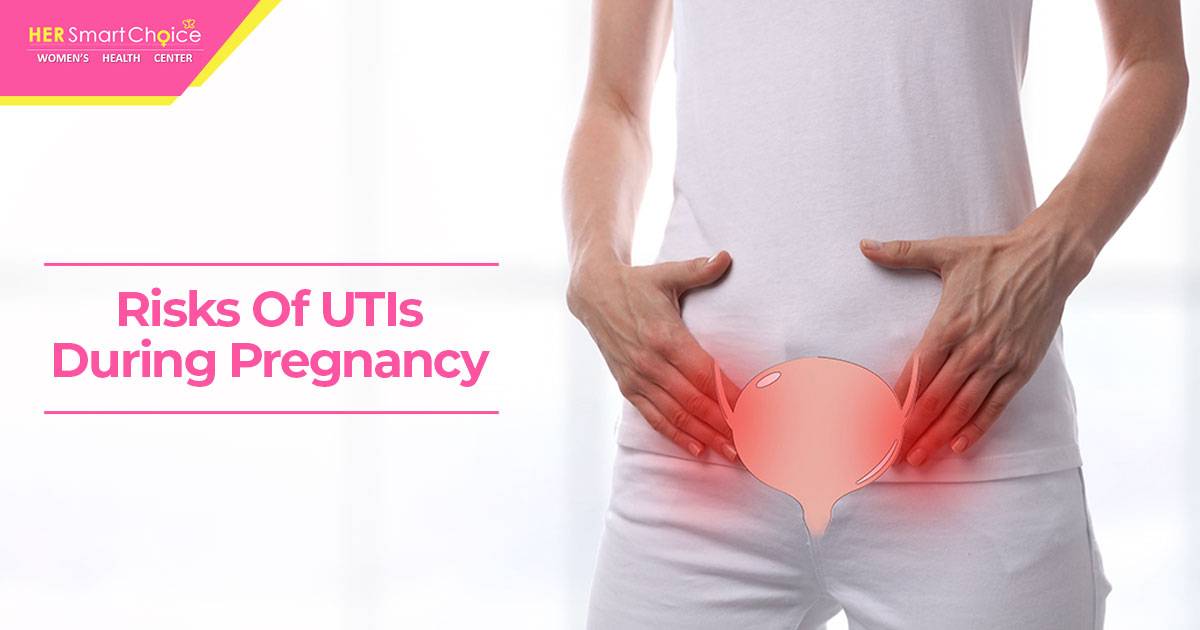
Risks of UTIs during Pregnancy

The role of UTIs in pregnancy can create various complications that are as follow:   Premature Birth - The infection of UTIs increases the risk of preterm labor and premature birth. This happens when an infection triggers uterine contractions which can be resulted in pre-mature delivery.   Low Birth Weight - Another risk of UTIs is that infants born to untreated mothers are likely to have a low birth weight. It can further create development issues or serious health concerns later in life.    Kidney Infections - Even if a UTI spreads to the kidneys, it can cause infection in the kidney which is also known as pyelonephritis. The infection can be raised and the condition may become severe which may also require hospitalization and antibiotics.   

Effective Management Strategies 

Management strategies play an essential role during pregnancy, especially in the prevention and management of UTIs. Here are some of the effective strategies mentioned below:   Hydration - Consumption of the right amount of water in routine is very beneficial for pregnant women. It flushes the bacteria out of the urinary tract and lowers the chance of UTIs.   Personal Hygiene - It is essential to maintain proper hygiene for women. It includes wiping front to back after using the restroom and avoiding harsh chemicals soaps, or feminine hygienic products. These measurements can help in preventing UTIs.    Urination Habits - Make sure to empty or clear the bladder always. This complete cleaning process help in minimizing the chances of bacterial growth.    Cranberry Products - Some surveys and studies suggest the goodness of cranberry products in the improvement of women’s health. Whether you consume juice or supplements, both help in preventing UTIs. IT prevents bacteria from affecting the urinary tract. 

Safe Treatment Approaches 

During pregnancy when UTIs occur, the treatment becomes essential for the safety of the woman’s health. To consult a healthcare professional for diagnosis and consultancy is always a good idea and important too. Some safe and protective approaches related to treatment are as follows:   Antibiotics: Some of the antibiotics are specifically prescribed to treat UTIs during pregnancy. However, the healthcare providers will examine your health and consider the safe antibiotic that will suit you and be effective also. They will keep in mind the potential impact of the dose on the mother and developing fetus.   Urine Culture: The examination related to urine, that is urine culture, is performed to identify the bacteria that is causing infection. This help every individual in getting targeted antibiotic treatment and reducing potential harm.    Follow-up Testing: After the whole procedure and prescribed course of antibiotics, the follow-up is taken. This follow-up ensures the infection has been treated successfully.    Pain relief - There are some pain-relief options that are safe and can be helpful. It consists of acetaminophen (medicine to treat pain) that provides relief from the discomfort caused by UTIs.   

Conclusions

  The whole information above can help you to understand and manage Urinary tract infections during pregnancy. It requires prompt attention to follow the proper management process. These all terms are to safeguard both mother and the baby.    By understanding the risks and problems, you may receive effective preventive measures, and obtain safe treatment options. This way expectant mothers can minimize the complications after getting adequate and safe treatment from the nearest clinic. You can obtain all the women’s healthcare services, whether it is related to medical abortion pills or surgical abortion, Her Smart Choice provides all women’s health services. You can also take the assistance of our telehealth abortion provider.   This blog post is just to provide you the UTIs related information. The medical terms can be specified as per an individual’s health condition, so you should consult the doctor or healthcare expert for personalized guidance and effective treatment.
Read more...