abortion at 4 weeks

Can Misoprostol Alone Terminate a 4-Week Pregnancy?

Are you facing an unplanned pregnancy? We can understand that there is a storm of questions revolving in your mind to face this challenge. In such situations, individuals often seek information about their options, including the possibility of using medication to terminate the pregnancy. One commonly asked question can misoprostol, a medication used for medical abortions, alone terminate a 4-week pregnancy? Also, a question is raised in minds how do abortion pills work? Let's explore the use of misoprostol for early pregnancy termination, its effectiveness, safety, and what to expect during the process.

Follow Us!

Instagram

Facebook

LinkedIn

Yelp

What Actually Misoprostol Represents?


medical abortion pill


Misoprostol is a medication method of not accessing unplanned pregnancy until you are ready. It is primarily used for treating stomach ulcers but has also been found to be effective in inducing abortion when combined with another medication called mifepristone. This combination is commonly used for medical abortions and how abortion pills work, are typically administered under the guidance of a healthcare provider. Further, you’ll get to know whether Misoprostol alone terminates a 4-week Pregnancy or not.


Factors Influence The Termination Of Pregnancy Using Misoprostol Alone
 

Terminate a 4-Week Pregnancy


The effectiveness of misoprostol alone in terminating a 4-week pregnancy can depend on various factors, including the individual's unique circumstances and the specific dosage used. Following are some key points that you can consider: 


  • Gestational Age: At 4 weeks gestation, the embryo is tiny and may not yet be visible on an ultrasound. Misoprostol is more effective in terminating pregnancies when used at later gestational ages.


  • Dosage: The dosage of misoprostol plays a crucial role in its effectiveness. Higher doses are typically required as the pregnancy progresses. Using misoprostol alone may require a higher dosage for a 4-week pregnancy, which should only be determined and administered by a qualified healthcare provider.


  • Incomplete Termination: Using misoprostol alone may result in an incomplete termination, where some pregnancy tissue remains in the uterus. This can lead to complications and may necessitate further medical intervention.


  • Safety Concerns: Self-administering misoprostol without medical supervision can pose risks, including heavy bleeding, infection, and incomplete abortion. It is crucial to seek medical guidance for a safe and effective abortion.


  • Legal Regulations: The availability and legality of using misoprostol alone for abortion may vary by country and state. It's essential to be aware of the local laws and regulations regarding abortion.


Seek Professional Guidance


Given the complexity and potential risks associated with using misoprostol alone to terminate a 4-week pregnancy, it is strongly recommended to seek professional medical guidance. Healthcare providers have the knowledge and experience to assess your specific situation, determine the most appropriate treatment, and ensure your safety throughout the process.


Safe & Effective Medical Abortion with Misoprostol and Mifepristone

 

abortion pills in California


For early pregnancies, especially those around 4 weeks gestation, a combination of misoprostol and mifepristone, commonly known as the abortion pills or medication abortion, is often considered a more reliable and safer option. Here's how the process typically works:


  • Consultation: Schedule an appointment with a healthcare provider who specializes in reproductive health or abortion services. During this consultation, your healthcare provider will confirm your pregnancy and assess your eligibility for a medical abortion.


  • Administration: In a healthcare clinic, you will be given mifepristone, which blocks the hormone progesterone needed for the pregnancy to continue. This step is supervised by a healthcare professional. 


  • Follow-Up: Typically within 24 to 48 hours after taking mifepristone, you will take misoprostol, either at the healthcare facility or at home, as directed by your provider. Also, Misoprostol causes the uterus to contract and terminate the pregnancy.


  • Monitoring: After taking misoprostol, you may experience bleeding and cramping. Your healthcare provider will instruct you on what to expect and when to seek medical attention if necessary.


  • Follow-Up Appointment: A follow-up appointment is essential to ensure the abortion is complete and that there are no complications. This appointment may involve an ultrasound or other assessments.


Safety and Considerations


A medical abortion with the combination of mifepristone and misoprostol is generally safe and effective when administered under medical supervision. However, there are important considerations to keep in mind:


  • Medical Guidance: Always seek medical guidance when considering an abortion, regardless of the method. A healthcare provider can provide you with accurate information, assess your eligibility, and ensure your safety.


  • Timing: The effectiveness of a medical abortion decreases as the pregnancy progresses. If you are considering this option, it is crucial to act promptly under professional advice as early as possible.


  • Privacy and Support: It's essential to have a supportive environment and access to emotional support during and after the abortion process. You can involve a trusted friend, partner, or counselor to provide comfort and assistance.


  • Legal Considerations: Be aware of the legal regulations surrounding abortion in your area. Abortion laws can vary significantly by country and region.

Follow Us!

Instagram

Facebook

LinkedIn

Yelp

Final Thought


In brief, while misoprostol alone may be used for abortion in some cases, it may not be as effective or safe for terminating a 4-week pregnancy compared to the combination of misoprostol and mifepristone, commonly used in medical abortions. Seeking professional medical guidance and adhering to legal regulations is essential when considering an abortion. Your healthcare provider can provide the necessary information, support, and care to ensure your well-being throughout the process. Remember that you are not alone, and there are resources available to help you make the best decision for your unique situation.

FAQ

What dosage of misoprostol is required at 4 weeks?

The required dosage of misoprostol at 4 weeks of pregnancy typically involves 800 micrograms, which is usually taken as four 200-microgram tablets. Always consult with a healthcare provider for personalized guidance and support.

Can medical abortion at 4 weeks have complications?

Medical abortion at 4 weeks can have complications, although they are rare. It's essential to consult with a healthcare provider to understand the process and any potential risks involved. At Her Smart Choice, we prioritize your safety and well-being.

How long does it take for misoprostol to work at 4 weeks?

Misoprostol typically begins to work within 24 to 48 hours after administration at 4 weeks of pregnancy. However, individual experiences may vary, so it's essential to follow up with your healthcare provider for personalized guidance and support.

Is misoprostol effective in ending a 3-week pregnancy?

Misoprostol is effective in ending a 3-week pregnancy. When used correctly, it can safely induce a medical abortion during this early stage of pregnancy. For personalized guidance, consult with our healthcare providers at Her Smart Choice.

Is misoprostol effective at inducing abortion at 4 weeks?

Misoprostol is effective at inducing abortion at 4 weeks of pregnancy. When used as directed, it can safely and successfully terminate an early pregnancy, making it a viable option for women seeking care during this time.

What should I do if misoprostol fails?

If misoprostol fails, it’s important to consult your healthcare provider promptly. They can assess your situation and discuss alternative options, ensuring you receive the appropriate care and support tailored to your needs.
Read more...
women's health clinic

What to do if you are 6 weeks pregnant and don’t want the baby?

Discovering that you're pregnant when you're not ready to become a parent can be overwhelming. If you find yourself in this situation, it's essential to know that you have options. Let’s explore what you can do if you're 6 weeks pregnant and don't want to continue the pregnancy. Furthermore, you’ll get to know the two primary abortion options abortion if you are 6 weeks pregnant: the abortion pill and surgical abortion and provide information on accessing abortion services.


Pregnancy Options That You Must Know If You’re 6 weeks pregnant


abortion if 6 week pregnant


Medication Abortion If You are 6 Weeks Pregnant


The abortion pill is a non-invasive abortion option for ending a pregnancy within the first 10 weeks. Here's what you need to know:


How Abortion Pills Work?


How abortion pills work: Medication abortion involves taking two different medications. The first pill, mifepristone, is usually administered at a healthcare provider's office. The first pill stops a hormone called progesterone, which the pregnancy needs to keep going. Then, you take another pill at home between 24 to 48 hours later. This second pill makes your uterus tighten and pushes out the pregnancy. 


  • Effectiveness: The abortion pill is highly effective, with a success rate of over 95% when used within the recommended time frame.


  • Safety: When administered under medical supervision, the abortion pill is generally considered safe. However, it's essential to follow your healthcare provider's instructions carefully.


  • Side effects: Common side effects may include bleeding, cramping, and nausea, which can last for several days.


  • Location: The abortion pill is available through healthcare providers, clinics, and telemedicine services, depending on your location.


Surgical Abortion If You are 6 Weeks Pregnant


Surgical abortion is another safe and effective option for ending a pregnancy. It is typically performed in a healthcare facility. Here are the basics:


  • Types: There are different types of surgical abortions, including aspiration (also known as suction or vacuum aspiration) and dilation and curettage (D&C). The type used depends on the gestational age of the pregnancy and your healthcare provider's recommendation.


  • Procedure: In aspiration abortion, a healthcare provider uses a suction device to remove the pregnancy from the uterus. In D&C, the pregnancy is removed using a suction device and a scraping tool. During these procedures, you might get numbed with medicine or given medicine to make you feel relaxed and sleepy.


  • Effectiveness: The abortion pill is one of the highly effective abortion options, with a success rate of over 95% when used within the recommended time frame.


  • Safety: When conducted by a trained healthcare provider in a reputable facility, surgical abortion is considered safe. Complications are rare but can include infection, excessive bleeding, or injury to the uterus.


  • Recovery: Recovery time for surgical abortion is relatively short, and most people can resume their normal activities within a few days.


Accessing Abortion Services


abortion services in Los Angeles


Now that you have an understanding of your options, it's important to know how to access abortion services:


  • Find a Healthcare Provider: The first step is to locate a healthcare provider or an abortion clinic. You can search online, call a reproductive health organization, or consult with your primary care provider for recommendations.


  • Schedule an Appointment: Contact the chosen healthcare provider or clinic to schedule an appointment. They will guide you through the process and provide information on the specific procedures, costs, and what to expect.


  • Consider Your Emotional Well-being: It's normal to have mixed emotions about the decision to have an abortion. Consider reaching out to a counselor, therapist, or support group to help you cope with any emotional challenges you may face.


  • Financial Assistance: If you're concerned about the cost of the procedure, inquire about financial assistance programs or organizations that can help cover the expenses.


  • Confidentiality: Rest assured that your privacy is protected. Healthcare providers are legally bound to maintain confidentiality regarding their reproductive choices.


Conclusion


Facing an unplanned pregnancy when you're not ready to become a parent can be a difficult situation. However, it's essential to know that you have options and support available to you. If you're 6 weeks pregnant and don't want to continue the pregnancy, you can choose between the abortion pill and surgical abortion, both of which are safe and effective methods when performed by trained healthcare providers.


Accessing abortion services is a personal decision, and you should take the time to consider what's best for your unique circumstances. Reach out to healthcare providers, reproductive health organizations, or support groups for guidance and assistance, and remember that your choice is about your well-being and future.

Most Common Frequently Asked Questions

Can I still get an abortion if I'm 6 weeks and didn't know?

If you are 6 weeks pregnant and were unaware of your pregnancy, you can still access abortion services. At Her Smart Choice, we provide compassionate support and guidance to help you understand your options and make informed decisions about your reproductive health.

What are the risks of abortion at 6 weeks of pregnancy?

The risks of abortion at 6 weeks of pregnancy include potential complications such as infection, heavy bleeding, and incomplete abortion. However, these risks are generally low, especially when the procedure is performed by qualified healthcare professionals like those at Her Smart Choice.

Can I get support if I'm 6 weeks pregnant and don't want the baby?

Support is available if you are 6 weeks pregnant and do not wish to continue the pregnancy. At Her Smart Choice, we provide compassionate guidance, information on abortion options, and emotional support to help you make the best decision for your health and well-being.

What are my options if I'm 6 weeks pregnant and don't want the baby?

If you are 6 weeks pregnant and do not wish to continue the pregnancy, your options include medication abortion or a surgical procedure. It's important to consult with a healthcare provider to discuss the best choice for your situation and receive comprehensive support.

Can I get an abortion at 6 weeks of pregnancy safely?

Abortion at 6 weeks of pregnancy can be performed safely. At Her Smart Choice, we offer both medication and surgical options, ensuring you receive personalized care in a confidential and supportive environment. Your health and well-being are our top priorities.

Read more...
free abortion pills California

Can I get an abortion in California for free?

When it comes to getting an abortion in California, one of the most common questions women ask is, "Can I get an abortion for free?" Many people worry about being able to afford healthcare, especially when it comes to abortion services. Let’s explore your options for accessing abortion in California, including potential avenues for receiving these services at low or no cost.  

Understanding the Cost of Abortion in California

  cost of abortion in California   Cost of abortion in California depends on several factors, such as procedure type, healthcare provider, and state of pregnancy. It's necessary to have a clear understanding of the expenses associated with abortion to make informed decisions about your healthcare.    Medi-Cal Coverage: Medi-Cal is California's Medicaid program, designed to provide healthcare coverage to eligible low-income individuals and families. The good news is that Medi-Cal covers abortion services for those who qualify. This means that if you meet the program's income and eligibility requirements, you may be able to get an abortion in California without experiencing any direct costs.    FamilyPACT Program: In California, you will also obtain the Family Planning, Access, Care, and Treatment (FamilyPACT) program. The program provides comprehensive family planning services, including birth control and reproductive healthcare. While this program primarily focuses on contraception, it may cover the cost of an abortion if it's part of your family planning needs.    Women's HealthCare Organizations: Some Women's Healthcare organizations operate healthcare centers across California. They offer a range of reproductive healthcare services, including abortion. These centers strive to make abortion services accessible and affordable, often providing financial assistance or sliding scale fees based on your income.   Nonprofit Organizations: Various nonprofit organizations in California are dedicated to supporting individuals seeking abortion care. They may offer financial assistance or connect you with resources to help cover the costs associated with abortion services.  

Understanding Free Abortion Clinics in California

 
free abortion clinics in California
  While it's essential to clarify that no abortion services are entirely "free" in the sense of having no associated costs, there are clinics and programs that offer financial assistance to reduce or eliminate the out-of-pocket expenses for individuals seeking abortion in California.   Her Smart Choice: Her Smart Choice clinic understands the trouble of managing the cost of testing. This is the reason that this clinic offers free-of-cost testing, including PAP Smear, Annual Checkups, and STD screening to women with low income and without insurance. The clinic also provides free abortion pills to low income patients without insurance.   Women's Health Clinics: Some women's health clinics in California provide abortion services at reduced rates or on a sliding scale based on your income. These clinics prioritize making reproductive healthcare accessible to all individuals.   Nonprofit Organizations: Several nonprofit organizations in California focus on reproductive rights and healthcare access. They may offer financial support to help cover the cost of abortion services. These organizations are often committed to ensuring that no one is denied access to abortion due to financial constraints.  

Accessing Free Abortion Pills in California

 
free abortion clinics
  Medical abortion, also known as the abortion pill, is a non-invasive method for ending an early pregnancy. It involves taking a combination of medications under the guidance of a healthcare provider. If you're considering a medical abortion, you might wonder if you can access it for free in California.   Medi-Cal: If you qualify for Medi-Cal, the program may cover the cost of a medical abortion. Be sure to check with your healthcare provider to understand your coverage.   Health Centers: Her Smart Choice and other health centers often offer medical abortion services at reduced rates, or with financial assistance. They can guide you through the process and help you determine the most affordable options.   Nonprofit Organizations: Some nonprofit organizations may offer support specifically for medical abortions, ensuring that individuals can access this option without financial barriers.  

Conclusion

  While getting an abortion in California for free may be possible for some individuals through programs like Medi-Cal, FamilyPACT, and assistance from nonprofit organizations, it's essential to consider your specific circumstances and eligibility. Your ability to access abortion services should not be solely determined by your financial situation, and California is dedicated to providing accessible and safe reproductive healthcare for all residents.   If you're unsure about your options or have questions about the cost of abortion, don't hesitate to reach out to Her Smart Choice women's health center, healthcare professionals, or organizations for guidance and support. Your reproductive healthcare needs are important, and there are resources available to help you make the best choices for your situation.
Read more...
abortion clinic Los Angeles

What should be done if the abortion is not complete after taking an abortion pill?

Facing an unplanned pregnancy can be an incredibly challenging and emotional experience. If you've chosen to end your pregnancy using abortion pills, it's crucial to understand what to do if the process doesn't go as expected. Let’s discuss what should be done if the abortion is not complete after taking an abortion pill. Remember, your health and well-being are of utmost importance, and there are resources available to help you through this difficult time. 

Follow Us!

Instagram

Facebook

Linkedin

Yelp

Understanding Incomplete Abortion


incomplete abortion


An incomplete abortion occurs when the abortion pill, also known as medication abortion, doesn't effectively terminate the pregnancy. This can happen for various reasons, such as improper administration of the medication, the gestational age of the pregnancy, or the individual's unique physiology. When this occurs, it's essential to take appropriate steps to ensure your health and safety.


Recognizing the Signs


women's health clinic Los Angeles


Before we dive into what to do next, it's essential to recognize the signs of an incomplete abortion. These signs may include:


Continued or heavy bleeding: While some bleeding is expected during and after a medication abortion, excessively heavy bleeding or prolonged bleeding beyond a few weeks may indicate an incomplete abortion.


Persistent pain: Severe or persistent abdominal pain that doesn't improve with pain relievers is a concerning symptom.


Passing clots: Passing large blood clots, especially if they are accompanied by significant pain, can be a sign that the abortion is incomplete.


Ongoing pregnancy symptoms: If you continue to experience pregnancy symptoms like breast tenderness and nausea, this could be a sign that the abortion hasn't worked.


No pregnancy tissue expelled: In a medication abortion, you should eventually expel the pregnancy tissue. If this doesn't happen, it could indicate an incomplete abortion.


What to Do Next


abortion services California


If you experience any of the signs mentioned above, it's crucial to take prompt action to address the situation and ensure your health and safety. Here's what should be done if the abortion is not complete after taking an abortion pill:


Contact a Healthcare Provider

The first and most important step is to contact a healthcare provider. They can provide guidance based on your specific situation. If you obtained the abortion pills from a Women's Health Clinic in California or any other healthcare facility, reach out to them immediately. They are equipped to provide you with the necessary care and support.


Avoid Self-Treatment

Do not attempt to self-diagnose or self-treat an incomplete abortion. Taking additional abortion pills without medical supervision can be dangerous and is not recommended. Only a healthcare professional can determine the best course of action based on your circumstances.


Prepare for a Medical Evaluation

Your healthcare provider may recommend a physical examination, ultrasound, or blood tests to assess the status of your pregnancy. These diagnostic tools will help determine if the abortion is incomplete and whether any further intervention is necessary.


Explore Your Options


Incomplete abortion options


Depending on the results of your evaluation, your healthcare provider will discuss your options with you. These options may include:


A second round of medication: In some cases, a second round of abortion pills may be recommended to complete the abortion.


In-clinic abortion: If the medication abortion is unsuccessful, an in-clinic abortion procedure may be necessary to ensure the termination of the pregnancy. You can visit your nearby walk-in abortion clinic.


Monitoring: In certain situations, your healthcare provider may recommend monitoring your condition closely, especially if the pregnancy is very early.


Emotional Support 

Facing an incomplete abortion can be emotionally distressing. Seek emotional support from trusted friends or family members, or consider reaching out to a counselor or therapist who specializes in reproductive health issues. You don't have to go through this alone, and there are resources available to help you cope with the emotional aspects of the process.


Conclusion


Experiencing an incomplete abortion can be a challenging and stressful situation. However, it's essential to remember that you are not alone, and there are healthcare providers and clinics, such as Women's Health Clinics in California, that are experienced in handling these situations with compassion and expertise.

Follow Us!

Instagram

Facebook

Linkedin

Yelp

Your health and well-being should always be the top priority. If you suspect that your abortion pill did not work as intended, don't hesitate to contact a healthcare professional immediately. They will guide you through the necessary steps to address the situation and ensure that you receive the appropriate care.

FAQ

Is it possible for misoprostol not to work?

Misoprostol may not always work effectively for everyone. Factors such as individual health conditions and the timing of the medication can influence its success. If you have concerns about its effectiveness, please reach out to Her Smart Choice for guidance and support.

Can I take misoprostol again if it fails?

If misoprostol fails, it is important to consult your healthcare provider before taking it again. They can assess your situation and recommend the appropriate next steps to ensure your safety and well-being.

What signs indicate misoprostol didn’t work?

Signs that indicate misoprostol didn’t work include persistent heavy bleeding, severe abdominal pain, or ongoing pregnancy symptoms like nausea and breast tenderness. If you experience these signs, please contact Her Smart Choice for guidance and support.

What are common side effects of misoprostol?

The common side effects of misoprostol include cramping, bleeding, nausea, diarrhea, and headache. While these effects are generally temporary, it's important to monitor your symptoms and reach out to a healthcare provider if you have concerns.

What role does dosage play in misoprostol effectiveness?

The role of dosage in misoprostol effectiveness is crucial, as the correct dosage ensures optimal results in the abortion process. Insufficient dosage may lead to incomplete abortions, while appropriate dosing enhances the likelihood of successful outcomes.

Read more...
impact of legalizing abortion

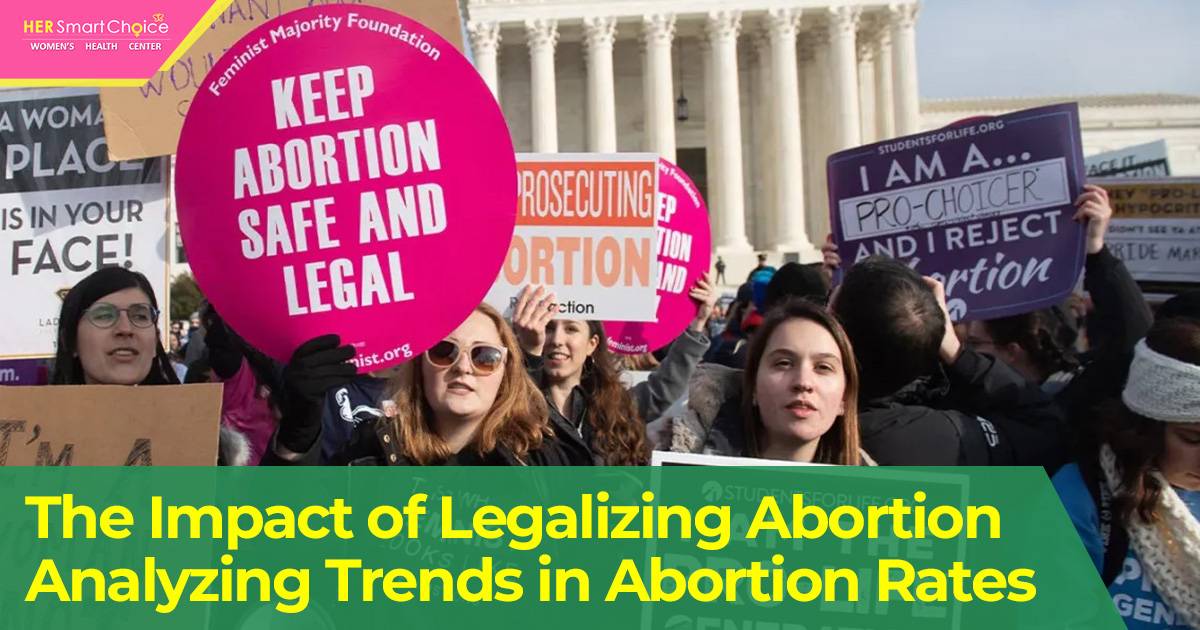
Impact of Legalizing Abortion: Analyzing Trends in Abortion Rates

Over the last few years, the topic of legalizing abortion has sparked many discussions and debates worldwide. Abortion, a medical procedure to end a pregnancy, has undergone significant changes in its legal status in different countries. Some places have made it legal, while others have placed restrictions on it. But how has the legalization of abortion affected the number of abortions? Let's explore the impact of legalizing abortion and analyze the trends in abortion rates.    

Brief Understanding Of Abortion

 
abortion services
  Before we jump into all the numbers and statistics, let's make sure we understand what abortion means. Abortion is a medical and surgical procedure that stops a pregnancy. People might choose to have an abortion for lots of different reasons. It could be because of health problems, money troubles, or just personal decisions. A long time ago, in many places, abortion was not allowed, so people had to do it secretly, and that could be really risky for their health.  Let’s learn more about the impact of legalizing abortion and abortion rates in further paragraphs.  

Legalization and Abortion Rates

 
safe and legal abortion services
  When a country legalizes abortion, it means that people have the option to choose it as a safe and legal way to end a pregnancy. This change in the law can lead to several important trends in abortion rates:   Fewer Unsafe Abortions: Legalizing abortion is an essential step toward reducing the increasing number of unsafe and secretive procedures. When abortion is legal, it can be performed in a safe healthcare setting, significantly minimizing the health risks associated with secretive and dangerous methods. This means that individuals who may have resorted to risky alternatives in places where abortion was illegal can now access safe and medically supervised procedures, prioritizing their well-being.    Steady or Slight Increase: In some areas, the legalization of abortion has resulted in a steady or slight increase in abortion rates. This may seem odd, but it happens for a good reason. Legalization allows more people to access safe abortion services. As a result, those who might have chosen not to proceed with an unsafe or illegal abortion, now have the option to make choices that align with their individual circumstances. This can lead to a slight increase in abortion rates, but it's primarily due to better access to safe procedures.    Decline in Maternal Mortality: Legal and regulated abortion services have a profound impact on maternal mortality rates. When abortion is legal, women can seek medical help without fear of legal repercussions. This leads to fewer mothers facing life-threatening complications due to unsafe abortions. It's an essential step in ensuring the safety and well-being of pregnant individuals, and it significantly contributes to lowering maternal mortality rates.   Access to Reproductive Healthcare: Legalization of abortion often goes hand in hand with increased access to a broader range of reproductive healthcare services. This includes improved access to contraception methods and family planning resources. By providing comprehensive reproductive healthcare, unintended pregnancies can be prevented, ultimately impacting abortion rates. When individuals have the knowledge and means to plan their families, they are less likely to face situations that lead to abortion.  

Factors Influencing Abortion Rates

  women's health clinic   Access to Contraceptives: The availability and use of contraceptives are critical factors influencing abortion rates. When people have easy access to effective birth control methods and education about their use, unintended pregnancies are less likely to occur, reducing the need for abortion.   Economic and Social Factors: Socioeconomic conditions, educational opportunities, and social support networks all play roles in the decision-making process regarding abortion. Factors like financial stability, access to education, and a strong support system can influence whether someone chooses to continue or terminate a pregnancy.   Healthcare Accessibility: The presence of accessible healthcare facilities that provide abortion services is a significant determinant of abortion rates. When clinics and medical professionals are readily available to offer safe and legal abortions, individuals are more likely to choose these services over unsafe alternatives.   Cultural and Religious Beliefs: Cultural and religious factors can shape people's attitudes toward abortion and influence their choices. In some communities, specific beliefs or values may encourage or discourage abortion. These cultural and religious factors can contribute to variations in abortion rates among different populations.  
Final Thoughts

  Legalizing abortion can have several important effects on abortion rates, including reducing unsafe procedures and improving maternal health. However, the impact of legalizing abortion vary depending on various factors, such as access to contraception, healthcare accessibility, and cultural beliefs.    It's essential to analyze these trends to ensure that women have safe and informed choices regarding their reproductive health. If you are perplexed in making an informed decision, expert healthcare counselors at Her Smart Choice women's health clinic will help you with their best knowledge; reach out to us!
Read more...
abortion pills

Are There Age Restrictions for Taking an Abortion Pill?

Well, there is no doubt that making the decision of an abortion is truly complex but deeply personalized. Yet it can be influenced by various factors. One of the common queries that arise in individuals' minds is whether there are any age restrictions for taking an abortion pill. Further, you'll get a comprehensive overview of age-related concerns when it comes to abortion pills. Let's explore are there any age restrictions for taking an abortion pill the legal and medical guidelines, potential implications, and factors that may affect age-related decisions.   

How Do Abortion Pills Work?

 
how do abortion pills work
  Before diving into age restrictions, it's crucial to understand what abortion pills are and how they work. Abortion pills, also known as medication abortion or medical abortion, are a non-surgical method for ending a pregnancy during its early stages. They typically consist of two medications: mifepristone and misoprostol. These medications work together to terminate a pregnancy.  

Age-Related Legal Guidelines for Abortion

 
abortion pill guidelines
  You might be aware that in many countries, the legal age for making healthcare decisions, including having an abortion, is typically 18 years or older. However, these laws can vary significantly from one place to another. Some regions may allow minors to make this decision independently, while others may require parental consent or involve a judicial bypass process.   Parental Consent: In some areas, minors under the age of 18 may need parental consent to obtain an abortion. This means they must have permission from one or both parents or legal guardians. These laws aim to involve parents in the decision-making process.   Judicial Bypass: In regions where parental consent is required, minors who cannot or do not want to involve their parents may have the option to seek a judicial bypass. This involves a court process where a judge evaluates whether the minor is mature enough to make the decision independently or if it's in their best interest to do so.  

Medical Guidelines Concerning Age-Factor

 
women's health
  While legal age restrictions may apply in some cases, healthcare providers prioritize the health and well-being of patients. Medical guidelines for taking abortion pills are primarily based on the gestational age of the pregnancy and the individual's overall health, rather than their age.   Gestational Age: Abortion pills are generally recommended for pregnancies within the first ten weeks (70 days) of gestation. Beyond this point, other abortion methods may be considered. The decision to use abortion pills is based on a medical assessment of gestational age.   Health Assessment: Before prescribing abortion pills, healthcare providers assess the individual's medical history and overall health. They may conduct tests to ensure the person is a suitable candidate for medication abortion. Age, in itself, is not a determining factor in this assessment.  

Age-Related Potential Implications

 
women's health
  While age itself may not be a medical restriction for taking abortion pills, there are potential implications to consider, especially for minors:   Privacy Concerns: Minors may be concerned about privacy when seeking abortion services. Laws regarding confidentiality vary, but healthcare providers are generally committed to safeguarding patients' privacy.   Emotional and Psychological Support: Younger individuals, including minors, may require additional emotional and psychological support when making decisions about abortion. Healthcare providers often offer counseling services to address these needs.   Legal Considerations: Minors navigating abortion decisions may need to familiarize themselves with relevant laws in their region. It's essential to be aware of the legal requirements and options available.  

Factors Affecting Age-Related Decisions

  Age-related decisions about abortion may be influenced by various factors:   Personal Beliefs: An individual's personal beliefs and values can play a significant role in their decision-making process. These beliefs may be shaped by culture, religion, or personal experiences.   Support Systems: The availability of emotional and practical support, such as from family, friends, or partners, can impact a person's choice.   Socioeconomic Status: Socioeconomic factors, including financial stability and access to healthcare, can influence an individual's decision and ability to obtain an abortion.   Education: Educational background and awareness of reproductive health options can also affect decision-making.  

Final Comments

  It's important for individuals facing these decisions to seek guidance from healthcare professionals and access appropriate support networks to make informed choices that align with their unique circumstances and beliefs. Abortion is a complex issue, and age is just one of many factors to consider in this deeply personal decision-making process.
Read more...
Pro-Life and Pro-Choice Perspectives on Abortion

Understanding the Legal Aspects of Abortion

Abortion is a topic that often divides people. Some believe it should be a woman's right to choose, while others argue it's the taking of an innocent life. The legality or illegality of terminating a pregnancy is a complex issue with profound implications for individuals, societies, and healthcare systems. In this blog, we'll dive into this multifaceted problem, examining both pro-life and pro-choice perspectives on abortion and understanding the legal aspects of abortion.  

The Basics of Abortion

  Abortion is the medical procedure of ending a pregnancy before the fetus can survive outside the womb. It's a decision many people face, often for deeply personal reasons. The reasons for seeking an abortion can vary widely, including concerns about health, financial stability, personal circumstances, or simply a woman's right to make decisions about her own body. The problem arises when we consider whether this procedure should be legal or not.   

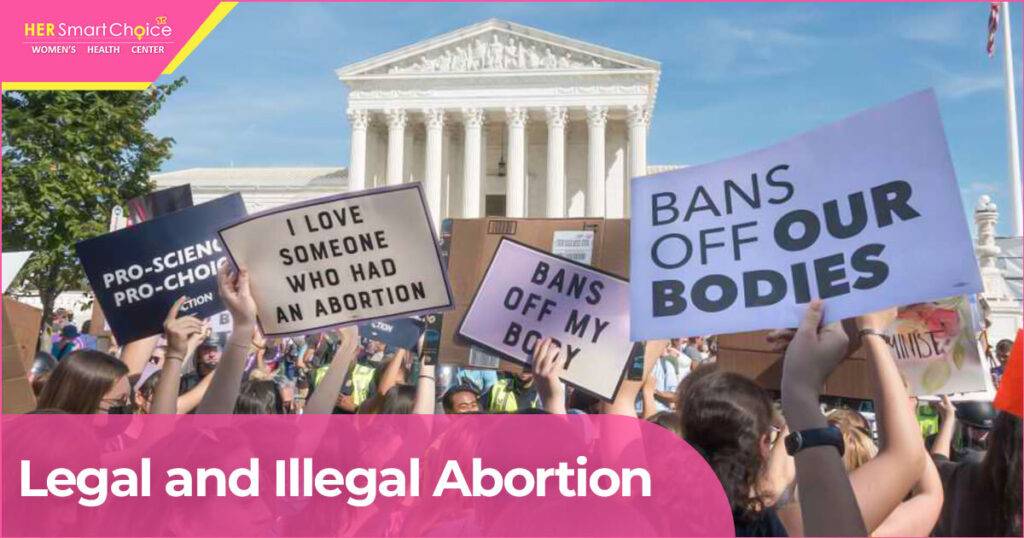
Legal and Illegal Abortion

 
legal and illegal abortion
  The legal status of abortion varies significantly around the world and even within countries. Some places have laws that allow abortion under certain circumstances, while others may have strict prohibitions. Here, we'll look at the two broad categories of legal and illegal abortion.  

Legal Abortion

  In some countries, abortion is legal and regulated. This means that there are established laws and regulations governing when and how abortions can be performed. Typically, legal abortions are allowed under conditions such as:   Medical Necessity: When continuing the pregnancy poses a significant risk to the woman's life or health.    Sensual Violence: When the pregnancy results from sexual assault or incest.   Fetal Abnormalities: When the fetus has severe abnormalities that are incompatible with life or would lead to significant suffering.   Maternal Health: When the mother's physical or mental health is at risk due to the pregnancy.   Socioeconomic Reasons: When a woman decides she is not ready or unable to raise a child due to financial or personal circumstances.  

Illegal Abortion

  Conversely, in some regions, abortion is illegal except in very limited circumstances, if at all. In such places, seeking or performing an abortion can result in criminal charges, including imprisonment. This creates a range of issues, including:   Unsafe Abortions: When women are denied access to safe and legal abortion services, they may resort to unsafe methods, endangering their lives.   Stigmatization: Women who seek illegal abortions may face social stigma and discrimination.   Lack of Options: The lack of legal abortion options can leave women feeling trapped and without control over their reproductive choices.  

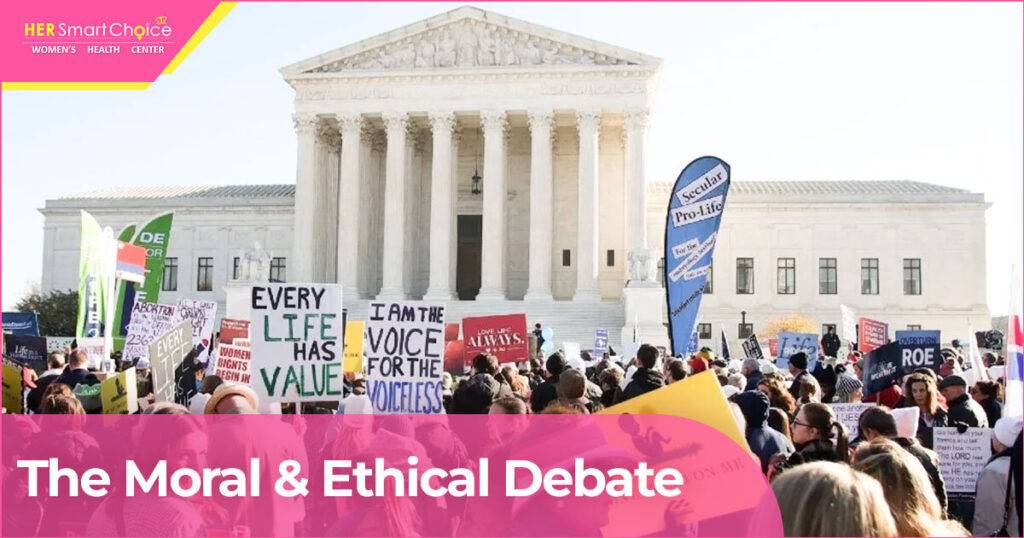
The Moral and Ethical Debate

 
abortion debate
  The legality of abortion often hinges on moral and ethical beliefs. People have varying opinions on when life begins and whether a fetus has the same rights as a born person. These beliefs are often deeply rooted in cultural and philosophical perspectives.  

Pro-Choice Perspective On Abortion

  The pro-choice perspective supports a woman's autonomy to choose what happens to her body, including the decision to terminate a pregnancy. Supporters argue that:    Autonomy: Women should have the autonomy to make decisions about their own bodies.   Health and Safety: Legal abortion ensures that the procedure is performed under safe conditions, reducing health risks.   Reducing Unwanted Children: Legal abortion can reduce the number of children born into situations where they may not be adequately cared for.  

Pro-Life Perspective On Abortion

  The pro-life perspective argues that life begins at conception, and therefore, abortion is equivalent to taking a human life. Supporters believe that:   Right to Life: The fetus has a right to life that should be protected, similar to the rights of a born person.   Respect for People: Some pro-life supporters think that every person is very important and valuable. They say this belief should also include unborn babies in their mom's belly and should help make choices about abortion.   Emotional and Psychological Consequences: Some pro-life proponents raise concerns that women may experience guilt, regret, and emotional distress after undergoing the procedure, which can have lasting effects on mental health.

Possible Solutions For Abortion Legalities

  abortion clinic   Addressing the issue of legality and illegality of abortion is complex and multifaceted. There is no one-size-fits-all solution, but several approaches can help mitigate the challenges associated with this issue:   Comprehensive Sex Education: Providing accurate information about sexual health and contraception can reduce the number of unintended pregnancies, subsequently lowering the demand for abortions.   Access to Contraception: Ensuring affordable and accessible contraception can help prevent unintended pregnancies.   Safe and Legal Abortion Services: Countries should consider the safety and well-being of women by providing safe and legal abortion services when necessary.   Support for Pregnant Women: Offering support and resources for pregnant women, such as prenatal care, adoption services, and financial assistance, can provide alternatives to abortion.   Reducing Stigma: Reducing the social stigma around abortion can help women make informed decisions without fear of judgment.  

Final Thoughts


As you read both the pro-life and pro-choice perspectives on abortion, the problem of the legality or illegality of terminating pregnancy (abortion) is a complex issue with no defined answers. It involves deeply held beliefs and the fundamental question of a woman's autonomy over her own body.

While opinions on this topic may differ, it is crucial to ensure that women have access to safe and legal options when making decisions about their reproductive health. Balancing the rights of the unborn with the rights and well-being of women remains a challenge that societies must navigate with empathy, understanding, and respect for diverse perspectives.

Read more...
teen abortion

Teen Abortion: Understanding the Complexities and Risks

Talking about teen abortion is important, but it's not always easy. It involves health, feelings, and tough choices. But, in today’s world, teens are also required to be provided detailed knowledge about pregnancies and abortions as it is common nowadays.    Teenage pregnancies can be challenging situations that require careful consideration. In some cases, teenagers may choose to undergo an abortion. Let’s explore more about teen abortion, and the complexities and risks associated with it. Understanding these factors is crucial for informed decision-making and ensuring the overall well-being of young individuals.   

What is Teen Abortion?

  abortion clinic   Teen abortion happens when someone under 20 years old decides to end a pregnancy. This is a big decision that can be influenced by lots of things, like family, money, and health. It's important to understand that every person's situation is different, and what's right for one might not be right for another.  

How It Can Make You Feel Emotional

  women's health clinic   Deciding to have an abortion, no matter your age can make you feel a bunch of different emotions. But for teenagers, these feelings can be even stronger because being a teenager is already a time when emotions can be all over the place. Some people might feel relieved after an abortion because it was the right choice for them. Others might feel sad or guilty.   It's okay to have these feelings, and it's important to have someone to talk to about them. Well, friends, family, or a counselor can offer support during this time.  

The Complexity of Teenage Pregnancies 

  Teen Pregnancy Rates: Teenage pregnancy rates vary across different regions and cultures. Factors such as education, socioeconomic status, and access to reproductive healthcare can influence these rates. It is important to acknowledge that teenage pregnancies can be emotionally and physically demanding for young individuals.   Emotional and Social Considerations:   Teenage pregnancies often come with unique emotional and social challenges. Young individuals may face stigma, societal judgment, and difficulties in continuing their education or pursuing career goals. These factors can impact their decision-making process regarding continuing the pregnancy or considering an abortion.  

Understanding Teen Abortion

 
teen abortion
  Legal Considerations: Laws regarding abortion for teenagers vary from country to country and even within different regions. It is crucial to understand the legal framework and parental involvement requirements in your specific location. Consulting with a healthcare provider or reproductive health clinic can provide guidance on the legal aspects of teen abortion.   Access to Healthcare and Counseling: Teenagers considering an abortion should have access to comprehensive reproductive healthcare services. This includes access to healthcare providers, counseling, and accurate information about the procedure, its risks, and alternatives. Supportive and non-judgmental healthcare professionals can help teenagers navigate their options and make informed decisions.  

Risks and Considerations of Teen Abortion

  Physical Risks: Abortion, like any medical procedure, carries potential risks and complications. These risks can include infection, excessive bleeding, damage to the uterus, or adverse reactions to anesthesia. However, with proper medical care and adherence to guidelines, the risks associated with abortion are generally low.    Emotional Impact: Teenagers may experience a range of emotions before, during, and after an abortion. It is essential to acknowledge and address the potential emotional impact of this decision. Teenagers should have access to counseling services or support groups to help them navigate their feelings and emotions throughout the process.   Future Fertility and Reproductive Health: There is a common misconception that abortion can negatively impact future fertility. In reality, when performed by trained healthcare professionals, abortion does not generally affect a person's ability to conceive or carry a pregnancy in the future. However, it is crucial to follow post-abortion care guidelines and seek regular reproductive healthcare to maintain overall reproductive health.  

Comprehensive Support and Care of Teen Abortion

 
abortion center Los Angeles
  Confidentiality and Privacy: Teenagers seeking abortion services have the right to confidentiality and privacy. Our experienced healthcare providers are bound by ethical and legal obligations to protect a teenager's personal and medical information. This ensures that teenagers can access the care they need without fear of judgment or disclosure.   Emotional Support and Counseling: Teenagers facing the complex decision of abortion should have access to emotional support and counseling services. These resources can help them process their feelings, address any potential emotional challenges, and develop coping strategies for the future.   Post-Abortion Care: After an abortion, teenagers should receive appropriate post-abortion care and follow-up. This includes medical check-ups, contraception counseling, and information about reproductive health. It is important to prioritize overall health and well-being during the recovery process.  

Final Thoughts

  Teen abortion is a complex and sensitive topic that requires careful consideration of the physical, emotional, and social aspects involved. It is essential to provide comprehensive reproductive healthcare, access to counseling, and a supportive environment that respects a teenager's autonomy and well-being.    By addressing the complexities and risks associated with teen abortion, we can ensure that young individuals receive the care and support needed to make informed decisions about their reproductive health. You can visit Her Smart Choice, your nearest abortion center, to get brief knowledge and services.
Read more...
how painful is abortion

Is abortion painful? Exploring the Post-Medical Abortion Journey

Abortion remains a topic that sparks continuous controversy, fueling ongoing debates. Whether it is medication or surgical abortion, one must know how to deal with it after the procedure is complete. Today, we seize all your focus on whether abortion is painful or not and how to deal with the post-medical abortion situation in California.  

What is Medical Abortion?

  A medical abortion procedure includes the use of medication to terminate an early pregnancy. It is a non-surgical procedure that is effective within the first 10 weeks of pregnancy. The process typically involves two medications: mifepristone and misoprostol. It is considered the easiest way in which you can access treatment from the comfort of your home.   

The Immediate Aftermath: What to Expect

  after abortion care   After taking the medications for your abortion, it's normal to experience a range of feelings. These might include relief, a mix of emotions, or even uncertainty. Remember that everyone's reaction is unique, and whatever you're feeling is valid. Let’s explore further:  

Physical Changes and Discomfort

  Bleeding and Cramping: It's common to experience bleeding, similar to a heavy period, for several days to weeks. Cramps, which can range from mild to strong, might accompany the bleeding. This is your body's natural response to the abortion process.   Passing Tissue: During the abortion process, you might pass tissue from your uterus. This can be a part of the embryo or the pregnancy lining. It might feel different from your usual period, but it's a normal part of the process.   Breast Changes: Some people might notice changes in their breasts, such as tenderness or swelling. These changes are usually temporary and will diminish.  

Emotional Well-being and Mental Health

  Mixed Emotions: It's common to have a mix of emotions after a medication abortion. These might include relief, sadness, guilt, or even a sense of empowerment. Give yourself permission to feel whatever you're feeling.   Coping Strategies: If you find yourself struggling emotionally, consider talking to a supportive friend, family member, or mental health professional. They can provide you with strategies to cope with your emotions and offer a safe space to express your feelings.   

Is abortion painful?

 
is abortion painful?
  So, is abortion painful? The answer is that medical abortion typically involves pain similar to strong menstrual cramps. The process includes taking medication at home, which leads to uterine contractions and bleeding, similar to a heavy period. Some women may experience discomfort, while others might have more intense cramping.   However, there are some pain management options, such as over-the-counter pain relievers, that can help alleviate discomfort. It's advisable to consult a healthcare provider before undergoing a medical abortion to discuss pain management strategies and ensure proper guidance throughout the process.  

How To Access Medical Abortion in California

 
medical abortion pills
 

Seeking Medical Advice:

If you are considering a medical abortion, it is essential to consult with a healthcare provider. They will evaluate your health history, perform necessary tests, and provide information about the procedure, its risks, and possible side effects. In California, there are numerous healthcare providers, including clinics and hospitals, that offer reproductive healthcare services.  

Obtaining the Medication:

After a medical evaluation, your healthcare provider will prescribe the necessary medications. In California, mifepristone and misoprostol are FDA-approved and can be obtained from a pharmacy with a prescription. There are also telemedicine options available at Her Smart Choice Women’s Health Clinic, allowing individuals to consult with a healthcare provider remotely and receive the medication by mail.  

Access to Essential Support and Helpful Resources

 
women's health clinic
 

Counseling and Emotional Support:

The decision to have an abortion can be emotionally challenging. California recognizes the importance of providing support and counseling services to individuals facing this decision. Many healthcare providers, like Her Smart Choice, offer counseling services or can refer you to organizations that provide unbiased, non-judgmental support.  

Confidentiality and Privacy:

California upholds strict confidentiality laws when it comes to reproductive healthcare. Your personal and medical information is protected, ensuring your privacy throughout the process. You have the right to seek medical care without fear of judgment or discrimination.  

Financial Assistance:

California offers financial assistance programs to help individuals access reproductive healthcare services, including medical abortions. These programs aim to reduce economic barriers and ensure that costs do not hinder an individual's ability to access their reproductive rights.  

Aftercare and Follow-up

 
post abortion care
 

Post-Abortion Care:

After a medical abortion, it is crucial to follow your healthcare provider's instructions for aftercare. This may include taking prescribed medications, scheduling a follow-up appointment, and monitoring your physical and emotional well-being. If you have any concerns or questions, do not hesitate to reach out to your healthcare provider.  

Contraception and Future Planning:

Following a medical abortion, it is essential to discuss contraception options with your healthcare provider to prevent future unintended pregnancies. California offers a range of contraceptive methods and family planning services to support individuals in making informed decisions about their reproductive health.  

Final Thoughts

Your post-medical abortion journey is a combination of physical changes, emotional navigation, and supportive resources. It’s not a completely painful journey if you should follow all the instructions properly. Her Smart Choice in California stands by your side, emphasizing privacy, support, and access to essential reproductive healthcare. If you have any queries, feel free to reach out to us. 
Read more...
Abortion center Los Angeles

Supporting Someone Going Through an Abortion: Tips for Friends and Family

  Abortion is generally seen as a taboo in some regions or societies, and it makes it difficult for a woman to make an informed decision about her health. Counselors in abortion clinics provide proper assistance to women who are going through an abortion to stay positive and strong. However, individually, if someone close to you has decided to have an abortion then you can provide support and guidance to them during this. No doubt, it can be challenging for you to support someone going through an abortion.    Let's explore some tips and guidance on how to support a friend or family member who is having an abortion.   

Tips for Providing Emotional Support to a Friend or Family Member Having an Abortion

 
abortion clinic
 

Be an active listener

If you decide to support someone going through an abortion then you have to become an active listener. Giving suggestions is not always the solution, sometimes listening to women during this situation is what they actually needed the most.  Let your loved one know that you are there for them, understand their feelings at the moment, and are willing to listen to their concerns without any judgment. Encourage them to share their thoughts and emotions, and be present to listen and offer support.  

Respect their decision

The other most important thing that you can do is to respect their decision and keep it on priority. Your support helps them to make an informed decision and keep them away from the depressed situation. So, it's important to understand the sensitivity of the situation and support her decision while she is having an abortion. Regardless of your personal beliefs, it's not your place to judge or pressure them into making a different decision. Be supportive of their choice and let them know that you are there for them, no matter what.  

Provide practical support

Practical support can be invaluable to someone going through an abortion. Offer to accompany them to appointments, provide transportation, or help with household chores or childcare. You may get to know that these small and kind acts can make a big difference during a difficult time.   

Educate yourself

Educate yourself on the process of abortion and the range of emotions someone may experience during this time. This can help you better understand what your loved one is going through and offer more meaningful support. You can also research local resources, such as counseling services in local abortion centers or support groups, that may be helpful for your loved one.  

Check-in regularly

Check in regularly with your loved one to see how they are doing and if they need any additional support. Your support makes them confident and gives them a feeling of safety. Also, you can take them to an abortion center for regular checkups. However, be mindful not to overwhelm them with constant check-ins or pressure them to talk if they are not ready.  

Offer emotional support

Most women need emotional support during this time, so it is good if you offer them the same. This can include providing a listening ear, offering words of encouragement, or simply being there to provide a comforting presence. Let them know that they are not alone and that you are there to support them through this difficult time.  

Respect their privacy

Respect your loved one's privacy and only share information about their abortion with their permission. It's important to protect their confidentiality and avoid sharing any personal details without their consent.  

Be patient

Recovery from an abortion can be a long and emotional process. Be patient with your loved ones and understand that they may need time to process their emotions and feelings. Offer support and reassurance, but avoid pressuring them to move on or "get over it" too quickly.  

Sum Up

  In this blog, you’ll get to know that supporting someone going through an abortion requires patience, empathy, and understanding. By following all these tips, you can help your loved one through this difficult time. Remember to practice self-care and seek support if needed, as supporting someone through an abortion can be emotionally taxing.  So, if you want to help your loved one through this challenging experience, provide them with support and care. You may also visit our women's health clinic in Los Angeles to meet with our expert healthcare counselors if you have no one around. We ensure that you will feel safe while making an informed decision. Her Smart Choice is always there to help women for their better health and future!
Read more...