Knowing when to resume sexual activity after an abortion matters for both your body and your emotions. This guide walks through practical timelines, how recovery differs after a medical versus a surgical abortion, and the possible risks of having sex too early. If you’re unsure about when it’s safe to be intimate again, this article is meant to offer clear, compassionate guidance — including emotional readiness and contraception options to help you feel safer and more prepared.
When Is It Safe to Resume Sex After an Abortion? General Guidelines and Timelines
Deciding when to have sex after an abortion comes down to how your body is healing and any individual risk factors. Most clinicians recommend waiting a set period to lower infection risk and let the cervix close, but the exact timing can vary depending on the procedure and your overall health.
What Is the Recommended Waiting Period Before Intercourse?
Most providers suggest waiting about one to two weeks before resuming intercourse. That window helps the cervix close and reduces infection risk. Some people may need a longer recovery if they have ongoing bleeding, pain, or other complications. Checking in with your healthcare provider is the best way to confirm what’s right for you.
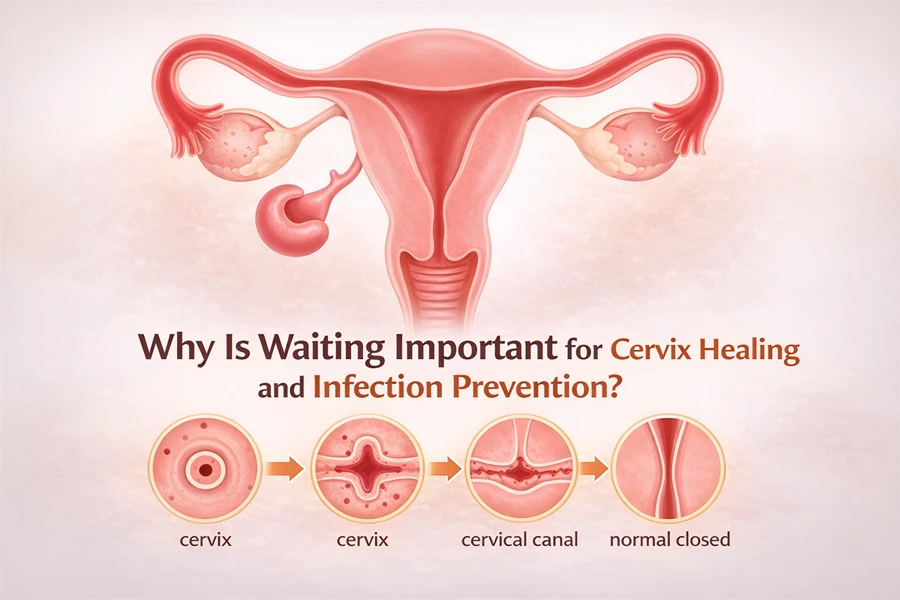
Why Is Waiting Important for Cervix Healing and Infection Prevention?
Waiting before sexual activity protects against several risks. The cervix can stay partially open for a short time after an abortion, which makes it easier for bacteria to enter the uterus. Having sex too soon can increase the chance of infection, heavier bleeding, or painful intercourse. Giving your body time to heal lowers those risks and helps make sex more comfortable when you’re ready.
How Does Recovery Differ Between Medical and Surgical Abortions? Specific Timelines for Resuming Sex
Recovery looks different after a medical abortion (the abortion pill) compared with a surgical procedure. Those differences can affect when it’s safe to resume sexual activity, so it helps to understand what each recovery typically involves.
When Can You Have Sex After a Medical Abortion or Abortion Pill?
After a medical abortion, most people are advised to wait at least one to two weeks before having sex. That gives time for the process to finish and for bleeding and cramping to settle. Pay attention to how you feel physically — if bleeding or pain continue, you may need more time and should follow up with your provider.
What Is the Safe Time for Intercourse After Surgical Abortion Procedures?
For surgical abortions, the usual recommendation is also about one to two weeks. Some people feel ready sooner, but it’s important to confirm healing with your clinician, especially if you had any complications. Trust your body’s signals and check in with your care team if you’re unsure.
What Are the Risks of Having Sex Too Soon After an Abortion? Infection and Other Health Concerns
Having sex before your body has healed can raise the risk of infection and other complications. Knowing what to watch for and how to reduce risk can help you make safer choices as you recover.
What Are the Signs of Infection to Watch For After Resuming Sex?
After you begin sexual activity again, be alert for signs that could indicate an infection:
Fever: A temperature above 100.4°F (38°C) may signal infection.
Unusual Discharge: Foul-smelling, greenish, or otherwise abnormal discharge is a warning sign.
Severe Pain: Intense pelvic pain that doesn't ease with over‑the‑counter medicine should be evaluated.
If you notice any of these symptoms, contact your healthcare provider promptly.
How Can You Reduce Infection Risk During Post-Abortion Sexual Activity?
To lower the chance of infection as you recover, consider these practical steps:
Wait the Recommended Time: Stick to the waiting period your provider suggests before having intercourse.
Practice Good Hygiene: Both partners should wash hands and genitals before sex to reduce bacterial transfer.
Use Protection: Condoms help protect against sexually transmitted infections and add an extra safety layer while you heal.
Following these precautions can make intimacy safer during the recovery period.
How Does Emotional Readiness Affect Resuming Sexual Activity After Abortion? Partner Communication and Psychological Aspects
Emotional readiness is as important as physical healing. Processing the experience and being honest with yourself and your partner can make a big difference in how comfortable intimacy feels afterward.
Why Is Emotional Recovery Important Before Having Sex Again?
Emotional healing gives you space to process feelings about the abortion and what intimacy will mean going forward. Jumping back into sex before you feel ready can trigger anxiety, guilt, or physical discomfort. Letting yourself recover emotionally often leads to healthier, more positive intimate experiences.
How Can You Talk to Your Partner About Resuming Intimacy?
Clear, compassionate conversation helps both partners feel safe. Try these approaches:
Be Honest: Share where you are emotionally and physically — what feels okay and what doesn’t.
Set Boundaries: Agree on what kinds of touch or activity feel comfortable and when to stop.
Listen Actively: Invite your partner to share their feelings and concerns without judgment.
Open dialogue builds trust and makes it easier to navigate intimacy at a pace that feels right for both of you.
What Contraception Options Should You Consider After an Abortion? Preventing Immediate Pregnancy
Because fertility can return quickly after an abortion, it’s wise to consider contraception soon after the procedure. Discussing options with your provider at follow‑up visits helps you choose a method that fits your needs.
When Should You Start Using Birth Control After Abortion?
It’s generally safe to start many forms of birth control immediately after an abortion, since fertility can return in as little as two weeks. Many clinicians recommend planning for contraception during your follow‑up appointment so you leave with a clear plan.
Which Contraceptive Methods Are Safe and Effective Post-Abortion?
Common, effective options you can typically use after an abortion include:
Hormonal Birth Control: Pills, patches, and injections can often be started right away.
Intrauterine Devices (IUDs): Both hormonal and copper IUDs can be inserted immediately after a surgical abortion or once bleeding has decreased after a medical abortion.
Barrier Methods: Condoms and diaphragms are usable immediately and also protect against STIs (condoms).
Which method is best depends on your preferences, medical history, and future plans — talk it over with your healthcare provider for personalized advice.
Method
Effectiveness
Notes
Hormonal Birth Control
91-99%
Requires consistent use
IUD (Hormonal)
99%
Long-term solution, can be used immediately after surgical abortion or when bleeding subsides after medical abortion
IUD (Copper)
99%
Non-hormonal option, can be used immediately after surgical abortion or when bleeding subsides after medical abortion
Condoms
85%
Protects against STIs, requires proper use
Frequently Asked Questions
What should I expect during the recovery process after an abortion?
Recovery varies from person to person. You may experience cramping, bleeding, and emotional ups and downs. Physically, most people recover over a few weeks, but emotional recovery can take longer. Keep an eye on any unusual symptoms and stay in touch with your healthcare provider for follow‑up care and reassurance.
Can I use tampons after an abortion?
Most providers recommend avoiding tampons for at least two weeks after an abortion to lower infection risk. Pads are a safer option during the initial recovery. As always, check with your clinician for guidance tailored to your situation.
How can I manage pain or discomfort after an abortion?
Over‑the‑counter pain relievers like ibuprofen or acetaminophen often help. A heating pad on the lower abdomen can ease cramps, and rest plus hydration supports recovery. If pain is severe or doesn’t improve, contact your healthcare provider.
What emotional support resources are available after an abortion?
Emotional support might include talking with trusted friends or family, counseling, support groups, or hotlines. Many reproductive health organizations offer resources and referrals. If feelings of anxiety, guilt, or sadness persist, reaching out to a professional can be very helpful.
Are there any lifestyle changes I should consider after an abortion?
Healthy habits support recovery: eat balanced meals, stay hydrated, and follow your provider’s advice about activity levels. Avoid smoking and limit alcohol while healing. Practices like gentle yoga, meditation, or breathing exercises can also help emotional recovery.
What should I do if I experience complications after an abortion?
If you have severe pain, heavy bleeding, fever, or other worrying symptoms, seek medical attention right away. Prompt care is important for treating complications, so keep your provider’s contact information handy during recovery.
Conclusion
Knowing when to resume sexual activity after an abortion helps protect your physical health and emotional well‑being. Follow the recommended waiting periods, listen to your body, and communicate openly with partners and healthcare providers. Prioritizing both physical healing and emotional readiness supports a safer, more comfortable return to intimacy. If you’d like more information or support, please explore our resources or contact a clinician you trust.
This article is for informational purposes only and does not constitute medical advice. It is not intended to replace professional medical evaluation, diagnosis, or treatment. Always consult a qualified healthcare provider with any questions about recovery, symptoms, or when it is safe to resume sexual activity after an abortion.
An abortion - whether medication-based or surgical - sets off a series of physical and emotional changes as your body settles back toward its pre-pregnancy state. This guide walks through common physical symptoms (bleeding, cramping, discharge, breast changes), the hormonal shifts involved (hCG, estrogen, progesterone), and typical emotional responses so you know what’s normal and when to get care. People often want clear timelines, practical self-care steps, and reassurance about fertility and future family planning; this article delivers those answers in plain, evidence-informed language. You’ll find a recovery timeline, symptom-by-symptom explanations, pain and bleeding management tips, warning signs to watch for, and contraception planning. Each section includes actionable checklists and simple comparisons to help you follow your recovery during the hours, days, and weeks after the procedure. Read on to learn common recovery patterns, how hormones affect what you feel, and where to find support if you need it.
How long does the abortion recovery timeline last?
“Recovery” refers to the time your body takes to expel pregnancy tissue, shrink the uterus back to its usual size, and for hormone levels and symptoms like bleeding and cramping to settle. How long that takes depends on the type of procedure (medical versus surgical), how far along the pregnancy was, and individual health differences. For some people, the most intense symptoms last a few hours or days; for others, light spotting or intermittent symptoms continue for several weeks. Early milestones commonly include heavier bleeding and stronger cramping in the first 4–6 hours (and sometimes up to 24–72 hours), with a gradual taper in bleeding and pain over the next 1–2 weeks for many people. Knowing these stages can help you plan rest, work, and follow-up care — and reduce worry about what’s normal.
Quick snapshot: the table below summarizes typical symptom durations for medical versus surgical abortion so you can compare what to expect in the early recovery phase.
Symptom
Typical Duration (Medical Abortion)
Typical Duration (Surgical Abortion)
Heavy bleeding/cramping (intense)
4–24 hours, up to 72 hours in some
12–48 hours
Ongoing lighter bleeding/spotting
Up to 2–4 weeks
1–2 weeks
Severe cramping requiring stronger pain relief
First 1–3 days
First 24–48 hours
When to expect follow-up confirmation
1–2 weeks (may require hCG or clinic confirmation)
Often within 1–2 weeks or at clinician’s schedule
This comparison shows that medical abortions often involve longer spotting as medication causes the body to pass tissue over time, while surgical procedures usually lead to a shorter, more immediate recovery period. If you’d like personalized follow-up or extra reassurance about your recovery, Her Smart Choice offers compassionate information and support tailored to post-abortion needs to help you decide on clinical follow-up or self-care steps.
What is the typical duration of physical recovery after abortion?
Physical recovery generally follows a familiar pattern: the first hours and days are the most intense, then symptoms ease over days and weeks as hormones and uterine size return toward baseline. Most people have the heaviest bleeding and strongest cramping within the first 4–24 hours, with noticeable improvement by the end of week one. Light bleeding or spotting may continue intermittently for up to 2–4 weeks for many. Systemic symptoms such as tiredness or mild nausea usually resolve within a few days. Knowing this typical arc helps you plan pain control, rest, and a safe return to daily activities while recognizing when to seek medical help.
How does recovery differ between medical and surgical abortions?
Medical abortion uses medication to trigger uterine contractions and tissue passage, so bleeding and cramping can be intense but often occur over several hours to days, with spotting that may continue for a few weeks. Surgical abortion usually produces a shorter recovery: bleeding and cramps are often worst immediately after the procedure and then decline more quickly over the next days. Follow-up also differs: medical abortion may need a clinic visit or hCG check to confirm completion, while surgical abortion often includes immediate clinical confirmation. These differences influence choices about pain control, timing for returning to work, and scheduling contraception or follow-up visits.
What are the common physical changes after an abortion?
Many physical signs after an abortion are expected and reflect the body’s hormonal and physical adjustments as pregnancy tissue resolves and the uterus contracts back to its usual size. Typical changes include bleeding that can range from heavy flow to light spotting, uterine cramping, vaginal discharge as tissues heal, and breast tenderness as pregnancy hormones fall. You may also feel tired, slightly nauseated, dizzy, or notice temporary changes in appetite or sleep — these usually improve over days to a few weeks. Additional insights can be found in hormonal shifts after abortion.
Below is a practical chart linking common symptoms with likely causes and simple self-care steps to manage each during recovery.
Symptom
Cause / Mechanism
Suggested Self-Care
Bleeding (heavy to spotting)
Uterine shedding of pregnancy tissue and hormonal withdrawal
Use pads, rest during heavy flow, avoid tampons for advised period, monitor volume
Cramping
Uterine contractions to expel tissue and shrink the uterus
OTC pain relief, heat packs, paced rest, light movement as tolerated
Vaginal discharge
Healing of cervix and endometrial shedding
Maintain hygiene, avoid baths or douching for advised period, watch for foul odor
Breast tenderness
Sudden drop in pregnancy hormones (estrogen/progesterone)
This table explains why symptoms occur and simple home steps that often help. If you notice unusual signs like a foul odor, fever, or rapidly worsening pain, contact a clinician promptly.
What post-abortion symptoms should you expect?
You can expect a variety of symptoms that differ in intensity between people; the most common are bleeding, cramping, breast tenderness, and short-term systemic effects such as fatigue. Bleeding may be heavy with clots the first day or two, then taper to light spotting over weeks. Cramping is often like menstrual cramps but can be stronger at first. Breast tenderness comes from the sudden hormone drop and usually eases over days to a few weeks. Tracking timing and intensity helps you tell normal recovery from signs that need medical attention.
How do hormonal shifts affect your body after an abortion?
After an abortion the body moves quickly through hormonal changes as pregnancy hormones fall and the menstrual cycle begins to reset. The most obvious shift is the drop in hCG as pregnancy tissue passes, followed by declines in estrogen and progesterone. Those decreases cause uterine bleeding, cramping, breast changes, and mood or energy shifts. Most hormone-related symptoms ease over several weeks as levels stabilize and your next period approaches. Understanding this process explains why some symptoms feel sudden at first and then gradually settle.
Ovarian Hormonal Stress Following Medical Abortion: A Study of Hormonal Status Abortion means ending a pregnancy, and that change brings measurable shifts in the body’s hormones. Early medical abortion — which uses medications to end a pregnancy — is generally seen as a conservative method, but the body does experience physiological stress as it stops preparing for gestation and lactation. Research on pituitary and ovarian changes after medical abortion is limited, which motivated our investigation. In this study we observed 50 women without contraindications to describe post-abortion hormonal status and related changes. OVARIAN HORMONAL STRESS AFTER MEDICAL ABORTION, NA Abenova, 2022
Which hormones change and what are their effects?
Human chorionic gonadotropin (hCG) falls quickly after pregnancy tissue leaves the body, signaling the end of pregnancy and triggering downstream hormonal adjustments. Estrogen and progesterone then decline, which reduces support for the uterine lining and causes bleeding and cramping; those drops also explain breast tenderness and shifts in mood or energy. Over several weeks hormone levels usually move back toward baseline, letting the hypothalamic-pituitary-ovarian axis reestablish regular cycles. Knowing which hormones shift helps explain why some physical and emotional reactions are strongest early in recovery and why the return of the menstrual cycle varies.
How does breast tenderness manifest post-abortion?
Breast tenderness is common after an abortion because pregnancy hormones that prepared the breasts for lactation drop rapidly, and the breast tissue adjusts back toward its pre-pregnancy state. Sensations can range from mild soreness to fullness, and occasional leaking is possible but uncommon. Symptoms usually improve over days and resolve in a few weeks. Practical steps include wearing a supportive bra, using warm or cool compresses for comfort, and avoiding breast stimulation if you don’t want to provoke milk production. Seek care if you develop severe swelling, fever, or abnormal nipple discharge.
What emotional effects can occur after an abortion?
Emotional reactions after an abortion are varied and normal: people commonly feel relief, sadness, grief, guilt, anxiety, or a mix of responses as hormones change and they process the experience. The timing and intensity of feelings differ widely and depend on mental health before the procedure, available support, personal values, and the circumstances that led to the decision. Many people find emotions fluctuate over days to weeks and lessen over time with supportive conversations and self-care. Remember that there’s no single “right” response — and it’s okay to seek help if feelings are interfering with day-to-day life.
Psychological Coping During the Immediate Post-Abortion Period The time from the abortion procedure until bleeding stops is a period of both physical and emotional adjustment. During this phase, individuals may experience symptoms such as cramping, bleeding, and breast tenderness alongside emotions like relief, sadness, or worry. Giving accurate information and strong support during this immediate period helps people recover more smoothly. Psychological coping in the immediate post-abortion period, SJ Ratcliffe, 2014
What are the common emotional responses after abortion?
Common emotional responses include relief at ending an unwanted pregnancy, sadness or grief over the loss of a potential pregnancy, guilt or shame if cultural pressures are present, and anxiety about physical recovery or future fertility. These feelings often come in waves and may be triggered by reminders like seeing a baby or attending follow-up visits — and it’s normal to feel several things at once (for example, relief and sadness). Research shows people’s experiences vary; some have brief emotional upset while others find counseling helpful. Naming and acknowledging your feelings is a helpful first step toward coping and planning support.
How can you heal emotionally and cope with post-abortion feelings?
Emotional healing usually combines practical self-care, supportive people, and professional help if needed. Options that help include talking with trusted friends or a counselor, practicing grounding or mindfulness, journaling, and engaging in restorative activities. Peer support or structured counseling can reduce distress for many people. Partners and support people can be helpful by listening without judgment, helping with daily needs during recovery, and encouraging professional care when feelings feel overwhelming. If you have persistent depression, severe anxiety, or thoughts of self-harm, seek mental health support right away.
How can you manage post-abortion symptoms and care for your body?
Managing symptoms focuses on safe pain relief, controlling bleeding, preventing infection, and gradually returning to normal activities. At-home strategies that often help include using recommended over-the-counter pain medicines, applying heat to ease cramps, resting during heavy bleeding, and following hygiene guidance to lower infection risk. Slowly reintroduce exercise and work to avoid setbacks, and make a follow-up plan with a clinician or support service so any concerns can be addressed quickly. Clear guidance on tampon use, sexual activity, and wound care helps protect healing during the first weeks. For further reading, you can visit how long do you bleed after an abortion.
What are effective pain management and bleeding control methods?
Start with over-the-counter nonsteroidal anti-inflammatory drugs (NSAIDs) taken as directed to reduce cramping and inflammation; combine this with heat therapy and rest for extra relief. For bleeding, use pads rather than tampons for the recommended period to minimize infection risk, and keep an eye on volume and clot size to detect heavy bleeding. Non-medication approaches like staying hydrated, pacing activity, and lying down during strong cramps can help. If severe pain continues despite medication, seek medical evaluation. Keeping a simple log of bleeding and pain is useful to share with a clinician if needed.
Common safe pain-management steps you can try at home include:
Take OTC NSAIDs as directed to reduce cramping and inflammation.
Use heat: a warm compress or heating pad on the lower abdomen can ease uterine cramps.
Rest and pace activity: avoid strenuous exercise until bleeding and pain decrease.
These measures often offer meaningful relief and support recovery; contact a clinician if symptoms worsen.
What hygiene and activity guidelines should you follow after abortion?
Keep the vulvar area clean with gentle washing, avoid baths, swimming pools, and douching for the recommended time to lower infection risk, and use sanitary pads instead of tampons until advised otherwise. Wait to resume vaginal intercourse until your provider gives the go-ahead — commonly about one to two weeks — so the cervix can close and infection risk falls; when you do resume sex, use effective contraception if you want to avoid pregnancy. Return to exercise gradually: begin with light walks and increase activity as bleeding and pain permit, listening to your body to avoid pushing too soon. Book any recommended follow-up visits to confirm recovery and discuss contraception or other questions.
If you want extra guidance tailored to recovery and emotional support, Her Smart Choice offers clear, compassionate resources focused on post-abortion care. Their materials can help you plan follow-up, learn self-care steps, and find counseling referrals.
What are the signs of complications after an abortion and when should you seek help?
Knowing warning signs helps you act fast if infection, incomplete abortion, or dangerous bleeding occurs. Emergency red flags include fever over 100.4°F (38°C), foul-smelling vaginal discharge, severe or worsening lower abdominal pain not eased by medication, passing large tissue fragments with heavy bleeding, dizziness or fainting, and soaking through sanitary pads quickly. If you have any of these signs, get urgent medical evaluation or go to emergency care so complications can be treated. Clear thresholds and quick action reduce risk and speed safer recovery.
How can you recognize signs of infection or incomplete abortion?
Infection often shows as fever, chills, increasing abdominal pain, and a foul or unusual vaginal discharge — symptoms that typically get worse rather than better and may come with a general feeling of being unwell or a fast heart rate. Incomplete abortion may present as ongoing heavy bleeding, continued severe cramping beyond the expected timeframe, passage of tissue after the procedure, or rising hCG levels if tested. Comparing the expected pattern (gradual improvement) to warning signs (worsening or new systemic symptoms) helps you decide whether to seek clinical care. If infection or retained tissue is suspected, prompt evaluation and treatment are important to prevent complications.
Short-Term Physical and Psychological Sequelae of Abortion Background: Abortion can be associated with short-term physical and psychological consequences. This study examined those effects across different types of induced abortion in women attending medical centers in Shiraz, Iran. Methods: A cross-sectional sample included 437 pregnancies that ended in abortion, gathered from a larger group of deliveries during a 4-month period. Participants completed demographic questionnaires and the Mississippi Post-Traumatic Stress Disorder Scale (M-PTSD); results were analyzed using standard statistical methods. Short-term physical and psychological health consequences of induced and spontaneous abortion: a cross-sectional study., N Tayebi, 2021
Watch for these infection or incomplete-abortion signals:
Fever or chills: a sign of systemic infection that needs medical review.
Foul-smelling discharge: suggests infection and warrants prompt care.
Persistent or worsening pain: especially if not relieved by medications.
If you notice any of these, contact a healthcare provider for evaluation.
When is heavy bleeding an emergency after abortion?
Heavy bleeding is an emergency when it causes dizziness, fainting, or when you are soaking through more than two sanitary pads per hour for two consecutive hours. Passing large clots (about the size of a lemon or bigger) along with lightheadedness, weakness, or a racing heart also calls for immediate medical attention. If heavy bleeding happens, lie down and, if possible, elevate your feet, call emergency services or go to urgent care, and bring someone with you if you can. After stabilization, clinicians will check for retained tissue, uterine atony, or other causes and arrange treatment that may include medication or procedures.
How does abortion affect fertility and future pregnancy planning?
Most people do not experience long-term infertility after an abortion. Fertility often returns quickly because ovulation may resume within weeks, so pregnancy is possible before your first post-abortion period. Many people get their next period around 4–6 weeks, though timing varies with prior cycle regularity, the abortion method, breastfeeding, and individual hormone recovery. If you want to avoid pregnancy, planning contraception right after the procedure is important since fertility can return fast; many methods can be started immediately depending on local guidance. If you plan to try for pregnancy later, waiting until you feel physically and emotionally ready — and confirming recovery with a clinician if advised — supports healthier planning.
Below is a concise comparison of common contraceptive options, suggested start timing after abortion, and key points to consider when choosing.
Contraceptive Option
When to Start Post-Abortion
Notes / Considerations
Combined oral contraceptive pill
Often can start immediately
Requires adherence; may increase bleeding initially
Progestin-only pill / injection
Can often start immediately
Good option if estrogen is contraindicated
Intrauterine device (IUD)
May be inserted at procedure or after confirmation
Offers long-term protection; immediate-start IUDs available in some settings
Implant
Can often start immediately
Highly effective, long-acting option
Condoms
Use immediately
Protects against pregnancy and STIs; user-dependent
This table makes it easier to compare options and choose what fits your needs; individualized counseling is helpful to match a method to your medical history and preferences. For guidance on choosing contraception or planning your next pregnancy, Her Smart Choice provides empathetic, plain-language resources to help you make an informed decision.
When does your menstrual cycle return after abortion?
Your period usually returns in about 4–6 weeks after an abortion for many people, but timing varies depending on how quickly ovulation resumes and how your hormones recover. Factors that affect return include previous cycle regularity, the abortion method, breastfeeding, and individual hormone patterns; some people get their next period sooner, others later. Tracking changes like shifts in cervical mucus, basal body temperature, or bleeding patterns can help you know what to expect after your abortion and inform contraception or pregnancy planning. If your period is much later than expected, check with a clinician for evaluation and reassurance.
What birth control options are recommended post-abortion?
Choosing contraception after abortion depends on personal preferences, medical history, and whether you want immediate protection. Many methods can be started right away to prevent a rapid return to fertility. Long-acting reversible options like IUDs and implants offer highly effective, low-maintenance protection and may be placed at the time of the procedure in some clinics. Pills, injections, and condoms are also valid immediate options depending on your needs. Discussing pros and cons — including side effects, reversibility, and how easy each method is to use — with a clinician or support resource helps you pick the best fit and start protection when you’re ready.
These steps help you get timely, effective pregnancy prevention that matches your preferences and health needs.
Frequently Asked Questions
What should I do if I experience severe pain after an abortion?
If severe pain doesn’t respond to over-the-counter pain medicines, seek medical attention. Intense pain can indicate complications such as infection or retained tissue. Monitor your symptoms closely; if pain gets worse or comes with fever or heavy bleeding, contact your healthcare provider right away for evaluation and possible treatment.
How can I support my emotional recovery after an abortion?
Emotional recovery combines self-care, social support, and professional help when needed. Try relaxation practices like mindfulness or journaling, and talk with trusted friends or family about what you’re feeling. If emotions become hard to manage, consider counseling or a support group. Remind yourself that a wide range of feelings is normal, and taking time to process them is an important part of healing.
Are there any dietary recommendations for recovery after an abortion?
A balanced diet supports recovery. Eat nutrient-rich foods — fruits, vegetables, whole grains, and lean proteins — to help your body replenish. Stay hydrated, especially if you experience bleeding. Iron-rich foods (for example, spinach and legumes) may help with fatigue related to blood loss. For personalized guidance, check with your healthcare provider.
When can I resume sexual activity after an abortion?
Most providers advise waiting about one to two weeks before resuming vaginal intercourse to reduce infection risk and allow the cervix to close; follow the specific guidance from your clinician. When you do have sex again, consider contraception if you want to prevent pregnancy, since fertility can return quickly.
What are the signs that I should seek medical help after an abortion?
Contact a provider if you develop fever over 100.4°F (38°C), foul-smelling vaginal discharge, severe abdominal pain that worsens, or heavy bleeding that soaks through more than two sanitary pads in an hour for two consecutive hours. These symptoms may signal complications that need prompt evaluation and treatment.
How can I track my recovery progress after an abortion?
Keep a simple journal of symptoms — note bleeding patterns, pain levels, and emotional changes. Record anything that feels unusual and bring those notes to follow-up visits. Tracking your menstrual cycle also helps you know when to expect your next period and assess overall reproductive health.
What resources are available for post-abortion support?
Resources include counseling services, support groups, and informational sites like Her Smart Choice. These can offer emotional support, practical advice, and referrals to care. Connecting with others who’ve had similar experiences can also be helpful. Don’t hesitate to reach out if you need support — you don’t have to go through recovery alone.
Knowing what to expect physically and emotionally after an abortion helps you manage recovery with greater confidence. By recognizing common symptoms, understanding hormonal changes, and using practical self-care strategies, most people navigate this period safely. For personalized support and clear resources tailored to your recovery, consider exploring Her Smart Choice’s guides and services. When you’re ready, reach out for the information and support that fit your needs.
Infection after an abortion happens when bacteria grow inside the uterus or nearby tissues following a medical or surgical procedure. Recovery varies: many people have expected bleeding and cramping that ease over days to weeks. This guide helps you tell routine recovery from infection and shows when to get medical care. You’ll find the most common warning signs, clear thresholds you can measure at home (for example, fever ≥100.4°F / 38°C or soaking pads), how symptoms may differ by procedure type, possible complications, and practical next steps for urgent care. The thresholds and recommendations here follow standard public-health guidance so you can act quickly and safely.
Most common warning signs of post-abortion infection
Post-abortion infection usually causes a mix of local uterine symptoms and systemic signs. Bacteria on retained tissue or introduced during a procedure can trigger inflammation, fever, and abnormal bleeding or discharge. Watch for measurable red flags that separate everyday recovery from infection: fever ≥100.4°F (38°C), bleeding that soaks many pads quickly, or a foul-smelling discharge. Catching infection early matters because untreated uterine infection can lead to endometritis or sepsis. Below is a short symptom list you can monitor at home, followed by a quick-reference table linking each sign to what to look for and what to do next.
Symptoms to watch for after an abortion include:
Fever of 100.4°F (38°C) or higher, especially if it won’t go away or comes with chills.
Heavy bleeding that soaks 2 or more pads per hour for two straight hours.
Foul-smelling vaginal discharge or gray/green tissue-like material.
Severe pelvic pain that gets much worse or won’t ease with your usual pain medicine.
Systemic signs like a fast heartbeat, lightheadedness, or fainting.
These signs suggest possible infection; the sections that follow explain each one and why it matters.
Quick-reference table: core symptoms, measurable thresholds, and the recommended action if you see them.
Symptom
Measurable Sign / Threshold
Recommended Action
Fever
Temperature ≥100.4°F (38°C), or persistent low-grade fever >48 hours
Call your provider the same day; seek urgent evaluation if you have chills or a very fast heartbeat
Heavy bleeding
Soaking ≥2 pads/hour for ≥2 hours or passing large clots >2 inches
Go to the emergency department or urgent care
Foul-smelling discharge
Strong, unpleasant odor; green/gray discharge or tissue-like clots
Contact your provider promptly for exam and possible antibiotics
Severe pelvic pain
Increasing pain not controlled by prescribed analgesics or sudden severe pain
Seek immediate in-person assessment; imaging may be needed
Systemic signs
Lightheadedness, rapid heart rate >100 bpm, low BP symptoms
Treat as possible sepsis—call emergency services
If more than one of these signs appears, get care right away. The next sections explain each symptom in plain language and what it usually means.
How fever after abortion can signal infection
A fever after an abortion can mean your body is fighting an infection. A single temperature ≥100.4°F (38°C) or a fever that lasts more than 48 hours is concerning for bacterial infection rather than a normal inflammatory response. Accompanying symptoms—rigors, severe body aches, or worsening pelvic pain—raise the chance that the uterus is infected (endometritis). Retained tissue or bacteria introduced during a procedure can trigger this response. If your fever meets these thresholds or comes with other warning signs, contact your healthcare provider right away; antibiotics are often needed.
This leads into bleeding, which is another key measurable sign.
When heavy bleeding is a concern
Some bleeding after an abortion is expected as the uterus sheds tissue, but it becomes dangerous when it meets specific measurable criteria. If you’re soaking two or more standard pads per hour for two consecutive hours, passing clots about the size of a lemon or larger, feeling dizzy, or fainting, get emergency care. Heavy bleeding can happen with infection if products of conception are retained, but it can also indicate a separate urgent problem that needs immediate stabilization. If you meet these metrics or feel faint or lightheaded, go to the ER.
Knowing how to describe bleeding clearly helps when you call for help.
What foul-smelling discharge usually means
A strong, unpleasant vaginal odor—especially gray-green discharge or tissue-like material—often points to bacterial overgrowth or necrotic retained tissue in the uterus. Normal post-procedure bleeding may be brown or red with small clots and no strong smell. When the discharge is noticeably foul or changes color, it suggests infection such as endometritis. If you notice this, especially with fever or worsening pain, contact your provider for evaluation and likely antibiotics.
Changes in discharge often lead providers to examine you and consider imaging.
How to tell if abdominal pain and cramping suggest infection
Cramping and discomfort are normal after both medical and surgical abortion. Pain that steadily worsens, becomes sharp and localized, or doesn’t respond to usual pain medicines may signal infection or retained tissue. Infection-related pain is often constant, gets worse over time, and can come with fever or nausea. Localized tenderness or rebound pain may prompt an ultrasound to check for retained tissue or an abscess. Stop strenuous activity, take pain medicine as directed, and call your provider if the pain increases or comes with other warning signs.
Knowing the difference between expected cramping and concerning pain makes it easier to get care when needed.
Other systemic symptoms that suggest infection
When symptoms go beyond the pelvis, infection may be spreading. Watch for chills, persistent nausea or vomiting, a fast heart rate, dizziness, fainting, confusion, or low urine output—these can mean sepsis or serious systemic infection. If uterine symptoms occur alongside any of these signs, seek emergency care right away. Treatment for spreading infection usually includes IV antibiotics and close monitoring, so quick action is important.
Next, we explain how warning signs differ between medical and surgical abortion.
How warning signs differ between medical and surgical abortion
Warning signs vary by procedure because medical abortion uses medication over days to expel tissue, while surgical abortion is completed in clinic in one visit. Medical abortion often causes heavier bleeding and stronger cramping initially; infection risk rises if tissue is incomplete. Surgical abortion tends to have shorter, immediate bleeding and cramping after the procedure but carries a peri-procedural infection risk if bacteria are introduced or fragments remain. Comparing expected timelines and red flags helps you know what’s normal and what needs medical attention.
Below is a comparison table summarizing typical timelines and when symptoms suggest infection for each abortion type.
Abortion Type
Typical Timeline / Expected Symptoms
When Symptoms Suggest Infection
Medical abortion (mifepristone + misoprostol)
Bleeding/cramping peaks within 24–72 hours, tapering over 1–2 weeks
Continued heavy bleeding after 2 weeks, fever, or persistent tissue passage
Surgical abortion (in-clinic)
Immediate procedure-related cramping and light bleeding that decreases over days
Fever within days, increasing pain, or unusual discharge after initial recovery
Both types
Some spotting may last 2–4 weeks
Any fever ≥100.4°F, heavy bleeding metrics, or foul-smelling discharge
Incomplete abortion is a more common cause of infection after medical abortion, while surgical procedures carry peri-procedural infection risk. The next sections describe procedure-specific warning signs.
Infection signs specific to medical abortion
Medical abortion uses mifepristone and misoprostol to cause the uterus to expel tissue over several days. Expect heavy bleeding and strong cramping at first that usually eases within a week. Signs of possible infection include bleeding that doesn’t settle after the expected timeframe, fever, foul-smelling discharge, or persistent pregnancy symptoms that suggest retained tissue. Because the process can be gradual, follow-up with ultrasound or serial hCG testing may be recommended if symptoms persist. If you have prolonged heavy bleeding, fever, or abnormal discharge more than a few days after the initial expulsion, contact your provider.
Next, surgical abortion risks and signs are covered.
Infection risks and signs after surgical abortion
Surgical abortion involves instruments placed in the uterus and is usually done in a single visit. Immediate cramping and light bleeding are common and normally improve over days. Infection can occur if bacteria are introduced during the procedure or if fragments are left behind, causing fever, localized pain, or smelly discharge within days. Some providers give prophylactic antibiotics in certain situations to reduce risk. If you develop fever, worsening pain, or unusual bleeding after a surgical abortion, seek prompt in-person evaluation to check for retained tissue, uterine perforation, or endometritis.
Knowing these differences helps you set expectations for follow-up and encourages timely care when red flags appear.
Complications that can lead to infection
Certain complications create conditions where bacteria can grow—retained products of conception (incomplete abortion), uterine perforation, or instrument-related injury are common examples. These issues leave necrotic tissue or change uterine anatomy, making infection more likely. If you notice ongoing bleeding, severe or persistent pain, or abnormal discharge, your provider may order an ultrasound to look for a complication.
The table below outlines common complications, typical signs, and usual diagnostic or treatment steps.
Complication
Typical Signs
Diagnosis / Treatment Implication
Retained products of conception
Ongoing heavy bleeding, cramping, tissue passage, fever
Ultrasound evaluation; possible medical management or surgical evacuation (D&C)
Incomplete abortion
Continued pregnancy symptoms or rising hCG, persistent bleeding
Serial hCG or ultrasound; may require additional medication or procedure
Uterine perforation
Sudden severe pain, shoulder-tip pain, signs after instrumentation
Surgical assessment; possible repair and infection prevention
Procedural infection (endometritis)
Fever, foul discharge, pelvic tenderness
Clinical diagnosis; antibiotics and possible surgical removal of retained tissue
How retained tissue or incomplete abortion leads to infection
Retained tissue provides dead material and blood where bacteria can multiply, causing uterine inflammation, ongoing bleeding, and foul discharge. You might suspect retained tissue if bleeding does not decrease, pain continues or worsens, or pregnancy tests stay positive longer than expected. Providers commonly use pelvic ultrasound to look for retained products and may use serial quantitative hCG measurements in some protocols. Treatment can range from expectant or medical management to surgical evacuation (D&C). Prompt care lowers the risk of wider infection and helps protect future fertility.
Signs of sepsis and when it’s an emergency
Sepsis is a life-threatening reaction to infection that needs immediate treatment. Red-flag signs include very high fever, very fast heart rate (tachycardia >100 bpm), low blood pressure or lightheadedness, rapid breathing, and changes in mental status. If you suspect sepsis, call emergency services and get to a hospital quickly—treatment usually requires IV antibiotics, fluids, and close monitoring. Early recognition and rapid treatment save lives, which is why prompt evaluation for post-abortion warning signs is so important.
Knowing sepsis criteria helps you act quickly if systemic symptoms appear.
When to seek immediate medical attention
Deciding whether to watch and wait, call your clinic, or go to the emergency department depends on measurable thresholds and how symptoms cluster. Seek immediate care for any of the following: fever ≥100.4°F with chills, heavy bleeding that meets pad metrics, fainting or near-fainting, severe unrelenting pelvic pain, or systemic signs of sepsis. For concerning but non-emergency symptoms—low-grade fever, increased bleeding without signs of low blood pressure, or new malodorous discharge—contact your provider the same day for triage. The checklist below helps you prioritize and tells you what to report when seeking care.
Emergency (Go to ER / call emergency services): Unconsciousness, fainting, heavy bleeding (≥2 pads/hour × 2 hours), severe pain with lightheadedness, or sepsis signs.
Urgent (Contact provider same day): Fever ≥100.4°F without collapse, foul-smelling discharge, increasingly heavy bleeding, or worsening pain.
Non-urgent (Call for advice/monitor): Low-grade fever for <48 hours, mild increased cramping, or light spotting beyond expected duration.
This triage framework helps you choose the right level of care and leads into practical steps for contacting a healthcare team.
Urgent symptoms that need emergency care
Some symptoms can be immediately dangerous because they signal major blood loss or widespread infection. Urgent signs include passing large clots with dizziness, fainting, bleeding that soaks many pads quickly, severe abdominal pain with shock signs, or very high fever with confusion or trouble breathing. These conditions require fast stabilization in an emergency setting. If you have any of these signs, arrange safe transport and tell emergency staff your symptoms began after a recent abortion so they can triage and treat you appropriately.
Knowing these urgent thresholds reduces delays in life-saving treatment and prepares you to communicate clearly with providers.
How to decide when to contact your healthcare provider
If symptoms are concerning but not clearly life-threatening, follow a simple approach: check measurable thresholds (temperature, pads/hour), note how long it’s been since the procedure, and list any accompanying signs (odor, pain, dizziness). When you call, report exact temperature readings, how many pads you’ve soaked and over what time, the character of any discharge, and any systemic symptoms. This information helps triage nurses decide whether you need same-day evaluation, imaging, or immediate antibiotics. Many clinics offer telehealth triage to guide next steps—clear, objective reporting speeds up appropriate care and reduces worry.
If you prefer local in-person help, many community reproductive-health centers and regional clinics offer same-day triage, follow-up care, or referral to emergency services when needed.
How to prevent and manage post-abortion infections during recovery
Preventing infection combines simple hygiene, following your provider’s instructions, timely follow-up, and getting treatment if warning signs appear. These steps reduce bacterial growth and make it easier to spot retained tissue early. Key practices include washing hands before changing pads, avoiding intra-vaginal products or sex until cleared, finishing any prescribed medications, and attending scheduled follow-ups.
Practical steps to lower infection risk:
Keep the genital area clean and change pads regularly; avoid douching or tampons until your provider says it’s safe.
Rest and avoid heavy lifting for the timeframe your clinician recommends; follow any wound-care instructions.
Finish any prescribed antibiotic course and attend follow-up appointments or telehealth checks.
If indicated, get screened and treated for STIs, since co-infection can raise post-procedure infection risk.
These measures reduce the chance of infection and make it easier to notice problems early. Below is guidance on follow-up care.
Best practices to prevent infection after abortion
Prevention focuses on limiting bacterial exposure, confirming complete expulsion of tissue, and contacting care quickly if recovery changes. Practice strict hand hygiene, avoid internal vaginal devices or sex until cleared, and follow medication instructions carefully for medical abortion. Some clinicians recommend STI screening or prophylactic antibiotics in selected cases—discuss options with your provider. Regular follow-up, in person or by telehealth, helps confirm recovery and lets clinicians treat infection early if it develops.
Next, what to expect from proper post-abortion follow-up.
What proper post-abortion care and follow-up involve
Follow-up typically includes a check-in within 1–2 weeks to review bleeding, pain, and recovery. Your provider may do a pelvic exam, ultrasound, or serial pregnancy testing if needed. Telehealth visits are often used to triage symptoms and determine if in-person assessment is required; imaging is reserved for suspected retained tissue or persistent symptoms. If infection is suspected, clinicians will prescribe appropriate antibiotics and may arrange surgical management for retained tissue. Timely follow-up and treatment return most people to full health and reduce long-term risks.
Many community clinics and reproductive-health centers offer rapid follow-up, counseling, and referrals for in-person evaluation or medication management.
Frequently Asked Questions
What should I do if I experience symptoms of infection after an abortion?
If you have fever ≥100.4°F, heavy bleeding, foul-smelling discharge, or severe pelvic pain, seek medical attention promptly. For emergency signs like fainting, soaking through many pads quickly, or symptoms of sepsis, go to the emergency room right away. For worrying but non-emergency symptoms, call your healthcare provider the same day for guidance. Early care lowers the chance of complications. For more information on foul-smelling discharge, visit how to treat smelly discharge after abortion.
How can I tell normal recovery from signs of infection?
Normal recovery usually means cramping and bleeding that steadily improve. Infection may look like a persistent fever, heavy bleeding that soaks two or more pads per hour, foul-smelling discharge, or worsening pain. Use the measurable thresholds in this guide to help decide when to call for care.
Are there factors that raise the risk of infection after an abortion?
Yes. Retained products of conception, pre-existing infections, or complications during the procedure (for example, uterine perforation) increase infection risk. Skipping post-procedure care instructions or poor hygiene can also raise the chance. Knowing these factors helps you take preventive steps and monitor recovery closely.
How does follow-up care help prevent infections?
Follow-up lets providers confirm the uterus has emptied, check for symptoms that suggest infection, and treat problems early. A typical follow-up visit occurs within 1–2 weeks and may include an exam, ultrasound, or pregnancy testing. Early detection and treatment prevent worsening infection and protect health.
Can I prevent infections after an abortion, and how?
Yes. Good hygiene, changing pads regularly, avoiding douching or tampons until cleared, following post-abortion instructions, finishing prescribed medications, and attending follow-up visits all reduce infection risk. These steps help prevent bacterial growth and make complications easier to catch early.
What should I know about sepsis after an abortion?
Sepsis is a severe, life-threatening response to infection. Look for high fever, rapid heart rate, low blood pressure, confusion, or breathing difficulty. If you have these signs, seek emergency medical care immediately—early treatment is critical.
Does the type of abortion affect infection risk?
Yes. Medical abortions, which expel tissue over several days, can carry higher infection risk if tissue is retained. Surgical abortions may introduce bacteria during the procedure or leave fragments behind. Understanding these differences helps you know what to watch for and when to seek care.
How soon can infection develop after an abortion?
Infection can appear within days but sometimes surfaces weeks later; many cases show up in the first week when tissue or bacterial overgrowth causes inflammation. Factors that affect timing include retained tissue, pre-existing infection, or bacteria introduced during the procedure. Stay alert for fever, worsening pain, foul discharge, or heavy bleeding during the first few weeks and contact your provider if any occur.
Can you get an infection after a medical abortion?
Yes. Most medical abortions proceed without infection, but there’s a small risk—especially if the abortion is incomplete or there was an existing infection. Watch for prolonged heavy bleeding, worsening pain, fever ≥100.4°F, or malodorous discharge. If you suspect infection after a medical abortion, contact your provider. Treatment may include antibiotics and, if needed, surgical evacuation.
Local reproductive-health centers and pregnancy-resource clinics can often provide follow-up, counseling, and arrange urgent care when infection is suspected.
Act quickly: fever with systemic signs or heavy bleeding needs immediate care.
Prevention helps: good hygiene, avoiding intra-vaginal activity until cleared, following medications, and attending follow-up reduce risk.
This FAQ reinforces the practical thresholds to use when deciding whether to seek care.
Conclusion
Knowing the warning signs of infection after an abortion helps you get care quickly and protect your health. Monitor clear thresholds—fever, heavy bleeding, and foul-smelling discharge—and contact your provider when symptoms meet the criteria in this guide. Simple prevention steps and timely follow-up reduce risk. If you’re unsure or worried, reach out to a local reproductive health clinic for advice and support.
Declaration
This article has been researched, written, and verified by the Smart Choice Team based on established medical guidelines and public health standards concerning post-abortion care.
Many people wonder if an abortion leads to weight loss or lasting changes to their body weight. The straightforward answer is that abortion typically doesn’t result in sustained fat loss. This guide explains how immediate physiological events—like bleeding, uterine tissue expulsion, and fluid shifts—can cause minor, short-term weight fluctuations. It also clarifies why longer-term changes are usually influenced by behavior, hormonal stabilization, or emotional factors. You’ll learn about the biological reasons behind post-abortion weight changes, realistic timelines for when these shifts might occur, the roles of appetite and metabolism, and practical strategies for managing your weight and overall well-being during recovery.
The guide also differentiates effects based on the procedure type (medical versus surgical), debunks common myths about abortion as a weight-loss method, and highlights clear warning signs that warrant medical attention. Throughout, we use current research and clinical insights to help you understand what’s normal and when to seek help. This medically informed, compassionate explanation empowers you to make informed decisions about your recovery and next steps after an abortion.
Does Abortion Cause Weight Loss? Exploring Immediate and Long-Term Effects
Abortion is not a procedure that reliably causes weight loss as an intended outcome. However, immediate physical changes following the procedure can lead to slight, temporary reductions on the scale. The primary mechanism isn't fat loss; rather, bleeding, the expulsion of zuterine contents, and associated fluid shifts briefly reduce mass. Hormonal shifts away from pregnancy-related hormones also influence appetite and fluid balance. Understanding these mechanisms is practical because most individuals experience transient changes that resolve as hormones and hydration normalize over days to weeks. Recognizing this distinction between temporary fluid/tissue loss and true fat loss helps prevent misinterpretations and sets realistic recovery expectations.
What physiological changes occur after an abortion?
Physiological recovery after an abortion commonly involves bleeding, uterine cramping, and a decrease in pregnancy hormones like hCG, progesterone, and estrogen. These hormones play a role in fluid balance and appetite. These processes can lead to short-term weight differences because expelled tissue and blood reduce measurable mass, and shifts in fluid retention alter body water content. Additionally, inflammatory responses and localized swelling typically resolve over days, which can further temporarily affect scale readings. Understanding these basic mechanisms clarifies that immediate post-procedure weight changes usually reflect transient bodily adjustments rather than permanent fat loss.
How soon can weight changes appear after abortion?
Weight changes can become noticeable within the first 24 to 72 hours after the procedure, coinciding with bleeding and uterine evacuation, when fluid shifts are most pronounced during the immediate recovery period. Over the subsequent 1–3 weeks, hormone levels typically settle, and appetite patterns often return to baseline, usually bringing weight back toward pre-pregnancy levels unless behavioral changes occur. By one to three months, most direct physiological effects have stabilized, and persistent weight change is more likely linked to diet, activity, or emotional health. Knowing these timelines helps individuals track normal recovery and identify when weight trends deviate from expected patterns.
Are weight changes after abortion temporary or permanent?
Most weight changes directly linked to the physical effects of abortion are temporary and resolve as bleeding ceases, hormones stabilize, and fluid balance normalizes over several weeks. Longer-term changes become more probable if an individual adopts different eating habits, reduces physical activity, or experiences prolonged emotional distress that alters behavior. Persistent or rapid weight loss or gain over weeks to months is not typical and should prompt an evaluation to identify treatable causes such as nutritional deficits, anemia, or mood disorders. Recognizing when temporary changes transition into persistent patterns supports timely care and recovery planning.
What Factors Influence Weight Changes After Abortion?
Several interacting factors determine whether someone notices weight changes after an abortion. Hormonal shifts, psychological responses, and procedural differences all play roles in appetite, fluid balance, and activity levels. Hormones like hCG, progesterone, and estrogen decrease rapidly after pregnancy ends, influencing nausea, appetite, and fluid retention. Emotional responses—such as relief, grief, stress, or anxiety—can alter eating behavior and activity, leading to weight effects independent of the procedure’s direct physiology. Finally, whether the abortion was medical or surgical influences symptom patterns like nausea or post-procedure bleeding, which in turn affect short-term weight fluctuations.
How do hormonal shifts impact weight after abortion?
Hormonal shifts after abortion include a decline in hCG and changes in progesterone and estrogen, which affect appetite, nausea, and fluid retention. These biological changes often lead to short-term appetite suppression or increases and transient shifts in water weight. As hormone levels normalize over days to weeks, appetite and fluid balance typically return to baseline, reducing the likelihood of long-term metabolic impact. Evidence linking abortion to sustained metabolic changes is limited, and most observed weight variation reflects reversible hormonal and fluid dynamics. Clinically, persistent appetite or weight changes beyond several weeks warrant further evaluation for other causes. For more understanding, visit what happens to your body after an abortion.
Can emotional and psychological factors affect weight loss or gain?
Emotional responses following an abortion—such as stress, anxiety, relief, or sadness—can significantly alter eating patterns and daily activity, potentially leading to either weight loss or gain depending on an individual’s coping style. For some, stress reduces appetite and food intake; for others, emotional eating increases caloric consumption and sedentary behavior, both of which can shift weight over time. Practical coping strategies, including structured meals, social support, and brief counseling, can help stabilize behavior and reduce the risk of persistent, unwanted weight change. Addressing emotional well-being early supports both mental health and physical recovery after the procedure.
Does the type of abortion procedure affect weight changes?
Medical abortion (using medication) often causes systemic side effects like nausea, vomiting, diarrhea, and fatigue, which may temporarily reduce appetite and food intake. Surgical abortion, on the other hand, tends to involve shorter systemic symptoms but can have variable bleeding and cramping patterns. These procedural differences influence recovery timelines and the likelihood of short-term weight or fluid changes, but neither procedure is a reliable method for weight loss. Comparing procedure-related symptom patterns helps clarify expected recovery experiences and assists individuals in planning nutrition and activity during the initial days and weeks after care.
Factor
Characteristic
Typical Effect on Weight
Hormone changes
Rapid decline of hCG, progesterone, estrogen
Short-term appetite shifts and fluid changes
Psychological response
Stress, relief, grief, anxiety
Increased or decreased intake and activity
Procedure type
Medical vs surgical differences in systemic symptoms
Variable transient weight or intake changes
This comparison illustrates how physiological, psychological, and procedural elements each contribute to short-term weight variability and why lasting change typically reflects behavioral patterns rather than the procedure itself.
How Does Abortion Affect Metabolism and Appetite?
Abortion generally does not cause lasting changes in basal metabolic rate. Short-term energy and appetite changes are more common and are driven by hormonal withdrawal, nausea, fatigue, and emotional factors. Metabolic rate remains stable for most individuals, but temporary reductions in activity and short-term appetite changes can alter energy balance and lead to modest weight shifts. Understanding appetite patterns and metabolic stability during recovery helps guide practical nutrition and activity choices that support healing and prevent unintended weight trends.
Does abortion slow down or speed up metabolism?
There is no substantial evidence suggesting that abortion causes a sustained acceleration or deceleration of basal metabolic rate in most individuals. Metabolic changes after the procedure are generally transient and secondary to altered activity or illness. Short-term fatigue or decreased activity may reduce daily energy expenditure, while systemic symptoms like fever or diarrhea could temporarily increase energy needs. If unusual or persistent metabolic symptoms arise—such as unexplained fatigue, extreme sensitivity to temperature, or ongoing weight change—evaluating for underlying conditions is advisable. For most, metabolism returns to baseline as recovery progresses.
What appetite changes are common after abortion?
Common appetite changes after an abortion include a short-term loss of appetite due to nausea or pain, an increased appetite related to stress or emotional eating, and fluctuating cravings as hormones normalize over days to weeks. Consuming small, frequent meals, focusing on protein and iron-rich choices, and maintaining consistent hydration can help manage appetite variability and provide essential nutrients for recovery. Monitoring these patterns over the first few weeks helps clarify whether appetite changes are temporary or part of a broader behavioral shift that might require intervention. Practical nutritional adjustments support healing and reduce the risk of unwanted weight change.
How do stress and recovery impact eating habits post-abortion?
Stress physiology elevates cortisol levels, which can increase cravings for calorie-dense foods. Additionally, sleep disruption and fatigue can reduce motivation for meal planning and physical activity. Together, these factors influence weight trajectories after an abortion. Recovery-related limitations on strenuous exercise may briefly reduce energy expenditure, making mindful nutrition even more critical for maintaining balance. Behavioral strategies—such as structured meal timing, having healthy snacks readily available, staying hydrated, and taking short walks—can help counteract stress-driven eating and support mood. Addressing these patterns early reduces the likelihood that short-term emotional reactions become lasting lifestyle changes.
Biological Aspect
Attribute
Typical change
Clinical note
Appetite hormones
Ghrelin, leptin shifts
Short-term appetite variability
Monitor changes beyond 2–4 weeks
Energy expenditure
Activity levels
Temporary reduction with rest
Gradual activity return recommended
Hydration
Fluid balance
Short-term fluid loss or retention
Rehydration supports normalization
This table summarizes how appetite, metabolism, and energy balance typically change after abortion and when clinical follow-up might be necessary.
What Are Common Myths About Weight Loss After Abortion?
Numerous myths surround abortion and weight, and dispelling these misconceptions helps prevent unsafe practices and unnecessary worry. The primary myth is that abortion leads to significant, lasting weight loss, which is inaccurate because most immediate changes reflect fluid or tissue loss rather than fat reduction. Another myth suggests that abortion inevitably causes long-term metabolic disruption; current evidence does not support this claim for most individuals. Differentiating myth from fact helps people focus on safe recovery strategies and seek appropriate care when concerns arise.
Is abortion a reliable method for weight loss?
Abortion is not a reliable or safe method for weight loss and should never be pursued for that purpose. Its medical indication is pregnancy termination, not body weight control. Any observed short-term change on the scale typically represents fluid loss or removed tissue, not sustainable fat loss. Attempting to use medical procedures for weight control is unsafe. Prioritizing health, psychological support, and evidence-based weight management strategies is essential for long-term well-being. Understanding that the procedure’s purpose and weight control goals are distinct supports safer decision-making.
Can abortion cause unhealthy or rapid weight loss?
Unhealthy or rapid weight loss after an abortion is not a normal expected outcome and may indicate complications, severe systemic symptoms, or mental health crises that require prompt evaluation. Red flags include severe vomiting that prevents intake, signs of infection, or a marked inability to eat over several days. These conditions can lead to dehydration or nutritional deficits. If rapid weight loss occurs, contacting a healthcare provider for assessment, rehydration, and nutrition support is appropriate. Early intervention can prevent escalation and support safe recovery.
How to differentiate normal weight changes from health concerns?
To distinguish normal recovery-related weight changes from concerning loss or gain, consider the rate and associated symptoms. Slow, minor changes with improving energy levels are typical, whereas rapid changes (over 5% of body weight within weeks) or symptoms like fainting, fever, or severe dizziness are cause for concern. Tracking weight, food intake, hydration, and energy levels provides objective data for clinicians during follow-up. When in doubt, an early assessment with simple lab tests and a nutrition evaluation can clarify causes and guide targeted care. Using clear criteria can reduce anxiety and ensure timely treatment when needed.
How Can You Manage Your Weight Healthily After an Abortion?
Managing weight after an abortion involves supporting recovery with adequate nutrition, hydration, gradual activity, and emotional support, rather than aggressive weight control. Balanced eating that prioritizes protein, iron, and fluids aids tissue healing and replenishes losses from bleeding. Gradually returning to gentle activity, such as walking and light movement, promotes circulation and mood, while delaying strenuous exercise until cleared by a healthcare provider helps prevent complications. Monitoring symptoms and consulting a clinician when abnormal signs appear ensures safe, individualized care.
This numbered list outlines practical, evidence-aligned steps to support healthy weight and recovery after an abortion:
Prioritize hydration: Drink fluids regularly to restore balance and support recovery.
Choose nutrient-dense foods: Opt for protein, iron-rich foods, and whole grains to replace losses.
Eat small, regular meals: Use small portions if appetite is low to maintain energy and nutrient intake.
Return to activity gradually: Begin with light walking and increase intensity as symptoms allow.
Seek emotional support: Utilize counseling or peer support to manage stress-related eating.
These strategies help stabilize weight by addressing the most common drivers of post-abortion change and support both physical healing and emotional well-being.
For personalized post-abortion recovery plans that include medically reviewed nutrition and activity guidance, Her Smart Choice Women’s Health and Abortion Clinic in Los Angeles offers follow-up consultations to tailor recommendations to individual needs and recovery progress. Engaging clinical support can ensure that nutrition, hydration, and gradual exercise plans align with medical recovery and personal health goals.
What diet and nutrition tips support recovery and weight balance?
During immediate recovery, focus on balanced meals rich in protein, iron, and vitamin C to support tissue repair and replenish iron lost through bleeding. Choose easily digestible options if experiencing nausea. Small, frequent meals can help maintain energy when appetite is reduced, and snacks like yogurt, smoothies, or nut butter on whole-grain toast provide calories and nutrients without overwhelming the stomach. Rehydration with water and electrolyte-containing fluids aids in normalizing weight affected by fluid shifts. If bleeding was heavy or fatigue persists, a clinician can assess for anemia and recommend targeted supplementation.
How important is physical activity during post-abortion recovery?
Physical activity supports circulation, mood, and a gradual return to baseline fitness. However, timing is crucial: immediate rest followed by light walking within the first few days is usually safe, while more vigorous exercise should be postponed until bleeding lessens and pain subsides. Progression from rest to light activity to normal exercise typically occurs over one to two weeks, depending on the procedure and individual recovery. It’s important to listen to your body—pausing for increased pain, dizziness, or heavy bleeding—and clinicians can advise when exercise clearance is appropriate. A staged approach balances healing with the benefits of movement.
When should you consult a healthcare provider about weight concerns?
Consult a healthcare provider if you experience rapid weight loss or gain over a short period, an inability to eat or drink, persistent fatigue or dizziness, or any symptoms that interfere with daily functioning. These signs may indicate dehydration, anemia, infection, or mental health concerns. A clinical evaluation can include a medical history, physical examination, basic lab tests, and referrals to nutrition or mental health services as needed to identify treatable causes and plan recovery. Early assessment prevents complications and supports individualized strategies for restoring healthy weight and well-being. If you have concerns, scheduling a follow-up visit can provide reassurance and targeted care.
Symptom
Possible cause
Recommended action
Rapid weight loss (>5% over weeks)
Severe reduced intake, dehydration, illness
Contact provider for evaluation and labs
Persistent fatigue and dizziness
Anemia or dehydration
Request CBC and rehydration plan
Inability to eat or vomiting
Gastrointestinal side effects or severe nausea
Seek urgent care or clinic follow-up
This table offers a quick reference for common concerning symptoms and the practical next steps for obtaining evaluation and treatment as needed.
Are There Emotional or Psychological Effects That Influence Weight After Abortion?
Emotional and psychological responses to abortion—such as relief, grief, guilt, or stress—can alter eating patterns, sleep, and activity levels, which in turn affect weight and recovery. These effects manifest through behavioral shifts and stress-related hormones that influence appetite and cravings. Addressing emotional needs with counseling, peer support, and structured coping strategies reduces the likelihood that emotional responses become persistent drivers of unhealthy weight change. Integrating mental health support into recovery plans enhances overall well-being and weight stability.
How does stress or anxiety affect weight fluctuations?
Stress and anxiety activate physiological pathways, including elevated cortisol levels, which can increase cravings for high-calorie foods or suppress appetite in some individuals, leading to variable weight outcomes. Behaviorally, stress can cause sleep disruption and reduced activity, further altering energy balance and food choices. Simple self-care measures—such as maintaining regular sleep schedules, taking short walks, and practicing mindful eating—can help regulate stress responses and stabilize appetite. When stress is intense or prolonged, professional counseling can offer targeted strategies for managing emotion-driven eating.
What support resources help manage emotional eating or weight changes?
Support options include individual counseling, peer support groups, nutrition counseling, and online resources that focus on coping skills, structured eating routines, and behavioral strategies for managing cravings and emotional triggers. Nutrition counseling can provide meal plans and practical tips for balancing recovery needs with appetite changes, while therapy addresses underlying emotional drivers. Local clinics and community services often offer referrals; connecting with supportive services early can improve outcomes and reduce the risk of prolonged unhealthy eating patterns. Seeking help when struggling supports both mental and physical recovery.
Can counseling improve post-abortion weight management?
Counseling, including brief cognitive-behavioral strategies, can effectively address triggers for emotional eating, promote structured habits, and support gradual behavior change that stabilizes weight after an abortion. Evidence supports counseling for improving coping skills and reducing maladaptive eating behaviors, especially when integrated with nutrition advice. Referral to mental health services or integrated care pathways can assist individuals experiencing persistent stress, depression, or anxiety that affects their appetite and activity. Timely counseling complements medical follow-up and supports holistic recovery.
When to Seek Medical Advice About Weight Changes After Abortion?
You should seek medical advice if weight change is rapid, accompanied by systemic symptoms, or if it interferes with daily functioning, as these patterns may indicate treatable complications. Clinicians evaluate post-abortion weight concerns through a focused history, physical examination, and targeted lab tests, such as a complete blood count to check for anemia or metabolic panels for electrolyte disturbances. Treatments range from rehydration and nutrition plans to anemia treatment and mental health interventions, all tailored to the underlying cause. Knowing the red flags and typical evaluation steps ensures timely care and safer recovery.
This bulleted list highlights red-flag symptoms that require prompt medical attention:
Rapid unexplained weight loss or gain: Significant change over weeks that is not improving.
Severe or persistent inability to eat or drink: Poses a risk of dehydration and malnutrition.
Marked fatigue, fainting, or dizziness: May indicate anemia or hemodynamic compromise.
Fever, severe pain, or heavy bleeding: Signs of infection or other complications requiring urgent care.
What symptoms indicate abnormal weight loss or gain?
Abnormal patterns include losing more than 5% of body weight within a few weeks without intentional dieting, a persistent inability to maintain adequate food intake, or weight gain accompanied by swelling, severe fatigue, or other systemic signs. Associated symptoms such as fever, severe abdominal pain, fainting, or persistent vomiting increase the urgency and suggest complications like infection or significant dehydration. Recognizing these symptom clusters helps determine whether urgent clinical evaluation or routine follow-up is most appropriate. Early detection of an abnormal pattern enables targeted treatment and prevents deterioration.
How do doctors evaluate post-abortion weight concerns?
Clinicians evaluate weight concerns by taking a detailed history of the timeline, associated symptoms, dietary intake, and emotional state, followed by a physical examination and targeted lab tests. These may include a complete blood count to check for anemia, metabolic panels to assess electrolytes, and pregnancy tests if indicated. Providers also screen for mental health conditions and may refer to nutrition services for tailored meal planning or to counseling for emotional support. The evaluation progresses from basic stabilization (rehydration, symptom control) to diagnostic testing and referrals as needed to efficiently address the underlying cause.
What treatments are available for weight-related complications?
Treatment depends on the identified cause and may include oral or intravenous rehydration for dehydration, iron supplementation and dietary modifications for anemia, antiemetics for severe nausea that prevents intake, and mental health interventions for disordered eating or mood disorders. Nutrition counseling provides individualized meal plans and practical strategies to restore weight safely, and follow-up monitoring ensures improvement over weeks. Most interventions are straightforward, effective, and focused on restoring balance and energy while addressing any procedural complications.
This article has been medically reviewed and is presented with compassionate care principles by Her Smart Choice Women’s Health and Abortion Clinic in Los Angeles. If you have concerns about weight changes or recovery after an abortion, please seek professional evaluation and personalized follow-up care.
Frequently Asked Questions
What are the potential emotional effects of an abortion on weight management?
Emotional effects following an abortion can significantly influence weight management. Feelings such as relief, grief, or anxiety may lead to changes in eating habits and physical activity levels. For some individuals, stress can suppress appetite, while for others, it may trigger emotional eating, leading to weight gain. Addressing these emotional responses through counseling or support groups can help stabilize eating patterns and promote healthier weight management during recovery.
How can I monitor my weight changes effectively after an abortion?
To monitor weight changes effectively after an abortion, keep a daily log of your weight, dietary intake, and any associated symptoms such as fatigue or emotional fluctuations. Tracking these factors can help identify patterns and distinguish between normal recovery-related changes and concerning trends. Regular check-ins with a healthcare provider can also provide guidance and support, ensuring that any significant weight changes are addressed promptly and appropriately.
Are there specific dietary recommendations for recovery after an abortion?
Yes, specific dietary recommendations can support recovery after an abortion. Focus on consuming nutrient-dense foods rich in protein, iron, and vitamins to aid tissue healing and replenish losses from bleeding. Small, frequent meals can help maintain energy levels, especially if appetite is low. Hydration is also crucial, so drink plenty of fluids, including water and electrolyte-rich beverages, to support recovery and normalize weight influenced by fluid shifts.
What role does physical activity play in post-abortion recovery?
Physical activity plays a vital role in post-abortion recovery by promoting circulation, improving mood, and aiding in the gradual return to baseline fitness. Light activities, such as walking, can be beneficial shortly after the procedure, while more vigorous exercise should be postponed until bleeding subsides and pain decreases. Listening to your body and progressing activity levels based on comfort and recovery is essential for a balanced approach to healing.
When should I seek professional help regarding weight changes after an abortion?
Seek professional help if you experience rapid weight changes (more than 5% of body weight) within a few weeks, persistent fatigue, dizziness, or an inability to eat or drink. These symptoms may indicate complications such as dehydration, anemia, or mental health issues that require evaluation. Early intervention can help address underlying causes and support a healthier recovery process, ensuring that you receive the appropriate care and guidance.
Can counseling help with emotional eating after an abortion?
Counseling can be highly beneficial for managing emotional eating after an abortion. It provides a safe space to explore feelings and develop coping strategies for stress and anxiety that may influence eating behaviors. Cognitive-behavioral techniques can help individuals identify triggers for emotional eating and establish healthier habits. Integrating counseling with nutritional guidance can enhance recovery and promote a balanced approach to weight management during this sensitive time.
Conclusion
Understanding the nuances of weight changes after an abortion is crucial for managing recovery and well-being. By recognizing the temporary nature of physiological shifts and the importance of emotional support, individuals can set realistic expectations and make informed choices. Prioritizing nutrition, hydration, and gentle activity fosters a healthier recovery process. For personalized guidance tailored to your needs, consider reaching out to a healthcare provider today.
Medication abortion, often called the abortion pill, uses two medications, mifepristone and misoprostol, to end a pregnancy. This process typically involves a period of bleeding and cramping as the uterus expels pregnancy tissue. In this guide, you’ll discover how long bleeding usually lasts after the abortion pill, what bleeding patterns are considered normal, clear warning signs that require medical attention, and practical self-care steps to manage bleeding and discomfort. You’ll also find a concise timeline for heavy bleeding, spotting, and the return of your period, along with tools to track your bleeding and know when to contact a local provider.
Many people worry about how long bleeding should continue and what constitutes heavy bleeding; this article offers evidence-based expectations, measurable thresholds, and actionable next steps. We’ll cover how the two medications work, a typical bleeding timeline, how to distinguish normal bleeding from complications, self-care and pain relief options, follow-up care, and emotional support available in Los Angeles, plus common patient questions. Throughout, keywords like “how long does bleeding last after abortion pill,” “medication abortion bleeding duration Los Angeles,” and “mifepristone misoprostol bleeding timeline” are used to help you find clear, locally relevant guidance.
What Is Medication Abortion and How Do Mifepristone and Misoprostol Work?
Medication abortion is a two-drug process. Mifepristone first blocks progesterone, halting pregnancy progression. Misoprostol then induces uterine contractions to expel the pregnancy, resulting in bleeding and cramping. This mechanism is important because the intensity and timing of bleeding directly relate to how strongly the uterus contracts and how much tissue needs to be expelled. Understanding the drugs’ roles helps you anticipate when bleeding will start and prepare for the recovery period after taking misoprostol. Below, we describe each medication’s role, how these effects produce bleeding, and what to expect from confidential clinic care in Los Angeles.
What Roles Do Mifepristone and Misoprostol Play in Medication Abortion?
Mifepristone is the first medication. It works by blocking progesterone, a hormone essential for maintaining pregnancy, which causes the uterine lining to separate from pregnancy tissue. Misoprostol is taken later and triggers uterine contractions and cervical softening, leading to tissue expulsion and bleeding, typically within hours. Common side effects include cramping, bleeding, nausea, and sometimes feverish sensations. The timing of misoprostol relative to mifepristone affects when bleeding begins. Knowing these roles helps patients anticipate that heavier bleeding usually follows misoprostol as the uterus actively empties.
How Does Medication Abortion Cause Bleeding?
Bleeding after the abortion pill results from decidual separation and uterine contractions that shed pregnancy tissue and blood from the uterine lining. This process is similar to a strong menstrual period but can be more intense initially. Contractions eject tissue, which may include blood clots of various sizes. The volume and duration of bleeding correlate with the amount of tissue expelled and the strength of contractions. This physiological process typically produces a period of heavier bleeding, followed by a gradual tapering to spotting as the uterus heals. Understanding this mechanism helps patients grasp what to expect why bleeding can be heavy for a short time and then persist as lighter spotting for weeks.
Expected Duration of Bleeding and Management Following Medical Abortion Cramping and bleeding are anticipated sequelae of the medications, with bleeding typically persisting for an average of nine to 16 days. Adverse effects associated with misoprostol, such as low-grade fever and gastrointestinal symptoms, can be effectively managed with nonsteroidal anti-inflammatory drugs or antiemetics.
How Safe and Confidential Are Medication Abortion Services at Her Smart Choice?
Medication abortion is an established, medically accepted option for early pregnancy termination, and many patients find it safe when provided with appropriate counseling and follow-up care. Her Smart Choice Women’s Health Clinic offers Medication Abortion Services in Los Angeles, providing local, confidential access for patients seeking this option while emphasizing safety and supportive care. If patients have questions about their bleeding pattern or any concerning symptoms, the clinic can evaluate symptoms and advise on next steps within its confidential services. Knowing that a local clinic offers both medical expertise and privacy can help individuals plan for safe aftercare while recovering at home.
What Is the Typical Bleeding Timeline After Taking the Abortion Pill?
The typical bleeding timeline after the abortion pill follows a pattern: most people experience the heaviest bleeding in the hours after taking misoprostol, which decreases over the next several days. Intermittent spotting can continue for weeks, and the first menstrual period usually returns within 4–8 weeks. This timeline reflects the immediate uterine response to medication and the gradual healing process as the endometrium repairs itself. Below is a concise timeline summary and a table that lists common phases, expected flow and symptoms, and clear triggers for seeking care. Use the timeline as a quick reference to set expectations for medication abortion bleeding duration.
Different phases after the abortion pill generally present predictable patterns:
Phase
Typical Duration
Expected Flow & Symptoms
When to Seek Care
Initial heavy bleeding
Several hours after misoprostol, often 1–12 hours
Heavy flow with strong cramping, passage of tissue or clots
Seek care if soaking 2+ maxi pads/hour for 2+ hours or fainting occurs
First 24–48 hours
Up to 2 days
Flow usually remains heavier than a period initially, then begins to decline
Contact provider for persistent heavy bleeding or severe pain uncontrolled by OTC meds
First week
Days 2–7
Gradual decrease to moderate bleeding and intermittent clots; cramps ease
Follow-up if fever, foul discharge, or ongoing heavy bleeding occurs
Weeks 2–8
Up to 8 weeks
Spotting or light bleeding may continue intermittently as uterus heals; menses returns
Contact clinic if bleeding remains heavy beyond initial period or if no bleeding occurs when expected
This table shows that most people experience the heaviest bleeding within hours of taking misoprostol, with the most intense period lasting several hours and significantly subsiding over days. Understanding these stages helps patients prepare supplies, rest, and monitoring plans that align with expected medication abortion bleeding duration.
When Does Heavy Bleeding Usually Start and How Long Does It Last?
Heavy bleeding most often begins within 1–4 hours after taking misoprostol, though some individuals experience onset sooner or later depending on absorption and individual response. The heaviest flow typically lasts for several hours and often significantly subsides within 24–48 hours as the uterus finishes expelling tissue. Heavy bleeding intensity can be compared to menstrual bleeding but may include larger clots and stronger cramps; use measurable thresholds like pad counts to assess severity. Knowing this window helps patients arrange for rest and supportive care during the expected heaviest phase.
How Long Can Light Bleeding and Spotting Continue After the Abortion Pill?
Light bleeding and intermittent spotting often persist for a few days to several weeks, with many people reporting occasional spotting up to around 4–8 weeks as the uterine lining recovers. Spotting is usually brown or light red and occurs intermittently rather than as a steady heavy flow, reflecting gradual endometrial healing. Extended spotting beyond this window is uncommon and should prompt follow-up to rule out retained tissue or infection. Tracking the pattern of spotting helps clinicians determine whether follow-up testing or evaluation is needed.
When Does the First Menstrual Period Return After Medication Abortion?
Most people experience their first menstrual period within 4–8 weeks after medication abortion, but timing can vary based on preexisting cycle patterns and individual hormonal recovery. The first period may be heavier or lighter than usual and can differ in duration; this variation is typically temporary as the menstrual cycle re-establishes. If menses has not returned after 8 weeks, or if cycles remain markedly irregular, clinical follow-up can evaluate for retained tissue or other causes. Understanding this expected return timeframe helps patients plan contraception and follow-up care appropriately.
How Can You Identify Normal Bleeding Versus Warning Signs After the Abortion Pill?
Distinguishing normal bleeding from warning signs is essential. Normal post-pill bleeding follows the expected heavy-then-tapering pattern with clots of common sizes, whereas warning signs include specific thresholds such as soaking multiple pads per hour, passing very large clots, high fever, or fainting. This section defines measurable indicators and provides clear action steps so patients can triage symptoms effectively. Below is a comparison table that outlines normal vs. warning bleeding characteristics and the threshold actions to take for each. Knowing thresholds like soaking 2+ maxi pads/hour for 2+ hours or passing clots larger than a lemon helps determine when to seek urgent care.
Recognize the following practical differences between normal and concerning bleeding:
If clots larger than a lemon or accompanied by dizziness → seek immediate care
No bleeding after misoprostol
Little or no bleeding within expected window
Contact clinic for follow-up assessment; may need evaluation for incomplete response
This table makes it clear that measurable signs guide decisions: normal bleeding is expected and manageable, while specific thresholds require contacting a clinician or seeking emergency care.
What Are the Characteristics of Normal Bleeding and Blood Clots?
Normal post-medication abortion bleeding usually starts heavier than a normal period, often with cramps and the passage of clots that vary in size, and then gradually tapers to spotting over days to weeks. Clots are common and may be the size of grapes to cherries, occasionally larger; passing clots is part of tissue expulsion and not necessarily a sign of complication. Monitor flow using sanitary pads and note frequency and clot size to share with your clinician if concerned. This baseline helps patients know when bleeding fits expected patterns and when it deviates.
What Are the Warning Signs of Excessive Bleeding or Complications?
Warning signs include soaking two or more maxi pads per hour for two consecutive hours, passing very large clots (larger than a lemon), fainting, dizziness, high fever, or foul-smelling vaginal discharge, which may indicate hemorrhage, infection, or incomplete abortion. Other red flags are severe pain unrelieved by recommended pain medicine or evidence of systemic illness like persistent vomiting or high-grade fever. If these symptoms occur, prompt evaluation either at emergency services or by a clinician is warranted to prevent complications. Early recognition of these signs allows faster intervention and reduces risk.
When Should You Contact Her Smart Choice or Seek Emergency Help?
Contact Her Smart Choice Women’s Health Clinic for evaluation if you experience persistent heavy bleeding, fever, or symptoms concerning for infection or incomplete abortion, noting that the clinic offers confidential Medication Abortion Services and can advise on next steps for Los Angeles patients. Seek immediate emergency care if you faint, are dizzy and unable to stand, are soaking multiple pads quickly, or pass very large clots, because these signs can reflect significant blood loss or hemodynamic instability. If symptoms are urgent but not an immediate emergency, contact the clinic to arrange rapid assessment and guidance. Having clear thresholds defined in advance makes it easier to choose the appropriate level of care.
How Can You Manage Bleeding and Discomfort During Recovery After the Abortion Pill?
Managing bleeding and discomfort focuses on monitoring flow, using safe pain relief, and applying supportive self-care measures such as rest, hydration, and heat to ease cramping while avoiding tampons or intra-vaginal products during bleeding. Simple tracking methods and safe over-the-counter options help most people manage symptoms at home, while clear escalation rules guide when to contact a clinician. The table below summarizes practical interventions, their use-cases, and dosing/timing notes for safe, effective symptom control. These steps aim to reduce discomfort and provide measurable ways to monitor recovery and bleeding.
Intervention
Use-case
Dose / Timing / Notes
NSAIDs (ibuprofen)
First-line for cramping and moderate pain
Take as directed on packaging; best taken with food; consult clinician if uncertain
Acetaminophen
Alternative when NSAIDs are contraindicated
Follow label dosing; combine cautiously with other meds
Heating pad
Local cramp relief
Apply low/medium for 15–20 minutes; avoid prolonged high heat on one area
Rest & hydration
Support overall recovery and reduce dizziness
Rest in a comfortable position and drink fluids regularly
Sanitary pads
Monitoring flow
Use pads (not tampons) to measure bleeding and reduce infection risk
This table provides a quick reference for common interventions so patients can manage pain and bleeding safely at home while tracking indicators that require follow-up.
What Are the Best Methods to Monitor and Manage Bleeding?
Use sanitary pads (not tampons) to quantify bleeding, noting how many pads you use per hour to detect trends and thresholds, and keep a simple symptom log that records flow, clot size, cramping intensity, and any fever. Taking photos of large clots for clinician review, noting time stamps, and tracking changes day-to-day help providers assess whether bleeding fits normal recovery or signals a problem. Daily check-ins with a trusted contact can provide emotional support and practical help during heavier bleeding phases. Consistent monitoring creates a clear record that improves clinician assessment during follow-up.
Which Pain Relief Options Are Safe and Effective?
Nonsteroidal anti-inflammatory drugs (NSAIDs) such as ibuprofen are commonly recommended to reduce uterine cramping because they decrease prostaglandin-mediated contractions, while acetaminophen can be used for general pain relief when NSAIDs are not suitable. Follow package directions for OTC dosing and consult a clinician before combining medications or if you have medical conditions that affect medication choice. Prescription pain medication may be provided in some cases if OTC options are insufficient, and patients should contact a clinician to discuss severe or persistent pain. Effective pain control supports rest and recovery and can reduce anxiety about bleeding.
How Can Rest, Hydration, and Heating Pads Help with Cramping?
Resting allows the body to focus energy on uterine recovery while reducing the risk of dizziness from blood loss, and staying well hydrated helps maintain blood pressure and supports overall healing after medication abortion. Heating pads applied to the lower abdomen reduce muscle tension and cramping but should be used on low or medium settings for limited intervals to avoid skin irritation. Combining rest, hydration, heat, and appropriate pain relief creates a multimodal approach that reduces discomfort and speeds functional recovery. These supportive measures are low-risk ways to manage predictable symptoms after the abortion pill.
What Follow-Up Care and Emotional Support Does Her Smart Choice Provide After Medication Abortion?
Follow-up care confirms that the abortion is complete, screens for complications, and provides an opportunity for contraception counseling and emotional support. Her Smart Choice offers local follow-up options and can connect Los Angeles patients with counseling resources as part of comprehensive care. The clinic’s follow-up process typically includes symptom review and may include clinical testing when indicated to ensure completion and rule out retained tissue or infection. Emotional and counseling services are important because many patients experience a range of feelings during recovery; Her Smart Choice can provide or refer to local support tailored to each patient’s needs. Below, we outline why follow-up matters, the types of emotional help available, and how patients can access local resources in Los Angeles.
Why Are Follow-Up Appointments Important After Bleeding Ends?
Follow-up visits help clinicians confirm the abortion is complete, evaluate lingering symptoms, and offer contraception counseling to support future reproductive planning, ensuring both medical and preventive needs are addressed. Clinical follow-up may involve symptom assessment, urine or blood hCG testing, or ultrasound when indicated to confirm completion or investigate concerns. Timely follow-up allows early detection of complications such as retained tissue or infection, which can be managed effectively with prompt care. Attending follow-up appointments strengthens recovery and supports long-term reproductive health planning.
What Emotional and Counseling Services Are Available in Los Angeles?
Emotional and counseling services in Los Angeles include in-clinic counseling, referrals to local therapists or support groups, and connections to community resources that specialize in reproductive health support, depending on patient needs and preferences. Her Smart Choice can help connect patients to appropriate emotional support options, including individual counseling and group-based resources, while maintaining confidentiality and patient-centered care. Counseling normalizes a range of feelings and provides coping strategies during recovery, and skilled counselors can address grief, relief, or complex reactions. Accessing these services early can improve emotional recovery alongside physical healing.
How Can Patients Access Local Support Groups and Resources?
Patients can request referrals from Her Smart Choice staff during follow-up or scheduling, access verified local Los Angeles health department resources, or ask clinicians for vetted community organizations that provide peer support and counseling. When seeking local support groups, prioritize organizations that emphasize confidentiality, evidence-based care, and trauma-informed approaches, and request contact details or next-step guidance from clinic staff. Local resources may include short-term counseling, ongoing therapy, or peer-led groups that match cultural and language needs. Using clinic-supported referrals streamlines access to trusted community supports.
What Are Common Questions About Bleeding After the Abortion Pill?
This section answers frequent patient questions in concise, actionable terms to address common concerns about duration, appearance, onset, and how to tell spotting from heavy bleeding. Short, specific answers help patients quickly assess whether their experience fits expected patterns or requires follow-up. Where appropriate, thresholds and next steps are provided so readers know when to contact Her Smart Choice or seek emergency care for alarm symptoms. The following FAQ-style subsections provide direct responses to the most searched questions about hormonal shifts after abortion.
How Long Is Too Long to Bleed After the Abortion Pill?
If you are soaking two or more maxi pads per hour for two consecutive hours, passing clots larger than a lemon, fainting, or experiencing dizziness and weakness, seek immediate evaluation because these are signs of excessive bleeding or shock. Prolonged heavy bleeding beyond the initial 24–48 hours that does not lighten merits prompt clinical assessment to rule out retained tissue or other complications. Extended light spotting for more than about 8 weeks is less common and should prompt follow-up to confirm complete recovery. These thresholds help determine when bleeding has exceeded expected medication abortion bleeding duration and requires care.
What Does Normal Bleeding Look Like After Taking the Abortion Pill?
Normal bleeding after the abortion pill is typically heavier than a period at first, accompanied by cramping, and often includes passing clots; over days the flow usually reduces to moderate and then light spotting as healing progresses. Clots are common and may vary in color from bright red to brown as blood oxidizes; cramping generally improves over the first few days. Keeping a pad-count log and noting clot size and symptom progression helps distinguish normal recovery from concerning patterns. Reassurance that variability is normal can reduce anxiety while monitoring for defined warning signs.
When Does Bleeding Typically Start After Taking Misoprostol?
Bleeding commonly begins within 1–4 hours after taking misoprostol, as the medication stimulates uterine contractions that expel pregnancy tissue, though individual onset varies. Some people may experience bleeding sooner, while others start later; planning to be in a safe, comfortable place for several hours after misoprostol helps manage the most intense phase. Expect cramping to coincide with bleeding onset and to peak during the heaviest flow, then gradually subside. Being prepared with pads, pain relief, and rest arrangements supports safer recovery during this variable window.
How Can You Differentiate Between Spotting and Heavy Bleeding?
Spotting is light, intermittent staining or a few drops requiring little to no pad change per hour, while heavy bleeding is a steady flow that requires frequent pad changes (multiple per hour) and may include large clots and more severe cramps. A practical measure is pad usage: spotting typically means no more than one pad every few hours, whereas heavy bleeding may require changing pads every hour or more. If you are uncertain, document pad counts and symptoms and contact your clinician for guidance; objective tracking clarifies whether bleeding fits expected recovery or requires evaluation. Clear, measurable differentiation helps determine appropriate next steps.
Why Choose Her Smart Choice Women’s Health Clinic for Safe and Confidential Abortion Services in Los Angeles?
Her Smart Choice Women’s Health Clinic provides local, confidential reproductive health services in Los Angeles with a focus on safety and comprehensive options, offering both Medication Abortion Services and Surgical Abortion Services for patients who need in-clinic procedures or medical management. The clinic’s core UVPs emphasize being local to Los Angeles, providing safe, confidential, and comprehensive care that includes both medication and surgical options so patients can access the service that best fits their clinical needs. Patients can expect a patient-centered approach that respects privacy and offers follow-up and emotional support resources tailored to local needs. For next steps, contact Her Smart Choice through the clinic’s official channels to schedule an appointment or request urgent evaluation; the clinic can advise on whether surgical abortion services or surgical abortion services are most appropriate based on individual circumstances.
What Medication and Surgical Abortion Services Are Offered?
Her Smart Choice offers Medication Abortion Services and Surgical Abortion Services as part of its reproductive health care offerings in Los Angeles, allowing patients to access either option depending on timing, preference, and medical considerations. Medication Abortion Services use the mifepristone and misoprostol protocol to provide a non-surgical option for early pregnancy termination. Surgical Abortion Services provide in-clinic procedural care when indicated or preferred, ensuring patients have access to a full range of safe options. Discussing goals and medical history with clinic staff helps determine eligibility and timing for each service.
How Does Her Smart Choice Ensure Patient Privacy and Safety?
The clinic emphasizes confidentiality and a patient-centered standard of care, creating an environment where individuals can receive safe abortion services and follow-up without unnecessary disclosure. Safety practices prioritize clinical assessment, symptom monitoring, and clear pathways for follow-up care, while privacy practices ensure conversations and care occur in a confidential clinical setting. Patients are encouraged to ask the clinic about any privacy concerns and to raise questions about follow-up or emotional support during scheduling. Reassurance about confidentiality and safety helps patients feel more secure seeking care and reporting post-procedure symptoms.
How Can You Schedule an Appointment or Get Immediate Help?
To schedule care or get urgent evaluation through Her Smart Choice Women’s Health Clinic, patients should use the clinic's official contact channels to request an appointment for Medication Abortion Services or Surgical Abortion Services and to discuss any immediate concerns. When symptoms meet defined emergency thresholds — such as fainting, heavy continuous bleeding, or severe dizziness — seek emergency services immediately, and then notify the clinic as soon as feasible for follow-up. Preparing a brief symptom log (pad counts, clot size, fever) before contacting the clinic helps streamline assessment during scheduling or urgent consultations. Clear communication of symptoms and timeliness aids rapid, appropriate care.
This article provided measurable expectations for how long does bleeding last after abortion pill and practical guidance for monitoring and when to seek help.
For Los Angeles patients seeking local, confidential care, Her Smart Choice offers Medication Abortion Services and Surgical Abortion Services as part of comprehensive reproductive health options.
If you are unsure whether your bleeding fits normal recovery, documenting pad counts and symptoms and contacting your care provider facilitates timely evaluation.
This guide is intended to help readers recognize typical medication abortion bleeding duration, distinguish warning signs, and access local care and support when needed.
Frequently Asked Questions
What should I do if I experience excessive bleeding after taking the abortion pill?
If you find yourself soaking two or more maxi pads per hour for two consecutive hours, or if you pass clots larger than a lemon, it is crucial to seek immediate medical attention. These symptoms may indicate excessive bleeding or complications such as hemorrhage. Additionally, if you experience fainting, dizziness, or severe pain that is not relieved by over-the-counter medications, contact your healthcare provider or go to the nearest emergency room for evaluation and care.
How can I track my bleeding after taking the abortion pill?
To effectively monitor your bleeding, use sanitary pads instead of tampons, as they allow you to quantify the amount of blood loss. Keep a log of how many pads you use per hour, noting any changes in flow, clot size, and cramping intensity. This information will be helpful for your healthcare provider if you need to discuss your symptoms or seek further evaluation. Regular check-ins with a trusted friend or family member can also provide emotional support during this time.
What are the common side effects of the abortion pill besides bleeding?
In addition to bleeding, common side effects of the abortion pill include cramping, nausea, vomiting, diarrhea, and sometimes feverish sensations. These symptoms are generally temporary and should subside as your body adjusts and recovers. If you experience severe or persistent side effects, such as high fever or prolonged vomiting, it is important to contact your healthcare provider for guidance and possible intervention.
How can I manage pain and discomfort during recovery?
Managing pain and discomfort after taking the abortion pill can be achieved through several methods. Over-the-counter nonsteroidal anti-inflammatory drugs (NSAIDs) like ibuprofen are effective for cramping and pain relief. Applying a heating pad to your lower abdomen can also help alleviate discomfort. Additionally, ensure you stay hydrated and rest as much as possible to support your recovery. If pain persists or worsens, consult your healthcare provider for further advice.
What should I expect during my follow-up appointment after taking the abortion pill?
During your follow-up appointment, your healthcare provider will assess whether the abortion was complete and check for any complications. This may involve a physical examination, symptom review, and possibly blood tests or an ultrasound. The appointment is also an opportunity to discuss any lingering symptoms, receive contraception counseling, and access emotional support resources. It is important to attend this appointment to ensure your health and well-being post-abortion.
Can I get pregnant immediately after taking the abortion pill?
Yes, it is possible to become pregnant shortly after taking the abortion pill, as ovulation can occur as soon as two weeks after the procedure. If you wish to avoid pregnancy, it is advisable to discuss contraception options with your healthcare provider during your follow-up appointment. They can help you choose a method that suits your needs and ensure you are protected moving forward.
What emotional support options are available after an abortion?
Emotional support is an important aspect of recovery after an abortion. Many clinics, including Her Smart Choice, offer counseling services and can connect you with local support groups. These resources provide a safe space to discuss feelings and experiences, whether they include relief, grief, or confusion. Seeking support from friends, family, or professional counselors can also be beneficial in navigating the emotional aspects of your recovery.
Conclusion
Understanding the typical duration and patterns of bleeding after taking the abortion pill is crucial for managing recovery effectively. This guide empowers patients with clear expectations, actionable insights, and local resources to ensure a safe experience. If you have concerns about your bleeding or need support, don’t hesitate to reach out to Her Smart Choice for personalized care. Explore our services today to take the next step in your reproductive health journey.
Hormonal shifts after an abortion are a normal part of your body’s recovery. These changes can affect how you feel physically and emotionally as your hormone levels gradually return to balance. Recognizing signs like changes in your menstrual cycle, breast tenderness, fatigue, skin flare-ups, mood swings, or digestive adjustments empowers you to seek the right support and personalized reproductive healthcare. This guide explores common physical and emotional indicators, explains hormone level fluctuations and typical recovery timelines, touches on related conditions like thyroid issues and PCOS, and offers natural ways to help restore balance. Read on to gain insights into menstrual cycle changes, hormone patterns, emotional coping, important warning signs, and lifestyle recommendations for comprehensive post-abortion hormonal well-being.
What Are the Common Physical Signs of Hormonal Imbalance After Abortion?
After an abortion, your hormone levels change quickly. This sudden shift can cause several physical symptoms as your body adjusts and restores balance. It’s important to monitor these changes to support your uterine recovery and hormonal equilibrium. Common signs include irregular or heavier bleeding, breast tenderness that might include slight milk production, persistent fatigue and sleep disturbances, acne breakouts due to androgen fluctuations, and changes in appetite or weight reflecting metabolic adjustments. Identifying these early helps your reproductive healthcare team tailor treatments and lifestyle advice to support your return to hormonal balance.
Key Physical Signs to Note
Irregular periods and unexpected spotting
Breast soreness and temporary milk production
Ongoing tiredness and difficulty sleeping
Skin breakouts and increased sensitivity
Changes in appetite, digestive upset, and weight fluctuations
These signs collectively illustrate your endocrine system's response post-abortion and highlight the value of integrated care that addresses both symptom relief and underlying hormonal recovery.
Which Menstrual Changes Indicate Hormonal Imbalance Post-Abortion?
Menstrual irregularities after an abortion often occur because the abrupt drop in estrogen and progesterone disrupts the uterine lining and the natural cycle regulation. This can lead to periods that start earlier, later, are heavier, or lighter than usual. You might notice spotting between periods, breakthrough bleeding that’s heavier than a typical period, or a delay in your cycle returning, sometimes beyond eight weeks. Keeping track of your cycle length and flow intensity is helpful for your reproductive health specialist to determine if further assessment or hormonal support is needed to re-establish regular menstruation.
Hormonal Patterns Following Abortion: Menstrual Cycle and Prolactin Secretion Differences in hormonal patterns during the first post-abortion menstrual cycle following two pregnancy termination techniques. Lahteenmaki and Luukkainen (1982) reported on plasma estradiol and progesterone levels and… A factor that remains unexplored in the post-abortion patient is prolactin secretion. In the post…Differences in hormonal patterns during the first postabortion menstrual cycle after two techniques of termination of pregnancy, Unknown Author, 1980
How Does Breast Tenderness and Lactation Occur After Abortion?
Breast tenderness and unexpected milk production can happen because estrogen and progesterone, which normally keep prolactin in check during pregnancy, drop rapidly after an abortion. This sudden decrease can lead to a surge in prolactin, triggering milk production and a feeling of fullness or tenderness. Managing this discomfort with gentle support, cold compresses, and avoiding direct stimulation can help as your body’s hormone levels gradually return to their non-pregnant state.
What Causes Fatigue and Sleep Disturbances After Abortion?
The sudden drop in hormones can affect your body’s regulation of cortisol and thyroid function, disrupting your natural sleep-wake cycles and energy levels. Lower progesterone can make it harder to fall and stay asleep, while fluctuating thyroid hormones might contribute to feeling tired during the day or waking up frequently at night. Focusing on good sleep habits, eating a balanced diet, and engaging in moderate physical activity can help restore restful sleep and consistent energy.
Why Do Acne and Skin Changes Appear After Abortion?
An imbalance between androgens and estrogen after an abortion can increase oil production in your skin and lead to inflammation, resulting in acne breakouts and increased sensitivity. The decrease in progesterone, which normally has an anti-inflammatory effect, combined with a higher ratio of testosterone to estrogen, can contribute to clogged pores. Using gentle skincare, incorporating anti-inflammatory nutrients, and staying well-hydrated can support your skin’s recovery as your hormones rebalance.
How Are Appetite, Weight Changes, and Digestion Affected Post-Abortion?
Hormonal shifts can influence the hormones that control hunger and fullness (leptin and ghrelin), affecting your appetite. Changes in thyroid and cortisol levels can also impact your metabolism, leading to weight gain or loss. Additionally, a decrease in progesterone might slow down your digestive system, causing bloating or constipation. Eating plenty of fiber, lean protein, and balanced meals can help promote regular digestion and stabilize your appetite during this hormonal transition.
How Do Hormone Levels Fluctuate After Abortion and What Is the Recovery Timeline?
After an abortion, hormone levels drop quickly and then gradually return to their pre-pregnancy baseline, guiding the restoration of your menstrual cycle and overall endocrine balance. Human Chorionic Gonadotropin (hCG) typically decreases first, followed by estrogen and progesterone. Pituitary hormones like Follicle-Stimulating Hormone (FSH) and Luteinizing Hormone (LH) then resume their regular release patterns to restart ovulation. Monitoring these hormone levels helps healthcare providers tailor your post-abortion care and anticipate recovery milestones.
Hormone
Typical Decline Period
Expected Normalization
hCG (Human Chorionic Gonadotropin)
1–2 weeks to 3 months
Blood levels undetectable by 4–12 weeks
Estrogen
1–2 weeks
Cycle-dependent baseline by 4–8 weeks
Progesterone
1 week
Pre-pregnancy range by next cycle
FSH (Follicle-Stimulating Hormone)
Suppressed then rebounds
Regular pulses by 6–10 weeks
LH (Luteinizing Hormone)
Suppressed then rebounds
Ovulation-triggering surge by 6–10 weeks
These recovery timelines offer a general guide for follow-up care and emphasize the importance of reproductive health services in monitoring your hormonal restoration.
What Happens to hCG Levels After Abortion and When Do They Normalize?
hCG levels decrease significantly after an abortion because the placenta, which produces this hormone during pregnancy, is no longer present. Most individuals will have undetectable hCG levels in blood tests within four to twelve weeks, depending on how high the levels were initially. Confirming that your hCG levels have normalized is important to rule out any remaining tissue and to ensure your hormonal system is stabilizing safely.
How Do Estrogen and Progesterone Levels Change Post-Abortion?
Estrogen and progesterone, crucial for maintaining the uterine lining and influencing mood, drop sharply after an abortion. This decline leads to the shedding of the uterine lining (your period) and can contribute to emotional sensitivity. Lower estrogen can affect neurotransmitter balance, while the withdrawal of progesterone might trigger cramping and mood fluctuations. Your cyclical levels typically return to normal by your first or second post-abortion period.
What Role Do FSH and LH Play in Hormonal Recovery After Abortion?
FSH and LH are key hormones that regulate the development of ovarian follicles and trigger ovulation. After the pregnancy hormones subside, your pituitary gland begins releasing FSH again to stimulate follicle growth and LH to initiate ovulation. The return of regular FSH and LH pulses signals that your menstrual cycles are resuming and your hypothalamic-pituitary-ovarian axis is recovering.
Which Factors Influence the Speed of Hormonal Balance Recovery?
How quickly your hormones rebalance can depend on several factors, including your age, overall health, the type of abortion procedure you had, any pre-existing endocrine conditions, your stress levels, and your nutritional status. If you have healthy thyroid function, a balanced body mass index, and maintain supportive lifestyle habits, you might experience a faster return to your normal cycle. Conversely, conditions like autoimmune thyroiditis or metabolic disorders can sometimes prolong the period of hormonal imbalance.
What Are the Emotional and Mental Health Signs of Hormonal Imbalance After Abortion?
Emotional ups and downs after an abortion are often linked to changing hormone levels, including estrogen, progesterone, and cortisol. Common experiences include mood swings, increased irritability, feelings of anxiety, tearfulness, and temporary low moods. Recognizing these changes allows you to seek appropriate mental health support and use integrative strategies to help restore emotional equilibrium.
Sudden mood shifts and increased irritability
Anxiety or a sense of unease without a clear cause
Episodes of tearfulness or heightened emotional sensitivity
Periods of low motivation or mild sadness
Difficulty concentrating and mental fatigue
These emotional indicators highlight the importance of reproductive health programs that offer counseling, peer support, and stress-management resources.
How Do Mood Swings and Irritability Manifest After Abortion?
The rapid decrease in estrogen and progesterone can affect the activity of neurotransmitters like serotonin and GABA, leading to sudden mood shifts and heightened irritability. You might find yourself reacting more intensely to small stressors, experiencing sudden bursts of frustration, or fluctuating between feeling calm and agitated. Understanding this pattern can help you and your healthcare provider implement coping strategies to support your emotional stability.
What Is the Difference Between Hormonal Mood Changes and Depression Post-Abortion?
Hormonal mood changes are typically temporary fluctuations related to your body’s endocrine recovery and tend to resolve as your cycle normalizes, usually within a few weeks. Depression, on the other hand, involves persistent low mood, a loss of interest in activities, and significant impairment in daily functioning that lasts for two weeks or longer. Differentiating between these transient hormonal effects and clinical depression is key to ensuring you receive the most appropriate therapeutic support.
Which Coping Strategies Help Manage Emotional Symptoms After Abortion?
Effective coping strategies include mindfulness meditation to help regulate stress hormones, cognitive behavioral techniques (CBT) to reframe negative thought patterns, regular moderate exercise to release endorphins, and a nutrient-rich diet to support neurotransmitter production. These approaches can build resilience during hormonal adjustments and enhance your overall sense of well-being.
Can Abortion Cause Thyroid Problems or Affect Other Hormonal Conditions?
An abortion can potentially influence thyroid function and interact with existing conditions like postpartum thyroiditis and Polycystic Ovary Syndrome (PCOS) by affecting immune responses and endocrine feedback loops. Regular monitoring of thyroid markers and metabolic symptoms is important to detect and manage any emerging issues early.
Hormonal Imbalance and Reproductive Health Following Abortion vulnerability to physiological alterations in hormone levels… endometriosis and polycystic ovarian syndrome, as well as… years post-abortion) or long-term (5 to 6 years post-abortion)Women's reproductive mental health: currently available evidence and future directions for research, clinical practice and health policy, LM Howard, 2025
What Is Postpartum Thyroiditis and How Is It Linked to Abortion?
Postpartum thyroiditis is an inflammation of the thyroid gland that can occur after changes in the immune system following pregnancy, including after an abortion. It often begins with a temporary hyperthyroid phase (overactive thyroid) followed by hypothyroid symptoms (underactive thyroid), such as fatigue, weight gain, and sensitivity to cold. Early detection through thyroid function tests allows for timely management, which might include medications to manage symptoms or temporary hormone replacement.
How Does Abortion Affect Existing PCOS Symptoms?
The hormonal recalibration after an abortion can temporarily affect androgen levels and insulin sensitivity in individuals with PCOS, potentially leading to changes in menstrual regularity, skin oiliness, and weight management. Maintaining consistent lifestyle habits and following any targeted medical advice can help manage symptom fluctuations during this transitional period.
When Should You Seek Medical Advice for Hormonal or Thyroid Concerns After Abortion?
It’s advisable to consult a healthcare professional if you experience prolonged heavy bleeding lasting more than eight weeks, extreme fatigue that significantly impacts your daily life, rapid unexplained weight changes, persistent mood disturbances, or signs of thyroid dysfunction such as heart palpitations or unusual intolerance to temperature changes. Seeking early evaluation can lead to an accurate diagnosis and personalized treatment plan.
How Can You Naturally Support Hormonal Balance After Abortion?
Naturally supporting your hormonal balance after an abortion involves a combination of targeted nutrition, stress management, and physical activity to aid your endocrine system’s recovery. Integrating these strategies alongside your reproductive healthcare can enhance your resilience and help speed up your return to equilibrium.
What Nutrition and Diet Tips Help Restore Hormonal Health Post-Abortion?
A nutrient-dense diet rich in omega-3 fatty acids (found in flaxseed or fatty fish), lean protein (essential for hormone production), fiber-rich vegetables (to aid detoxification), and key micronutrients like magnesium and B-vitamins can support balanced hormone production. Including foods with probiotics can also benefit gut health, which is closely linked to both endocrine function and mood regulation.
Which Exercise and Stress Reduction Techniques Aid Hormonal Recovery?
Engaging in moderate aerobic exercise, such as brisk walking or cycling, can improve circulation and help regulate cortisol levels. Strength training can stimulate muscle-derived hormones that support metabolic balance. Incorporating practices like yoga, deep-breathing exercises, and progressive muscle relaxation can help lower stress hormones and promote a state of restorative rest.
How Does Contraception Choice Affect Future Hormonal Health After Abortion?
The type of contraception you choose can influence your ongoing hormone exposure and cycle regularity, which in turn can affect your long-term endocrine health.
Method
Hormonal Profile
Benefit
Combined Oral Contraceptives
Steady estrogen/progestin dose
Predictable cycles and symptom control
Progestin-Only Pills
Single-hormone regimen
Lower estrogen load for sensitive individuals
Hormonal IUD
Local progestin release
Reduced systemic hormone exposure and lighter bleeding
Barrier Methods
Non-hormonal
No endocrine alteration
Periods After Abortion Most Common FAQs
Is hormonal imbalance normal after abortion?
Yes, temporary hormone fluctuations are common and usually resolve within a few weeks.
How long does it take for hormones to balance after abortion?
Most people notice improvement within 4–8 weeks as estrogen and progesterone stabilize.
Can hormonal imbalance cause mood swings after abortion?
Yes. Changing estrogen and progesterone levels can affect mood, sleep, and energy.
What helps balance hormones naturally after abortion?
A nutrient-rich diet, hydration, stress management, and gentle exercise can support recovery.
When should I see a doctor after abortion for hormonal issues?
If symptoms last over 8 weeks or cause severe fatigue, mood changes, or heavy bleeding.
Conclusion
Hormonal shifts after an abortion are a natural part of your body’s endocrine adjustment process, and experiences vary greatly from person to person. By understanding the physical signs, hormone patterns, emotional impacts, potential related conditions, and supportive strategies, you can navigate your recovery with greater confidence. Comprehensive reproductive health services are available to guide personalized care plans, ensuring safe endocrine restoration and emotional well-being. If you experience prolonged or severe symptoms, please reach out to a qualified healthcare provider for tailored assessment and support on your post-abortion hormonal journey.
This article is for educational purposes only and should not replace professional medical advice, diagnosis, or treatment. Every woman’s hormonal recovery after abortion is unique. For personalized guidance and care, please consult a qualified healthcare provider or contact Her Smart Choice Women’s Health and Abortion Clinic in Los Angeles for a confidential consultation.
Approximately one in four women in the U.S. will seek abortion care in their lifetime, yet many face uncertainty about procedures, costs, and legal rights. Navigating a women's health clinic for abortion services and support can feel overwhelming, and this guide addresses common concerns head-on. We will explore:
Types of abortion procedures and how they work
Pregnancy consultation and counseling services
Cost breakdowns and financial assistance options
State-specific laws and patient rights
After-abortion care and recovery timelines
Telehealth abortion eligibility and limitations
Locating trusted abortion clinics and comprehensive health centers
By mapping each step—from medical abortion pills to post-procedure contraception—you’ll gain clarity, confidence, and access to compassionate women’s health centers at Her Smart Choice.
What Types of Abortion Procedures Are Offered at Women's Health Clinics?
Women’s health clinics typically provide two primary abortion procedure categories: medical abortion, which uses approved drugs to terminate early pregnancy, and surgical abortion, an in-clinic procedure suited for a range of gestational ages that offers immediate completion and high effectiveness. Both categories are performed by licensed medical professionals in a clinical setting that prioritizes patient safety and privacy.
By understanding these core options, you can choose the method that best fits your health needs and personal circumstances, leading into detailed explanations of each approach.
What Is Medical Abortion and How Does the Abortion Pill Work?
Medical abortion combines two drugs—mifepristone and misoprostol—to end a pregnancy up to 10 weeks gestation by blocking progesterone and inducing uterine contractions for tissue expulsion, offering a non-surgical, privacy-focused option at Her Smart Choice.
Before starting, a clinician confirms gestational age via ultrasound and reviews medical history. First, mifepristone disrupts the uterine lining; 24–48 hours later, misoprostol triggers cramping and bleeding to complete the process.
Private at-home administration
No anesthesia required
Over 95% effectiveness within the first 10 weeks
Patients typically experience cramping and bleeding similar to a heavy menstrual period. Aftercare instructions include rest, hydration, and follow-up contact with the clinic.
What Surgical Abortion Options Are Available and How Are They Performed?
Surgical abortion encompasses vacuum aspiration and dilation and evacuation (D&E) procedures performed in-clinic under local or general anesthesia, providing immediate completion and minimal follow-up.
Vacuum aspiration, used up to 14 weeks, employs gentle suction to remove pregnancy tissue. D&E, offered after 14 weeks, combines dilation of the cervix with surgical instruments to evacuate the uterus.
In-clinic appointment
Short procedure time (5–15 minutes)
Rapid resolution of pregnancy tissue
After surgical abortion, patients rest for 1–2 hours in recovery before discharge with pain management and follow-up guidelines.
How Does Gestational Age Affect Abortion Procedure Choices?
Gestational age determines which abortion method is safest and most effective. Early pregnancy (up to 10 weeks) typically allows medical abortion; between 10 and 14 weeks, both medical and vacuum aspiration options are available; after 14 weeks, D&E becomes the preferred surgical approach.
Entity
Attribute
Value
Early Pregnancy
Medical Option
Abortion pill (mifepristone/misoprostol)
Mid Pregnancy
Combined Options
Vacuum aspiration or medical abortion
Later Pregnancy
Surgical Option
Dilation and evacuation
Abortion Procedures and Gestational Age
The choice of abortion procedure is heavily influenced by gestational age, with medical abortion typically available up to 10 weeks, vacuum aspiration up to 14 weeks, and dilation and evacuation (D&E) preferred after 14 weeks. This framework ensures the safest and most effective approach for each patient.
American College of Obstetricians and Gynecologists, Practice Bulletin No. 143: MedicalManagement of Abortion (2014)
This bulletin provides guidelines on the different abortion methods and their relation to gestational age, which directly supports the article's explanation of procedure choices.
What Are the Benefits and Risks of Medical vs. Surgical Abortion?
Medical and surgical abortion each deliver high effectiveness with distinct profiles in recovery time, privacy, and side effects.
Entity
Attribute
Medical Abortion
Surgical Abortion
Effectiveness
Success Rate
95–98% within 10 weeks
>99% in first trimester
Recovery Time
Duration
1–2 days of bleeding
1–3 days of cramping
Side Effects
Common Symptoms
Nausea, heavy bleeding, cramping
Spotting, cramping, mild pain
Setting
Location
At-home follow-up
In-clinic procedure
Privacy
Discretion
High (at home)
Moderate (clinic visit)
Both approaches are safe under clinic supervision; individual health factors and personal preferences guide method selection, leading into how counseling supports that decision.
How Can Pregnancy Consultation and Counseling Support Women Facing Unplanned Pregnancies?
Pregnancy consultation and non-directive counseling combine medical information with emotional support to help individuals facing unplanned pregnancies make informed choices about abortion, adoption, or parenting. By offering unbiased facts, compassionate listening, and resource referrals, clinics empower clients to decide with clarity and confidence.
What Is Pregnancy Options Counseling and How Does It Help Decision-Making?
Pregnancy options counseling provides unbiased information on all pregnancy outcomes—continuation, adoption, or abortion—while offering emotional reassurance and decision-making tools. Counselors clarify medical facts, legal rights, and logistical considerations, ensuring each individual understands benefits and implications of every path.
Clients leave with a personalized plan that reflects their values and circumstances, preparing them for a pre-abortion consultation or alternative support services.
What Alternatives to Abortion Are Discussed During Counseling?
Counselors discuss parenting resources, adoption agencies, and supportive community programs alongside abortion information. They map out prenatal care options, financial assistance for single parents, and local versus open adoption models.
List of Alternatives Explored:
Parenting Support Programs that connect to childcare and health services.
Open and Closed Adoption Plans tailored to birth parent preferences.
Kinship Care Referrals when family members assume caregiving roles.
These alternatives complement abortion discussions and transition seamlessly into pre-procedure consultations.
What Happens During a Pre-Abortion Consultation at a Women's Health Clinic?
A pre-abortion consultation includes a confidential health assessment, ultrasound to confirm gestational age, review of medical history, and discussion of chosen procedure. Clinicians explain step-by-step processes, potential side effects, and aftercare protocols, ensuring informed consent.
Patients receive clear instructions on fasting (for surgical care), medication timing (for medical abortion), and contact information for post-procedure support. This thorough visit bridges counseling to safe clinical treatment.
How Much Does Abortion Cost and What Financial Assistance Is Available?
Abortion costs vary by procedure type, gestational age, and location, typically ranging from $580 for medical abortion to over $2,000 for later surgical procedures. Clinics often offer sliding-scale fees, discounts, or bundled packages for complete care, and many refer to nonprofit abortion funds for additional support.
Understanding these cost factors helps patients plan and access financial aid, which we explore in detail below.
What Are the Typical Costs for Medical and Surgical Abortions by State?
Costs fluctuate based on provider rates and state regulations. The following table illustrates average ranges:
Entity
Attribute
Medical Abortion Cost
Surgical Abortion Cost
State A
Early (<10 weeks)
$580–$700
$300–$450
State B
Mid (10–14 weeks)
N/A
$500–$900
State C
Later (>14 weeks)
N/A
$1,200–$2,100
Clinics may include follow-up visits and counseling in bundled fees. These figures guide budgeting and highlight interstate variations in access.
How Does Insurance Coverage Affect Abortion Costs?
Insurance coverage depends on state Medicaid policies and private plan terms. In some states, Medicaid covers abortion for qualifying low-income individuals; private insurance may cover medication and procedure costs partially or fully.
Key Coverage Factors:
Medicaid Expansion in certain states includes abortion care.
Employer Health Plans vary by plan language and state mandates.
Sliding-Scale Discounts offered when insurance is unavailable.
Patients work with clinic financial counselors to verify benefits, minimizing out-of-pocket expenses.
What Financial Assistance Programs and Abortion Funds Can Help?
Clinics often partner with local and national abortion funds to provide grants, travel stipends, and lodging assistance for those in restrictive states.
Financial Assistance for Abortion
Abortion costs vary widely, and financial assistance is often available through various programs. Clinics frequently partner with local and national abortion funds to provide grants, travel stipends, and lodging assistance, ensuring access to care regardless of financial constraints.
Guttmacher Institute, State Abortion Policies in 2024 (2024)
This resource provides information on state-specific abortion policies, including financial assistance programs, which is relevant to the article's discussion of costs and aid.
Major programs include:
National Abortion Federation Fund offering partial grants
Local Abortion Funds tailored to community needs
Travel and Accommodation Grants for interstate care
These resources fill coverage gaps and ensure equitable access to reproductive health services.
What Are the Current Abortion Laws and Patient Rights by State?
Abortion laws differ widely across states, impacting gestational limits, waiting periods, and consent requirements. Understanding these legal frameworks helps patients plan timely access to care and safeguards their confidentiality and autonomy.
We’ll examine how state-specific regulations shape access, privacy protections, and travel considerations.
How Do State-Specific Abortion Laws Impact Access to Care?
Many states enforce gestational limits (6–24 weeks), mandatory waiting periods (24–72 hours), and parental consent for minors. Some states require in-person counseling or ultrasound viewing. These regulations influence where and when patients can schedule procedures.
Patients in restricted states may travel to neighboring states with fewer barriers, connecting legal context to telehealth and travel assistance discussed later.
What Legal Protections Exist for Patient Confidentiality and Rights?
Federal and state privacy laws protect medical records under HIPAA, ensuring patient confidentiality. Some states have additional statutes shielding minors and adults from disclosure to third parties. Clinics maintain strict privacy protocols and secure patient data, reinforcing trust in women’s health centers.
Understanding these protections empowers patients to exercise informed consent without fear of unauthorized disclosure.
Can Patients Travel Across States for Abortion Services?
Yes, interstate travel for abortion is legal; patients often seek care in states with fewer restrictions. Travel planning may involve coordinating clinic appointments, lodging, and financial assistance programs. Telehealth abortion services may also reduce travel needs for early-gestation care.
Logistical support enables timely access to safe abortion options despite legal disparities.
What Does After Abortion Care and Recovery Involve at Women's Health Clinics?
After abortion, clinics provide follow-up assessments, pain management guidance, and emotional support to ensure complete physical and mental recovery. Post-procedure care promotes healing, monitors for complications, and transitions patients to ongoing reproductive health services.
This section outlines physical symptoms, emotional recovery, and future family planning.
What Physical Symptoms and Recovery Timeline Should Patients Expect?
Most patients experience bleeding and cramping for 1–2 weeks after medical abortion and up to a week after surgical procedures. Pain management includes over-the-counter analgesics, rest, and hydration. Follow-up visits confirm complete tissue expulsion and address any concerns.
Recovery milestones help patients plan rest and return to daily activities safely.
How Is Emotional Recovery Supported After an Abortion?
Clinics offer post-abortion counseling, support groups, and referrals to licensed therapists specializing in reproductive mental health. Emotional recovery may include relief, grief, or mixed feelings; ongoing support resources foster resilience and well-being.
Integrating emotional care completes the holistic approach initiated during pregnancy counseling.
What Family Planning and Contraception Options Are Available Post-Abortion?
After abortion, clinicians discuss contraception methods—oral pills, IUDs, implants, condoms—to prevent unintended pregnancy. Personalized family planning visits assess health factors and lifestyle preferences, creating a roadmap for future reproductive goals.
Contraceptive counseling seamlessly builds on aftercare and empowers long-term health management.
How Is Telehealth Expanding Access to Abortion Services?
Telehealth abortion delivers mifepristone and misoprostol by mail after an online assessment, expanding access for eligible patients in states without restrictive telemedicine bans. Virtual visits reduce travel burdens and maintain privacy.
Telehealth Abortion Services
Telehealth abortion services are expanding access by allowing remote consultations and medication delivery. Eligibility is determined by factors such as gestational age and state regulations, offering a convenient option for those who qualify.
National Abortion Federation, Telehealth Abortion (2024) Check out here
This resource provides information on telehealth abortion services, which is relevant to the article's discussion of remote care models and patient eligibility.
What Is Telehealth Abortion and Who Is Eligible?
Telehealth abortion is a remote medical abortion service where patients complete intake forms, video consultations, and order medication by mail for pregnancies under 10 weeks. Eligibility criteria include age, gestational confirmation, and no contraindicating health conditions.
This model broadens reach, especially in rural or underserved areas, by connecting patients to certified telemedicine providers.
What Are the Benefits and Limitations of Telehealth Abortion Services?
Telehealth abortion offers privacy, convenience, and reduced travel costs while enabling remote prescription of abortion pills. Limitations include state-by-state legal restrictions, shipping delays, and lack of immediate in-person emergency care.
Benefits & Limitations Summary:
Benefit: At-home privacy and comfort
Benefit: Reduced logistical barriers
Limitation: Not available in all states
Limitation: Requires reliable mail service
Patients weigh these factors when choosing remote versus in-clinic care, linking telehealth to physical and legal access pathways.
Where Can Women Find Trusted Abortion Clinics and Women's Health Centers Near Them?
Locating a safe, licensed abortion clinic involves verifying credentials, reading patient reviews, and using reputable directories. Comprehensive women’s health centers often provide abortion services alongside reproductive health care, STI testing, and well-woman exams.
This final section guides users to resources for finding responsible, confidential care.
How to Locate Safe and Confidential Abortion Clinics?
Search accredited platforms such as the National Abortion Federation directory or state health department listings to find licensed providers. Look for clinics with clear privacy policies, certified medical staff, and positive patient testimonials.
Key Search Criteria:
Accreditation by medical boards
Transparent Pricing and financial aid options
Privacy Policies and HIPAA compliance
By prioritizing these factors, patients connect with credible clinics that meet health and confidentiality standards.
What Services Do Comprehensive Women's Health Centers Provide Beyond Abortion?
Comprehensive centers integrate abortion care with preventive gynecology, contraception counseling, pregnancy testing, STI screening, and hormone therapy. This full-spectrum model ensures continuity of care from family planning through menopause support, reinforcing patient trust and long-term health.
Clients benefit from coordinated services under one roof, making it easier to address every aspect of reproductive and sexual health.
Seeking compassionate, expert abortion care starts with informed choices. Whether exploring medical abortion pills, surgical options, pregnancy counseling, or telehealth services, women’s health clinics like Her Smart Choice offer structured support at every stage. For personalized guidance, schedule a confidential consultation with our licensed providers and discover safe, comprehensive reproductive health care near you.
Frequently Asked Questions
What Should I Expect During the Abortion Procedure?
During an abortion procedure, whether medical or surgical, patients can expect a supportive environment where their comfort and safety are prioritized. For medical abortions, the process involves taking prescribed medications at home, while surgical abortions are performed in a clinic setting. Patients will receive detailed instructions on what to expect, including potential side effects and aftercare. It's essential to have a support system in place, as emotional responses can vary. Clinics typically provide follow-up care to ensure a smooth recovery.
How Can I Prepare for a Pre-Abortion Consultation?
Preparing for a pre-abortion consultation involves gathering relevant medical history, understanding your menstrual cycle, and being ready to discuss any concerns or questions you may have. It’s helpful to write down any medications you are currently taking and any previous surgeries or health issues. Being open and honest with the clinician will facilitate a thorough assessment and ensure you receive the best care tailored to your needs. Additionally, consider bringing a support person for emotional comfort.
What Are the Emotional Support Options Available After an Abortion?
After an abortion, emotional support is crucial for many individuals. Clinics often provide access to counseling services, support groups, and resources for mental health professionals specializing in reproductive health. These services can help address feelings of relief, grief, or confusion that may arise post-procedure. Engaging in open discussions about your feelings with trusted friends or family can also be beneficial. Remember, seeking help is a sign of strength, and many have found comfort in shared experiences.
Are There Any Risks Associated with Abortion Procedures?
Like any medical procedure, abortions carry some risks, though they are generally low when performed by qualified professionals. Common risks include infection, heavy bleeding, and incomplete abortion, which may require further medical intervention. It's essential to discuss these risks with your healthcare provider during the consultation. They will provide information on how to minimize risks and what symptoms to watch for post-procedure. Understanding these factors can help you feel more prepared and informed about your choices.
What Should I Do If I Experience Complications After an Abortion?
If you experience complications after an abortion, such as severe pain, heavy bleeding, or fever, it is crucial to contact your healthcare provider immediately. They can assess your condition and provide necessary care. Most clinics have protocols in place for follow-up care, so don’t hesitate to reach out. Keeping a record of your symptoms can help the provider understand your situation better. Prompt action can ensure your health and safety are prioritized during recovery.
How Can I Access Telehealth Abortion Services?
Accessing telehealth abortion services typically involves an online consultation with a licensed healthcare provider. During this appointment, you will discuss your medical history and confirm your eligibility based on gestational age and health conditions. If approved, the provider will prescribe the necessary medications, which can be mailed to your home. It's essential to check if your state allows telehealth abortions, as regulations vary. This option can be particularly beneficial for those in remote areas or with limited access to clinics.
Conclusion
Accessing safe and compassionate abortion services is crucial for women navigating unplanned pregnancies, and understanding the available options empowers informed decision-making. From medical and surgical procedures to counseling and financial assistance, women's health clinics like Her Smart Choice provide comprehensive support tailored to individual needs. We encourage you to explore your options and connect with trusted providers for personalized care. Take the next step towards your reproductive health by scheduling a confidential consultation today.
In Long Beach, access to comprehensive reproductive healthcare is essential for the well-being of women of all ages and backgrounds. Women seeking abortion services often face questions regarding procedural options, costs, counseling, and follow-up care. This article answers common queries about abortion services by detailing available procedures, financial support, counseling services, and clinics known for high-quality care. Emphasizing up-to-date medical standards, affordability, and a supportive approach, these services prioritize physical safety, clinical excellence, and comprehensive emotional support. This integrated model ensures that women receive personalized, respectful treatment aligned with their unique needs, while also highlighting available financial assistance strategies to reinforce the commitment to accessible, patient-centered care.
What Types of Abortion Services Are Available at Long Beach Clinics?
Women seeking abortion services in Long Beach have several options tailored to their specific medical situations. The main service types are medication abortions and surgical abortions, each explained below to help patients understand the procedure mechanics, risks, recovery expectations, and support available.
What Is Medical Abortion and How Does It Work in Long Beach?
Medical abortion, also called medication abortion, is a non-surgical procedure that uses pharmaceutical drugs to end a pregnancy in its early stages, generally up to 10 weeks. The process involves two steps: first, mifepristone is provided to block progesterone, a hormone necessary to sustain pregnancy; second, misoprostol is taken at home to trigger uterine contractions that expel the pregnancy tissue. With success rates exceeding 95% when protocols are followed correctly, patients are carefully screened and receive comprehensive pre-abortion counseling about the procedure, potential side effects, and recovery expectations. The advantages include privacy, minimal invasiveness, and the convenience of completing the process in the comfort of one's home while remaining under clinical supervision.
What Surgical Abortion Options Are Offered in Long Beach Clinics?
Surgical abortion procedures in Long Beach include vacuum aspiration and dilation and evacuation (D&E). Vacuum aspiration, suitable for early pregnancies (up to 12–14 weeks), removes pregnancy tissue using gentle suction. For later gestations, D&E is used; this method involves dilating the cervix and carefully removing tissue with specialized instruments. Both procedures are performed in a clinical setting by trained professionals under various forms of anesthesia—local, sedation, or general—to ensure patient comfort and safety. These methods adhere to guidelines from recognized authorities like the Joint Commission and employ modern technology to minimize risks. Post-procedure support, including pain management and follow-up visits, helps ensure complete recovery.
What Are the Risks and Recovery Expectations for Each Abortion Type?
Both medical and surgical abortions carry some risks and have distinct recovery expectations. Common side effects of medical abortion include cramping, bleeding, nausea, and low-grade fever; these symptoms typically resolve within a few days. Patients are advised to monitor their condition and consult their physician if symptoms worsen. Surgical procedures involve risks such as infection, bleeding, or, very rarely, injury to the uterus. Long Beach clinics provide detailed discharge instructions and schedule follow-up visits to ensure proper recovery. Counseling support is integrated to help patients manage both physical and emotional responses, ensuring that patients remain well-informed and supported throughout the process.
How Much Does an Abortion Cost in Long Beach and What Affordable Options Exist?
Costs for abortion services in Long Beach vary depending on the type of procedure, gestational age, and case complexity. Clinics strive to offer transparent pricing, flexible payment options, and financial assistance programs to meet patients’ needs. The following sections provide details regarding cost ranges and financial support options.
What Is the Typical Price Range for Abortion Services in Long Beach?
Pricing for abortion services in Long Beach differs by procedure. Medical abortions typically cost between $300 and $800, while surgical abortions for early-stage cases range from $800 to $1500; costs may be higher for more complex procedures. Factors influencing these prices include facility fees, anesthesia, and post-procedure care. Many clinics offer package deals that include follow-up appointments, counseling, and medications to ensure comprehensive care. Transparent pricing helps patients compare options and make informed financial decisions.
How Can Patients Access Financial Assistance or Payment Plans?
Various financial assistance options are available in Long Beach to help cover abortion costs. Many clinics partner with local nonprofits and reproductive health organizations, offering sliding scale fees, grants, or in-house payment plans that allow for cost spreads over time with minimal interest. Clinics also help with insurance claims to ensure eligible patients receive appropriate coverage. These financial resources are discussed during pre-abortion counseling, empowering patients to choose the best option without compromising on quality care.
Does Insurance Cover Abortion Services in Long Beach?
Insurance coverage for abortion services depends on individual policies and state laws. Some insurance plans—including Medicaid and select private insurers—cover abortion procedures; however, coverage is subject to restrictions and guidelines. Clinics in Long Beach assist patients in verifying their insurance benefits and navigating the required paperwork. In cases where insurance is insufficient, alternative payment methods such as community-funded assistance or sliding fee scales are offered, ensuring that financial limitations do not prevent timely, compassionate care.
What Abortion Counseling and Support Services Are Offered in Long Beach?
Counseling and support services are key components of comprehensive abortion care in Long Beach. These services ensure that patients receive both medical treatment and emotional support throughout their experience. Counseling is provided both before and after the procedure, offering a safe space for patients to explore their feelings, understand their options, and receive follow-up care.
Why Is Pre-Abortion Counseling Important at Long Beach Clinics?
Pre-abortion counseling is critical as it helps patients fully understand their options, set realistic expectations, and make informed decisions regarding their care. These sessions include discussions on different procedures, potential risks, recovery timelines, and available support services. Counselors use evidence-based protocols to address concerns, reduce pre-procedure anxiety, and prepare patients for what to expect. This personalized approach also identifies any emotional vulnerabilities early, allowing tailored psychological support that contributes to a positive healthcare experience.
What Support Is Available After an Abortion Procedure?
After an abortion, comprehensive support services are essential for both physical recovery and emotional well-being. Long Beach clinics offer post-abortion counseling, follow-up appointments, and access to support groups or crisis counseling. These services help patients process their experiences, manage any residual distress, and address concerns during recovery. Referral services to mental health professionals are available if necessary. This continuum of care ensures that patients receive ongoing assistance in managing both immediate recovery needs and future family planning considerations.
How Can Patients Access Confidential Counseling Services in Long Beach?
Patients can easily schedule confidential counseling appointments directly with a clinic’s dedicated team. These sessions are held in private, secure settings or via telehealth platforms, guaranteeing complete confidentiality and respect for patient privacy. Information on available counseling services is provided at the initial consultation, and after-hours crisis support is available to ensure help is always accessible when needed.
Where Is the Best Abortion Clinic Located in Long Beach, and How Can You Contact Them?
Long Beach is home to several reputable clinics that offer a combination of clinical excellence and compassionate care. Among these, LB Women’s Health stands out as a trusted provider due to its broad range of services, modern facilities, and dedicated medical professionals. Clinic locations are chosen for easy access and a supportive environment, with streamlined appointment scheduling to facilitate timely care.
What Makes LB Women’s Health a Trusted Abortion Clinic in Long Beach?
LB Women’s Health is widely respected for its commitment to patient-centered care and high standards in abortion services. The clinic offers transparent pricing and adopts a multidisciplinary approach, integrating medical, counseling, and follow-up care. Accredited by leading health organizations, LB Women’s Health employs skilled obstetricians, registered nurses, and support staff who provide personalized treatment plans. Patient testimonials and high ratings on review platforms further attest to the clinic’s focus on safeguarding reproductive rights, ensuring privacy, and delivering holistic care.
Who Are the Medical Professionals Providing Care at Long Beach Clinics?
Medical professionals in Long Beach clinics, including those at LB Women’s Health, are experienced physicians, certified nurses, and supportive administrative staff specializing in reproductive health. With specialized training in obstetrics, gynecology, and family planning, they work collaboratively to evaluate each patient’s situation, provide expert advice, and ensure that every procedure is performed safely and efficiently. This team approach ensures that patients receive high-quality, compassionate care.
How Can Patients Schedule an Appointment or Get Directions?
Scheduling an appointment is straightforward. Patients can contact clinics by phone, use online scheduling tools, or visit in person. Clinic websites provide detailed directions, maps, and parking information. Many offer same-day appointments for urgent cases, along with confidential telemedicine consultations. Clearly posted contact information and a streamlined scheduling process emphasize the clinics’ commitment to accessibility and patient satisfaction.
What Related Reproductive Health Services Are Available at Long Beach Abortion Clinics?
Long Beach abortion clinics are part of a larger network of reproductive health services designed to support women’s overall reproductive care. In addition to abortion services, these clinics offer contraception counseling, STI testing, family planning, and prenatal care, ensuring a continuum of supportive and preventive health services.
How Does Contraception Counseling Complement Abortion Services?
Contraception counseling plays a vital role in helping patients make informed decisions about future reproductive health. Expert counselors provide personalized advice on various birth control methods, explaining the benefits and potential side effects in relation to each patient’s lifestyle and needs. This proactive approach reduces the risk of unintended pregnancies and supports long-term family planning, diminishing the likelihood of repeated abortion procedures.
Where Can Patients Get STI Testing Alongside Abortion Care?
Many Long Beach clinics offer confidential and rapid STI testing as part of a comprehensive reproductive health evaluation. This service, which tests for infections such as chlamydia, gonorrhea, and HIV, is integrated with abortion care to quickly identify and address any potential complications. Providing both services at one location ensures coordinated care and supports overall sexual and reproductive health.
What Do Patients Say About Abortion Clinics in Long Beach?
Patient testimonials offer valuable insights into the quality of care at Long Beach abortion clinics. Reviews frequently highlight the compassionate, respectful treatment, effective counseling, and smooth procedural experiences provided by these clinics. Such feedback, shared on independent review sites and directly with clinics, helps guide new patients and reinforces the clinics’ commitment to safe, effective, and empathetic care.
How Do Patient Reviews Reflect the Quality of Care at Long Beach Clinics?
Patient reviews consistently emphasize key aspects such as clear communication, supportive counseling, and expert clinical care. Many express satisfaction with the professionalism of staff, efficient appointment processes, and the sensitivity with which personal situations are managed. Positive feedback, in both narrative testimonials and quantitative metrics, confirms that Long Beach clinics maintain a patient-centered approach and high standards of care.
Where Can You Find Verified Long Beach Abortion Clinic Reviews?
Verified reviews are available on platforms like Google Reviews, healthcare rating websites, and social media channels. Many clinics also display
on their official websites. Additionally, reproductive health organizations and local forums provide aggregated reviews, allowing prospective patients to gain a balanced view of each clinic’s performance and overall patient satisfaction.
What Are the Most Frequently Asked Questions About Abortion Clinics in Long Beach?
Frequently Asked Questions (FAQs) provide quick, concise answers to common concerns regarding abortion services and clinic operations in Long Beach. The following section addresses topics ranging from procedural details and costs to counseling requirements and service accessibility.
What Are the Different Types of Abortions Available in Long Beach?
Abortion services in Long Beach generally include two types: medication abortions and surgical abortions. Medication abortions use pharmaceuticals to end a pregnancy, while surgical options include vacuum aspiration and D&E. The choice is based on gestational age and individual health factors, with detailed guidance provided during pre-abortion counseling.
How Much Does an Abortion Cost in Long Beach?
Costs vary by procedure and facility. On average, medication abortions cost between $300 and $800, while surgical procedures range from $800 to $1500 or more, depending on complexity. Clinics maintain transparent pricing and often include package deals with follow-up care and counseling. Financial assistance, such as sliding scale fees and payment plans, is also available.
Do I Need Counseling Before or After an Abortion?
Yes, counseling is provided both before and after an abortion. Pre-abortion counseling ensures that patients understand their options and the risks involved, while post-abortion counseling supports emotional and physical recovery. These confidential sessions are an integral part of the patient care process.
Where Can I Find Confidential and Safe Abortion Services Near Me?
Confidential and safe abortion services are available at reputable Long Beach clinics like LB Women’s Health. These facilities are known for discreet care, state-of-the-art technology, and comprehensive support services, ensuring that patient privacy is maintained throughout the process.
What Reproductive Health Services Are Offered at Abortion Clinics in Long Beach?
Beyond abortion, many Long Beach clinics offer additional services. These include family planning, contraception counseling, STI testing, and prenatal care, creating a comprehensive approach that supports women’s overall reproductive health.
How Does Contraception Counseling Complement Abortion Services?
Contraception counseling is integrated into family planning services, helping patients choose appropriate birth control methods to prevent future unintended pregnancies. Personalized discussions address benefits, side effects, and suitability based on individual lifestyles, encouraging effective long-term family planning.
Where Can Patients Get STI Testing Alongside Abortion Care?
STI testing is a routine part of care at many Long Beach clinics. Conducted confidentially and efficiently, these tests screen for common infections and are typically offered along with abortion services to ensure a holistic approach to reproductive health.
Frequently Asked Questions
What are the main differences between medical and surgical abortion in Long Beach?
Medical abortions use medication to end a pregnancy (generally up to 10 weeks) while surgical abortions involve procedures like vacuum aspiration or D&E. Both are safe but differ in process, recovery time, and eligibility based on gestational age.
Are there any financial assistance programs available at Long Beach abortion clinics?
Yes, many clinics offer sliding scale fees, payment plans, and work with local nonprofits. They also help with insurance verification to ensure that financial issues do not hinder access to necessary care.
How confidential are the counseling and support services provided?
Counseling services are completely confidential. Both pre- and post-abortion sessions are held in private settings, ensuring that patients’ personal information is respected and that emotional and psychological needs are comprehensively addressed.
What should a patient expect during the follow-up period after an abortion procedure?
Patients typically have a follow-up appointment one to two weeks after the procedure to assess physical recovery and emotional well-being. Additional support and counseling are provided as needed to ensure a smooth recovery process.
Do Long Beach clinics offer any additional reproductive health services besides abortion?
Yes, many clinics extend their services to include family planning, contraception counseling, STI testing, prenatal care, and general reproductive health consultations, ensuring comprehensive care tailored to each patient’s unique needs.
Final Thoughts
Long Beach abortion clinics offer a full spectrum of reproductive health services with a focus on safety, affordability, and support. By providing comprehensive options—from medical and surgical abortions to counseling and additional services—these clinics address the diverse needs of women seeking care. Their commitment to transparent pricing, confidentiality, and evidence-based approaches empowers patients to make informed choices while receiving excellent medical attention. As trusted components of the community’s healthcare landscape, these services continue to evolve with advances in reproductive medicine and patient-centered practices.
Service Type
Typical Price Range
Recovery Time
Key Benefit
Clinical Approach
Medical Abortion
$300 – $800
1-3 days
Non-surgical; private at-home care
Two-drug regimen protocol
Early Surgical Abortion
$800 – $1500
3-7 days
Immediate procedure; controlled process
Vacuum aspiration method
Advanced Surgical Abortion
$1500+
5-10 days
Thorough care for later gestation
D&E with anesthesia
STI Testing
$50 – $150 (dependent on type)
N/A
Early detection and prevention
Confidential screening
Counseling & Support
Included or nominal fee
Ongoing
Emotional and psychological care
Integrated care model
This table summarizes the various services offered by Long Beach clinics and provides an at-a-glance comparison of costs, recovery times, benefits, and clinical approaches. It is designed to help patients compare their options and ensure they receive high-quality, financially accessible care.
Long Beach clinics set a high standard through their commitment to patient care, transparency, and comprehensive support systems. By offering a diverse range of services and personalized attention, these clinics are essential contributors to women's health. The combination of advanced medical practices, innovative technologies, and compassionate care ensures that patient well-being is at the center of every decision.
As reproductive health continues to evolve, these clinics build a foundation of trust and excellence in patient care. Women in Long Beach can be confident that their needs will be met with the precision, empathy, and support necessary for a successful healthcare journey.
The decision to use an abortion pill is highly personal and requires understanding medical guidelines and timelines for safety and effectiveness. Women considering medication abortion benefit from clear, evidence-based information about when to start the process. Alternatives, such as abortion pills considering abortion and birth-control, are discussed alongside potential side effects. It is important to make your appointment with a healthcare provider to review these options, including mifepristone for abortion when explaining the specifics of the treatment.
This article provides an overview of early abortion pill use by addressing common questions and outlining medical recommendations. It explains when the abortion pill can be taken, how the timeline works, what alternatives exist (with incomplete abortion guidance suggested if complications arise), how effective the pill is, what side effects may occur, and how medical guidelines - taking into account pill age limits - shape its use, while also offering information on where to find reliable support.
When Is the Earliest You Can Take the Abortion Pill?
The abortion pill is generally recommended for early pregnancies, typically up to 10 weeks from the last menstrual period, aligning with pill age limits that ensure optimal outcomes. Early intervention helps maximize the effectiveness and safety of the medication. Accurate dating via ultrasound or reliable menstrual history is essential, and healthcare providers review contraindications to ensure the pill is appropriate, often providing vaginal bleeding guidance when necessary. To discuss your options further, make your appointment with a qualified health professional.
What Medical Guidelines Determine Abortion Pill Eligibility?
Eligibility is based on gestational age, overall health, and absence of contraindicated conditions like chronic adrenal insufficiency or coagulopathies. For patients considering options, abortion pills misoprostol may be discussed as part of the informed consent process. Physical exams, ultrasonography, and sometimes blood tests are used to confirm the pregnancy is within the 10-week window, ensuring compliance with pill age limits. These protocols help maximize safety and treatment success; for additional information, please make your appointment and visit hersmartchoice.com or check out anchor text: mifepristone for abortion for further details.
How Does Early Pregnancy Affect Abortion Pill Use?
In early pregnancy, smaller gestational sacs and lower hCG levels increase the effectiveness of mifepristone and misoprostol. The medications work best when the embryo is very small, and early use can reduce the severity of side effects and the need for additional interventions.
What Are the Recommended Timeframes for Medication Abortion?
Based on clinical research, medication abortion is advised when a pregnancy is confirmed within six to ten weeks. Providers recommend prompt consultation after a positive pregnancy test so that treatment occurs within the optimal window, thereby increasing success rates and reducing complications.
What Is the Abortion Pill Timeline From Start to Finish?
The process involves two medications: mifepristone and misoprostol. Patients typically take mifepristone on day one, followed by misoprostol 24 to 48 hours later. This sequence ensures that progesterone is blocked and uterine contractions are effectively induced for expelling the pregnancy tissue and bleeding.
When Do You Take the First Pill (Mifepristone)?
Mifepristone is taken during the initial consultation after confirming gestational age. It acts by inhibiting progesterone, destabilizing the uterine lining, and triggering the process of abortion. Patients are advised to rest and avoid strenuous activity after taking this medication and may experience bleeding.
How Long After Can You Take the Second Pill (Misoprostol)?
Misoprostol is taken 24 to 48 hours after mifepristone. This waiting period allows mifepristone to work effectively. Misoprostol then induces uterine contractions necessary for expelling the pregnancy tissue. Adhering to this window is critical for optimal vaginal bleeding.
What Happens After Taking the Abortion Pill?
Following the medication sequence, most women experience cramping, bleeding, and tissue passage within several hours. These symptoms indicate that the uterus is expelling its contents. Patients should monitor their symptoms and maintain contact with healthcare providers, with a follow-up visit scheduled within one to two weeks to confirm that the miscarriage is complete.
What Are Early Pregnancy Abortion Options Besides the Pill?
Medication abortion is one option available in early pregnancy. Alternatives include surgical procedures such as vacuum aspiration or dilation and curettage (D&C), especially when medication abortion is not advisable or is incomplete. The choice depends on gestational age, patient preferences, and health conditions, and should be made after discussing benefits and risks with a healthcare professional.
How Does Medication Abortion Compare to Surgical Abortion?
Medication abortion is less invasive and may be completed at home, while surgical abortion involves hospital-based procedures to remove pregnancy tissue. Both methods are effective when appropriately administered, though surgical abortion may be favored in later pregnancies or when rapid resolution is needed.
When Is Surgical Abortion Recommended Over the Pill?
Surgical abortion is recommended when the pregnancy exceeds 10 weeks or when there are contraindications to medication. It may also be necessary after an incomplete medication abortion. This method allows for quick and controlled completion of the procedure under clinical supervision.
What Are Non-Medication Early Termination Choices?
Non-medication methods include surgical approaches like vacuum or manual vacuum aspiration (MVA). These procedures are typically performed under local anesthesia and offer a faster resolution in cases where medication abortion is not suitable, following a careful assessment by healthcare providers.
How Effective Is the Abortion Pill When Taken Early?
When taken within the recommended window, medication abortion is highly effective, with success rates around 95% when administered correctly. Adherence to the timeline and proper use of mifepristone and misoprostol are key to achieving a complete abortion and avoiding ectopic pregnancy.
What Is the Success Rate of Medication Abortion in Early Pregnancy?
The dual-drug regimen is effective in terminating early pregnancies, with success rates of approximately 95% reported in clinical studies. Regular monitoring and follow-up care help ensure that the process is complete and safe.
How Does Timing Impact Abortion Pill Effectiveness?
Timely administration is crucial; delays or mis-timing can reduce effectiveness due to increased pregnancy size and higher hCG levels. The prescribed schedule—mifepristone followed by misoprostol 24 to 48 hours later—ensures optimal conditions for the hormone to work.
What Factors Can Influence the Pill’s Success?
Success can depend on accurate pregnancy dating, general health, and adherence to the medication regimen. Variations in metabolism or undiagnosed conditions may affect outcomes. Emotional well-being and proper follow-up care also contribute to achieving a complete miscarriage.
What Side Effects Can Occur When Taking the Abortion Pill Early?
Common side effects, which are typically mild to moderate and temporary, include cramping, bleeding, nausea, and vaginal bleeding. These reactions occur as the uterus expels pregnancy tissue and usually subside within one to two weeks.
What Are Common Side Effects After Taking the Abortion Pill?
Patients commonly report cramping, heavy bleeding, nausea, vomiting, and sometimes dizziness. Although these symptoms vary in intensity, they are expected and indicate that the medication is effective in expelling the pregnancy tissue.
How Can You Manage Side Effects Safely?
Management includes self-care measures such as using NSAIDs for pain, staying well-hydrated, and consuming light foods. Providers also give instructions on tracking symptoms and when to seek medical attention for issues like persistent fever or excessive vaginal bleeding.
When Should You Seek Medical Help for Side Effects?
Medical help is advised if symptoms become severe or prolonged, such as soaking multiple pads per hour, unmanageable abdominal pain, high fever, or signs of infection. Prompt communication with healthcare providers is important in these situations.
How Do Medical Guidelines Shape Early Abortion Pill Use?
Medical guidelines standardize the use of the abortion pill to ensure safety and efficacy. They help clinicians determine appropriate candidates, set the treatment timeline, and establish follow-up procedures, contributing to the high success rates associated with early medication abortion and pregnancy.
What Are Contraindications for Taking the Abortion Pill Early?
Contraindications include chronic conditions such as bleeding disorders or adrenal insufficiency, as well as ectopic pregnancies or allergies to the medications. A full medical workup, including relevant tests, is essential to rule out these conditions.
How Do Healthcare Providers Assess Eligibility?
Providers confirm gestational age through ultrasound or menstrual history and conduct a thorough medical evaluation. This process involves discussing potential risks and side effects and reviewing any previous complications to ensure the safest option is chosen.
What Follow-Up Care Is Recommended After Early Medication Abortion?
A follow-up visit one to two weeks after treatment, including ultrasound or hCG tests, is standard. Monitoring symptoms at home and maintaining communication with healthcare providers is critical to confirm a complete abortion and address any complications promptly.
Where Can You Access Reliable Information and Support for Early Abortion Pill Use?
Reliable information is available from healthcare providers, reputable medical websites, and established women's health clinics. Many institutions offer up-to-date protocols, hotlines, in-person consultations, and online support groups to assist patients throughout the process of pregnancy.
What Educational Resources Explain Early Abortion Pill Use?
Resources from organizations such as WHO and ACOG, along with materials from women’s health clinics, provide guidelines, visual aids, and step-by-step instructions. These materials help patients understand the treatment, its timeline, and what to expect.
How Can Helplines and Online Support Assist You?
Helplines and online forums connect patients with experienced medical professionals and peers who can offer guidance and reassurance, easing concerns during a stressful time. Multilingual support is often available to meet diverse needs including pregnancy.
Are Multilingual Resources Available for Medication Abortion?
Yes, many clinics and health organizations provide materials and helpline services in multiple languages to ensure clear communication and care for non-English speakers. This commitment enhances patient understanding and adherence to treatment during pregnancy.
Aspect
Key Detail
Benefit
Medical Term
Gestational Age
Within 10 weeks recommended
Maximizes medication effectiveness
Early Abortion Window
Eligibility
Medical history and ultrasound confirmed
Reduces risk of complications
Contraindication
Medication Timeline
Mifepristone then misoprostol (24-48 hrs)
Ensures complete expulsion of pregnancy tissue
Dual-drug Regimen
Follow-Up Care
One to two weeks post-medication
Confirms procedure completion
Post-Abortion Check
Support Resources
Multilingual helplines and clinics
Provides culturally sensitive care
Patient Empowerment
This table summarizes key factors that contribute to the safety and effectiveness of early medication abortion, emphasizing the importance of timely care and adherence to guidelines.
Frequently Asked Questions
How early is considered safe for taking the abortion pill?
The abortion pill is generally safe and most effective within the first 10 weeks of pregnancy. Early treatment increases success rates and minimizes complications.
What should I expect after taking the first pill?
Mild side effects such as cramping and bleeding are common after taking mifepristone, indicating that the medication is working in the uterus.
Can I manage the process at home?
Yes, many women complete medication abortion at home with proper guidance and a follow-up visit to ensure the procedure is complete.
What are the common side effects of the abortion pill?
Common side effects include cramping, heavy bleeding, nausea, and vaginal bleeding. These usually resolve within a few days but should be monitored closely.
When is surgical abortion recommended over medication abortion?
Surgical abortion may be advised if the pregnancy exceeds 10 weeks, if there are contraindications to the medication, or if a medication abortion is incomplete.
Are there reliable online resources for more information?
Yes, reputable websites from established women’s health clinics and organizations like WHO offer accurate, up-to-date information including FAQs and support helplines.
How does follow-up care work after taking the abortion pill?
Follow-up care typically involves a clinic visit one to two weeks later with an ultrasound or hCG test to ensure the uterus is complete.
Final Thoughts
The early use of an abortion pill is a safe and effective option when administered within the first 10 weeks of pregnancy. By following clearly defined guidelines—including the timeline for taking mifepristone and misoprostol—patients can achieve a high success rate with manageable side effects. Thorough counseling, precise dating, and consistent follow-up are essential to ensure a complete and safe process. Continued access to reliable information and supportive healthcare services empowers women to make informed reproductive decisions.
This article provides an in-depth look at telehealth abortion pill services, outlining their processes, benefits, safety, privacy measures, legal considerations, and preparation advice. The information is presented in clear medical language to help women understand their options and make informed decisions about remote medication abortion. The article uses a structured series of headings to directly and concisely answer key questions while maintaining semantic continuity.
Telehealth abortion pill services deliver medication-induced abortion care remotely. Patients consult virtually with a licensed health professional to review their medical history and eligibility. After this consultation, the appropriate medications—typically mifepristone followed by misoprostol—are prescribed and mailed directly to the nurse .
What Is a Telehealth Abortion Pill Procedure
This procedure uses telemedicine to assess patient needs and to provide abortion care at home. In an initial video or phone call, a health professional reviews symptoms, medical history, and potential risks. Studies have validated that this remote approach is effective for early misoprostol termination.
How Remote Medical Abortion Works
Remote medical abortion begins with confirming the pregnancy through a virtual consultation and assessing contraindications. Once eligibility is confirmed, providers prescribe a regimen of abortion pills—mifepristone to block progesterone and misoprostol to induce uterine contractions. Follow-up consultations monitor the process, ensuring proper tissue expulsion and management of side effects like cramping or bleeding and miscarriage .
Benefits of Choosing a Telehealth Abortion Pill
Key benefits include enhanced privacy, convenience, and immediate access to care. Patients can avoid stressful clinical environments and manage the process at home with professional guidance. Early intervention reduces complications and aligns with best practices for medication-induced abortion. Studies report high satisfaction among patients, noting reduced anxiety and improved comfort with nurse .
Comparing in-Clinic and Telehealth Abortion Pill Options
Research shows that telehealth procedures offer efficacy and safety comparable to in-clinic visits. Telehealth care provides benefits of confidentiality and accessibility by incorporating remote monitoring and immediate support via phone or video. While some clinical situations may require in-person care, telehealth remains a secure alternative for many eligible patients.
Accessing the Telehealth Abortion Pill Securely
Accessing telehealth abortion pill services involves verifying eligibility, completing an online consultation, and receiving medications by mail—all under stringent security protocols. Providers streamline the process while adhering to legal and medical standards.
Verify Your Eligibility for at-Home Abortion Pills
Eligibility is confirmed through an initial screening where patients provide their medical history, gestational age, and relevant information. Standardized questionnaires and, in some cases, additional diagnostic evidence (such as ultrasound reports) ensure that the pregnancy test is within the approved gestational window (typically up to 10 weeks), minimizing safety risks.
Steps to Obtain a Telehealth Abortion Pill Prescription
Patients schedule a virtual consultation with a licensed provider using a secure online platform. During the consultation, the provider reviews medical history, confirms gestational age, and explains potential risks. If eligible, a prescription is issued electronically to a certified pharmacy which then ships the medication directly. Follow-up appointments ensure process completion and side effect management.
Ensuring Confidentiality With Online Abortion Care
Confidentiality is a cornerstone of telehealth services. Providers use encrypted communication platforms and secure patient portals to protect sensitive data. Medical records and consultation notes are stored under strict privacy regulations such as HIPAA. Discreet billing practices and packaging ensure that the nature of the service is not revealed.
What to Expect During Your Virtual Consultation for the Abortion Pill
During the consultation, patients discuss their medical history, the procedure, and potential side effects. The consultation begins with an explanation of the procedure and the role of each medication. Health care professionals ask targeted questions about previous pregnancies, allergies, and current medications, setting a supportive, judgment-free tone for the process. Birth control .
The Safety and Efficacy of the Telehealth Abortion Pill
Telehealth abortion pill services are both safe and effective when provided under proper medical supervision. Meta-analyses and clinical studies report success rates exceeding 95% for remote medication abortions when performed within the recommended gestational period.
Medical Supervision for Your Telehealth Abortion Pill Process
Medical supervision is carried out remotely via scheduled follow-up consultations. Providers offer clear guidance on monitoring bleeding, pain, and other expected side effects. Health care professionals remain available for emergency support, and patients receive instructions on signs that may necessitate immediate in-person care, ensuring that protocols are safely followed.
Recognizing Normal Symptoms After Taking the Abortion Pill via Telehealth
Patients are advised that moderate cramping, bleeding, and gastrointestinal discomfort are normal after taking the abortion pill. These symptoms typically peak within the first 24 hours. Providers clearly explain the expected duration of side effects and stress the importance of rest and hydration. Guidelines are given to distinguish between normal symptoms and those that require medical intervention, such as prolonged heavy miscarriage .
When to Seek Follow-Up Care After a Telehealth Abortion Pill
Follow-up care is critical and is recommended within one to two weeks of taking the medication. Patients are instructed to look for signs of complications like severe abdominal pain, fever, or excessive bleeding and to contact their provider immediately if these occur. Routine follow-up appointments, whether virtual or in-person, help ensure that the abortion is complete and that no retained tissue remains.
Success Rates of Medication Abortion Through Telehealth
Studies show that medication abortions conducted via telehealth typically achieve success rates above 95%, matching in-clinic outcomes. High efficacy is attributed to careful pre-procedure screening and diligent remote monitoring, with patient satisfaction remaining high and complication rates low.
Privacy Aspects of Telehealth Abortion Pill Services
Telehealth services are designed with a strong focus on protecting patient privacy. Robust digital security and discreet operational measures ensure that personal information remains confidential throughout the process.
Protecting Your Personal Information With Telehealth Abortion Pill Providers
Encrypted digital communication and secure patient portals safeguard personal data. Medical records, including consultation notes, are stored in compliance with regulations such as HIPAA. Strict access controls mean that only the designated care team can view sensitive health care .
Discreet Packaging and Delivery of the Abortion Pill
Medications are delivered in unmarked boxes, eliminating any indication of the service provided. Reputable courier services, following standardized privacy protocols, manage the delivery process. Patients receive tracking data to ensure that the delivery remains confidential.
Maintaining Your Privacy Throughout the Telehealth Abortion Pill Journey
Providers emphasize consistent digital security measures and educate patients on maintaining privacy. Recommendations include using secure networks during consultations and protecting personal devices. Follow-up communications are conducted via secure channels, minimizing any risk of data breaches.
Understanding Your Rights to Confidential Abortion Care via Telehealth
Patients have the right to confidential, informed medical care as supported by laws such as HIPAA. Providers ensure that patients understand their rights to access medical records, choose secure communication methods, and control how their health care is used. These rights are communicated during consultations and through written consent forms.
Navigating Legal Considerations for the Telehealth Abortion Pill
Legal considerations for telehealth abortion pill services require an understanding of state-specific regulations and policies. Providers stay current with both federal and local laws while advocating for patient rights.
State-Specific Regulations for Telehealth Abortion Pill Access
Regulations vary by state, with some allowing broad access to telehealth abortion care and others imposing stricter guidelines. Patients must confirm that telehealth services are legally permitted in their state. Providers often offer guidance on any restrictions, such as waiting periods or the need for in-person consultations based on gestational age.
Age Requirements for Obtaining a Telehealth Abortion Pill
Generally, individuals over 18 can access telehealth services independently; however, some states require parental consent for minors. Providers ensure that age-related legal requirements are clearly communicated during the consultation and that all necessary documentation is provided.
Patients are encouraged to verify that providers are fully licensed, maintain a strong safety record, and follow strict privacy protocols. Online reviews, peer recommendations, and professional accreditations can help identify reliable providers. Trustworthy providers offer transparent pricing, clear procedural information, and dedicated customer support.
Resources for Legal Support Regarding the Telehealth Abortion Pill
Patients can seek legal support from advocacy groups, legal aid organizations, and state health departments specializing in reproductive rights. These resources help patients understand their rights and navigate legal challenges. Providers sometimes partner with legal experts to ensure that up-to-date regulatory information is available.
Preparing for Your Telehealth Abortion Pill Experience
Effective preparation for a telehealth abortion pill experience can reduce anxiety and ensure optimal recovery. Patients are advised to create a supportive and comfortable environment and to follow detailed aftercare instructions.
Creating a Comfortable Space for Your at-Home Procedure
A quiet, private room is ideal for this process. Patients should arrange for comfort with extra pillows, a blanket, and easy access to water and light snacks. Soothing music or a favorite book can further ease the experience, enabling the patient to focus on recovery and health care.
Support Systems During Your Telehealth Abortion Pill Process
It is beneficial to have a friend or family member available during the process. Providers also offer professional support via telephone or video call should discomfort or anxiety arise. Structured follow-up sessions and support lines contribute to a compassionate and secure environment.
Managing Discomfort With the Telehealth Abortion Pill
Preparation includes planning for potential discomfort. Providers may supply analgesics like ibuprofen and anti-nausea medication. Instructions on using these medications, along with techniques such as deep breathing, mindfulness, or a heating pad, help manage cramping and general discomfort.
Aftercare Instructions for a Telehealth Abortion Pill Regimen
Aftercare is essential to confirm the procedure’s success. Patients are advised to rest, stay well-hydrated, and monitor symptoms over the following days. Routine telehealth follow-ups assess recovery progress. Specific guidelines cover managing bleeding, recognizing infection signs, and knowing when to seek urgent care. Patients are also advised to avoid heavy physical activity for a few days and to schedule an in-person nurse if complications occur.
Frequently Asked Questions
What if I experience severe pain or excessive bleeding after taking the abortion pill?
Severe pain or heavy bleeding may indicate complications and require immediate medical attention. Contact your healthcare provider or visit an emergency department promptly.
How long does the medication abortion process usually take?
The process typically spans several days. Most patients experience significant bleeding and cramping within 24 to 48 hours of taking the pills, with follow-up consultations scheduled within one to two weeks.
Can I access telehealth abortion services if I live in a rural area?
Yes. Telehealth services are particularly beneficial in rural areas as they eliminate long-distance travel. Providers offer secure virtual consultations and discreet pregnancy medication delivery.
Are telehealth abortion pill services as effective as in-clinic procedures?
Research indicates that, when used within the approved gestational period, telehealth abortion pill services are highly effective with success rates exceeding 95% in properly screened patients.
What should I do if the abortion pill fails to induce a complete abortion?
If the abortion is incomplete, seek medical advice immediately. Your provider may recommend additional medications or a minor in-clinic procedure to complete the process safely.
How is my privacy maintained during a telehealth abortion process?
Privacy is maintained through encrypted data transmission, secure communication platforms, and discreet packaging of medications. Providers strictly follow federal and state privacy regulations.
Do I need an ultrasound before accessing telehealth abortion services?
Although not always required, some providers may request an ultrasound to confirm gestational age, based on individual circumstances and state regulations.
What legal rights do I have regarding telehealth abortion care?
Patients have the right to safe, confidential, and informed care under HIPAA and state-specific regulations. Providers ensure that patients understand these rights through consultations and written consent forms.
Can I choose to have in-person follow-up care if I prefer?
Yes. Patients may opt for in-person follow-up if they feel more comfortable with face-to-face consultations, particularly to ensure procedural success.
How soon can I resume normal activities after a telehealth abortion?
Most patients can return to light activities within a few days; however, strenuous exercise should be avoided until after full recovery is confirmed by a follow-up consultation.
Telehealth abortion pill services offer a safe, private, and effective alternative to traditional in-clinic procedures. With rigorous medical supervision and robust privacy measures, these services enable patients to complete early misoprostol termination from the comfort of their own homes. Virtual consultations, discreet medication delivery, and structured follow-up care ensure patients receive comprehensive support throughout the process. Telehealth abortion care increases access to essential reproductive health services while maintaining high standards of patient confidentiality and emergency department.
Understanding all aspects of the telehealth abortion pill process—from eligibility and consultation to aftercare and legal safeguards—enables women to make decisions that align with their specific needs. The integration of clinical best practices with modern telehealth technologies represents a significant advancement in women’s healthcare by addressing logistical barriers and reducing emotional stress. As telehealth continues to evolve, it promises to further enhance patient access and satisfaction, ensuring that quality reproductive health care remains within reach.
Patients considering telehealth abortion care are encouraged to research providers, ask detailed questions during consultations, and stay actively involved in their care. This proactive approach supports safety, compliance with medical guidelines, and ultimately contributes to improved health outcomes and a positive overall experience.