Women's Health Clinic

Navigating Women’s Health: A Guide to the Right Time to Visit Gynecologists and What to Expect

For women, navigating the intricacies of our health can feel like trying to understand a secret code. We juggle multiple roles, prioritize others' needs, and often neglect our own well-being in the process. But taking charge of your health, especially your reproductive health, is crucial for your overall well-being and long-term happiness. One key player in this journey is the gynecologist, your trusted guide through the ever-evolving landscape of Women's Health Clinic. But when exactly should you visit a gynecologist? And what awaits you behind those white doors? Let's shed light on these questions and empower you to navigate your healthcare journey with confidence.  
Opening the Door: Your First Gynecological Visit

Women's Health ClinicsWhether you're a teenager experiencing your first period or a mature woman facing menopause, your first gynecologist visit can be filled with nerves and uncertainties. This is completely normal! Remember, gynecologists are dedicated to your well-being and understand the anxieties surrounding these visits. So, when should you make that first appointment? Ideally, schedule your first visit around the age of 18, regardless of whether you are sexually active. This establishes a baseline for your reproductive health and creates a comfortable space for discussing future concerns. Don't wait for symptoms to arise; proactive care is the key to maintaining optimal health.  

What to Expect During Your Visit:

Women's Health ClinicDuring your first visit, your gynecologist will likely:
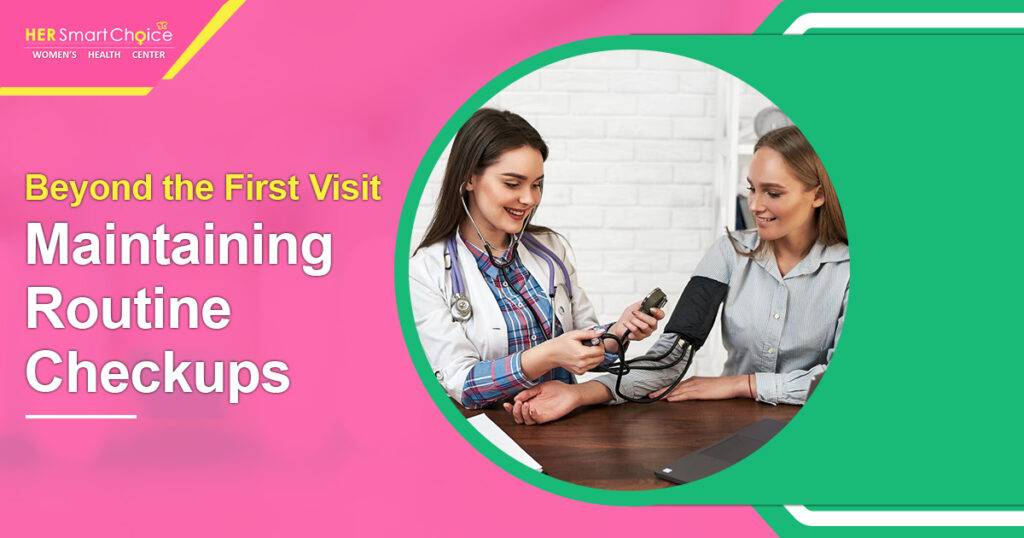
  • Discuss your medical history: Be prepared to share details about your family history, past surgeries, any medications you're taking, and your menstrual cycle regularity.
  • Conduct a physical exam: This may include a breast exam, pelvic exam, and pap smear to screen for cervical cancer. It's important to relax and communicate any discomfort you experience.
  • Address your concerns: Don't shy away from asking questions! This is your opportunity to discuss any worries you have about your menstrual cycle, contraception, sexually transmitted infections (STIs), sexual health, or any other concern related to your reproductive health.
Remember, gynecologists are trained professionals who deal with these matters daily. There's no question too embarrassing or trivial, and open communication is essential for establishing a trusting relationship.  

Beyond the First Visit: Maintaining Routine Checkups

Women's Health Clinics
Your initial visit lays the foundation for a lifelong partnership with your gynecologist. Regular checkups are crucial for preventing and managing potential health issues. The recommended frequency of visits varies depending on factors like your age, sexual activity, and medical history. Generally, annual checkups are advised, with additional visits required for specific situations, such as pregnancy, contraception management, or STI testing. Here are some common reasons to make an appointment:
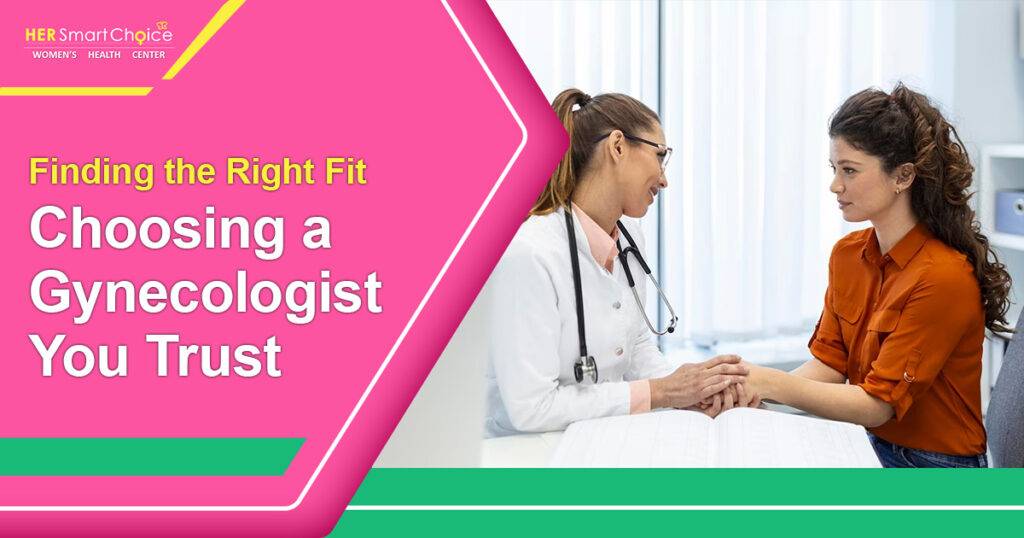
  • Changes in your menstrual cycle: Irregular periods, heavy bleeding, or painful cramps can be indicators of underlying conditions.
  • Concerns about contraception: Whether you're looking for options, experiencing side effects, or want to switch methods, your gynecologist can guide you.
  • Vaginal discharge or discomfort: Unusual discharge, itching, or pain can be symptoms of infections or other issues.
  • Planning for pregnancy: Prenatal consultations provide essential guidance for a healthy pregnancy.
  • Addressing potential STIs: Early detection and treatment of STIs are crucial for your health and can prevent complications.
  • Menopause and its symptoms: Hot flashes, mood swings, vaginal dryness, and other menopausal symptoms can be effectively managed with your gynecologist's help.
 

Finding the Right Fit: Choosing a Gynecologist You Trust

Women's Health Clinics
Finding a gynecologist you feel comfortable with is an important decision. Here are some tips:
  • Ask for recommendations: Get referrals from friends, family, or your primary care physician.
  • Research online: Check reviews and credentials of potential doctors.
  • Consider factors like location, gender, and insurance coverage.
  • Schedule a consultation: Meeting the doctor beforehand can help you assess their communication style and bedside manner.
Remember, you are in control of your healthcare. Don't hesitate to switch doctors if you don't feel comfortable or heard. Your Partner in Well-being: Women's Health Clinics and Beyond Your journey for well-being extends beyond individual doctor visits. Comprehensive women's health clinics, like those at Her Smart Choice, family planning center california, can offer a holistic approach to your health. These centers often provide services like:
  • Pregnancy care and prenatal support
  • Family planning services, including birth control options and abortion services
  • Breast cancer screenings and mammograms
  • STI testing and treatment
  • Mental health services for women
  • Nutrition counseling and wellness programs
By accessing these resources, you can empower yourself to make informed choices, prioritize your well-being, and navigate the journey of womanhood with confidence.  

Summary

Navigating women's health doesn't have to be covered in mystery. This guide unveiled the right time to visit your gynecologist, from that first nervous step into the office to building a trusted partnership for life. Remember, knowledge is power – ask questions, address concerns, and celebrate your commitment to well-being. Explore California's women's health clinics like Her Smart Choice for holistic support encompassing pregnancy care, family planning options (including abortion), and proactive screenings. Take charge of your journey, embrace your unique womanhood, and bloom with confidence!
Read more...
Abortion

Exploring the Process of an In-Clinic Abortion: Understanding What Takes Place

In recent years, discussions surrounding reproductive rights and healthcare have gained increased attention. One aspect of reproductive healthcare that often comes under scrutiny is abortion. While there are various methods of terminating a pregnancy, in-clinic abortions represent a safe and legal option for individuals making this decision. In this blog, we will delve into the intricacies of the in-clinic abortion process, shedding light on what takes place during this medical procedure.    What happens Before the Abortion? healthcare providers  
  • Pre-Procedure Counseling:
Before the actual procedure, individuals seeking an in-clinic abortion typically undergo comprehensive counseling. This step is crucial to ensure that patients are fully informed about the process, potential risks, and available alternatives. Counseling sessions also provide an opportunity for healthcare providers to address any concerns, answer questions, and discuss the patient's medical history.
  • Initial Assessment:
Once the decision for an in-clinic abortion is made, patients undergo a thorough medical examination. This assessment includes a pelvic exam, ultrasound, and a review of the patient's medical history. These steps help healthcare providers determine the gestational age of the pregnancy and choose the most appropriate abortion method.
  • Options for In-Clinic Abortions:
There are two primary types of in-clinic abortions: aspiration (also known as suction or vacuum aspiration) and dilation and evacuation (D&E). The choice between these methods depends on factors such as gestational age and the patient's medical condition.  
  1. Aspiration Abortion:
Aspiration is a common method used for pregnancies up to 16 weeks. The procedure involves numbing the cervix and using suction to remove the pregnancy from the uterus. It is a relatively quick process, typically taking around 5 to 10 minutes.    2. Dilation and Evacuation (D&E): D&E is performed for later-term pregnancies, usually after 16 weeks. This method involves dilating the cervix and removing the pregnancy using suction and medical instruments. The duration of a D&E can vary but generally takes longer than an aspiration abortion.
  • Anesthesia and Pain Management:
To ensure patient comfort during the procedure, healthcare providers may offer local anesthesia, conscious sedation, or general anesthesia, depending on the complexity and duration of the abortion. The choice of anesthesia is discussed during the pre-procedure counseling, considering the patient's preferences and medical history.   What happens on the day of the abortion? healthcare provider
  • Abortion Procedure :
The procedure typically begins with the administration of anesthesia chosen during pre-procedure counseling, ensuring patient comfort throughout. For aspiration abortions, the cervix is numbed, and a speculum is used to gently open the vaginal canal. A thin tube is then inserted through the cervix into the uterus, applying suction to remove the pregnancy. The entire process usually takes 5 to 10 minutes. In the case of dilation and evacuation (D&E) for later-term pregnancies, the cervix is dilated gradually using medical instruments. Once dilated, a combination of suction and instruments is employed to safely evacuate the uterine contents. The duration may vary but generally extends beyond that of an aspiration abortion, with healthcare professionals carefully monitoring the process. Throughout, healthcare professionals maintain a supportive environment, ensuring the patient is well-informed and comfortable. The focus remains on prioritizing the physical and emotional well-being of each individual undergoing an in-clinic abortion, fostering an atmosphere of empathy and care during this sensitive medical procedure.
  • Aftercare and Recovery:
Following the in-clinic abortion, patients are monitored in a recovery area for a short period. They are provided with information on post-procedure care, including potential side effects and signs of complications. In some cases, patients may be advised to refrain from certain activities, such as heavy lifting or sexual intercourse, during the initial recovery period.   What are the post abortion facilities that I can expect?
Healthcare Provider
  • Emotional Support and Follow-Up:
The decision to undergo an abortion can be emotionally challenging, and healthcare providers recognize the importance of offering emotional support. Post-procedure counseling may be recommended, and patients are typically provided with contact information for further questions or concerns. Follow-up appointments ensure that the patient's physical and emotional well-being is monitored.
  • Community Resources and Support Groups:
Recognizing the emotional impact of the decision to undergo an abortion, healthcare providers often connect patients with community resources and support groups. These organizations offer a space for individuals to share their experiences, express their feelings, and find solidarity with others who may have faced similar situations. Peer support can be invaluable in helping individuals navigate the emotional aftermath of an abortion and build resilience.
  • Access to Mental Health Services:
In addition to peer support, mental health services are integral to the comprehensive care provided to individuals post-abortion. Healthcare providers may offer referrals to counselors or therapists who specialize in reproductive health and can provide a supportive environment for individuals to process their emotions. Addressing the mental health aspects of the abortion experience is crucial for promoting overall well-being.
  • Follow-Up Communication:
Healthcare providers emphasize the importance of open communication and encourage patients to reach out for any post-procedure concerns. Follow-up appointments may be scheduled to monitor the patient's physical recovery and address any questions or issues that may arise. This ongoing connection helps ensure that individuals feel supported and have access to the care they need throughout their recovery process.
  • Education on Birth Control Options:
Post-abortion, healthcare providers often discuss and provide information on various birth control options to help individuals make informed decisions about their reproductive health going forward. This discussion aims to prevent future unintended pregnancies and empower individuals to choose the contraceptive method that aligns with their preferences and lifestyle.
  • Navigating Stigma and Judgments:
The emotional impact of an abortion can be exacerbated by societal stigma and judgment. Healthcare providers strive to create a non-judgmental and empathetic environment, acknowledging the diverse reasons individuals may choose abortion. By addressing stigma, healthcare professionals contribute to a supportive atmosphere that fosters understanding and compassion.   Conclusion: In navigating the in-clinic abortion process, emotional support and follow-up care play a crucial role in ensuring the holistic well-being of individuals. By extending beyond the procedural aspects and addressing the emotional and mental health dimensions, healthcare providers contribute to a compassionate and patient-centered approach. As society continues to evolve, it is essential to recognize the multifaceted nature of reproductive healthcare, emphasizing the importance of empathy, understanding, and comprehensive support for those navigating the complex decision-making process surrounding abortion.
Read more...
Abortion Clinic

Unraveling the Complex Connection Between Abortion and Ectopic Pregnancy

The intersection of abortion and ectopic pregnancy unveils a complex tapestry of medical intricacies, ethical considerations, societal perspectives,and abortion clinic. In this exploration, we aim to deepen our understanding of the connection between these two reproductive phenomena, shedding light on the distinct challenges they pose and the careful approach required in navigating this complex terrain.  

Medical Considerations

Abortion clinic
Abortion, as the intentional termination of a pregnancy, contrasts sharply with ectopic pregnancy, where a fertilized egg implants outside the uterus, commonly in the fallopian tubes. The medical considerations surrounding these events underscore the importance of precise diagnosis and tailored intervention. Abortion procedures, whether through medication or surgical methods, are designed to terminate pregnancies within the uterus. Attempting to utilize standard abortion methods for ectopic pregnancies is not only ineffective but can lead to life-threatening complications, such as internal bleeding. Thus it becomes crucial to consult professionals, be it telehealth abortion providers or walk-in abotion clinics. Early and accurate diagnosis of ectopic pregnancies is of prime importance, allowing for prompt medical intervention to address the unique challenges posed by the implantation outside the uterus.  

Understanding the Limits of Abortion Procedures

Abortion ClinicEctopic pregnancies demand a distinct approach due to their nature of implantation in areas unsuitable for sustaining a viable pregnancy. While abortion procedures are a safe and legal option for pregnancies within the uterus, they are not equipped to address the complexities presented by ectopic pregnancies. Recognizing these limits is essential in ensuring that individuals with ectopic pregnancies receive timely and appropriate medical care tailored to their specific needs.  


Navigating Ethical Considerations

Abortion Clinic
The connection between abortion and ectopic pregnancy extends beyond medical intricacies, delving into the ethical landscape of reproductive rights and autonomy. Discussions surrounding these topics involve a delicate balance between individual beliefs, societal perspectives, and considerations of the rights of the pregnant individual versus the rights of the unborn. Supporters of reproductive rights emphasize the importance of individual autonomy in decision-making regarding one's own body. Conversely, opponents may raise ethical concerns, grappling with the moral considerations tied to terminating a potential life. These ethical discussions are complex and often subjective, highlighting the need for open, respectful dialogue that considers the diverse perspectives and experiences shaping individual beliefs.  

The Evolving Landscape of Reproductive Healthcare

Abortion Clinic
As societal attitudes evolve and medical advancements progress, the landscape of reproductive healthcare undergoes constant transformation. Efforts to destigmatize reproductive choices, improve access to information, and enhance overall care quality contribute to a more patient-centric and inclusive approach. Education and awareness initiatives are pivotal in this evolution, empowering individuals to make informed decisions about their reproductive health. Understanding the connection between abortion and ectopic pregnancy requires not only a grasp of medical intricacies but also an awareness of the broader societal context that shapes the reproductive healthcare landscape.  

Conclusion

In conclusion, the connection between abortion and ectopic pregnancy is a multifaceted phenomenon that demands a nuanced and comprehensive understanding. While abortion procedures are a viable option for pregnancies within the uterus, they are not designed to address the specific challenges posed by ectopic pregnancies. Navigating the ethical considerations surrounding these topics requires open and respectful dialogue that acknowledges the diverse perspectives shaping individual beliefs. If you want to get a better understanding of the subject, you can visit our abortion clinic in Los angeles. As we strive for a more comprehensive understanding of these reproductive phenomena, it is crucial to foster discussions that prioritize the health, autonomy, and well-being of individuals navigating the complexities of reproductive choices. By understanding the connection between abortion and ectopic pregnancy, we can contribute to a more informed, compassionate, and patient-centric approach to reproductive healthcare for all.
Read more...
medical abortion

Separating Fact from Fiction: Debunking Breast Cancer Myths Related to Abortion

Breast cancer is a prevalent health concern, and discussions around its causes often spark debates and misinformation. One topic that has been subject to myths and misconceptions is the alleged connection between abortion and an increased risk of breast cancer. Going forward, we'll explore the scientific evidence, separate fact from fiction, and provide clarity on this controversial issue irrespective of whether you’re having surgical abortion or medical abortion in California.  

History of the relationship between Breast Cancer and Abortion

As we delve deeper into the historical context surrounding the alleged link between abortion and an increased risk of breast cancer, it's essential to understand how this myth originated and gained traction. In the late 20th century, early studies tentatively suggested a possible correlation, giving rise to concerns that persist in certain circles today. However, these initial findings were often sensationalized, leading to the dissemination of misinformation.   The landscape of scientific research has evolved significantly since then, prompting a reevaluation of the methodologies used in these early studies. It's crucial to recognize the need for a nuanced perspective that goes beyond sensationalism, allowing us to reassess the validity of claims made in the past.

What does the Scientific Perspective say?

medical abortionNumerous reputable scientific organizations, including the American Cancer Society and the World Health Organization, have conducted extensive reviews of the existing research. The consensus among these organizations is that there is no definitive evidence supporting a causal link between induced abortion and an increased risk of breast cancer. Thus, you can visit any walk-in abortion clinic or take medical abortion pills without fearing the risk of breast cancer.  

Understanding the hormonal changes that occur during pregnancy

medical abortionTo understand the lack of a conclusive link between abortion and breast cancer, it's crucial to delve into the hormonal changes that occur during pregnancy. The dynamic fluctuations in hormone levels, specifically the increase in estrogen and progesterone during pregnancy, play a protective role against breast cancer. These hormonal changes contribute to the differentiation of breast cells, making them less susceptible to cancer development. This protective effect is not limited to full-term pregnancies but extends to any completed pregnancy, including those ending in abortion. Thus, the prevailing scientific consensus suggests that the protective benefits of pregnancy hormones likely outweigh any potential short-term increase in breast cancer risk associated with the hormonal changes following an abortion.  
Who can help in addressing your concerns?

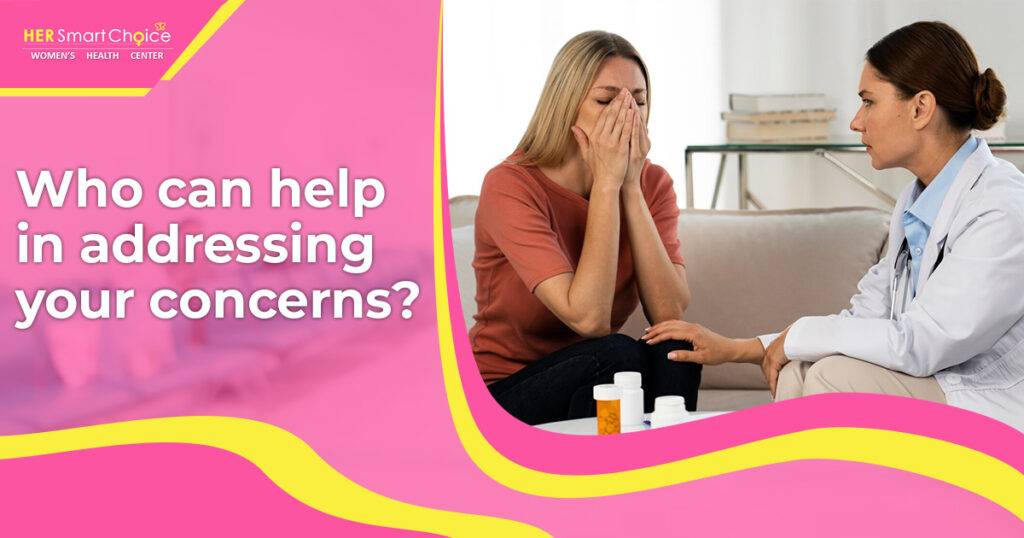
medical abortionAddressing concerns about sensitive topics like abortion and breast cancer requires a supportive and informed approach. Healthcare providers play a pivotal role in this process by offering evidence-based information and fostering open communication. Encouraging regular breast health check-ups, and screenings, and promoting a healthy lifestyle remain paramount in reducing overall breast cancer risk. You can discuss your concerns openly with healthcare professionals. This open dialogue will not only help in dispelling myths but also ensure that you receive accurate information tailored to your specific health needs and circumstances.

Wrapping Up:

  Separating fact from fiction is imperative in promoting informed decision-making and dispelling myths that can cause unnecessary fear. On the topic of abortion and breast cancer, the prevailing scientific evidence consistently rejects the existence of a causal link. To get a better understanding and rid yourself of any doubts, you can either visit a walk-in abortion clinic or consult any telehealth abortion services By focusing on credible research and fostering open conversations, we can contribute to a clearer understanding of breast cancer risk factors and empower individuals to prioritize their health based on accurate information.
Read more...
abortion clinic

The Impact of Social Media on Abortion Discourse: Trends and Challenges

Social media platforms have become integral to our lives, providing spaces for communication, information sharing, and public discourse. When it comes to sensitive and controversial topics like abortion, social media can significantly influence public opinion, shape narratives, and impact the overall discourse. Let's explore the impact of social media on abortion clinic discourse, highlighting the trends and challenges associated with this digital landscape.   

The Power of Social Media in Shaping Abortion Discourse

abortion clinic
Amplification of voices: Social media platforms provide a space for individuals and organizations to share their perspectives on abortion without traditional gatekeeping. This amplification of voices allows for a more diverse range of opinions and experiences to be heard, challenging dominant narratives.   Access to information: Social media platforms serve as repositories of information, making it easier for individuals to access a wealth of resources and educational content about abortion. This accessibility contributes to a more informed discourse and empowers individuals to make decisions based on accurate information.   Community building and support: Social media platforms enable the formation of online communities where individuals can find support, share personal stories, and connect with others who have had similar experiences. These communities provide a sense of belonging and can help combat the stigma surrounding abortion.   Mobilization and activism: Social media has played a significant role in mobilizing activism and advocacy efforts related to abortion. Hashtags, campaigns, and online petitions have helped raise awareness, engage supporters, and influence policy discussions.  

Trends in Abortion Discourse on Social Media

abortion clinic
Polarization and echo chambers: Social media can contribute to the creation of echo chambers, where individuals are exposed primarily to content and opinions that align with their existing beliefs. This can lead to increased polarization and hinder constructive dialogue between opposing viewpoints.   Misinformation and disinformation: Social media platforms are susceptible to the spread of misinformation and disinformation about abortion. False claims, misleading statistics, and biased narratives can easily gain traction, potentially influencing public perceptions and policy debates.   Online harassment and bullying: Social media can make people feel anonymous and far away, which sometimes makes them feel brave enough to harass and bully others online. They often target people who share their personal experiences or support abortion rights. This kind of behavior can make people scared to join in open discussions and can stop them from taking part in conversations about abortion.   Stigmatization and silencing: Despite the opportunities for open dialogue, social media can also perpetuate stigma and silence around abortion. The fear of judgment, backlash, or public shaming may deter individuals from openly discussing their experiences or seeking support.  

Challenges in Navigating Abortion Discourse on Social Media

abortion clinicSocial media has transformed the landscape of abortion clinic discourse, presenting both opportunities and challenges. It has the power to amplify diverse voices, provide access to information, build supportive communities, and mobilize activism. However, it also contributes to polarization, the spread of misinformation, online harassment, and stigmatization. Navigating abortion discourse on social media requires a collective effort to foster respectful dialogue, combat misinformation, bridge ideological divides, and ensure the safety and privacy of users. Maintaining a respectful and inclusive environment: It is crucial to foster respectful and inclusive discussions on social media platforms, allowing for a range of perspectives while discouraging personal attacks or derogatory language. Moderation policies and community guidelines can help create safer spaces for dialogue.   Fact-checking and combating misinformation: Addressing the spread of misinformation requires active efforts from platforms, users, and fact-checking organizations. Promoting media literacy and critical thinking skills can empower individuals to discern reliable information from falsehoods.   Bridging ideological divides: Overcoming polarization and echo chambers requires intentional efforts to engage with diverse viewpoints. Encouraging civil discourse, promoting empathy, and seeking common ground can help bridge ideological divides and foster understanding.   Protecting privacy and safety: Social media platforms must prioritize the protection of user privacy and safety, especially for individuals sharing personal experiences or advocating for abortion rights. Robust privacy settings, reporting mechanisms, and support for targeted individuals are essential.  

Conclusion

Social media has transformed the landscape of abortion clinic discourse, presenting both opportunities and challenges. It has the power to amplify diverse voices, provide access to information, build supportive communities, and mobilize activism. However, it also contributes to polarization, the spread of misinformation, online harassment, and stigmatization. Navigating abortion discourse on social media requires a collective effort to foster respectful dialogue, combat misinformation, bridge ideological divides, and ensure the safety and privacy of users. In this digital era, recognizing the nuanced nature of abortion discourse is essential. Social media facilitates the global exchange of perspectives, yet its influence demands constant vigilance to safeguard the integrity of discussions and uphold individual rights
Read more...
Abortion center

The Role of Partners in the Abortion Decision-Making Process?

Abortion is a crucial part of unplanned pregnancies and this is the reason that the decisions are compulsory to make on time., Be. Partners, in particular, play a significant role in this decision-making process, providing support, and understanding, and creating an environment for open communication to thrive. Let’s delve into the vital role that partners play in the abortion decision-making process and emphasize the importance of navigating this journey together.  

Explore The Crucial Role Of Partners In Abortion Decision-making

Understanding the Complexity: The decision to have an abortion is deeply personal, influenced by a variety of factors such as individual beliefs, values, health considerations, and life circumstances. It is essential to recognize that everyone involved, including partners, may bring unique perspectives and emotions to the table. Acknowledging the complexity of this decision lays the foundation for a supportive and empathetic approach abortion center.   Creating a Supportive Environment:  abortion centerPartners play a vital role in establishing a supportive and non-judgmental environment for the individual facing the decision. Offering emotional support and reassurance fosters an atmosphere where open communication can flourish.   Encouraging Open Dialogue: Effective communication is key in navigating the decision-making process. Partners should encourage open dialogue, providing a space for individuals to express their thoughts, feelings, and concerns without fear of judgment.   Respecting Individual Autonomy: While partners are essential in the decision-making process, it is crucial to respect the individual's autonomy. Recognizing that the ultimate decision rests with the person facing the choice is fundamental to creating a decision-making dynamic based on mutual respect.     Navigating Emotional Responses: Abortion decisions often evoke a range of emotions, including anxiety, sadness, relief, or uncertainty. Partners must be attuned to these emotions and navigate them together, understanding that each person may experience the decision differently.   Providing Practical Support: Beyond emotional support, partners can offer practical assistance. This may include accompanying the individual to appointments, helping with logistical arrangements, and ensuring a safe and comfortable environment during the process.   Considering Future Plans: abortion centerPartners should collaboratively explore the potential impacts of the decision on future plans, considering factors such as family goals, career aspirations, and relationship dynamics. This collaborative approach ensures that the decision aligns with both individuals' long-term objectives.   Understanding the Aftermath: The aftermath of an abortion center decision can bring about a range of emotions and challenges. Partners play a crucial role in understanding and supporting each other through potential feelings of grief, relief, or even a combination of both.   Seeking Professional Guidance: In certain situations, seeking professional guidance, such as counseling or therapy, can be beneficial for both individuals and the relationship. Professional support offers additional tools for coping with the emotional complexities surrounding the decision.    


Final Thoughts

Partners are an integral part of the abortion center decision-making process. They provide support, understanding, and compassion to each other. By working together, respecting each other's feelings, and nurturing emotional well-being, partners create a strong foundation for making decisions and facing the challenges that come with them. Their role is ongoing, as they continue to offer support and understanding even after the decision has been made. Ultimately, partners stand together, embracing the complexities of the situation, and navigate the journey with empathy, respect, and unwavering support.
Read more...
Abortion center

Abortion and Trauma: Recognizing and Addressing PTSD

There is no doubt that the complexity of abortion can have emotional and psychological impacts on individuals. While many people experience a range of emotions after an abortion center, some may develop post-traumatic stress disorder (PTSD). Let’s explore the connection between abortion and trauma, discuss the symptoms of PTSD, and provide guidance on recognizing and addressing this condition.  

Brief Understanding of Abortion and Trauma

Abortion is a deeply personal decision, and individuals may have different emotional reactions before, during, and after the procedure. For some, abortion can be a positive and empowering choice. However, others may experience a sense of loss, grief, or guilt, which can contribute to emotional distress.   In certain cases, individuals who have had an abortion center may develop PTSD. PTSD is a mental health condition that can occur after a traumatic event. While not everyone who has an abortion will develop PTSD, it is essential to recognize the potential for trauma and provide support for those who may be affected.  

Severe Symptoms of PTSD

abortion center
PTSD can manifest in various ways and may include the following symptoms:    Intrusive thoughts and memories: Recurrent and distressing thoughts, nightmares, or flashbacks related to the abortion experience.    Avoidance: Avoiding situations, people, or activities that remind the individual of the abortion.   Negative mood and emotional changes: Feeling detached, numb, or experiencing a persistent negative emotional state.   Hyperarousal: Feeling constantly on edge, easily startled, or having difficulty sleeping and concentrating.   Emotional reactivity: Experiencing heightened emotions, irritability, or outbursts of anger.  

Recognizing PTSD and Seeking Help

abortion centerIf you or someone you know is experiencing symptoms of PTSD following an abortion, it is important to seek professional help. Recognizing the signs of PTSD and understanding its potential connection to abortion can be the first step toward healing and recovery.   Validate your feelings: Understand that it is normal to have a range of emotions after an abortion, and it is okay to seek support and validation for your feelings.   Educate yourself: Learn about PTSD and its symptoms to gain a better understanding of your experiences and feelings.   Reach out for support: Talk to a trusted friend, family member, or partner about your emotions and seek their support. It is good to join support groups or seek counseling from professionals.   Seek professional help: Consult a mental health professional, such as a therapist or counselor, who has experience working with individuals who have undergone abortions and may be experiencing trauma-related symptoms.   Practice self-care: Engage in activities that promote your overall well-being, such as exercise, relaxation techniques, journaling, or pursuing hobbies. It is essential to take care of your health, both physically and emotionally.  
Treatment and Coping Strategies

Abortion center
Treatment for PTSD after an abortion may involve a combination of therapies, including cognitive-behavioral therapy (CBT), eye movement desensitization and reprocessing (EMDR), and medication, if necessary. These approaches aim to address the traumatic experiences, manage symptoms, and promote healing.   In addition to seeking professional help, there are coping strategies that individuals can employ to support their recovery:   Self-compassion: Be kind and gentle with yourself. Acknowledge that you made the best decision you could at the time and that it is normal to have mixed emotions.   Express your emotions: Find healthy ways to express your feelings, such as through journaling, art, or talking to a trusted confidant.   Build a support network: Surround yourself with supportive and understanding individuals who can provide empathy and validation.   Practice self-care: One must involve oneself in self-care activities to promote relaxation, stress reduction, and overall well-being. Engage in mindfulness: Practice mindfulness techniques, such as deep breathing exercises or meditation, to help manage anxiety and distress.  

Summing Up

To sum up, It is important to remember that each person's experience with abortion center and trauma is unique, and there is no one-size-fits-all approach to healing. Providing a safe and compassionate space for individuals to express their emotions, seek support, and access appropriate resources is crucial.   Let us strive to build a society where individuals feel validated, supported, and empowered to navigate their emotions and seek healing after an medical abortion in california. For more updates, stay connected with Her Smart Choice!
Read more...
abortion care

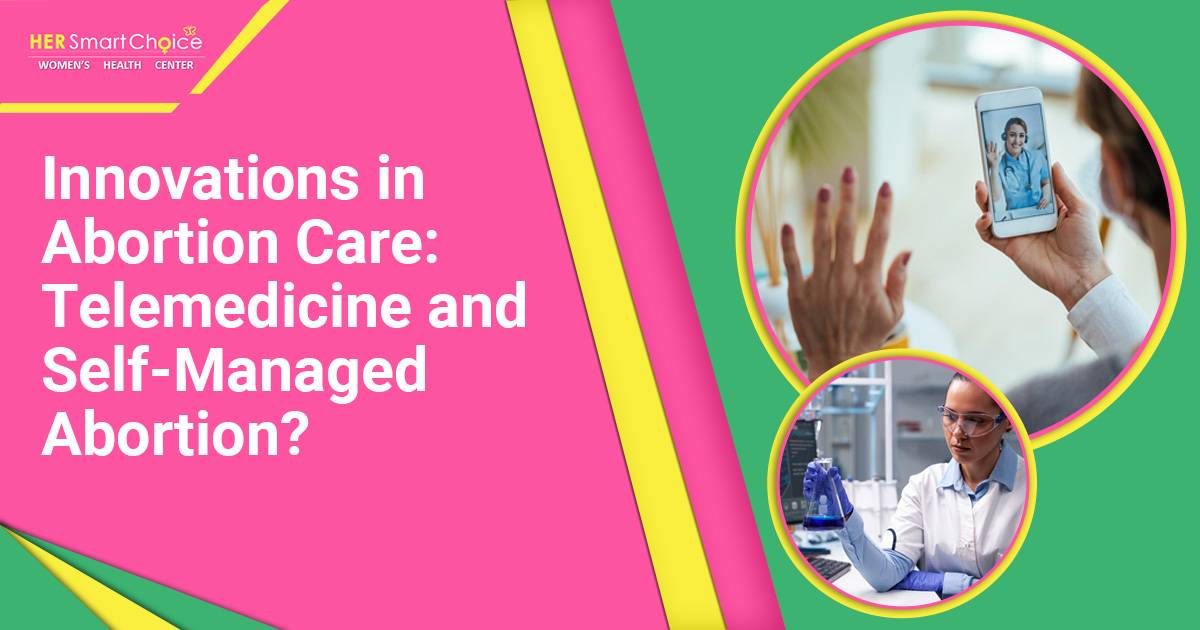
Innovations in Abortion Care: Telemedicine and Self-Managed Abortion?

New and amazing changes are happening in the world of reproductive healthcare, especially when it comes to abortion care. It's becoming easier to access, more private, and empowering for individuals. Two important things making this happen are telemedicine and self-managed abortion. These cool innovations use technology and personalized choices to give people better ways to get safe and private abortion clinic in los angeles. Let's look into how these changes are making reproductive health decisions simpler and better for everyone.    

Understanding Telemedicine in Abortion Care

Telemedicine brings healthcare to your fingertips, allowing you to connect with healthcare providers through virtual means. In the realm of abortion care, telemedicine has emerged as a game-changer, providing individuals with a secure and confidential way to access essential services from the comfort of their homes.    

How Does Telemedicine Work for Abortion Care?

Abortion care     Virtual Consultations: Telemedicine in abortion care begins with a virtual consultation. Individuals can connect with healthcare professionals through video calls or secure messaging platforms, discussing their reproductive health, medical history, and options for abortion.   Prescription and Guidance: Following the virtual consultation, healthcare providers can prescribe medication for medical abortion, such as the combination of mifepristone and misoprostol. Detailed instructions and guidance on how to use the medication safely are provided during these virtual sessions.   Follow-Up Support: Telemedicine extends beyond the initial consultation. Individuals receive follow-up support through virtual check-ins to ensure the process is progressing as expected and to address any concerns or questions that may arise.  

Benefits of Telemedicine in Abortion Care

Abortion care     Increased Accessibility: Telemedicine eliminates geographical barriers, ensuring that individuals in rural or underserved areas have access to abortion care without the need for extensive travel.   Privacy and Confidentiality: The confidential nature of telemedicine allows individuals to seek abortion care with increased privacy, reducing the potential stigma associated with reproductive healthcare decisions.   Convenience and Comfort: The convenience of accessing abortion care from home provides comfort to individuals, making the process more manageable and less stressful.   Timely Access: Telemedicine enables swift access to abortion care, reducing potential delays and ensuring that individuals can make timely decisions about their reproductive health.  

Self-Managed Abortion: Empowering Autonomy

abortion care
    Understanding Self-Managed Abortion: Self-managed abortion refers to individuals taking control of their abortion process outside of traditional clinical settings. While self-managed abortion has been practiced historically, advancements in healthcare and technology are providing new, safer avenues for individuals to manage their abortions independently.    

Safe and Effective Options

  Medication Abortion: The most common form of self-managed abortion involves using medication, typically a combination of mifepristone and misoprostol, under the guidance of healthcare professionals. Individuals receive detailed instructions on dosage, timing, and what to expect during the process.   Telehealth Support: Telehealth platforms complement self-managed abortion by providing individuals with virtual support from healthcare professionals. This support includes consultations, guidance on medication usage, and follow-up care to ensure a safe and effective process.  

Benefits of Self-Managed Abortion

Abortion care
    Increased Autonomy: Self-managed abortion empowers individuals to take control of their reproductive choices, fostering a sense of autonomy in the decision-making process.   Reduced Stigma: The private nature of self-managed abortion helps reduce the stigma associated with seeking abortion care, as individuals can manage the process discreetly.   Accessible in Restricted Settings: In regions where legal restrictions may limit access to clinical abortion services, self-managed abortion provides a more accessible and discreet alternative.   Comfort and Familiarity: Managing abortion in a familiar environment, such as one's home, can contribute to increased comfort and emotional well-being during the process.  

Addressing Concerns and Ensuring Safety

Abortion care
While telemedicine and self-managed abortion offer numerous benefits, ensuring safety and addressing concerns are paramount. Robust support systems, including virtual consultations with healthcare professionals, clear guidelines, and access to follow-up care, contribute to a safe and well-supported experience.  

Final Thoughts

  Innovations in abortion care, such as telemedicine and self-managed abortion, mark significant strides toward increasing accessibility, autonomy, and privacy for individuals making reproductive healthcare decisions. These groundbreaking approaches not only make the process more straightforward but also empower individuals to take charge of their reproductive health in ways that align with their unique circumstances and preferences. As we navigate the evolving landscape of abortion care, it's essential to continue advocating for comprehensive support systems, ensuring that innovations prioritize safety, inclusivity, and the well-being of individuals seeking reproductive healthcare.
Read more...
abortion services

Abortion Access in Rural Areas: Bridging the Gap?

Access to comprehensive reproductive healthcare, including abortion services, is a fundamental right for individuals across the United States. However, for those living in rural areas, obtaining safe and legal abortions can be challenging due to a lack of nearby clinics, limited healthcare resources, and various barriers. Let’s explore the unique challenges faced by individuals seeking abortion access in rural areas and discuss the efforts being made to bridge the gap.   

Challenges Individuals Face To Seek Abortion Access In Rural Areas

abortion services   Limited Availability of Abortion Clinics: One of the primary challenges in rural areas is the limited availability of abortion clinics. Many rural regions have a scarcity of healthcare facilities, and this lack extends to reproductive healthcare services. As a result, individuals may have to travel long distances, sometimes hundreds of miles, to reach the nearest abortion clinic. This can be particularly burdensome for those without reliable transportation or financial means to cover travel expenses.   Healthcare Provider Shortages: Rural areas often experience a shortage of healthcare providers, including those who are willing to provide abortion services. This shortage further exacerbates the difficulties faced by individuals seeking abortions. Limited access to trained providers means longer wait times for appointments and potential delays in receiving necessary care. Additionally, the stigma surrounding abortion in some rural communities may discourage healthcare professionals from offering these services.   Financial Barriers: Financial barriers pose a significant challenge for individuals seeking abortions in rural areas. The costs associated with the procedure itself, transportation, accommodation, and time off work can add up quickly. Many individuals living in rural areas face economic constraints, making it difficult to afford these expenses. Lack of insurance coverage for abortion services further compounds the financial burden, forcing some to forgo or delay necessary care altogether.   Stigma and Social Pressures: Rural communities often have strong conservative beliefs and moral values that contribute to the stigma surrounding abortion. This stigma can create an environment where individuals seeking abortions may face judgment, condemnation, or social isolation. Fear of judgment from family, friends, or community members can deter individuals from seeking the care they need, leading to delays or potentially unsafe alternatives.   Telemedicine and Telehealth: Telemedicine and telehealth abortion clinic in los angeles services have emerged as potential solutions to bridge the gap in abortion access in rural areas. These technologies allow individuals to consult with healthcare providers remotely, providing access to medical advice, counseling, and even medication abortion. Telehealth can help overcome the distance barrier by bringing abortion care closer to individuals in remote locations, reducing the need for extensive travel.  
Mobile Clinics and Outreach Programs:

abortion servicesMobile clinics and outreach programs specifically designed to bring reproductive healthcare, including abortion services, to rural areas have proven effective in increasing access. These clinics travel to underserved regions, providing comprehensive care, counseling, and information about reproductive health. Mobile clinics help minimize the distance individuals must travel, making abortion services more accessible and reducing financial and logistical barriers.  
Comprehensive Sex Education and Community Support:

  Addressing the lack of abortion access in rural areas requires a multifaceted approach. In such an approach, comprehensive sex education programs in schools can play a crucial role in empowering individuals with accurate information about reproductive health and their rights. Additionally, fostering supportive communities that offer non-judgmental support and resources can help reduce the stigma associated with abortion and encourage individuals to seek the care they need.  

Summing Up

    Access to safe and legal abortion is a fundamental aspect of reproductive healthcare, yet individuals in rural areas face unique challenges in obtaining these services. It is essential to continue advocating for equitable reproductive healthcare access, ensuring that individuals in rural areas have the same rights and opportunities as their urban counterparts. By addressing all these challenges and implementing innovative solutions, we can work towards a future where all individuals, regardless of their geographic location, have equal access to safe and legal abortion services.
Read more...

Abortion and Reproductive Justice: A Closer Look at Intersectionality

Abortion and reproductive justice are complex and nuanced topics that go beyond the surface of pro-choice or pro-life debates. Examining the intersectionality of these issues is crucial to understanding how various factors, such as race, class, gender, and socioeconomic status, intersect and impact an individual's access to reproductive healthcare. Let’s explore the concept of intersectionality in the context of abortion and reproductive justice, delving into the multifaceted challenges faced by individuals seeking reproductive autonomy medical abortion in california  

Understand Intersectionality In Brief

Intersectionality, a term coined by Kimberlé Crenshaw, refers to the interconnected nature of social categorizations such as race, class, and gender, as they apply to an individual or group, creating overlapping and interdependent systems of discrimination or disadvantage. When we apply this concept to abortion and reproductive justice, it allows us to recognize that people's experiences and challenges are influenced by a combination of factors, rather than just one.  

Examining Intersectionality in Abortion and Reproductive Justice

Abortion And Reproduction Justice
Race and Abortion Access: It's crucial to acknowledge that not all individuals seeking abortion face the same barriers. Women of color, particularly Black and Latina women, often encounter disproportionate challenges. Systemic inequalities and historical injustices contribute to limited access to reproductive healthcare services, including abortion. These disparities highlight the need to address racism as an integral part of the reproductive justice conversation.   Economic Factors:   Socioeconomic status plays a significant role in determining a person's access to abortion services. Low-income individuals may face financial barriers, such as the cost of the procedure, transportation, and time off work. This economic aspect of abortion intersects with broader issues of income inequality and the lack of comprehensive healthcare coverage.   Geographical Barriers:   Access to abortion services varies based on geographical location. Rural areas, in particular, may lack abortion clinics, forcing individuals to travel long distances to access care. This geographical disparity intersects with economic factors, making it even more challenging for those with limited resources.   Gender Identity and Abortion:   Recognizing and respecting diverse gender identities is an integral part of reproductive justice. Transgender and non-binary individuals may face unique challenges when seeking abortion care, including discrimination, lack of understanding from medical abortion in california, and limited access to gender-affirming spaces.  

Know The Core Of The Reproductive Justice Framework

Reproductive Justice Framework Reproductive justice expands the conversation beyond the narrow focus of abortion to encompass a broader spectrum of reproductive rights and autonomy. The framework was developed by Black women activists in the 1990s to address the limitations of mainstream reproductive rights movements, which often excluded the experiences of marginalized communities.   Comprehensive Reproductive Rights:   Reproductive justice emphasizes the right to have children, not have children, and parent in safe and supportive environments. This approach acknowledges that reproductive rights extend beyond abortion to include access to contraception, comprehensive sex education, maternal healthcare, and the right to parent without fear of discrimination.   Community-Centered Advocacy:   Unlike the individualistic approach of mainstream reproductive rights, reproductive justice centers around community activism. It recognizes that systemic change is necessary to address the root causes of reproductive injustices. This community-focused approach encourages collective action to challenge discriminatory policies and practices.   Centering Marginalized Voices:    Reproductive justice places a strong emphasis on amplifying the voices of those who have been historically marginalized. Listening to the experiences of Black, Indigenous, and people of color (BIPOC) communities, LGBTQ+ individuals, and other marginalized groups is essential in creating inclusive and effective advocacy.   Intersectionality in Action:   The intersectional lens of reproductive justice encourages advocates to address the interconnected issues that impact individuals seeking reproductive healthcare. By understanding how race, class, gender, and other factors intersect, activists can create more comprehensive and inclusive strategies to promote reproductive autonomy.  

Know The Ongoing Challenges and Resistance 

Challenges and Resistance Despite the advancements in reproductive rights and justice, numerous challenges persist. Legal restrictions on abortion access, the defunding of Planned Parenthood, and the stigmatization of abortion contribute to a hostile environment for those seeking reproductive healthcare. Additionally, the intersectionality of these issues means that marginalized communities often face compounding challenges.   Legal Restrictions:   Abortion rights remain a battleground, with various states imposing restrictive laws that disproportionately affect marginalized communities. These laws not only limit access to abortion but also perpetuate systemic inequalities.   Stigma and Shame:   The societal stigma surrounding abortion further compounds the challenges faced by individuals. Stigmatizing rhetoric contributes to a culture of shame, preventing open and honest discussions about reproductive choices.   Barriers to Comprehensive Sex Education   Inadequate sex education in schools contributes to misinformation and can perpetuate harmful stereotypes and biases. Comprehensive sex education is essential for empowering individuals to make informed decisions about their reproductive health.  

Final Thoughts

  Examining the intersectionality of abortion and reproductive justice allows us to move beyond binary debates and address the multifaceted challenges faced by individuals seeking reproductive autonomy. By adopting a reproductive justice framework, centered on community activism and the experiences of marginalized communities, we can work towards a more inclusive and equitable future. Understanding the interconnected nature of social categorizations is key to dismantling systemic barriers and ensuring that everyone has equal access to comprehensive reproductive healthcare medical abortion in california.
Read more...