
How to Talk to an Intimate Partner About Abortion
Imagine finding out you're pregnant – a tiny surprise you didn't order. Now a million questions swirl: what next? And if abortion is a possibility, how do you even talk to your partner about it? This conversation, while loaded with emotions, can be the key to finding support and making a decision together.
 Actively listen to your partner's thoughts and feelings. They might be surprised, supportive, or even opposed to an abortion. Allow them to express themselves without interruption, even if it's difficult to hear. Remember, validation is crucial. Phrases like "I understand this is a lot to take in" or "It's okay to feel scared/confused/upset" acknowledge their voice and build a foundation of trust.
 Regardless of the outcome, don't hesitate to seek support. Local women's health clinics, and support groups can provide emotional support, answer questions about abortion, and connect you with practical resources.
Prioritizing Yourself: Understanding Your Options and Feelings
Before initiating the conversation with your partner, take a moment to prioritize your own well-being. Explore your feelings and delve into all available options. Research abortion clinics, explore the procedure, and consider the implications of both continuing the pregnancy and choosing to end it. Many online and offline resources and a trusted therapist can provide valuable guidance and information as you clarify your thoughts and feelings.Creating a Safe Space for Communication
Once you've had time for self-reflection, it's time to create a safe space for communication with your partner. Choose a quiet, uninterrupted time and location where you can both be open and honest. Let them know you have something important to discuss, and emphasize the need for a judgment-free environment.Starting the Conversation: Honesty is Key
Here's where honesty becomes key. Begin by stating your reason for the conversation. You could say something like, "I found out I'm pregnant, and I'm really struggling with what to do." Sharing your initial emotions, whether it's fear, confusion, or relief, allows your partner to understand your perspective and opens the door for a deeper conversation.Active Listening and Validation: Acknowledging Each Other's Feelings
Exploring Options Together: Making Informed Decisions
Now, explore your options together. Could you consider parenting together? Is adoption a possibility? If you decide on abortion, discuss clinics, logistics, and emotional support needs. This shared discovery process fosters collaboration and demonstrates a commitment to navigating this challenge as a team.Respecting Each Other's Decisions: Navigating Differing Perspectives
Unfortunately, you might not be on the same page about the final decision. If your partner is opposed to abortion, remain calm and respectful. Explain your reasoning and remind them that this is ultimately your decision. On the other hand, if you're uncomfortable moving forward with the pregnancy and your partner wants to keep it, be honest about your inability to continue.Finding Support Beyond Your Partner: Resources Available









 Whether you're a teenager experiencing your first period or a mature woman facing menopause, your first gynecologist visit can be filled with nerves and uncertainties. This is completely normal! Remember, gynecologists are dedicated to your well-being and understand the anxieties surrounding these visits.
 During your first visit, your gynecologist will likely:
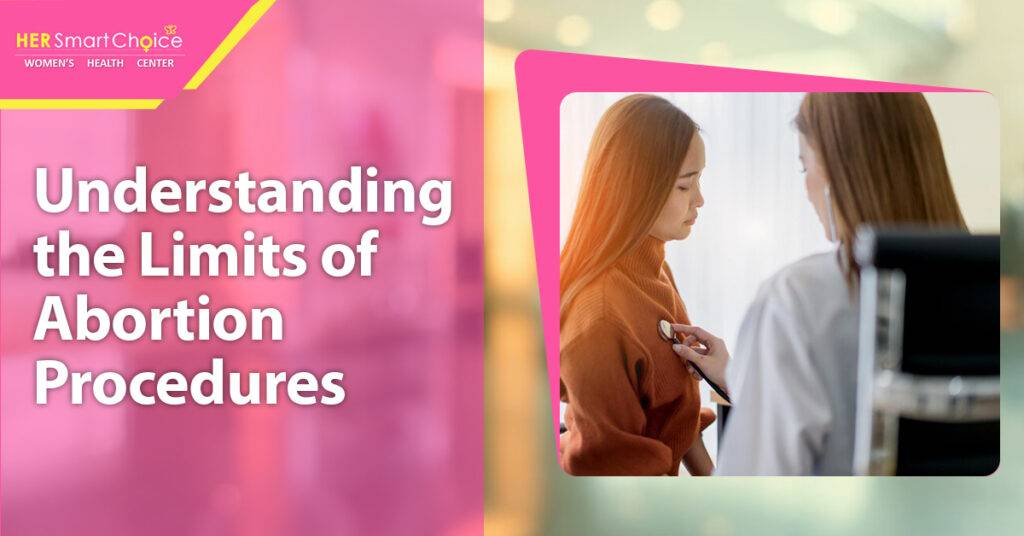 Ectopic pregnancies demand a distinct approach due to their nature of implantation in areas unsuitable for sustaining a viable pregnancy. While abortion procedures are a safe and legal option for pregnancies within the uterus, they are not equipped to address the complexities presented by ectopic pregnancies. Recognizing these limits is essential in ensuring that individuals with ectopic pregnancies receive timely and appropriate medical care tailored to their specific needs.

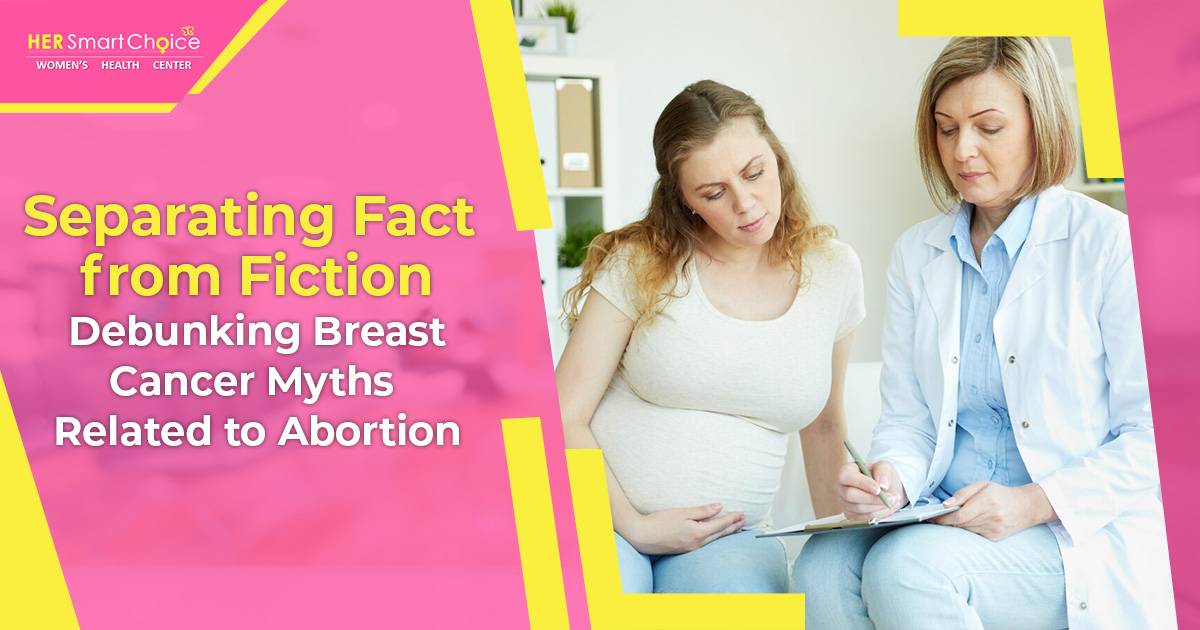
 Numerous reputable scientific organizations, including the American Cancer Society and the World Health Organization, have conducted extensive reviews of the existing research. The consensus among these organizations is that there is no definitive evidence supporting a causal link between induced abortion and an increased risk of breast cancer. Thus, you can visit any walk-in abortion clinic or take
  To understand the lack of a conclusive link between abortion and breast cancer, it's crucial to delve into the hormonal changes that occur during pregnancy. The dynamic fluctuations in hormone levels, specifically the increase in estrogen and progesterone during pregnancy, play a protective role against breast cancer.
 Addressing concerns about sensitive topics like abortion and breast cancer requires a supportive and informed approach. Healthcare providers play a pivotal role in this process by offering evidence-based information and fostering open communication. Encouraging regular breast health check-ups, and screenings, and promoting a healthy lifestyle remain paramount in reducing overall breast cancer risk.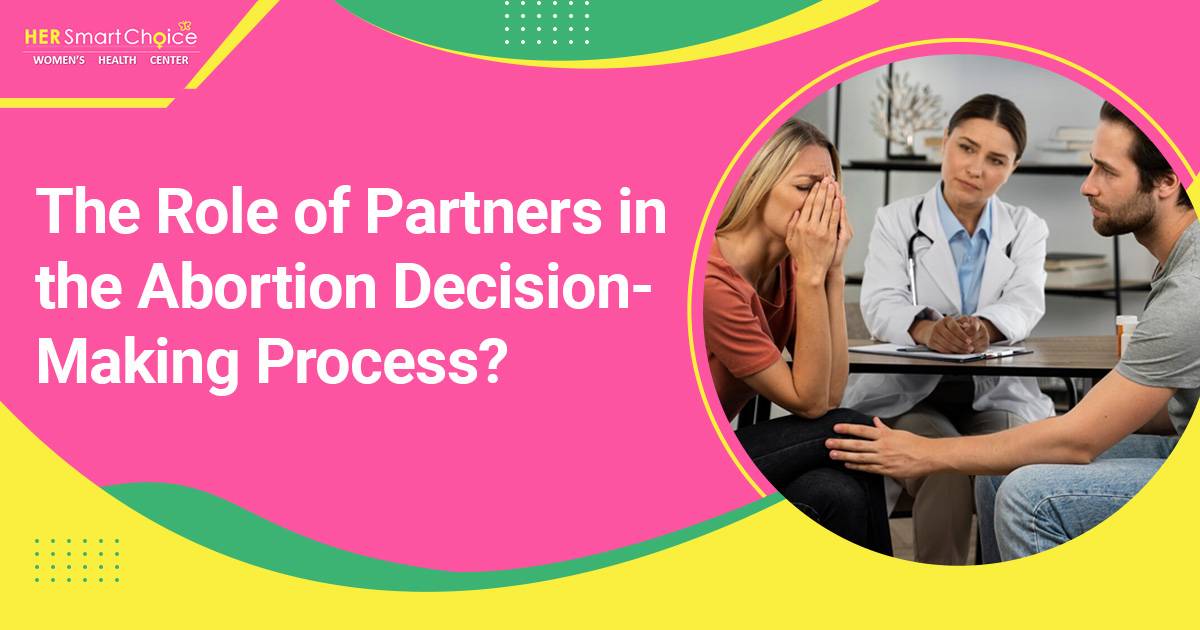
 Partners play a vital role in establishing a supportive and non-judgmental environment for the individual facing the decision. Offering emotional support and reassurance fosters an atmosphere where open communication can flourish.
 Partners should collaboratively explore the potential impacts of the decision on future plans, considering factors such as family goals, career aspirations, and relationship dynamics. This collaborative approach ensures that the decision aligns with both individuals' long-term objectives.