post-abortion bleeding

Managing Post-Abortion Bleeding: A Comprehensive Guide


Are you curious to know how much bleeding is normal after an abortion? The heaviest bleeding usually occurs within 2–5 hours after taking Misoprostol, but it should ease off within 24 hours. You might also have intense cramping and bleeding for 3-5 hours, though it can vary.


Experiencing an abortion can be a significant event in a person's life, and it is crucial to have accurate information about what to expect afterward. One common concern that arises after an abortion is post-abortion bleeding.


Are you experiencing anxiety due to the possibility of excessive bleeding after an abortion? Let’s explore it further.


While some bleeding is expected, it is essential to understand what is considered normal and when to seek medical attention. In this comprehensive guide, you will learn everything you need to know about how much bleeding is normal after an abortion, how to manage post-abortion bleeding and receive helpful tips for a smooth recovery.


Understanding Post-Abortion Bleeding
 

post abortion bleeding


After an abortion, whether it is a medication abortion or a surgical procedure, some level of bleeding is expected. This bleeding occurs as the body sheds the uterine lining that is built up during pregnancy. The amount and duration of bleeding can vary from person to person and may depend on factors such as the type of abortion and how far along the pregnancy was.


How Long Does Post-Abortion Bleeding Last After Taking Abortion Pills?
 

how long do you bleed after abortion pill


After using abortion pills, you may experience light bleeding that can last for 1-3 weeks. But don't worry; your regular menstrual period should return within 4-6 weeks.

It's entirely normal for your body to take some time to empty the uterus fully. Some women may have heavy bleeding for up to 48 hours and pass clots for days or weeks after using Misoprostol.

This is common and generally not concerning unless you soak through more than two maxi pads per hour for 2 hours or more or pass heavy clots more significant than a golf ball. However, do not forget that every woman's body and experience are unique when it comes to post-abortion bleeding results.


Abnormal Bleeding


While some bleeding is normal, it is essential to recognize signs of abnormal bleeding that may require medical attention. If you experience any of the following, it is advisable to consult a healthcare provider:

  • Soaking through more than one pad or tampon per hour for several hours in a row.
  • Passing larger than normal blood clots (larger than a golf ball).
  • Experiencing severe abdominal pain or cramping that does not improve with over-the-counter pain relievers.
  • Foul-smelling discharge or fever, which could be a sign of infection.
 

Tips for Managing Post-Abortion Bleeding
 
managing post abortion bleeding
 

Rest and Hydration: It is essential to take rest and stay hydrated to avoid making the bleeding worse, as fatigue and dehydration can worsen its effects.


Avoid Strenuous Activities: You should avoid engaging in physically demanding activities or heavy lifting that may worsen bleeding or put additional stress on the body.


Use Pads, Not Tampons: You can avoid using tampons during post-abortion bleeding, as they can increase the risk of infection. Instead, it is good to use sanitary pads.


Watch for Excessive Bleeding: While some bleeding is normal after an abortion, it is essential to keep an eye on the volume of blood loss. If you soak through more than one pad in an hour for several hours or pass large blood clots, seek medical attention immediately.


No Intercourse: You can take a break from sexual intercourse until your healthcare provider gives the green light. This can help prevent infections and allow your body to heal.


Follow Medical Advice: Your healthcare provider will provide post-abortion care instructions. It is essential to follow them closely to promote healing and minimize complications.


Monitor for Signs of Infection: Watch for symptoms of infection, such as fever, severe abdominal pain, foul-smelling discharge, or prolonged bleeding. If you observe any of these symptoms occurring, make sure to seek medical attention immediately.


Hydration and Nutrition: Staying hydrated and maintaining a healthy diet can support the healing process faster. Drink plenty of fluids and consume nutritious foods rich in iron and vitamins to aid in replenishing lost nutrients.


Avoid Irritants: To prevent infection and promote healing, it is essential to avoid irritants such as douching, swimming in pools or hot tubs, and sexual intercourse until your healthcare provider gives the green light.


Emotional Support: Undoubtedly, going through an abortion is emotionally challenging. It is good to seek support from trusted friends, family, or counselors. It helps you process your feelings and emotions during this time.


Seeking Medical Attention

 

abortion clinic


While most cases of post-abortion bleeding are normal and resolve on their own, it is crucial to keep an eye on any signs of concern. Make sure to contact your healthcare provider if you experience the following symptoms:

  • Excessive bleeding that requires changing a pad every hour for several consecutive hours.
  • Severe pain that is not relieved by over-the-counter pain medications.
  • Passage of large blood clots, especially if they are accompanied by heavy bleeding.
  • Foul-smelling discharge or signs of infection, such as fever or chills.
  • Prolonged bleeding that lasts longer than a few weeks
 

Final Remarks


Managing post-abortion bleeding requires knowledge, self-awareness, and a proactive approach to one's well-being. By understanding what makes up normal bleeding, recognizing signs of concern, and following practical tips for managing and monitoring bleeding effectively, you can go through this aspect of the post-abortion recovery process with confidence.

If you have any doubts related to post-abortion bleeding or want professional medical assistance, feel free to reach out to Her Smart Choice in California. We are available for same-day appointments for you!
Read more...
hCG Stay In Your System After Abortion

How Long Does hCG Stay In Your System After Abortion?


Have you recently gone through an abortion, and now you're wondering about a thing called hCG and how long it sticks around in your body afterward? 

Follow Us!

Instagram

Facebook

Linkedin

Yelp

Well, you've come to the right place! In this quick read, we're going to dive into the subject of how long hCG hangs around after an abortion.


First of all, hCG (Human Chorionic Gonadotropin) is a hormone that your body produces during pregnancy. It's kind of a big deal because it helps support the early stages of fetal development. But once you've had an abortion, whether it was a medical one with pills or a surgical procedure, your body goes through some changes as it gets back to its non-pregnant state.


Now, you might be curious about how long hCG remains in your system after an abortion. Well, it's not a one-size-fits-all answer, my friend. The duration can vary from person to person, and it depends on factors like the type of abortion you had, how far along you were in the pregnancy, and your own body chemistry.


In further elaboration, let’s explore the timeline for hCG elimination from your body after an abortion and the valid reasons. But hey, remember that everyone's experience is different, so it's always a good idea to talk to a healthcare professional for personalized advice.


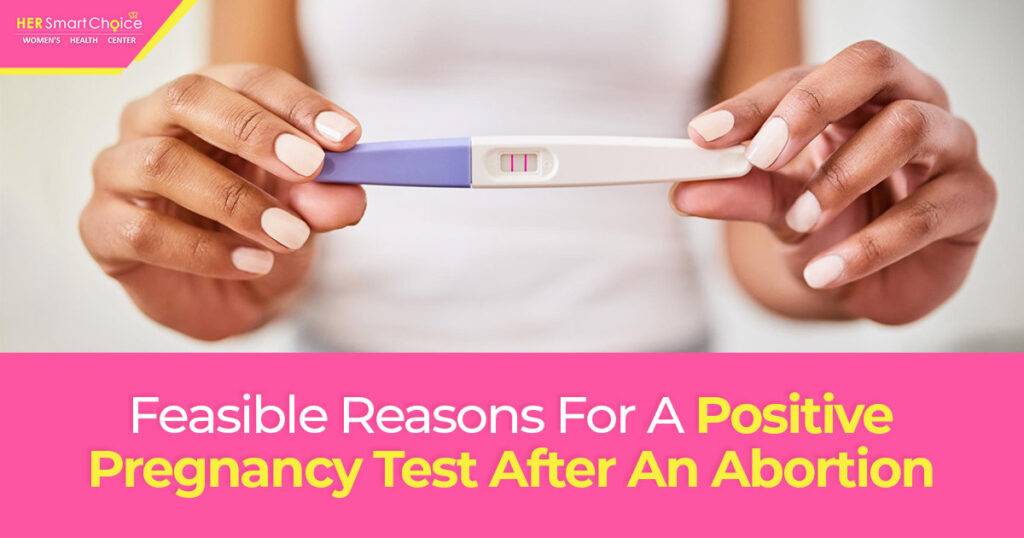
Feasible Reasons For A Positive Pregnancy Test After An Abortion


 hCG Stay In Your System After Abortion


The length of time that hCG stays in your body after an abortion can vary depending on a few factors, including how far along you were in your pregnancy and the type of abortion you had. Generally, hCG levels will start to decrease after an abortion, but it can take several days or even weeks for the hormone to be completely eliminated from your body. 


To elaborate, following an abortion, the pregnancy hormone hCG typically decreases by 50% within 24 hours. However, small amounts of hCG may still remain in the body, which could result in false positive readings on pregnancy tests if taken shortly after the procedure.


Considering that hCG can remain detectable in the body for 4 to 6 weeks, positive pregnancy test results may continue to appear for several weeks after an abortion.


If you had a medication abortion, which involves taking pills to end the pregnancy, hCG levels may take longer to decrease than if you had a surgical abortion. This is because medication abortion takes a long time to complete, and the hormone levels may take longer to return to normal. It is important to follow up with your healthcare provider after a medication abortion to ensure that the procedure was successful and that hCG levels are decreasing as expected.


After having a surgical abortion, where they remove the pregnancy tissue from your uterus, the hCG levels (pregnancy hormone) might go down faster. Nevertheless, it's good to seek the help of your healthcare provider, later on, to confirm the procedure was successful and to check for any complications.


How long after abortion do symptoms of pregnancy go away?


abortion services


After an abortion, many women experience symptoms that are similar to those of early pregnancy, such as nausea, fatigue, and breast tenderness. So, how long after abortion do symptoms of pregnancy go away? Well, these symptoms can be caused by the hormonal changes that occur after an abortion, as well as by the physical process of the abortion itself. 


The length of time that these symptoms persist can vary depending on the individual and the type of abortion they had. Generally, symptoms will improve within a few days to a week after the abortion. However, it is not uncommon for some symptoms, such as fatigue, to hold on for several weeks.


It is important to follow up with your healthcare provider after an abortion to ensure that there are no complications and to discuss any concerns or questions you may have about your recovery.


When is the earliest I can take a pregnancy test after an abortion?


abortion clinic


After an abortion, the earliest you can take a pregnancy test depends on the type of abortion and your hCG hormone levels. For a medication abortion, it's best to wait 7 to 10 days before testing. Surgical abortion may require 10 to 14 days for accurate results. 


Taking the test too soon might give a false positive due to the remaining hCG in your body. It's crucial to follow your healthcare provider's advice on when to take the test. Waiting for the right time ensures more reliable results and eases any uncertainties you may have about your pregnancy status. 


Final Thought


After an abortion, it is normal to have questions about how long it will take for your body to return to its pre-pregnancy state. 


While the length of time that hCG stays in your system can vary depending on the type of abortion you had, it is generally several days to weeks. It is important to follow up with your healthcare provider after an abortion to ensure that the procedure was successful and to discuss any concerns or questions you may have about your recovery.


In Los Angeles, there are many options for women's health clinics and abortion clinics. When choosing a clinic, it is essential to consider your individual needs and preferences, as well as factors such as cost, location, and the qualifications and experience of the healthcare providers. Whether you choose to go to a specialized abortion clinic or a women's health clinic that offers a broader range of services, it is essential to prioritize your health and well-being during this time. Reach out to Her Smart Choice to get answers to your queries.

Follow Us!

Instagram

Facebook

Linkedin

Yelp

FAQ

How long does pregnancy hCG stay in your system?

The duration that pregnancy hCG remains in your system can vary, but typically, it decreases significantly within a few days to weeks after an abortion, often becoming undetectable within 4 to 6 weeks.

How long do hCG levels stay elevated after abortion?

hCG levels typically remain elevated for about 4 to 6 weeks after an abortion, depending on individual factors. Monitoring these levels can help ensure that the body is returning to its pre-pregnancy state.

How is hCG tested in the body?

hCG is tested in the body primarily through urine or blood tests. These tests measure the levels of human chorionic gonadotropin (hCG), which is a hormone produced during pregnancy, helping to determine pregnancy status or monitor post-abortion recovery.

How to monitor hCG levels after abortion?

Monitoring hCG levels after an abortion involves regular blood tests as directed by your healthcare provider. These tests help track the decrease in hCG levels, ensuring that the abortion process is complete and your body is returning to its normal state.

How accurate are hCG pregnancy tests?

The accuracy of hCG pregnancy tests is generally high, with most tests detecting hCG levels correctly about 97% of the time when used after a missed period. However, factors like timing and test sensitivity can affect results.

Can hCG levels fluctuate after pregnancy?

hCG levels can fluctuate after pregnancy due to various factors, including the body's natural hormonal adjustments and the timing of any medical procedures. It's important to consult a healthcare provider for personalized insights and guidance.

Read more...
incomplete abortions

Incomplete Abortions: Symptoms, Causes, and Treatment


Going through an abortion can be an emotionally challenging experience. However, what can be even more complicated is an incomplete abortion. If you're unfamiliar with the term, you might mistake it for a failed abortion and assume that the pregnancy is ongoing. But that's not the case.

Follow Us!

Instagram

Facebook

Linkedin

Yelp

Incomplete abortion refers to a situation where the pregnancy has been terminated, but not entirely. If left untreated, it can result in severe complications, including infection. If you suspect that you're experiencing an incomplete abortion, it's crucial to seek medical attention immediately. Keep reading to learn more about incomplete abortions, their signs, symptoms, causes, and treatment options.


What distinguishes complete abortion from incomplete abortion?


complete and incomplete abortions


It is a common misconception that complete abortions and incomplete abortions are interchangeable terms, but this is not accurate. Unplanned abortion has various subtypes, including both complete and incomplete abortion, as well as unavoidable, missed, and threatened abortion.


When all the fetal contents are expelled from the uterus after an abortion, it is referred to as a complete abortion. On the other hand, an incomplete abortion occurs when the fetal contents are not entirely removed from the uterus and significant remains are left inside the body, leading to potential toxicity. Incomplete abortion is more harmful than complete abortion, as it can have severe aftereffects.


Signs And Symptoms of Incomplete Abortion


symptoms of incomplete abortions


The signs and symptoms of an incomplete abortion can vary depending on how far along the pregnancy was and how much fetal tissue remains in the uterus. Some of the most common symptoms of incomplete abortion include:

  • Heavy Vaginal bleeding: This is the most common symptom of an incomplete abortion. The bleeding may vary in intensity, from mild spotting to severe bleeding.
  • Abdominal pain: You may experience cramping or abdominal pain or discomfort, similar to menstrual cramps, which can be mild or severe.
  • Fetal tissue passing: You may pass fetal tissue, which can be identified as blood clots or pieces of tissue.
  • Severe Infection: Incomplete abortion can increase the risk of infection, which can cause fever, chills, and foul-smelling vaginal discharge.
  • Fever and Chills: If you experience ongoing fever, chills, and diarrhea following an abortion, it could be a sign of an incomplete abortion.


Causes of Incomplete Abortion


incomplete abortion causes


Some incomplete abortion cases are linked to chromosomal abnormalities. The remaining cases are attributed to other modifiable causes. Incomplete abortion can be caused by various factors, including:


Incompetent Cervix: When the cervical tissue is weak, it can cause premature birth or the loss of a healthy pregnancy, a condition known as an incompetent cervix. Structural issues with the cervix can lead to its weakness, causing it to shrink and open up in the second or third trimester without any signs of labor. This can result in a late miscarriage, an incomplete miscarriage, or preterm labor before the due date.


Structural Abnormalities: Another crucial cause of incomplete abortion is structural abnormalities. Structural problems can prevent the pregnancy tissue from being completely removed. Some issues with the uterus, like uterine fibroids or birth defects, can make it more likely to have incomplete abortions.


Hormonal Imbalance: Incomplete abortion can also be caused by hormonal imbalances, such as low levels of progesterone. Progesterone is a hormone that supports pregnancy and helps maintain the uterine lining. If progesterone levels are too low, the uterine lining may not be able to support the pregnancy, resulting in incomplete abortions.


Unsafe Abortions: Unsafe or illegal abortions can be dangerous, and without proper medical supervision, they can lead to incomplete abortions, risking severe complications. It is crucial to seek safe and legal abortion services from qualified healthcare providers.


Misinformation: Misinformation about the proper use of abortion medication at home can lead to incomplete abortions, where some pregnancy tissue is left behind. This can cause complications such as infection and bleeding.


Also, obtaining the medication from unreliable sources or using an incorrect dosage are common causes when you do it all by yourself. In this situation, medical supervision via a telehealth abortion provider is crucial to ensuring the safe and effective use of the medication.


Medical Termination of Pregnancy: The National Library of Medicine (NLM) conducted a study that suggests that medical abortion is a safe, efficient, and cost-effective method of terminating a pregnancy. However, incomplete abortion is a possible side effect. Incomplete expulsion of pregnancy tissue can occur if the medications fail to work correctly, particularly in cases of advanced gestational age or if they are not taken as directed.


Treatment options for incomplete abortion


Causes of Incomplete Abortion


Expectant Management: In some cases, the body can expel the remaining tissue on its own. The doctor may recommend waiting a few days or weeks to see if the tissue passes naturally.


Manual Vacuum Aspiration (MVA): This procedure involves using a handheld device to remove the remaining tissue from the uterus. MVA is a safe and effective option for incomplete abortion and can often be done in an outpatient setting.


Dilatation and Curettage (D&C): D&C is a surgical procedure in which the cervix is dilated and the remaining tissue is removed from the uterus using a curette. This procedure is usually performed under general anesthesia and is more invasive than MVA.


Medication: In some cases, medication may be used to complete the abortion process. The doctor may prescribe misoprostol, a medication that helps expel the remaining tissue from the uterus.


Steps To Prevent Incomplete Abortion


abortion clinc Los Angeles


There are several steps that can be taken to reduce the risk of incomplete abortion, including:


Seeking medical care: It is essential to seek medical care from a qualified provider for any type of abortion.


Following medication and post-procedure instructions: For medical and surgical abortion procedures, it is important to follow all medication and post-procedure instructions provided by the healthcare provider.


Monitoring symptoms: You should monitor their symptoms after an abortion procedure and seek medical care if they experience any concerning symptoms.


Access to abortion pills: In some cases, abortion pills can be a safe and effective option for terminating a pregnancy. It's important to have access to safe and legal abortion pills through qualified healthcare providers.


Immediate Access to Abortion Care: The leading walk-in abortion clinic, Her Smart Choice, offers facilities where patients can receive immediate care with an immediate or same-day appointment. This can be an important option for those who need urgent care.


Telehealth abortion provider in California: Telehealth options can provide convenient and confidential access to healthcare services, including abortion care, for those who may face barriers to in-person care.


Final Thoughts


Incomplete abortion can be a serious condition that requires prompt medical attention. You must keep in mind that the symptoms can range from mild to severe and can cause serious complications or infections. However, the information you have obtained from the above passages will help guide you in making informed decisions for a safe future pregnancy and a healthy reproductive lifestyle.

Follow Us!

Instagram

Facebook

Linkedin

Yelp

If you suspect that you may have had an incomplete abortion, it is important to seek medical attention from a qualified healthcare provider as soon as possible. Being a leading women’s health center, Her Smart Choice offers a range of services, including walk-in appointments or telehealth at your convenience. So, don’t think more; just make a call with our experts and get satisfactory answers to your queries. Live a safe and healthy life!

FAQ

Can incomplete abortion cause infertility?

Incomplete abortion can potentially cause infertility. If not treated properly, retained tissue may lead to infection or scarring, which can affect future pregnancies. It’s essential to seek medical care to address any complications promptly.

What follow-up care is needed after abortion?

Follow-up care after an abortion is essential for monitoring recovery and addressing any complications. Patients should schedule a follow-up appointment within one to two weeks post-procedure to ensure proper healing and discuss any concerns with their healthcare provider.

How soon can I conceive after abortion?

The timeframe for conceiving after an abortion can vary, but many women can become pregnant as soon as two weeks post-procedure. It's important to consult with your healthcare provider for personalized advice and to ensure your body is ready for pregnancy.

What are signs of retained products post-abortion?

The signs of retained products post-abortion include persistent abdominal pain, heavy bleeding, fever, and unusual discharge. If you experience any of these symptoms, it’s important to seek medical attention promptly.

How to manage pain after misoprostol?

Managing pain after misoprostol involves using over-the-counter pain relievers like ibuprofen or acetaminophen, applying heat to the abdomen, and resting. If pain persists or worsens, consult a healthcare professional for further guidance.

Read more...
Supporting Women Through the Abortion Process

Supporting Women Through the Abortion Process

Abortion is a sensitive and multifaceted issue, but one thing is clear: women who opt for abortion deserve compassionate and respectful care. That is why healthcare providers play a prime role in supporting women through the abortion process, both by providing high-quality medical care and by offering emotional support and counseling.    In this blog, you will explore and get to know about various ways in which healthcare providers can help women navigate the abortion process with dignity and respect.   

Promising Role of Healthcare Providers in Supporting Women Through the Abortion Process

 
abortion center
 

Supportive Counseling and Education

One of the prime roles healthcare providers can play is to offer the right counseling and education to women who are considering an abortion. This includes providing accurate information about the procedure itself as well as discussing the woman's options and helping her make an informed decision. Healthcare providers should also provide information about contraception and help the woman make a plan for future contraception use.   

Adequate Pre-Abortion Care      

Before a woman undergoes an abortion, she will need to undergo certain medical tests and procedures. Healthcare providers can help ensure that these are conducted in a compassionate and respectful manner and that the woman feels comfortable and supported throughout the process. They can also provide information about pain management and anesthesia options and answer any questions the woman may have about the procedure.   

Care During the Abortion

During the abortion itself, healthcare providers should prioritize the woman's comfort and well-being. This includes providing pain management and anesthesia as needed and ensuring that the woman is aware of what's happening throughout the procedure. Providers should also monitor the woman's vital signs and be prepared to respond quickly if any complications arise.  

Comprehensive Post-Abortion Care

After the abortion, healthcare providers should continue to offer support and care to the woman. This may include follow-up appointments to ensure that the woman is healing properly and to address any concerns she may have. Providers should also offer counseling and emotional support to help the woman process her feelings about the procedure.  

Respectful and Non-Judgmental Care

Perhaps most importantly, healthcare providers should offer respectful and non-judgmental care throughout the entire abortion process. This means treating the woman with dignity and compassion, regardless of her reasons for seeking an abortion. Providers should avoid making assumptions about the woman's motivations or beliefs and instead focus on providing high-quality medical care and support.  

What Providers Should Avoid When Providing Abortion Care

  women's health clinic   It is essential that healthcare professionals prioritize their duty of care to women, girls, and pregnant individuals seeking abortion care and not allow their personal beliefs to disrupt access to these services in countries where abortion is legal.   Although in some countries healthcare professionals are allowed to refuse to perform abortions based on their personal beliefs, it is their responsibility to refer women to suitable healthcare providers to avoid any delays in accessing legal abortion services.  All healthcare providers are responsible for ensuring that women can access these services without any delays.   However, healthcare professionals cannot refuse to provide care in cases of emergency and must always provide post-abortion care to those who require it. Refusals of care based on personal beliefs can cause significant harm to patients and must be avoided at all costs.  

Final Thoughts!

  Undoubtedly, now that you know that healthcare providers play a critical role in supporting women through the abortion process, By offering crucial support in different ways as well as high-quality medical care, providers can help women navigate this complex and often emotionally charged experience with dignity and respect.  It is important for healthcare providers to approach the abortion process with compassion and understanding and to prioritize the well-being and comfort of the women in their care. The professionals at Her Smart Choice, a leading Women’s Health Center, ensure that you will feel comfortable, supported, and confident while making a decision. Connect with us to open up your heart about your reproductive health; we understand you!  
Read more...
aspiration surgical abortion

Managing Pain During Aspiration Surgical Abortion: Tips and Techniques

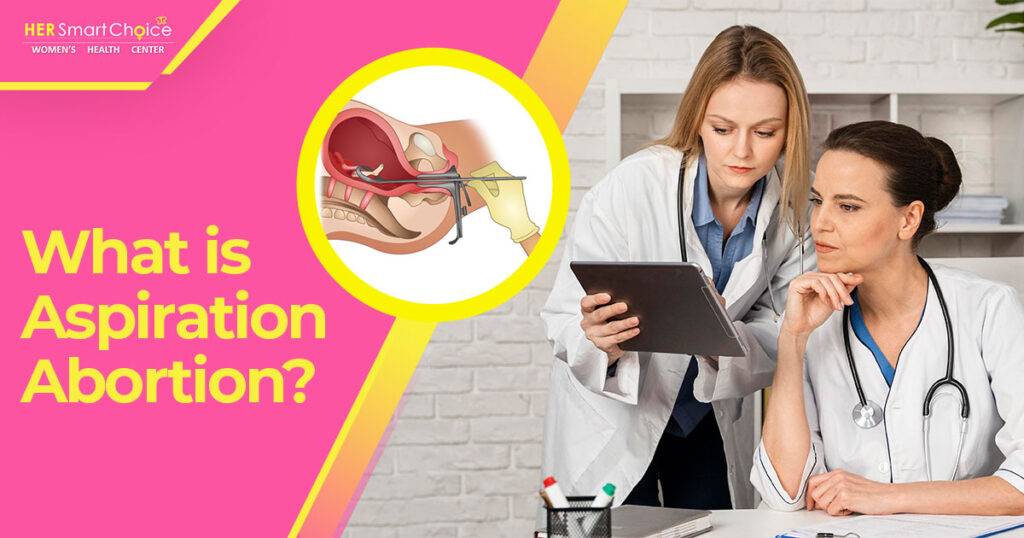
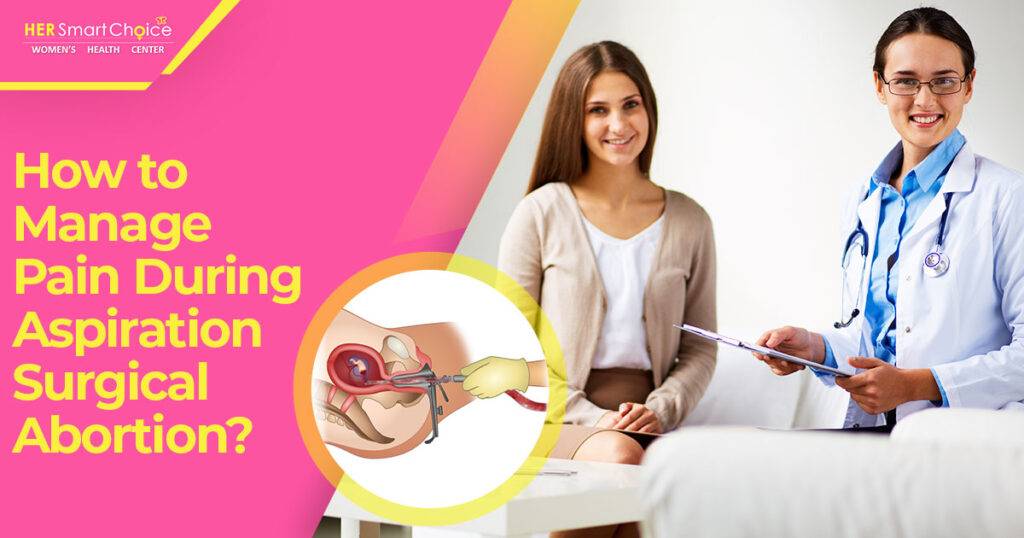
Aspiration surgical abortion, also known as vacuum aspiration or suction abortion, is a surgical procedure that can effectively end a pregnancy. It is a secure way that involves the usage of suction to remove the pregnancy tissue from the uterus. However, it might cause discomfort and pain during and after the procedure. The good thing is that there are several pain management techniques available to reduce pain and uneasiness.  If you are considering aspiration surgical abortion in California, here are some effective tips and techniques that can help you manage pain during the procedure.  

What is Aspiration Abortion?

aspiration abortionAspiration abortion is a surgical procedure performed in Women’s Health Clinic. It involves the removal of the pregnancy tissue from the uterus using suction. This procedure is usually performed in the first trimester of pregnancy, up to 14 weeks after the last menstrual period.   
How to Manage Pain During Aspiration Surgical Abortion?

  women's health clinic   While aspiration surgical abortion is a relatively safe and straightforward procedure, it can cause distress and pain for some women. The degree of pain experienced during the process can vary from woman to woman, depending on factors such as pain threshold, anxiety, and the type of anesthesia used. Further, you will find that several pain management techniques are available to help with pain management and uneasiness during vacuum surgical abortion.  

Tips and Techniques for Managing Pain During Aspiration Surgical Abortion in Abortion Clinic

 
abortion clinic
  • Pain Relief Medication
Pain relief medication considers the most effective way to manage pain during the procedure. Non-steroidal anti-inflammatory drugs (NSAIDs) can be used to manage mild to moderate pain during the procedure. In some cases, stronger pain medication can be used to manage severe pain. Besides all this, it is important to talk to your doctor about which pain relief medication is best for you. 
  • Local Anesthesia
Local anesthesia involves the injection of a numbing agent into the cervix to reduce pain during the procedure. This technique is quick and relatively painless, but the effects of the anesthesia can last for several hours. Local anesthesia can be used in combination with pain relief medication to provide additional pain relief.
  • Conscious Sedation
Conscious sedation is a technique that involves giving medication through an IV to induce a state of relaxation and mild sleepiness. It can help reduce anxiety and pain during the procedure. The patient is usually awake and able to communicate during the procedure, but may not have a clear memory of it afterward.   (Note: Here IV stands for intravenous, which means that the medication is administered directly into a vein through a small tube (catheter) that is inserted into the patient's arm or hand.)
  • Relaxation Techniques
Relaxation techniques such as deep breathing, visualization, and guided imagery can help to reduce anxiety and pain during the procedure. These techniques can be practiced before the procedure and during the procedure to help manage pain and promote relaxation.
  • Heat Therapy
Heat therapy involves the application of heat to the lower abdomen (part of the body below the chest) to help reduce pain and discomfort during aspiration surgical abortion. Heat can be applied through a heating pad, warm compress, or hot water bottle. Heat therapy can help to soothe the muscles and promote relaxation. 
  • Distraction Techniques
Distraction techniques such as listening to music, watching a movie, or focusing on a specific object can help to divert attention away from the pain and discomfort during aspiration surgical abortion. Distraction techniques can be practiced before and during the procedure to help manage pain and obtain comfort.
  • Support System
The support system is essential to have during aspiration surgical abortion as it can help to minimize anxiety and pain. A partner, friend, or family member can provide emotional support and help to distract from the pain and tenderness during the procedure.  

The Bottom Line

  To put it briefly, managing pain during aspiration surgical abortion is possible with the variety of techniques available. It's important to have an open discussion with your healthcare provider to determine the best option for you.  At Her Smart Choice, we strive to provide comprehensive care and support for women undergoing aspiration surgical abortion If you have any questions or concerns about the procedure, don't hesitate to visit our walk-in abortion clinic. Our doors are always open to assist you.  
Read more...
abortion clinic Los Angeles

Abortion Centers: Types of Procedures and Supportive Services Available


Abortion is a medical intervention that results in the termination of a pregnancy. It is a complex issue that involves many personal and social factors, and it is important for women to have access to safe and supportive abortion services. In California, abortion is a legal procedure, and there are many abortion centers that provide these services.


HER Smart Choice is one of the reputed women's health clinic in Los Angeles that provides a variety of reproductive healthcare services, including abortion. The abortion clinics offer a range of abortion procedures and supportive services to help women make informed decisions about their reproductive health. Let’s explore the different types of abortion procedures and supportive services available at reliable abortion centers.


Types of Abortion Procedures


At an abortion center, women have access to two primary types of abortion procedures: medication abortion and surgical abortion. The selection of abortion type is influenced by a range of factors, such as the stage of pregnancy, medical history, and personal preferences of the woman seeking the abortion.


Abortion through Medication

 
medical abortion pills Los Angeles
 

The abortion pill, or medication abortion, is a safe and non-invasive way to terminate a pregnancy. It requires taking two medications, mifepristone, and misoprostol. Mifepristone is taken at the clinic to block progesterone, while misoprostol is taken at home, typically 24–48 hours later, to induce contractions and expel the pregnancy.


Medication abortion is most effective when used before 10 weeks of pregnancy, and it has a success rate of approximately 95–98%. It is a safe and effective option for many women, and it allows for greater privacy and autonomy than surgical abortion. However, it can also be more physically and emotionally taxing, as women may experience cramping, bleeding, and other side effects.


Abortion through Surgery


abortion clinic


Surgical abortion is a medical method of ending a pregnancy by removing it from the uterus. The most common surgical abortion procedure is aspiration abortion. Aspiration abortion, also known as vacuum aspiration, It involves using a small tube attached to a suction device to remove the pregnancy from the uterus. The procedure typically takes 5–10 minutes and can be performed under local anesthesia or conscious sedation. Aspiration abortion is most effective when used before 14 weeks of pregnancy.


Services for Support and Assistance In Abortion Centers

 
free abortion clinics in california
 

In addition to providing abortion procedures, abortion services also offer a variety of supportive services to help women make informed decisions about their reproductive health. These services include:


Family Planning Services


The local abortion centers offer a range of family planning services, including birth control pills, condoms, Depo-Provera, patches, and IUDs. These services can help women prevent unwanted pregnancies and plan for their future reproductive health.


Women's Health and Wellness Services


Abortion Clinics provide a variety of gynecological services, including Pap tests, STD testing and treatment, and urogynecology services. These services can help women maintain their reproductive health and detect and treat any potential issues.


Fertility and Reproductive Health Services


Women's health centers offer infertility services, including fertility testing and treatment. These services can help women and their partners navigate fertility challenges and achieve their reproductive goals.


Support and Care During Abortion 


The abortion center provides a range of abortion support services, including counseling, education, and referrals. These services can help women navigate the emotional and logistical challenges of abortion and access the resources they need to make informed decisions about their reproductive health. 


Final thoughts


A women's health center offers reproductive healthcare services, including medication and surgical abortion. They also provide supportive services to help women make informed decisions. 


If you need reliable reproductive healthcare services, Her Smart Choice is a valuable resource. It is important to have access to safe and supportive abortion services. We are committed to providing quality care to women in California. Besides, we are the most convenient walk-in abortion clinic in Los Angeles. Our state-of-the-art facility is equipped with all the latest tools and technologies to provide women with our best health services.

Read more...
Abortion center Los Angeles

Supporting Someone Going Through an Abortion: Tips for Friends and Family

  Abortion is generally seen as a taboo in some regions or societies, and it makes it difficult for a woman to make an informed decision about her health. Counselors in abortion clinics provide proper assistance to women who are going through an abortion to stay positive and strong. However, individually, if someone close to you has decided to have an abortion then you can provide support and guidance to them during this. No doubt, it can be challenging for you to support someone going through an abortion.    Let's explore some tips and guidance on how to support a friend or family member who is having an abortion.   

Tips for Providing Emotional Support to a Friend or Family Member Having an Abortion

 
abortion clinic
 

Be an active listener

If you decide to support someone going through an abortion then you have to become an active listener. Giving suggestions is not always the solution, sometimes listening to women during this situation is what they actually needed the most.  Let your loved one know that you are there for them, understand their feelings at the moment, and are willing to listen to their concerns without any judgment. Encourage them to share their thoughts and emotions, and be present to listen and offer support.  

Respect their decision

The other most important thing that you can do is to respect their decision and keep it on priority. Your support helps them to make an informed decision and keep them away from the depressed situation. So, it's important to understand the sensitivity of the situation and support her decision while she is having an abortion. Regardless of your personal beliefs, it's not your place to judge or pressure them into making a different decision. Be supportive of their choice and let them know that you are there for them, no matter what.  

Provide practical support

Practical support can be invaluable to someone going through an abortion. Offer to accompany them to appointments, provide transportation, or help with household chores or childcare. You may get to know that these small and kind acts can make a big difference during a difficult time.   

Educate yourself

Educate yourself on the process of abortion and the range of emotions someone may experience during this time. This can help you better understand what your loved one is going through and offer more meaningful support. You can also research local resources, such as counseling services in local abortion centers or support groups, that may be helpful for your loved one.  

Check-in regularly

Check in regularly with your loved one to see how they are doing and if they need any additional support. Your support makes them confident and gives them a feeling of safety. Also, you can take them to an abortion center for regular checkups. However, be mindful not to overwhelm them with constant check-ins or pressure them to talk if they are not ready.  

Offer emotional support

Most women need emotional support during this time, so it is good if you offer them the same. This can include providing a listening ear, offering words of encouragement, or simply being there to provide a comforting presence. Let them know that they are not alone and that you are there to support them through this difficult time.  

Respect their privacy

Respect your loved one's privacy and only share information about their abortion with their permission. It's important to protect their confidentiality and avoid sharing any personal details without their consent.  

Be patient

Recovery from an abortion can be a long and emotional process. Be patient with your loved ones and understand that they may need time to process their emotions and feelings. Offer support and reassurance, but avoid pressuring them to move on or "get over it" too quickly.  

Sum Up

  In this blog, you’ll get to know that supporting someone going through an abortion requires patience, empathy, and understanding. By following all these tips, you can help your loved one through this difficult time. Remember to practice self-care and seek support if needed, as supporting someone through an abortion can be emotionally taxing.  So, if you want to help your loved one through this challenging experience, provide them with support and care. You may also visit our women's health clinic in Los Angeles to meet with our expert healthcare counselors if you have no one around. We ensure that you will feel safe while making an informed decision. Her Smart Choice is always there to help women for their better health and future!
Read more...
understanding abortion

Understanding Abortion: Timelines, Fertility, and Pain

Did you know that abortion is a medical procedure that is often shrouded in misconceptions and myths? As a deeply personal and complex decision, women may choose to terminate a pregnancy for various reasons, from health concerns to personal circumstances. In the following passages, you will get to know about the post-abortion fertility timeline, implications, pain management, and how soon you can get pregnant after an abortion. Explore further to learn more about the abortion process.   

Abortion Timelines: When can you get an abortion?

when can you get an abortion
The time frame during which an abortion can perform comes under abortion timelines. The gestational age of pregnancy finds out the type of abortion procedure that can be performed. In many states of the US, abortion is legal for up to 24 weeks of pregnancy. However, there are still some states with enacted laws that restrict access to abortion after a certain time. Further, you may get to know when can you get an abortion.                  

Early Abortion

  Early abortion refers to ending a pregnancy within the first trimester, which usually encompasses the initial 12 weeks of gestation. The most common type of early abortion is medication abortion. It involves the pills' consumption to induce a miscarriage. The abortion with medication pills is typically performed up to 10 weeks of pregnancy.  

Surgical Abortion 

  In surgical abortion, the process involves the removal of the contents of the uterus. It is typically performed under local anesthesia and takes about 10-15 minutes to complete the surgery. This abortion can be performed up to 24 weeks of pregnancy, depending on the state.   

Late Abortion 

  The termination of a pregnancy in the late abortion is done after 24 weeks of gestation. This abortion is performed rarely in serious cases, such as when the life or health of the mother is at risk. It can also happen when the fetus has a severe medical condition.    

How Soon After an Abortion Can You Get Pregnant

pregnancy after abortionThe timing of when a woman can get pregnant after an abortion depends on several factors, including the type of abortion procedure and the individual's reproductive health. Here are some general guidelines on how soon after an abortion can you get pregnant:   After a medication abortion: A woman can ovulate (release an egg) as soon as two weeks after taking the medication for a medication abortion. It is possible to get pregnant soon after having a medication abortion, but it is recommended that women wait at least one menstrual cycle before trying to conceive to allow their bodies to fully recover.   After a surgical abortion: A woman can ovulate as soon as two weeks after a surgical abortion, but it is recommended that women wait at least two menstrual cycles before trying to conceive to allow their bodies to fully heal.   After a late abortion: Late abortion (after 24 weeks of gestation) is typically only performed in cases where the mother's health or life is at risk, or when the fetus has a severe medical condition. In these cases, it may not be possible for a woman to become pregnant again.  
Is Abortion Painful?

  One of the most common concerns that disturb women before the procedure is: Is abortion painful? The painful experience depends on the individual’s tolerance ability and the type of abortion process you choose or performed by a doctor.   
  • Abortion is a medical procedure that can cause mild to moderate pain.
  • The level of pain experienced can vary based on factors such as the type of procedure and individual pain tolerance.
  • Medication abortion is associated with cramping similar to menstrual cramps, while surgical abortion is typically performed under local anesthesia to minimize pain.
  • Every woman's pain tolerance is different, and some women may experience more discomfort than others.
  • It is important to seek out accurate information and consult with a qualified healthcare provider to make informed decisions about reproductive health.
  • Pain management techniques may be used during the procedure to minimize discomfort.
  • Women can take over-the-counter pain relievers to manage cramping and discomfort after the procedure.
  • Emotional and psychological support can also be beneficial in helping women cope with any pain or discomfort associated with abortion.
 

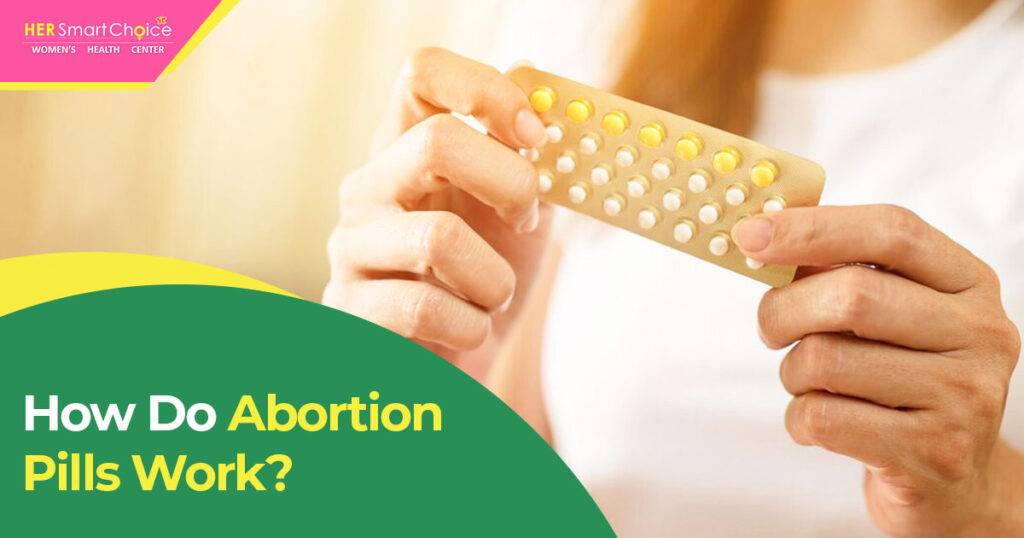
How Do Abortion Pills Work?

  how abortion pills work   Medication abortion, also known as the abortion pill, is a safe and effective method of terminating a pregnancy. Abortion pills come in a combination of two pills, that is, mifepristone and misoprostol.   Primarily Mifepristone is taken and it blocks the hormone progesterone, which is essential to continue the pregnancy. After taking mifepristone, misoprostol is taken to cause contractions and expel the contents of the uterus.   The abortion pill is typically taken up to 10 weeks of pregnancy and is a safe and effective method of terminating a pregnancy.  

Summing Up

  Abortion is a deeply personal and complex decision that women may make for a variety of reasons. Understanding the timelines, fertility, and pain associated with abortion procedures is important for women who are considering their options.  It is important to seek out accurate and reliable information when making healthcare decisions and to consult with a reputed healthcare provider for personalized care and support. At Her Smart Choice, we are committed to providing safe, confidential, and compassionate care to women seeking abortion services.
Read more...
need for safe abortions

The Importance of Confidentiality in Abortion Care: Protecting Women’s Privacy and Safety

  Abortion always remains in the headlines as a controversial topic. Its sensitivity keeps it surrounded by stigma and judgment. Women who seek abortion care may face several challenges, including social pressure, legal restrictions, and financial hardships. The main concern for women is the need for confidentiality in abortion care. Also, it is essential for protecting women’s rights, privacy, and safety.  There is no doubt in saying that keeping the patient’s information private and secure is a fundamental principle of healthcare clinics. Her Smart Choice Women's Health Clinic also keeps this principle on the top of its services lists. Women who seek abortion may have a fear of judgment or violence from the opposition (who oppose abortion). Therefore, most women want to keep their information confidential.   

The Importance Of Confidentiality In Abortion Care

importance of confidential abortions
Confidentiality Builds Trust: It is an essential aspect to build trust between patients and the abortion counselor. Most of women are often vulnerable while seeking an abortion. They may feel anxious and depressed about their decision. So, they need to build their trust in their counselor to keep their information private and secure. Even the counselor helps you to share your feelings and experiences without any fear, this stronger counselor-patient relationship.    Confidentiality Protects Privacy: For protecting the privacy of women, confidentiality plays an important role. Women may face stigma and discrimination from their communities or families while seeking an abortion. Maybe a woman has to face violence and judgment also. But, confidentiality keeps all your personal information secure to your healthcare providers. This will keep you protected from any potential harm or harassment.    Confidentiality Reduces Stigma: In many societies, abortion still seems as a stigma that keeps women of that place uncomfortable while seeking an abortion. As a result, women always stay in fear of being judged by society and the people around them. Confidentiality works here in reducing the stigma by providing a safe and supportive environment to women considering abortion. If she feels secure then she can make an informed decision about abortion.    Confidentiality Encourages Honesty: Encouraging honesty is the next important aspect while giving abortion counseling. Women may have emotional and psychological needs that are complex. For that, they will provide an environment where they can share their feelings and experiences without any fear of judgment. Once a woman knows their information is secure and confidential, they are more honest and opens up to her counselor. As a result, it brings good outcomes for the patient and their growth.   

The Role Of Healthcare Providers in Ensuring Confidentiality

women's health clinic   Healthcare providers also have a significant role in ensuring confidentiality in abortion care. They keep the information safe by following certain steps, such as using a secure health record system, limiting patient access, and ensuring no one obtains the patient’s information without consent. Healthcare providers ensure that their staff is well-trained and experienced in keeping the process and details confidential. They understand the importance of protecting information.   

Here is the outline of a few roles for healthcare providers: 

  • Healthcare providers may have legal and ethical resources to maintain patient confidentiality. 
  • A provider must ensure to keep the patient’s information private or not disclose it to unauthorized individuals. 
  • A provider should obtain written consent from patients before sharing their medical information with a third person or party. 
  • Healthcare providers can use secure communication channels when transmitting patient information electronically. 
  • A provider must ensure that patient records are stored in a safe place and can be accessed only by authorized personnel. 
  • Providers must implement accurate measurements to protect patient information from theft, loss, or any kind of unauthorized access. 
  • Healthcare providers may also have to put clear policies and procedures in place for handling patient information. 
  • They must be aware if anyone breaches the patient’s information and lodge a complaint against them. 
  • They may encourage patients to ask questions related to their (patient) rights and raise concerns if needed. 
 

Conclusion 

After reading the entire blog, you learn about the importance of confidentiality in abortion counseling. If the patient builds trust with their healthcare provider, only then can they can make an informed decision about abortion or birth control. Here you will also get to know about the role of the healthcare provider in following the listed methods and securing the information of patients. This will help you in understanding the trust that is building in abortion with the provider.
Read more...
post abortion care

Understanding Post Abortion Care: What to Expect

It is always difficult for an individual to make a decision about abortion. As this decision requires strong physical and emotional well-being. There are many ways to have an abortion but all methods require proper care. Especially, when it comes to post-abortion care, it plays an essential role in safe recovery and providing support throughout the entire process. In this blog post, you will explore and learn about what post-abortion care entails and what individuals can expect during this period.   

What To Expect After An Abortion

  what to expect after abortion   Immediate Recovery - Whether it’s a medical or surgical procedure, the body requires time to heal after an abortion. If you follow an immediate procedure, you may experience cramping and some bleeding, which is considered normal. The healthcare provider will offer the best guidance to obtain appropriate medication that give you relief from pain and manage any discomfort.    Emotional Support - The abortion procedure involves distinct emotions at the same time. It is vital to address them with compassion and understanding. Many healthcare providers offer counseling as a part of post-abortion care to help individuals navigate their emotions and feelings. Further, it helps them to cope with any emotional challenges they may face. The sessions provide a secure space to express emotions and discuss concerns, and receive guidance on emotional well-being.    Physical Recovery - After an abortion, the physical recovery period varies, and it all depend on the type of procedure and individual circumstances. It’s important to follow the instructions of your healthcare provider or doctor regarding post-abortion care. It includes the following:  
  • Rest and Recovery - Undoubtedly, rest is vital so that your body heals quite faster. You can avoid strenuous activities, intense exercise, or heavy lifting for a few days. Even your healthcare provider also suggests you take maximum rest.
 
  • Hygiene and Self-care - You have to maintain good hygiene so that you can avoid infections. Take all the prevention, such as using sanitary pads instead of tampons for some time. It will help in avoiding the introduction of bacteria into the vagina. Also, taking a shower instead of a bath also minimizes the risk of infection. 
 
  • Medication and Follow-up Appointments - You can obtain antibiotic or pain relief medication from your healthcare provider. It is essential to follow all the instructions related to medication and fulfill them. In addition, you may also get the entire knowledge of follow-up appointments to ensure your recovery progress is monitored. 
  Contraception and Family Planning - Post-abortion care includes a detailed discussion about contraception and family planning. It is important to explore contraceptive options and select a method that matches your preferences and needs. Even you can get the assistance of healthcare providers to obtain information and guidance on various methods, including IUDs, oral contraceptives, implants, condoms, and more.    Post-Abortion Complications - There are very less chances of complications related to post-abortion, yet it is essential to be aware of potential signs of infection or other related issues. In such a situation, you can contact your healthcare provider if you experiencing heavy bleeding, severe pain, foul-smelling discharge, or fever. To avoid serious complications, seeking medical attention on time is more effective.   

What is the role of healthcare clinics in post-abortion?

  abortion clinic Los Angeles   Choosing a reputed healthcare clinic near you is always a great idea. The trained professionals in the clinic assist better, they conduct medical evaluations to assess the physical health of an individual after the abortion procedure. The abortion clinic in California, like Her Smart Choice, offers a same-day appointment, a safe and non-judgmental environment for patients to express their feelings, address concerns or conflicts, and receive guidance in coping with post-abortion emotions.    Not only this, but healthcare clinics provide accurate and reliable information about post-abortion care that is very helpful for individuals. They educate patients about the recovery process and the potential complications that they may face. Further, the experts of the clinic help you by providing you with proper knowledge and tips for a healthy recovery. Clinics may also provide reliable information on contraception methods, reproductive health, and family planning to help patients to make informed decisions about the future and their reproductive choices.    Even you will get adequate contraceptive counseling and provision on family planning. Doctors or healthcare providers in clinics help you to understand the different methods of post-abortion, their effectiveness, benefits, and potential side effects, and offer adequate follow-up care.    

Conclusion 

  The above-given passages include all the comprehensive information about post-abortion care. This approach focuses on the emotional and physical well-being of individuals following abortion care services. This information helps you to understand how to face the situation wisely and navigate the recovery process without any stress. By seeking appropriate support, care, and follow-ups, individuals can ensure a safe and healthy recovery after an abortion.    Remember, experienced healthcare providers of Her Smart Choice guide you throughout the procedure anytime over a call or walk-in appointment.  
Read more...