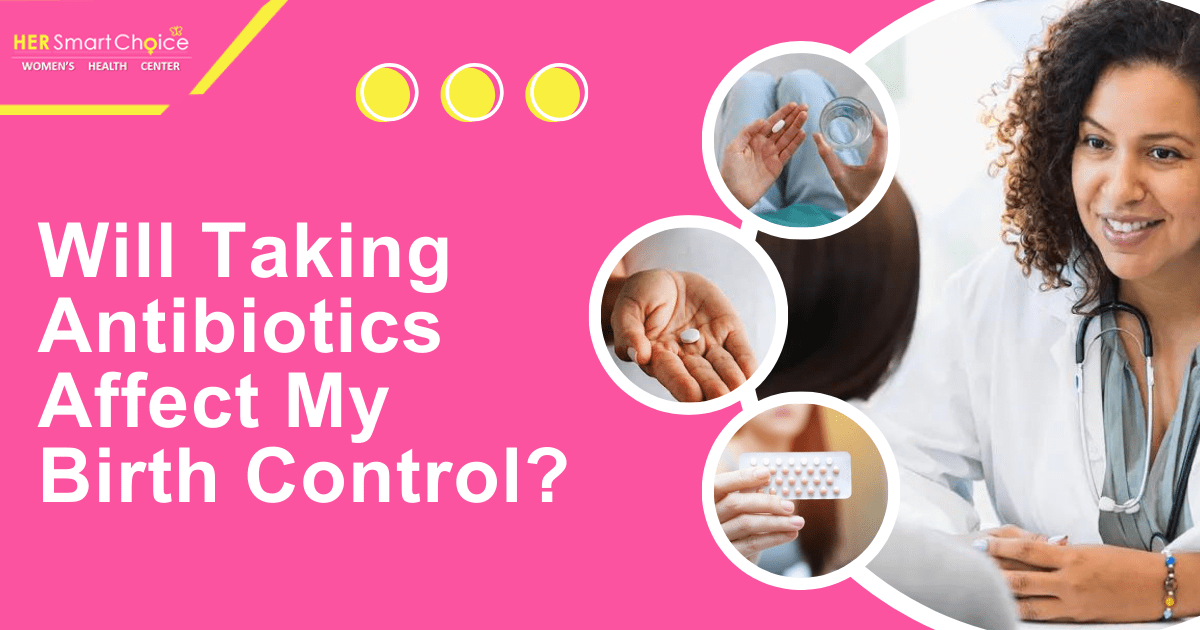
This is a common question that crosses the mind of many women who are on birth control. Well, the short answer to this question is: NO!. Most antibiotics do not interfere with birth control. But there are certain exceptions which might affect birth control. As the saying goes, Knowledge is power. Thus, it is always a good idea to gain ample knowledge about something before making a decision. This blog will help you in gaining that necessary knowledge.
Understanding how the medicines work:
Antibiotics and Birth control operate on entirely different systems within the body. Antibiotics target bacteria, while birth control pills regulate hormones. So, taking antibiotics for a common infection has a very narrow chance of disrupting your birth control's ability to prevent pregnancy.
The Exception:
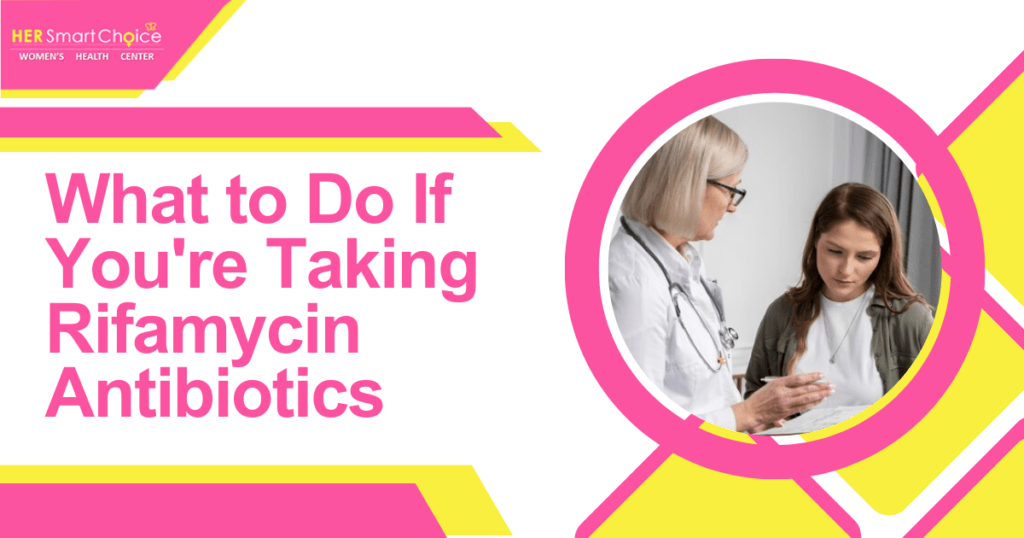
There's one specific type of antibiotic called rifamycin that can interfere with the effectiveness of birth control . Rifamycin antibiotics, such as rifampin and rifabutin, are used to treat tuberculosis and other serious bacterial infections. These antibiotics work differently from others. They accelerate the breakdown of various substances in the liver, including hormones. This increased metabolic activity can reduce the concentration of hormones in birth control pills. This can make the pills less effective at preventing pregnancy.
What to Do If You're Taking Rifamycin Antibiotics:
If you have been prescribed rifamycin antibiotics while using birth control pills, you should take additional precautions to prevent unintended pregnancy. Here's what you should do:

Embrace a Backup Method: You can use an additional form of contraception, such as condoms, spermicide, or a diaphragm, during treatment with rifamycin antibiotics. This will ensure continued protection against pregnancy.
Talk to Your Doctor: You should discuss your birth control options with your doctor. They can suggest alternative birth control methods that aren't affected by rifamycin antibiotics, or they might recommend adjustments to your current birth control. An experienced healthcare provider would be able to find a solution that works best for you and your needs.
Addressing Common Concerns: Amoxicillin and Azithromycin:
There isn't any solid evidence to support the notion that amoxicillin and azithromycin affect the effectiveness of birth control. However, as with any medication combination, it's always a good practice to use an additional form of contraception, such as condoms, during antibiotic treatment for avoiding any risks.
Conclusion:
Understanding the relationship between antibiotics and birth control will help you in making informed decisions about your reproductive health. By following these guidelines and having open communication with your healthcare provider, you can deal with any situation with confidence. If you still have any doubts you can always visit a family planning center in van nuys. Remember, your doctor is your best resource for personalized advice and addressing any concerns you might have. Don't hesitate to ask questions and work together to find the best approach for your needs.
Are you looking for family planning clinics in Los Angeles? You have come to the right place! In this blog we will look at the various services provided by family planning clinics in Los Angeles.Family planning plays a crucial role in safeguarding the reproductive health and well-being of individuals and families. So it becomes very important to explore your options thoroughly. Let’s get started!
Essential Services Provided by LA's Family Planning Clinics:
Birth Control Options
Family Planning Clinics offer a wide range of birth control methods. They help you in finding the one that best suits your lifestyle and preferences. During the consultations, they will check your medical history, discuss potential side effects, and answer any questions you may have. Some of the most common birth control options are Hormonal Methods, Barrier Methods, Long-Acting Reversible Contraception (LARCs) and Emergency Contraception
Sexually Transmitted Infection (STI) Testing and Treatment: They offer confidential and convenient testing for common STIs like Chlamydia, Gonorrhea, HIV, and HPV. If these problems get detected early, you can get necessary treatment and prevent complications and transmission to partners.
Cancer Screenings: They perform regular screenings for cervical and breast cancer. So that there is early detection and successful treatment. Family planning clinics also offer Pap smears, HPV testing, and clinical breast exams, so that you can take charge of your long-term health.
Pregnancy Testing and Counseling: If possible you should visit a clinic for accurate pregnancy test and counseling services before making any decision. Whether you're considering continuing the pregnancy, exploring adoption options, or seeking information about abortion, by talking to trained professionals you can get answers to any of your concerns.
Preconception Health Care: If you're planning a pregnancy, family planning clinics can help you in optimizing your health for a comfortable journey. Preconception counseling focuses on factors like managing existing health conditions, prenatal vitamins, and healthy lifestyle habits to promote a healthy pregnancy for you and your baby.
Men's Health Services: While family planning may seem to be only about women's health, some clinics offer services for men as well. The services include STI testing, fertility evaluations, and information on sexual health practices.
Vaccinations: Family planning clinics may offer vaccinations for HPV and other STDs. They also provide vaccinations like measles, mumps, and rubella (MMR) for women planning a pregnancy.
Educational Resources and Support: Many clinics offer educational resources related to sexual health, reproductive rights, and healthy relationships. This can help you in gaining a better understanding of your body and make better decisions for your well-being. Some clinics also offer support groups or individual counseling for various reproductive health concerns.
Benefits of Utilizing LA's Family Planning Clinics:
Confidentiality and Privacy
Family Planning Clinics maintain your privacy, ensuring your information remains confidential.
Non-judgmental Environment: Healthcare providers are expert in dealing with complex situations. They understand individual needs and offer support without judgment.
Convenience and Accessibility: Many clinics have convenient locations and flexible appointment schedules. So that you can easily get the care you need.
Expertise and Ongoing Care: They stay updated on the latest reproductive health advancements so that they can manage your reproductive health journey over time.
Conclusion
In conclusion, family planning clinics in Los Angeles play a vital role in empowering individuals and families to take control of their reproductive health. With a wide array of services, including birth control options, STI testing, cancer screenings, and preconception counseling, these clinics cater to the diverse needs of the community. The professional and supportive environment ensures that clients receive the care and information they need without judgment or bias.
The emphasis on confidentiality and accessibility makes it easier for individuals to seek assistance and stay informed about their reproductive health choices. By utilizing the valuable resources and expertise offered by these clinics, you can make informed decisions that promote your overall well-being and family planning goals. Don’t hesitate to reach out to a family planning clinic in LA and take the first step towards a healthier future!
What services can I expect from a family planning clinic in Los Angeles?
Family planning clinics in Los Angeles offer a variety of essential services, including birth control consultations, STI testing and treatment, cancer screenings (such as Pap smears and breast exams), pregnancy testing and counseling, preconception health care, men's health services, vaccinations, and educational resources on sexual health and reproductive rights.
How do family planning clinics ensure confidentiality and privacy?
Family planning clinics prioritize your confidentiality by implementing strict privacy policies. All interactions and medical records are kept secure, and healthcare providers maintain a non-judgmental atmosphere, ensuring you feel comfortable discussing sensitive matters regarding your reproductive health.
Are the services at family planning clinics only for women?
No, family planning clinics cater to individuals of all genders and sexual orientations. While much of the focus may be on women's health, many clinics also offer services for men. These services include STI testing, fertility evaluations, and information on sexual health, ensuring comprehensive reproductive health support for everyone.
California is known for its progressive policies and a focus on health access. And in the series, it has taken a historic step towards reproductive health. The first over-the-counter birth control pill, is now available for the public. It can be bought without a doctor's prescription. You can find it at most drug stores, convenience stores, grocery stores, and online. This move has significant implications for women's healthcare access, and the rest of the nation is watching closely.
A Turning Point for Birth Control Access:
Since decades, birth control pills have been important in women's reproductive healthcare. However, the requirement for a prescription created a barrier for many women. Factors like cost of doctor visits, lack of insurance coverage, or geographical limitations to clinics made obtaining a prescription difficult. California's move to offer over-the-counter birth control resolves these challenges. It is expected to provide increased access and empower women to take control of their reproductive health.
Benefits of Over-the-Counter Birth Control:
This policy will have several benefits:
Increased Access: Over-the-counter availability will remove the hurdle of getting a doctor’s prescription. Birth control pills will be easily accessible. This will help the underserved communities.
Convenience: Getting birth control will become as easy as shopping for groceries. Convenience could potentially help in lowering unintended pregnancy rates.
Cost Savings: It will remove the cost of doctor's visit and prescription. It will become affordable for everyone.
Empowerment: Easier access to birth control can help women to make better and more informed choices about their bodies. This move might also help in family planning.
Potential Concerns:
Just like every coin has two side, while the benefits are substantial, there are also some concerns :
Medical Screening: Traditionally, doctor visits involve performing some tests for better insights. It helps in identifying any underlying health conditions that could interact with birth control. Over-the-counter access will remove this feature. People might need to be given stronger age-appropriate educational materials and clear warnings on potential side effects.
Misuse and Effectiveness: Not everyone is a good candidate for hormonal birth control. Thus if you are considering this option. You should properly educate yourself. Getting a pharmacist consultation can also help in ensuring the medication is used appropriately.
Insurance Coverage: Will insurance companies reimburse for over-the-counter birth control? This is a crucial question as cost is an important factor for many women.
Looking Forward:
The success of California's over-the-counter birth control policy will depend on several factors. Monitoring access, effectiveness, and potential drawbacks will be crucial. The decision to offer over-the-counter birth control is a significant step forward in women's healthcare access. While there are certain challenges, this policy has the potential to improve lives and help women across the state. The pills are now readily available. California's success could pave the way for a more accessible future for birth control across the US.
Most couples that start a new life together wish to plan their future on their own terms. Family planning is a very crucial aspect of planning your future. It provides you a roadmap for your reproductive future. If you’re looking for family planning in Long Beach then you have come to the right place! In this blog, we will explore the various family planning options. So that you can choose the one that fits you best. Let’s get started!
Areas of Family Planning:
Family planning is very vasts. It extends far beyond just contraception. Here are the key areas it covers:
Birth Control: This is the most well-known aspect of family planning. It involves methods to prevent unwanted pregnancy. It also allows you to space pregnancies intentionally and plan next pregnancy according to your choice.
Fertility Awareness: These methods are simple. They help you track your fertile window, so that you can plan conception or avoid it naturally.
Preconception Health: This involves improving your physical and mental health before attempting pregnancy. So that you can get a healthy outcome.
Family Building Options: This involves various options for creating a family, including adoption, fostering, and assisted reproductive technologies (ART)
Exploring Birth Control Methods:
Birth control offers a wide range of options. All these methods have their unique advantages and considerations. Let's look at the most common methods:
Hormonal Methods: These methods regulate hormones to prevent ovulation or sperm fertilization. The methods include pills, patches, implants, injections, and vaginal rings. They are highly effective when used correctly. They can have some side effects like mood swings or irregular bleeding for some users.
Barrier Methods: These methods physically block sperm from reaching the egg. Some of the popular options are condoms (male and female), cervical caps, and diaphragms. They are easily available, non-hormonal, and offer some protection against sexually transmitted infections (STIs). They might have lower effectiveness rate as compared to hormonal methods.
Intrauterine Devices (IUDs): These are T-shaped devices, that are inserted into the uterus to prevent pregnancy. They are long-lasting and highly effective. You just need to consult a healthcare professional for insertion and removal.
Sterilization: This is a permanent form of birth control for men (vasectomy) and women (tubal ligation). It's a highly effective. You should only consider this option if you are 100% sure about not wanting a pregnancy as it's not reversible.
Fertility Awareness-Based Methods (FABMs):
FABMs help you to understand your fertility cycle and track your fertile window. Here are some popular methods:
Basal Body Temperature (BBT): You need to monitor your waking body temperature daily to identify ovulation when there is a slight temperature rise.
Cervical Mucus Tracking: Observe changes in the consistency and amount of cervical mucus. This can also help in tracking your fertile window.
Calendar Methods: These methods involve tracking menstrual cycles to predict ovulation but are less reliable than other FABMs.
While FABMs are natural, they require discipline and accurate tracking. Additionally, they are less effective than hormonal methods and may not be suitable for everyone. Especially if you have irregular menstrual cycles, you should choose from other options.
Preconception Health:
Preconception health is crucial for a healthy pregnancy and future baby. These are a few ways to improve your health before conception:
Preconception checkup: Schedule a preconception checkup with your doctor. Discuss your medical history, family health background, and any existing conditions.
Maintain a healthy weight: Being overweight or underweight can have adverse effect on fertility.
Adopt a balanced diet: Make sure you are getting all the essential nutrients.
Consume a diet rich in fruits, vegetables, whole grains, and lean protein
Take folic acid: This B vitamin helps prevent birth defects in the brain and spine.
Manage chronic health conditions: Make sure that your existing conditions like diabetes or high blood pressure are under control.
Family Building Options:
There are some other Family planning options to create a family:
Adoption: Adoption provides a loving home for children in need. There are different types of adoption, such as domestic adoption, international adoption, and foster care adoption. You can choose any of these options.
Fostering: You can become a foster parent and provide temporary care for children who cannot live with their biological parents.
Assisted Reproductive Technologies (ART): This option includes medical procedures used to help people conceive.
Conclusion:
Family planning is very important for a secure future. If you can do proper family planning, there’s a high chance that you would not have to worry about unwanted pregnancies or other problems. By the help of family planning you can also keep a check on your reproductive health. If you are looking for family plannig in Long Beach, make sure to thoroughly research all your options. If you are not confident with it, you can also consult an expert. Embrace the journey and Secure your future with family planning.
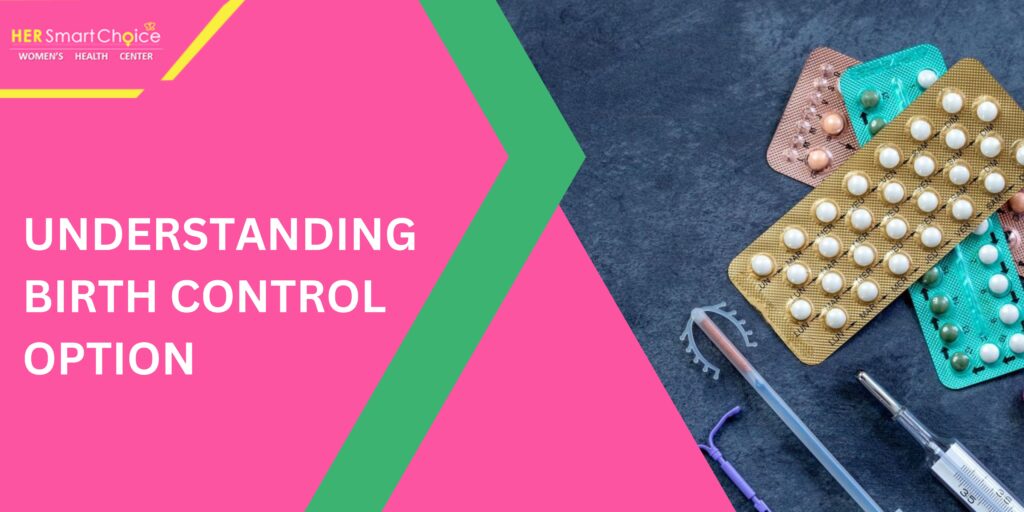
As a woman, choosing birth control seems like a great option to avoid any unwanted pregnancies. There are multiple birth control options available these days. But finding the right birth control option can be a challenge. Even though an option might feel like the best choice, you should understand the implications it can have on your health. If you’re looking for Birth Control in Los Angeles, Let’s explore the various options and the impact they can have.
Understanding Birth Control Options:
There's no one-size-fits-all solution when looking for birth control options. The ideal method for you depends on your individual needs and lifestyle. Here are a few popular birth control options.
Hormonal Birth Control: This category includes the methods that regulate your hormones to prevent ovulation.
Oral Contraceptive Pills (The Pill): These pills come in various combinations of estrogen and progestin. They offer a convenient daily dose to prevent pregnancy. They can also regulate periods, reduce cramps, and improve acne.
The Patch: The patch is worn on your skin. It releases hormones similar to the pill. It needs to be changed weekly and has the same benefits as the pill.
The Vaginal Ring: This flexible ring is inserted into the vagina and releases hormones over a three-month period. It is very low-maintenance and can help in regulating periods and reducing cramps.
IUD (Intrauterine Device): IUDs are one of the most sought after options these days. IUDs are small, T-shaped devices inserted into the uterus for long-term (3-12 years) birth control. They are available in hormonal and non-hormonal options. Hormonal IUDs thicken cervical mucus and suppress ovulation to prevent pregnancy.
Long-Acting Reversible Contraception (LARC):
These options last for several years and require minimal maintenance. These methods are highly effective and reversible.
Implantable Rod (Nexplanon): It is a thin rod which is inserted under the arm. It releases progestin for up to three years. It is convenient, private, and can improve acne and regulate periods.
Barrier Methods: This category involves physical barriers that prevent sperm from reaching the egg.
Condoms: Condoms are the most commonly used option. They come in male and female versions, and are easily available in the market. They also provide protection against sexually transmitted infections (STIs).
Diaphragm: This is a dome-shaped silicone cup with spermicide. It needs to be fit over the cervix, to block sperm entry. It requires fitting and proper use for effective results.
Spermicide: This is a spermicidal jelly, foam, or film that kills sperm on contact. It can be used alone or with other barrier methods for extra protection.
Natural Family Planning: If you do not wish to use any of the above mentioned options you can choose natural family planning. You just need to track your menstrual cycle and fertile window and avoid intercourse during ovulation. This is a non-hormonal method but it requires discipline and accurate cycle tracking for effective results.
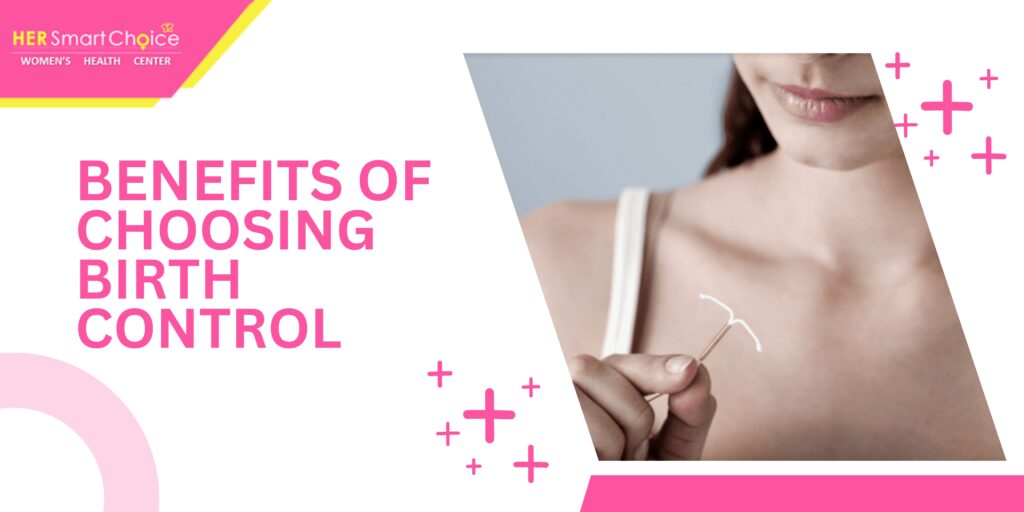
Benefits of Choosing Birth Control:
Apart from preventing pregnancy, birth control offers a many other health benefits as well. Here are a few:
Regulating Periods: Choosing hormonal birth control options can make periods shorter, lighter, and more regular. This can be a great help for women who experience heavy or irregular periods. It reduces discomfort and improves quality of life.
Reducing Cramps: As per a research, up to 84% of women experience moderate to severe cramps during periods. Hormonal birth control can significantly lessen cramps by regulating hormones that contribute to pain.
Improving Acne: Hormonal changes, particularly androgen levels, are the reason for bad acne. Birth Control options like the pill and certain IUDs can regulate these hormones, leading to clearer skin.
Lowering Risk of Certain Cancers: Research suggests that using hormonal birth control for a long time may reduce the risk of endometrial and ovarian cancer. It can also lower the risk of developing precancerous cervical cell changes.
Possible Side Effects:
While birth control offers a huge number of benefits, some women might experience side effects like breast tenderness, mood swings, or nausea, particularly during the initial adjustment period. These effects usually subside within a few months. If you’re exploring birth control in Los Angles there are many expert professionals available to help you. Consult a health care professional if you experience any discomfort.
The Takeaway:
Birth control is a powerful alternative whose benefits are not limited to just preventing pregnancy. It offers multiple health benefits, from regulating periods and reducing cramps to managing medical conditions and potentially lowering the risk of certain cancers. By understanding your options, having open conversations with your doctor, you can choose the right method for birth control in Los Angles. Understand your birth control options carefully. Choose the one that fits you best to live a healthier and happier life.
Are you confused about which abortion option to choose? Is the option that you have chosen the right option for you? What are the risks involved in abortions? These are some of the many questions that might come to mind when exploring abortion options. If you’re choosing medication abortion, you should gain a good understanding of the procedure. Let’s answer all these questions so that you can make an informed choice.
Understanding Medication Abortion
Medication abortion, also known as the abortion pill, offers a safe and effective way to terminate an early pregnancy without surgery. It involves two medications
Mifepristone: This medication blocks the hormone progesterone, which is important for the continuation of pregnancy.
Misoprostol: This medicine induces cramping and bleeding, causing the removal of the pregnancy from your uterus.
Medication abortion is highly effective within the first 10 weeks of pregnancy. Some abortion clinic in California might offer it up to 11 weeks.
Benefits of Medication Abortion:
Privacy: You can take the medicine in the privacy and comfort of your home. Thus, you need not get bothered with privacy concerns.
Non-invasive: No surgery is involved in a medication abortion. So, it takes minimum recovery time.
High Effectiveness: Research shows that medication abortion has a success rate of more than 95%. Thus, it is highly effective within 10 weeks of pregnancy.
Control: You can take the medicine at home as per your own schedule. This will give you a sense of control during this time.
Potential Drawbacks of Medication Abortion:
Emotional Impact: Choosing abortion can be a very challenging decision. The process can be exhausting. There is a possibility of experiencing bleeding and cramping.
Eligibility Criteria: If you have a medical history of certain medical conditions, this might make you ineligible for medication abortion.
Follow-up Appointment: You need to come for a follow-up visit to verify completion of the abortion.
Is Medication Abortion the Right Choice for You?
You should consider the following factors before making your decision:
Pregnancy Stage: As per research, Medication abortion is most effective in the early stages (up to 11 weeks).
Medical History: Certain medical conditions may make you ineligible for medication abortion. You should discuss all these matters in detail with your doctor.
Personal Preferences: If you have any doubts about the medication procedure, you can always choose Surgical Abortion.
Cost: The cost of medication abortion can vary depending on your insurance coverage and the clinic you choose. Some clinics might be costlier than others.
The Medication Abortion Process:
The medication abortion process broadly involves the following steps:
Consultation: You can discuss your pregnancy, medical history, and any questions you have with a healthcare professional. They will assess if medication abortion is suitable for you.
Taking the Medication: The first medication (mifepristone) is typically taken during the initial visit. You will be advised to take the second medication (misoprostol) after 24-48 hours.
Side Effects: Cramping, bleeding, nausea, and fatigue are common side effects that usually subside within a few days.
Follow-up Appointment: A follow-up visit is necessary to confirm complete abortion.
Conclusion
By understanding the medication abortion process, its advantages and limitations, now you are ready to make an informed decision if you’re looking for medical abortion in California. Make sure to transparently discuss all your doubts and concerns so that you are confident about the decision that you will make.
The decision to choose abortion is one of the most difficult decisions in a woman’s life. If you’re considering abortion in Huntington Park, you should do a thorough research to explore all viable options. And make your decision accordingly, after gaining proper knowledge. Through this blog, let’s try to understand the different types of abortion services, abortion process,and different considerations for making an informed decision. Let’s get started !
What are the different types of Abortion Options?
Medication Abortion (Abortion Pill): This is a non-surgical option. It involves taking two medicines over a few days to terminate an early pregnancy (typically up to 11 weeks). The whole procedure may take up to 2 weeks. Many women choose this option as it helps in maintaining privacy and can be completed at home.
In-Clinic Abortion: This involves a surgical procedure. It is performed by a qualified healthcare provider at a clinic or hospital. It's a safe and effective option for women in the first trimester of their pregnancy. It is sometimes performed for second trimester pregnancies as well.
What to Expect During Your Visit
Initial Consultation: During your initial appointment, a healthcare provider will confirm your pregnancy and discuss available options.You can ask them any questions that you might have. They'll also review your medical history and perform a physical exam to choose the best course of action.
Counseling: Since abortion is a fundamental decision in one’s life. Thus, many clinics offer counseling services to help you explore your options and make an informed decision. This counseling is confidential and can be a valuable space to process your emotions and address any concerns you might have.
Abortion Procedure: If you choose a medication abortion, you'll take the first set of medicine at the clinic. You will be asked to take the second set at home. In-clinic abortion procedures are typically quick and involve minimal discomfort. You will be given pain medication.
Aftercare: Irrespective of whichever option you choose, you'll be given aftercare instructions, including information about expected bleeding, recovery time, and potential side effects. You can always contact the clinic if you have any questions or concerns after your appointment.
Considerations for choosing an Abortion Clinic in Huntington Park
Legality and Licensing: Ensure that the clinic or provider that you have chosen is licensed and operates according to legal guidelines. You can inquire directly or check with your state health department website.
Experience and Qualifications: Try to find someone with experience in performing the specific type of abortion you're considering. Ask about their qualifications and training in abortion procedures.
Services Offered: Make sure to confirm that the clinic offers the type of abortion you're interested in (medication or in-clinic) and at the appropriate stage of your pregnancy. Inquire about additional services they provide, such as pregnancy testing, ultrasounds, counseling, and post-abortion care.
Cost and Payment Options: Medical services can sometimes be surprisingly expensive. Thus, Calculate the overall cost of the procedure, including any potential lab fees or medication costs beforehand. Ask about accepted insurance plans and payment options, including sliding-scale fees or financial assistance programs.
Location and Accessibility: Consider a clinic that is close and convenient for you. Factors like travel time, public transportation options, and parking availability are also important.
Clinic Environment and Staff: Look for a clinic with a clean, safe, and comfortable environment. Check online reviews or testimonials from other patients to get a sense of the clinic's atmosphere.
Privacy and Confidentiality: Choose a clinic that maintains patient privacy and confidentiality. Ask how your medical information will be protected.
Conclusion:
Choosing an abortion is a very difficult decision in itself. It is very important to carefully consider all the relevant factors before you make the final choice. You should do detailed research and make a decision made on the knowledge you have gained. If you are looking for an abortion at Huntington park, You have multiple options available to you. Choose Wisely!
FAQ
Are abortion services legal in Huntington Park?
Abortion services are legal in Huntington Park, California, allowing women to access safe and regulated healthcare options. At Her Smart Choice, we provide comprehensive support and information to help you make informed decisions about your reproductive health.
What abortion services are available in Huntington Park?
Abortion services available in Huntington Park include both medication and surgical options, tailored to meet individual needs. Her Smart Choice provides comprehensive support and guidance to ensure informed decision-making throughout the process.
Can I get an abortion without insurance in Huntington Park?
You can receive an abortion without insurance in Huntington Park. Her Smart Choice offers support and services, including free abortion pills for low-income patients, ensuring access to necessary care regardless of insurance status.
Where can I find abortion clinics in Huntington Park?
Abortion clinics in Huntington Park can be found by reaching out to local healthcare providers or searching online for reputable clinics. Her Smart Choice offers compassionate and confidential abortion services in the Greater Los Angeles area, ensuring personalized care for every patient.
Are medication abortions available in Huntington Park?
Medication abortions are available in Huntington Park through Her Smart Choice. We provide compassionate and confidential care, ensuring that women have access to the necessary services for informed reproductive health decisions.
Can I get a same-day abortion in Huntington Park?
Same-day abortions may be available at Her Smart Choice in Huntington Park, depending on your specific situation and clinic availability. We encourage you to contact us directly for personalized assistance and to schedule an appointment.
Can I get a surgical abortion in Huntington Park?
Surgical abortions are available at Her Smart Choice in Huntington Park. Our experienced team provides compassionate care and personalized support throughout the process, ensuring a safe and respectful environment for your healthcare needs.
What are the abortion laws in Huntington Park?
The abortion laws in Huntington Park align with California state regulations, allowing individuals to access abortion services up to 24 weeks of pregnancy, with provisions for later procedures under certain circumstances.
Are there abortion services for low-income women in Huntington Park?
Abortion services for low-income women in Huntington Park are available at Her Smart Choice. We offer confidential support and free abortion pills for eligible patients, ensuring access to essential reproductive healthcare.
What are the hours of operation for abortion clinics in Huntington Park?
The hours of operation for abortion clinics in Huntington Park vary, but many clinics, including Her Smart Choice, typically operate Monday through Saturday, from 9 AM to 5 PM. It's best to call ahead for specific hours and availability.
Can minors get abortion services in Huntington Park?
Minors can access abortion services in Huntington Park with appropriate support. At Her Smart Choice, we prioritize confidentiality and provide compassionate care to ensure that all patients, including minors, receive the guidance and services they need.
Are there free abortion services in Huntington Park?
Free abortion services are available in Huntington Park through programs that support low-income patients. At Her Smart Choice, we offer assistance and can provide information on accessing free abortion pills for those who qualify.
Medical termination of pregnancy (MTP) is a safe and commonly used option for women who wish to end an early pregnancy. One of the medications used in this process is Mifepristone, which has proven to be highly effective and approved for use up to ten weeks gestation. In this article, we will explore what Mifepristone is, how it works, the procedure for its administration, its efficacy, potential side effects, and the considerations to keep in mind when considering this option.
What is Mifepristone?
Mifepristone, also known as RU-486 or the "abortion pill," is a medication used in medical abortion procedures. It is an anti-progestin drug that blocks the action of progesterone. Progesterone is a hormone necessary for maintaining a pregnancy. Mifepristone works by causing the lining of the uterus to break down, leading to the detachment of the pregnancy and subsequent termination.
The Procedure:
Mifepristone is taken orally as a single dose. After taking the medicine, it blocks progesterone receptors, causing the lining of the uterus to thin, making it easier for the pregnancy to detach. This process can take upto a few days. The next step in the medical termination process is taking Misoprostol, another medication that helps induce contractions to expel the pregnancy.
Effectiveness:
Mifepristone, when used in combination with Misoprostol, has proven to be highly effective in terminating pregnancies up to ten weeks gestation. Studies have shown an effectiveness rate of over 95%. The exact effectiveness varies depending on individual factors, such as the duration of pregnancy and adherence to prescribed treatment.
Potential Side Effects:
Like any medication, Mifepristone may cause side effects in some individuals. Common side effects may include nausea, vomiting, diarrhea, abdominal cramping, and mild bleeding. These side effects are generally temporary and go away as the termination process progresses. However, it is crucial to consult a healthcare professional if the side effects become severe or remain for an extended period.
Considerations and Precautions:
Before considering Mifepristone for medical termination, it is important to consult a healthcare provider who can guide you through the process and provide necessary information based on your unique situation. Some considerations and precautions that should be kept in mind include:
Gestational Limit: Mifepristone is generally recommended for pregnancies up to ten weeks gestation. Beyond this point, alternative methods may be necessary for termination.
Healthcare Guidance: It is critical to consult a healthcare provider who can assess your eligibility for medical termination and guide you through the process.
Medication Administration: Follow the prescribed dosages and other instructions provided by healthcare professionals to ensure safety and accurate results.
Emotional Support: The decision to terminate a pregnancy can be emotionally challenging for some individuals. Seek support from loved ones or consider counseling services to navigate through this process
Conclusion:
Mifepristone is a safe and effective medication for medical termination of pregnancies up to ten weeks gestation. It offers a non-invasive option for women who wish to end an early pregnancy, and when combined with Misoprostol, it has an effectiveness rate of over 95%. While there might be some side effects, they are generally temporary and manageable. You should always consult a healthcare professional before considering this option, as they can provide necessary guidance relevant to your specific circumstances.
The hushed whispers. The averted glances. The shame that remains even after the decision has been made. Unfortunately, For far too long, post-abortion care has existed in the shadows, covered in stigma and misinformation.Post-abortion care is crucial for reproductive healthcare, to ensure both physical and emotional well-being. It's time we break these barriers and normalize post-abortion care. Let’s create a safe space for open conversation and empower individuals to access the support they deserve.
Understanding Post-Abortion Care
Post-abortion care includes a wide range of services offered after an abortion procedure. These services can be categorized into three main categories:
Medical Care: Ensuring physical recovery by checking for any complications, addressing pain or discomfort, and providing birth control options to plan future pregnancies.
Emotional Support: Offering individual or group counseling, connecting with support networks, and trying to understand the range of emotions that may arise after an abortion.
Education: Providing clear and accurate information about the physical and emotional changes following an abortion, recovery timelines, and self-care practices.
Proper post-abortion care ensures a safe and supported recovery process. It empowers individuals to make informed choices about their bodies and overall reproductive health.
Stigma Surrounding Post - Abortion Care
Despite its importance, post-abortion care is seen negatively due to social stigma and misinformation. Here's how these factors hinder access to essential services:
The Moral Judgment: Societal biases often portray abortion as a moral failing, creating guilt and shame for those who choose to make this decision. This judgment can stop individuals from seeking necessary post-abortion care, fearing even more criticism or disapproval.
The Web of Misinformation: Inaccurate and misleading information about abortion procedures and what happens afterwards are widely circulated, creating anxiety and fear. These myths can lead individuals to believe that post-abortion care is unnecessary or even harmful.
The Silencing Effect: The stigma surrounding abortion discourages open communication. Individuals may feel lonely and unable to talk to loved ones, preventing them from seeking support and guidance after the procedure.
These factors create a significant barrier to accessing post-abortion care. Individuals burdened with shame and misinformation may hesitate to reach out for the services they need, potentially risking their physical and emotional well-being.
Building a Supportive Society
Normalizing post-abortion care goes beyond individual well-being. We need open conversations about reproductive rights and autonomy to make bodily decisions. By breaking down the walls of stigma and shame, we can create a society where individuals feel empowered to make informed choices about their bodies, free from fear and judgment. This will help in creating an inclusive and supportive healthcare system that prioritizes the physical and emotional well-being of all.Here are some ways to achieve this:
Shifting the Narrative: Actively challenging the negative stereotypes about abortion and post-abortion care. Highlighting the stories of individuals who have had positive experiences can help in shifting the narrative towards empowerment and support.
Building Inclusive Healthcare: Advocating for healthcare systems that are inclusive of all genders and sexual identities. This ensures everyone feels comfortable seeking and receiving appropriate post-abortion care.
Destigmatizing Mental Health: Mental health support after an abortion is crucial. Let's normalize seeking help for emotional challenges, removing the misconceptions associated with mental healthcare in general.
Promoting Empathy and Understanding: Encouraging conversations about abortion and post-abortion care experiences in a safe and respectful space. Empathy and understanding can bridge societal divides and encourage compassion.
Conclusion
This vision of a supportive society requires continuous effort and collaboration. By highlighting the stories of those who have had abortions, breaking the barriers to care, and creating a culture of empathy, we can ensure everyone has the opportunity to make informed reproductive choices and receive the support they deserve throughout their healthcare journey.Let's work together to remove the shadows of stigma and normalize post-abortion care. Sharing resources, advocating for change, and having open conversations are the first steps towards building a more inclusive and supportive society.
The topic of abortion often centers on women's experiences. However, men are integral partners in relationships, and unplanned pregnancies can raise important questions for them as well. This blog aims to create a safe space for men to explore their role in such situations, understand their potential emotions, and discover ways to provide effective support to their partners.
Recognizing Your Role
Men's involvement in unplanned pregnancies can vary greatly. Some are actively involved in family planning discussions, while others may be surprised by the news. Here are some ways to acknowledge your role in such situation:
Open Communication: Initiate a conversation with your partner, expressing your willingness to listen and understand their perspective. This creates a sense of shared responsibility and fosters a safe space for open communication.
Emotional Support: Validate your partner's feelings, whether it's fear, sadness, or confusion.
Shared Decision-making: While the ultimate choice regarding abortion rests with the woman, encourage your partner to share their thoughts and feelings. Explore different options together, gathering information and considering the potential consequences of each choice.
Understanding Your Emotions
Unplanned pregnancy can be an emotional rollercoaster for men as well. Here are some common emotions you might experience:
Guilt: You might feel guilty if you haven't been proactive in birth control or haven't had open discussions about family planning.
Anger: Anger towards yourself, your partner, or the situation itself is a natural reaction. However, it's important to express these feelings constructively.
Fear: The fear of fatherhood, financial instability, or relationship change can be overwhelming.
Loss: Even if not actively trying for a baby, the idea of a potential child can evoke a sense of loss upon facing abortion.
These emotions are valid and deserve acknowledgement. Consider talking to a trusted friend, therapist, or counselor to work through these feelings in a healthy way.
Offering Effective Support
The most impactful thing you can do is provide unwavering support for your partner. Here are some specific ways to do so:
Respecting Their Choice: Ultimately, the decision regarding abortion is a deeply personal one for your partner. Respect their autonomy and avoid pressuring them in any direction.
Practical Support: Offer practical assistance with tasks like childcare arrangements for existing children, research on clinics or doctors, or transportation to appointments.
Emotional Presence: Sometimes, simply being present and listening without judgment is the most valuable support you can offer.
Body Language: Maintain positive body language throughout conversations. Avoid crossed arms or defensive stances, and be mindful of your facial expressions.
Seeking Resources: Educate yourself about the abortion process, resources available to your partner, and ways to cope with the situation. Look for reliable information from reputable sources.
Remember, even if you disagree with your partner's decision, your primary role is to offer unwavering support. Focus on maintaining a loving and supportive relationship, regardless of the outcome.
Addressing Misconceptions
Several misconceptions surround men and abortion. Let's address some of these:
Men Don't Have a Say: Men have the right to voice their opinions and concerns. However, it's crucial to respect your partner's autonomy over their body and reproductive choices.
Abortion is Easy: Abortion is a personal medical decision that comes with emotional and physical aspects. It's important to be sensitive to the complexity of the situation.
Men Don't Get Affected: Men also experience a range of emotions with unplanned pregnancy and abortion.
Moving Forward
The decision to have an abortion is difficult for both men and women. By understanding your role, acknowledging your emotions, and offering unwavering support, you can create a safe and supportive environment for your partner during this challenging time. Remember, open communication, respect for their choices, and emotional presence are the cornerstones of effective support. If you find yourself struggling to cope with the situation, you can seek professional help. You and your partner can move forward together with compassion and understanding.