Abortion Pill

Can I Take the Abortion Pill if Abortion is Illegal in My State?

Reproductive rights and access to abortion services have long been subjects of debate and controversy. With varying laws and regulations across states, you often find yourself facing uncertainty when seeking reproductive healthcare, particularly in states with restrictive abortion policies. One question that arises frequently is whether you can access the abortion pill, also known as medication abortion, in states where abortion is illegal or heavily restricted. In this blog, we'll delve into this complex issue, exploring the legal landscape surrounding medication abortion and the options available to you if you're facing barriers to access.  
Understanding Medication Abortion

Before diving into the legality of medication abortion, it's important to understand what it involves. Medication abortion simply means taking two medications, mifepristone and misoprostol, to terminate a pregnancy within the first ten weeks. This method is safe, effective, and has been approved by the Food and Drug Administration (FDA) for use in the United States since 2000. It offers you a non-invasive option for ending an early pregnancy in the privacy of your own home.  

Legal Landscape of Abortion

Abortion laws in the United States vary significantly from state to state. While the landmark Supreme Court decision Roe v. Wade in 1973 legalized abortion nationwide, subsequent rulings and legislation have allowed states to impose restrictions on abortion access. Some states have enacted laws that severely limit access to abortion services, including restrictions on medication abortion.  

Accessing Medication Abortion in States with Restrictions

Medication Abortion Pill In states where abortion is heavily restricted or effectively illegal, you may face significant challenges in accessing medication abortion through traditional channels. However, there are still options available to you if you're seeking this form of reproductive healthcare.  
Telemedicine and Online Services

One option for you in states with restrictive abortion laws is telemedicine and online services. Telemedicine providers offer virtual consultations with healthcare professionals who can prescribe medication abortion pill and provide guidance on its use. These services enable you to access reproductive healthcare discreetly and safely, regardless of your geographic location.  

Aid from Nonprofit Organizations

Additionally, nonprofit organizations and advocacy groups often provide support to individuals seeking abortion care in states with restrictive laws. Some organizations offer financial assistance to cover the cost of medication abortion or provide referrals to clinics and healthcare providers that offer free or low-cost services.  

Traveling to Access Abortion Services

Abortion Services
In some cases, you may choose to travel to neighboring states or regions where abortion laws are less restrictive to access medication abortion pill. While this option may involve additional time, travel, and expenses, it can provide you with the opportunity to access the healthcare you need without facing legal barriers.  

Legal Risks and Considerations

It's essential to recognize that accessing medication abortion in states where abortion is illegal or heavily restricted may carry legal risks. You should familiarize yourself with the laws and regulations in your state and consider the potential consequences of obtaining medication abortion outside of legal channels. Seeking guidance from legal experts or reproductive rights organizations can help you navigate these complex legal considerations.

Conclusion

In conclusion, while you may face challenges in accessing medication abortion, there are still options available to you. Telemedicine and online services, support from nonprofit organizations, and traveling to neighboring states are all potential solutions for accessing reproductive healthcare, including medication abortion. However, it's crucial to weigh the legal risks and considerations associated with these options and seek guidance from healthcare professionals and legal experts when navigating the complex landscape of reproductive rights.
Read more...
Abortion Center Los Angeles

Safe and Confidential: How Our Los Angeles Abortion Center Ensures Privacy

In a world where privacy concerns are at the forefront of our minds, especially when it comes to sensitive healthcare decisions, finding a trusted and confidential environment is paramount. At our Los Angeles Abortion Center, we understand the importance of safeguarding your privacy throughout every step of your journey. From the moment you walk through our doors to your aftercare, we prioritize your confidentiality to ensure you feel safe, supported, and respected.

Ensuring Privacy from the Start

From the moment you reach out to schedule an appointment, we prioritize your privacy. Our dedicated team is trained to handle all inquiries discreetly and with the utmost sensitivity. Whether you contact us via phone, email, or through our secure online portal, you can trust that your information is kept confidential.

A Welcoming Environment

When you arrive at our center, you'll be greeted by our compassionate staff who understand the importance of creating a welcoming and private environment. Our facility is designed with your comfort and confidentiality in mind, with private consultation rooms and waiting areas to ensure your privacy throughout your visit.

Professional and Confidential Counseling

Abortion Center in Los Angeles
We believe in providing comprehensive support to all individuals who seek our services. Our experienced counselors offer one-on-one sessions in a confidential setting, where you can freely express your concerns, ask questions, and explore your options without fear of judgment. We prioritize informed decision-making and ensure that you have access to all the information you need to make choices that are right for you.

Discreet and Secure Procedures

During your procedure, our medical team takes every precaution to maintain your privacy and confidentiality. Our state-of-the-art facility is equipped with the latest technology and adheres to strict privacy protocols to ensure that your procedure is conducted discreetly and securely. We understand the sensitive nature of abortion care and take every measure to protect your privacy throughout the process.  

Confidential Aftercare and Support

Abortion center Los Angeles Your privacy doesn't end with your procedure. Our center offers confidential aftercare abortion services to ensure that you receive the support you need during your recovery. Whether you have questions about post-procedure care, need emotional support, or require additional resources, our caring staff is here to assist you in a confidential and compassionate manner.

Advocating for Your Privacy Rights

At our Los Angeles Abortion Center, we are committed to advocating for your privacy rights at every level. We stay informed about the latest laws and regulations concerning patient confidentiality and work tirelessly to ensure that your privacy is protected. Your trust is paramount to us, and we are dedicated to upholding the highest standards of privacy and confidentiality in all aspects of our care.

Conclusion

At our Los Angeles Abortion Center, we understand that privacy is not just a preference—it's a fundamental right. From the moment you contact us to your aftercare, we prioritize your confidentiality to ensure that you feel safe, supported, and respected throughout your journey. Our dedicated team is committed to providing compassionate care in a private and discreet environment, where you can feel empowered to make informed decisions about your reproductive health. When you choose our center, you can trust that your privacy is our top priority.
Read more...
Family Planning Centers

Navigating Fertility After 35: Myths Debunked & Expert Tips

Facing the ever-ticking clock and navigating fertility choices can be challenging for any woman, but the concerns often intensify after 35. Societal expectations, biological shifts, and a whirlwind of questions can leave you feeling overwhelmed and unsure. Worry not, because you're not alone! This blog aims to empower you with accurate information, debunk common myths, and equip you with essential tips to navigate fertility after 35. Remember, you have complete control over your reproductive journey, and numerous resources are available to support you every step of the way.

Myth Busters: Clearing the Air on Fertility After 35

First, let's dispel some common misconceptions:
  • Myth: "Fertility drastically declines after 35, making pregnancy nearly impossible."

Fact: While it's true that fertility does decrease with age, it's not a sharp decline. Many women in their late 30s and early 40s conceive naturally. The probability of conception does diminish gradually, but it's crucial to remember that individual variations exist. Obsessing over statistics can create unnecessary anxiety.
  • Myth: "Egg quality significantly deteriorates after 35, leading to unhealthy babies."

Family planning centers
Fact: Yes, the number of eggs might decrease with age, but their genetic quality remains relatively stable until later in your 40s. Advanced prenatal care (including genetic testing) can further mitigate risks associated with chromosomal abnormalities. Additionally, studies suggest that children born to older mothers often benefit from higher socioeconomic advantages and stronger family support.
  • Myth: "Seeking help at a women's health clinic or family planning center means something is wrong with my fertility."

Fact: These women’s health centers are invaluable resources for ALL women, regardless of their current fertility status. They offer comprehensive information, screenings, and guidance on everything from menstrual health to family planning centers. Seeking proactive care demonstrates self-awareness and empowerment, not something to be apprehensive about.
  • Myth: “If I need help with conception, should I immediately resort to in vitro fertilization (IVF)?”

Fact: While ART (Assisted Reproductive Technologies) like IVF can be an excellent option for some, it's not the only path. Exploring less invasive or more affordable options like timed intercourse, ovulation induction medication, or insemination might be suitable depending on your individual circumstances. You can discuss your options with a healthcare professional at a women's health clinic or family planning center.
  • Myth: “I don't need to worry about fertility until I'm ready to start a family.”

Fact: While waiting for the "right time" is completely understandable, being informed about your fertility potential provides valuable options and empowers future choices. Early assessment can identify any potential concerns and provide time for exploring various solutions if needed. Remember, proactive planning is key.

Embrace Empowerment: Expert Tips for Your Fertility Journey

Family planning centers
Now, let's empower you with actionable steps:
  • Knowledge is power: Schedule a consultation at a trusted women's health clinic or family planning center. These experts can assess your individual fertility status, answer questions, and offer personalized guidance.
  • Prioritize healthy habits: Maintain a balanced diet, exercise regularly, manage stress, and get enough sleep. These lifestyle factors can positively impact your overall health and well-being, potentially supporting fertility.
  • Explore your options: Consider various family planning options beyond natural conception. Discuss assisted reproductive technologies (ART) like in vitro fertilization (IVF) with your doctor.
  • Embrace support: Connect with like-minded individuals in online communities or local support groups. Sharing experiences and emotions can be incredibly reassuring and empowering.
  • Stay informed: Seek information from reliable sources like the American Society for Reproductive Medicine (ASRM) and the Centers for Disease Control and Prevention (CDC). Avoid relying solely on anecdotal stories or unsubstantiated advice.
Conclusion
Remember, you're not defined by a number. Your fertility journey after 35 is unique, fueled by knowledge and empowered choices. You can explore options with trusted professionals, and prioritize your well-being. Remember, support awaits - from healthcare partners to online communities. Take charge, embrace informed decisions, and chart a future that reflects your values. You've got this!
Read more...
Abortion services

Understanding Your Rights: Access to Abortion Services in California

Facing an unplanned pregnancy can be a whirlwind of emotions and uncertainties. In California, where the fight for reproductive rights has been fiercely waged and secured, understanding your access to safe and legal abortion care is crucial. This blog aims to navigate you through the legalities, available options, and support systems in the state, empowering you to make informed decisions.  

California's Strong Stance on Reproductive Freedom:

Abortion Services California stands as a lighthouse of reproductive freedom in the United States. In 1969, four years before Roe v. Wade, the California Supreme Court recognized the right to abortion under the state constitution, solidifying it as a fundamental right. Even after the recent overturn of Roe v. Wade at the federal level, Californians retain this vital right, offering a haven for individuals seeking abortion care.  

Navigating Your Abortion Options:

  • Medication Abortion: This safe and effective option, available up to 10 weeks of pregnancy, involves taking two medications to end the pregnancy in the comfort of your own home. It's crucial to consult a healthcare professional to ensure its suitability for your situation.
  • Surgical Abortion: This minor surgical procedure, conducted in a clinic setting, is available up to 24 weeks of pregnancy. It's crucial to remember that viability, the point at which a fetus could potentially survive outside the womb, plays a role in later-term abortions. After viability, abortion is only permitted in California if deemed necessary to protect the pregnant person's life or health by a medical professional.

Key Features of California's Abortion Laws:

  Abortion Services  
  • No Mandatory Waiting Periods: Unlike some states, California mandates no unnecessary delays. You can schedule your abortion as soon as you're ready, without additional hurdles.
  • No Parental Consent Required: Minors seeking abortion services have the right to confidential care, meaning parental consent is not mandatory. This empowers young individuals to make informed decisions regarding their bodies and futures.
  • Public Funding Options: In specific situations involving rape, incest, or health risks, financial assistance through Medical is available. This ensures cost doesn't become a barrier to accessing essential care.
  • Variety of Providers: Hospitals, clinics, and licensed healthcare professionals offer abortion services, ensuring accessibility across the state. This allows you to choose a provider that best suits your needs and preferences.

Beyond Legalities: Support and Resources:

While understanding the legal landscape is crucial, remember you're not alone on this journey. Countless individuals and organizations within California actively support your right to choose:
  • Counseling and Emotional Support: Many clinics and organizations offer confidential counseling services to guide you through the emotional aspects of your decision. Talking to a supportive professional can alleviate anxieties and provide clarity.
  • Financial Assistance: Several organizations, including National Network of Abortion Funds and Planned Parenthood, offer financial assistance to individuals facing cost barriers. Don't let financial concerns impede your access to essential care.
  • Community Support: Online forums and communities connect individuals facing similar experiences, fostering a sense of belonging and understanding. These platforms offer peer support and valuable insights from others who have walked a similar path.

Empowering Yourself:

Knowledge is power. By understanding your rights, available options, and support systems, you can navigate this sensitive journey with confidence. Remember, you have the right to make informed decisions about your body and your future. California stands as a champion of reproductive rights, and countless resources are available to support you every step of the way
Read more...
Abortion Pills

Comprehensive Guide: All You Need To Know About Taking Abortion Pills.

In the complex landscape of women's health, it is imperative to be well-informed about all available options. A topic that often sparks discussion and raises questions is the use of abortion pills. Understanding the process, potential side effects, and what to expect is essential for anyone considering this option. In this comprehensive guide, we'll delve into the details surrounding abortion pills, providing valuable insights for women seeking information and support.  

Understanding Abortion Pills:

Abortion pills, also known as medication abortion or medical abortion, involve the use of two FDA-approved medications – mifepristone and misoprostol. This method is typically employed during the early stages of pregnancy, up to 10 weeks gestation. It is a safe and effective alternative to surgical procedures, providing women with a non-invasive option for ending an unwanted pregnancy.  

How Abortion Pills Work:

The process begins with the administration of mifepristone at a healthcare provider's office. This medication works by blocking the hormone progesterone, which is crucial for maintaining a pregnancy. Following this, misoprostol is taken at home within 24 to 48 hours. Misoprostol causes the uterus to contract, expelling the pregnancy tissue.  

The Importance of Medical Supervision:

Abortion Pills
  While misoprostol is taken at home, it is crucial to emphasize the importance of medical supervision throughout the abortion process. A healthcare provider can guide patients on the correct dosage, potential side effects, and what to expect during and after the procedure. Regular check-ins ensure your well-being and provide an opportunity to address any concerns. Potential Side Effects: Like any medical procedure, abortion pills may come with side effects. These can include cramping, bleeding, nausea, and fatigue. It is essential to differentiate between normal side effects and potential complications. You should keep checking for any warning signs, such as severe pain, excessive bleeding, or signs of infection, and seek medical attention promptly if you experience any of these.

Emotional and Mental Health Considerations:

Abortion Pills
  Navigating an abortion can be emotionally challenging, and it is crucial to acknowledge and address the potential impact on mental health. You can seek support from healthcare professionals, counselors, or support groups during this time. Emotional well-being is an integral aspect of the overall health and recovery process. Follow-Up Care: Post-abortion, follow-up care is essential for monitoring physical and emotional well-being. A healthcare provider will schedule follow-up appointments to ensure that the abortion was successful and address any lingering concerns or complications. Open communication with the healthcare team is vital for ongoing support and guidance. Legal and Access Considerations: Abortion laws and access can vary across different locations. It is important for you to be aware of the legal landscape and available resources in their specific location. Understanding your rights and having access to supportive healthcare services is crucial for a safe and informed abortion experience. VIII. Dispelling Myths and Providing Resources: In addition to the medical aspects, it is essential to dispel myths surrounding abortion pills. You can get information from both online resources and healthcare providers. You should avail all necessary information and support needed to navigate this choice.

Conclusion:

In this comprehensive guide, we've covered the essential aspects of taking abortion pills. From understanding the medications involved to considering potential side effects and prioritizing mental health, so that you can make informed decisions about your reproductive choices. If you are considering abortion pills, consult with a healthcare professional to ensure a safe and supportive experience tailored to your individual needs. Remember, you are not alone, and there is a network of healthcare providers ready to guide you through this process with empathy and care.
Read more...
medical abortion

Making Informed Choices: Understanding Medical Abortion in California

Navigating an unplanned pregnancy can be emotionally charged and filled with questions. Among them, you might wonder: "Is medical abortion the right choice for me?" While the answer to the question what's "right" is completely subjective, as that's a deeply personal decision, We can empower you with information and resources to help you make the best choice for yourself.  

Understanding Medical Abortion:

Medical abortion
Medical abortion, often referred to as the abortion pill, involves taking two medications to end an early pregnancy. The timing of this decision is critical, and women need accurate information to make informed choices. It's safe and effective, with a success rate exceeding 99% when used correctly. Typically available up to 10-11 weeks of pregnancy, the process involves:
  • First medication: Mifepristone blocks progesterone, a hormone crucial for pregnancy continuation.
  • Second medication: Misoprostol causes the uterus to contract and expel the pregnancy tissue.
 

Factors Influencing the Decision:

Medical abortion
Gestational Age:
  • The effectiveness of medical abortion is most pronounced within the initial 10 weeks of gestation. Beyond this period, alternative options may be considered, including surgical abortion.
  Personal Circumstances:
  • Individual considerations such as financial stability, emotional readiness, and the presence of a support system are integral to the decision-making process.
  Health Considerations:
  • A woman's health is paramount. Conditions and medications can impact the decision to choose a medical abortion, necessitating a discussion with healthcare professionals.
 

Navigating the Decision-Making Process:

medical abortion
Counseling Services: Access to counseling services is paramount when considering the option of medical abortion. Specialized healthcare professionals in women's health provide a confidential space for discussions, questions, and the exploration of medical abortion options. This support ensures that individuals can make well-informed decisions about their reproductive health, considering both the medical and emotional aspects involved.   Educational Resources: In the context of medical abortion, educational resources play a crucial role in empowering individuals. Taking advantage of available materials and online resources, including information on the medical abortion process, its effects, and potential considerations, helps individuals understand the procedure comprehensively. Informed decision-making is fundamental to navigating the complexities of medical abortion, ensuring that individuals are aware of the implications and feel confident in their choices.   Supportive Environment: The decision to undergo a medical abortion can be emotionally charged, emphasizing the need for a supportive environment. A space where individuals can openly express their feelings and concerns is essential during this process. Fostering empathy and support within the healthcare setting is crucial, as it contributes to emotional well-being during the decision-making journey related to medical abortion. This supportive environment ensures that individuals feel respected and understood as they navigate this significant aspect of their reproductive health.  

The Timely Decision-Making Advantage:

Making decisions about your reproductive health early on holds significant advantages. It not only broadens your range of available options but also helps to avoid potential complications later on. Early decision-making allows you to explore a variety of choices that may be better suited to your unique circumstances. Engaging with healthcare professionals sooner rather than later is akin to having a personalized roadmap. By seeking guidance early in the process, experts can thoroughly evaluate your individual situation. This enables them to offer tailored advice that considers your specific needs and circumstances. So, don't hesitate – making decisions early is a wise and proactive approach!  

Conclusion:

In summary, the decision-making process for medical abortion in women's health is intricate, involving factors like gestational age and personal circumstances. Emphasizing timely decisions broadens choices and minimizes complications. Counseling services, educational resources, and a supportive environment play vital roles. Early exploration and consultation empower informed choices. Your well-being should be at the heart of the decision making process. Get empowered by understanding and embracing the options available to you.
Read more...
medication abortion in california

Expanding Opportunities: Medication Abortion Now Available on UC and CSU Campuses in California

California marked a historic occasion on January 1, 2023, by becoming the first state to mandate its public universities to offer medication abortion, also known as abortion pills, directly on campus. This groundbreaking legislation, Senate Bill 24, represents a significant step towards improving access to safe and legal abortion care for students across the state.  

Understanding the Need for Change:

medication abortion Access to abortion care is not just a medical consideration; it's an integral part of reproductive healthcare and overall well-being. Unfortunately, students have historically faced numerous hurdles in seeking abortion services, including:

  • Financial Considerations: The cost of abortion care can be substantial, and not all students have adequate insurance coverage, creating a significant financial barrier.
  • Logistical Challenges: Reaching off-campus clinics can be inconvenient and time-consuming, especially for students lacking reliable transportation options.
  • Stigma and Shame: The persistent stigma surrounding abortion often silences students and discourages them from openly seeking the care they need.
By offering medication abortion directly on campus, California directly addresses these hurdles, aiming to achieve:
  • Enhanced Accessibility: By eliminating geographical and financial barriers, on-campus access empowers students to make informed choices confidently, without undue burdens.
  • Reduced Stigma: Normalizing abortion care within the university environment helps chip away at the stigma, enabling open discussions and fostering a more supportive atmosphere for students considering their options.
  • Empowered Decisions: On-campus resources equip students with accurate information and readily available support, allowing them to make well-informed and confident choices regarding their reproductive health.
 

The Practicalities of On-Campus Access:

Medication Abortion
While specific implementation plans may vary slightly across campuses, the general framework involves:
    • Telehealth Consultations: Students connect virtually with qualified healthcare professionals to discuss their options, eligibility, and any concerns they may have.
    • On-Campus Medication Dispensing: Once deemed eligible, students receive the  abortion pills directly on campus in a safe and confidential setting, eliminating the need for additional travel or logistical hurdles.
    • Comprehensive Support: Many campuses offer counseling and referral services to support students throughout the process, addressing emotional, logistical, and any other needs that may arise.
 

The Potential Impact:

This initiative holds the potential to bring about significant positive changes:
  • Increased Access: Students facing financial or transportation challenges will no longer be sidelined, ensuring equitable access to safe abortion care regardless of their circumstances.
  • Reduced Stigma: Normalizing abortion care within the academic space can foster a more accepting and supportive environment, empowering students to openly discuss their choices without fear or judgment.
  • Informed Decisions: On-campus resources equip students with accurate information and readily available support, enabling them to make well-informed and confident choices regarding their reproductive health.
  • Student Empowerment: Taking control of their reproductive health choices can significantly impact students' well-being, academic success, and overall sense of empowerment.
 

What It Means for You:

If you are a student in California attending a UC or CSU campus:
  • Medication abortion is a safe and effective option for early pregnancy termination.
  • Reach out to your campus health center to learn more about their specific implementation plan and how to access services.
  • Don't hesitate to ask questions about the process, eligibility, available support resources, and anything else you may want to know.
  • Remember, you are not alone. Support and guidance are readily available both on and off campus to help you navigate this important decision.
 

A New Chapter for Reproductive Healthcare:

Medication AbortionThe expanding landscape of on-campus medication abortion access signifies a crucial step towards reproductive justice and healthcare equity for students nationwide. This movement empowers students to make informed choices, navigate their reproductive health with confidence,and break down the barriers that have long stood in their way. Remember, individual experiences and needs vary. If you are considering abortion, seek comprehensive and confidential care from a trusted healthcare professional who can offer personalized guidance tailored to your unique circumstances. Whether you're considering abortion or simply exploring your options you can visit any abortion center in California. Don't hesitate to reach out – we're here to listen, guide, and support you on your journey. Together, we can create a more inclusive and supportive environment where everyone can thrive.
Read more...
post-abortion recovery

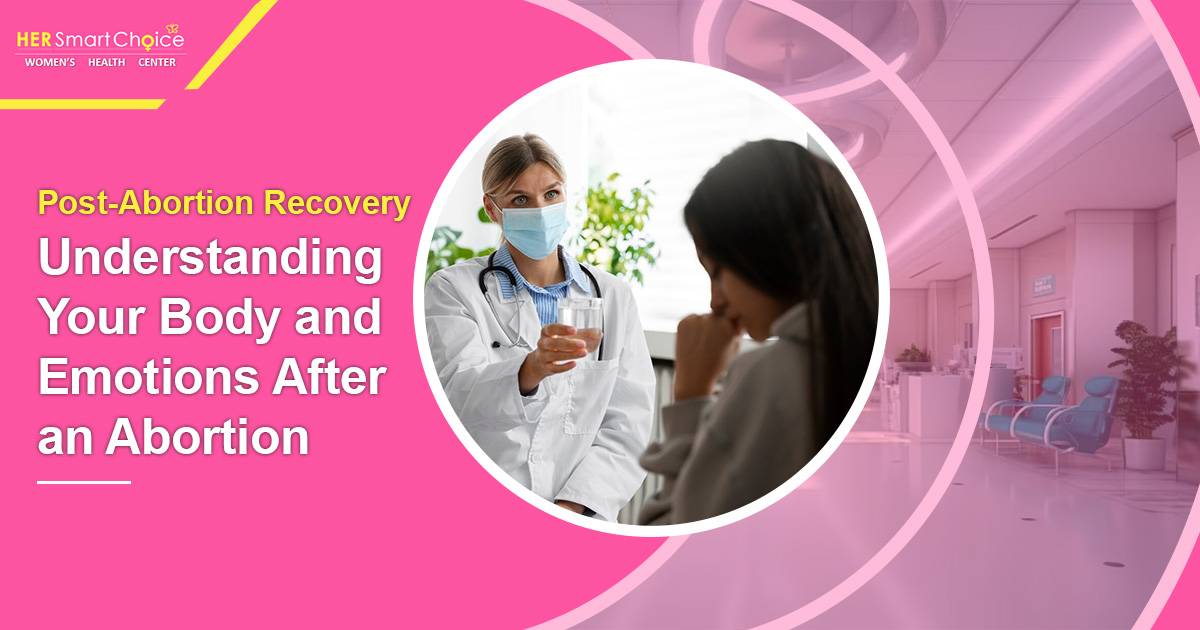
Post-Abortion Recovery: Understanding Your Body and Emotions After an Abortion

Making the decision to have an abortion is a deeply personal one, and the journey doesn't stop after the procedure. Every woman's experience is unique, and post-abortion recovery involves both physical and emotional changes. This blog aims to provide information and support for women navigating this journey, addressing the question: How long after an abortion do pregnancy symptoms subside?  

Physical Recovery: 

post-abortion recoveryAfter an abortion, your body begins the process of returning to its pre-pregnant state. The timeframe for this varies depending on the type of abortion (medical or surgical) and your individual health. Here's a general overview: Bleeding: You may experience vaginal bleeding similar to a period for up to two weeks. This is normal and gradually subsides. Consult your doctor if bleeding is heavy or prolonged. Pregnancy Symptoms: Most pregnancy symptoms like nausea, breast tenderness, and fatigue fade within 24-48 hours after a medical abortion and within a few days after a surgical abortion. Cramping: Mild cramping is common and usually lessens within a few days. Over-the-counter pain medication can help manage discomfort.  Cervical Changes: Your cervix, which softened during pregnancy, will gradually firm up over the next few weeks. Returning to Regular Periods: Your menstrual cycle may take some time to regulate. Expect your first period 4-8 weeks after an abortion.  

Emotional Recovery:

post-abortion recovery
Just as the physical recovery is individual, so are the emotional responses to abortion. It's important to acknowledge and understand your emotions, which may include:
  • Relief: Many women feel a sense of relief after making a difficult decision.
  • Sadness or loss: You may grieve the loss of the potential pregnancy, even if the decision was right for you.
  • Guilt or regret: These are common emotions, even if unfounded. Allow yourself to process these feelings without judgment.
  • Anxiety or stress: Concerns about potential complications or societal judgment can contribute to anxiety.
  • Remember: It's completely normal to experience a range of emotions. Talking to a trusted friend, family member, therapist, or counselor can be very helpful during this time.
 

Support and Resources:

Seeking support after an abortion is crucial for both your physical and emotional well-being. Here are some resources available to you:
  • Women's health clinics: Like Her Smart Choice Women’s Health Center in California, provide comprehensive support, including post-abortion consultations, emotional counseling, and referrals to additional resources.
  • Family planning centers: Offer various birth control options and abortion services, often with confidential counseling.
  • National hotlines: Organizations like Planned Parenthood and National Abortion Federation offer confidential support and information.
  • Online communities: Connecting with other women who have had abortions can provide valuable peer support and understanding.
 

Understanding Your Timeline:

post-abortion recovery
While the information provided can offer a general idea, it's important to remember that every woman's experience is unique. The best way to understand your personal recovery timeline is to listen to your body and communicate openly with your healthcare provider.  

Here are some key points to remember:

  • Don't hesitate to ask questions: Your doctor is there to address your concerns and provide personalized guidance.
  • Pay attention to your body: Listen to your physical and emotional needs and allow yourself time to heal.
  • Be patient: Healing is a process. Be kind to yourself and allow your body and emotions time to adjust.
If you're seeking support after an abortion, know you're not alone. At Her Smart Choice, we understand the physical and emotional needs following this decision. We offer comprehensive care, including safe and confidential abortion services, post-abortion consultations, emotional counseling, and a warm, supportive environment. We're here to listen, answer your questions, and empower you on your journey towards healing, every step of the way.
Read more...
Women's Health Clinic

Navigating Women’s Health: A Guide to the Right Time to Visit Gynecologists and What to Expect

For women, navigating the intricacies of our health can feel like trying to understand a secret code. We juggle multiple roles, prioritize others' needs, and often neglect our own well-being in the process. But taking charge of your health, especially your reproductive health, is crucial for your overall well-being and long-term happiness. One key player in this journey is the gynecologist, your trusted guide through the ever-evolving landscape of Women's Health Clinic. But when exactly should you visit a gynecologist? And what awaits you behind those white doors? Let's shed light on these questions and empower you to navigate your healthcare journey with confidence.  

Opening the Door: Your First Gynecological Visit

Women's Health ClinicsWhether you're a teenager experiencing your first period or a mature woman facing menopause, your first gynecologist visit can be filled with nerves and uncertainties. This is completely normal! Remember, gynecologists are dedicated to your well-being and understand the anxieties surrounding these visits. So, when should you make that first appointment? Ideally, schedule your first visit around the age of 18, regardless of whether you are sexually active. This establishes a baseline for your reproductive health and creates a comfortable space for discussing future concerns. Don't wait for symptoms to arise; proactive care is the key to maintaining optimal health.  

What to Expect During Your Visit:

Women's Health ClinicDuring your first visit, your gynecologist will likely:
  • Discuss your medical history: Be prepared to share details about your family history, past surgeries, any medications you're taking, and your menstrual cycle regularity.
  • Conduct a physical exam: This may include a breast exam, pelvic exam, and pap smear to screen for cervical cancer. It's important to relax and communicate any discomfort you experience.
  • Address your concerns: Don't shy away from asking questions! This is your opportunity to discuss any worries you have about your menstrual cycle, contraception, sexually transmitted infections (STIs), sexual health, or any other concern related to your reproductive health.
Remember, gynecologists are trained professionals who deal with these matters daily. There's no question too embarrassing or trivial, and open communication is essential for establishing a trusting relationship.  

Beyond the First Visit: Maintaining Routine Checkups

Women's Health Clinics
Your initial visit lays the foundation for a lifelong partnership with your gynecologist. Regular checkups are crucial for preventing and managing potential health issues. The recommended frequency of visits varies depending on factors like your age, sexual activity, and medical history. Generally, annual checkups are advised, with additional visits required for specific situations, such as pregnancy, contraception management, or STI testing. Here are some common reasons to make an appointment:
  • Changes in your menstrual cycle: Irregular periods, heavy bleeding, or painful cramps can be indicators of underlying conditions.
  • Concerns about contraception: Whether you're looking for options, experiencing side effects, or want to switch methods, your gynecologist can guide you.
  • Vaginal discharge or discomfort: Unusual discharge, itching, or pain can be symptoms of infections or other issues.
  • Planning for pregnancy: Prenatal consultations provide essential guidance for a healthy pregnancy.
  • Addressing potential STIs: Early detection and treatment of STIs are crucial for your health and can prevent complications.
  • Menopause and its symptoms: Hot flashes, mood swings, vaginal dryness, and other menopausal symptoms can be effectively managed with your gynecologist's help.
 

Finding the Right Fit: Choosing a Gynecologist You Trust

Women's Health Clinics
Finding a gynecologist you feel comfortable with is an important decision. Here are some tips:
  • Ask for recommendations: Get referrals from friends, family, or your primary care physician.
  • Research online: Check reviews and credentials of potential doctors.
  • Consider factors like location, gender, and insurance coverage.
  • Schedule a consultation: Meeting the doctor beforehand can help you assess their communication style and bedside manner.
Remember, you are in control of your healthcare. Don't hesitate to switch doctors if you don't feel comfortable or heard. Your Partner in Well-being: Women's Health Clinics and Beyond Your journey for well-being extends beyond individual doctor visits. Comprehensive women's health clinics, like those at Her Smart Choice, family planning center california, can offer a holistic approach to your health. These centers often provide services like:
  • Pregnancy care and prenatal support
  • Family planning services, including birth control options and abortion services
  • Breast cancer screenings and mammograms
  • STI testing and treatment
  • Mental health services for women
  • Nutrition counseling and wellness programs
By accessing these resources, you can empower yourself to make informed choices, prioritize your well-being, and navigate the journey of womanhood with confidence.  

Summary

Navigating women's health doesn't have to be covered in mystery. This guide unveiled the right time to visit your gynecologist, from that first nervous step into the office to building a trusted partnership for life. Remember, knowledge is power – ask questions, address concerns, and celebrate your commitment to well-being. Explore California's women's health clinics like Her Smart Choice for holistic support encompassing pregnancy care, family planning options (including abortion), and proactive screenings. Take charge of your journey, embrace your unique womanhood, and bloom with confidence!
Read more...
Abortion

Exploring the Process of an In-Clinic Abortion: Understanding What Takes Place

In recent years, discussions surrounding reproductive rights and healthcare have gained increased attention. One aspect of reproductive healthcare that often comes under scrutiny is abortion. While there are various methods of terminating a pregnancy, in-clinic abortions represent a safe and legal option for individuals making this decision. In this blog, we will delve into the intricacies of the in-clinic abortion process, shedding light on what takes place during this medical procedure.    What happens Before the Abortion? healthcare providers  
  • Pre-Procedure Counseling:
Before the actual procedure, individuals seeking an in-clinic abortion typically undergo comprehensive counseling. This step is crucial to ensure that patients are fully informed about the process, potential risks, and available alternatives. Counseling sessions also provide an opportunity for healthcare providers to address any concerns, answer questions, and discuss the patient's medical history.
  • Initial Assessment:
Once the decision for an in-clinic abortion is made, patients undergo a thorough medical examination. This assessment includes a pelvic exam, ultrasound, and a review of the patient's medical history. These steps help healthcare providers determine the gestational age of the pregnancy and choose the most appropriate abortion method.
  • Options for In-Clinic Abortions:
There are two primary types of in-clinic abortions: aspiration (also known as suction or vacuum aspiration) and dilation and evacuation (D&E). The choice between these methods depends on factors such as gestational age and the patient's medical condition.  
  1. Aspiration Abortion:
Aspiration is a common method used for pregnancies up to 16 weeks. The procedure involves numbing the cervix and using suction to remove the pregnancy from the uterus. It is a relatively quick process, typically taking around 5 to 10 minutes.    2. Dilation and Evacuation (D&E): D&E is performed for later-term pregnancies, usually after 16 weeks. This method involves dilating the cervix and removing the pregnancy using suction and medical instruments. The duration of a D&E can vary but generally takes longer than an aspiration abortion.
  • Anesthesia and Pain Management:
To ensure patient comfort during the procedure, healthcare providers may offer local anesthesia, conscious sedation, or general anesthesia, depending on the complexity and duration of the abortion. The choice of anesthesia is discussed during the pre-procedure counseling, considering the patient's preferences and medical history.   What happens on the day of the abortion? healthcare provider
  • Abortion Procedure :
The procedure typically begins with the administration of anesthesia chosen during pre-procedure counseling, ensuring patient comfort throughout. For aspiration abortions, the cervix is numbed, and a speculum is used to gently open the vaginal canal. A thin tube is then inserted through the cervix into the uterus, applying suction to remove the pregnancy. The entire process usually takes 5 to 10 minutes. In the case of dilation and evacuation (D&E) for later-term pregnancies, the cervix is dilated gradually using medical instruments. Once dilated, a combination of suction and instruments is employed to safely evacuate the uterine contents. The duration may vary but generally extends beyond that of an aspiration abortion, with healthcare professionals carefully monitoring the process. Throughout, healthcare professionals maintain a supportive environment, ensuring the patient is well-informed and comfortable. The focus remains on prioritizing the physical and emotional well-being of each individual undergoing an in-clinic abortion, fostering an atmosphere of empathy and care during this sensitive medical procedure.
  • Aftercare and Recovery:
Following the in-clinic abortion, patients are monitored in a recovery area for a short period. They are provided with information on post-procedure care, including potential side effects and signs of complications. In some cases, patients may be advised to refrain from certain activities, such as heavy lifting or sexual intercourse, during the initial recovery period.   What are the post abortion facilities that I can expect?
Healthcare Provider
  • Emotional Support and Follow-Up:
The decision to undergo an abortion can be emotionally challenging, and healthcare providers recognize the importance of offering emotional support. Post-procedure counseling may be recommended, and patients are typically provided with contact information for further questions or concerns. Follow-up appointments ensure that the patient's physical and emotional well-being is monitored.
  • Community Resources and Support Groups:
Recognizing the emotional impact of the decision to undergo an abortion, healthcare providers often connect patients with community resources and support groups. These organizations offer a space for individuals to share their experiences, express their feelings, and find solidarity with others who may have faced similar situations. Peer support can be invaluable in helping individuals navigate the emotional aftermath of an abortion and build resilience.
  • Access to Mental Health Services:
In addition to peer support, mental health services are integral to the comprehensive care provided to individuals post-abortion. Healthcare providers may offer referrals to counselors or therapists who specialize in reproductive health and can provide a supportive environment for individuals to process their emotions. Addressing the mental health aspects of the abortion experience is crucial for promoting overall well-being.
  • Follow-Up Communication:
Healthcare providers emphasize the importance of open communication and encourage patients to reach out for any post-procedure concerns. Follow-up appointments may be scheduled to monitor the patient's physical recovery and address any questions or issues that may arise. This ongoing connection helps ensure that individuals feel supported and have access to the care they need throughout their recovery process.
  • Education on Birth Control Options:
Post-abortion, healthcare providers often discuss and provide information on various birth control options to help individuals make informed decisions about their reproductive health going forward. This discussion aims to prevent future unintended pregnancies and empower individuals to choose the contraceptive method that aligns with their preferences and lifestyle.
  • Navigating Stigma and Judgments:
The emotional impact of an abortion can be exacerbated by societal stigma and judgment. Healthcare providers strive to create a non-judgmental and empathetic environment, acknowledging the diverse reasons individuals may choose abortion. By addressing stigma, healthcare professionals contribute to a supportive atmosphere that fosters understanding and compassion.   Conclusion: In navigating the in-clinic abortion process, emotional support and follow-up care play a crucial role in ensuring the holistic well-being of individuals. By extending beyond the procedural aspects and addressing the emotional and mental health dimensions, healthcare providers contribute to a compassionate and patient-centered approach. As society continues to evolve, it is essential to recognize the multifaceted nature of reproductive healthcare, emphasizing the importance of empathy, understanding, and comprehensive support for those navigating the complex decision-making process surrounding abortion.
Read more...