
Unraveling the Complex Connection Between Abortion and Ectopic Pregnancy
The intersection of abortion and ectopic pregnancy unveils a complex tapestry of medical intricacies, ethical considerations, societal perspectives,and abortion clinic. In this exploration, we aim to deepen our understanding of the connection between these two reproductive phenomena, shedding light on the distinct challenges they pose and the careful approach required in navigating this complex terrain.
 Abortion, as the intentional termination of a pregnancy, contrasts sharply with ectopic pregnancy, where a fertilized egg implants outside the uterus, commonly in the fallopian tubes. The medical considerations surrounding these events underscore the importance of precise diagnosis and tailored intervention.
Abortion procedures, whether through medication or surgical methods, are designed to terminate pregnancies within the uterus. Attempting to utilize standard abortion methods for ectopic pregnancies is not only ineffective but can lead to life-threatening complications, such as internal bleeding. Thus it becomes crucial to consult professionals, be it telehealth abortion providers or walk-in abotion clinics. Early and accurate diagnosis of ectopic pregnancies is of prime importance, allowing for prompt medical intervention to address the unique challenges posed by the implantation outside the uterus.
Abortion, as the intentional termination of a pregnancy, contrasts sharply with ectopic pregnancy, where a fertilized egg implants outside the uterus, commonly in the fallopian tubes. The medical considerations surrounding these events underscore the importance of precise diagnosis and tailored intervention.
Abortion procedures, whether through medication or surgical methods, are designed to terminate pregnancies within the uterus. Attempting to utilize standard abortion methods for ectopic pregnancies is not only ineffective but can lead to life-threatening complications, such as internal bleeding. Thus it becomes crucial to consult professionals, be it telehealth abortion providers or walk-in abotion clinics. Early and accurate diagnosis of ectopic pregnancies is of prime importance, allowing for prompt medical intervention to address the unique challenges posed by the implantation outside the uterus.
 Ectopic pregnancies demand a distinct approach due to their nature of implantation in areas unsuitable for sustaining a viable pregnancy. While abortion procedures are a safe and legal option for pregnancies within the uterus, they are not equipped to address the complexities presented by ectopic pregnancies. Recognizing these limits is essential in ensuring that individuals with ectopic pregnancies receive timely and appropriate medical care tailored to their specific needs.
 The connection between abortion and ectopic pregnancy extends beyond medical intricacies, delving into the ethical landscape of reproductive rights and autonomy. Discussions surrounding these topics involve a delicate balance between individual beliefs, societal perspectives, and considerations of the rights of the pregnant individual versus the rights of the unborn.
Supporters of reproductive rights emphasize the importance of individual autonomy in decision-making regarding one's own body. Conversely, opponents may raise ethical concerns, grappling with the moral considerations tied to terminating a potential life. These ethical discussions are complex and often subjective, highlighting the need for open, respectful dialogue that considers the diverse perspectives and experiences shaping individual beliefs.
The connection between abortion and ectopic pregnancy extends beyond medical intricacies, delving into the ethical landscape of reproductive rights and autonomy. Discussions surrounding these topics involve a delicate balance between individual beliefs, societal perspectives, and considerations of the rights of the pregnant individual versus the rights of the unborn.
Supporters of reproductive rights emphasize the importance of individual autonomy in decision-making regarding one's own body. Conversely, opponents may raise ethical concerns, grappling with the moral considerations tied to terminating a potential life. These ethical discussions are complex and often subjective, highlighting the need for open, respectful dialogue that considers the diverse perspectives and experiences shaping individual beliefs.
 As societal attitudes evolve and medical advancements progress, the landscape of reproductive healthcare undergoes constant transformation. Efforts to destigmatize reproductive choices, improve access to information, and enhance overall care quality contribute to a more patient-centric and inclusive approach.
Education and awareness initiatives are pivotal in this evolution, empowering individuals to make informed decisions about their reproductive health. Understanding the connection between abortion and ectopic pregnancy requires not only a grasp of medical intricacies but also an awareness of the broader societal context that shapes the reproductive healthcare landscape.
As societal attitudes evolve and medical advancements progress, the landscape of reproductive healthcare undergoes constant transformation. Efforts to destigmatize reproductive choices, improve access to information, and enhance overall care quality contribute to a more patient-centric and inclusive approach.
Education and awareness initiatives are pivotal in this evolution, empowering individuals to make informed decisions about their reproductive health. Understanding the connection between abortion and ectopic pregnancy requires not only a grasp of medical intricacies but also an awareness of the broader societal context that shapes the reproductive healthcare landscape.
Medical Considerations
Understanding the Limits of Abortion Procedures
Ectopic pregnancies demand a distinct approach due to their nature of implantation in areas unsuitable for sustaining a viable pregnancy. While abortion procedures are a safe and legal option for pregnancies within the uterus, they are not equipped to address the complexities presented by ectopic pregnancies. Recognizing these limits is essential in ensuring that individuals with ectopic pregnancies receive timely and appropriate medical care tailored to their specific needs.
Navigating Ethical Considerations
The Evolving Landscape of Reproductive Healthcare
 Numerous reputable scientific organizations, including the American Cancer Society and the World Health Organization, have conducted extensive reviews of the existing research. The consensus among these organizations is that there is no definitive evidence supporting a causal link between induced abortion and an increased risk of breast cancer. Thus, you can visit any walk-in abortion clinic or take
  To understand the lack of a conclusive link between abortion and breast cancer, it's crucial to delve into the hormonal changes that occur during pregnancy. The dynamic fluctuations in hormone levels, specifically the increase in estrogen and progesterone during pregnancy, play a protective role against breast cancer.
 Addressing concerns about sensitive topics like abortion and breast cancer requires a supportive and informed approach. Healthcare providers play a pivotal role in this process by offering evidence-based information and fostering open communication. Encouraging regular breast health check-ups, and screenings, and promoting a healthy lifestyle remain paramount in reducing overall breast cancer risk.
 Social media has transformed the landscape of abortion clinic discourse, presenting both opportunities and challenges. It has the power to amplify diverse voices, provide access to information, build supportive communities, and mobilize activism. However, it also contributes to polarization, the spread of misinformation, online harassment, and stigmatization. Navigating abortion discourse on social media requires a collective effort to foster respectful dialogue, combat misinformation, bridge ideological divides, and ensure the safety and privacy of users.
Maintaining a respectful and inclusive environment: It is crucial to foster respectful and inclusive discussions on social media platforms, allowing for a range of perspectives while discouraging personal attacks or derogatory language. Moderation policies and community guidelines can help create safer spaces for dialogue.
Fact-checking and combating misinformation:
Social media has transformed the landscape of abortion clinic discourse, presenting both opportunities and challenges. It has the power to amplify diverse voices, provide access to information, build supportive communities, and mobilize activism. However, it also contributes to polarization, the spread of misinformation, online harassment, and stigmatization. Navigating abortion discourse on social media requires a collective effort to foster respectful dialogue, combat misinformation, bridge ideological divides, and ensure the safety and privacy of users.
Maintaining a respectful and inclusive environment: It is crucial to foster respectful and inclusive discussions on social media platforms, allowing for a range of perspectives while discouraging personal attacks or derogatory language. Moderation policies and community guidelines can help create safer spaces for dialogue.
Fact-checking and combating misinformation:
 The right to conscientious objection is an important aspect of individual freedom and autonomy. It is essential to respect and protect the rights of healthcare professionals to follow their moral or religious beliefs in the context of their work. However, it is equally important to balance these rights with the rights of individuals seeking abortion.
 Partners play a vital role in establishing a supportive and non-judgmental environment for the individual facing the decision. Offering emotional support and reassurance fosters an atmosphere where open communication can flourish.
 Partners should collaboratively explore the potential impacts of the decision on future plans, considering factors such as family goals, career aspirations, and relationship dynamics. This collaborative approach ensures that the decision aligns with both individuals' long-term objectives.
 If you or someone you know is experiencing symptoms of PTSD following an abortion, it is important to seek professional help. Recognizing the signs of PTSD and understanding its potential connection to abortion can be the first step toward healing and recovery.
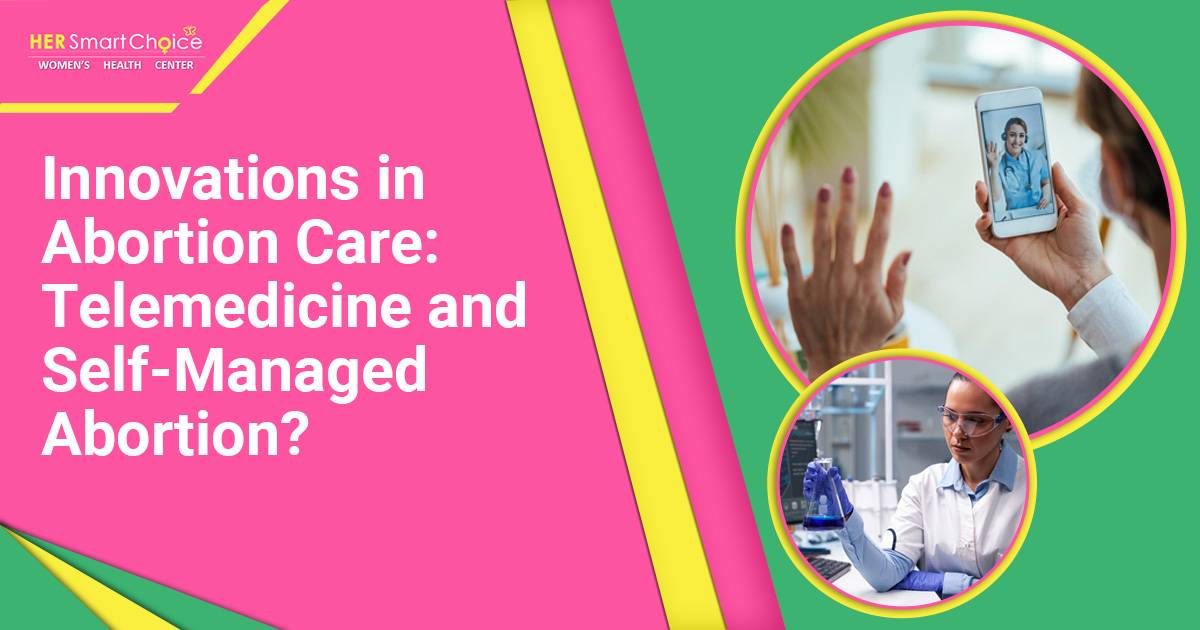
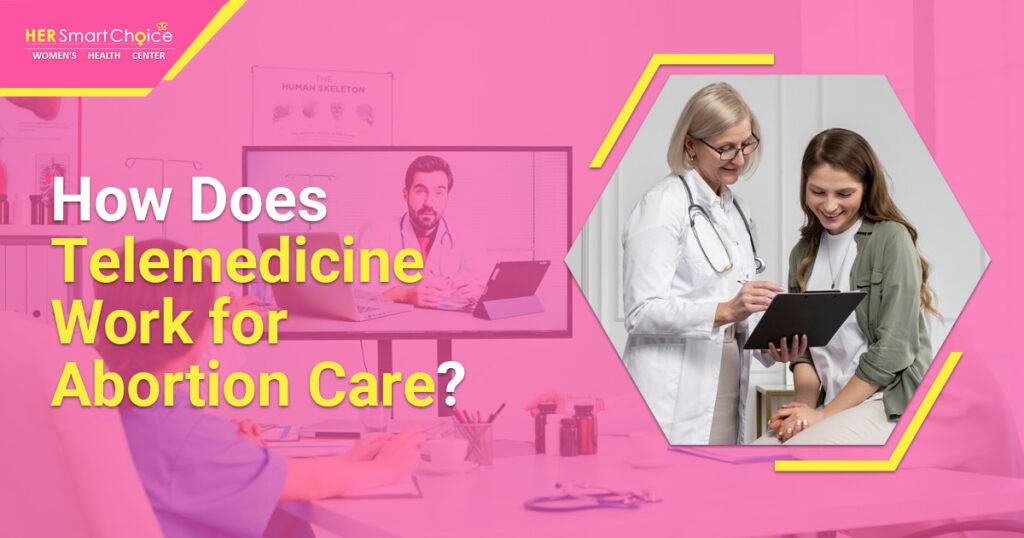 Virtual Consultations:
 Increased Accessibility:
 Limited Availability of Abortion Clinics:
 Mobile clinics and outreach programs specifically designed to bring reproductive healthcare, including abortion services, to rural areas have proven effective in increasing access. These clinics travel to underserved regions, providing comprehensive care, counseling, and information about reproductive health. Mobile clinics help minimize the distance individuals must travel, making abortion services more accessible and reducing financial and logistical barriers.