Choosing a Birth Control Center in Los Angeles is a deeply personal decision that can affect not only pregnancy prevention but also overall reproductive health, hormonal balance, and quality of life. In a city as large and diverse as Los Angeles, women have access to many clinics and care models, yet not all birth control centers offer the same level of counseling, privacy protections, affordability, or range of options.
According to data from the Centers for Disease Control and Prevention, nearly 65 percent of reproductive-age women in the United States use some form of birth control, with usage patterns varying based on age, access to care, and medical history. Research published in JAMA suggests that patient satisfaction and continuation rates are significantly higher when contraceptive counseling is individualized and medically thorough.
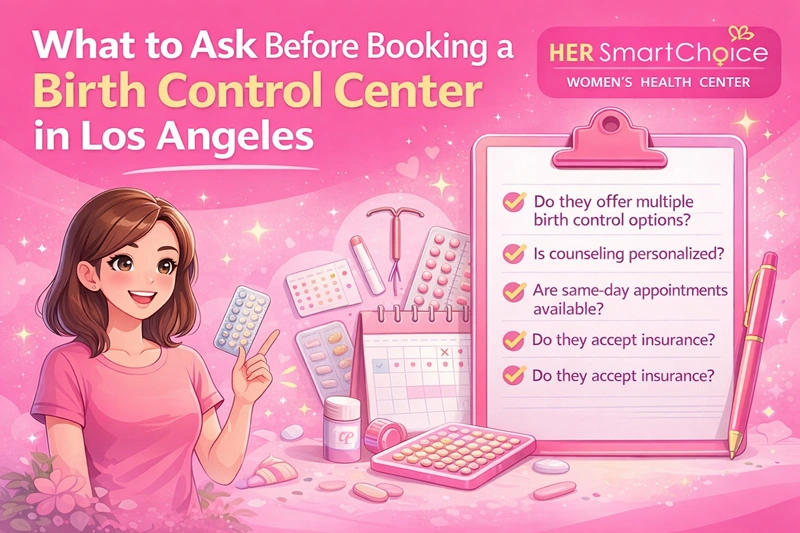
This article outlines the most important questions to ask before booking a Birth Control Center LA, helping women make informed decisions aligned with their health needs, lifestyle, and personal values. It also explains how clinics such as Her Smart Choice approach birth control care within Los Angeles communities.
What Is Birth Control
Birth control refers to medical, hormonal, or behavioral methods used to prevent pregnancy. Some forms also provide non-contraceptive health benefits, such as regulating menstrual cycles, reducing heavy bleeding, or managing conditions like acne or endometriosis.
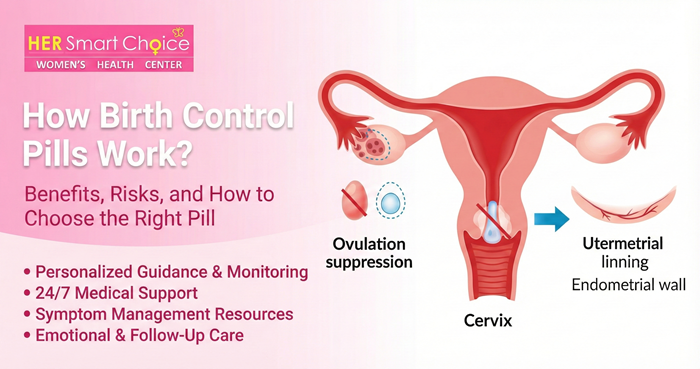
From a medical perspective, birth control works by one or more mechanisms, including preventing ovulation, thickening cervical mucus to block sperm, thinning the uterine lining, or physically preventing sperm from reaching an egg. The effectiveness of birth control varies widely by method and by how consistently it is used.
A reputable Birth Control Center in Los Angeles should provide clear explanations of these mechanisms and help patients understand how each option may interact with their body, medical history, and long-term reproductive goals.
What Questions Should You Ask Before Booking a Birth Control Center in Los Angeles
Does the Center Offer a Full Range of Birth Control Options
One of the first questions to ask is whether the clinic provides multiple contraceptive methods rather than steering patients toward a single option. Evidence from the American College of Obstetricians and Gynecologists shows that access to a full range of methods improves satisfaction and continuation.
Clinics such as Her Smart Choice offer several FDA-approved options, including hormonal birth control pills, patches, long-acting reversible contraception such as IUDs and implants, birth control shots, and emergency contraception. This breadth allows care to be tailored to individual health profiles rather than convenience alone.
Is Counseling Personalized or One-Size-Fits-All
High-quality birth control care begins with counseling. According to research published in Obstetrics and Gynecology, shared decision-making improves adherence and reduces discontinuation caused by side effects.
Ask whether the Birth Control Center LA provides one-on-one consultations that review your medical history, migraine patterns, smoking status, blood pressure, and future pregnancy plans. Personalized counseling is especially important for women with conditions such as polycystic ovary syndrome, clotting disorders, or a history of hormone sensitivity.
Are Same-Day and Walk-In Appointments Available
Access matters. Delays in care are associated with higher rates of unintended pregnancy, particularly among younger women and those with inconsistent insurance coverage.
Many women prefer clinics that offer same-day services or accept walk-ins. Her Smart Choice provides both appointment-based and walk-in care, which can be critical for women seeking urgent contraception or those with unpredictable schedules.
Does the Clinic Accept Insurance and Offer Affordable Options
Cost remains a major barrier to contraceptive access. The CDC reports that uninsured women are significantly more likely to experience gaps in birth control use.
Before booking, confirm whether the clinic accepts insurance, self-pay, or both. It is also reasonable to ask about low-cost or sliding-scale pricing. Clinics like Her Smart Choice emphasize affordability, which is especially relevant in Los Angeles where cost of living can limit access to preventive healthcare.
Are Telehealth Services Available
Telehealth has become an increasingly common part of reproductive healthcare. Studies published in the Journal of Medical Internet Research suggest that telehealth birth control consultations can be safe and effective for many women, particularly for pill and patch prescriptions.
Ask whether virtual visits are available and which services can be handled remotely. Telehealth can reduce travel time and improve privacy, but it may not be appropriate for all birth control methods.
Common Birth Control Options and How They Compare
Below is a concise comparison of commonly offered birth control methods to help guide conversations with a Birth Control Center in Los Angeles.
Method
Typical Effectiveness
Usage Frequency
Common Side Effects
Birth control pill
About 91 percent with typical use
Daily
Nausea, breast tenderness, spotting
Patch
About 91 percent
Weekly
Skin irritation, hormonal symptoms
Birth control shot
About 94 percent
Every 3 months
Weight changes, delayed fertility return
Hormonal IUD
Over 99 percent
3 to 8 years
Irregular bleeding initially
Copper IUD
Over 99 percent
Up to 10 years
Heavier periods initially
Implant
Over 99 percent
Up to 3 years
Irregular bleeding
According to ACOG, long-acting reversible contraception such as IUDs and implants are the most effective methods for most women because they do not rely on daily adherence.
Telehealth for Birth Control: Pros and Cons
Telehealth can be a convenient option for many women, but it is important to understand its limitations.
Aspect
Benefits
Limitations
Access
Convenient for busy schedules
Not suitable for procedures
Privacy
Can be done from home
Requires reliable internet
Speed
Faster prescription refills
Limited physical assessment
Cost
Often lower visit costs
Some insurance restrictions
The CDC notes that telehealth is appropriate for contraceptive counseling and refills in medically eligible patients, but in-person visits remain necessary for IUDs, implants, and injections.
Teen Birth Control Consent and Privacy in California
California law allows minors to consent to birth control services without parental permission. This policy is supported by public health research showing that confidential access reduces unintended teen pregnancy and improves health outcomes.
A trustworthy Birth Control Center LA should clearly explain privacy policies, confidentiality limits, and billing considerations that may affect insurance statements sent to parents. Clinics like Her Smart Choice operate within California consent laws while prioritizing patient privacy and respectful communication.
Living With Birth Control and Ongoing Care
Birth control is not a one-time decision. Side effects, lifestyle changes, and evolving health needs may require adjustments over time. The Mayo Clinic emphasizes the importance of follow-up visits to reassess blood pressure, menstrual changes, and satisfaction with the chosen method.
Women should seek medical advice if they experience severe headaches, chest pain, sudden vision changes, or persistent mood symptoms. These may indicate rare but serious complications requiring evaluation.
Frequently Asked Questions
How long does it take for birth control to start working?
Most hormonal methods begin working within seven days when started correctly. IUDs and implants may be effective immediately depending on timing in the menstrual cycle. A healthcare provider can confirm backup protection needs.
Is birth control safe for long-term use?
According to the CDC, most healthy women can safely use birth control for many years. Risks vary by method and personal health history, which is why individualized counseling is essential.
Can teens get birth control without parental consent in Los Angeles?
Yes. California law allows minors to consent to birth control services. Clinics are required to protect confidentiality while explaining any insurance-related privacy considerations.
Does insurance usually cover birth control?
Many insurance plans cover FDA-approved birth control, but coverage varies. Clinics offering self-pay and sliding-scale pricing help ensure access for uninsured patients.
Is telehealth birth control as effective as in-person care?
Research suggests telehealth is effective for counseling and prescriptions in eligible patients, but in-person visits are still required for procedures like IUD placement.
When should I see a doctor about side effects?
You should contact a healthcare provider if side effects are severe, persistent, or interfere with daily life, or if you experience symptoms such as chest pain or severe headaches.
Medical Disclaimer and Conclusion
This article is for informational purposes only and does not constitute medical advice. Always consult with a qualified healthcare provider for diagnosis and treatment.
Choosing the right Birth Control Center in Los Angeles involves more than convenience. Asking informed questions about services, privacy, cost, and medical expertise empowers women to make confident decisions about their reproductive health. Clinics such as Her Smart Choice demonstrate how comprehensive care, affordability, and patient-centered counseling can support women at every stage of life.
Brown discharge is a common but often confusing experience for many women, especially during pregnancy or around childbirth. According to data cited by the American College of Obstetricians and Gynecologists, up to one in four pregnant women experience some form of vaginal discharge changes during pregnancy, with brown discharge being among the most frequently reported concerns. While it is often harmless, brown discharge can sometimes signal infection, hormonal changes, or pregnancy-related complications that require medical attention.
Brown discharge during birth or pregnancy can look alarming, particularly when it appears unexpectedly or lasts longer than anticipated. Understanding what causes it, when it is considered normal, and when it may indicate a medical issue is essential for protecting reproductive health. This article explains what brown discharge is, why it occurs, how it relates to pregnancy and childbirth, and how it is evaluated and managed in clinical settings such as Her Smart Choice. You will also learn when to seek care, how long it typically lasts, and what can be done safely if treatment is needed.
What is brown discharge?
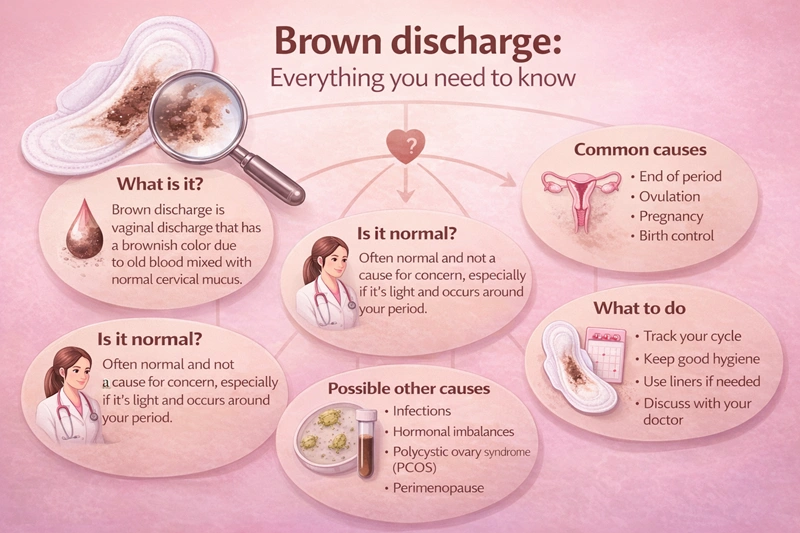
Brown discharge refers to vaginal discharge that appears light brown, dark brown, or rust-colored rather than clear or white. The color usually comes from old blood that has taken longer to leave the uterus or vagina. When blood is exposed to oxygen, it darkens, which explains the brown appearance.
From a medical standpoint, brown discharge is not a diagnosis but a symptom. It can occur at various stages of the menstrual cycle, during pregnancy, before or after labor, or as part of postpartum recovery. In many cases, brown discharge is a normal physiological process. In other cases, it may be associated with infection, cervical irritation, hormonal shifts, or pregnancy-related conditions that require evaluation.
Brown discharge is often confused with spotting or active bleeding. Spotting is usually light pink or red and suggests fresh blood, while brown discharge typically indicates older blood leaving the body more slowly.
Brown discharge during pregnancy and birth
Brown discharge during birth is a phrase many patients use broadly to describe discharge that occurs at different points in pregnancy, labor, or after childbirth. Each timing has different clinical implications.
Brown discharge in early pregnancy
In early pregnancy, brown discharge is commonly linked to implantation bleeding. Research published in the journal Obstetrics and Gynecology suggests that implantation-related bleeding can occur in up to 30 percent of early pregnancies and is often light brown or pink in color. Hormonal changes, cervical sensitivity, and minor irritation after intercourse can also cause brown discharge during this stage.
Although often harmless, early pregnancy brown discharge should still be discussed with a healthcare provider to rule out ectopic pregnancy or miscarriage, especially if accompanied by pain or cramping.
Brown discharge before labor begins
As the body prepares for labor, some women notice brown discharge mixed with mucus. This may be part of the mucus plug releasing, sometimes called the “bloody show.” The mucus plug helps protect the uterus from bacteria during pregnancy. When it begins to loosen, discharge may appear brown or streaked with blood.
The American Pregnancy Association notes that this can occur days or even weeks before labor begins and does not always mean labor is imminent.
Brown discharge during labor
Brown discharge during labor is less common but can occur due to cervical dilation, vaginal examinations, or minor tissue irritation. In clinical settings, providers monitor the amount, color, and timing of discharge closely to ensure there are no signs of placental complications or excessive bleeding.
Brown discharge after childbirth
After delivery, vaginal discharge called lochia is expected. Lochia typically progresses from bright red to pink or brown and then to yellow or white over several weeks. According to the Cleveland Clinic, brown discharge during postpartum recovery often reflects normal healing as the uterus sheds remaining blood and tissue.
However, foul-smelling discharge, fever, or heavy bleeding may indicate infection and should be evaluated promptly.
Symptoms associated with brown discharge
Brown discharge can occur alone or alongside other symptoms. Understanding associated signs can help determine whether it is likely normal or concerning.
Common accompanying symptoms may include mild cramping, pelvic pressure, or changes in discharge consistency. These symptoms are often benign, especially during pregnancy or postpartum recovery.
More concerning symptoms include strong odor, itching, burning, fever, abdominal pain, or heavy bleeding. These may suggest infection or other complications and warrant medical evaluation.
Emergency symptoms include severe abdominal pain, dizziness, shoulder pain, or soaking through pads rapidly. These may indicate ectopic pregnancy or significant hemorrhage and require immediate care.
Causes and risk factors
Brown discharge has multiple possible causes, many of which depend on reproductive stage and overall health.
Hormonal changes
Fluctuations in estrogen and progesterone can affect the uterine lining and cervical mucus. Hormonal shifts during pregnancy, after childbirth, or when starting or stopping birth control can contribute to brown discharge.
Old menstrual blood
Blood that remains in the uterus or vagina after menstruation may exit slowly, appearing brown rather than red. This is one of the most common and benign causes.
Cervical irritation
The cervix becomes more sensitive during pregnancy and with hormonal changes. Intercourse, pelvic exams, or transvaginal ultrasounds can cause light bleeding that appears as brown discharge.
Infection
Sexually transmitted infections and vaginal infections can cause brown discharge, often accompanied by odor, itching, or discomfort. The Centers for Disease Control and Prevention emphasizes that untreated infections during pregnancy may increase the risk of complications, making evaluation important.
Pregnancy-related conditions
Brown discharge may be associated with miscarriage, ectopic pregnancy, placental issues, or retained tissue after childbirth. While not common, these conditions require timely diagnosis.
Risk factors include previous pregnancy complications, smoking, advanced maternal age, and a history of infections.
Diagnosis and evaluation
When a patient presents with brown discharge, clinicians evaluate timing, duration, color, odor, and associated symptoms. Medical history and pregnancy status guide the diagnostic approach.
Common diagnostic steps include pelvic examination, pregnancy testing, ultrasound imaging, and laboratory testing for infections. Ultrasound helps assess fetal development, placental location, and uterine health. No single test alone determines the cause, and findings are interpreted together.
Providers also consider differential diagnoses to distinguish between normal physiological discharge and conditions requiring treatment.
Treatment options
Treatment for brown discharge depends entirely on the underlying cause.
If brown discharge is determined to be normal, no treatment is required. Reassurance and monitoring are often sufficient.
For infections, treatment may include antibiotics or antifungal medications that are considered safe during pregnancy when indicated. Clinical guidelines emphasize treating confirmed infections promptly to reduce complications.
If brown discharge is linked to hormonal changes, providers may recommend observation or adjustments to birth control methods after pregnancy.
In cases involving pregnancy complications, management follows established obstetric protocols and may involve close monitoring, medication, or procedural care depending on severity.
There is no universal medication to stop brown discharge. Treatment focuses on addressing the cause rather than suppressing the symptom itself.
How to stop brown discharge safely?
Many women search for how to stop brown discharge, but medical guidance stresses that discharge should not be stopped unless it is caused by a treatable condition.
Safe steps may include avoiding vaginal irritants, practicing safe sex, attending regular prenatal care, and following treatment plans prescribed by a healthcare provider.
Home remedies or over-the-counter products should not be used without medical advice, especially during pregnancy or postpartum recovery.
Prevention strategies
Not all causes of brown discharge are preventable, but some measures may reduce risk.
Routine prenatal care, timely STI screening, and following postpartum care instructions are key preventive steps. Maintaining vaginal health by avoiding douching and unnecessary products is also recommended by major medical organizations.
Living with brown discharge during pregnancy or after birth
Experiencing brown discharge can cause anxiety, particularly for pregnant women. Understanding that it is often normal can ease concerns, but staying attentive to changes is essential.
Keeping track of symptoms, attending follow-up appointments, and communicating openly with healthcare providers support both physical health and peace of mind. Most women who experience brown discharge go on to have healthy pregnancies and recoveries.
Frequently asked questions
Is brown discharge during pregnancy normal?
Brown discharge during pregnancy is often normal and commonly caused by old blood leaving the uterus or cervical irritation. However, it should always be discussed with a healthcare provider to rule out infection or pregnancy complications.
How long does brown discharge typically last?
Brown discharge usually lasts a few days and often resolves on its own. Postpartum brown discharge may last longer as part of normal uterine healing.
When is brown discharge dangerous?
Brown discharge may be concerning if it is heavy, foul-smelling, accompanied by pain, fever, or dizziness. These symptoms require prompt medical evaluation.
How to stop brown discharge safely?
There is no safe way to stop brown discharge without addressing the cause. Medical evaluation is necessary before attempting any treatment, especially during pregnancy.
Brown discharge vs spotting vs bleeding?
Brown discharge usually indicates old blood, spotting is light fresh blood, and bleeding involves heavier blood flow. Each has different clinical implications.
Can infection cause brown discharge?
Yes, infections can cause brown discharge, often with odor or discomfort. Testing and treatment are important to prevent complications.
Medical disclaimer and conclusion
This article is for informational purposes only and does not constitute medical advice. Always consult with a qualified healthcare provider for diagnosis and treatment.
Brown discharge during birth or pregnancy is often harmless, but it should never be ignored. Understanding its causes, recognizing warning signs, and seeking timely care can help protect reproductive health. With proper evaluation and evidence-based care, most women can navigate these changes safely and confidently.
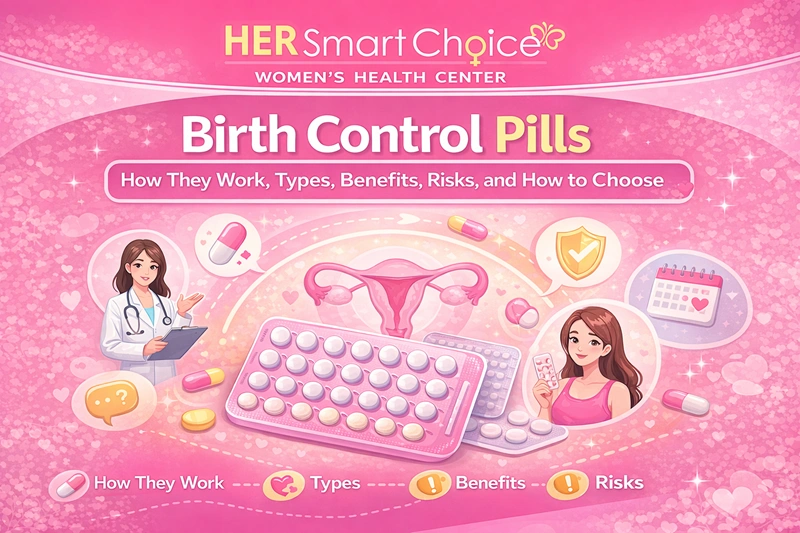
Birth control pills are a widely used hormonal method that prevent pregnancy by changing the cycle of reproductive hormones. This guide walks you through how pills work, the main types available, the benefits and possible side effects, and practical tips for picking a method that fits your life. If you’re sorting through options or want a clearer picture of what to expect, this article brings the facts together in plain, trustworthy language.
Birth control pills prevent pregnancy mainly by changing hormone levels so ovulation doesn’t occur. Most pills combine estrogen and progestin; together they interrupt the hormonal signals that trigger an egg’s release. The hormones also thicken cervical mucus to slow or block sperm and thin the lining of the uterus, making it less likely a fertilized egg could implant. For more information, visit choose the right pill a comprehensive guide to birth control pills in los angeles.
How do hormones prevent ovulation?
Estrogen and progestin act on the brain’s reproductive hormones to stop the normal cycle that leads to ovulation. Estrogen lowers follicle-stimulating hormone (FSH), which prevents egg development, while progestin suppresses the luteinizing hormone (LH) surge that would trigger an egg’s release. Without that hormonal cascade, the ovaries typically don’t release an egg. For more information, you can check out do you still ovulate on birth control.
How do pills change cervical mucus and the uterus lining?
The progestin in pills thickens cervical mucus, which creates a barrier that’s harder for sperm to cross. At the same time, the uterine lining becomes thinner, so even if fertilization happened, the environment is less welcoming for implantation. These effects work together to lower the chance of pregnancy.
What types of birth control pills are there?
Oral contraceptives fall into two main groups: combination pills (estrogen + progestin) and progestin-only pills. Each has different strengths and fits different health needs and life situations.
Combination pills — how they vary
Combination pills include both estrogen and progestin and come in several dose patterns: monophasic, biphasic, and triphasic. These formats change how hormones are delivered across your cycle to balance effectiveness and side effects. For more information, visit the types of birth control methods.
Type
Description
Effectiveness
Monophasic
Same hormone dose every active pill throughout the cycle
91-99%
Biphasic
Two different hormone doses during the cycle
91-99%
Triphasic
Three varying hormone doses across the cycle
91-99%
These options let prescribers match a pill’s hormone pattern to your hormonal methods and preferences, which can help reduce side effects for some people.
Progestin-only pills — who they’re for
Progestin-only pills (the “mini‑pill”) contain no estrogen and are a good choice for people who can’t take estrogen — for example, some breastfeeding parents or those with certain medical risks. They require consistent timing (taken at roughly the same time every day) to stay effective.
Clinical reviews underline specific benefits and considerations for progestin-only pills.
Progestin-Only Pills: Benefits, Suitability & Side Effects This review looks at progestin-only oral contraceptives (POPs), noting they are especially suitable for people with contraindications to estrogen, breastfeeding parents, and older users. The authors describe advantages such as lower overall hormone exposure and no negative impact on breast milk, while also pointing out challenges like the need for strict daily timing and possible irregular bleeding. Progestin-only oral contraception: a comprehensive review, 1994
What benefits can birth control pills offer?
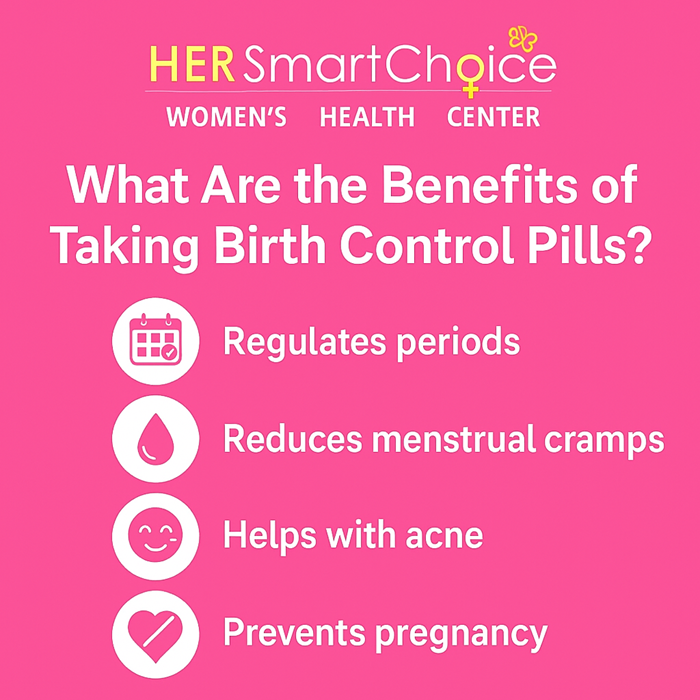
Beyond preventing pregnancy, many people choose pills for predictable cycles and relief from menstrual symptoms. Here are common advantages to consider.
Reliable pregnancy prevention: When taken correctly, pills are highly effective — typical-use effectiveness is around 91%.
More predictable periods: Pills can make irregular cycles more regular and easier to plan around.
Less menstrual pain and bleeding: Many users notice lighter periods and fewer cramps.
Other health benefits: Pills can improve acne, help manage symptoms of PCOS, and are linked to lower risk for some gynecologic cancers.
Research also documents a range of therapeutic benefits from hormonal birth control beyond pregnancy prevention.
Non-Contraceptive Benefits of Hormonal Birth Control Evidence shows combined hormonal contraception (CHC), particularly extended‑cycle regimens, can significantly reduce heavy bleeding, pelvic pain, menstrual migraines, and mood symptoms for many users. The levonorgestrel IUD (LNG IUD) often provides even greater reductions in bleeding and pain for some people. CHC and LNG IUDs are associated with lower rates of certain gynecologic cancers, and CHC may help treat hyperandrogenism when newer progestins are used. Clinical data continue to refine our understanding of wider health effects. Non-contraceptive benefits of hormonal contraception: Established benefits and new findings, 2017
Knowing these added benefits can help you and your provider weigh options beyond contraception alone.
What side effects and risks should I know about?
While most people use pills without serious problems, there are side effects and risks to consider. Talk with a clinician about which risks apply to you.
Common side effects
Common, usually temporary side effects include:
Nausea: Mild nausea can occur, especially when you first start a pill.
Headaches: Some people notice more frequent headaches or migraines with hormonal changes.
Mood changes: A subset of users report mood shifts or emotional changes after starting a pill.
Many of these ease within a few months. If they don’t, your clinician can suggest alternatives.
Blood clots: Pills slightly raise clot risk, particularly for people who smoke or are over 35.
Stroke: The risk of stroke can increase in certain groups, notably smokers and older users.
Heart attack: People with certain heart conditions — and smokers over 35 — have a higher risk of cardiovascular events.
Regular medical check-ups and honest conversations about your health and habits help reduce these risks.
How do I choose and use birth control pills safely?
Picking the right pill is a personal decision that a healthcare provider can support, taking your medical history and goals into account.
How providers help choose the right pill
Clinicians will consider factors such as:
Health history: Personal and family medical conditions affect which pills are safe.
Lifestyle: Smoking, age, and daily routines influence the best choice.
Desired outcomes: If you want acne control, lighter periods, or other benefits, tell your provider so they can tailor recommendations.
Best practices for taking pills
To get the most protection and reduce side effects, follow these practical tips:
Take your pill at the same time every day: Consistency helps maintain steady hormone levels.
Use reminders: Alarms or pill organizers make daily use easier to stick to.
Get guidance for missed doses: If you miss a pill, follow the instructions that came with your pack or contact your provider — you may need a backup method for a short time.
Following these habits improves effectiveness and gives you clearer results to discuss at follow-up visits.
Common questions and myths
There’s a lot of misinformation about pills. Here are clear answers to common concerns.
Do birth control pills cause weight gain or affect long‑term fertility?
Most research shows pills do not cause significant, lasting weight gain; some people notice small, temporary changes. Fertility usually returns quickly after stopping the pill — most people resume normal ovulation within one to three months.
Do birth control pills protect against STIs?
No — pills don’t prevent sexually transmitted infections. To reduce STI risk, use condoms or other barrier methods in addition to hormonal contraception.
Frequently Asked Questions
What should I do if I miss a dose of my birth control pill?
If you miss a pill, what to do depends on how long it’s been. If it’s under 24 hours, take the missed pill as soon as you remember and continue your pack. If more than 24 hours have passed, follow the instructions that came with your pill or contact your healthcare provider — you may need to use backup contraception temporarily.
How long does it take for birth control pills to become effective?
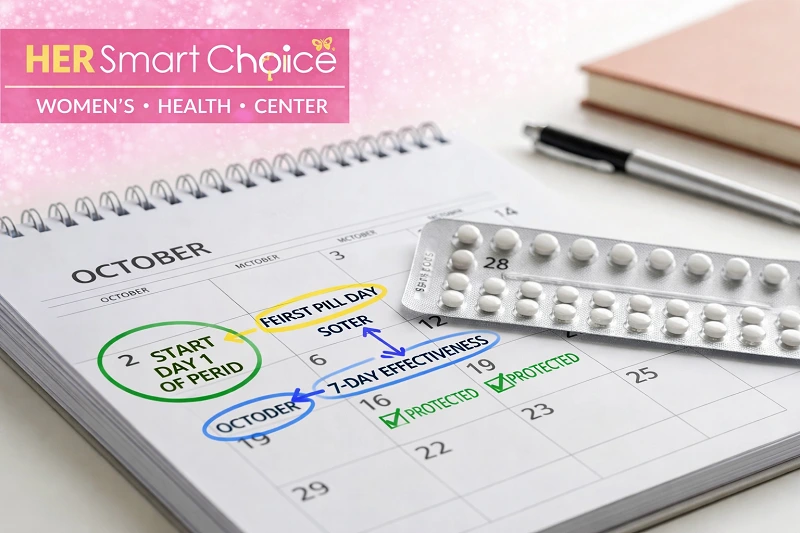
If you start taking pills at the beginning of your menstrual cycle, they typically become effective after about 7 days. If you start at another time in your cycle, it can take longer, so use a backup method like condoms during that initial period for full protection.
Can I take birth control pills if I smoke?
Smoking increases the risk of serious side effects from combined hormonal pills, especially for people over 35. It’s important to discuss your smoking status with a provider, who can recommend the safest contraceptive options for you.
Are there any long-term effects of using birth control pills?
Long-term use is generally safe for most people, but some studies note possible increased risks for conditions such as blood clots and certain cancers. Regular check-ups with your provider help monitor your health and address any long-term concerns.
What should I do if I experience side effects from birth control pills?
If you have side effects like nausea, headaches, or mood changes, talk with your healthcare provider. They can help determine whether side effects will subside, whether switching formulations might help, or if a different method is a better fit. Don’t stop abruptly without professional guidance.
Can birth control pills affect my mood or mental health?
Some people notice mood or emotional changes while on hormonal contraception. If you have a history of depression or anxiety, discuss this with your provider before starting. Monitor your symptoms and report any significant changes so your care team can support your mental well‑being.
Conclusion
Understanding how birth control pills work and the pros and cons of each type helps you make confident choices about reproductive care. Pills can offer reliable pregnancy prevention and meaningful non‑contraceptive benefits, but the right choice depends on your health, habits, and goals. Talk with a healthcare professional to review your options, weigh risks, and find a method that fits your life. When in doubt, reach out — a short conversation with a clinician can make a big difference in choosing the right path.
Choosing the right birth control method is a deeply personal decision that affects physical health, emotional well-being, and long-term life planning. According to data from the Centers for Disease Control and Prevention, the majority of people capable of pregnancy in the United States use some form of contraception during their reproductive years. Yet confusion remains common. Many patients report uncertainty about how different birth control methods work, how effective they are in real life, and which side effects are normal versus concerning.
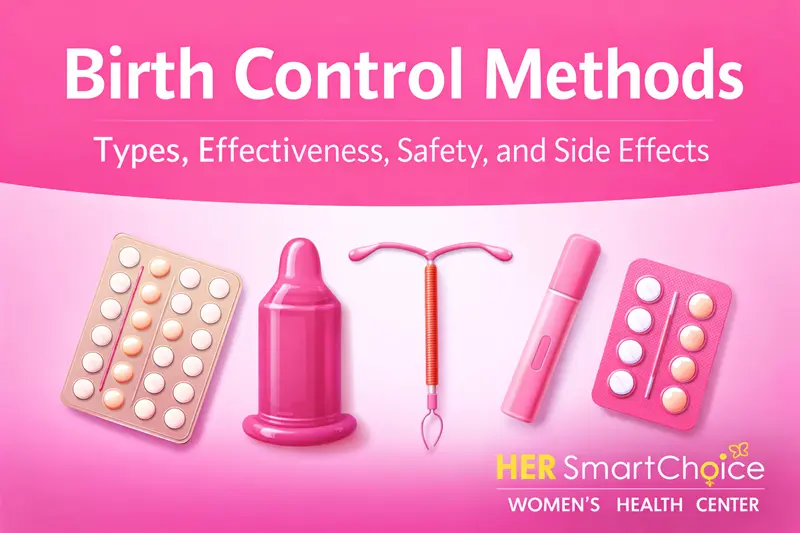
Birth control methods include a wide range of hormonal and non-hormonal options designed to prevent pregnancy safely and effectively. Some methods are taken daily, others work for months or years, and some are used only when needed. Each option carries its own effectiveness profile, safety considerations, and potential side effects.
This guide explains the main types of birth control methods, how effective they are with perfect and typical use, what research says about safety, and what side effects may occur. It also addresses emergency contraception, STI protection limitations, and when to seek medical advice. The goal is to help readers make informed decisions in partnership with a qualified healthcare provider, including clinicians at Her Smart Choice who provide confidential, evidence-based birth control care in Los Angeles through in-person and telehealth services.
What Are Birth Control Methods
Birth control methods are medical or behavioral approaches used to prevent pregnancy. Most methods work by stopping ovulation, preventing fertilization, or blocking implantation. Some rely on hormones that affect the reproductive cycle, while others use physical barriers or timing-based strategies.
Hormonal birth control methods typically contain estrogen, progestin, or both. These hormones suppress ovulation, thicken cervical mucus to block sperm, and thin the uterine lining. Non-hormonal birth control methods rely on physical barriers, copper-based mechanisms, or fertility awareness rather than hormones.
It is important to distinguish birth control from sexually transmitted infection prevention. Most birth control methods do not protect against STIs. Barrier methods like condoms reduce STI risk, while hormonal methods, IUDs, implants, and emergency contraception do not. The Centers for Disease Control and Prevention recommends using condoms alongside other birth control methods when STI protection is needed.
Types of Birth Control Methods
Birth Control Pills
Birth control pills are among the most widely used contraceptive methods. They are taken daily and contain either a combination of estrogen and progestin or progestin alone.
Combination pills prevent ovulation and regulate menstrual cycles. Progestin-only pills primarily thicken cervical mucus and may suppress ovulation in some users. According to a 2023 review in the New England Journal of Medicine, birth control pills are over 99 percent effective with perfect use but closer to 91 percent effective with typical use due to missed doses.
Common side effects may include nausea, breast tenderness, spotting between periods, and mild headaches. Serious complications such as blood clots are rare but more likely in smokers over age 35 or those with certain medical conditions. These risks are discussed in more detail in cluster content such as birth control and blood clot risk and does birth control cause weight gain.
Birth Control Patch
The birth control patch delivers hormones through the skin. It is applied weekly for three weeks followed by one patch free week. Its mechanism and hormone profile are similar to combination birth control pills.
Research published in Obstetrics and Gynecology indicates that the patch has similar effectiveness to pills when used correctly. Typical use effectiveness is about 91 percent. Skin irritation and breast tenderness are among the more common side effects. Like pills containing estrogen, the patch may slightly increase blood clot risk in certain populations.
Birth Control Shot
The birth control shot contains a progestin injection given every three months. It works primarily by suppressing ovulation.
Studies cited by the World Health Organization show that the shot is more than 99 percent effective with perfect use and about 94 percent effective with typical use. Some users experience irregular bleeding, weight changes, or delayed return to fertility after stopping. Bone density changes have also been observed, particularly with long term use, which is why clinicians often review duration carefully.
Birth Control Implant
The birth control implant is a small rod placed under the skin of the upper arm that releases progestin for up to three years. It is one of the most effective birth control methods available.
According to a large cohort study published in The Lancet, implants have a failure rate of less than 1 percent. Because it does not require daily or monthly action, typical use effectiveness is nearly identical to perfect use. Side effects may include irregular bleeding patterns, headaches, or mood changes. Detailed comparisons appear in cluster topics such as birth control implant explained and birth control pill vs implant.
Intrauterine Devices
IUDs are small devices placed in the uterus by a trained clinician. There are hormonal and copper options.
Hormonal IUDs release progestin and can last three to eight years depending on the type. Copper IUDs contain no hormones and can prevent pregnancy for up to ten years. Research published in JAMA shows that both types have effectiveness rates exceeding 99 percent.
Hormonal IUDs often reduce menstrual bleeding and cramps, while copper IUDs may initially increase bleeding and cramping. Serious complications such as uterine perforation are rare. Further distinctions are addressed in cluster content like IUD types and differences and IUD vs birth control pill.
Barrier Methods
Barrier methods include male condoms, female condoms, diaphragms, and cervical caps. They physically block sperm from reaching the egg.
Male condoms are approximately 98 percent effective with perfect use and about 87 percent effective with typical use, according to CDC data. Condoms are unique among birth control methods because they reduce the risk of many STIs. Diaphragms and cervical caps are less effective and require proper fitting and spermicide use.
Fertility Awareness Methods
Fertility awareness-based methods involve tracking menstrual cycles, body temperature, and cervical mucus to avoid intercourse during fertile periods.
Effectiveness varies widely. A 2022 review in BMJ reported typical use failure rates ranging from 2 percent to over 20 percent depending on the method and user consistency. These approaches require education, daily monitoring, and regular cycles.
Emergency Contraception
Emergency contraception is designed to prevent pregnancy after unprotected sex or contraceptive failure. Options include levonorgestrel pills taken within three days and ulipristal acetate taken within five days. Copper IUD placement within five days is the most effective form.
Emergency contraception does not terminate an existing pregnancy. The Food and Drug Administration states that these methods primarily delay ovulation. Side effects are generally mild and may include nausea or temporary menstrual changes. Emergency contraception is not intended for routine use and does not protect against STIs.
Birth Control Effectiveness
Birth control effectiveness is measured using perfect use and typical use. Perfect use reflects how a method performs when used exactly as prescribed. Typical use accounts for real world factors such as missed pills or delayed appointments.
Long-acting reversible contraceptives like implants and IUDs have the smallest gap between perfect and typical use. Methods requiring daily or situational action show larger differences. Understanding this distinction helps patients choose options aligned with their lifestyle and preferences. A dedicated discussion appears in the cluster topic, perfect use vs typical use effectiveness.
Birth Control Safety and Side Effects
Most birth control methods are safe for the majority of users. However, individual health factors matter. According to guidance from the American College of Obstetricians and Gynecologists, clinicians consider age, smoking status, migraine history, blood pressure, and medical conditions when recommending contraception.
Common side effects include nausea, breast tenderness, spotting, and changes in menstrual flow. These often improve within the first three months. Less common but serious risks include blood clots with estrogen-containing methods and infection risk during IUD insertion.
Mood changes and weight concerns are frequently discussed. Research published in JAMA Psychiatry suggests that some hormonal methods may be associated with mood symptoms in certain individuals, though causation remains an area of ongoing study. Evidence on weight gain is mixed, with stronger associations seen with the birth control shot than with pills or IUDs.
Switching Birth Control Methods Safely
Switching birth control methods may be appropriate due to side effects, lifestyle changes, or evolving health needs. Clinicians often recommend overlapping methods or using backup contraception during transitions to avoid gaps in protection.
The cluster topic how to switch birth control methods safely explores timing strategies in more detail. Missing pills or delayed injections can reduce effectiveness, which is why guidance such as what happens if you miss a birth control pill is important for ongoing care.
Accessing Birth Control in Los Angeles
Access to birth control varies by location, insurance coverage, and clinic availability. In Los Angeles, clinics like Her Smart Choice provide a range of birth control methods including pills, IUDs, implants, patches, and shot options. Services may include same-day appointments, low-cost or confidential care, and telehealth consultations depending on eligibility.
Local access matters because follow-up, method changes, and side effect management often require ongoing clinical support. Patients are encouraged to choose providers who offer counseling tailored to individual health needs and preferences.
Frequently Asked Questions
How effective are birth control methods overall?
The most effective birth control methods are implants and IUDs, which prevent over 99 percent of pregnancies with typical use. Pills, patches, and shots are highly effective when used correctly but have higher failure rates with typical use due to missed doses or delays.
Does birth control protect against STIs?
Most birth control methods do not protect against sexually transmitted infections. Condoms are the primary method that reduces STI risk. Using condoms along with another birth control method provides both pregnancy and infection p/rotection.
Is emergency contraception safe to use?
Emergency contraception is considered safe for most people and does not affect future fertility. It works best when taken as soon as possible after unprotected sex. Side effects are usually mild and temporary.
Can birth control cause weight gain?
Research suggests that most hormonal birth control methods do not cause significant weight gain. The birth control shot has shown a stronger association with weight changes in some users. Individual responses vary.
How long does it take for birth control to work?
Some methods like IUDs and implants work immediately when placed at the correct time in the cycle. Pills and patches may require seven days of backup protection depending on when they are started.
When should I see a doctor about side effects?
Seek medical care if you experience severe headaches, chest pain, shortness of breath, leg swelling, or vision changes. Persistent or disruptive side effects should also be discussed with a healthcare provider.
Can teens use birth control safely?
Major medical organizations state that most birth control methods are safe for adolescents. Confidential counseling and education help teens choose appropriate options based on health and lifestyle.
Medical Disclaimer and Conclusion
This article is for informational purposes only and does not constitute medical advice. Always consult with a qualified healthcare provider for diagnosis and treatment.
Birth control methods offer safe and effective ways to prevent pregnancy when chosen thoughtfully and used correctly. Options range from daily pills to long-acting devices that work for years, each with unique benefits and considerations. Understanding effectiveness, safety, and side effects helps individuals make informed decisions aligned with their health goals.
Whether exploring birth control for the first time or considering a switch, professional guidance is essential. Clinics like Her Smart Choice in Los Angeles provide evidence-based counseling and access to multiple birth control methods, supporting patients in choosing options that fit their bodies, lives, and futures.
Choosing a birth control method often comes down to one central question. How well does it work in real life? For many women, the birth control patch offers an appealing balance of effectiveness, convenience, and hormonal regulation without the need for a daily pill. Yet confusion remains around how effective the patch truly is, especially when comparing perfect use with typical use.
According to the Centers for Disease Control and Prevention, millions of women in the United States rely on hormonal contraception each year, but unintended pregnancy rates still vary widely depending on how consistently a method is used. Understanding the difference between theoretical effectiveness and real-world outcomes is critical when deciding whether the birth control patch fits your lifestyle and health needs.
This article explains how effective the birth control patch is under perfect and typical use, how it works in the body, and what factors, such as weight, missed patch changes, and placement, can influence its reliability. We also explore the effectiveness of the commonly prescribed patch Xulane and answer common questions women search for when considering this option.
What Is the Birth Control Patch?
The birth control patch is a prescription hormonal contraceptive worn on the skin. It delivers two hormones, estrogen and progestin, into the bloodstream through transdermal absorption. These hormones are similar to those used in many combination birth control pills.
The patch works by preventing ovulation, thickening cervical mucus to block sperm, and thinning the uterine lining to reduce the likelihood of implantation. When used correctly, these combined mechanisms offer strong pregnancy prevention.
In the United States, the most commonly prescribed patch is Xulane. It is worn once a week for three consecutive weeks, followed by a patch-free week during which a withdrawal bleed typically occurs. Unlike daily oral contraceptives, the patch only requires weekly attention, which many users find easier to manage.
The birth control patch is sometimes confused with long-acting contraceptives like implants or injections, but it requires regular user action. This distinction matters because effectiveness depends heavily on consistent and correct use.
How Effective Is the Birth Control Patch?
Perfect Use Effectiveness
Perfect use refers to using the birth control patch exactly as directed without any errors. This means applying a new patch on the same day each week, ensuring proper adhesion, and starting new cycles on time.
With perfect use, the birth control patch is more than 99 percent effective. According to data cited by the CDC and supported by clinical trials, fewer than 1 out of 100 women will become pregnant during the first year of perfect use.
This level of effectiveness is comparable to combination birth control pills when taken exactly as prescribed. In controlled clinical settings, where adherence is closely monitored, pregnancy rates remain extremely low.
Typical Use Effectiveness
Typical use reflects how the patch is used in everyday life. This includes late patch changes, partially detached patches, or delays starting a new cycle after the patch-free week.
With typical use, the birth control patch is about 91 percent effective. This means approximately 9 out of 100 women may become pregnant during the first year of use. The gap between perfect and typical use highlights the importance of consistency.
Research published in the journal Contraception has shown that missed or delayed patch changes are among the most common reasons for contraceptive failure. Even small lapses can temporarily reduce hormone levels enough to allow ovulation.
Why Perfect Use and Typical Use Differ
The hormones in the birth control patch must remain at steady levels to suppress ovulation. When a patch is applied late or falls off for an extended period, hormone delivery may drop below the threshold needed to prevent pregnancy.
Unlike long-acting methods such as IUDs or implants, the patch relies on user behavior. Weekly routines, travel, illness, or simple forgetfulness can all affect typical use effectiveness.
That said, many women still prefer the patch because it requires less daily attention than pills and provides predictable cycles and symptom control.
Effectiveness of the Birth Control Patch Xulane
Xulane is currently the primary birth control patch available in the U.S. market. It contains ethinyl estradiol and norelgestromin and is approved by the U.S. Food and Drug Administration for pregnancy prevention.
Clinical trials reviewed by the FDA found that Xulane has similar effectiveness to combination oral contraceptives when used correctly. However, post-marketing data and real-world studies reinforce that effectiveness depends on proper weekly use.
Clinicians at Her Smart Choice note that many patients choose Xulane for its convenience and predictable routine, but counseling on correct use is essential to maintain its effectiveness.
Does Weight or BMI Affect Patch Effectiveness?
Body weight and body mass index can influence how hormonal contraceptives are absorbed and distributed.
According to FDA labeling, Xulane may be less effective in women who weigh 198 pounds or more. Some clinical trials observed higher pregnancy rates among users in higher weight categories, although the total number of participants in this group was limited.
Research published in Obstetrics and Gynecology suggests that increased body fat may alter hormone levels achieved with transdermal delivery. However, findings are not entirely consistent, and more research is ongoing.
Women with higher BMI should discuss contraceptive options with a healthcare provider to determine whether the birth control patch offers sufficient protection or if alternative methods may be more appropriate.
What Happens If You Miss or Delay a Patch Change?
Missed or delayed patch changes can significantly reduce effectiveness.
If a patch is late by less than 24 hours, protection is usually maintained, and the patch should be changed as soon as possible. If the delay exceeds 48 hours, backup contraception such as condoms is typically recommended for at least seven days.
CDC guidance emphasizes that ovulation can occur if hormone delivery is interrupted for too long. Emergency contraception may be considered if unprotected sex occurs during a lapse.
Understanding these timelines and having a plan in place can help reduce the risk of unintended pregnancy.
Where Can I Put My Birth Control Patch?
Proper placement is important for both adhesion and hormone absorption.
The birth control patch can be applied to clean, dry skin on the upper outer arm, abdomen, buttocks, or upper back. It should not be placed on the breasts or on irritated or broken skin.
Studies have shown that hormone absorption remains consistent across approved application sites. However, areas with frequent friction or sweating may increase the risk of the patch loosening or falling off.
Rotating placement sites each week may help reduce skin irritation while maintaining effectiveness.
Can the Patch Be Used While Breastfeeding?
The birth control patch contains estrogen, which may reduce milk supply in some breastfeeding women.
According to CDC guidelines, combined hormonal contraceptives are generally not recommended during the first three to six weeks postpartum, particularly for those who are breastfeeding. Progestin-only methods are often preferred during this time.
After milk supply is well established, some women may use the patch under medical guidance. Individual risk factors, including clot risk and breastfeeding goals, should be considered.
Other Factors That Can Affect Effectiveness
Several additional factors may influence how effective the birth control patch is.
Certain medications, including some anticonvulsants and antibiotics like rifampin, can reduce hormone levels. Severe vomiting or diarrhea does not affect the patch the same way it affects pills, which is a potential advantage.
Skin conditions or improper application may also interfere with adhesion. Checking the patch daily to ensure it remains fully attached is recommended.
Comparing the Patch to Other Birth Control Methods
When comparing effectiveness, the birth control patch falls in the same category as pills and vaginal rings under typical use. Long-acting reversible contraceptives such as IUDs and implants have higher typical use effectiveness because they do not rely on daily or weekly action.
However, effectiveness is only one consideration. Personal preference, side effect profile, cycle control, and non-contraceptive benefits all play a role in choosing the right method.
Living With the Birth Control Patch
Many women report improved cycle regularity, lighter periods, and reduced menstrual pain with patch use. These benefits may improve quality of life when the method is used consistently.
Setting reminders, linking patch changes to a weekly routine, and keeping spare patches on hand can help maintain perfect use habits.
Follow up with a healthcare provider is recommended to address side effects such as skin irritation, breast tenderness, or breakthrough bleeding, especially during the first few months of use.
Frequently Asked Questions
How effective is the birth control patch compared to the pill?
With perfect use, the patch and combination pills are similarly effective at over 99 percent. With typical use, both are about 91 percent effective. The patch may be easier for some women to use consistently because it only requires weekly changes rather than daily dosing.
Is the birth control patch effective if I am overweight?
Effectiveness may be reduced in women who weigh 198 pounds or more. FDA labeling for Xulane notes higher pregnancy rates in this group, although data is limited. Women with higher BMI should discuss alternative options with a healthcare provider.
Where can I put my birth control patch for the best results?
Approved sites include the upper arm, abdomen, buttocks, or upper back. These areas provide consistent hormone absorption. The patch should not be placed on the breasts or irritated skin, and placement should be rotated to reduce irritation.
Is Xulane more effective than other birth control methods?
Xulane is not more effective than other combination methods when comparing typical use. It offers similar protection to pills and rings but requires consistent weekly use to maintain effectiveness.
What happens if my patch falls off?
If the patch falls off for less than 24 hours, reapply or replace it immediately. If it has been off for more than 48 hours, backup contraception is usually needed for seven days. Emergency contraception may be considered depending on timing.
Can I get pregnant during the patch-free week?
When used correctly, the risk during the patch-free week is low. Hormone levels remain sufficient to prevent ovulation. Starting the next patch cycle on time is critical to maintain protection.
Does the patch protect against sexually transmitted infections?
No. The birth control patch does not protect against sexually transmitted infections. Condoms are recommended for STI prevention regardless of contraceptive method.
The birth control patch is a highly effective contraceptive option when used correctly, with perfect use effectiveness exceeding 99 percent. Typical use effectiveness is lower due to missed or delayed patch changes, highlighting the importance of consistency. Factors such as weight, breastfeeding status, and medication interactions can also influence reliability. Understanding these variables empowers women to make informed decisions about their reproductive health and choose a method that aligns with their lifestyle and medical needs.
Spotting on birth control — often called breakthrough bleeding — means light vaginal bleeding or brown discharge that appears between expected periods or instead of a full flow. It’s a common response to changes in hormonal contraception. This article breaks down what spotting looks like, the biology behind it, how often it happens with different methods, when it’s usually harmless, and when to seek medical care. If spotting feels worrying or lasts longer than you'd expect, Her Smart Choice offers supportive, non-promotional guidance and care navigation to help you decide if a clinical evaluation is needed. Many people go through an adjustment phase in the first months after starting or switching methods; knowing typical timelines, common causes, and practical steps can ease anxiety and help keep contraception effective. Below you’ll find clear definitions, cause-and-effect explanations, method-by-method comparisons, red-flag signs, practical ways to reduce spotting, and a description of how Her Smart Choice can support you with personalized reproductive health questions.
Is Spotting on Birth Control Normal? Understanding Breakthrough Bleeding
Spotting — medically called breakthrough bleeding — is most often a harmless response to hormonal shifts from contraception and usually improves within about three to six months after starting or changing a method. It happens because the uterine lining (the endometrium) becomes unstable when hormone levels fluctuate or when progestin is dominant, causing light, irregular bleeding rather than a full menstrual bleed. When contraception is used correctly, spotting rarely means the method has failed; however, bleeding that continues beyond the typical adjustment window or occurs with “red-flag” symptoms should be checked. Current guidance (as of 2024) notes that many low-dose and progestin-only regimens produce transient spotting while the body adapts, and clinicians often recommend observing for a few cycles before making changes. This section explains what spotting usually looks like and how common it is so you know what to expect.
How spotting usually differs from a period:
Light brown or pink staining rather than a steady bright red flow that needs protection.
Short, intermittent episodes lasting hours to a few days instead of the 3–7 days of a typical period.
Irregular timing — often outside the withdrawal-bleed window for combined pills.
What is Spotting and How Does It Differ from Menstrual Bleeding?
Spotting is usually scant bleeding or brown discharge that reflects older blood. A menstrual period is a coordinated shedding of the full uterine lining and shows as a heavier, brighter red flow. Mechanistically, spotting comes from localized endometrial instability or minor surface shedding, while a period follows a predictable hormonal withdrawal that causes a more complete lining breakdown. In practice, spotting rarely soaks a pad or tampon and often appears as a few drops or light staining in underwear; it can be intermittent and unpredictable. Recognizing these visual and timing differences helps you tell harmless breakthrough bleeding apart from heavier or abnormal bleeding that may need evaluation.
How Common is Spotting During Birth Control Use?
How often spotting happens depends on the method and timing. Up to half of new combined oral contraceptive users report some breakthrough bleeding in the first three months, while progestin-only methods and implants can cause irregular bleeding for a longer period. Factors that increase spotting include ultra‑low‑dose estrogen pills, missed or late pills, smoking, and medicines that change hormone metabolism. Most breakthrough bleeding decreases as the lining stabilizes; many people see improvement by three to six months, although progestin-only users may experience more persistent irregularity. Knowing these prevalence ranges can help you decide when to monitor and when to seek a method change or medical evaluation.
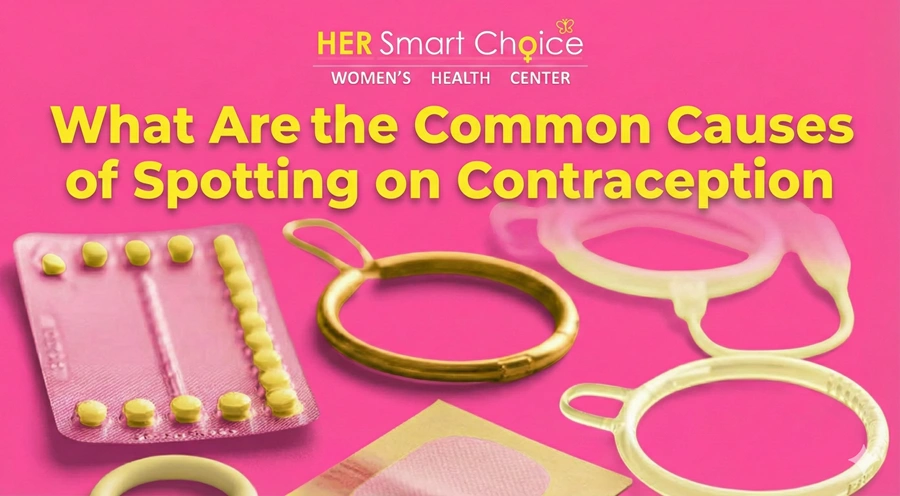
What Are the Common Causes of Spotting on Contraception?
Spotting while on contraception can stem from several causes: hormonal adjustment, inconsistent dosing, drug interactions that lower hormone levels, or unrelated medical issues. Identifying the cause directs the right response. Progestin tends to thin the endometrium, making it prone to small breaks; missed or late pills create abrupt hormone dips that trigger bleeding; and conditions such as pregnancy, STIs, polyps, or fibroids can also cause irregular bleeding. Below are the most frequent causes and a quick table that links cause, mechanism, and expected timeline to help set realistic expectations.
Common causes include:
Hormonal adjustment after starting or switching contraception.
Missed, late, or interacting medications that reduce hormone levels.
Pregnancy-related bleeding (including implantation) and infections.
Structural issues such as fibroids or polyps that cause irregular bleeding.
The following table summarizes cause, mechanism, and expected timeline so you can match symptoms to likely explanations and next steps.
Different causes produce spotting through specific biological mechanisms and tend to follow predictable timelines.
Cause
Mechanism
Typical Timeline
Hormonal adjustment (start/switch)
Endometrial instability from progestin or low estrogen
Days–months; often improves within 3–6 months
Missed or late pills / drug interactions
Acute drop in circulating hormones causing breakthrough bleeding
Immediate to 1–2 cycles; consider a pregnancy test if several pills were missed
Pregnancy or implantation bleeding
Early placental changes can cause light bleeding
Early pregnancy timing; evaluate promptly if suspected
Infection (STI)
Local inflammation and a fragile cervix lead to irregular spotting
Days–weeks; treatable with appropriate therapy
Fibroids or polyps
Local structural bleeding from lesions
Ongoing until lesion is treated or removed
How Do Hormonal Adjustments Lead to Spotting?
Hormonal adjustments cause spotting because progestin-rich states thin the endometrium, creating a fragile surface that can bleed with small hormonal shifts or minor irritation. When estrogen is low or fluctuates, tiny blood vessels in the superficial lining may break and produce light bleeding rather than a coordinated menstrual withdrawal. This is common with ultra‑low‑dose combined pills or after switching to progestin-only methods; the lining needs time to remodel to the new hormone environment. For most people, reassurance and watchful waiting for about three months is reasonable unless bleeding is heavy or accompanied by worrying symptoms — in which case further evaluation is needed. This mechanism also explains why short-term estrogen supplementation under provider supervision sometimes helps selected patients.
Can Missed or Late Pills Cause Breakthrough Bleeding?
Yes. Missing or taking pills late disrupts the steady hormone levels that keep the lining stable. Sudden drops in hormones often trigger spotting or heavier breakthrough bleeding. What to do right away depends on the pill type and timing, but common guidance is to take the most recent missed pill as soon as you remember and use backup protection if multiple pills were missed. If you had unprotected sex during the lapse, a pregnancy test may be appropriate. Occasional light spotting after a single missed pill doesn’t always mean contraceptive failure, but repeated lapses raise both bleeding irregularity and pregnancy risk. Consistent daily dosing and checking for drug interactions are important preventive steps.
How Does Spotting Vary by Types of Birth Control?
Bleeding patterns vary because each delivery method and hormone mix affects the endometrium and systemic levels differently. Progestin-only methods (pills, implants, hormonal IUDs, injectables) commonly cause more unpredictable spotting because they create a chronically thin, fragile lining. Combined estrogen–progestin methods usually cause spotting mainly during the initial adjustment period. The copper IUD, being non-hormonal, typically increases menstrual bleeding rather than causing isolated spotting. The table below compares typical spotting patterns and helpful notes for common methods.
The following table compares methods so you can anticipate likely experiences and discuss options with your provider.
Method
Typical Spotting Pattern
Prevalence / Notes
Combined oral contraceptives (COC)
Early-cycle spotting that usually settles within ~3 months
Common — up to about 50% of new users with low-dose pills
Progestin-only pill (POP)
Irregular, often unpredictable spotting
Greater long-term irregularity compared with COC
Hormonal IUD
Irregular spotting initially; periods often lighter over time
Spotting common first 3–6 months; bleeding often reduces later
Copper IUD
Generally heavier menstrual bleeding, less isolated spotting
May increase flow and cramping
Implant
Frequent irregular spotting early and sometimes long-term
High early irregular bleeding; many improve over months
Depo-Provera shot
Irregular bleeding or prolonged spotting; some develop amenorrhea
Patterns vary; irregularity common in initial months
What Spotting Patterns Are Associated with Oral Contraceptives?
Combined pills commonly cause breakthrough spotting early as the body adjusts to exogenous estrogen and progestin. Many users see improvement within three cycles as the lining stabilizes. Low‑dose or ultra‑low‑dose estrogen pills are more likely to cause early spotting because the estrogen may not be enough to stabilize the lining right away. Progestin‑only pills often cause more persistent, unpredictable bleeding that can last beyond six months for some people. Knowing these patterns helps decide whether to wait a few cycles or consider an earlier change.
How Do IUDs, Implants, and Other Devices Affect Spotting?
Hormonal devices like levonorgestrel IUDs and implants often cause irregular spotting in the first months because of local progestin effects on the lining; many people using an IUD later report lighter periods or no periods at all, while implants may continue to produce irregular bleeding longer. The copper IUD usually increases overall menstrual bleeding and cramping rather than causing isolated spotting — an important distinction when choosing between hormonal and non‑hormonal options. Injectable contraceptives also change bleeding patterns: some users have irregular or prolonged bleeding, others develop amenorrhea with continued use. These device-specific expectations help guide counseling and decisions about continuing or changing methods.
When Should You Worry About Spotting on Birth Control? Signs to Seek Medical Advice
Most spotting is harmless, but certain signs call for prompt clinical assessment because they suggest infection, significant blood loss, or other problems. Red flags include heavy bleeding that soaks a pad or tampon every hour, severe pelvic pain, fever, persistent bleeding lasting longer than one to two weeks, bleeding after sex, or pregnancy symptoms such as a missed period and nausea. The short triage checklist and table below connect symptoms to urgency and suggested actions so you can decide whether to seek urgent care, schedule a routine appointment, or monitor at home. If you’re unsure, contacting a clinician for personalized advice is appropriate.
Key red-flag symptoms to watch for include:
Heavy bleeding or passing large clots, or rapid saturation of protection.
Severe pelvic or abdominal pain, dizziness, or fainting sensations.
Fever, foul-smelling discharge, or other signs of infection.
Bleeding that continues beyond about two weeks or bleeding after sex.
These signals help distinguish harmless adjustment bleeding from conditions that need immediate attention. The next table pairs symptoms with recommended actions.
Symptom
Why it's Concerning
Suggested Action
Heavy bleeding (soaking pad/hour or large clots)
Risk of significant blood loss and anemia
Seek urgent care or ER evaluation
Severe pelvic pain or fainting
Possible torsion, infection, or ectopic pregnancy
Urgent evaluation and imaging as needed
Fever, foul discharge
Suggests pelvic infection or PID
Contact provider promptly for testing and treatment
Bleeding >2 weeks or postcoital bleeding
May indicate structural lesions like polyps or other disease
Schedule evaluation within 1–2 weeks; consider ultrasound
What Are Red Flag Symptoms Like Heavy Bleeding or Severe Pain?
Heavy bleeding — defined as saturating a pad or tampon in an hour or passing large clots — can lead to anemia or hemodynamic instability if it continues and should prompt emergency care. Severe pain that disrupts daily life or comes with faintness or low blood pressure is another urgent warning sign; it could mean ectopic pregnancy, ovarian torsion, or a serious infection. Fever and foul-smelling discharge point to pelvic inflammatory disease or another infection that needs antibiotics and evaluation. Recognizing these signs and acting quickly reduces risk and speeds diagnosis and treatment.
When is It Important to Consult a Healthcare Provider?
Contact your healthcare provider promptly if spotting is paired with any red-flag signs, if bleeding lasts longer than about two weeks, or if you suspect pregnancy despite contraception. During an evaluation, clinicians typically do a pregnancy test, STI screening, pelvic exam, and pelvic ultrasound when indicated to look for causes such as retained tissue, structural lesions, or ectopic pregnancy. For persistent but non‑urgent spotting, schedule a routine appointment within one to two weeks so problems can be investigated without an unnecessary ER visit. Preparing a concise symptom log — dates, bleeding description, related symptoms, and contraceptive details — helps clinicians triage faster and more accurately.
Right after listing when to consult, it helps to know what supportive options exist for triage and care navigation.
Her Smart Choice can assist with triage and connect you to appropriate clinical care when spotting raises concern, offering non‑promotional guidance to help decide whether you need urgent care or routine evaluation.
How to Stop Spotting on Birth Control: Effective Management and Prevention Tips
Reducing or stopping spotting starts with consistent, correct use of your method and addressing modifiable factors like smoking or interacting medications. Providers may suggest short‑term measures such as NSAIDs for cramping, temporary estrogen supplementation for select combined‑pill users, or changing to a different formulation or method if bleeding persists and affects quality of life. Medication reviews, lifestyle adjustments, and clear guidance on missed‑dose management are practical first steps that help people minimize irregular bleeding. Below are concrete actions and common medical options used to manage persistent spotting.
Practical actions to reduce spotting include:
Stick to a strict dosing schedule for pills — set daily reminders to avoid missed doses.
Review all prescription, over‑the‑counter medicines, and supplements with a clinician to spot interactions.
Consider smoking cessation and healthy weight management as part of long‑term stabilization.
What Lifestyle Changes Can Reduce Spotting?
Smoking speeds the breakdown of some hormones and is linked to more breakthrough bleeding, so quitting often improves bleeding patterns and has wide health benefits. Stabilizing weight and eating a balanced diet can support steady hormone balance for some people. Reviewing OTC and prescription medicines — especially enzyme‑inducing drugs — with a clinician can identify interactions that lower contraceptive hormone levels and trigger spotting. Pairing these lifestyle steps with consistent contraceptive use supports long‑term stability and may reduce the need for medical changes.
What Medical Treatments or Adjustments Help Manage Spotting?
If lifestyle measures aren’t enough, clinicians might recommend short‑term estrogen supplementation, a temporary course of combined pills, or switching to a formulation with more estrogen to stabilize the lining for combined‑method users. For progestin‑only users, options include trying a different progestin formulation, switching to a combined method if appropriate, or treating any underlying condition found on evaluation. NSAIDs can reduce bleeding‑related prostaglandins and relieve cramping; surgical or procedural options address structural causes like polyps or fibroids. Any medication or method change should be supervised by a healthcare provider to keep contraception safe and effective. What are the types of birth control methods?
How Can Her Smart Choice Support You with Spotting on Birth Control?
Her Smart Choice provides supportive, evidence‑informed reproductive health guidance focused on education, triage, and care navigation — not on prescribing treatment directly. We help users interpret spotting patterns and connect them to appropriate care. Services include clear educational resources about common bleeding patterns, clinician consultations for personalized assessment and contraceptive counseling, and referrals or care navigation to local providers for in‑person testing or procedures. Our role is to reassure, clarify options, and help prioritize urgency so people get timely evaluation when needed. If you’re unsure whether your spotting needs immediate attention, Her Smart Choice can help you organize your symptom history, identify red flags, and suggest the best next step.
What Services and Guidance Does Her Smart Choice Provide?
Her Smart Choice offers a range of supportive services: educational materials about contraception and bleeding patterns, structured triage conversations to assess urgency, and clinician-led consultations for personalized counseling. We also help with care navigation and referrals when diagnostic testing, imaging, or in‑person treatment is required, connecting you to appropriate clinical resources while emphasizing patient-centered, evidence‑based decision-making. These services are designed to supplement clinical care by improving understanding and helping people prepare for effective medical evaluations. For many users, this supportive pathway reduces anxiety and speeds access to the right level of care.
How to Access Personalized Reproductive Health Support?
To get the most from a consultation, prepare a brief symptom log with dates of spotting, a description of bleeding and any clots, your contraceptive method and how you’ve been using it, and any symptoms such as pain or fever. In a triage or consultation session, expect a focused review of your history, a discussion of likely causes, and clear recommendations — whether that’s urgent evaluation, routine follow‑up, or conservative management. Her Smart Choice helps by outlining what clinicians will want and by recommending next steps, whether that means watching for a few cycles, scheduling tests, or arranging referrals. Documenting your experiences and questions ahead of time makes visits more efficient and increases the chance of a timely, accurate assessment.
Prepare: Track bleeding dates, contraceptive details, and symptoms.
Consult: Use our educational resources or schedule a triage conversation to clarify urgency.
Navigate: If needed, request a referral or guidance for local clinical evaluation.
These steps help move you from uncertainty to a clear plan so spotting can be evaluated appropriately and efficiently.
Frequently Asked Questions
What should I do if I experience spotting after switching birth control methods?
Spotting after switching methods is often a normal adjustment as your body adapts to new hormones. If it continues beyond three to six months or comes with other concerning symptoms, check in with your healthcare provider. They can determine if the bleeding is a benign response or if a method change is warranted. Keeping a simple record of dates and symptoms helps your provider give the best advice.
Can stress affect spotting while on birth control?
Yes. Stress can change your hormone balance and affect your cycle, which may lead to spotting while on birth control. If you notice more breakthrough bleeding during stressful times, consider stress‑management techniques like mindfulness, regular exercise, or counseling. If spotting persists or gets worse, consult your healthcare provider for evaluation and support.
Is there a difference in spotting patterns between hormonal and non-hormonal birth control?
Yes. Hormonal methods (pills, patches, rings, hormonal IUDs, implants, shots) commonly cause irregular spotting as the body adjusts. Non‑hormonal methods, like the copper IUD, more often lead to heavier menstrual bleeding rather than isolated spotting. Knowing these differences can help you set realistic expectations for whichever method you choose.
How can I differentiate between spotting and a potential pregnancy issue?
Spotting is usually light, brown or pink, and doesn’t require protection; pregnancy‑related bleeding can have other signs such as cramping, nausea, or a missed period. If you suspect pregnancy or experience heavy bleeding, severe pain, or other concerning symptoms, take a pregnancy test and contact your healthcare provider for further evaluation.
What lifestyle factors can exacerbate spotting on birth control?
Factors that can make spotting more likely include smoking, excessive alcohol use, significant weight changes, and certain medications that interfere with hormone levels. Smoking is a key contributor because it speeds hormone metabolism. Healthy lifestyle choices — quitting smoking, balanced diet, and regular activity — can help stabilize hormones and may reduce spotting.
Are there any over-the-counter treatments for managing spotting?
Over‑the‑counter NSAIDs (like ibuprofen) can help with cramping and may reduce bleeding by lowering prostaglandin activity. However, check with a healthcare provider before starting any medication to make sure it’s appropriate and won’t interfere with your method. Always follow dosing instructions on the label or your provider’s advice.
How can I prepare for a consultation regarding spotting on birth control?
Before your appointment, keep a symptom log with dates of spotting, the amount and color of bleeding, any clots, and related symptoms (pain, fever). Note your contraceptive method, how consistently you use it, and any other medicines or supplements you take. This information helps your provider understand the pattern quickly and recommend the right next steps.
Conclusion
Understanding spotting on birth control — why it happens and how it’s managed — can help you feel more confident about your reproductive health. Recognizing that breakthrough bleeding is often normal, and knowing the signs that need medical attention, helps you keep contraception effective and gives you peace of mind. For personalized support and care navigation, consider reaching out to Her Smart Choice — we can help you interpret what’s happening and connect you with the right care. Take the next step in your reproductive health with clear information and a plan.
This guide helps you understand exactly when oral contraceptives begin protecting against pregnancy and gives clear, actionable steps so you can use them with confidence. You’ll get straightforward timelines for combined oral contraceptives (COCs) and progestin-only pills (POPs or “mini‑pills”), learn the biological reasons the timelines differ, and find precise rules for common start methods (Day 1, Quick Start, Sunday Start). The article also walks through missed‑pill actions, when to use backup contraception, and special situations such as postpartum use or starting after an abortion. The practical takeaways are simple: types of birth control methods usually give immediate protection; non‑Day 1 COCs generally need about 7 days of backup; non‑Day 1 POPs generally need about 48 hours.
How Long Does It Take for Birth Control Pills to Start Working?
Here’s a concise summary of when pills become effective and why that timing matters. Combined pills mainly prevent pregnancy by stopping ovulation and changing cervical mucus so sperm can’t reach an egg. Progestin‑only pills mostly thicken cervical mucus and sometimes suppress ovulation, which makes precise timing and daily consistency more important. Practically speaking, starting a combined pill on Day 1 of your period usually gives protection right away because ovulation for that cycle is already unlikely. If you start a combined pill at another point, you’ll usually need a short waiting period while ovulation suppression kicks in. For most POPs, a Day 1 start also gives immediate coverage, but starting at other times commonly requires about 48 hours of backup while mucus changes take effect. Knowing how each method works will help you pick the right start and use backup correctly when needed.
This article exists to explain when pills start working and to give clear, evidence‑informed steps so you can manage contraception confidently.
Different start scenarios change how quickly protection begins. The table below gives quick rules and backup recommendations so you can see the most common situations at a glance.
Pill Type / Start Scenario
Start Method
Time to Effective Protection
Backup Needed (Yes/No & Duration)
Combined pill — Day 1 start
Day 1 of period
Immediate protection (same cycle)
No backup needed if correctly started on Day 1
Combined pill — Quick/Sunday start
Quick Start or Sunday Start
Protection after about 7 days
Yes — use backup for 7 days
Progestin-only pill — Day 1 start
Day 1 of period
Immediate protection
No backup needed if correctly started on Day 1
Progestin-only pill — Other start
Quick Start or other
Protection after ~48 hours (2 days)
Yes — use backup for 2 days
The short rules to remember: Day 1 starts give immediate coverage; combined pills started at other times generally need about seven days; progestin‑only pills started at other times generally need about two days. The next section explains each start method in more detail to help you choose the right approach for your situation.
When Is the Combined Birth Control Pill Effective After Starting?
Combined oral contraceptives prevent pregnancy mainly by stopping ovulation and by changing cervical mucus. If you start a combined pill on the first day of your period (Day 1), most guidance treats you as protected immediately because the hormones align with that cycle’s natural timing. If you begin a combined pill at another point in your cycle (Quick Start or Sunday Start), it typically takes roughly seven days for ovulation suppression and mucus changes to fully reduce pregnancy risk, so use backup during that time. Keep in mind that vomiting, severe diarrhea, or medications that interact with the pill can lower absorption and may extend the time you need backup — in those cases check with your clinician or follow the manufacturer’s instructions.
How Quickly Does the Mini Pill Become Effective?
Progestin‑only pills (POPs) work mainly by thickening cervical mucus and depend heavily on strict daily timing. When taken on Day 1 of bleeding, most POPs provide immediate protection for that cycle because ovulation is unlikely and mucus changes set in quickly. If you start a POP on another day, plan to use backup contraception for about 48 hours while the mucus response becomes reliable. POP effectiveness also depends on taking the pill at the same time every day — some formulations have a narrow window (often around three hours); doses taken outside that window may count as missed and require immediate backup. The next section breaks down start methods and backup requirements step by step.
Progestin-Only Pills (POPs): Safety, Efficacy, and Adherence Considerations Progestin‑only pills are commonly recommended for people who can’t take estrogen (for example, while breastfeeding or with certain health conditions). They have a wide safety profile and are effective when taken correctly, which is why some experts have supported wider access without a prescription. Because POPs rely on precise daily dosing, users need clear guidance about missed or delayed pills; unlike for combined pills, we have less data showing brief nonadherence is harmless with low‑dose POPs. Source: protocol and research summaries on POP adherence and effectiveness (M. Creinin et al., 2021).
What Are the Different Start Methods for Birth Control Pills and Their Effectiveness?
The start method you choose affects how quickly you’re protected and how convenient the schedule is. The three common approaches are Day 1 start, Quick Start, and Sunday Start. Day 1 starts usually give immediate protection for both combined pills and POPs because they coincide with the natural menstrual cycle. Quick Start lets you begin right away on the day you get the pills, which avoids waiting for your next period but generally requires short‑term backup (7 days for combined pills, 2 days for POPs). Sunday Start is chosen for convenience so reminders fall on a consistent weekday; its backup rules match Quick Start and depend on pill type. The table below summarizes procedures, benefits, and when backup is needed.
Start Method
Typical Procedure
Pros
When Backup Is Required
Day 1 start
Begin on the first day of menstrual bleeding
Immediate protection for most pill types; straightforward rules
Generally not required if correctly started on Day 1
Quick Start
Begin immediately on the day you receive the pill
Fast initiation; avoids waiting
COC: 7 days; POP: 2 days
Sunday Start
Begin on the first Sunday after your period begins or when prescribed
Matches weekly routine for easier reminders
COC: 7 days; POP: 2 days
Choosing the right start method depends on how quickly you need protection and what fits your routine. The following section lists the main reasons to use backup contraception and exactly how long to use it, so you can act with confidence if circumstances change.
How Does Starting on Day 1 of Your Period Affect Effectiveness?
Starting on Day 1 lines up the pill’s hormones with your cycle, lowering the chance of ovulation that cycle and typically giving immediate contraceptive protection. Since ovulation usually happens mid‑cycle, beginning on the first day of bleeding prevents the later steps required for pregnancy in that cycle. Exceptions include the postpartum period, breastfeeding, or when you’re taking interacting medications — in those situations a clinician may recommend different timing or temporary backup. For most people, Day 1 is the simplest way to avoid a waiting period and begin protection right away.
What Is the Quick Start and Sunday Start Method, and When Is Backup Needed?
Quick Start means you start the pill the day you get it instead of waiting for your period; Sunday Start means you begin on the first Sunday after your chosen start date. Both are convenient and can improve adherence, but they usually require short‑term backup because protection takes a few days to build. For combined pills, use condoms or avoid sex for seven days after starting with Quick or Sunday Start; for progestin‑only pills, use backup for two days. If you’ve had recent unprotected sex or suspect pregnancy, consider testing or clinical advice before Quick Start. These start options let you begin on your schedule while staying protected with the recommended backup rules.
When and Why Do You Need Backup Contraception with Birth Control Pills?
Use backup contraception whenever your pill protection is uncertain or temporarily interrupted — for example, after non‑Day 1 starts, missed or late pills, drug interactions, or vomiting/diarrhea. Pills rely on steady hormones and mucus changes; anything that disrupts hormone levels or timing can create a window when pregnancy is possible. A simple rule of thumb helps decision‑making: for combined pills use backup for seven days after a late start or multiple missed pills; for progestin‑only pills use backup for 48 hours in comparable situations. Backup options include condoms or abstinence; emergency contraception is a separate option if you had unprotected sex during a high‑risk window. The lists below show common scenarios that require backup and what to do right away.
Common situations that require backup contraception:Starting pills not on Day 1 (Quick/Sunday starts) Missing one or more pills or taking pills late beyond the allowed window Vomiting or severe diarrhea within a few hours of taking a pill Taking medications that interact and reduce contraceptive effectiveness
Immediate actions to take when backup is needed:Use condoms or avoid sex until the backup period ends Keep taking your pills as directed (don’t skip more doses) Consider emergency contraception if you had recent unprotected sex Contact a clinician if you missed multiple pills or are on interacting medications
How Long Should Backup Contraception Be Used for Combined Pills?
For combined oral contraceptives, the standard waiting period after a non‑Day 1 start or after missed pills is seven days. This gives the hormones time to reliably suppress ovulation and establish protective mucus changes. If you miss a single combined pill but take it within about 24 hours, you’ll usually maintain protection; missing multiple pills or having longer gaps typically triggers the seven‑day backup rule and may prompt consideration of emergency contraception if you had unprotected sex. Helpful prevention tips include setting daily reminders, using a pill organizer, and using condoms during the seven‑day backup window. If vomiting, interactions, or many missed doses occur, check with your clinician.
How Long Is Backup Needed for the Mini Pill?
For progestin‑only pills, backup is usually required for 48 hours (two days) after a non‑Day 1 start or after a missed or late dose that falls outside the pill’s allowed timing window. POPs rely on consistent hormone levels and mucus thickness, so even brief delays can reduce effectiveness — hence the shorter but strict backup interval. If you miss a POP dose beyond its allowed window, take the missed pill as soon as you remember and use condoms or avoid sex for 48 hours. Simple strategies like phone alarms, carrying extra packs, and tying pill time to a daily habit help avoid lapses that would trigger the backup rule.
What Should You Do If You Miss a Birth Control Pill?
Knowing pill‑type specific steps helps reduce pregnancy risk and tells you when to use backup or seek emergency contraception. The main difference is between combined pills and progestin‑only pills: combined pills often have a longer grace period for one missed dose and different advice for multiple misses; POPs have a very narrow timing window, so many late doses count as missed. Immediate steps include taking the missed pill as soon as you remember, continuing the pack, and starting backup if you’re outside the acceptable window. The table below summarizes common scenarios and the recommended actions so you can act quickly.
Pill Type
Miss Window
Immediate Steps
Backup / Emergency Contraception Recommendation
Combined (1 missed)
Missed 1 active pill (<24 hours usually)
Take the missed pill ASAP, then continue the pack
Generally no backup if taken within the window; otherwise use backup for 7 days
Combined (≥2 missed)
Two or more active missed pills
Take the most recent missed pill immediately, discard others if instructed, continue the pack
Use backup for 7 days; consider emergency contraception if you had unprotected sex
Progestin-only (missed timing)
Dose taken outside allowed time window (e.g., >3 hours)
Take the missed pill ASAP, then resume your regular schedule
Use backup for 48 hours; consider emergency contraception if you had unprotected sex
These steps will help you restore protection quickly. The next sections give simple, stepwise instructions for each pill type so you can follow the right actions under stress.
How to Manage Missed Combined Pills to Maintain Protection?
If you miss a single combined pill and can take it within about 24 hours, take it as soon as you remember and keep taking the rest of the pack — most guidance treats this as maintaining protection. If you miss two or more active combined pills, take the most recent missed pill immediately (discard earlier missed pills if directed), continue the pack, and use backup contraception for seven days. If you had unprotected sex in the days before missing pills, emergency contraception may be appropriate — contact a clinician to discuss timing and options. After an episode of missed pills, consider stronger adherence supports like daily alarms, pill boxes, or apps to help avoid future gaps.
What Are the Guidelines for Missed Mini Pills and Timing Windows?
For progestin‑only pills, a missed dose usually means taking the pill outside the strict daily timing window (commonly about three hours for many POPs). That missed timing can immediately reduce protection. If you miss or take a POP late, take the missed pill as soon as you remember and then use backup contraception for 48 hours while keeping to your daily schedule. If you had unprotected intercourse during the missed window, consider emergency contraception and contact a clinician promptly. Practical prevention strategies — setting a fixed daily time, alarms, and carrying pills when you travel — are very effective at avoiding missed‑dose problems.
How Do Special Situations Affect When Birth Control Pills Start Working?
Certain situations — childbirth and breastfeeding, recent abortion or miscarriage, or switching between pill types — can change recommended start timing and backup needs. After delivery, especially while breastfeeding, clinicians often avoid estrogen‑containing pills at first because estrogen can reduce milk supply; progestin‑only pills or non‑hormonal methods may be preferred early on, and protection timing will follow the specific method’s rules. After abortion or miscarriage, many protocols allow immediate pill start to provide prompt protection, though backup needs depend on timing and method. When switching pills, keep continuity (finish a pack or follow your clinician’s instructions) to avoid gaps; backup might be necessary during the transition. The table below outlines typical rules for these scenarios so you know what to expect.
Scenario
Typical Rule
Backup Needed
Postpartum (non-breastfeeding)
May start combined pills after a short interval
Often follows Day 1 or Quick Start rules; backup may be required
Breastfeeding
Estrogen-containing pills are often delayed; POPs are preferred
Backup rules depend on timing and clinician advice
After abortion/miscarriage
Immediate start is often permitted
Backup may not be needed in some cases; follow clinician guidance
These scenario‑based rules show why personalized clinical advice matters in special circumstances. The following subsections give practical guidance for postpartum and post‑abortion situations.
When Does Birth Control Become Effective After Childbirth or While Breastfeeding?
Timing after childbirth depends on breastfeeding and your medical history. Because estrogen can reduce milk supply for some people, clinicians often delay estrogen‑containing combined pills while breastfeeding and prefer progestin‑only options early on. If a POP is started immediately after delivery, the usual POP timing rules apply and backup depends on whether it was a Day 1 start. If you are not breastfeeding, combined pills may be started according to local guidance, with Day 1 or Quick Start rules and the usual backup requirements. Because personal health factors and breastfeeding goals affect the best choice, check with your clinician for individualized advice before starting or changing pills after childbirth.
How Does Starting Birth Control After Abortion or Miscarriage Impact Effectiveness?
After an abortion or miscarriage, many protocols allow immediate initiation of oral contraceptives because the uterus is not pregnant and rapid protection is often useful. Whether you need backup depends on the exact timing and the method used: starting on Day 1 of bleeding often gives immediate protection in guidance from some providers, while Quick Start generally requires the standard 7‑day (COC) or 2‑day (POP) backup. Immediate initiation can help prevent another unintended pregnancy and simplify follow‑up care, but confirm there are no contraindications and arrange appropriate follow up. If you’re unsure or had recent unprotected sex, consider pregnancy testing and talk to a clinician about emergency contraception options.
What Are Common Myths and FAQs About Birth Control Pill Effectiveness?
Several myths about pill effectiveness persist. Clear, direct answers help reduce confusion and support correct use. Two frequent concerns are whether pregnancy is possible during the first week after starting pills and whether pills work immediately after you begin. The short answers are: yes, pregnancy is possible in the first week if you didn’t start on Day 1 and didn’t use backup; and no, pills are not always effective immediately unless started on Day 1 — non‑Day 1 COCs generally need seven days and POPs generally need two days of backup. Below are quick myth‑busting points and a small FAQ that cover the most practical questions people ask.
Can you get pregnant during the first week of birth control? Yes — if you did not start on Day 1 and did not use backup, the first week can carry risk, especially with Quick or Sunday Starts.
Does missing one pill always cause pregnancy? No — a single missed combined pill taken within the allowed window usually preserves most protection, but multiple missed pills increase risk and typically require backup.
Do stomach bugs make pills ineffective? Vomiting or severe diarrhea within a few hours of taking a pill can reduce absorption; treat the dose as missed and follow backup guidance.
Can other medicines stop my pill from working? Some medicines and supplements interact with hormonal contraception and can reduce effectiveness; check with a clinician or pharmacist when starting new drugs.
These quick answers address common concerns; the final subsections give concise responses to two widely searched questions to support clarity and practical decision making.
Can You Get Pregnant During the First Week of Birth Control?
Yes — pregnancy is possible during the first week if you didn’t start on Day 1 and didn’t use backup during a Quick or Sunday Start. The actual risk depends on where you are in your cycle and whether you had recent unprotected sex, because ovulation can occur before the pill’s full protective effects are established. If you began with a non‑Day 1 start and had unprotected intercourse, consider emergency contraception depending on timing, and use backup contraception for the recommended seven days for COCs or two days for POPs.
Does Birth Control Work Immediately After Starting?
Birth control pills work immediately only when started on Day 1 of bleeding for most protocols. Otherwise, you must wait the standard protection window — about seven days for combined pills and about two days for progestin‑only pills. The Day 1 rule applies because it aligns with the natural cycle and lowers the chance of ovulation that cycle. With Quick Start or Sunday Start, use backup for the specified period until hormonal and mucus‑based protection is established.
Frequently Asked Questions
What should I do if I miss multiple birth control pills?
If you miss two or more active combined pills, take the most recent missed pill as soon as you remember and discard any earlier missed pills if directed. Continue taking the rest of the pack on schedule, but use backup contraception for the next seven days. If you had unprotected sex in the days before the missed pills, talk with a healthcare provider about emergency contraception options.
Can I switch between different types of birth control pills?
Yes — you can switch pill types, but do it in a way that avoids gaps in protection. Follow your clinician’s instructions or the manufacturer’s guidance: either finish your current pack or begin the new pill as recommended. Backup contraception may be needed during the transition if there’s any gap. When in doubt, consult your healthcare provider for personalized advice.
How do antibiotics affect birth control pill effectiveness?
Most common antibiotics do not reduce pill effectiveness, but there are exceptions — rifampin and similar medications can interfere with hormonal contraception. If you’re prescribed antibiotics that may affect the pill, use backup contraception during treatment and for at least seven days after finishing, or follow your provider’s guidance. Always check with your clinician or pharmacist about specific interactions.
What are the signs that my birth control pill is not working?
Possible signs include unexpected bleeding or spotting, missed periods, or symptoms of pregnancy such as nausea or breast tenderness. If you notice these signs, especially after unprotected sex, take a pregnancy test and contact your healthcare provider. Also review your pill‑taking routine to make sure you’re taking pills on schedule.
Is it safe to take birth control pills continuously without a break?
Many people safely use pills continuously to skip periods or reduce symptoms, and some formulations are designed for continuous use. Continuous use may be recommended for specific medical reasons, but it’s best to discuss this with your provider to confirm it’s appropriate for you and to choose the right regimen.
What should I do if I experience side effects from birth control pills?
If you have side effects such as nausea, headaches, or mood changes, talk with your healthcare provider. They can help determine whether side effects are likely to settle or whether switching to a different formulation or method would be a better option. Don’t stop taking your pills without medical advice unless directed to do so.
Conclusion
Knowing when birth control pills start protecting you makes it easier to use them correctly and confidently. Remember the simple timelines: Day 1 starts usually give immediate protection; combined pills started at other times typically need about seven days of backup; and progestin‑only pills started at other times typically need about 48 hours. Choosing the right start method, sticking to a daily routine, and using backup when needed will keep you protected. If you have special circumstances or are unsure, check with your healthcare provider for personalized guidance and explore our resources for more tips on managing your contraception.
The birth control pill is a daily oral hormonal contraceptive that prevents pregnancy by changing normal reproductive processes. This FAQ breaks down how pills work, the main formulations, benefits beyond pregnancy prevention, common side effects and rare but serious risks, and practical steps to match pill choices to your health goals and lifestyle. Many people want straightforward, evidence-based answers about effectiveness, side effects, drug interactions, and how to pick a pill that fits their medical history and routine. Here you’ll find clear explanations, comparison tables, and checklists you can use when talking with your clinician—covering mechanism of action, pill types, non-contraceptive benefits, safety considerations, and quick answers to common concerns like missed doses, mood changes, and weight.
What Are Birth Control Pills and How Do They Work?
Birth control pills are oral medications that contain hormones—either both estrogen and a progestin (combined pills) or progestin alone (mini‑pills). They prevent pregnancy mainly by suppressing ovulation, thickening cervical mucus so sperm can’t reach an egg, and thinning the uterine lining to make implantation less likely. Combined and progestin‑only pills differ in hormone type and how sensitive they are to timing, which affects side effects and who can safely use them. Knowing these mechanisms explains why taking pills consistently and avoiding interacting medicines matters for effectiveness, and why certain health conditions rule out estrogen‑containing options. Our goal is to give clear, practical information so you can make confident, informed decisions about contraception.
What Hormones Are in Birth Control Pills and Their Roles?
Pills use two hormone classes: estrogen (commonly ethinyl estradiol) and synthetic progestins. Estrogen helps keep periods regular and supports ovulation suppression but also raises clotting risk in some people—an important factor when prescribing for smokers or older users. Progestins thicken cervical mucus to block sperm and thin the uterine lining; at higher doses or in certain formulations they may also suppress ovulation. Different progestins vary in androgenic or anti‑androgenic activity, which is why some pills can improve acne or influence mood differently from others. mood swings
How Do Birth Control Pills Prevent Pregnancy?
Pills reduce the chance of conception through three complementary actions. First, they suppress ovulation so an egg is not released. Second, they thicken cervical mucus, making it hard for sperm to move and survive. Third, they thin the endometrium, lowering the likelihood that a fertilized egg would implant. These layers of protection work best with correct use; missed pills, vomiting, diarrhea, or certain medications can weaken one or more mechanisms—so it’s important to know missed‑pill rules and interaction risks.
What Are the Different Types of Birth Control Pills?
Oral contraceptives fall into two main groups: combination pills (estrogen plus progestin) and progestin‑only pills. Within combination pills you’ll find monophasic formulations (same hormone dose each active pill), multiphasic packs (dose varies across the cycle), and extended‑cycle or continuous regimens that cut down or eliminate monthly withdrawal bleeds. Progestin‑only pills contain no estrogen and are often chosen for people who are breastfeeding or who have contraindications to estrogen, but they require stricter timing for reliable protection. Knowing these categories helps you match a clinical goal—acne control, lighter periods, breastfeeding compatibility—to the right formulation.
Pill Type
Hormone Content / Cycle Type
Typical Use / Advantage
Monophasic combination
Estrogen + progestin; same dose daily
Simpler routine and predictable bleeding control
Multiphasic combination
Estrogen + progestin; varying doses across pack
Designed to mimic natural hormone shifts; may reduce some side effects for a few users
Extended-cycle combination
Estrogen + progestin; 91-day or continuous regimens
Fewer withdrawal bleeds—helpful for heavy periods or endometriosis
Progestin-only (mini-pill)
Progestin only; taken daily at the same time
Good for breastfeeding or estrogen contraindications; timing-sensitive
This table summarizes how formulations differ and where they’re most useful—use it to narrow options before you talk with your clinician. Clear, practical information helps people choose a pill that fits both health needs and lifestyle.
What Are Combination Pills and Their Variations?
Combination pills pair estrogen with a progestin and come in monophasic, multiphasic, and extended‑cycle formats that change hormone exposure and bleeding patterns. Monophasic packs give a steady hormone dose each active day, which simplifies tracking side effects and cycle control. Multiphasic packs vary doses across the pack to more closely resemble natural fluctuations; some users find reduced breakthrough bleeding, though major advantages over monophasic pills are limited. Extended‑cycle regimens reduce or stop monthly withdrawal bleeds, which can improve quality of life for people with heavy periods or endometriosis.
What Are Progestin-Only Pills and Who Should Use Them?
Progestin‑only pills work mainly by thickening cervical mucus and, in some formulations, by suppressing ovulation. They’re a preferred option when estrogen is contraindicated—such as during breastfeeding or for people at higher clotting risk. A key limitation is strict timing: many mini‑pills must be taken within the same 3‑hour window each day to remain effective, so consistent routine and adherence are essential for dependable protection.
Progestin-Only Pills for Contraception: Efficacy and Acceptability This review compared progestin‑only oral contraceptives—administered continuously and without estrogen—to combined oral contraceptives. Randomized trials were examined to assess differences in effectiveness, acceptability, and continuation rates, but comparative conclusions remain limited by available data. Progestin‐only pills for contraception, 2010
A systematic review summarized continuous use of progestin‑only pills and highlighted the need for more head‑to‑head studies comparing them to combined options.
A New Progestin-Only Pill Containing Drospirenone: Efficacy and Safety Hormonal contraceptives are effective and generally safe for preventing pregnancy. Progestins are used in combined methods and as sole agents in progestin‑only pills, implants, intrauterine systems, and injections. Newer estrogen‑free progestin‑only formulations—such as a 4 mg drospirenone pill—offer ovulation inhibition with anti‑androgenic and anti‑mineralocorticoid actions and have been authorized in multiple regions. Oral progestins in hormonal contraception: importance and future perspectives of a new progestin only-pill containing 4 mg drospirenone, 2021
Recent progestin‑only options, including drospirenone formulations, expand estrogen‑free choices with promising efficacy and tolerability profiles.
What Are the Benefits of Taking Birth Control Pills?
Beyond strong contraceptive protection, birth control pills can improve everyday health and long‑term outcomes. They can make periods more predictable, ease menstrual cramps and reduce blood loss, help clear acne for many users, and treat conditions such as PCOS and endometriosis. Long‑term use is linked to lower ovarian and endometrial cancer risk, while evidence for other long‑term effects varies by formulation. Knowing how each benefit happens helps set realistic expectations for when and how much improvement to expect.
Benefit
Mechanism
Typical Onset / Evidence Strength
Menstrual regulation
Hormone cycle control and endometrial stabilization
Weeks to months; strong clinical evidence
Reduced dysmenorrhea
Lower prostaglandin-driven bleeding and thinner lining
Weeks; moderate–strong evidence
Acne improvement
Anti‑androgenic progestins and reduced ovarian androgen production
2–6 months; moderate evidence
Reduced ovarian/endometrial cancer
Suppressed ovulation and endometrial thinning
Years of use; strong epidemiological evidence
The table ties each benefit to its hormonal mechanism and typical timeline, helping you weigh likely outcomes when choosing a pill.
How Effective Are Birth Control Pills at Preventing Pregnancy?
With perfect use, combination pills are about 99% effective; with typical use they’re closer to 91% because missed doses and timing lapses occur. “Perfect use” means taking the pill daily at the same time and avoiding interacting medications; “typical use” reflects real‑world adherence where missed pills and late doses reduce protection. Factors that lower effectiveness include missing multiple pills, taking enzyme‑inducing drugs, vomiting or prolonged diarrhea, and inconsistent timing for progestin‑only pills. Those numbers help explain why adherence and understanding interactions are so important.
What Non-Contraceptive Benefits Do Birth Control Pills Offer?
Many users gain symptom relief and longer‑term health advantages from hormonal contraception. Combined regimens and extended‑cycle options can reduce heavy or painful periods by limiting endometrial buildup. Pills with anti‑androgenic progestins commonly improve acne over several months. Epidemiological studies also show reduced ovarian and endometrial cancer risk with longer use—an important factor when weighing benefits against risks. These non‑contraceptive effects often guide the choice of formulation based on personal health goals.
Mechanism of Action of Progestin-Only Oral Contraceptives Progestin‑only oral contraceptives primarily prevent pregnancy by producing cervical mucus that is hostile to sperm, which reduces the chance of fertilization. This cervical mucus effect is a central mechanism for these agents. The mechanism of action of hormonal contraceptives and intrauterine contraceptive devices, 1999
For progestin‑only pills, the hostile cervical mucus is a key way they stop sperm from reaching an egg and thus prevent pregnancy.
What Are the Common Side Effects and Serious Risks of Birth Control Pills?
Most side effects are mild and improve within a few months as your body adjusts; serious complications are uncommon but important to recognize. Early side effects often include nausea, spotting between periods, breast tenderness, and short‑term headaches—many of which resolve after 2–3 cycles or after switching formulations. Rare but serious risks include venous thromboembolism (DVT or PE), stroke, and heart attack—risks that are mainly linked to estrogen‑containing pills in people with specific risk factors. Identifying higher‑risk individuals—like smokers over 35, people with a history of clots, or those with certain migraine types—helps guide safer prescribing.
Common side effects and basic management tips:
Nausea: Try taking the pill with food or at bedtime; reassess after 1–2 cycles.
Spotting or breakthrough bleeding: Often settles on its own; consider a different formulation if it persists beyond three cycles.
Breast tenderness: Usually temporary; lower‑estrogen options may help if it continues.
Headaches and mood changes: Track timing and severity; see a provider if symptoms are new, severe, or worsening to review options.
Risk/Side Effect
Likelihood
Who's at Higher Risk
Nausea, spotting, breast tenderness
Common; often transient
New users and those starting higher estrogen doses
Blood clots (DVT/PE)
Rare; combined pill ~3–9 per 10,000 woman‑years
Smokers >35, prior clot history, thrombophilia
Stroke / MI
Very rare in young healthy non‑smokers
Smokers, uncontrolled hypertension, older age
Cancer risks (breast/cervical)
Small absolute increase or neutral
Varies; benefits include reduced ovarian/endometrial risk
Use this risk summary to guide a focused conversation with your clinician about which risks are most relevant to you.
What Are the Most Common Side Effects of Birth Control Pills?
Common side effects typically appear in the first few cycles and then often fade as hormone levels stabilize. Nausea usually improves with food or evening dosing; spotting or irregular bleeding often resolves after two to three cycles or when switching formulations. Breast tenderness and mild headaches are common and usually temporary. Mood effects vary—some users feel better, others notice worsening mood—so monitor changes closely during the first months and discuss alternatives with your provider if problems persist.
What Serious Health Risks Are Associated with Birth Control Pills?
Serious risks are uncommon but clinically meaningful. Estrogen‑containing pills raise the relative risk of venous thromboembolism, but the absolute risk remains low for most young, healthy, non‑smokers. The greatest increases in clot risk occur in smokers over 35 and people with a personal or strong family history of clotting disorders; these groups are often advised to avoid combined pills. Stroke and heart attack are rare in young healthy individuals but rise with traditional cardiovascular risk factors like hypertension, smoking, and older age. The cancer risk profile is mixed: ovarian and endometrial cancer risk is reduced with pill use, while small, variable effects on breast and cervical cancer have been reported—these trade‑offs should be discussed individually with a clinician.
How Do You Choose the Right Birth Control Pill for Your Needs?
Choosing the right pill means matching your medical history, lifestyle, and health priorities to pill characteristics in a clear, patient‑centered way. Start by listing absolute and relative contraindications—smoking status, age, clotting history, migraines with aura, and blood pressure—that may rule out estrogen‑containing options. Then align goals (acne control, fewer periods, breastfeeding) with pill types: anti‑androgenic combination pills for acne, extended‑cycle regimens for heavy or painful periods, and progestin‑only options when estrogen isn’t appropriate. This process helps prepare for a productive shared decision with your clinician.
Decision checklist (begin here when preparing to consult a clinician):
Medical contraindications: Note smoking status, age, any clotting history, migraine type, and blood pressure.
Lifestyle factors: Consider your ability to take a daily pill on time, desire for fewer periods, and breastfeeding plans.
Health goals: Prioritize acne reduction, menstrual control, PCOS management, or minimizing side effects.
Medication review: List enzyme‑inducing drugs or other medicines that could lower contraceptive levels and discuss alternatives.
This checklist supports shared decision‑making with your provider and highlights safety and adherence factors that usually determine the best option.
What Medical and Lifestyle Factors Affect Birth Control Pill Choice?
Several medical and lifestyle details guide which pill is safest and most effective for you. Key medical factors include prior blood clots, smoking combined with age over 35, uncontrolled hypertension, and migraine with aura—conditions that typically rule out estrogen‑containing pills. Lifestyle factors include whether you can take a pill at the same time every day (especially important for progestin‑only pills), travel or work schedules that affect timing, and whether you want to reduce or skip monthly bleeding. Medication interactions—particularly enzyme‑inducing drugs—can lower hormone levels, so a full medication review is essential when selecting an oral contraceptive.
How Do Specific Health Goals Influence Pill Selection?
Your specific goals point to formulations most likely to deliver the desired results. For acne, combined pills with anti‑androgenic progestins are often effective. For heavy periods or endometriosis, extended‑cycle or continuous regimens reduce endometrial growth and bleeding. If you’re breastfeeding or have an estrogen contraindication, progestin‑only options provide contraception without estrogen exposure and with minimal effect on milk supply. When cardiovascular risk is a concern—because of smoking or age—non‑estrogen methods or long‑acting reversible contraception may be safer, so individualized counseling is important.
What Are the Most Frequently Asked Questions About Birth Control Pills?
Below are concise, practical answers to common concerns—missed pills, weight and mood effects, stopping the pill, and interactions—so you can act quickly and know when to seek clinical help. Short, evidence‑based answers help you find reliable guidance and plan follow‑up with your clinician when needed.
What Should You Do If You Miss a Birth Control Pill?
Steps depend on the pill type and how many doses were missed. For combination pills: if you miss one active pill, take it as soon as you remember and continue the pack; if you miss two or more, follow the specific instructions on your pack, use backup contraception, and consider emergency contraception depending on timing and unprotected sex. For progestin‑only pills: a dose taken outside the strict timing window (usually more than 3 hours late) should be taken right away, and you should use condoms for 48 hours; consider emergency contraception if you had unprotected intercourse during the risk window. When unsure, treat the situation as higher risk: use condoms, consult a provider, and consider emergency contraception if appropriate.
Can Birth Control Pills Cause Weight Gain or Mood Changes?
Evidence shows little consistent link between modern birth control pills and significant weight gain for most users, though individual experiences vary and lifestyle factors can play a role. Mood effects are individual: some people note worsened mood or depressive symptoms with certain formulations, while others feel no change or even improvement. Monitor weight and mood during the first few cycles; if changes are meaningful or persistent, talk with your clinician about trying a different progestin, adjusting the formulation, or switching to a non‑hormonal method. Open monitoring and communication help tailor choices to your wellbeing.
Our aim is to give clear, user‑friendly answers about the benefits, risks, and options for birth control pills so you can make informed choices and feel confident discussing options with your healthcare provider.
Conclusion
Knowing the benefits and risks of birth control pills helps you choose a method that fits your health needs and lifestyle. Pills can regulate cycles, ease symptoms, and lower certain long‑term cancer risks, but they also carry side effects and contraindications that require careful consideration. Talk through your personal health goals and risk factors with a healthcare provider to find the right formulation or alternative method. When you’re ready, explore our resources and connect with a clinician to take the next step in your reproductive health journey.
For most people, fertility returns after stopping contraception, but how quickly that happens depends on the method used and individual factors like age and reproductive history. This article explains how common contraceptives work, separates myths from evidence, and outlines realistic timelines for ovulation and conception after stopping different methods. We also address common worries—such as whether long-term contraception reduces your egg reserve or hides an underlying condition—and explain when it makes sense to seek evaluation.
You’ll find method-specific expectations for returning fertility, warning signs that suggest infertility, how contraception can mask conditions like PCOS or endometriosis, practical preconception steps, and concise answers to frequently asked questions. The sections that follow cover mechanisms and myths, method-by-method timelines, condition masking, red flags and referral thresholds, actionable preparation steps, and quick FAQs about birth control and fertility.
How Does Birth Control Affect Fertility? Common Myths and Facts
Most contraceptives prevent pregnancy by temporarily stopping ovulation, thickening cervical mucus, or thinning the uterine lining—effects that are reversible for the majority of users after the method is stopped. Hormonal methods act systemically (combined pills, patch, ring) or locally (hormonal IUD, some progestin-only methods) to limit follicle development, while non-hormonal options like the copper IUD work by creating an environment that reduces sperm viability without changing ovulation. The key clinical takeaway: contraceptives reliably prevent pregnancy while in use, and the bulk of evidence shows they do not cause permanent infertility. Knowing how each method works helps explain why return-to-fertility timing varies and why stopping contraception can sometimes reveal preexisting reproductive conditions.
Editorially, our aim is to give clear, compassionate information so people understand what to expect when they stop contraception and can make informed next steps. That goal guides the myth-busting and evidence summaries below and sets realistic expectations before we look at timelines and preparation.
Understanding the different mechanisms clears up common misunderstandings and points clinicians and patients to the right clinical questions about longer-term fertility. Next we address the most common fear directly: can birth control cause permanent infertility?
Can Birth Control Cause Permanent Infertility?
Permanent infertility from commonly used contraceptives is very uncommon. Long-term follow-up studies generally show similar conception rates in people who used contraception and those who did not, with cases of infertility usually explained by preexisting conditions rather than the contraceptive itself. Complications—such as an untreated pelvic infection after IUD insertion—can harm reproductive anatomy, but these are complications of care, not a normal effect of the device. If you remain concerned, targeted tests (ovarian reserve measures, pelvic imaging, partner evaluation) can help tell the difference between a temporary delay in returning cycles and true infertility, and guide the right next steps.
How Do Hormonal and Non-Hormonal Methods Differ in Fertility Impact?
Hormonal methods prevent pregnancy by suppressing ovulation or changing cervical mucus and the endometrium, while non-hormonal methods like the copper IUD generally do not affect ovulation and usually allow an immediate return to fertility after removal. Systemic hormonal methods (combined pill, patch, ring) often see ovulation restart within one or two cycles after stopping. Local hormonal devices (levonorgestrel IUD) tend to allow cycle normalization quickly after removal because exposure is localized. The contraceptive injection (Depo‑Provera) stands out for a more variable—and sometimes longer—delay in return to ovulation, since the injected progestin can persist for months. Knowing these differences helps set realistic expectations about timing and when to consider evaluation if conception doesn’t occur as expected.
Those distinct mechanisms point to specific recovery timelines, which we cover next with method-by-method comparisons and evidence-based expectations.
Common ways contraception prevents pregnancy: Ovulation suppression: hormonal agents stop follicle growth and ovulation. Cervical mucus thickening: progestins make it harder for sperm to pass through the cervix. Endometrial thinning: hormones make the uterine lining less receptive to implantation.
What Is the Fertility Return Timeline After Stopping Different Birth Control Methods?
Below are approximate timelines for when ovulation and menstrual cycles often resume after stopping common birth control methods. These are population estimates—individual experiences vary based on age, prior cycle history, and health. Underlying conditions can delay the return to fertility independently of contraception. The table that follows gives a quick comparison of typical timing to ovulation and menstrual return for common methods.
Method
Typical time to ovulation/menstrual return
Notes
Combined oral contraceptive pill (COCP)
1–2 cycles for many users
Ovulation often restarts within weeks; some people need a couple of cycles for regularity
Progestin-only pill (POP)
Within 1–2 cycles
Immediate return is possible if ovulation resumes quickly
Hormonal IUD (levonorgestrel)
Often within first cycle after removal
Local hormone exposure reverses quickly when the device is removed
Copper IUD
Immediate
Non-hormonal—ovulation is typically unaffected and fertility usually returns at once
Contraceptive injection (Depo-Provera)
3 months to >12 months (occasionally up to 18 months)
Return can be prolonged in some people because the depot progestin persists
Implant (e.g., etonogestrel)
Weeks to a few months
Fertility usually returns within the first few cycles after removal
Patch and vaginal ring
1–2 cycles
Timelines are similar to combined oral contraceptives
This comparison shows that most methods allow a fairly rapid return to fertility, with the injectable method being the main exception because of its potential for a longer delay. The next sections look more closely at each method and what to expect when you try to conceive after stopping it.
How Long Does It Take to Get Pregnant After Stopping the Pill?
After stopping combined or progestin-only pills, many people resume ovulation within one to two cycles and return to their baseline fertility soon after. Time to conception depends on age, how often intercourse coincides with ovulation, and any underlying fertility issues; many people conceive within three to six months when other reproductive indicators are normal. Because the pill can mask irregular cycles, persistent absence of periods or highly irregular cycles after stopping warrants evaluation for ovulatory disorders. If pregnancy does not occur within the expected timeframe (12 months if under 35; 6 months if 35 or older), a further assessment is reasonable.
Knowing these pill-related timelines helps set expectations and guides when to seek testing or specialist input.
Does the IUD Affect Fertility and When Does Fertility Return?
Both copper and hormonal IUDs are highly reversible. The copper IUD does not change ovulation and fertility usually returns immediately after removal; the hormonal IUD commonly sees menstrual and ovulatory patterns normalize within the first cycle after removal. Rare complications—such as pelvic inflammatory disease related to insertion or an untreated sexually transmitted infection—can affect fertility, but these are uncommon with appropriate screening and care. If you have trouble conceiving after IUD removal, a basic fertility evaluation can identify treatable causes unrelated to the device itself.
The immediate return to fertility after IUD removal contrasts with injectable methods, which can require more time.
Why Does the Birth Control Shot Delay Fertility Return?
The contraceptive injection contains depot progestin that releases slowly over time, and in some people the medication persists long enough to delay ovulation for months after the last dose. Typical return-to-fertility ranges from about 3 months to more than a year in some cases, with a small subset experiencing delays up to 18 months; factors such as body mass index and individual metabolism affect how quickly the drug clears. Long-term fertility after Depo‑Provera is generally normal, but the delayed timeline is important to consider if you plan to try for pregnancy soon after stopping. If delays continue beyond expected windows, evaluation can determine whether the injection or other factors are responsible.
Depo-Provera and Delayed Return of Fertility: Study Findings In this study, the median delay in the return of fertility after stopping Depo‑Provera was about 10 months. The observed magnitude of fertility delay was 45.5% (95% CI).
Understanding injection-related delays helps with planning and with discussions with your clinician about timing and options.
How Quickly Does Fertility Return After Using the Implant, Patch, or Vaginal Ring?
The implant, patch, and vaginal ring generally allow fertility to return within weeks to a few months after removal, with ovulation often resuming in the next cycle or two. These methods deliver progestin systemically (implant and some patches) or a combination of hormones (patch and ring) and tend to behave like pills or implants in terms of recovery. Most people conceive within several cycles if there are no other fertility issues; if fertility does not resume as expected after removal, basic ovarian reserve testing and cycle evaluation can clarify next steps.
Timely recovery after these methods is reassuring for most people hoping to conceive in the near term.
Can Birth Control Mask Underlying Fertility Issues Like PCOS or Endometriosis?
Hormonal contraception often suppresses periods, eases menstrual pain, and evens out bleeding, which can hide symptoms of conditions that affect fertility—like polycystic ovary syndrome (PCOS) and endometriosis. By regulating cycle length and reducing overt signs of ovulation or pain, hormonal methods can delay recognition of an underlying disorder until after stopping. Knowing which symptoms to watch for after stopping contraception and when to seek evaluation helps distinguish normal adjustment from signs of a diagnosable condition that needs specific management.
The table below explains how common conditions may be masked and which post-cessation signs should prompt further evaluation.
Condition
How birth control alters symptoms
Post-cessation signs that reveal condition
PCOS
Contraceptives regulate irregular bleeding and often reduce acne and excess hair
Return of irregular cycles, ongoing anovulation, worsening acne, or weight-related symptoms
Endometriosis
Continuous hormonal regimens reduce menstrual pain and calm lesion activity
Recurrence of severe period pain, chronic pelvic pain, or painful intercourse after stopping hormones
Ovulatory dysfunction (other)
Cycle suppression can hide inconsistent or absent ovulation
Persistent amenorrhea or oligomenorrhea and negative home ovulation tests
This comparison helps you know what to watch for after stopping contraceptives and when to consult a clinician for targeted testing. The next sections explore PCOS and endometriosis in more detail.
How Does Birth Control Hide Symptoms of Polycystic Ovary Syndrome?
Combined oral contraceptives and similar hormonal regimens are often used to manage PCOS symptoms because they can mask irregular ovulation and reduce signs of high androgens like acne and excess hair. When hormones are stopped, underlying PCOS may become apparent through persistent cycle irregularity, difficulty achieving regular ovulation, or metabolic signs such as weight gain or insulin resistance. If these signs appear, clinicians typically assess ovulatory function with cycle tracking and mid‑luteal progesterone, screen metabolic markers, and may order tests such as AMH or pelvic ultrasound as part of a tailored diagnostic plan. Recognizing PCOS early after stopping contraception can help direct treatment and improve health outcomes.
Knowing these patterns clarifies when to pursue evaluation and helps with preconception planning.
What Is the Relationship Between Endometriosis and Fertility After Birth Control?
Hormonal contraception—especially continuous or extended regimens—can suppress the pain and bleeding caused by endometriosis, providing symptom relief but not curing the underlying lesions. Stopping hormones can lead to the return of pain that reveals the condition. Endometriosis can affect fertility through anatomical distortion, adhesions, or inflammatory changes in the pelvis; symptoms that recur after stopping contraception should prompt evaluation if fertility is a goal. Common referral triggers include severe recurrent dysmenorrhea, chronic pelvic pain, or infertility beyond age‑based windows. Appropriate imaging and specialist consultation can identify endometriosis and guide fertility‑preserving treatment options.
Understanding how contraception can mask endometriosis supports timely referral and helps protect reproductive potential.
What Are the Signs of Infertility to Watch For After Stopping Birth Control?
Infertility is commonly defined as failure to conceive after 12 months of regular, well‑timed intercourse for people under 35, or after 6 months for those 35 and older; however, earlier evaluation may be appropriate based on symptoms or risk factors. Warning signs that merit assessment include persistent absent or highly irregular cycles, severe pelvic pain, a history of pelvic infection or reproductive surgery, or a partner with known fertility issues. Early testing can identify ovulatory dysfunction, tubal problems, or diminished ovarian reserve and allow timely referral to fertility specialists when needed. Below is a simple checklist to help decide when to seek medical evaluation.
Consider this checklist when deciding whether to pursue fertility testing:
Under 35 and trying for 12 months without conception — consult a clinician.
Age 35 or older and trying for 6 months without conception — seek evaluation sooner.
Persistent amenorrhea or highly irregular cycles after stopping contraception — get tested.
Severe pelvic pain, prior pelvic inflammatory disease, or a partner with known fertility issues — consider early assessment.
This checklist helps you decide when to act and leads into specifics about specialist referral and baseline testing.
When Should You Consult a Fertility Specialist Based on Age and Symptoms?
Age-based timelines are a practical starting point: seek fertility evaluation after 12 months of trying if you’re under 35, and after 6 months if you’re 35 or older. Consider earlier referral for known risk factors such as PCOS, endometriosis, prior pelvic infection, or previous reproductive surgery. Symptoms that prompt sooner consultation include very irregular or absent cycles, recurrent pregnancy loss, severe pelvic pain, or a partner with abnormal semen analysis. Initial testing usually covers ovulation, ovarian reserve (AMH, FSH as indicated), tubal patency, and partner semen analysis, with further testing guided by the results. Early evaluation when indicated can speed diagnosis and expand treatment options.
Clear thresholds make it easier to decide when to escalate care and investigate underlying causes.
How Does Irregular Menstrual Cycle Indicate Fertility Issues?
Irregular cycles often signal inconsistent ovulation or anovulation and can significantly lower monthly chances of conception. Common patterns include oligomenorrhea (infrequent cycles) and amenorrhea (absent cycles). Evaluating irregular cycles typically involves tracking cycle length, using ovulation predictor kits, and checking mid‑luteal progesterone to confirm ovulation; baseline labs and pelvic ultrasound can reveal causes such as PCOS or premature ovarian insufficiency. Tracking and early testing help determine whether lifestyle measures, medical treatment, or assisted reproduction are the right next steps based on the underlying diagnosis and reproductive goals.
Understanding the link between cycles and ovulation helps you monitor meaningful signs to report to your clinician.
How Can You Prepare Your Body for Pregnancy After Stopping Birth Control?
Preparing to conceive after stopping contraception combines practical lifestyle changes, basic medical steps, and emotional readiness to optimize fertility and early pregnancy outcomes. Core preconception measures include reaching a healthy weight, starting folic acid, reviewing medications with a clinician, updating vaccinations, and managing chronic health conditions. Emotional readiness, realistic expectations about timing, and planning for appropriate medical follow-up support both mental well‑being and reproductive success. This section focuses on actionable, empathetic guidance to help you prepare.
What Lifestyle Changes Support Fertility After Birth Control?
Small but consistent lifestyle adjustments can improve ovulation and pregnancy chances. Aim for a healthy BMI through balanced nutrition and regular moderate exercise, avoid smoking and limit alcohol, and prioritize stress reduction and good sleep. Diets that include adequate protein, healthy fats, and essential micronutrients support ovulatory cycles, and behavioral approaches to lower chronic stress can help menstrual regularity. For people with weight‑related ovulatory disorders such as PCOS, modest weight loss often improves ovulation and fertility outcomes. Working with a clinician or nutrition professional can personalize these recommendations for your situation.
These lifestyle foundations prepare the body for conception and set the stage for supplement and medical recommendations.
Key preconception lifestyle priorities: Nutrition and weight: Aim for and maintain a healthy weight with a balanced diet and regular activity. Substance avoidance: Stop smoking and reduce alcohol use. Stress and sleep: Prioritize stress management and consistent sleep habits.
Why Are Prenatal Vitamins Important Before Conception?
Starting a prenatal vitamin with at least 400–800 micrograms of folic acid before conception reduces the risk of neural tube defects and supports early embryonic development from the moment of implantation. Other nutrients commonly included—such as iron, vitamin D, and iodine—help build maternal stores and support reproductive health. A clinician can advise on individualized supplementation based on your diet and lab testing. Ideally, begin folic acid at least one month before trying to conceive and continue through early pregnancy to provide the greatest protection for neural development. A preconception visit is a good time to review medications, supplements, and vaccinations to ensure a safe transition to pregnancy.
Prenatal supplementation is a simple, high‑impact step that fits alongside lifestyle and medical preparation for conception.
What Are Common Questions About Birth Control and Fertility?
Below are concise answers to common questions people ask when planning pregnancy after stopping contraception, with brief guidance on follow‑up where appropriate.
Does long-term birth control use affect egg reserve or fertility?Current evidence does not show that long‑term contraceptive use depletes ovarian reserve; markers such as AMH are driven more by age and underlying ovarian health than by contraceptive history. If you’re worried, a clinician can arrange ovarian reserve testing to assess your individual status.
Can birth control cause early menopause or affect egg quality?There’s no strong evidence that contraception causes premature ovarian failure or harms egg quality. Contraceptives temporarily suppress ovarian activity but do not accelerate the natural aging of the ovary.
Can birth control hide infertility until after stopping?Yes—by masking irregular cycles or painful periods, hormonal contraception can delay the diagnosis of conditions like PCOS or endometriosis. Tracking symptoms after stopping helps reveal underlying issues that may need evaluation.
How long should you try to conceive before seeking help?Under 35: seek evaluation after 12 months of trying; 35 or older: seek evaluation after 6 months. Consider earlier testing if you have risk factors or concerning symptoms.
Quick follow‑up steps after reading these FAQs:
Track cycles and symptoms for several months after stopping contraception.
Start prenatal vitamins and address modifiable lifestyle factors.
Contact a clinician for baseline testing if age or symptoms suggest earlier evaluation.
This practical wrap‑up prepares you to act on what you’ve learned and to seek appropriate care when needed.
Our aim is to educate people about how birth control relates to fertility and to provide clear, supportive information so you know what to expect when stopping contraception.
Frequently Asked Questions
What should I do if my menstrual cycle doesn't return after stopping birth control?
If your period hasn’t returned within a few months after stopping birth control, make an appointment with a healthcare provider. They can check hormone levels and overall reproductive health. Stress, weight changes, or conditions like PCOS can affect cycles, and early assessment helps identify any issues and guide next steps to restore regular cycles and support fertility.
How can I track my fertility after stopping birth control?
You can track fertility with a calendar or fertility app to record cycle length and regularity, and use ovulation predictor kits to find your fertile window. Observing cervical mucus and taking basal body temperature can also help pinpoint ovulation. Combining these methods gives a clearer picture of your cycle as you transition off contraception.
Are there specific health conditions to watch for after stopping birth control?
Yes. After stopping contraception, watch for signs of PCOS or endometriosis—such as irregular periods, severe pelvic pain, or notable weight changes. If you notice these symptoms, see a healthcare provider for evaluation and possible testing. Early detection supports better management and can improve fertility outcomes.
What lifestyle changes can enhance fertility after stopping birth control?
Adopt a balanced diet rich in whole foods, keep active with regular exercise, avoid smoking, and limit alcohol. Managing stress and sleep helps hormonal balance. These steps support overall reproductive health and, combined with medical guidance, can improve chances of conception.
How can I prepare emotionally for trying to conceive after stopping birth control?
Preparing emotionally means setting realistic expectations that conception can take time, talking openly with your partner, and seeking support when needed—through friends, groups, or counseling. Practices like mindfulness, yoga, or deep‑breathing can ease stress and help you stay centered during the process.
What role do prenatal vitamins play in preparing for pregnancy?
Prenatal vitamins supply key nutrients—especially folic acid, which helps prevent neural tube defects. Start a prenatal vitamin at least one month before conception and continue into early pregnancy. A clinician can recommend the right formulation based on your diet and health needs.
Conclusion
Understanding how birth control and fertility interact helps you make informed decisions about timing and reproductive care. By clearing up common myths and providing realistic timelines for return to fertility, this article emphasizes monitoring symptoms and seeking timely evaluation when warranted. Taking proactive steps—like lifestyle adjustments and starting prenatal vitamins—can improve your chances of conceiving after stopping contraception. For personalized advice and support, consult a healthcare provider to guide your unique fertility journey.
It’s common to wonder whether starting or changing birth control could leave you feeling more tired than usual. Hormonal contraception can change sleep and energy for some people, and this article breaks down why that happens, which methods are more likely to cause daytime sleepiness, and what you can do about it. You’ll get a clear, medically informed look at how estrogen and progestin affect brain chemistry and circadian rhythms, which contraceptives carry higher relative risk for fatigue, and practical steps—lifestyle, nutrient, and clinical—to restore energy. There are symptom checklists, comparison tables, and stepwise advice for talking with your clinician if the tiredness doesn’t improve. Read on to decide whether your tiredness is a short adjustment or a sign to look for other causes.
Our goal is to give people clear, compassionate information so they can understand what’s normal with birth control, what to watch for, and how to make informed choices about their reproductive health.
Can Birth Control Cause Fatigue and Why Does It Make You Tired?
Yes—hormonal birth control can cause fatigue in some users because external estrogen and progestin change sleep patterns, neurotransmitter balance, and circadian cues. Fatigue is listed in safety reports for many contraceptives, though studies differ by method, dose, and individual sensitivity. On a biological level, synthetic hormones influence GABA and serotonin systems, and they can alter body temperature and melatonin timing—factors that affect sleep continuity and daytime alertness. Knowing these mechanisms helps set realistic expectations for how long side effects may last and when to consider other causes.
How Do Estrogen and Progesterone in Birth Control Affect Energy Levels?
Estrogen and progesterone act on brain circuits that control mood, sleep, and wakefulness, and synthetic versions in contraceptives can copy or change those effects. Estrogen often supports serotonin signaling and can help mood and alertness for some people, while progesterone and many progestins can have sedative effects through GABA receptor activity. Ethinyl estradiol, commonly used in combined pills, also affects liver metabolism and binding proteins, which changes the amount of free hormone the brain sees and can shift sleep patterns. Clinically, that means some users notice better sleep or mood while others feel more drowsy. Understanding the different neurochemical roles of estrogen and progesterone helps explain why switching formulations sometimes improves energy.
The interaction between hormones and neurotransmitters matters especially during hormonal shifts, like those across the menstrual cycle, and can influence mood and energy.
Neurotransmitter Dynamics During Menstruation and Fatigue Menstruation brings falls in estrogen and progesterone that can trigger changes in GABA and dopamine signaling, influencing relaxation, fatigue, motivation, and pleasure. Mapping these neurotransmitter shifts during the cycle helps explain menstrual-related symptoms and points toward targeted treatments. Unveiling the neurotransmitter symphony: dynamic shifts in neurotransmitter levels during menstruation, MB Kale, 2025
Why Do Some Women Experience More Fatigue Than Others on Birth Control?
People respond differently to hormonal contraception because of genetics, baseline hormone sensitivity, other medical conditions, and lifestyle factors. Variations in hormone receptors, metabolism enzymes, and neurotransmitter transporters can make some users more likely to feel sedated. Coexisting issues—like iron deficiency, thyroid problems, mood disorders, or chronic sleep loss—can amplify tiredness, and other medications can change hormone levels. Stress, shift work, and irregular sleep schedules also affect whether hormonal changes become noticeable fatigue. Looking at these personal factors helps determine if contraception is the likely cause or if another treatable issue is at play.
Which Types of Birth Control Are Most Likely to Cause Fatigue?
Contraceptives vary in how much they affect energy because they differ by hormone type, systemic exposure, and delivery method. In general, methods that give systemic progestin are more linked to sedative effects, while locally acting low-dose progestin devices (for example certain IUDs) usually have lower systemic impact. Non-hormonal options don’t change sex hormones and are unlikely to cause hormone-driven fatigue, though heavier bleeding from some methods can lead to iron-deficiency anemia and secondary tiredness. The table below compares common methods by hormone content and delivery to show relative risk.
Method
Hormone type / dose
Relative fatigue risk / mechanism
Combined oral contraceptive (pill)
Ethinyl estradiol + progestin (systemic)
Low-to-moderate; estrogen can counter some sedation, but the progestin may cause sleepiness in sensitive users
Progestin-only methods (mini-pill, implant, shot)
Progestin-only (systemic or sustained release)
Moderate-to-higher; progestin’s sleep-promoting effects and steady levels can raise daytime drowsiness risk
Hormonal IUD
Local levonorgestrel release (low systemic)
Low-to-moderate; mostly local action, but some systemic absorption can affect very sensitive individuals
Non-hormonal (copper IUD, barrier)
No systemic hormones
Minimal direct hormonal risk; indirect fatigue possible if bleeding increases → anemia
Overall, systemic progestin-only methods tend to show a higher relative risk for fatigue, while non-hormonal approaches are unlikely to cause hormone-driven tiredness. This gradient helps patients and clinicians weigh benefits against potential energy effects.
How Do Combined Hormonal Methods Impact Tiredness?
Combined methods include estrogen (usually ethinyl estradiol) plus a progestin; their net effect on energy depends on dose and individual response. Estrogen can support mood and wakefulness via serotonin and dopamine pathways and may offset some progestin-related sedation at balanced doses. Still, older higher-estrogen pills or certain progestins have been linked to mood or sleep changes in observational studies. Adjusting estrogen dose or trying a different progestin often changes side effects, and many users feel better after switching formulations. Working with a clinician to choose dose and progestin type can optimize both contraception and energy.
What Is the Fatigue Risk with Progestin-Only Methods?
Progestin-only options (mini-pill, implant, injection) expose the brain to progestin without estrogen’s balancing effect, so susceptible people may notice increased sleepiness. Progestins can enhance GABAergic activity and sleep drive, and long-acting or depot forms maintain steady levels that can extend these effects. Comparative studies and case reports suggest more reports of tiredness with systemic progestin methods than with combined options, though many people tolerate them well. If fatigue starts after a progestin-only method, a monitored trial period and discussion of alternatives with a clinician are reasonable next steps.
Studies that look at sleep quality in contraceptive users suggest progestin-only users may show clearer changes in sleep architecture, though samples are often small.
Hormonal Contraceptives and Sleep Quality in Women The Effects of Hormonal Contraceptives on the Sleep of Women of Reproductive Age. Note: this study included only a small number of progestin-only users, which limits generalization. The Effects of Hormonal Contraceptives on the Sleep of Women of Reproductive Age, AG Bezerra, 2023
Do Non-Hormonal Birth Control Methods Cause Fatigue?
Non-hormonal options like the copper IUD or barrier methods don’t change sex hormones and therefore usually don’t cause hormone-related tiredness. They can, however, have indirect effects: for example, a copper IUD may increase menstrual bleeding for some people, and heavier or prolonged bleeding raises the risk of iron-deficiency anemia, a common and treatable cause of fatigue. Barrier methods and sterilization avoid systemic hormones but come with other considerations such as convenience and STI protection. If persistent fatigue occurs while using non-hormonal contraception, checking for anemia and other non-hormonal causes is a sensible first step.
How Can You Recognize Birth Control-Related Fatigue? Symptoms, Duration, and When to Worry
Spotting contraceptive-related fatigue means looking at symptom type, when they started compared with starting or switching a method, and other signs that suggest different causes. Medication-related fatigue typically appears as new or worse daytime sleepiness, lowered motivation despite adequate sleep, or new sleep fragmentation that begins within weeks of a change. The table below links common symptoms to likely causes and practical next steps to help you and your clinician triage efficiently.
Symptom
Possible cause
Suggested tests or actions
New daytime sleepiness within weeks of starting a method
Medication side effect (hormonal effect)
Keep a symptom diary for 4–12 weeks; discuss timing or formulation changes with your clinician
Heavy or prolonged menstrual bleeding with fatigue
Iron deficiency anemia
Order CBC and ferritin; consider iron therapy if indicated
Persistent low energy >3 months despite trial
Underlying medical condition (thyroid, depression, sleep disorder)
Screen for TSH, mood disorders, and consider sleep study referral as needed
What Are Common Signs of Fatigue Caused by Birth Control?
Fatigue tied to birth control usually looks like a clear change from your baseline that begins after starting or changing a method: new daytime sleepiness, less mental stamina, or sleep that feels fragmented. People often need naps, struggle to concentrate at work or school, or feel unusually lethargic despite normal night sleep. These symptoms may come with mild mood shifts or lower motivation and typically lack signs of systemic illness such as fever or major weight change. Recording when symptoms began relative to contraception helps decide next steps.
How Long Does Birth Control Fatigue Usually Last?
For many people, birth control–related fatigue eases as the body adjusts—often within one to three months—but timelines depend on the method and individual sensitivity. Short-acting options or those with a washout period tend to resolve faster; depot injections or implants may prolong symptoms until hormone levels fall or the device is removed. A practical rule is to reassess around three months: if you’re improving, continue monitoring; if fatigue persists or worsens, pursue testing or consider changing methods. Clear communication with your clinician about expected timelines helps match treatment to your needs.
How to Differentiate Birth Control Fatigue from Other Health Conditions?
To tell medication-related fatigue apart from other causes, do targeted screening for anemia, thyroid problems, mood disorders, and sleep disorders while documenting medication timing and symptom patterns. Initial tests often include CBC and ferritin to check iron stores, TSH for thyroid function, and validated screens for depression or anxiety; asking about snoring, witnessed apneas, or excessive daytime sleepiness helps identify sleep-disordered breathing. Finding another condition usually means treating that issue will reduce fatigue, regardless of contraceptive choice. A stepwise approach—document the timeline, run basic labs, and escalate to specialist care when needed—keeps the workup efficient.
What Are Effective Strategies to Manage Fatigue While on Birth Control?
When fatigue is plausibly linked to contraception, a combined plan of lifestyle changes, nutrient optimization, sensible medication trials, and clinical follow-up gives the best chance of restoring energy. Start with sleep hygiene, regular activity, and meals that support stable blood sugar and nutrient status; add targeted testing for iron and vitamin D when indicated. If lifestyle steps aren’t enough, clinicians may try changing pill timing, swapping progestins, or considering non-hormonal options after a structured trial. The decisions should balance contraceptive needs, side effects, and personal priorities. The table below summarizes nutrients and strategies with clinical rationale for addressing contraceptive-related fatigue.
Nutrient or Strategy
Mechanism/Benefit
Practical dose / Evidence summary
Iron (if deficient)
Restores oxygen delivery and reduces fatigue
Dose guided by labs; oral iron is common and effective when deficiency is confirmed
Vitamin D
Supports mood and metabolic health
Test 25(OH)D first; replete according to deficiency guidelines, with moderate supporting evidence
Magnesium
May improve sleep quality and muscle relaxation
200–400 mg daily (forms like glycinate); watch for GI side effects
Use a stepped plan: confirm nutrient deficits before supplementing, make lifestyle changes the baseline therapy, and consider contraceptive changes only when necessary to meet your goals.
How Can Lifestyle Changes Reduce Birth Control-Related Tiredness?
Lifestyle changes reduce downstream effects of hormonal shifts by stabilizing sleep, circadian cues, and metabolic resilience. Practical steps include a consistent sleep-wake time, limiting evening stimulants and screens, doing moderate exercise earlier in the day, and choosing protein-rich meals to avoid blood sugar dips. Short stress-management practices—brief mindfulness, scheduled breaks, or workload adjustments—can lower cortisol-driven sleep disruption. Using caffeine strategically in the morning can boost daytime alertness without harming night sleep. Adopting these habits for several weeks often improves energy and complements any medical changes.
Lifestyle recommendations to try:
Keep a fixed sleep-wake schedule to strengthen circadian cues and improve sleep consolidation.
Do moderate exercise in the morning or early afternoon to enhance daytime alertness and night sleep quality.
Cut evening caffeine and screen time to reduce sleep fragmentation and support restorative sleep.
Consistent application of these habits supports hormonal adaptation and often reduces the need for medication changes.
Which Nutrient Supplements Help Combat Fatigue on Birth Control?
When lab testing shows deficiencies, targeted supplements can reduce fatigue; taking supplements without testing is not recommended. Oral iron corrects iron-deficiency anemia and reliably improves energy when ferritin and hemoglobin are low. Vitamin D repletion may help mood and energy for people who are deficient. Magnesium (glycinate or citrate) can modestly improve sleep, and B12 or folate address specific deficiencies that impair energy metabolism. Always check labs when possible, follow dosing guidance, and discuss interactions with your clinician.
Supplement
Mechanism/Benefit
Practical guidance
Iron
Restores hemoglobin and energy when deficient
Check CBC/ferritin; use prescribed dose if low
Vitamin D
Supports mood and immune/metabolic health
Measure 25(OH)D; replete per deficiency protocols
Magnesium
May improve sleep and muscle relaxation
200–400 mg nightly; monitor GI tolerance
In short: use lab-directed supplements alongside diet and lifestyle changes—supplements support but don’t replace foundational care.
Does the Timing of Taking Your Birth Control Pill Affect Fatigue?
Changing the time of day you take a daily pill is a low-risk, pragmatic trial some people try to reduce daytime sleepiness, but evidence is limited and mostly anecdotal. Taking a progestin-only pill at night can, in theory, concentrate any sedative effect during sleep and lessen daytime drowsiness; morning dosing may be better if the pill tends to cause insomnia or daytime stimulation. For combined pills, timing usually makes less difference but can help individual tolerance. If you try switching times, keep dosing consistent each day and monitor symptoms across a few cycles to preserve effectiveness and track benefit.
When Should You Consider Switching Birth Control Methods to Reduce Fatigue?
Think about switching methods if fatigue is moderate-to-severe, lasts longer than a reasonable adjustment period (commonly 8–12 weeks depending on the method), and interferes with daily life despite lifestyle measures. With clinician guidance, options include trying a different progestin in a combined pill, moving from systemic progestin to a local-release IUD, or choosing non-hormonal contraception if hormone effects are intolerable. Decisions should balance contraceptive effectiveness, side effects, reproductive goals, and personal preference. Document when symptoms started and what you’ve tried to help your clinician advise the best next step. Plan follow-up to reassess energy and manage the transition safely.
When Should You See a Doctor About Birth Control Fatigue? Warning Signs and Medical Advice
If fatigue is persistent or severe enough to interfere with daily life, or if it comes with other concerning symptoms, seek medical evaluation to rule out serious causes and adjust contraceptive strategy if needed. Get prompt care when fatigue occurs alongside mood changes, fainting, chest pain, severe dizziness, or marked bleeding or weight changes—these could indicate urgent conditions unrelated to contraception. A clinician will take a focused history, do a physical exam, and order tests such as CBC, TSH, and depression screening; they may refer to specialists in endocrinology, sleep medicine, or mental health depending on findings. Timely evaluation helps identify treatable causes and tailor contraceptive choices safely.
What Are Red Flag Symptoms That Need Medical Attention?
Certain signs call for urgent evaluation because they may signal serious medical problems rather than routine side effects. Red flags include severe mood changes or suicidal thoughts, fainting or syncope, chest pain or severe shortness of breath, rapid unexplained weight change, or very heavy vaginal bleeding that causes instability. If any of these occur, seek emergency services or urgent care right away; for non-urgent but worrisome symptoms, schedule prompt primary care or gynecologic follow-up. Early recognition of red flags supports timely, potentially lifesaving care.
How Can Healthcare Providers Diagnose and Address Persistent Fatigue?
Clinicians follow a stepwise diagnostic plan starting with a focused history, medication timeline, and basic labs (CBC, ferritin, TSH, and 25(OH)D when appropriate), plus screening for mood and sleep disorders with validated tools. If initial tests are normal, further evaluation may include sleep studies, endocrine testing, or mental health referral. Providers will also review other medications for interactions. Treatments depend on findings and can include iron repletion, thyroid replacement, cognitive-behavioral therapy for insomnia or depression, or changing the contraceptive method. Clear follow-up and symptom tracking help determine whether interventions restore energy and quality of life.
What Other Causes Could Be Behind Your Fatigue Besides Birth Control?
Fatigue has many possible causes beyond contraception; a structured approach helps identify anemia, thyroid disease, mood disorders, sleep apnea, chronic infections, and lifestyle contributors. Clues such as heavy periods point to iron deficiency, cold intolerance and weight gain suggest hypothyroidism, and pervasive low mood with sleep or interest changes points to depression—each has distinct tests and treatments. Considering these alternatives avoids wrongly attributing symptoms to birth control and ensures treatable conditions aren’t missed. The sections below focus on two common medical contributors and how they present.
How Do Anemia and Hypothyroidism Contribute to Fatigue in Women?
Iron-deficiency anemia lowers hemoglobin and reduces oxygen delivery to tissues, causing classic fatigue, reduced exercise capacity, and slower thinking; heavy menstrual bleeding is a common cause for people of reproductive age. Diagnosing anemia needs a CBC and ferritin, and treatment—oral or intravenous iron depending on severity—often improves symptoms within weeks. Hypothyroidism slows metabolism, producing fatigue, weight gain, cold intolerance, and slowed cognition; TSH testing confirms the diagnosis and levothyroxine replacement typically improves energy over weeks to months. Including these conditions in the workup prevents missing common, treatable causes of tiredness.
Can Depression and Sleep Disorders Mimic Birth Control Fatigue?
Yes—depression and sleep disorders commonly present with low energy and daytime sleepiness and can be mistaken for medication side effects. Depression often brings persistent low mood, loss of interest, and changes in sleep and appetite, while sleep apnea causes daytime drowsiness, loud snoring, and morning headaches. Validated screening questionnaires and a sleep history guide further testing. Treating underlying mood or sleep disorders—through therapy, medications, CPAP for apnea, or other interventions—usually improves energy and clarifies whether contraception is also contributing. Referrals to the appropriate specialists speed targeted care.
Frequently Asked Questions
1. Can birth control affect my mood in addition to causing fatigue?
Yes. Hormonal birth control can change mood because it affects neurotransmitters like serotonin and dopamine. Estrogen may lift mood and energy for some people, while progestin can have calming or sedating effects for others. If you notice significant mood changes after starting or switching methods, talk to your healthcare provider—there may be better options or additional support available.
2. How can I tell if my fatigue is due to birth control or another health issue?
Look at timing: did the fatigue start after you began or changed a method? Keep a symptom diary to track patterns. If fatigue persists beyond a few months, worsens, or comes with weight changes, mood shifts, or other concerning signs, see a clinician for evaluation to rule out anemia, thyroid problems, or other causes.
3. Are there specific lifestyle changes that can help mitigate fatigue from birth control?
Yes. Good sleep habits, regular physical activity, and a nutrient-rich diet can help. Consistent bedtimes, limiting late-night screens and caffeine, and short stress-reduction practices (like mindfulness) often improve sleep and daytime energy. These steps can make a meaningful difference alongside any medical changes.
4. What should I do if I experience severe fatigue after starting a new birth control method?
If you have severe fatigue after starting a new method, contact your healthcare provider. They can assess whether the contraceptive is likely responsible or if another issue is causing symptoms. Options include monitoring, adjusting timing or formulation, or switching methods—your provider will help you weigh benefits and risks.
5. Can I switch birth control methods if I’m experiencing fatigue?
Yes. If fatigue is moderate to severe and doesn’t improve within a reasonable adjustment period, discuss alternatives with your provider. They can suggest different formulations, local-release devices, or non-hormonal options that may reduce side effects while meeting your contraceptive needs.
6. How long does it typically take for fatigue from birth control to improve?
Many people notice improvement within one to three months as their body adjusts, but timelines vary by method and sensitivity. If fatigue continues past this window or gets worse, consult your clinician for further evaluation and options.
7. Are there any supplements that can help with fatigue caused by birth control?
Some supplements can help, especially when a deficiency is present. Iron is effective for iron-deficiency anemia, and vitamin D or magnesium may support mood and sleep when levels are low. Always check labs and consult your healthcare provider before starting supplements to make sure they’re needed and safe for you.
Conclusion
Understanding how birth control can affect energy helps you make informed choices about contraception. Hormonal effects and individual variability mean some people will feel tired while others won’t; most side effects improve with time or with a simple change. If fatigue is persistent or limiting, talk with a clinician to explore testing and alternative options so you can find a method that fits your life and well-being. Explore our resources for practical guidance on managing birth control–related fatigue.