Second trimester abortion procedure

Understanding Second Trimester Abortion Procedures

Facing an unplanned pregnancy can bring a wave of overwhelming emotions and necessitate critical choices. When the decision to terminate a pregnancy is made, understanding the available options, especially in the second trimester, is crucial. This blog aims to provide a comprehensive overview of second-trimester abortion procedures while emphasizing the importance of seeking professional medical guidance and emotional support throughout this process.

Second Trimester Procedures: Navigating the Options
Second trimester Abortion Procedure

Unlike first-trimester abortions, which typically involve medication or minimally invasive surgical procedures, second-trimester abortions require different approaches due to the more advanced stage of fetal development. Here's a breakdown of the two primary methods used for second-trimester abortions:
  1. Dilation and Evacuation (D&E):
Most common method used in the second trimester. Involves:
  • Cervical dilation: The cervix, the opening of the uterus, is gradually dilated using medication or instruments. This process may take several hours, allowing for a gradual and comfortable dilation.
  • Uterine evacuation: Once the cervix is sufficiently dilated, the doctor uses gentle surgical instruments to carefully remove the pregnancy tissue from the uterus. This process is performed with the utmost care and precision to ensure complete removal and minimize potential complications.
  • Additional considerations:
    • Depending on the specific circumstances, additional procedures might be necessary, such as removal of placental tissue.
    • The entire procedure typically takes 1-2 hours, followed by a recovery period in the hospital.
  1. Induction Abortion:
  • Typically used later in the second trimester.
  • Similarities to childbirth:
  • Medication: Medications are administered to stimulate contractions, similar to those that occur naturally during childbirth. These medications cause the uterus to contract and expel the pregnancy tissue from the body.
  • Monitoring: The woman is closely monitored throughout the process in a hospital setting by medical professionals.
  • Length of procedure: The time it takes for the induction to complete and expel the pregnancy tissue can vary significantly depending on individual factors.
  • Emotional support: Having a trusted support person present can be very helpful during this emotionally challenging process.

Important Considerations for Second-Trimester Abortions:
 

Second trimester Abortion procedure

  • Recovery time: Second-trimester abortions generally require a longer recovery time compared to first-trimester procedures. This may involve physical and emotional recovery.
  • Emotional impact: The decision to terminate a pregnancy at any stage can be emotionally complex. Seeking professional support from a therapist or counselor can be invaluable in processing and managing these emotions.
  • Legality: Abortion laws and regulations vary by state and country. It is crucial to consult with a qualified healthcare professional in your area to understand the legal landscape and ensure you are receiving care from a licensed provider.
  • Finding qualified providers: You can connect with qualified healthcare providers who can guide you through the process.
 

Beyond the Procedure: Seeking the Right Support
 

Second trimester abortion procedure

Making informed decisions about your reproductive health requires access to reliable information and support from qualified professionals. Here are some resources available to help you through this process:

  • Qualified Healthcare Professional: A doctor, nurse practitioner, or other qualified healthcare professional in Abortion Clinic Huntington Park can provide personalized guidance, answer your questions, address your concerns, and ensure the safety and effectiveness of your chosen procedure. They can also discuss alternative options and provide referrals for emotional support services.
  • Mental Health Professional: A therapist or counselor can offer invaluable support in processing and managing the complex emotions associated with your decision. They can provide coping mechanisms for the emotional challenges you may experience, such as anxiety, grief, or guilt.
  • Support Groups: Connecting with others who have had similar experiences can provide valuable understanding and emotional support. Support groups can be found online or in your local area.
  Remember, you are not alone. Many women face unplanned pregnancies and choose to terminate them in the second trimester. It is a valid and personal decision, and your well-being is paramount.

Conclusion: 

Understanding second-trimester abortion procedures, alongside seeking professional medical guidance and emotional support, is essential for making informed choices about your health and well-being. Remember, you have options, and seeking support from trusted professionals can empower you to navigate this challenging time with clarity and care. For individuals in Huntington Park seeking compassionate and reliable abortion care, a reputable Abortion Clinic Huntington Park is available to provide the necessary support and guidance throughout the process.
Read more...
Abortion pill

How is The Abortion Pill Different From The Morning After Pill?

Facing an unplanned pregnancy can be a confusing and overwhelming experience, filled with uncertainty and a multitude of questions. One area of particular confusion often arises when discussing two frequently mentioned options - the abortion pill and the morning-after pill. While both involve birth control, they serve entirely different purposes and function in distinct ways. This blog aims to provide a clear and comprehensive understanding of these differences, empowering you to make informed decisions for your well-being.

The Abortion Pill: Terminating an Existing Pregnancy

Abortion pills The abortion pill, also known as medication abortion, is a two-step medication regimen used to terminate an existing pregnancy. It is generally considered safe and effective when used within the first 10 weeks of pregnancy, according to the American College of Obstetricians and Gynecologists (ACOG). Here's a breakdown of the medication and its process: First Medication (mifepristone): This medication blocks the hormone progesterone, which is essential for sustaining a pregnancy. Without sufficient progesterone, the uterine lining begins to break down, making it difficult for the pregnancy to continue. Second Medication (misoprostol): Taken 24-48 hours after mifepristone, misoprostol causes contractions in the uterus, expelling the pregnancy tissue and resembling a heavy menstrual period.

Effectiveness of the Abortion Pill:

The abortion pill is a highly effective method of ending a pregnancy, with a success rate exceeding 95% when used within the first 10 weeks of pregnancy, as stated by ACOG. However, it's important to note that this effectiveness can decrease slightly as the pregnancy progresses.

Suitability of the Abortion Pill:

The abortion pill is suitable for women who: Are confirmed to be pregnant: It is crucial to confirm pregnancy through a healthcare professional before using the abortion pill. Are within the appropriate gestational window: The abortion pill is typically used within the first 10 weeks of pregnancy, although some states may have different legal restrictions. Do not have certain medical conditions: Certain pre-existing medical conditions may make the abortion pill unsuitable. Consulting a healthcare professional is essential to ensure the safety and effectiveness of this method.

Side Effects of the Abortion Pill:

The most common side effects of the abortion pill include:
  • Cramping and abdominal pain
  • Vaginal bleeding
  • Nausea and vomiting
  • Fatigue
These side effects are usually manageable and subside within a few days. It's crucial to consult with a healthcare professional if you experience any concerning symptoms such as heavy bleeding, fever, or severe pain.

The Morning-After Pill: Preventing Pregnancy After Unprotected Sex

Abortion pills

The morning-after pill, also known as emergency contraception, is intended to prevent pregnancy after unprotected intercourse. It is critical to understand that the morning-after pill does not work if you are already pregnant. There are two main types of morning-after pills available: Levonorgestrel (Plan B One-Step, After Pill): This pill works primarily by delaying or preventing ovulation, thereby preventing sperm from fertilizing an egg. Ulipristal acetate (Ella): This pill can work even after ovulation has occurred, by preventing the fertilized egg from implanting in the uterus.

Effectiveness of the Morning-After Pill:

The effectiveness of the morning-after pill is time-dependent. The sooner it is taken after unprotected sex, the more effective it is: Most effective: Within 72 hours (3 days) of unprotected sex, effectiveness can be around 86%. Decreasing effectiveness: After 72 hours, effectiveness gradually decreases. Suitability of the Morning-After Pill: The morning-after pill is a safe and effective option for individuals who have had unprotected sex and want to prevent pregnancy. It is readily available over-the-counter in many pharmacies and can often be purchased without a prescription, depending on local regulations. Side Effects of the Morning-After Pill:** The most common side effects of the morning-after pill include:
  • Nausea and vomiting
  • Fatigue
  • Breast tenderness
  • Irregular bleeding in the next menstrual cycle
These side effects are typically mild and short-lived. However, consulting a healthcare professional is always recommended if you experience any concerning symptoms. Understanding the distinct purposes and functions of the abortion pill and the morning-after pill empowers you to make informed decisions regarding your reproductive health.

Conclusion

Remember, consulting with a healthcare professional is crucial for personalized guidance, addressing any concerns you may have, and ensuring the safety and effectiveness of any chosen method. If you are in Van Nuys and need guidance on family planning, consulting with an abortion clinic in Van Nuys can provide the necessary assistance and support tailored to your needs.
Read more...
Birth Control Methods

5 Most Effective Birth Control Methods

In today's world, reproductive health and family planning have become increasingly important topics of discussion. With a plethora of birth control methods available, individuals have the opportunity to make informed decisions about their reproductive futures. Whether someone is seeking to prevent pregnancy temporarily or permanently, there are various options to suit their needs and preferences. In this blog, we'll explore the five most effective birth control methods, empowering you to take control of your reproductive health.

Intrauterine Devices (IUDs):

Intrauterine devices, or IUDs, are small, T-shaped devices inserted into the uterus by a healthcare provider. They are highly effective at preventing pregnancy, with a failure rate of less than 1%. There are two main types of IUDs: hormonal and non-hormonal. Hormonal IUDs release progestin, which thickens the cervical mucus to prevent sperm from reaching the egg and may also prevent ovulation. Non-hormonal IUDs, on the other hand, are made of copper, which creates an environment that is toxic to sperm, preventing fertilization. One of the greatest advantages of IUDs is their long-lasting effectiveness, with some types providing protection for up to 10 years. Additionally, they are reversible, meaning fertility returns quickly after removal, making them an excellent choice for individuals seeking reliable, low-maintenance contraception.

Birth Control Implants:

  Birth Control Methods Birth control implants are small, flexible rods inserted under the skin of the upper arm. They release progestin, similar to hormonal IUDs, to prevent pregnancy. Birth control implants are highly effective, with a failure rate of less than 1%. Once inserted, they provide continuous protection against pregnancy for up to three to five years, depending on the specific type. Like IUDs, birth control implants are reversible and fertility returns promptly after removal. They are discreet and convenient, making them an attractive option if you are looking for hassle-free contraception.  

Birth Control Pills:

Birth control pills, also known as oral contraceptives, are one of the most popular forms of birth control worldwide. These pills contain hormones, typically a combination of estrogen and progestin, that prevent ovulation and thicken cervical mucus to inhibit sperm penetration. When taken correctly, birth control pills are over 99% effective at preventing pregnancy. They are available in various formulations, including combination pills and progestin-only pills, allowing you to choose the option that best suits your needs and preferences. Birth control pills offer additional benefits beyond contraception, such as regulating menstrual cycles, reducing menstrual cramps, and improving acne. However, it's essential to take them consistently and as prescribed to ensure maximum effectiveness.

Sterilization:

Sterilization is a permanent form of birth control that involves surgical procedures to prevent pregnancy permanently. For individuals who are certain they do not want to have children or do not want any more children, sterilization may be a suitable option. In women, sterilization is typically performed through tubal ligation, also known as "getting your tubes tied," which involves blocking or sealing the fallopian tubes to prevent eggs from reaching the uterus. In men, sterilization is achieved through a vasectomy, a surgical procedure to cut or block the vas deferens, the tubes that carry sperm from the testicles. Sterilization procedures are highly effective and have a failure rate of less than 1%. However, it's important to note that sterilization should be considered permanent and irreversible, so individuals should be certain of their decision before undergoing the procedure.

Contraceptive Injection (Depo-Provera):

 
Birth Control Methods
  The contraceptive injection, commonly known by the brand name Depo-Provera, is a hormonal birth control method that involves receiving a shot of progestin every three months. This method is highly effective, with a failure rate of less than 1% when used correctly. The contraceptive injection works by preventing ovulation, thickening cervical mucus, and thinning the uterine lining, making it difficult for sperm to reach and fertilize an egg. It offers convenience for individuals who prefer not to take a daily pill or use other forms of contraception. However, it's essential to receive the injection on time every three months to maintain its effectiveness.

Conclusion

There are multiple options available when it comes to birth control methods, empowering individuals to make choices that suit their lifestyles and reproductive goals. However, it's essential to consult experts for personalized advice before making any decisions. Whether you're considering contraception or seeking reproductive healthcare services, consulting with healthcare professionals, including those at an abortion clinic in California, ensures that you receive the guidance and support needed for informed choices.
Read more...
Reproductive Health

Talking to Your Partner About Reproductive Health: Open Communication for Stronger Bonds

Reproductive health is a vital part of overall well-being, impacting everything from menstrual cycles and sexual experiences to family planning and future aspirations. Yet, discussing these topics with a partner can often feel covered in awkwardness, hesitation, or even fear. But open and honest communication about reproductive health is crucial for building trust, respect, and stronger bonds in your relationship.

Why Should You Talk About Reproductive Health?

Here are a few reasons why prioritizing conversations about reproductive health with your partner is essential:
  • Shared decision-making: Whether navigating birth control options, discussing future family plans, or simply understanding each other's bodies and needs, open communication empowers you to make informed decisions together.
  • Reduced anxiety and stress: Addressing concerns and expectations honestly can alleviate anxieties surrounding sex, contraception, and potential health issues, fostering a more relaxed and enjoyable intimacy.
  • Emotional intimacy and trust: Sharing personal experiences and vulnerabilities around reproductive health deepens emotional connection and strengthens trust, creating a safer space for authentic communication.
  • Mutual respect and understanding: Talking openly allows you to learn about each other's values, desires, and concerns regarding reproductive matters, fostering empathy and respect for each other's perspectives.
  • Improved problem-solving: Open communication facilitates collaborative problem-solving when facing reproductive health challenges, whether it's managing sexually transmitted infections (STIs) or navigating unexpected pregnancies.

Starting the Conversation: Breaking the Ice

Reproductive HealthInitiating discussions about reproductive health might seem daunting, but remember, every journey begins with a single step. Here are some tips to get you started:


  • Choose the right time and place: Pick a relaxed and private setting where you both feel comfortable and can dedicate focused attention to the conversation.
  • Start small and build up: Begin with casual conversations about broader topics like personal hygiene, healthy habits, or general knowledge about reproductive health. This can ease into more specific subjects later.
  • Use "I" statements: Express your own feelings, needs, and desires using "I" statements instead of accusatory language or assumptions. This fosters a more constructive and respectful dialogue.
  • Actively listen: Pay close attention to your partner's responses, validate their feelings, and avoid interrupting. Show genuine interest in understanding their perspective.
  • Ask open-ended questions: Instead of yes/no questions, encourage deeper insights by asking questions that start with "what," "how," or "why."
  • Acknowledge discomfort: It's normal to feel awkward or shy initially. Acknowledge these feelings and express your desire to have open communication despite the discomfort.
Remember, There's no one-size-fits-all approach to these conversations. Be patient, flexible, and understanding. Some discussions might be brief, while others may require multiple conversations over time.

Beyond the Basics: Expanding the Conversation

Reproductive Health
Once you've established a comfortable space for communication, the topics you can discuss are limitless. Consider exploring:
  • Menstrual health: Share experiences, discuss period concerns, and learn about each other's preferences regarding hygiene and support during menstruation.
  • Birth control: If you're sexually active, openly discuss contraceptive options, individual preferences, and concerns regarding side effects.
  • Future family planning: Whether you envision having children or not, sharing your desires and expectations for the future helps manage expectations and avoid potential resentment.
  • Reproductive struggles: If you or your partner experience challenges like infertility, miscarriages, or sexual dysfunction, open communication allows you to support each other emotionally and seek help together.
  • Couples therapy: Can provide a safe and professional space to explore sensitive topics, improve communication skills, and address any underlying challenges.

Building a Lasting Legacy of Open Communication

Reproductive Health
Making open communication about reproductive health a priority in your relationship can have a profound impact. It fosters trust, builds intimacy, and empowers you to make informed decisions together. Remember, even if the conversation seems daunting at first, taking that first step towards open communication can pave the way for a stronger, healthier relationship.
Read more...
Abortion Clinic

Exploring the Link Between Birth Control and Mood Swings: What You Should Be Aware Of

Birth control plays a crucial role in many women's lives, offering freedom, empowerment, and control over their reproductive health. But sometimes, a shadow appears in the form of mood swings, leaving you wondering if your birth control is the culprit. Let's dive into the complex relationship between birth control and mood, empowering you with information and dispelling myths to help you navigate this rollercoaster ride. Understanding the Link: For many women, birth control is a pivotal aspect of family planning center, offering a range of options to suit individual needs and preferences. However, it is not uncommon for women to report mood swings as a side effect of certain contraceptive methods. Understanding the link between birth control and mood swings requires a closer look at the hormonal influences involved.

Hormonal Contraceptives and Mood:

Birth Control
  When we talk about birth control, we're often dealing with hormones – synthetic ones like estrogen and progestin. These hormones do more than prevent pregnancy; they can mess with your mood too. Estrogen, for example, plays with serotonin, a mood-related chemical, while progestin messes with GABA receptors, linked to anxiety and mood. But here's the thing – everyone reacts differently. Your genes, existing mental health, and overall health can change how these hormones affect your feelings. It's important to know the balance between side effects and how you personally react. Birth control gives you control over family plans, but it also means understanding how these hormones can affect your mood. Talking openly with your healthcare provider is key. They can help you find the right balance between preventing pregnancy and keeping your mental well-being in check.  Choosing the Right Contraceptive: When considering birth control options, it is crucial to have an open and honest discussion with your healthcare provider. Alternative contraceptive methods, such as non-hormonal options or different formulations, may be explored to find a solution that minimizes the risk of mood swings.  

Tips for Managing Mood Swings

Birth Control Communication: Discuss any concerns or changes in mood with your healthcare provider. They can offer guidance on adjusting your contraceptive method or provide coping strategies. Lifestyle Factors: Maintaining a healthy lifestyle can mitigate mood swings. Regular exercise, a balanced diet, and adequate sleep contribute to overall well-being. Mindfulness Techniques: Incorporate mindfulness practices such as meditation and deep breathing into your routine to help manage stress and mood fluctuations. Trial and Observation: If mood swings are a concern, consider trying a different contraceptive method under the guidance of your healthcare provider. Monitor changes and provide feedback for informed decision-making. Research Findings: Several studies have explored the potential connection between hormonal contraceptives and mood swings. Some women may experience emotional fluctuations, including mood swings, irritability, or even depression, as a response to hormonal changes introduced by contraceptives. It's essential to note that individual responses vary, and not every woman will experience mood changes while on birth control. Addressing Misconceptions: It's essential to dispel common misconceptions surrounding birth control and mood swings. While some women may experience emotional changes, it's not a universal outcome. Each woman's response to hormonal contraceptives is unique.  

Navigating Reproductive Health Choices:

In conclusion, exploring the link between birth control and mood swings is an integral part of informed decision-making in reproductive health. By understanding the potential effects of hormonal contraceptives on mood, women can make empowered choices that align with their overall well-being.
Read more...
medical abortion

Making Informed Choices: Understanding Medical Abortion in California

Navigating an unplanned pregnancy can be emotionally charged and filled with questions. Among them, you might wonder: "Is medical abortion the right choice for me?" While the answer to the question what's "right" is completely subjective, as that's a deeply personal decision, We can empower you with information and resources to help you make the best choice for yourself.  

Understanding Medical Abortion:

Medical abortion
Medical abortion, often referred to as the abortion pill, involves taking two medications to end an early pregnancy. The timing of this decision is critical, and women need accurate information to make informed choices. It's safe and effective, with a success rate exceeding 99% when used correctly. Typically available up to 10-11 weeks of pregnancy, the process involves:
  • First medication: Mifepristone blocks progesterone, a hormone crucial for pregnancy continuation.
  • Second medication: Misoprostol causes the uterus to contract and expel the pregnancy tissue.
 

Factors Influencing the Decision:

Medical abortion
Gestational Age:
  • The effectiveness of medical abortion is most pronounced within the initial 10 weeks of gestation. Beyond this period, alternative options may be considered, including surgical abortion.
  Personal Circumstances:
  • Individual considerations such as financial stability, emotional readiness, and the presence of a support system are integral to the decision-making process.
  Health Considerations:
  • A woman's health is paramount. Conditions and medications can impact the decision to choose a medical abortion, necessitating a discussion with healthcare professionals.
 

Navigating the Decision-Making Process:

medical abortion
Counseling Services: Access to counseling services is paramount when considering the option of medical abortion. Specialized healthcare professionals in women's health provide a confidential space for discussions, questions, and the exploration of medical abortion options. This support ensures that individuals can make well-informed decisions about their reproductive health, considering both the medical and emotional aspects involved.   Educational Resources: In the context of medical abortion, educational resources play a crucial role in empowering individuals. Taking advantage of available materials and online resources, including information on the medical abortion process, its effects, and potential considerations, helps individuals understand the procedure comprehensively. Informed decision-making is fundamental to navigating the complexities of medical abortion, ensuring that individuals are aware of the implications and feel confident in their choices.   Supportive Environment: The decision to undergo a medical abortion can be emotionally charged, emphasizing the need for a supportive environment. A space where individuals can openly express their feelings and concerns is essential during this process. Fostering empathy and support within the healthcare setting is crucial, as it contributes to emotional well-being during the decision-making journey related to medical abortion. This supportive environment ensures that individuals feel respected and understood as they navigate this significant aspect of their reproductive health.  

The Timely Decision-Making Advantage:

Making decisions about your reproductive health early on holds significant advantages. It not only broadens your range of available options but also helps to avoid potential complications later on. Early decision-making allows you to explore a variety of choices that may be better suited to your unique circumstances. Engaging with healthcare professionals sooner rather than later is akin to having a personalized roadmap. By seeking guidance early in the process, experts can thoroughly evaluate your individual situation. This enables them to offer tailored advice that considers your specific needs and circumstances. So, don't hesitate – making decisions early is a wise and proactive approach!  

Conclusion:

In summary, the decision-making process for medical abortion in women's health is intricate, involving factors like gestational age and personal circumstances. Emphasizing timely decisions broadens choices and minimizes complications. Counseling services, educational resources, and a supportive environment play vital roles. Early exploration and consultation empower informed choices. Your well-being should be at the heart of the decision making process. Get empowered by understanding and embracing the options available to you.
Read more...
post-abortion recovery

Post-Abortion Recovery: Understanding Your Body and Emotions After an Abortion

Making the decision to have an abortion is a deeply personal one, and the journey doesn't stop after the procedure. Every woman's experience is unique, and post-abortion recovery involves both physical and emotional changes. This blog aims to provide information and support for women navigating this journey, addressing the question: How long after an abortion do pregnancy symptoms subside?  

Physical Recovery: 

post-abortion recoveryAfter an abortion, your body begins the process of returning to its pre-pregnant state. The timeframe for this varies depending on the type of abortion (medical or surgical) and your individual health. Here's a general overview: Bleeding: You may experience vaginal bleeding similar to a period for up to two weeks. This is normal and gradually subsides. Consult your doctor if bleeding is heavy or prolonged. Pregnancy Symptoms: Most pregnancy symptoms like nausea, breast tenderness, and fatigue fade within 24-48 hours after a medical abortion and within a few days after a surgical abortion. Cramping: Mild cramping is common and usually lessens within a few days. Over-the-counter pain medication can help manage discomfort.  Cervical Changes: Your cervix, which softened during pregnancy, will gradually firm up over the next few weeks. Returning to Regular Periods: Your menstrual cycle may take some time to regulate. Expect your first period 4-8 weeks after an abortion.  

Emotional Recovery:

post-abortion recovery
Just as the physical recovery is individual, so are the emotional responses to abortion. It's important to acknowledge and understand your emotions, which may include:
  • Relief: Many women feel a sense of relief after making a difficult decision.
  • Sadness or loss: You may grieve the loss of the potential pregnancy, even if the decision was right for you.
  • Guilt or regret: These are common emotions, even if unfounded. Allow yourself to process these feelings without judgment.
  • Anxiety or stress: Concerns about potential complications or societal judgment can contribute to anxiety.
  • Remember: It's completely normal to experience a range of emotions. Talking to a trusted friend, family member, therapist, or counselor can be very helpful during this time.
 

Support and Resources:

Seeking support after an abortion is crucial for both your physical and emotional well-being. Here are some resources available to you:
  • Women's health clinics: Like Her Smart Choice Women’s Health Center in California, provide comprehensive support, including post-abortion consultations, emotional counseling, and referrals to additional resources.
  • Family planning centers: Offer various birth control options and abortion services, often with confidential counseling.
  • National hotlines: Organizations like Planned Parenthood and National Abortion Federation offer confidential support and information.
  • Online communities: Connecting with other women who have had abortions can provide valuable peer support and understanding.
 

Understanding Your Timeline:

post-abortion recovery
While the information provided can offer a general idea, it's important to remember that every woman's experience is unique. The best way to understand your personal recovery timeline is to listen to your body and communicate openly with your healthcare provider.  

Here are some key points to remember:

  • Don't hesitate to ask questions: Your doctor is there to address your concerns and provide personalized guidance.
  • Pay attention to your body: Listen to your physical and emotional needs and allow yourself time to heal.
  • Be patient: Healing is a process. Be kind to yourself and allow your body and emotions time to adjust.
If you're seeking support after an abortion, know you're not alone. At Her Smart Choice, we understand the physical and emotional needs following this decision. We offer comprehensive care, including safe and confidential abortion services, post-abortion consultations, emotional counseling, and a warm, supportive environment. We're here to listen, answer your questions, and empower you on your journey towards healing, every step of the way.
Read more...
Women's Health Clinic

Navigating Women’s Health: A Guide to the Right Time to Visit Gynecologists and What to Expect

For women, navigating the intricacies of our health can feel like trying to understand a secret code. We juggle multiple roles, prioritize others' needs, and often neglect our own well-being in the process. But taking charge of your health, especially your reproductive health, is crucial for your overall well-being and long-term happiness. One key player in this journey is the gynecologist, your trusted guide through the ever-evolving landscape of Women's Health Clinic. But when exactly should you visit a gynecologist? And what awaits you behind those white doors? Let's shed light on these questions and empower you to navigate your healthcare journey with confidence.  

Opening the Door: Your First Gynecological Visit

Women's Health ClinicsWhether you're a teenager experiencing your first period or a mature woman facing menopause, your first gynecologist visit can be filled with nerves and uncertainties. This is completely normal! Remember, gynecologists are dedicated to your well-being and understand the anxieties surrounding these visits. So, when should you make that first appointment? Ideally, schedule your first visit around the age of 18, regardless of whether you are sexually active. This establishes a baseline for your reproductive health and creates a comfortable space for discussing future concerns. Don't wait for symptoms to arise; proactive care is the key to maintaining optimal health.  

What to Expect During Your Visit:

Women's Health ClinicDuring your first visit, your gynecologist will likely:
  • Discuss your medical history: Be prepared to share details about your family history, past surgeries, any medications you're taking, and your menstrual cycle regularity.
  • Conduct a physical exam: This may include a breast exam, pelvic exam, and pap smear to screen for cervical cancer. It's important to relax and communicate any discomfort you experience.
  • Address your concerns: Don't shy away from asking questions! This is your opportunity to discuss any worries you have about your menstrual cycle, contraception, sexually transmitted infections (STIs), sexual health, or any other concern related to your reproductive health.
Remember, gynecologists are trained professionals who deal with these matters daily. There's no question too embarrassing or trivial, and open communication is essential for establishing a trusting relationship.  

Beyond the First Visit: Maintaining Routine Checkups

Women's Health Clinics
Your initial visit lays the foundation for a lifelong partnership with your gynecologist. Regular checkups are crucial for preventing and managing potential health issues. The recommended frequency of visits varies depending on factors like your age, sexual activity, and medical history. Generally, annual checkups are advised, with additional visits required for specific situations, such as pregnancy, contraception management, or STI testing. Here are some common reasons to make an appointment:
  • Changes in your menstrual cycle: Irregular periods, heavy bleeding, or painful cramps can be indicators of underlying conditions.
  • Concerns about contraception: Whether you're looking for options, experiencing side effects, or want to switch methods, your gynecologist can guide you.
  • Vaginal discharge or discomfort: Unusual discharge, itching, or pain can be symptoms of infections or other issues.
  • Planning for pregnancy: Prenatal consultations provide essential guidance for a healthy pregnancy.
  • Addressing potential STIs: Early detection and treatment of STIs are crucial for your health and can prevent complications.
  • Menopause and its symptoms: Hot flashes, mood swings, vaginal dryness, and other menopausal symptoms can be effectively managed with your gynecologist's help.
 

Finding the Right Fit: Choosing a Gynecologist You Trust

Women's Health Clinics
Finding a gynecologist you feel comfortable with is an important decision. Here are some tips:
  • Ask for recommendations: Get referrals from friends, family, or your primary care physician.
  • Research online: Check reviews and credentials of potential doctors.
  • Consider factors like location, gender, and insurance coverage.
  • Schedule a consultation: Meeting the doctor beforehand can help you assess their communication style and bedside manner.
Remember, you are in control of your healthcare. Don't hesitate to switch doctors if you don't feel comfortable or heard. Your Partner in Well-being: Women's Health Clinics and Beyond Your journey for well-being extends beyond individual doctor visits. Comprehensive women's health clinics, like those at Her Smart Choice, family planning center california, can offer a holistic approach to your health. These centers often provide services like:
  • Pregnancy care and prenatal support
  • Family planning services, including birth control options and abortion services
  • Breast cancer screenings and mammograms
  • STI testing and treatment
  • Mental health services for women
  • Nutrition counseling and wellness programs
By accessing these resources, you can empower yourself to make informed choices, prioritize your well-being, and navigate the journey of womanhood with confidence.  

Summary

Navigating women's health doesn't have to be covered in mystery. This guide unveiled the right time to visit your gynecologist, from that first nervous step into the office to building a trusted partnership for life. Remember, knowledge is power – ask questions, address concerns, and celebrate your commitment to well-being. Explore California's women's health clinics like Her Smart Choice for holistic support encompassing pregnancy care, family planning options (including abortion), and proactive screenings. Take charge of your journey, embrace your unique womanhood, and bloom with confidence!
Read more...
Post-abortion care

What To Eat After Abortion For Fast Recovery?

Recovery after an abortion is an essential part of a woman's healthcare journey. Just as it's crucial to make the right decisions regarding your pregnancy, taking care of your body after the procedure is equally important. 

Follow Us!

Instagram

Facebook

LinkedIn

Yelp

One significant aspect of post-abortion care is nutrition, which is generally told by almost all women’s health clinics. The food you consume can greatly affect your healing process. Let's explore the importance of post-abortion nutrition and provide you with valuable tips on what to eat after an abortion for a fast and smooth recovery.

Listen to Your Body For Fast Recovery

abortion clinic

Following an abortion, your body requires a period of recovery and healing. You might experience physical and emotional changes during this time, and it's essential to be in tune with your body's signals. If you're hungry, eat, but don't force yourself if you don't feel like it. Small, frequent meals can help you maintain your energy levels.

Stay Hydrated

Hydration is vital for your recovery. Water helps flush toxins from your body and aids in the healing process. It is good if you can consume at least eight glasses of water every day. Herbal teas, clear broths, and diluted fruit juices can also contribute to your fluid intake.

Nutrient-Rich Foods

Your body needs nutrients to heal and regain strength. Focus on nutrient-dense foods, such as:

Proteins: Lean meats, poultry, fish, eggs, and plant-based proteins like beans and lentils can aid in tissue repair.

Fruits and Vegetables: Colorful fruits and vegetables are packed with vitamins, antioxidants, and fiber, which support overall health.

Whole Grains: Foods like brown rice, quinoa, and whole-grain bread provide energy and fiber.

Dairy or Dairy Alternatives: These are important for calcium and vitamin D, which are crucial for bone health.

Iron-rich foods: Abortion can lead to a temporary drop in iron levels, so it's important to consume iron-rich foods like lean red meat, beans, tofu, and fortified cereals. Iron helps your body produce red blood cells, which are essential for carrying oxygen to your organs and tissues.

Omega-3 Fatty Acids: Omega-3 fatty acids, found in fatty fish like salmon and trout, walnuts, and flaxseeds, have anti-inflammatory properties that can help with your recovery. They are also important for brain health and emotional well-being.

Foods to Avoid During Post-abortion Care

 Women’s health clinic

Consumption of food must be correct because certain foods can cause discomfort by interfering with your recovery stage. It is a good idea to avoid the below-given food consumption:

Caffeine: It can increase anxiety and disrupt your sleep.

Spicy Foods: These may irritate your digestive system.

Alcohol: It can interact with medications and hinder your recovery.

Processed Foods: High levels of sodium and unhealthy fats can be dangerous.

Listen to Your Cravings

It's common to experience cravings after an abortion. If you find yourself craving a particular food, it's okay to indulge in moderation. Sometimes, your body instinctively knows what it needs for recovery.

Vitamin Supplements

In some cases, your healthcare provider may recommend vitamin supplements to ensure you're getting all the necessary nutrients. There are some common supplements available, including folic acid, iron, and vitamin D that you can consume. It's important to follow your healthcare provider's guidance on supplement usage.

Herbal Teas

Herbal teas like chamomile and ginger can help with relaxation, digestion, and reducing nausea. Just be sure to consult your healthcare provider before consuming any herbal teas, as some may interact with medications.

Gentle Exercise

While it's important to get plenty of rest, gentle exercises like walking can promote circulation and help prevent blood clots. Make sure to talk to your doctor before you begin exercising, and pay attention to what your body tells you.

Emotional Support

In addition to physical care, don't underestimate the importance of emotional well-being. Emotional support, whether from friends, family, or a mental health professional, can significantly aid in your recovery. Even stress and anxiety can impact your physical health, so taking care of your emotional health is essential as well.

Follow-Up Care

Ensure you attend any follow-up appointments as advised by your healthcare provider. They will monitor your recovery and address any concerns you may have.

Briefing

In brief, recovering after an abortion is a unique and personal journey. Proper nutrition plays a crucial role in ensuring a fast and smooth recovery. By focusing on nutrient-rich foods, staying hydrated, and listening to your body's signals, you can support your physical healing. Equally important is taking care of your emotional well-being and seeking the necessary support. Remember that every woman's experience is different, so it's vital to follow the guidance of your healthcare provider and prioritize self-care during this time.

Follow Us!

Instagram

Facebook

LinkedIn

Yelp

FAQ

Are there any specific diets for post-abortion recovery?

Specific diets for post-abortion recovery focus on nutrient-rich foods that support healing. Emphasize hydration, lean proteins, fruits, vegetables, and whole grains while avoiding processed foods and excessive sugars to promote a smoother recovery process.

What are the benefits of a healthy diet after an abortion?

The benefits of a healthy diet after an abortion include promoting faster physical recovery, replenishing essential nutrients, and supporting emotional well-being. A nutritious diet helps your body heal effectively and can enhance your overall mood during this sensitive time.

Are there any foods to avoid after an abortion?

Foods to avoid after an abortion include processed foods, high-sugar items, and caffeine, as they can hinder recovery. It's best to focus on nutrient-dense options to support healing and overall well-being during this time.

How does nutrition affect the recovery process after abortion?

Nutrition significantly impacts the recovery process after an abortion. A balanced diet rich in vitamins, minerals, and hydration supports healing, boosts energy levels, and helps restore emotional well-being, facilitating a smoother recovery journey.

What are the best snacks for recovery?

The best snacks for recovery include nutrient-dense options like Greek yogurt with fruit, nuts, and whole-grain crackers. These foods provide essential vitamins and minerals that support healing and energy restoration during your recovery process.

What vitamins support healing after an abortion?

The vitamins that support healing after an abortion include Vitamin C, which aids in tissue repair; Vitamin B12, essential for energy and recovery; and Vitamin D, important for immune function. These nutrients help promote overall healing and well-being during recovery.

Can herbal teas assist in recovery after abortion?

Herbal teas can assist in recovery after abortion by promoting relaxation, aiding digestion, and providing hydration. Varieties like chamomile and ginger may help soothe discomfort and support overall well-being during the healing process.

What are the signs of nutritional deficiency after abortion?

The signs of nutritional deficiency after an abortion include fatigue, weakness, dizziness, hair loss, and poor wound healing. It's essential to monitor these symptoms and prioritize a balanced diet to support your recovery and overall well-being.

Read more...
Abortion in California

How Many Abortions Can You Have?

Abortion is a complex and sensitive topic, often surrounded by various laws, regulations, and ethical considerations. It is essential to understand the limits and legal regulations surrounding abortion, particularly in California, where abortion laws are relatively liberal compared to many other places. Let's delve into the question of how many abortions a person can have, taking into consideration the legal framework and regulations governing abortion in California.

Follow Us!

Instagram

Facebook

LinkedIn

Yelp

Know the Legal Framework for Abortion Duration in California

Is abortion legal in CaliforniaIn the United States, abortion laws vary from state to state except for some specific ones. ‘Is abortion legal in California and how many times one can have it?’ is commonly asked by people.
 

 In California, the right to abortion is protected by state law and individuals have relatively unrestricted access to abortion services. This means that women can easily seek abortions for various reasons and at different stages of pregnancy. Besides, it is essential to understand the specifications and limitations of these laws. 


The abortion laws of California allow a woman to seek an abortion at any stage of pregnancy. Also, there are no limitations on the number of abortions in this state. The decision of an abortion is completely considered a personal choice of an individual under the laws. 


However, it is crucial to clarify that while there is no set limit on the number of abortions, this does not mean that abortion is a form of contraception. Abortion should be considered as a healthcare option when other contraceptive methods have failed or are not suitable. It is always advisable to use contraception to prevent unintended pregnancies.


Counseling and Support


While there is no legal limit on the number of abortions a person can have in California, it is essential to consider the emotional and psychological aspects of abortion. Seeking professional counseling and support is highly recommended, especially if an individual is considering multiple abortions.


If an individual repeats the abortion procedure several times, they may face emotional and physical troubles. This is the reason that it is essential to have a support system near them. Besides, most abortion clinics in Los Angeles offer counseling services to help individuals make informed decisions and easily deal with the emotional aspects of the procedure. 


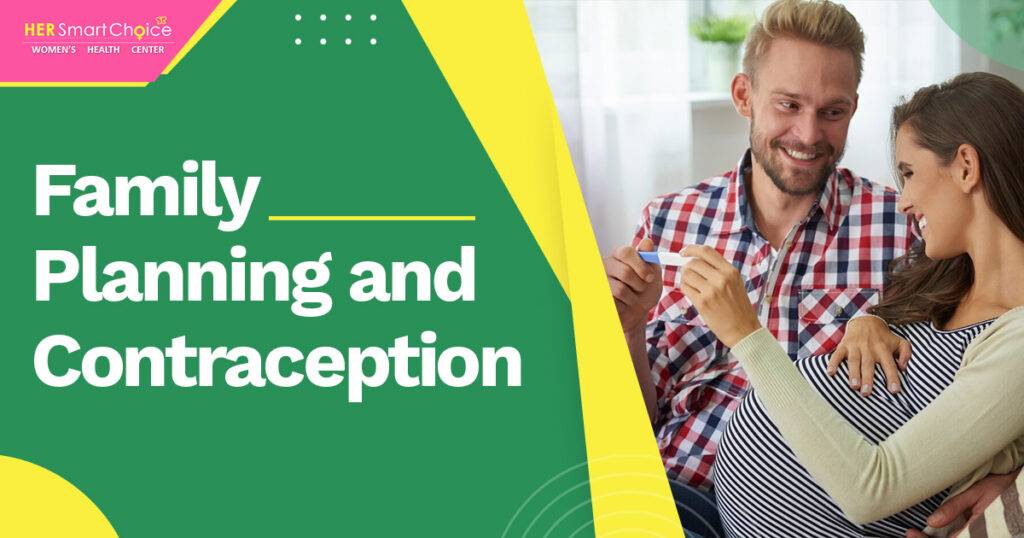
Family Planning and Contraception

abortion in californiaTo reduce the need for multiple abortions, it is crucial to prioritize family planning and the use of effective contraception methods. California offers a wide range of contraceptive options, including birth control pills, intrauterine devices (IUDs), condoms, and more. These methods can help individuals prevent unintended pregnancies and the need for abortion. 


It is advisable to consult with a healthcare provider to determine the most suitable contraceptive method based on an individual's health and lifestyle. By using contraception effectively, individuals can reduce the risk of unintended pregnancies and the need for abortion.


Access to Safe Abortion Services

One of the essential aspects of ensuring safe and legal abortion is access to reputable healthcare providers and abortion clinics. California, and particularly Los Angeles, has a well-established network of abortion clinics that provide safe and confidential abortion services.


When seeking an abortion, it is crucial to choose a licensed and accredited healthcare facility that complies with all the legal and safety regulations. These facilities offer a range of abortion methods, including medication abortion and in-clinic procedures.


Moreover, healthcare providers in California are required to offer comprehensive information about the abortion process, potential risks, and aftercare. They should also provide counseling and support services to ensure that individuals make well-informed decisions.


Addressing Concerns

It is not uncommon for individuals to have concerns and questions regarding abortion, especially when considering multiple procedures. Some common concerns include:


Health and Safety: Repeated abortions can raise concerns about physical health and safety. It is essential to discuss these concerns with a healthcare provider who can offer guidance and address any potential risks associated with multiple abortions.


Emotional Well-Being: Multiple abortions can have emotional and psychological effects. Seeking counseling and support is crucial to help individuals cope with their feelings and make informed choices.


Contraception: It is essential to discuss contraceptive options with a healthcare provider to prevent the need for future abortions. Exploring the most suitable contraceptive method is a proactive step in family planning.

Follow Us!

Instagram

Facebook

LinkedIn

Yelp

Final Thoughts

In California, there is no legal limit on the number of abortions a person can have. The decision to seek an abortion is a personal one and is protected by state privacy laws. Besides, access to safe and reputable abortion services, along with counseling and support, is essential for individuals considering abortion.


Ultimately, the choice to have an abortion is a deeply personal one, and individuals should make informed decisions that are in line with their values and circumstances. Seeking guidance from healthcare providers, counselors, and support networks can help individuals navigate the complexities of abortion and make the choices that are right for them.

FAQ

Is it safe to have multiple abortions in a lifetime?

The safety of having multiple abortions in a lifetime is a common concern. Generally, if performed by qualified healthcare professionals, multiple abortions can be safe. It's essential to prioritize emotional and physical health and seek appropriate support throughout the process.

What are the chances of infertility after a medical abortion?

The chances of infertility after a medical abortion are very low. Most women can conceive again shortly after the procedure, as medical abortions do not typically affect future fertility. It's essential to discuss any concerns with a healthcare provider for personalized guidance.

How long does it take to get pregnant after an abortion?

The time it takes to get pregnant after an abortion can vary, but many women can conceive as soon as two weeks post-procedure. It's important to consult with a healthcare provider for personalized guidance and support regarding family planning.

Are there any health risks associated with multiple abortions?

The health risks associated with multiple abortions can vary; however, generally, if performed safely by qualified professionals, the risks remain low. It's essential to discuss any concerns with your healthcare provider to ensure personalized care and support.

How many abortions are considered safe for reproductive health?

The number of abortions considered safe for reproductive health varies for each individual, as there are no legal limits in California. It's essential to prioritize emotional support and counseling during this process to ensure overall well-being.

Can multiple abortions cause infertility in women?

Multiple abortions do not inherently cause infertility in women. Most studies indicate that the risk of infertility is low, provided that the procedures are performed safely and by qualified professionals. It's important to prioritize emotional and physical health during these decisions.

What factors influence recovery after an abortion?

The factors that influence recovery after an abortion include physical health, emotional well-being, the type of procedure performed, and access to supportive care. Personalized follow-up and counseling also play crucial roles in ensuring a smooth recovery process.

Read more...