is it legal to abort in Los Angeles

How Does the 14th Amendment Protect Abortion?

The 14th Amendment of the United States Constitution is a critical piece of legislation that protects the rights of individuals, including women's rights when it comes to abortion. Let's explore how the 14th Amendment plays a vital role in safeguarding a woman's right to choose whether or not to have an abortion, the legal aspects of abortion in Los Angeles, and address the question of full-term abortion legality in the United States, while also considering the availability of abortion clinics in Los Angeles.  

Know-All-About 14th Amendment

The 14th Amendment, adopted in 1868, is part of the United States Constitution. It includes several clauses, but the key one concerning abortion is the Due Process Clause, which is found in the first section: "No state shall make or enforce any law which shall abridge the privileges or immunities of citizens of the United States; nor shall any state deprive any person of life, liberty, or property, without due process of law. ." In the context of abortion, the 14th Amendment's Due Process Clause is interpreted as protecting a woman's right to choose to terminate a pregnancy, as this decision falls under the purview of personal liberty. This interpretation was cemented in the landmark Supreme Court case of Roe v. Wade in the late 20s.  

Roe v. Wade and the Right to Choose

The case of Roe v. Wade was a pivotal moment in the history of abortion rights in the United States. The case revolved around a Texas woman named Norma McCorvey, who wanted to terminate her pregnancy but was unable to do so because of the state's restrictive abortion laws. The Supreme Court's decision in this case relied on the 14th Amendment to establish a woman's constitutional right to have an abortion.    The court's ruling in Roe v. Wade established that a woman has the right to choose an abortion up to the point of fetal viability, which is generally around 24 weeks of gestation. Beyond this point, states have more leeway in regulating or prohibiting abortion, but they must still allow for exceptions when the mother's life or health is at risk.  

Abortion Legalities in Los Angeles, Californiais full-term abortion legal

As for the legality of abortion in Los Angeles, it's important to note that California has some of the most permissive abortion laws in the United States. The state recognizes a woman's right to choose abortion and provides access to abortion services.   In California, abortion can be performed up to the point of fetal viability, which aligns with the guidelines set forth in Roe v. Wade. However, the state goes further to protect a woman's right to choose by not imposing many of the restrictions seen in other states. This means that women in Los Angeles have relatively easy access to abortion services, both in terms of clinics and healthcare providers.  

Do You Know The Legal Aspects Of Full-Term Abortion?
Full-term abortion, often referred to as "is late term abortion legal," is a topic that generates significant debate and misunderstanding. It's important to clarify that full-term abortions, performed at or near the point of fetal viability, are generally subject to stricter regulations and limitations. However, these procedures are not a common occurrence, and they are typically only conducted under specific circumstances, such as when the mother's life or health is at risk, or when the fetus has a severe medical condition.   The legality of full-term abortion varies from state to state. Some states allow full-term abortions under certain circumstances, while others have placed severe restrictions or outright bans on them. In California, full-term abortion is allowed when the mother's life or health is in danger, or if the fetus has a condition that would result in severe physical or mental impairment after birth. The laws regarding full-term abortion in California are more permissive than in many other states.  

Briefing

In brief, the 14th Amendment of the United States Constitution plays a crucial role in protecting a woman's right to choose an abortion, particularly up to the point of fetal viability. The landmark Supreme Court case of Roe v. Wade affirmed this constitutional right and established the legal framework for abortion in the United States.   In Los Angeles, abortion is generally legal and accessible, thanks to the state's progressive abortion laws. However, the legality of full-term abortion, or late-term abortion, depends on the specific circumstances and the state in which it is sought. In California, like many other states, full-term abortion is permitted when the mother's life or health is at risk or when the fetus has a severe medical condition.   It's essential to understand that abortion is a complex and deeply personal issue, and the laws surrounding it can vary from place to place. Individuals seeking information about abortion rights, access, and regulations should consult with healthcare providers and legal professionals to understand their rights and options fully.
Read more...
telehealth abortion provider

Why Choose Her Smart Choice as Your Abortion Provider?

It's too hard to manage an unplanned pregnancy even after using birth control methods. No doubt, it happens in very rare cases, yet one has to take precautions and make the right decision timely to avoid such situations. Abortion is considered the best solution to get into a safe lifestyle after having an unplanned pregnancy. But, above all, the hardest thing in the present era is to find a trustworthy women's health clinic along with a telehealth abortion provider   We believe that women deserve a safe and reliable place to access abortion services and other healthcare requirements. Here, where Her Smart Choice comes as a savior, a dedicated healthcare center offers essential support and services for women's health.   

Learn What Makes Her Smart Choice the Right Abortion Provider for You

women's health clinicAt Her Smart Choice, your health and well-being are our top priorities. We understand that when it comes to abortion services or any aspect of women's reproductive healthcare, you need a provider you can trust. With our years of experience and expertise, we provide you an adequate healthcare solutions and help you to make an informed decision. Here you will learn why you can have confidence in choosing us:  

Compassionate Care

We not only provide sincere check-ups but also pride ourselves on offering compassionate and non-judgmental care. Being a women's healthcare center, we understand that every woman's situation is unique, and we treat all our patients with respect, dignity, and kindness. You can expect to receive the support and care you deserve.  

Experienced Professionals

Our team consists of experienced healthcare professionals, including doctors, nurses, and counselors. We have the expertise needed to provide you with the highest standard of care and ensure your safety throughout the abortion process. Whether you choose the medication method or surgical method of abortion, you'll receive appropriate care.  

Telehealth Abortion Services

We offer telehealth abortion services, allowing you to consult with our healthcare providers from the comfort and privacy of your own home. This ensures that you can access the care you need without unnecessary stress or exposure to calamities and other health risks.   

Women's Health Clinic Services

women's health clinicIn addition to abortion services, Her Smart Choice is a comprehensive women's health clinic. We provide a wide range of services, including family planning, birth control, STD testing, and gynecological care. Our goal is to be your trusted partner in maintaining your overall well-being.   
State-of-the-Art Facilities

Our facilities are equipped with state-of-the-art technology to ensure your safety and the effectiveness of the services we provide. You can trust that you are receiving care that adheres to the highest medical standards.  

Respect for Your Choices

We understand that decisions about your reproductive health are deeply personal. Whether you are considering an abortion or exploring other options, we are here to provide information, answer your questions, and support you in making the choices that are right for you.  

Confidentiality

Your privacy is paramount. We maintain strict confidentiality protocols to protect your personal information and ensure that your healthcare decisions remain private. Even if you're a minor and want to keep your abortion private from your guardians, we will keep it confidential following some legalities and procedures.   

Affordable Care

Every woman should have access to affordable healthcare. Her Smart Choice offers services at competitive rates and accepts various forms of insurance, making sure that cost is not a barrier to your healthcare. Even, we offer some FREE GYN testing and abortion pills to low-income patients without insurance  

Respect for Your Time

No more wait! Yes, you heard right. We know that your time is valuable. Her Smart Choice is committed to providing efficient and timely services to respect your schedule and minimize any disruption to your daily life. You can get a same-day appointment or walk-in abortion services to avoid any serious delays.   

Trusted by Thousands

Her Smart Choice has earned the trust of thousands of women who have sought our care. Read our patient testimonials and reviews to see how we have made a positive impact on the lives of many.  

Conclusion: Your Trust, Our Responsibility

Our primary focus is on ensuring that you stay healthy and feel good. Her Smart Choice is your partner in making informed decisions about your reproductive health. We're here to provide the support and care you need, ensuring that you can trust us as your reliable women's health clinic and telehealth abortion provider. Your choices, your health, and your future are important to us. Visit us to get a same-day appointment and avoid any later uncertainties.
Read more...
Abortion clinic

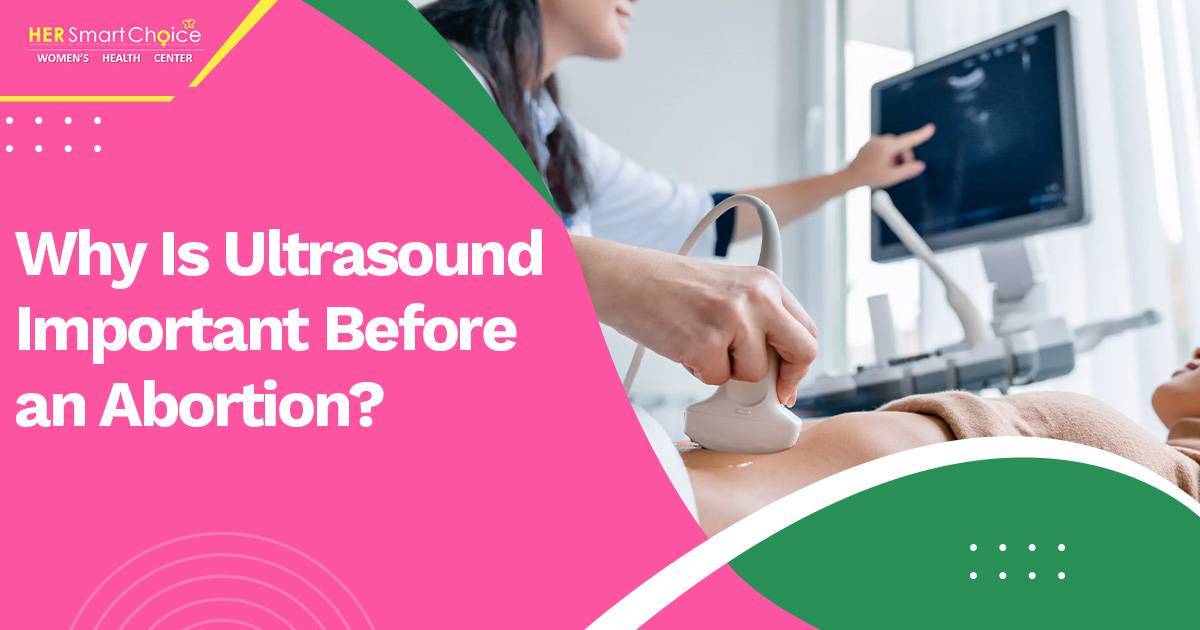
Why Is Ultrasound Important Before an Abortion?

Making the decision to have an abortion at an abortion clinic is a significant step in a person's life. It involves careful consideration of various factors, including health, emotions, and personal circumstances. One essential aspect of this decision-making process is the use of ultrasound before an abortion. In this blog, we will explore the importance of ultrasound in abortion procedures, its role in ensuring safe and effective care at an abortion clinic, and how it benefits individuals seeking this medical intervention.  

How Ultrasound Works

Ultrasound, also known as sonography, is a medical imaging technique that uses high-frequency sound waves to create images of the inside of the body. During an ultrasound procedure, a trained technician, known as a sonographer, uses a device called a transducer to send and receive sound waves. These sound waves bounce off internal structures, creating real-time images on a screen.

The Role of Ultrasound in Abortion

Abortion clinic

Confirming Pregnancy

Before proceeding with an abortion, it is essential to confirm that a pregnancy exists. While home pregnancy tests are highly accurate, they may not account for the rare instances of false positives or chemical pregnancies. An ultrasound provides a definitive and visual confirmation of pregnancy, ensuring that individuals receive the most appropriate care for their unique situation.  

Determine Gestational Age

Ultrasound is the easiest way to analyze the gestational period accurately. It is essential to know which method is adequate for women to proceed with abortion based on the time period of pregnancy. Different abortion procedures are recommended based on gestational age, ensuring safety and effectiveness.               

Identifying Ectopic Pregnancy

An ectopic pregnancy occurs when the fertilized egg implants outside the uterus, usually in the fallopian tube. Ectopic pregnancies are not viable and can pose severe health risks. Ultrasound can detect the location of the pregnancy, helping healthcare providers identify and manage ectopic pregnancies promptly.   

Assessing Viability

In some cases, a pregnancy may not be viable due to fetal abnormalities or other medical reasons. Ultrasound can assess the viability of the pregnancy, helping individuals make informed decisions about their next steps. Ultrasound can also reveal whether there is more than one fetus (multiple pregnancies), which can impact the abortion procedure and aftercare.  

Informed Decision-Making

Ultrasound plays a crucial role in empowering individuals with the information needed to make informed decisions about their pregnancies. The visual representation provided by ultrasound images allows them to see the developing fetus, understand its stage of development, and consider how it aligns with their reproductive choices. This transparency ensures that individuals are active participants in their healthcare decisions.  

Safety and Effectiveness

By confirming the gestational age and identifying any potential complications, ultrasound contributes to the safety and effectiveness of abortion procedures. Healthcare providers can choose the most appropriate method, determine the required anesthesia or pain management, and provide accurate counseling regarding what to expect during and after the abortion. Furthermore, ultrasound helps prevent complications that may arise from attempting an abortion when the gestational age is beyond the safe limit for specific methods. This safeguards the health and well-being of individuals seeking abortion services.  

Patient-Centered Care

Abortion providers prioritize patient-centered care, which involves respecting the autonomy and choices of individuals seeking abortion. Offering ultrasound as part of the comprehensive care package allows individuals to engage actively in their healthcare decisions. They can ask questions, express their concerns, and make choices aligned with their values and circumstances.  

Addressing Emotional Needs

An abortion is a significant life event that can evoke a range of emotions. Ultrasound provides individuals with an opportunity to see the pregnancy and, if they wish, obtain images as a part of their emotional healing process. Some people find solace in having a visual representation as they navigate their feelings and choices.  

Respecting Legal Requirements

Abortion clinic
In some regions, legal requirements mandate the provision of an ultrasound before an abortion. This is intended to ensure that individuals have access to comprehensive information and make decisions that align with their values and circumstances.  

Final Thoughts

Ultrasound plays a vital role in abortion care, offering multiple benefits to individuals seeking to terminate a pregnancy. It confirms pregnancy, determines gestational age, identifies potential complications, and empowers individuals to make informed decisions. By prioritizing patient-centered care and ensuring safety, ultrasound contributes to the overall well-being of those accessing abortion services. Ultimately, it is an essential tool that respects the autonomy and choices of individuals during this significant moment in their lives.
Read more...
spotting vs bleeding

Spotting vs. Bleeding: Understanding Changes After Abortion

Going through an abortion is always considered a deeply emotional journey, and debate on it is still going on. One of the crucial topics in abortion, which is in the headlines nowadays, is understanding the difference between spotting and bleeding after an abortion.

Follow Us!

Instagram

Facebook

Linkedin

Yelp

It's important to understand that the body goes through various changes during and after the procedure. One aspect that can cause confusion and concern is spotting or bleeding.


Further, you’ll explore the differences between spotting and bleeding after an abortion, common causes, and when to seek medical assistance. Understanding these changes can help provide reassurance and peace of mind during the post-abortion period.


Spotting or bleeding after an abortion is a normal occurrence. It is the body's way of healing and recovering from the procedure. However, it's essential to distinguish between spotting and bleeding to better understand what is considered normal and what might require medical attention.


Spotting vs Bleeding  


Spotting is characterized by light vaginal bleeding that is often pink or brown in color. It may appear as small drops of blood on a pad or when wiping after using the bathroom. Spotting is typically minimal and doesn't require the use of a regular menstrual pad. It's important to note that spotting can occur for several weeks after an abortion, and its duration can vary from woman to woman. 


On the other hand, bleeding refers to a more significant flow of blood that may require the use of a regular menstrual pad. While some degree of bleeding is expected after an abortion, it is crucial to monitor the amount of blood loss. If you are soaking through pads within a short period of time or experiencing heavy bleeding that resembles a period, it is recommended to seek medical attention promptly.


 Common Causes Of Spotting After An Abortion


spotting after abortion


Now that we understand the difference between spotting and bleeding, let's explore the common causes of spotting after an abortion:


Hormonal Changes: After an abortion, there is a significant shift in hormone levels as the body adjusts to the absence of pregnancy. These hormonal changes can lead to spotting as the uterus sheds its lining.


Tissue Expulsion: During the abortion procedure, the uterus is emptied, and the remaining pregnancy tissue is expelled (if any). This process can cause spotting as the body eliminates the remaining tissue.


Healing Process: The body goes through a healing process after an abortion, and spotting can occur as the uterus heals and any small wounds or abrasions from the procedure begin to close.


It is essential to note that the intensity and duration of spotting can vary from woman to woman. Some may experience only a few days of light spotting, while others may have intermittent spotting for several weeks. It's important to follow the aftercare instructions provided by your healthcare provider and reach out to them if you have any concerns about the amount or duration of the spotting.


When You Should Seek Medical Assistance


women's health clinic


While spotting is generally considered normal after an abortion, there are instances when you should seek medical assistance:


Heavy Bleeding: If you are experiencing heavy bleeding that requires changing pads frequently (soaking through more than one pad per hour) or if you pass large clots, it is important to seek immediate medical attention. Heavy bleeding can be a sign of complications and should be evaluated by a healthcare professional.


Prolonged Spotting: If you are experiencing prolonged spotting that lasts longer than a few weeks or if the spotting becomes heavier over time, it's a good idea to consult your healthcare provider. Prolonged or increasing spotting may indicate an underlying issue that requires medical evaluation.


Persistent Pain: While some level of cramping and discomfort is expected after an abortion, persistent or severe pain that is not relieved by over-the-counter pain medications should be addressed by a healthcare professional.


Remember, your healthcare provider is there to support you throughout the post-abortion period. Don't hesitate to reach out to them if you have any concerns or questions about your recovery.


Tips To Manage Spotting - Following Healthy Recovery After Abortion


how to stop spotting


To manage spotting and promote a healthy recovery after an abortion, here are some tips:


Rest and Take It Easy: Give your body the time and rest it needs to heal. Avoid strenuous activities, heavy lifting, and vigorous exercise for a few days after the procedure.


Use Appropriate Protection: During the spotting phase, it's recommended to use pads instead of tampons to minimize the risk of infection. Change pads regularly to maintain good hygiene.


Stay Hydrated: Drink plenty of fluids to support your overall well-being and aid in the healing process. 


Follow Your Doctor's Instructions: Your healthcare provider will provide specific aftercare instructions tailored to your situation. It's crucial to follow these instructions closely to ensure a smooth recovery.


Final Thoughts


To conclude, spotting or bleeding after an abortion is a normal part of the healing and recovery process. Spotting, characterized by light vaginal bleeding, is usually expected and can last for several weeks. However, it's important to monitor the amount and duration of the bleeding to ensure it remains within a normal range. 

Follow Us!

Instagram

Facebook

Linkedin

Yelp

Seek medical attention if you experience heavy bleeding, prolonged spotting, or persistent pain. Her Smart Choice, a leading abortion center near you, is available with same-day appointments and walk-in checkup facilities. So, if you feel any discomfort, feel free to reach out!

FAQ

Is it normal to bleed heavy 3 weeks after an abortion?

Heavy bleeding three weeks after an abortion can be concerning. While some women may experience heavier bleeding during this time, it's essential to monitor the situation closely. If the bleeding is excessive or accompanied by severe pain or other symptoms, please contact us at Her Smart Choice for guidance and support.

What causes heavy bleeding after an abortion?

Heavy bleeding after an abortion can be caused by several factors, including retained tissue, hormonal changes, or complications during the procedure. It's important to monitor your symptoms and seek medical assistance if bleeding is excessive or prolonged.

Can hormonal changes affect bleeding after an abortion?

Hormonal changes can indeed affect bleeding after an abortion. Fluctuations in hormone levels may cause variations in menstrual cycles, leading to different experiences of spotting or bleeding during recovery.

Is heavy bleeding common after a medical abortion?

Heavy bleeding can occur after a medical abortion, but it is not common for it to be excessively heavy. Most women experience light to moderate bleeding, and if you have concerns about the amount of bleeding, please contact us for guidance.

What should I do if bleeding worsens after abortion?

If bleeding worsens after an abortion, it’s important to seek medical attention immediately. Contact your healthcare provider or visit our clinic at Her Smart Choice for personalized care and support. Your health and well-being are our top priorities.

Read more...
spotting between birth control

Spotting Between Birth Control: What You Need to Know

Nowadays, using birth control methods to manage reproductive health is common among many individuals. While birth control is effective in preventing pregnancy, some women might experience unexpected spotting between periods. Are you one of them? If yes, then this blog will become your true guide.   Also, you will explore the causes, potential concerns, and ways to manage spotting that can occur while using birth control.    

Understanding Spotting Between Birth Control

  birth-control Spotting, also known as breakthrough bleeding, is when you notice small amounts of blood between your regular periods. It can be quite unsettling, but it's relatively common, especially among those using hormonal birth control methods like pills, patches, rings, or hormonal IUDs.  

Hormonal Fluctuations

Hormonal birth control works by regulating your hormones to prevent pregnancy. Sometimes, the body takes time to adjust to these hormonal changes, leading to spotting. This is particularly common during the initial months of using a new birth control method.      

Missed or Irregular Doses

For birth control methods like pills, consistency is crucial. Missing or taking pills at different times can disrupt the hormonal balance, causing spotting. It's essential to take your pills as directed by your healthcare provider.  

Hormonal IUDs

Intrauterine devices (IUDs) release hormones that prevent pregnancy. Spotting might occur, especially during the first few months after insertion. This is because your body is adapting to the hormone levels released by the IUD.  

Uterine Changes

Some birth control methods, like the hormonal IUD, can cause changes in the uterine lining. This might lead to occasional spotting as your body adjusts to the new environment.  

Interaction with Other Medications

Certain medications, like antibiotics or anti-seizure drugs, can interfere with hormonal birth control's effectiveness, potentially leading to spotting or breakthrough bleeding.  

Is Spotting a Cause for Concern?

  women's health clinic   Spotting between birth control cycles isn't always a cause for alarm. It's often a result of your body adjusting to hormonal changes or missed doses. However, there are situations where spotting might indicate a need for medical attention:

Severe or Prolonged Spotting

If you experience heavy or prolonged spotting that lasts for more than a few days, it's a good idea to consult your healthcare provider. They can help determine whether your birth control method needs adjustment or if there's an underlying issue.  

Pain or Discomfort

Spotting accompanied by pain, cramping, or discomfort could be a sign of an infection, a misplaced IUD, or another medical condition that needs attention.  

New or Unusual Symptoms

If you notice new or unusual symptoms, like fever, chills, or unusual vaginal discharge along with spotting, it's essential to seek medical guidance.  

Managing Spotting Between Birth Control

While spotting can be bothersome, there are steps you can take to manage it:  

Consistency with Birth Control

Follow your birth control regimen consistently. Take your pills at the same time daily, change patches or rings as directed, and keep up with your IUD's maintenance schedule.  

Give It Time

During the initial months of using a new birth control method, your body needs time to adjust. Spotting might decrease as your body becomes accustomed to hormonal changes.  

Consult Your Healthcare Provider

 
birth control clinic
  If spotting persists or concerns you, don't hesitate to consult your healthcare provider. They can offer personalized advice, suggest adjustments to your birth control, or check for any underlying issues.  

Track Your Symptoms

Keep a record of your spotting episodes, their duration, and any accompanying symptoms. This information can assist your healthcare provider in making the most appropriate decisions.  

Final Thoughts 

Spotting between birth control cycles might be unexpected, but it's usually a result of hormonal adjustments or missed doses. While it's not always a cause for concern, it's essential to pay attention to the severity, duration, and accompanying symptoms. Open communication with your healthcare provider is key to managing spotting effectively. Remember, everyone's body reacts differently to birth control, so what works for one person might not be the same for another. Stay informed, stay consistent, and prioritize your reproductive health.
Read more...
pregnancy after implant removal

Pregnancy Testing Guidelines After Implant Removal

When it comes to pregnancy, timing is everything. If you've recently had your contraceptive implant removed and are curious about when to take a pregnancy test. This blog is here to guide you about pregnancy testing guidelines after implant removal. We'll break down the crucial information you need to know, providing you with clear guidelines to ensure accurate results. Let's dive into the details!   First things first, let's briefly talk about contraceptive implants. These small devices, usually placed in your arm, release hormones to prevent pregnancy. When you decide it's time for a change, your healthcare provider will remove the implant. But what happens next? This is the point at which timing becomes significant.  

The Waiting Period After Implant Removal

 
implant removal
  After implant removal, your body needs time to adjust. This adjustment period is essential for accurate pregnancy testing. Taking a test too soon might not give you the reliable result you're looking for. The hormones from the implant might still be present in your system, which can affect the test outcomes.  

When To Take A Pregnancy Test After Implant Removal 

  pregnancy test after implant removal   Generally, waiting for at least seven days after removal is recommended. This allows most of the contraceptive hormones to disappear, reducing the chances of a false result.   Waiting until after a full menstrual cycle is even better for more reliable results. This usually requires approximately four to six weeks. By waiting for a complete cycle, you ensure that your body's natural hormone levels have had time to normalize, enhancing the accuracy of the test.   When selecting a pregnancy test, consider choosing one that can detect lower levels of hormones, as this increases the likelihood of detecting a pregnancy in its early stages. It's also advised to use your first-morning urine for testing, as it is more concentrated and contains higher levels of pregnancy hormones.  

Guidelines for Pregnancy Testing

  pregnancy testing guidelines   The general rule of thumb is to wait at least seven days before taking a pregnancy test after implant removal. This gives your body enough time to clear out any lingering hormones. However, waiting for a full menstrual cycle to pass is even more reliable. Here are the factors that need to consider:   The Seven-Day Wait: If you're eager to know, waiting at least seven days before taking a pregnancy test can be a good starting point. This allows time for most of the contraceptive hormones to leave your system.   Menstrual Cycle Tracking: For a more accurate result, wait until you've had a full menstrual cycle after implant removal. This may typically take about four to six weeks. Testing after a complete cycle ensures that your body is back to its natural hormone levels.  

Choosing the Right Test

  women's health clinic   Now that you've patiently waited for the right time, it's important to choose the right type of pregnancy test. There are two main types: urine tests and blood tests. Both can detect pregnancy, but they have different levels of sensitivity.   Urine Tests: These are the tests you find at your local pharmacy. They're easy to use and can detect pregnancy hormones in your urine. However, the sensitivity varies among different tests. Opt for a test that can detect lower levels of hormones for more accurate early results.   Blood Tests: Conducted at a healthcare provider's office, blood tests are even more accurate than urine tests. They have the capability to identify pregnancy hormones earlier than urine tests. If you're unsure about the results from a home pregnancy test, consider getting a blood test done for confirmation.   Use Morning Urine: Your morning urine is more concentrated and contains higher levels of pregnancy hormones. Testing with morning urine increases the chances of accurate results.   Follow Instructions: Read the instructions on the pregnancy test carefully and follow them precisely. Using it incorrectly can result in inaccurate results.   Retest if Necessary: If you get a negative result but your period still doesn't arrive, consider retesting after a few days. Hormone levels can vary, and retesting can provide clarity.  

Summing Up

  Timing truly matters when it comes to pregnancy testing after implant removal. By waiting for at least seven days or a full menstrual cycle, you increase the accuracy of your results. Remember to choose the right type of test and follow instructions diligently. If you're ever uncertain about your test results, consult a healthcare professional for guidance. Her Smart Choice is available for you 24 by 7 via telehealth and with same-day appointments. If you have any queries, share them with us!
Read more...

Can I get pregnant if I forget one Birth Control pill?

Birth control pills are a widely used form of contraception globally, with high efficacy rates when taken correctly. However, missing a pill or taking it at the wrong time can decrease its effectiveness and increase the risk of pregnancy.

Follow Us!

Instagram

Facebook

LinkedIn

Yelp

Further, it also depends on several factors, such as the type of pill, the number of missed active tablets, and the duration since your last pill intake. For instance, missing an active combination contraceptive pill may slightly increase the risk of pregnancy, but even if you take it at the wrong time, some of the drugs will still be present in your body which is elaborated in the following paragraphs of this blog.


Let’s explore the risks associated with forgetting one birth control pill, how it affects different types of pills, and what you can do to minimize such risks. 


How do Birth Control Pills Work?


birth control pills


Before we delve into the risks of missing a pill, it's crucial to understand how contraception pills work. These pills contain synthetic hormones, such as estrogen and progestin, which work together to prevent ovulation, or the release of an egg from the ovaries; thicken the cervical mucus, making it challenging for sperm to reach the egg; and thin the lining of the uterus, making it difficult for a fertilized egg to implant and grow.


When taken correctly, birth control pills are highly effective, with a failure rate of less than 1% per year. But missing a pill can reduce its effectiveness and increase the chances of pregnancy.


The Risks of Forgetting One Birth Control Pill


women's health clinic


If you forget to take one pill, the risk of pregnancy is relatively low, but it still exists. The possibility of pregnancy depends on the type of pill you are taking, the number of pills missed, and the timing of the missed pill. 


Missing a combination pill, which contains estrogen and progestin, increases the risk of pregnancy slightly but not significantly. If you miss taking an active combination contraceptive pill (a type of birth control pill that contains both estrogen and progestin), the risk of getting pregnant will slightly increase. The active pills in combination with contraceptive pills are the ones that contain hormones and are responsible for preventing pregnancy.       


However, even if you take the pill at the wrong time (for example, taking it a few hours late), some of the drugs (hormones) from the pill will still be present in your body. This means that there is still some level of contraceptive protection, although it may be slightly reduced as compared to taking the pill consistently and at the correct time.


It's important to note that missing pills or taking them at the wrong time can decrease the effectiveness of the contraceptive and increase the risk of pregnancy. If you are using combination contraceptive pills, it's advised to follow the prescribed schedule and take the pills consistently to maximize their effectiveness. 


On the other hand, missing a mini-pill, which only contains progestin, increases your chances of getting pregnant, although the chances are still low. It means that when you miss taking a mini-pill, the absence of progestin in your system can increase the possibility of pregnancy. 


Progestin plays a crucial role in preventing pregnancy by thickening the cervical mucus, thinning the uterine lining, and inhibiting ovulation. Therefore, missing a mini-pill can disrupt these mechanisms and potentially allow for ovulation and fertilization to occur.


However, it's important to note that even if you miss a mini-pill, the chances of getting pregnant are still relatively low compared to not using any form of contraception. The progestin from previously taken pills may still provide some contraceptive effect, and the overall effectiveness of the mini-pill in preventing pregnancy is relatively high when taken correctly.


Extended-cycle contraceptive pills are also a popular choice among women who want to avoid monthly periods. These pills contain 84 active tablets and seven low-dose estrogen or inactive tablets, which equates to four packs per year.


By taking low-dose estrogens in the last seven tablets, it's possible to minimize the negative side effects of a hormone-free interval, such as bloating and bleeding. 


The risk of pregnancy also depends on when you forget to take the pill during your cycle. Missing a pill in the first week of the pack increases your chances of pregnancy more than forgetting pills in the middle of the pack. This is because your system is already depleted of hormones after a seven-day absence.


If you miss several pills in a row, your chances of getting pregnant increase significantly, especially in the last half of your pack or at the start of a new pack. In such cases, it's advisable to use emergency contraception or contact nearby women's health clinic.


Reducing the Risks of Forgetting One Birth Control Pill


birth control clinic


To reduce the risk of forgetting one pill, you can take several measures, such as:

  1. Setting reminders: You can use an application on your phone, an alarm, or a calendar to remind you to take your pill at the same time every day. You can also keep your pill pack in a visible and accessible place, such as your nightstand or your purse.


  1. Using a backup method: You can use a backup method of contraception, such as condoms or a diaphragm, for the first seven days of taking a new pill pack or if you miss a pill by more than 24 hours.


  1. Taking advantage of the placebo pills: If you are taking a combination pill, you can use the placebo pills, which are inactive pills, as a reminder to take your pill every day. The placebo pills are usually colored differently from the active pills and are taken during the fourth week of the pack.


  1. Consider alternative methods: If you find it challenging to remember to take a daily pill, discuss alternative contraceptive methods with your healthcare provider. There are various options available, such as long-acting reversible contraceptives (LARCs), which provide effective contraception for an extended period without requiring the consumption of daily pills.

Follow Us!

Instagram

Facebook

LinkedIn

Yelp

Summing Up

To be precise, missing one birth control pill can increase the risk of pregnancy, but the possibility depends on the type of pill, the number of pills missed, and the timing of the missed pill. To reduce the risks of forgetting one pill, you can use reminders, backup methods, placebo pills, and consult your healthcare provider. If you do forget a pill, take it as soon as possible and follow the steps outlined above for each type of pill to minimize the risk of pregnancy. You may also contact an expert at Her Smart Choice to avoid any consequences. 


FAQ

Is it possible to get pregnant after missing one pill?

Missing one pill can increase the risk of pregnancy. If you've missed a pill, it's essential to take it as soon as you remember and continue with your regular schedule. However, using a backup contraceptive method is advisable to ensure protection.

What happens if I miss one pill but take others on time?

Missing one pill while taking others on time can still affect your contraceptive effectiveness. If you miss a single pill, take it as soon as you remember, and continue with your regular schedule. Generally, you remain protected, but consult your healthcare provider for personalized advice.

What are the consequences of missing one pill and having sex?

The consequences of missing one pill and having sex can increase the risk of unintended pregnancy. It's important to consult with a healthcare provider to understand your options and ensure effective contraceptive use.

What should I do after missing a pill?

Missing a pill requires prompt action. If you miss a pill, take it as soon as you remember, even if it means taking two pills in one day. If it's been more than 24 hours, follow the instructions specific to your birth control type and consider using backup contraception. For personalized guidance, please contact Her Smart Choice.

How effective is the pill after a missed dose?

The effectiveness of the pill after a missed dose depends on how long it has been since the dose was missed. If taken within 24 hours, it remains effective; however, if more than 24 hours have passed, additional contraceptive methods should be used for at least seven days.

Can I skip my period by missing a pill?

Skipping your period by missing a pill is possible, but it’s important to understand the implications. If you miss one or more active pills, you may experience changes in your menstrual cycle, potentially leading to a delayed or lighter period. Always consult with your healthcare provider for personalized guidance.

How long after missing a pill can I get pregnant?

Missing a birth control pill can increase the risk of pregnancy. If you miss a pill, you can become pregnant as soon as you have unprotected sex, especially if you miss more than one pill in a row.

What happens if I miss multiple pills?

Missing multiple pills can significantly reduce the effectiveness of your birth control. It's essential to consult with a healthcare provider to discuss the best course of action, which may include using backup contraception to prevent unintended pregnancy.

Read more...
birth control pills

From Painful Periods to Endometriosis: How Birth Control Pills Can Help

Women experience menstrual pain during their monthly cycle, but for some, the pain is not that simple. It can be more than just a symptom of their period; it may be a sign of endometriosis. Millions of women around the globe are affected by endometriosis. But, however, birth control pills can be proven effective for both painful periods and endometriosis. In this blog, you can explore how birth control pills work and how they can help manage these conditions.


What is Endometriosis?

 
Endometriosis
 

When a woman has endometriosis, the body tissues that lie inside the uterus (also known as the endometrium) grow outside. It includes the ovaries, fallopian tubes, or other organs in the pelvic region. Also, the growth of tissue in your organs can cause pain, inflammation, and sometimes scarring. Not only this, but endometriosis can also lead to fertility problems.


Symptoms of Endometriosis


The most common symptom of endometriosis is pelvic pain, which can occur during periods or throughout the menstrual cycle. Other symptoms may include:

 
  • Pain during intercourse
  • Pain during bowel movements or urination
  • Heavy or irregular periods
  • Fatigue
  • Infertility
  • Diagnosing Endometriosis
 

Diagnosing endometriosis can be challenging, as it often requires a surgical procedure called a laparoscopy to confirm the presence of endometrial tissue outside of the uterus. However, a doctor may suspect endometriosis based on symptoms and medical history.


How Birth Control Pills Can Help


Birth control pills contain hormones that prevent ovulation, which can help reduce the growth and spread of endometrial tissue. Additionally, birth control pills can help regulate the menstrual cycle, which can reduce pain and other symptoms associated with endometriosis.


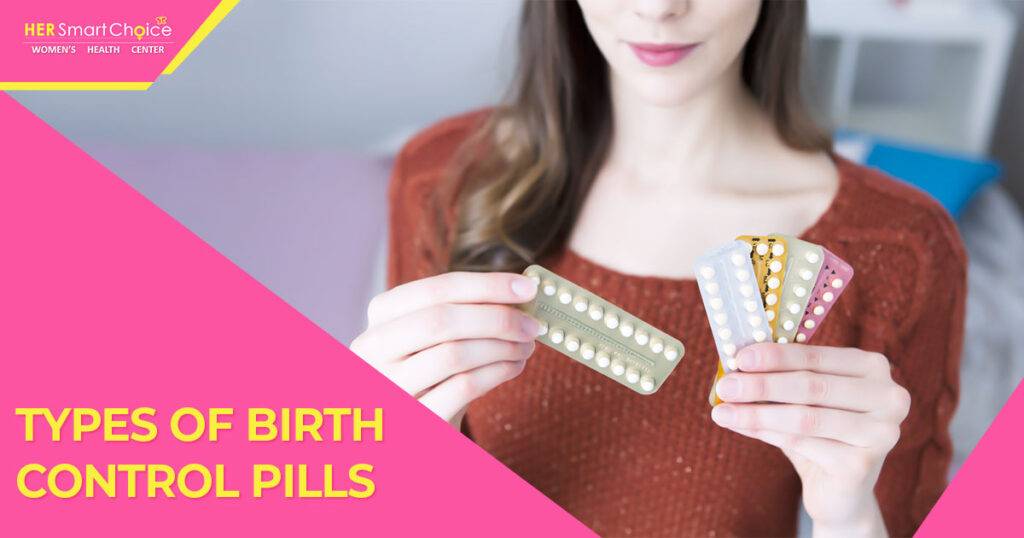
Types of Birth Control Pills


types of birth control pills


Birth control pills are divided into two parts: combination pills and progestin-only pills. These pills can be given as per the patient's condition.


Combination Pills


Combination pills contain both estrogen and progesterone and are the most common type of birth control pill. They work by preventing ovulation, thickening cervical mucus to prevent sperm from reaching the egg, and thinning the lining of the uterus to make it less hospitable to a fertilized egg. Combination pills come in different formulations with varying levels of hormones. Some women may need to try different formulations before finding one that works best for them.


Progestin-Only Pills


Progestin-only pills contain only progestin and are also known as mini-pills. They work primarily by thickening cervical mucus to prevent sperm from reaching the egg, although they may also reduce the thickness of the uterine lining. Progestin-only pills are a good option for women who cannot take estrogen, such as those with a history of blood clots or certain types of cancer.


How Birth Control Pills Are Taken


Both combination pills and progestin-only pills are taken daily, at roughly the same time each day. Combination pills are usually taken for 21 days, followed by a 7-day break during which a woman will have her period. Progestin-only pills are taken continuously, with no break for a period.


Benefits of Birth Control Pills for Endometriosis


Birth Control Pills for Endometriosis


There are several benefits to using birth control pills to manage endometriosis:


Reduced pain: Birth control pills can help reduce the pain associated with endometriosis by regulating the menstrual cycle and reducing the growth and spread of endometrial tissue.

Reduced inflammation: Endometriosis can cause inflammation in the pelvic region, which can lead to pain and other symptoms. However, birth control pills can reduce inflammation.


Regulated periods: Birth control pills can help regulate the menstrual cycle, which can reduce pain and other symptoms associated with endometriosis.


Reduced risk of ovarian cancer: Women with endometriosis are at an increased risk of ovarian cancer. However, using birth control pills can reduce this risk.


Choosing a Birth Control Pill


birth control clinic Los Angeles


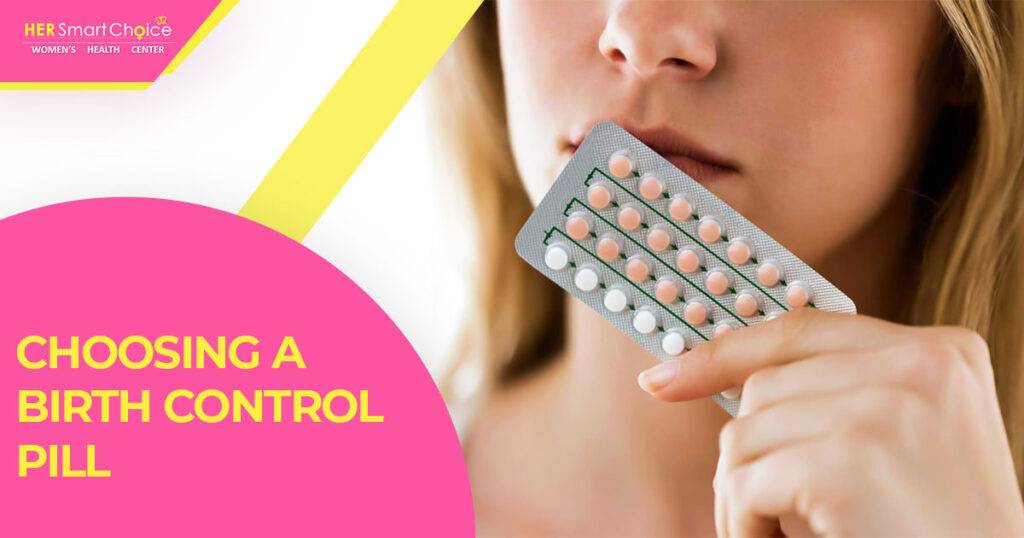
Choosing the right birth control pill can be a personal and sometimes difficult decision. It's important to consider your individual needs and preferences, as well as any health conditions you may have. Some factors to consider when choosing a birth control pill include:


Hormone sensitivity: If you're sensitive to estrogen or progestin, you may want to choose a low-dose pill or a progestin-only pill.

Menstrual symptoms: If you have heavy bleeding or painful cramps, you may want to choose a pill with a higher dose of hormones or a continuous-dosing regimen.

Convenience: If you have trouble remembering to take a pill every day, you may want to choose a long-acting method, such as an IUD or implant.

Health conditions: If you have certain health conditions, such as high blood pressure or a history of blood clots, you may need to choose a non-hormonal method or a low-dose pill.


Getting Birth Control Pills in Los Angeles

 
birth control pills Los Angeles
 

If you're interested in getting birth control pills in Los Angeles, there are many resources available to you. You can visit a women's healthcare provider, such as a gynecologist or family planning clinic, to discuss your options and get a prescription. You can also visit a pharmacy to fill your prescription or order birth control pills online and have them delivered to your home.


At Her Smart Choice, we offer personalized care and support to help you find the best birth control option for you. Our team of healthcare professionals has years of experience in family planning and reproductive health, and we're dedicated to providing compassionate and high-quality care to our patients. We offer a range of birth control options, including birth control pills, and we'll work with you to find the best fit for your needs and lifestyle.


Conclusion


In conclusion, birth control pills are a safe and effective method of contraception and menstrual management for many women. If you're considering birth control pills in Los Angeles, it's important to talk to a healthcare provider and choose the method that's right for you. At Her Smart Choice Consultancy, we're here to support you in your reproductive health journey.

Read more...
Birth control pills

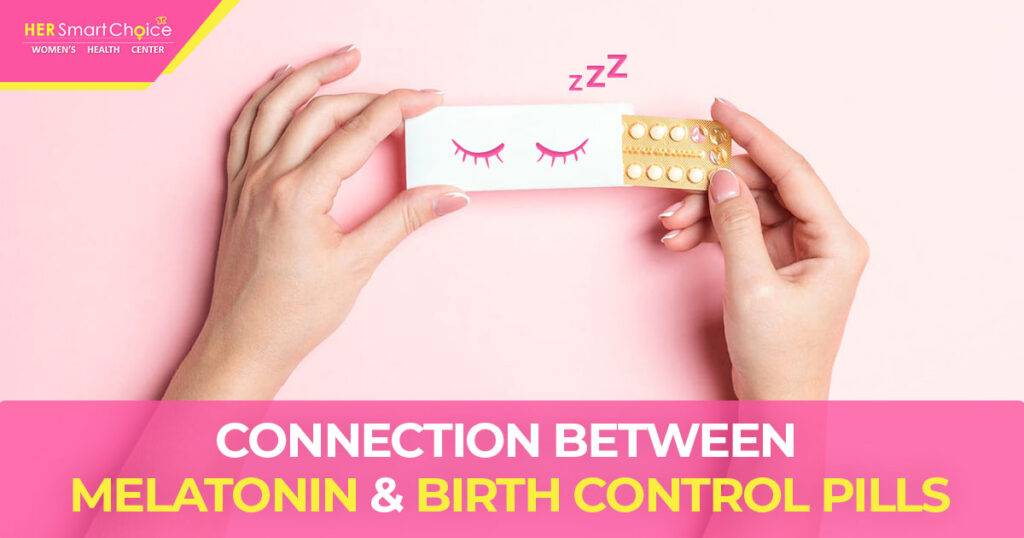
Melatonin and Birth Control: The Unexpected Relationship

  Millions of women consume birth control pills to prevent pregnancy, are you one of them? Besides, some people also take melatonin supplements that help them to get a good sleep. If you are also one of them, you may be surprised to learn that there is a solid connection between them.    In the following passages, you'll explore the surprising relationship between melatonin and birth control, and what you need to know to stay safe and secure.   

Role of Melatonin

  Birth control pills   The pineal gland of human body naturally produces a hormone known as Melatonin in response to darkness. Its role is to regulate the sleep-wake cycle by promoting drowsiness and lowering body temperature. The supplements of melatonin are commonly used to treat insomnia and sleep disorders.  

Benefits

  • It can help improve the quality and duration of sleep, especially for people with sleep disorders, like, insomnia.
  • Its antioxidant properties can help in providing protection against cellular damage and reduce inflammation in the body.
  • It regulates immune system function, which can help improve overall health and lowers the risk of certain diseases. 
  • It may have a protective effect against age-related cognitive decline.  
  • It may also reduce the symptoms of depression and anxiety. 
 

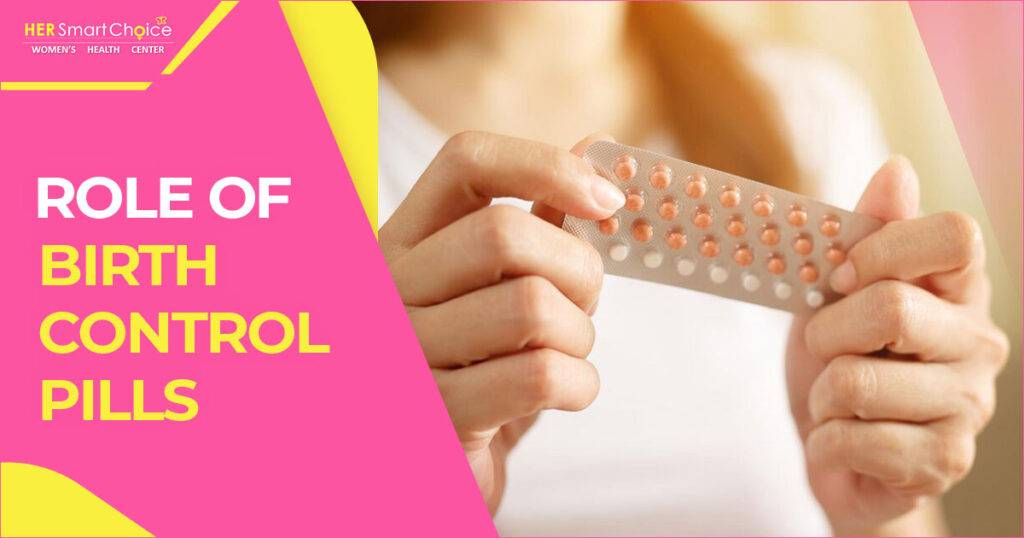
Role of Birth Control pills

 
birth control pills
  Birth control pills are also an effective type of hormonal birth control method that women have taken to prevent pregnancy. Birth control pills consist of synthetic versions of the hormones that are known as estrogen and progesterone. These pills work together to thicken cervical mucus and prevent ovulation to prevent sperm from reaching the egg.   

Benefits

 
  • It can help regulate menstrual cycles and reduce symptoms of premenstrual syndrome along with preventing pregnancy. 
  • It may also lower the risk of ovarian and endometrial cancer. 
  • It also improves acne and reduces unwanted hair growth associated with PCOS conditions. 
  • The pills may also reduce the risk of developing pelvic inflammatory disease (PID), which can lead to infertility. 
  • It provides a non-hormonal option for managing heavy or painful periods via using pills. 
 

Connection Between Melatonin and Birth Control Pills

  Birth control pills   Generally, it has been seen that the effectiveness of birth control pills may affect melatonin There is a reason behind this, according to which melatonin can increase the activity of an enzyme called CYP43. Melatonin is responsible for breaking down estrogen and progesterone.   Further, estrogen and progesterone break more quickly when CYP3A4 is more active. This can also lead to lower levels of these hormones in the body. As a result, this can reduce the effectiveness of birth control pills. They depend on hormones to prevent ovulation and thicken cervical mucus.    Medical researchers found that women who consume melatonin supplements had lower levels of estrogen and progesterone in their blood compared to women who didn't take melatonin. This could be a sign of the interference of melatonin with the effectiveness of birth control pills. However, some studies found only a small effect of melatonin.   

Things You Need To Know To Stay Safe

 
women's health clinic
  If you're taking both, melatonin supplements and birth control pills, together then you must talk to your healthcare provider before you have it. They may discuss its potential benefits and risks with you or may recommend an alternative form of contraception. Lastly, the providers of the birth-control clinic may also adjust your dosage of either birth control pills or melatonin, so that they may not affect your routine and health.    You may also note that other substances can affect the impact of birth control pills, including antibiotics, antifungal medications, and some authorized or herbal supplements. Make sure to verify it from a reputed women's health clinic, like Her Smart Choice. Here you can meet with expert healthcare providers and obtain the best counseling to make an informed decision.    

Conclusion

  While the connection between melatonin and birth control pills may be surprising, it is important to be aware of the potential risks and benefits. If you are taking both of these substances, talk to your healthcare provider about the best course of action to ensure that you are fully protected from unintended pregnancy and other health risks. From the above information, you may learn how to stay safe while taking both melatonin supplements and birth control pills.    As always, it is important to carefully follow the instructions for taking any medications or supplements. For that, you can consult Her Smart Choice, a leading healthcare provider, before consuming both supplements and pills; even here you get reliable counseling on choosing the suitable birth control options for women. 
Read more...
birth control pills

The Sleepy Side of Pills: How Contraceptives Affect Your Energy Levels?

  Millions of people use hormonal contraceptives as a popular form of birth control as they consider it the best and easy method to prevent pregnancy. Undoubtedly, these contraceptives are quite effective to provide instant relief to women with less pain. Yet they can also impact many aspects of a person’s health, including energy levels. In this blog post, you’ll explore the potential effects of hormonal contraceptives on sleep and learn some tips to manage any sleep-related side- effects.   

How Hormonal Contraceptives Affect Your Energy Levels?

  hormonal contraceptives   The synthetic versions of the hormones, estrogen and progesterone, present in hormonal contraceptives can affect the natural hormone levels of the body. These changes in the hormones can impact energy levels in the following ways:  

Disrupting Sleep Patterns

  This contraceptive may impact your body’s natural sleep-wake cycle. It further leads to difficulty in falling asleep. This disturbance can be caused due to several factors, such as hormone levels and increased anxiety or stress. The more you get poor sleep, the more its quality can lead to the feeling of fatigue and low energy.   

Experience an Increase In Fatigue

  Some women also experienced an excess of fatigue and tiredness during or after hormonal contraceptives. The reason behind this fatigue can be changes in hormone levels and poor sleep quality. This sleeplessness affects your daily routine and prevents you from completing daily tasks on time and may also feel less motivated to engage in physical activity.   

Affecting Mood 

  The hormonal birth-control method can impact mood which in turn affects energy levels. You can feel increased mood swings, which can mostly create due to depression or anxiety. It can also lead to decreased motivation and a lack of interest in daily activities.   

Changing Appetite 

  The hormonal contraceptives can impact appetite which further affects energy levels. In such a situation, you may feel cravings for carbohydrates that can further lead to feelings of fatigue. The change in appetite can lead to the intake of poor nutrients that may have a negative impact on your energy levels.   

Tips For Managing Sleep-Related Side Effects Of Hormonal Contraceptives

  hormonal birth control side effects   You can do several things to manage sleep-related side effects from hormonal contraceptives. You have no need to stress yourself, just need to follow the below-given tips:  

Stick To a Consistent Sleep Schedule

  If you want to make a proper routine, you have to follow a sleep routine. You can try to make a punctual routine of going to bed every day and waking up at the same time, even on weekends. This effort can help you to regulate your body’s natural sleeping cycle and improve quality sleep.   

Create a Sleep-Conducive Environment 

  The environment of your surroundings also matters to make your sleep comfortable and relaxing. If you keep your bedroom cool, quiet, and dark. You can avoid the use of electronics like blue light, in the bedroom as it disrupts sleep. If you consider black-out curtains then it can create a more restful environment.   

Practice Relaxation Techniques 

  You may also try some basic techniques that can provide you relaxation and a comfortable sleep for a long, It includes meditation, deep breathing, or yoga to improve sleep quality and reduce stress. It is good to consider these techniques and add them to your daily routine to manage sleep-related side effects.   

Regular Exercise Routine

  You can make a routine of regular exercise that can help you to get quality sleep and reduce feelings of fatigue. If you aim for only 30 minutes of moderate-intensity exercise in your initial days, then also you may be able to improve your sleeping. Choose any exercise, such as brisk walking, cycling, or swimming, that can provide you with relaxation.   

Talk To Your Healthcare Provider

  Even if you’re experiencing sleep-related side effects due to hormonal contraceptives, talk to your healthcare provider. Expert healthcare providers may recommend or suggest alternative birth control methods and other ways to manage your symptoms. Even the professional can help you to identify any other health issue that may be contributing to your sleep-related symptoms.   

Conclusion 

  The above passages clearly conclude about the popularity of hormonal contraceptives and their impact on sleep routines. These birth control methods are very effective but they decrease the level of energy and sleep which causes discomfort to women. However, you can still be able to recover from such a situation, for that, you only need to keep in mind the above-mentioned tips. These tips help you to turn those hard days into a normal routine again, that are temporary. You can improve your health again with the guidance of a professional healthcare provider. Her Smart Choice women's health clinic is always available to listen to your queries with its same-day appointments and telehealth solutions.
Read more...