Tubal Ligation birth control

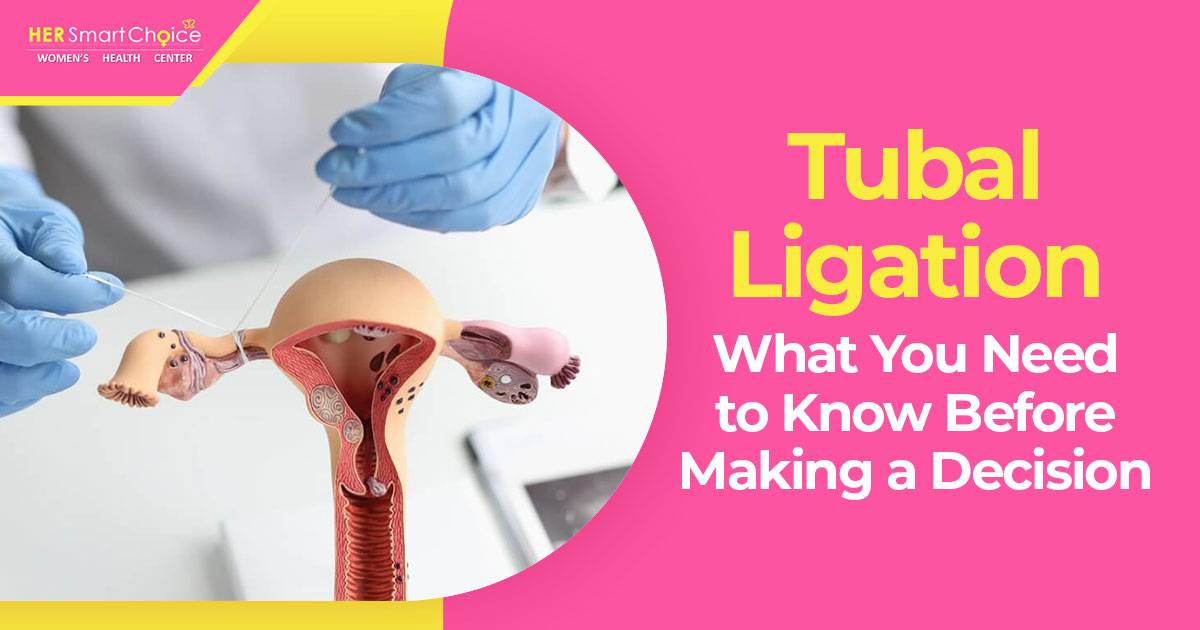
Tubal Ligation: What You Need to Know Before Making a Decision


Do you find yourself struggling to choose the right birth control method? In this blog, we'll take a closer look at Tubal Ligation, a permanent solution. May it be a good fit for you?

Follow Us!

Instagram

Facebook

Linkedin

Yelp

There are some temporary and permanent birth control methods available in the healthcare center for women. 


Do not stress your brain, today in this blog, you're going to read about Tubal Ligation, a permanent solution, and who needs to get their tubes tied. Generally, Tubal Ligation is another type of birth control method that is effective for female sterilization and there are some factors that one needs to consider before getting tubes tied


What is Tubal Ligation?


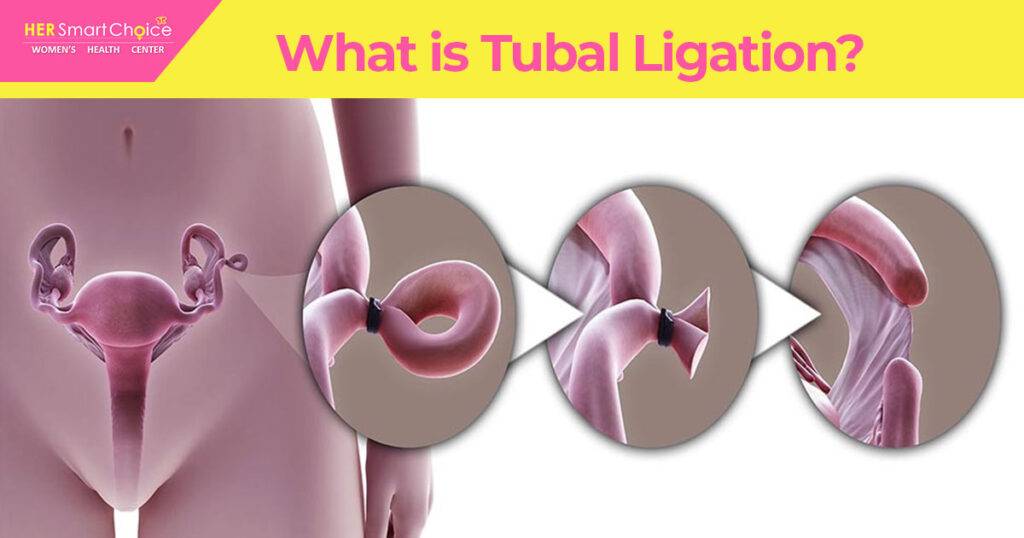
what is tubal ligation


Tubal Ligation is a surgical procedure, also known as ‘tubes tied’, which involves blocking or sealing off the fallopian tubes. Further, it helps in preventing sperm and eggs, this way it succeeds in achieving permanent female sterilization. 


This procedure considers a highly rated and effective form of contraception. Even it has a highly effective success rate as per the research study of American College of Obstetricians and Gynecologists (ACOG). In the following passage, you’ll get to know about the various factors that women should consider before undergoing this process, such as age, family planning goals, and medical history. 


Factors to Consider Before Tubal Ligation
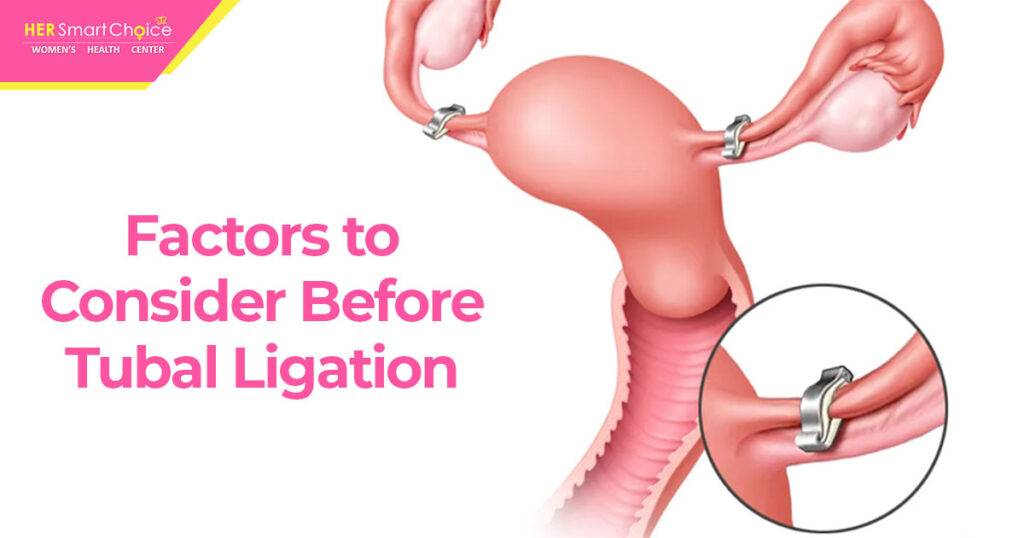
 

type of birth control


Complete Family - If you or women near you, have completed their families and do not want to expand may consider their tubes tied. Tubal Ligation is a permanent form of contraception for women who don’t want any children. There are very few chances for women to get pregnant after undergoing the entire process. So, if you’re prepared for not having more children, then getting tubes tied is the right solution for you.


Medical Conditions that Make Pregnancy Unsafe: If women have some medical conditions, including severe heart disease, kidney disease, or certain cancer types, they may consider the tube-tied form of contraception. Otherwise, in such situations, the family endangers the mother’s life. 


Family History of Hereditary Diseases: In such conditions, women who are dealing with a family history of genetic disorders, may get their tubes tied. They consider this to prevent the transmission of diseases to offspring. This way they ensure that no problem related to their genes will be passed on further to their children. 


Age Factor  - Age is also considered a vital factor for getting a test tube tied. Mostly, women of 35 plus age group may be advised to get their tubes tied.  They have a higher risk of complications during pregnancy. 


Partner’s Decision: The ultimate decision, whether getting the tubes tied or not, is of women. It is good if you give importance to considering the partner’s opinions. If the partner does not want more children, getting birth-control tubes is the right option. 


Future Family Planning Goals: If you are unsure about your family planning goals or who may want to have children in the future should consider other forms of contraception. Tubes Tied are the permanent method of birth control with a highly successful rate. But, if you want temporary control over pregnancy, then you should go for other methods, such as IUDs, birth control pills, or condoms. 


Personal Beliefs & Values: Some women also follow this birth control method only for personal beliefs and values. They want to reduce the impact of the excess birth rate by not having more children. So, they get the tubes tied to stop further pregnancies. 


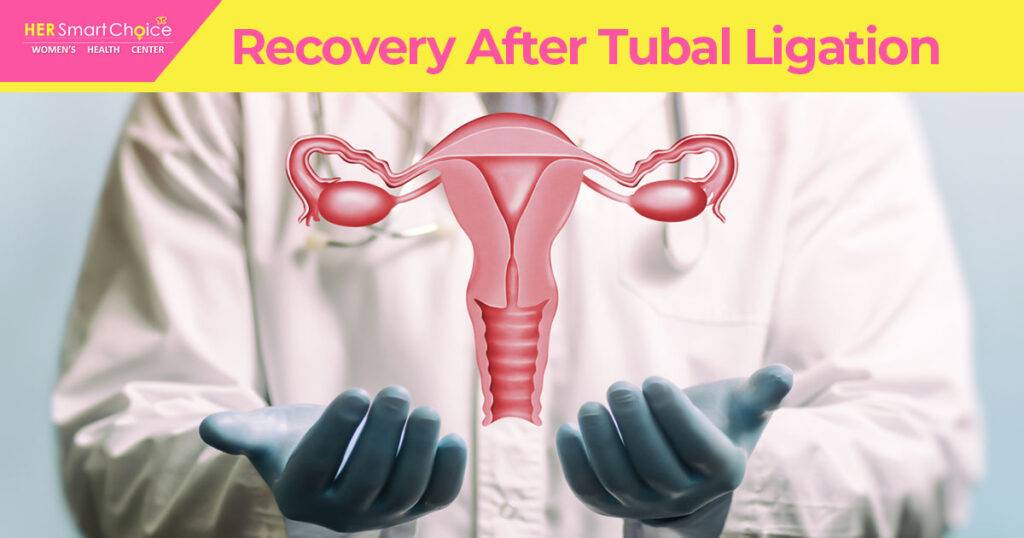
Recovery After Tubal Ligation
 

recovery after tubal ligation


The procedure of tubal ligation is surgical and it requires the followings instruction for recovery:


  • After tubal ligation, recovery is straightforward and most women can return to their normal routine within a few days. 
  • It is essential to follow your doctor’s instructions carefully for a better and smooth recovery. 
  • Must remember to follow common post-operative instructions, including avoiding heavy lifting or exercise for a few days. 
  • It is also essential to avoid sexual activities for a few days until the doctor allows you again. 
  • Pain medication also is there but may be prescribed to manage any discomfort. 
  • Some patients may also experience spotting or mild cramping after the procedure, which is normal, no need to be scared in such a situation. 
  • It is essential to keep the particular area clean and dry to prevent infection. 
  • Contact your doctor or your nearby Women’s Health Clinic if you experience severe pain, fever, or heavy bleeding after the procedure. 


Conclusion 


From the above passages, you may get a clear view of tubal ligation and its effective nature as a contraception method. There are numerous factors that women need to consider before getting tubes tied. It includes personal beliefs, medical conditions, family planning, age factor, partner decision, and others that impact women’s decision for choosing this permanent birth control method. The procedure of tubal ligation is safe and effective and most successful in results. But, still, it is advised to discuss with the doctor to make an informed decision as per your health history and present report. Contact Her Smart Choice for expert advice on tubal ligation and other birth control options.

Follow Us!

Instagram

Facebook

Linkedin

Yelp

FAQ

What is Tubal Ligation and how does it work?

Tubal Ligation, commonly referred to as getting your "tubes tied," is a surgical procedure that permanently blocks or seals the fallopian tubes to prevent sperm from fertilizing eggs, thereby resulting in permanent female sterilization.

Who should consider Tubal Ligation?

Tubal Ligation is typically considered by women who have completed their families and do not wish to have more children, those with medical conditions where pregnancy could pose risks, and women with a family history of hereditary diseases. It is also important for those who are sure about their family planning goals.

What factors should I consider before opting for Tubal Ligation?

Key factors include your age, family planning goals, medical history, partner’s opinions, and personal beliefs and values regarding having children. Consulting with a healthcare professional can help ensure that it is the right choice for you.

What can I expect during recovery after the procedure?

Recovery from Tubal Ligation is generally straightforward. Most women can return to normal activities within a few days. It is important to follow your doctor’s post-operative instructions, refrain from heavy lifting or exercise initially, and watch for any concerning symptoms such as severe pain or heavy bleeding.

What are the risks and potential complications of Tubal Ligation?

While Tubal Ligation is considered a safe and effective procedure, potential risks include infection, chronic pain, or complications from the surgery itself. It's important to discuss these risks with your doctor to weigh them against the benefits.
Read more...
Nexplanon and birth control

Nexplanon Birth Control: How Effective Is It at Preventing Pregnancy?

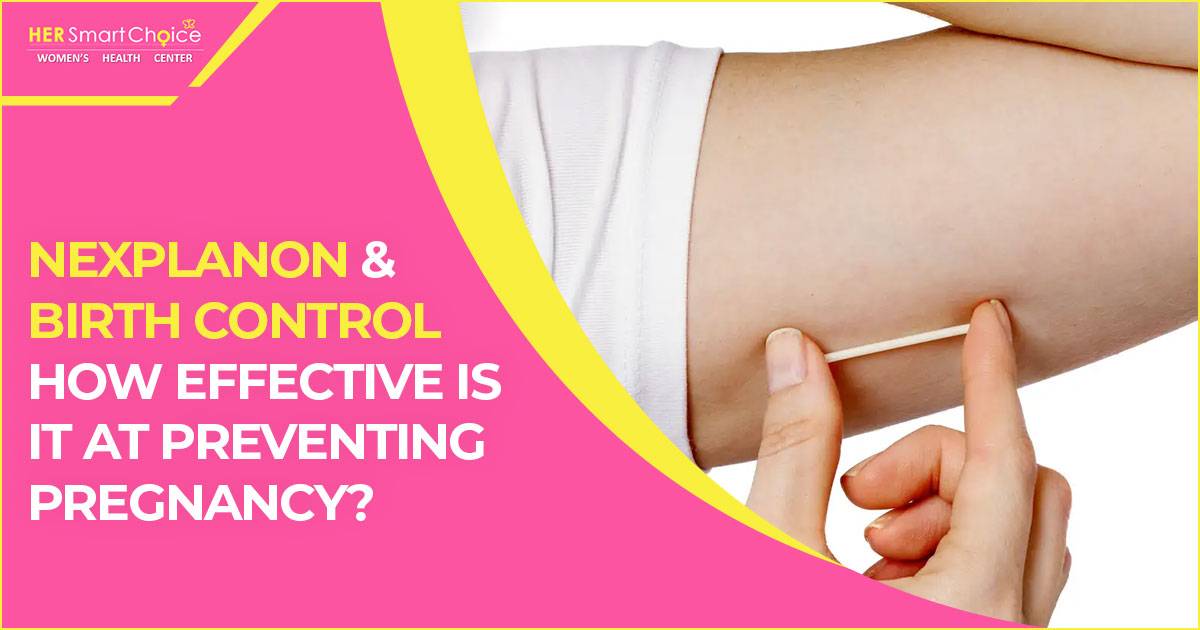
  Birth-control methods are becoming popular day by day as technology grows. The decision-making of birth control reflects the women’s right to make decisions on their own. Despite all these, let’s talk about a variety of options available for birth control, including vaginal rings, IUDs, oral contraceptives, and patches. However, there is one of the new forms of birth control introduced - Nexplanon implant. It is basically a small and flexible rod that is inserted beneath the skin of the upper arm. But the question raised is how effective is Nexplanon at preventing pregnancy? In this blog post, you’ll learn about Nexplanon, its effectiveness, and how it prevents pregnancy.  

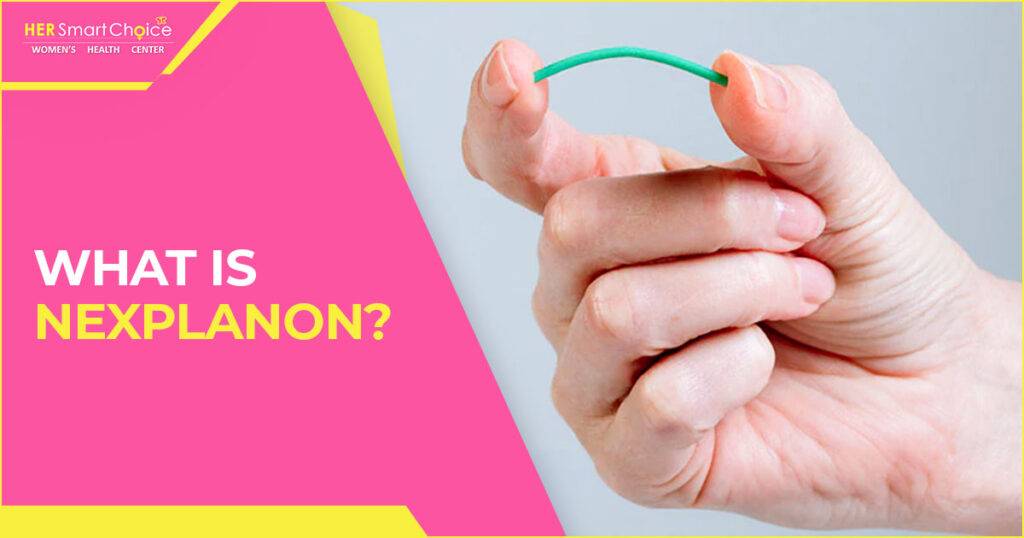
What is Nexplanon?

 
nexplanon birth control method
Nexplanon is a tiny and flexible implant that is inserted in the woman’s body from beneath the skin of the upper arm. This form of hormonal birth control comes under progestin-only, which represents the release of synthetic versions of the hormone progesterone. The device is the size of a matchstick. Further, it is inserted by a healthcare provider during a quick, outpatient procedure. The duration of the implant lasts for up to three years once it is inserted. It provides a long-lasting experience and reduces the stress of taking daily pills, injections, or other forms of contraception.  

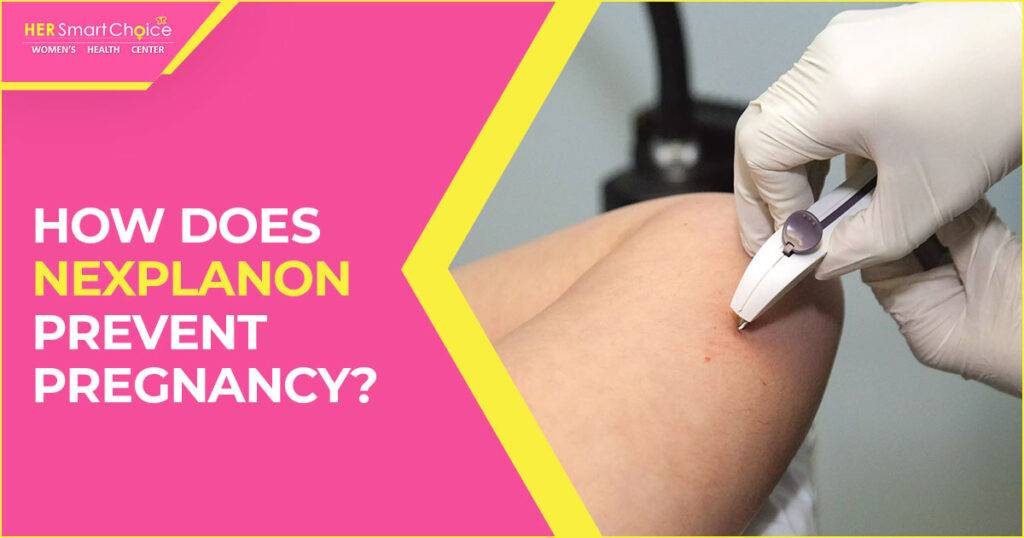
How Does Nexplanon Prevent Pregnancy?

 
Nexplanon implant birth control
To prevent pregnancy, Nexplanon releases a synthetic hormone called progesterone version. This hormone impacts differently in preventing pregnancy and its working ways are also distinct. First, it thickens cervical mucus, which as a result, makes it difficult for sperm to reach and fertilize an egg. Second, it makes the lining of the uterus thin that in a result becomes less hospitable to fertilize an egg. Ultimately, it can also suppress ovulation in some women in preventing the release of an egg altogether.  

How effective is Nexplanon Birth Control at preventing pregnancy?

  If Nexplanon birth control is used appropriately and consistently, it is beneficial over 99% effective at preventing pregnancy. That is why this is known to be the most effective birth control form. Well, sometimes the effectiveness of the Nexplanon gets affected due to numerous factors. These factors consist of the age and weight of users, their smoking habits, and whether they take proper medication or not. Some medications, like certain antibiotics and antifungal drugs, may reduce the effectiveness of Nexplanon.   Here is a step-by-step breakdown of how Nexplanon insertion process works:  
  • First of all, your healthcare provider will review your medical history to discuss the potential benefits and risks of implementation with you. The examination includes a physical exam and blood pressure checkup.
  • Once you’re ready for the process, the provider will numb the area where the implant will be inserted with a local anesthetic. This will minimize the feeling of pain during the procedure.
  • In the next step, the provider will make a small incision in the upper arm. They will use a specific service to insert the implant beneath the skin.
  • After the implant is inserted, the insertion area will cover with a small bandage or strips. The provider may also pressurize the particular area to minimize the bleeding.
  • At last, you will be given a prescription or specific instructions on how to care for the insertion area, including, to keep it clean and dry, or when you can resume routine activities.
  Note: Nexplanon does not protect against sexually transmitted infections (STIs), it is better to use condoms or other protection methods.  

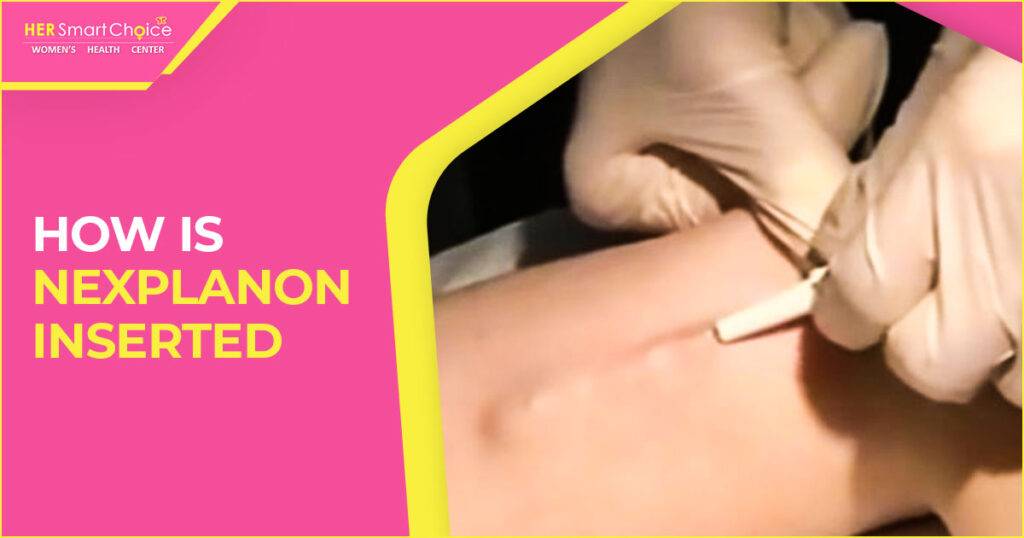
How is Nexplanon Inserted?

 
Nexplanon birth control
Nexplanon takes a few minutes to insert. Read the following points to learn about the insertion procedure.
  • A healthcare provider inserted the Nexplanon during a quick and outpatient procedure.
  • The implant process usually takes less than five minutes and to minimize the discomfort, it is done under local anesthesia.
  • In the next step, a small incision in the upper arm will be made by the provider inserting the implant beneath the skin.
  • Once inserted, the implant shall remain for up to three years.
  • Make sure to keep the insertion area clean and dry after insertion to prevent infection.
  • You should also need to avoid heavy lifting or hectic activities for the first few days after the insertion.
  • You will also receive detailed instructions and caring tips from your healthcare provider. They will also let you know what to expect in the weeks and months following insertion.
  It is important to seek the assistance of an experienced healthcare provider to insert Nexplanon. Do not attempt it by yourself; otherwise, it can cause danger or increase the risk of complications.  

Can You Get Pregnant On Nexplanon?

  can you get pregnant on Nexplanon   However, there are some factors that can reduce the effectiveness of Nexplanon. It includes certain medications that can interfere with the absorption and metabolism of the hormone in the implant. Additionally, if the implant is not inserted correctly or becomes damaged, it may be less effective at preventing pregnancy.  

Conclusion

  Undoubtedly, Nexplanon birth control is one of the most effective hormonal birth-control methods, with over 99% assurance. But the entire procedure of insertion should be done under the guidance of an experienced healthcare provider to avoid later consequences. You may reach out to Her Smart Choice, a reputed birth control clinic in Los Angeles with an extensive range of women's health service providers.
Read more...
Her Smart Choice

Choose The Right Pill: A Comprehensive Guide to Birth Control Pills in Los Angeles

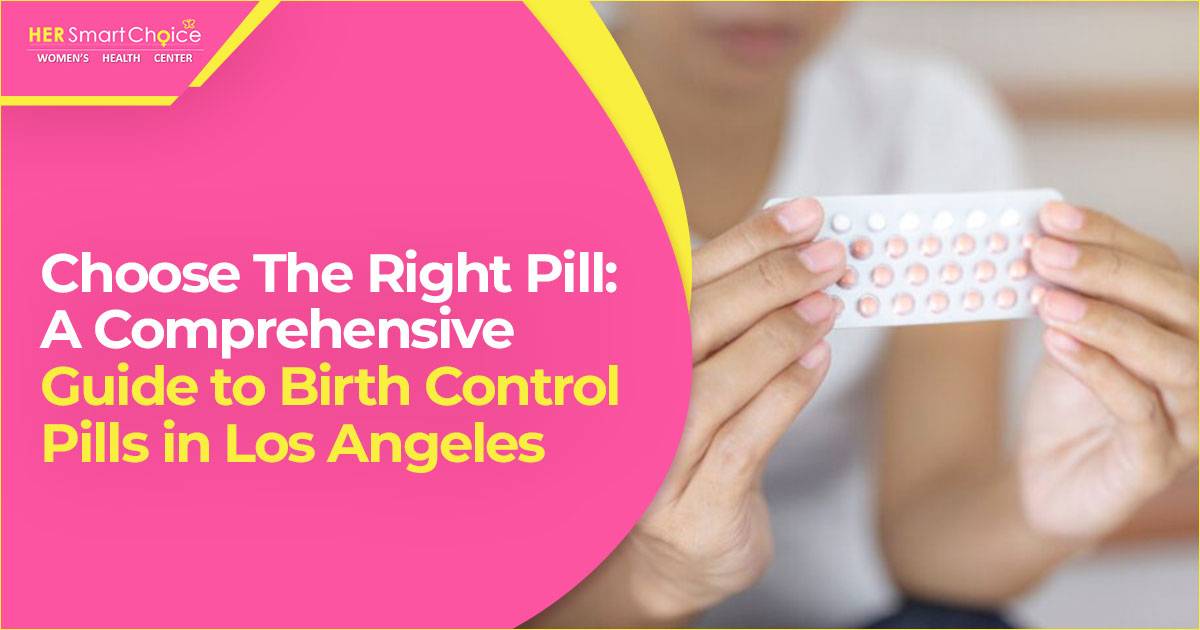
  Nowadays, birth control methods are popular among women, especially, when individuals faced unplanned pregnancies. It allows individuals to have control over their reproductive health and make the right decision about their future. Birth control methods can help in preventing unplanned pregnancies and put a significant impact on the life of a person.    We understand that it becomes difficult for many individuals to choose the right option of birth control from several options. In this comprehensive guide, you may get a closer look at the wide range of birth control pills available in Los Angeles, as well as their pros, to help individuals like you make an informed decision.    To begin with, the basics, Birth control pills are a form of hormonal contraception to prevent ovulation. Most birth control pills contain a combination of two hormones: estrogen and progestin. These hormones work together to prevent pregnancy and stop the release of eggs from the ovaries.   

Types of birth control pills

Her Smart Choice health clinic
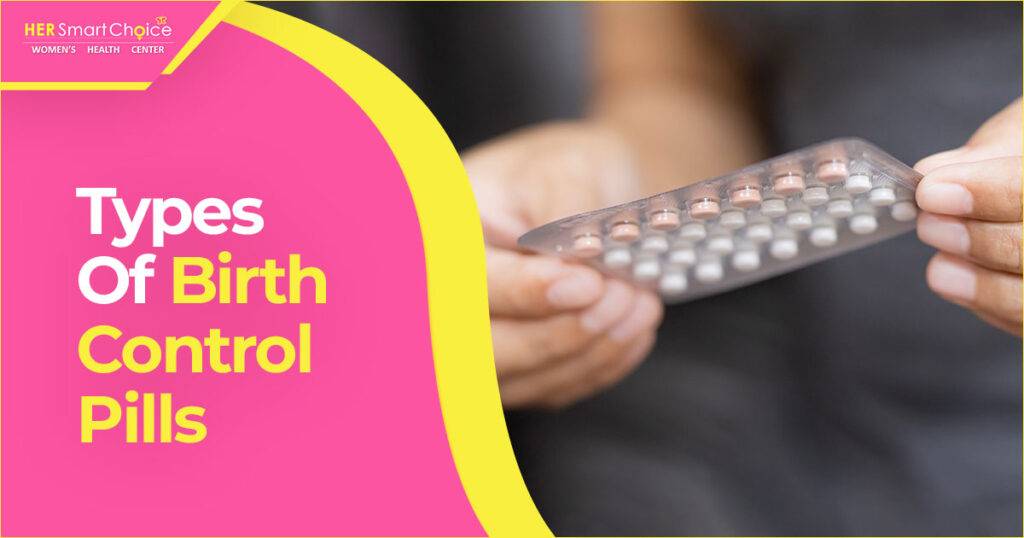
  There are two main types of birth control pills: combination pills and progestin-only pills. Combination pills are considered by most of individuals as commonly prescribed birth control pills. Combination pills consist of both estrogen and progestin, whereas progestin-only pills contain only progestin, also known as mini-pills. 

Combination Pills

  The most commonly prescribed combination pills come in various strengths and formulations. Here are some common combinations of pills:   Monophasic Pills: These pills are the most common kind of combination pill that contains the same level of estrogen and progestin in each pill. Also, available in a variety of brands.    Multiphasic Pills: These pills are designed to mimic the natural hormonal fluctuations of the human body Moreover, these pills contain a wide variety of brands.    Extended Cycle Pills - Extended-Cycle Pills - When it comes to extended pills, individual, women prefer it to women. These pills are taken regularly for 12 weeks, followed by a week of placebo pills.    Benefits Of Combination Pills:  
  • If the pills are taken correctly, then it is highly effective to prevent pregnancy. 
  • Reduce menstrual cramps by regulating menstrual cycles
  • It can reduce the risk of ovarian and improve acne. 
  • Some combination pills can be used to treat conditions like PCOS. 
 

Progestin- Only Pills

  These mini pills consist only of progestin and no estrogen. It thickens the cervical mucus, which further makes it difficult for sperm to reach the egg. It is a good option for women who can’t take estrogen.    Benefits of Progestin-Only Pills  
  • If you don’t use estrogen, then you can use these pills.
  • It may have fewer side effects than combination pills.
  • An individual can use it while breastfeeding. 
 

Choosing the right pill for you

Birth control pills
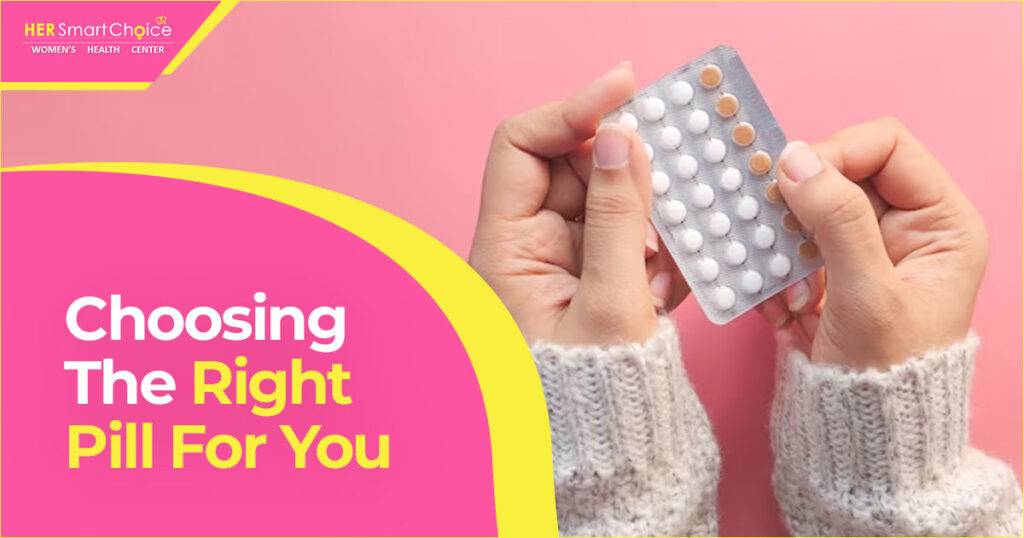
Generally, the impact of choosing the right birth control method is a personal decision. Yet in some cases, healthcare provider recommends these pills. The personal decision of obtaining pills entirely depends on your individual needs and preferences. Here are some of the things that need to be considered while selecting a birth control pill:   Medical History: Before taking any birth control pill, make sure to talk with your healthcare provider about your medical history. Medical conditions, such as high blood pressure, and blood clots, may make certain birth control pills unsuitable.    Side Effects: Your healthcare provider must know about your previous and current medical situations, otherwise the pills may cause harm to your health. It can happen even if you do not follow the prescribed timing to consume medicine.   Convenience: An individual can have the combination pills once a day, while progestin-only pills must be taken at the same time for effective results. Considering which pill is more convenient for you is also based on your daily routine.    Other Health Benefits: Some birth control pills can also provide additional benefits despite of birth-control. It includes reducing the risk of cancer or treating conditions like PCOS. It is, good if you can consult with your healthcare provider about which type of birth control pill is beneficial for you.   

Conclusion 

  In this blog, you have learned the detailing of birth-control pills and how can they work best for you. Not every pill type is appropriate for you, for that you may have to consult with the reputed healthcare provider. Choosing the right birth-control pill can be a personal decision that highlights the needs and preferences of individuals. The two types of pills- Combination and Progestin-only are clearly explained in the above paragraphs.    Make sure to consult with a healthcare provider and consider your medical history, convenience, and other health benefits before taking pills.
Read more...
abnormal bleeding

Abnormal Bleeding: Causes, Symptoms, and Treatment Options

What is Abnormal Bleeding?

  Abnormal bleeding is basically uterine bleeding that refers to any variation in the normal menstrual cycle. This term is broadly spread and includes various types of bleeding patterns, such as irregular bleeding, heavy periods, or bleeding between periods. If you want to seek medical help, you must understand the difference between normal and abnormal bleeding.    In addition, normal bleeding of the menstrual period occurs in a specific or predictable pattern for about 21 to 35 days. If we analyze the moderate flow of menstruation, then the bleeding itself lasts for an average of 4 to 7 days. This flow of bleeding requires changing a pad every few hours. However, menstrual cycles can vary from woman to woman.   

What Causes Heavy Abnormal Bleeding?

abnormal bleeding causes
 

Menorrhagia is a medical name for heavy abnormal bleeding that can have several underlying causes. It is essential to keep in mind that heavy bleeding is relative, but not the same for every person. It can be heavier for one person and may be normal for another. Here are some of the potential causes that can be resulted in heavy abnormal bleeding:   Hormonal Imbalances - It specifically refers to the increase of estrogen relative to progesterone, which means it can upset the normal menstrual cycle. As a result, it leads to heavy bleeding. Conditions like PCOS or certain thyroid disorders can contribute to hormonal imbalances.    Uterine Fibroids - It is a kind of noncancerous growth that develops in the uterus’ muscular walls. The cause is that they can vary in size and location which can cause heavy bleeding during the menstrual cycle. It can also distort the uterine cavity.    Presence of Endometrial Tissue - This tissue is present within the muscular walls of the uterus. It can cause enlargement of the uterus, resulting in heavy and painful periods.    Growth Within Uterus Lining - The benign growth that develops within the uterus lining can lead to heavy and prolonged menstrual bleeding. It specifically happens when they become disrupted.    Excessive Thickening of Uterine Lining - Excessive thickening can occur due to hormonal imbalances. It includes an excess estrogen relative to progesterone as mentioned before. This term can lead to heavy menstrual bleeding.    Blood Disorders - Certain blood disorders can also impair the normal clotting process which further results in heavy bleeding during menstruation.    Pelvic Inflammatory Disease– PID is a kind of infection that affects women’s reproductive organs. It consists of the uterus, ovaries, and fallopian tubes. Inflammation and scarring can contribute to heavy or irregular menstrual bleeding.    Certain Medications - If you have taken certain medications, such as anti-inflammatory drugs then it can lead to heavy bleeding. It can also interfere with the ability of the blood to clot in an accurate way.    Intrauterine Devices (IUDs) - IUDs play a vital role in abnormal bleeding. Hormonal IUDs reduce menstrual bleeding in some women, whereas non-hormonal or copper IUDs can lead to heavier bleeding during periods.    Cancerous Conditions - It happens very rarely, but in some cases, heavy or abnormal bleeding can depict the symptoms of uterine or cervical cancer or precancerous conditions. In such situations, women must require prompt medical attention for adequate diagnosis and treatment.    However, it is suggested that you must consult a healthcare professional if you are experiencing heavy abnormal bleeding. The experts of Her Smart Choice, a women’s health center, assist you to determine the underlying causes and develop a tailored and appropriate treatment plan that suits your health condition.   

Symptoms Of Abnormal Bleeding

 
symptoms of abnormal bleeding
 
  • You will feel weakness and fatigue due to excessive bleeding during periods, passing large blood clots, and anemia symptoms. 
  • Unpredictable menstrual cycle lengths or durations, inconsistent bleeding patterns.
  • Postmenopausal refers to vaginal bleeding that occurs after menopause.
  • Bleeding between periods that occurs outside of regular menstrual cycles, also known as intermenstrual bleeding. 
  • Occurrence of bleeding during or after sexual intercourse.
  • Gastrointestinal bleeding depicts the blood in the stool, black or tarry stools. 
  • Abnormal bleeding from the nose, and gums, or minimal injury to other body parts. 
 

Treatments That Can Help

 
abnormal bleeding treatments
  Heavy Menstrual Bleeding: The hormonal birth control and anti-inflammatory drugs help you in reducing bleeding and pain, tranexamic to promote blood clotting, removal of the uterine lining, and surgical interventions if there are any severe cases.    Irregular Menstrual Cycles: The treatment of irregular menstrual cycles depends on the underlying cause. Hormonal contraceptives, including birth control pills, patches, and hormonal IUDs can regulate cycles and hormones.    Postmenopausal Bleeding: In postmenstrual cases, women require an immediate evaluation that the HSC center provides with its same-day services. The thinning of vaginal tissues can also be a sign of endometrial cancer or other gynecological conditions. Further ultrasound, biopsy, and diagnostic tests may be recommended to determine the cause and treatment.    Bleeding Between periods: Treatments are based on underlying causes, yet hormonal contraceptives may be prescribed to regulate menstrual cycles. If the cause is due to infections or abnormalities, such as antibiotics or surgical removal may be essential.    Bleeding During Or After Sexual Intercourse: You must contact a healthcare professional if you’re facing postcoital bleeding. It can involve infections, cervical or vaginal abnormalities, or, in rare cases, cancer. Its treatment will depend on the cause and other surgical or medication treatments.   

Conclusion

  The above-given passages provide you the general information on abnormal bleeding and its causes. The categorization of heavy abnormal bleeding is also helpful information that lets you know the situations in which you need to be aware or need consultation. It is important to note that abnormal bleeding can have some severe impacts, including cervical cancer. Whether it is light spotting or heavier bleeding, you must consult healthcare professionals.    The experienced healthcare providers of Her Smart Choice offer a proper evaluation, diagnosis, and appropriate treatment as per your health condition. Early detection and treatment help in managing abnormal bleeding and prevent potential complications. 
Read more...

Urinary Tract Infections During Pregnancy: Risks, Management, and Safety of Treatment

Pregnancy is always a sensitive matter that requires lots of care and attention for significant results. There is a common concern that comes during pregnancy which is Urinary tract infections (UTIs). It affects a significant pregnancy rate of expectant mothers.    Did you know that UTIs can pose risks to both the developing fetus and mother if not treated on time?    That is why, it is essential to understand the risks, management, and treatment options for UTIs. Especially, when pregnancy is critical. In the following paragraphs, you will explore the impact of UTIs on pregnancy, effective techniques to manage and approaches to treat that ensure the well-being of both baby and mother.   

Symptoms

  Urinary tract infections during pregnancy are common and similar to non-pregnant individuals. The symptoms include frequent urination, burning sensation in the vagina, cloudy or strong-smelling urine, discomfort or pelvic pain, and sometimes, fever, cold, and chills also included. Undoubtedly, regular prenatal care and visits are essential to monitor your good health and avoid potential complications. Besides, You can also obtain assistance on routine healthcare from a telehealth abortion provider over a call.  

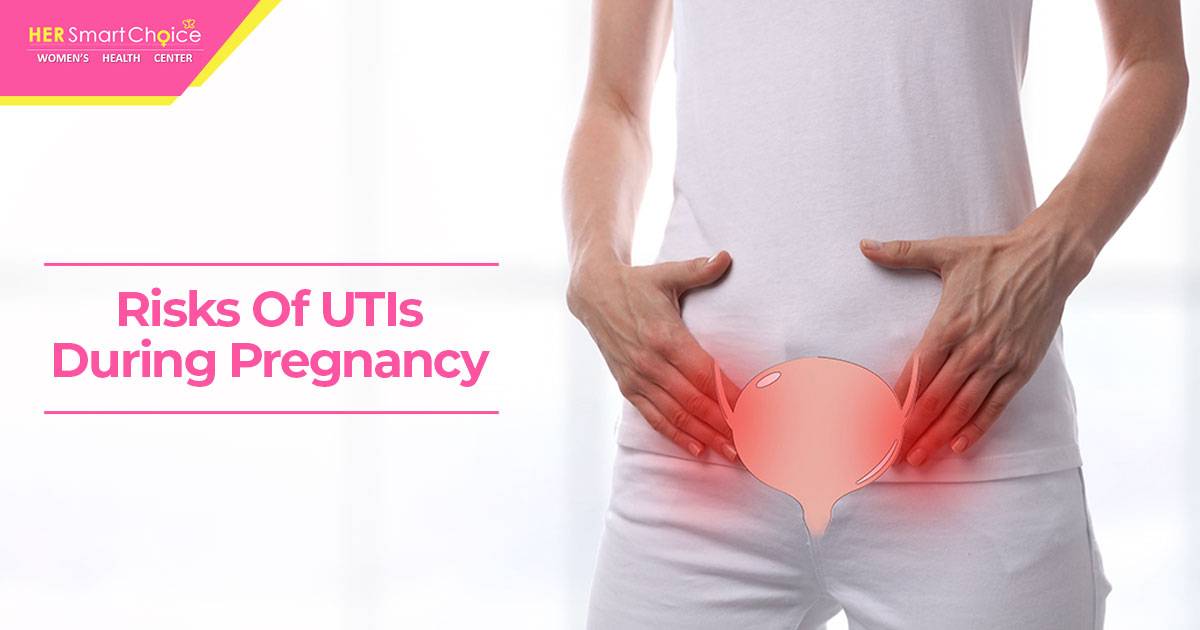
Risks of UTIs during Pregnancy

The role of UTIs in pregnancy can create various complications that are as follow:   Premature Birth - The infection of UTIs increases the risk of preterm labor and premature birth. This happens when an infection triggers uterine contractions which can be resulted in pre-mature delivery.   Low Birth Weight - Another risk of UTIs is that infants born to untreated mothers are likely to have a low birth weight. It can further create development issues or serious health concerns later in life.    Kidney Infections - Even if a UTI spreads to the kidneys, it can cause infection in the kidney which is also known as pyelonephritis. The infection can be raised and the condition may become severe which may also require hospitalization and antibiotics.   

Effective Management Strategies 

Management strategies play an essential role during pregnancy, especially in the prevention and management of UTIs. Here are some of the effective strategies mentioned below:   Hydration - Consumption of the right amount of water in routine is very beneficial for pregnant women. It flushes the bacteria out of the urinary tract and lowers the chance of UTIs.   Personal Hygiene - It is essential to maintain proper hygiene for women. It includes wiping front to back after using the restroom and avoiding harsh chemicals soaps, or feminine hygienic products. These measurements can help in preventing UTIs.    Urination Habits - Make sure to empty or clear the bladder always. This complete cleaning process help in minimizing the chances of bacterial growth.    Cranberry Products - Some surveys and studies suggest the goodness of cranberry products in the improvement of women’s health. Whether you consume juice or supplements, both help in preventing UTIs. IT prevents bacteria from affecting the urinary tract. 

Safe Treatment Approaches 

During pregnancy when UTIs occur, the treatment becomes essential for the safety of the woman’s health. To consult a healthcare professional for diagnosis and consultancy is always a good idea and important too. Some safe and protective approaches related to treatment are as follows:   Antibiotics: Some of the antibiotics are specifically prescribed to treat UTIs during pregnancy. However, the healthcare providers will examine your health and consider the safe antibiotic that will suit you and be effective also. They will keep in mind the potential impact of the dose on the mother and developing fetus.   Urine Culture: The examination related to urine, that is urine culture, is performed to identify the bacteria that is causing infection. This help every individual in getting targeted antibiotic treatment and reducing potential harm.    Follow-up Testing: After the whole procedure and prescribed course of antibiotics, the follow-up is taken. This follow-up ensures the infection has been treated successfully.    Pain relief - There are some pain-relief options that are safe and can be helpful. It consists of acetaminophen (medicine to treat pain) that provides relief from the discomfort caused by UTIs.   

Conclusions

  The whole information above can help you to understand and manage Urinary tract infections during pregnancy. It requires prompt attention to follow the proper management process. These all terms are to safeguard both mother and the baby.    By understanding the risks and problems, you may receive effective preventive measures, and obtain safe treatment options. This way expectant mothers can minimize the complications after getting adequate and safe treatment from the nearest clinic. You can obtain all the women’s healthcare services, whether it is related to medical abortion pills or surgical abortion, Her Smart Choice provides all women’s health services. You can also take the assistance of our telehealth abortion provider.   This blog post is just to provide you the UTIs related information. The medical terms can be specified as per an individual’s health condition, so you should consult the doctor or healthcare expert for personalized guidance and effective treatment.
Read more...

Everything You Need to Know About IUDs: The Most Effective Form of Contraception

There are a few birth control methods to prevent pregnancy, and the intrauterine device is one of them. Generally, it is popular as IUDs contraception in medical terms. Do you know that its popularity increasing day by day among women? One reason can be its long-term duration and hassle-free methodology for birth control. Another can be that it is considered the most effective form of contraception.  IUD is a T-shaped device that is used to prevent pregnancy. The device is made of plastic or copper that is inserted into the uterus by doctors or women's health specialists.  

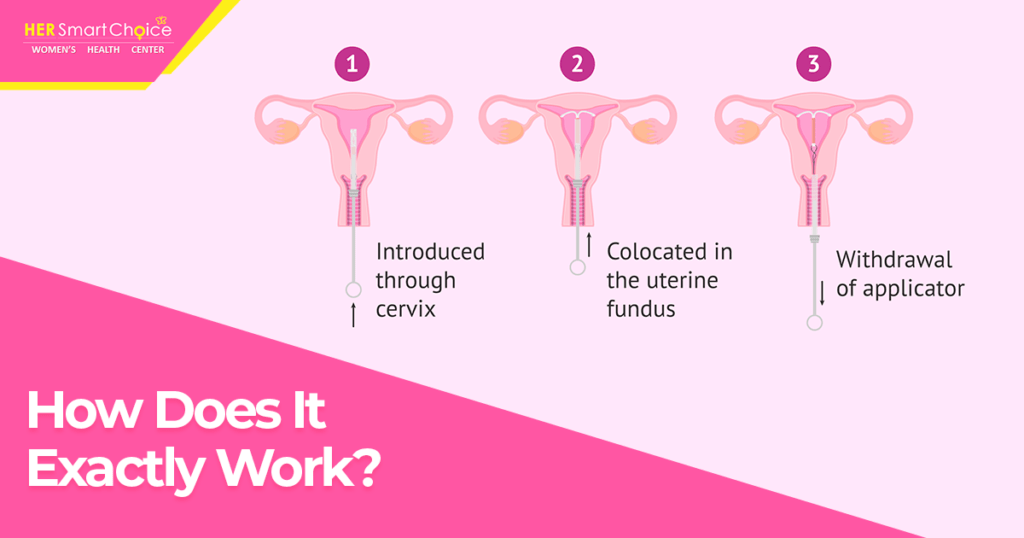
How does it exactly work?

how IUDs work The IUDs contraception further divide into two categories: hormonal and non-hormonal. Hormonal IUDs work by releasing a small amount of progestin hormone. This hormone is exactly similar to the one present in birth control pills. Its work is to thicken the cervical mucus which doesn’t let sperm reach the egg. On the other hand, non-hormonal IUDs are covered with copper wire. It creates an inflammatory reaction in the uterus which prevent fertilization with its toxic behavior toward sperm. The procedure of these IUD types is done under professional care. The healthcare providers insert IUD into the uterus and leave it in the same place for up to 3-12 years, based on the type of IUD.   Need To Know: IUD devices are reversible. Any woman who wants to become pregnant can get it removed anytime.  

Benefits of IUDs

Extremely Effective Device- IUDs have a very lower failure rate of less than 1%. Even it is considered as the most effective form of contraception. Long-Lasting Results - Well, it is based on the type of IUD you are using, but it can provide up to 3-12 years without any maintenance. No Daily Routine - IUDs don’t need any on-demand or daily usage as birth control pills or condoms are. So, it isn't required to follow a daily routine.  Secure - IUDs contraception are known to be the safest device with very few side effects. Even it is the best option for those women who don’t prefer hormone birth control methods because of their health issues. Easily reversible - IUD can be removed if a woman wants to become pregnant again or no longer wants to use this device.  

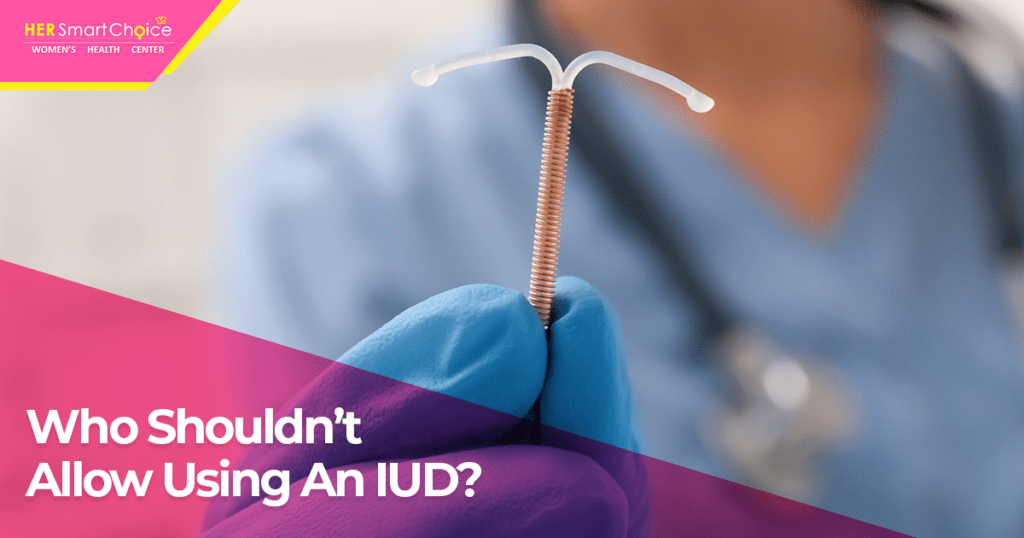
Who shouldn’t allow using an IUD?

IUDs The use of IUDs contraception is common and effective, but there are certain situations in which women are suggested to not use an IUD. Some of the reasons are as follows:
  • If you’re pregnant, you may avoid the use of an IUD.
  • If you already have an active sexually transmitted infection (STI).
  • If you’re at potential risk for contracting an STI.
  • If you have unexplained and over-vaginal bleeding.
Besides, you are suggested to not use copper IUDs if you have an allergy or any genetic disease related to copper.  

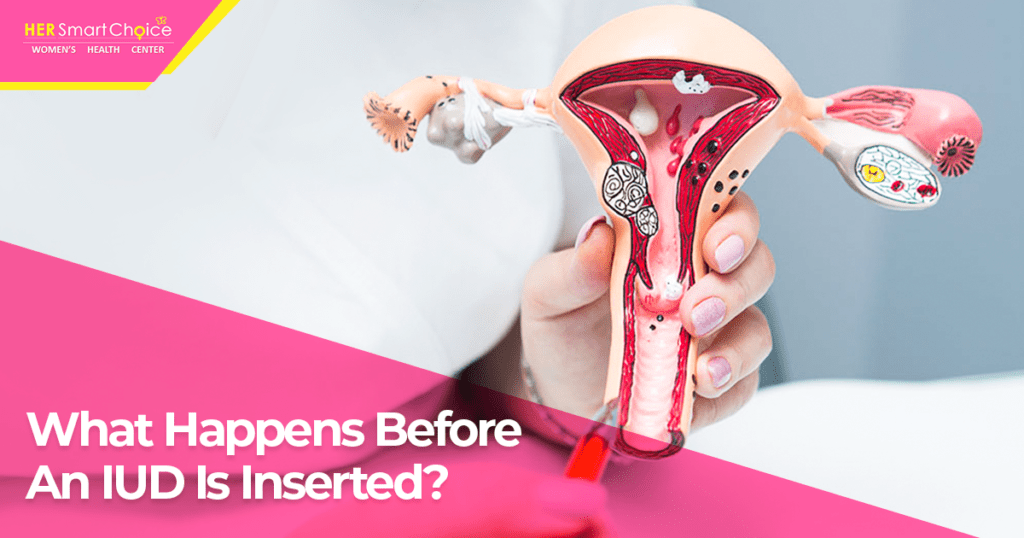
What happens before an IUD is inserted?

IUD insertion First of all, your healthcare provider will enquire about your health and lifestyle to ensure you’re ready for IUD  insertion. There will be two tests happens, including pregnancy tests or STIs beforehand to ensure your health updates. You can talk to your health provider about the volume of the pain and its management before the procedure. Some women tolerate the pain while IUD insertion without any problem. Others avoid it only because they feared from the thought of its experience. In such a situation, it is good if you take the advice of your healthcare provider. They can recommend you the best pain medication beforehand to lower the pain. Also, you may not feel discomfort after insertion. Well, the providers may numb the area of insertion before the procedure to keep you comfortable. However, it is essential to communicate openly with your provider to avoid anxiety and lessen the fear of getting an IUD treatment.  

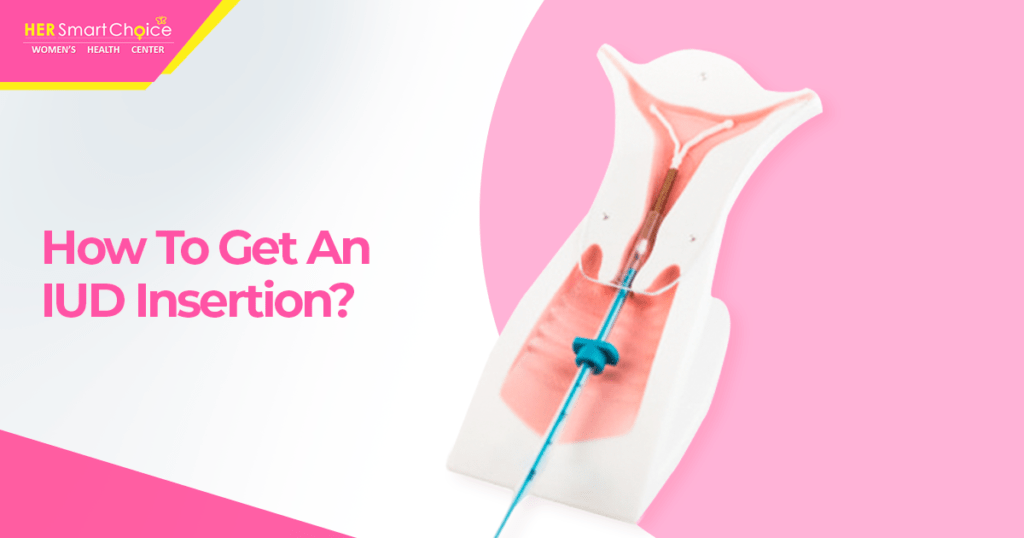
How to get an IUD insertion?

IUDs insertion It is a good decision if you’re interested in an IUD insertion. For that, you may talk to the healthcare providers by visiting the nearest birth control clinic. They can detect and help you to decide which IUD can be suited best to you as per your medical history, lifestyle, and preferences. In addition, the IUD insertion process usually takes 10 minutes or less. The process can be done in the healthcare provider’s office. The provider inserts the IUD through the cervix or into your uterus. It may discomfort you for a few minutes during the procedure but then all will be okay. After insertion, you can follow your normal activities and routine.  

Conclusion

To conclude the above information related to IUDs contraception, including its procedure and benefits, may guide you well with the procedure. This device is safe, effective, and long-lasting to prevent pregnancy in the long term or for birth control. Its benefits always outweigh its demerits if you go through proper healthcare consultancy. If you’re interested in IUD insertion, make sure to talk to your nearest women's health clinic. Her Smart Choice is always here to listen to your queries and provide the right guidance.
Read more...

The Importance of Comprehensive Sexual Education for Promoting Healthy Choices

Nowadays, comprehensive sex education (CSE) seems to be a crucial part of both male and female lives and their sexual and reproductive healthcare. Furthermore, it promotes a good understanding of making healthy choices in sexual activities. The leading women’s health clinic, Her Smart Choice, also supports the promotion of healthy choices and comprehensive sexual education.

This approach aims to provide you with an accurate education on sexual health, whether it is age-appropriate or cultural information. CSE also covers a wide range of terms, such as puberty, anatomy and physiology, relationships, sexual orientation, and STI prevention and treatment.


Reasons Why Comprehensive Sexual Education Is Essential


importance of comprehensive sexual health

There are some reasons that depict the importance of comprehensive sexual education to promote healthy choices. To know the details, read the following passages:

Promotes informed decision-making: The education services related to comprehensive sexuality help young people and adults know everything about their bodies and sexuality. Also, it allows them to make informed decisions related to their sexual behavior. It includes when they have to start sex, the kind of contraception they can use, and protection tips from STIs.

Reduce the risk of sexual behavior: It has been seen in many studies that comprehensive sexual education can reduce the beginning risk factors related to sexual behavior. It includes a lack of knowledge about early sexual debut, protected sex, and multiple sexual partners. This approach can help the youth make healthy choices and prevent them from developing STIs, unintended pregnancies, and HIV/AIDS.

Promotes good and healthy relationships: Further, this approach can be related to promoting healthy relationships among young people of both genders. It can also improve their communication skills. Later, this information can assist young people in building positive and strong relationships based on mutual trust, respect, and consent.

Addresses gender and sexual diversity: This education helps in recognizing gender identities and sexual orientation. It further helps reduce discrimination and stigma. On the other hand, it also promotes acceptance among all individuals, regardless of their sexual or gender identity.

Benefits of Comprehensive Sex Education for Adolescents and Young People


sex education benefits

It has been seen that young people who are equipped with comprehensive sex education studies or programs in school demonstrate healthy sexual behavior, such as:

  • Increased use of condoms and contraception.
  • Lower rate of unplanned pregnancies.
  • Fewer cases of STIs and HIV

Impact on social-emotional health

  • A clear understanding of reproductive rights and responsibilities.
  • Understanding gender and sexuality
  • A lower percentage of sexual assault, dating violence, and child sexual abuse.
  • Stronger communication skills and relationships
  • Knowledge of STD testing to detect infection and avoid risks.
  • Reduce homophobia and related bullying.

Generally, this approach is based on a curriculum that not only limits risk reduction but also ensures that youth are supported at every step. Whether it is about their identity and sexuality or making decisions for the future, relationships, or behavior, CSE supports all these critical benefits.
Impacts of a lack of access to CSE

If youth are not allowed to gain comprehensive sex education, then they may get away from the information and skills needed for healthy sexual development. The impacts of the lack of CSE include:

  • Lack of knowledge about using condoms increases the risk of STIs, such as HIV.
  • Lack of knowledge enhances the stigma of gender and sexual identity.
  • Avoiding the use of contraception may lead to unplanned pregnancy risk.
  • Have to face challenges in interpersonal communications.
  • Higher chances of young people turning to unreliable sources to obtain sex information.
  • Increase the chances of intimate partner and dating violence.
  • Unsafe school environments.
  • Decrease valid media literacy.
  • Lower chances of social-emotional learning.

In addition, the lack of access to comprehensive sex education can cause health disparities and imbalances, with inappropriate impacts on particular populations of youth.

Specifically, youth who identify as women, face color discrimination, have disabilities, or are LGBTQ2S are discriminated against or impacted while accessing comprehensive sex education. Otherwise, the lack of knowledge can impact their safety, health, and self-identity.

Common Elements in Comprehensive Sex Education Programs

elements of sex education programs

There are several elements that are common in sex education programs and are essential:

  • It is essential to use a medically accurate and evidence-based curriculum that can also include disabled young people.
  • The information, strategies, methods, teaching, and materials must be appropriate and developed.

Must have knowledge of the following topics:

  • Human development: It consists of body image, puberty, gender identity, anatomy, and sexual orientation.
  • Personal Skills: It include values, assertiveness, negotiation, decision-making, communication, and help-seeking.
  • Society and Culture: It includes gender roles, the intersection of sexuality, diversity and religion, law, arts, and media.
  • Relationships: These consist of families, dating, peers, marriage, and raising children activities.
  • Sexual behavior: It includes masturbation, pleasure from sex, and shared behavior across a lifetime.
 
  • Sexual Health. It includes contraception, prenatal care, abortion, HIV, sexual abuse, and violence.

Overall

In this article, you will clearly understand the requirement of comprehensive sex education for aware youth. It helps them to prepare for every situation and to follow the right methods while entering into sensual relations. You may get to know the reasons that have a great effect on the attainment of sexual education. Still, if you are a woman and want to get more details, reach out to HSC’s Gynecological Services in California.

Read more...

How to obtain Abortion Pills that are legal, safe, and effective?

Whether you are a minor or an adult, abortion with pills is considered the most safest and effective way to end a pregnancy. You can get free pills to have an abortion from your local women’s healthcare center or through telehealth. Moreover, you can take it at your own comfortable place. Despite all, it is essential that you must follow the right medication procedure and take the right pills. This is because there are so many abortion pills available that are of poor quality and can cause harm. In this blog, you may probably get all your answers related to the attainment of abortion pills legally and safely.  

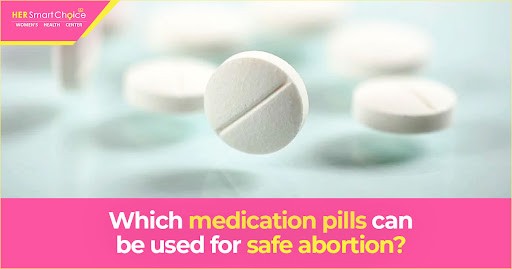
Which medication pills can be used for safe abortion?

medication There are two abortion pills that can be used as medication: misoprostol and mifepristone. After getting your doctor’s prescription, you can take both the medicine together, or ‘misoprostol’ can be consumed alone. Misoprostol pills can be less effective but are extremely safe. These pills clear the uterus safely and effectively with a process similar to a miscarriage. These pills are very common in use because of their easy availability in comparison to Mifepristone.  

Difference Between Mifepristone and Misoprostol

  Progesterone is a hormone that is essential to maintain a pregnancy. Further, the progesterone activity is blocked by the consumption of mifepristone pills in the uterus. It softens the cervix so that the pregnancy removes easily. On the other hand, Misoprostol shrinks the uterus and pushes out the pregnancy just like a person has a miscarriage. However, in case of both medications are available, the first preference is always given to mifepristone. Then after one or two days, misoprostol is taken. This pill get dissolves in the mouth quickly, you can keep it under the tongue or in the mid of the cheek and gum whereas Mifepristone is always swallowed. The reason for avoiding mifepristone is its less availability around the world. Only a limited number of countries have kept their stock. Not only this, both medicines are often packaged and sold as a combined abortion medication product. The easy availability of Misoprostol and its less expensive advantage makes it the wide seller of abortion pills. You can get these free abortion pills from women's healthcare centers or from pharmacies. Misoprostol can also be used to prevent heavy bleeding after childbirth or to treat ulcers. Therefore, no prescription requires for it and you can get it easily. (Note: Misoprostol is the clinical name of this pill, but it is globally sold under different names, such as Misotac, Isovent, Misoclear, etc. You can ask your doctor if you’re unaware of the local name of an abortion medicine.)  

What do abortion pills look like?

Whether it is mifepristone or misoprostol, both are sold in the form of tablets or pills. Most misoprostol pills come in a unique hexagon (six-sided) shape, whereas, mifepristone is usually a white-colored round pill. Besides, when both are sold together as a ‘combi-pack’ they are rarely counterfeit.  

What is a ‘blister pack’ and why it is required?

A ‘blister pack’ is a type of medicine packaging in which the pills are properly sealed in a ‘bubble’ between two layered-material. Generally, cardboard, plastic, and aluminum are used for blister packs. The pills, such as misoprostol, become less effective after coming in contact with heat and moisture. That is why, these pills are required to be sealed in double-aluminum blister packs, instead of cardboard or plastic. Note: while getting the pills, make sure the aluminum is not opened until you are ready to use it.  

How do you get to know if the pills are real or not?

pills Even after asking for abortion pills by their name, you may receive counterfeit (duplicate) pills from the seller. These pills may not work properly and can delay your abortion. You can consider the following points to know how safe and effective abortion pills should be:
  • The pills are white in color
  • Available in pills or tablet form, not capsules
  • Ideally, the package is not damaged, the double-aluminum blister pack
  • Buy it from a trusted pharmacy or medicine seller
  • Not expired, no expiry date should be mentioned on the package.

Overall

Taking everything into account from the above content, you may get to know about the types of pills and how to use them. Most of the regions or states provided free pills to women with the assistance of local women's health centers. Also, telehealth services and abortion pills in California are free for all women. There are no hard and core rules to get abortion medication in this state. Moreover, the knowledge of medication, we shared above will help you to be aware of counterfeit (duplicate) pills and get the right medicine. If you have any queries on the medication or how to get it, you can reach out to Her Smart Choice for the right solutions.
Read more...
benefits of birth control

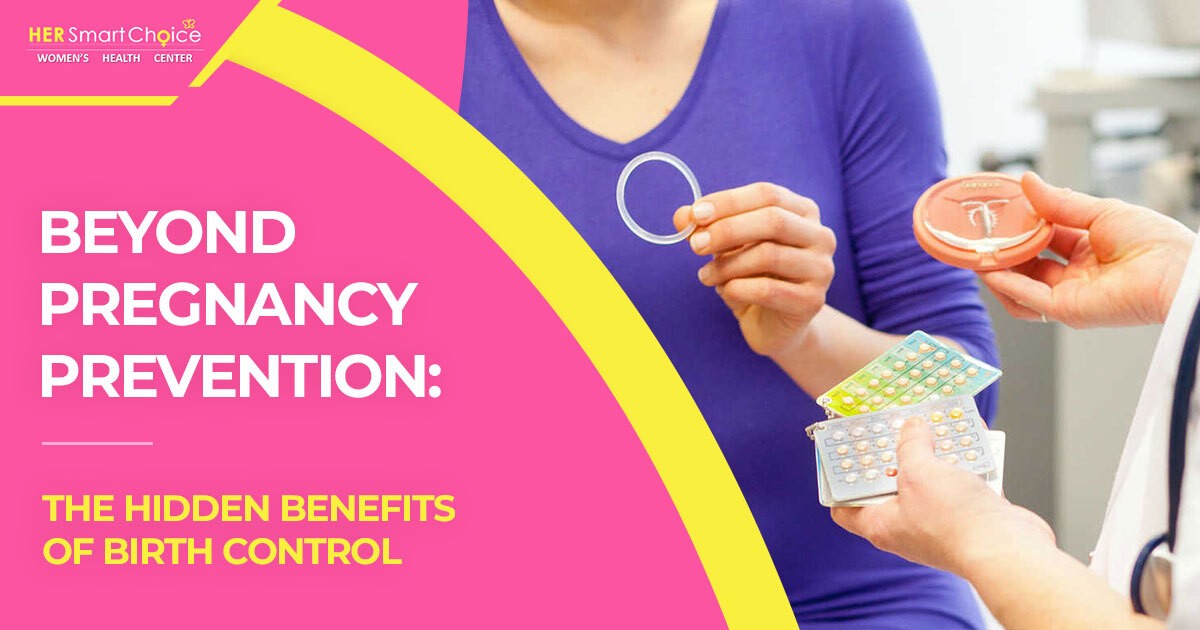
Beyond Pregnancy Prevention: The Hidden Benefits of Birth Control

For many, birth control is seen as just a means of preventing pregnancy. But the benefits of contraception go far beyond that.    Having access to birth control is an important part of reproductive health, but many hidden benefits of birth control often go unrecognized.    Birth control can have a positive effect not only on pregnancy prevention but also on a person’s overall physical and mental health.   Here we'll explore some of the hidden advantages of birth control and the ways it can positively affect women’s health, their lives, and the future of our society.   From reducing the risk of certain cancers to providing more autonomy to women, there are a multitude of benefits of birth control methods that are often overlooked or underestimated.   So, let’s take a closer look at the potential of contraception and all the ways it can help us.  
  • Birth control can help women with conditions like endometriosis & PCOS

  When it comes to physical health, birth control can help women with conditions like endometriosis and polycystic ovary syndrome (PCOS).   Endometriosis is a condition where the tissue that normally lines the uterus grows outside of the uterus, causing pain and infertility. Birth control pills help reduce endometrial tissue growth and can reduce pain associated with the condition.   PCOS is a hormone imbalance that can cause irregular periods, acne, and infertility. Birth control pills help regulate hormones and reduce the symptoms of PCOS.  
  • Reduce the risk of uterine & ovarian cancer

  Birth control can also help reduce the risk of uterine and ovarian cancer. The hormones in birth control pills can reduce the risk of ovarian and endometrial cancer by up to 50%. Additionally, long-term use of birth control can reduce the risk of colorectal cancer in women.   Using birth control can also benefit mental health. Studies have shown that birth control can reduce symptoms of anxiety and depression in some women.    This is because hormones have an effect on the brain and can affect mood. Birth control can also reduce premenstrual syndrome (PMS) symptoms like mood swings, bloating, and cramps.  
  • Help with family planning

  Using birth control can help with family planning. Birth control allows couples to plan for a pregnancy when the time is right for them. This can help couples reduce their stress and plan for the best time to start a family.   While it’s important to always use birth control correctly, it’s also important to recognize all the ways it can benefit your health.  
  • Make your periods better

  The abortion pill can not only help terminate an unwanted pregnancy, but it can also make one's periods better. By taking the pill, one can experience less cramping, fewer symptoms of PMS, and a lighter flow.    In addition, it can reduce the risk of developing certain conditions that can be caused by hormonal imbalances. Ultimately, the abortion pill can be a beneficial solution for those who wish to improve their menstrual health.   Both the combination and progestin-only pills can be used to reduce menstrual cramps and lighten periods as well as lower the risk of ectopic pregnancy; additionally, the combination pill can help to prevent or reduce acne, bone thinning, cysts in breasts and ovaries, endometrial and ovarian cancers, serious infections in ovaries, fallopian tubes, and uterus, and iron deficiency (anemia) as well as PMS (premenstrual syndrome).  

Final Verdict

  Birth control is often seen as a tool to prevent pregnancy, but its benefits go far beyond that. In addition to preventing pregnancy, contraceptive use has been linked to reductions in several other important health issues.    The hidden benefits of birth control can indeed be an important part of a woman's overall health and well-being.
Read more...

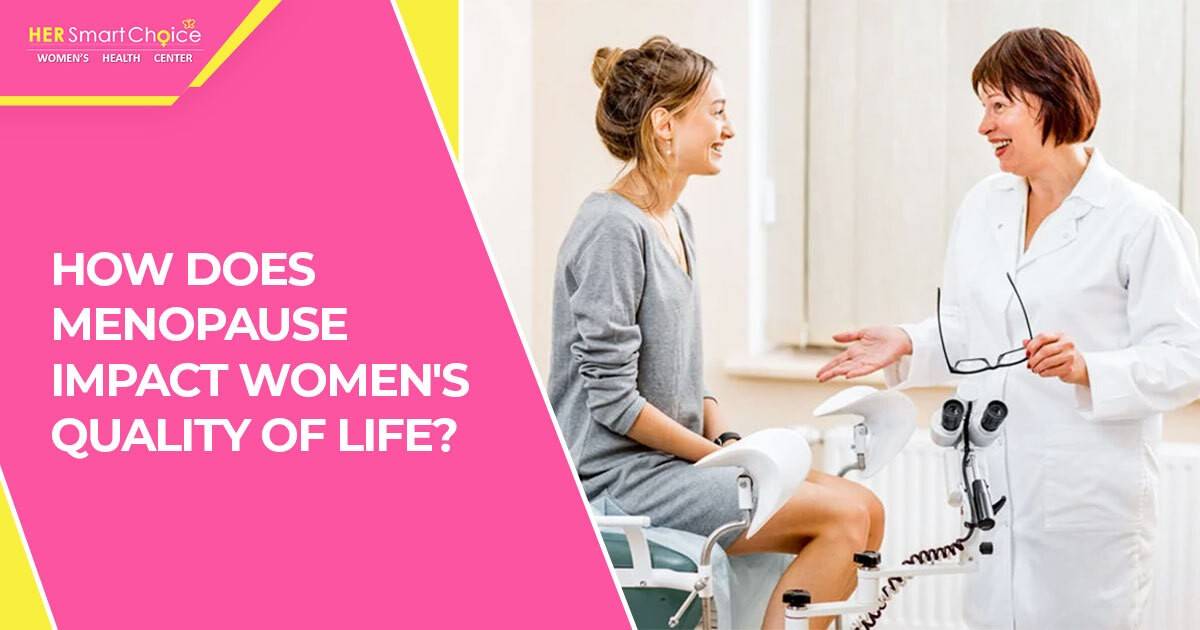
How does menopause impact women’s quality of life?

Menopause is considered a major health milestone in women’s menstrual cycles. It represents a tough phase of life that occurs probably between the age of 45 to 55 years. Besides, there also is a chance of premature and early menopause as a result of aging. Additionally, menopause transition (MT) is far beyond reproduction for women. The other symptoms also accompany menopause, such as biological, behavioral, psychological, and social changes that shape women’s midlife and future health. In this article, you will get to know about the impacts of menopause on women’s health and how to do menopause care after knowing the symptoms.   

How does menopause occur?

The end of the monthly menstrual period, which is also known as Menopause, actually occurs due to the loss of ovarian follicular function. In this condition, the ovaries of women (above 40) do not release eggs for fertilization. menopause   Further, the menstruation cycle explains a woman’s reproductive life span and can vary in terms of regularity and length of period. But the natural consecutive occurs in the middle of 45 to 55 years. After analyzing 12 consecutive months without menstruation there is no other cause detected, such as physiological or pathological, in research. Yet, there can be other reasons for premature menopause, such as certain demographic, genetic factors, and surgical procedures.  

Signs & Symptoms of Menopause

Generally, menopause symptoms are unique in every woman, but if it happens suddenly then it is severe in intensity. Some of the early menopause signs are less frequent menses, heavier or lighter menses, and vasomotor symptoms such as hot flashes, flushing, and night sweats. Despite this, there are some other common symptoms, including, sleep problems - insomnia, anxiety, depression, dryness in the vagina, skin, eyes, and mouth, loss of hair, muscle aches, headaches, memory problem, increased urination, decreased muscle mass, stiffness, slow metabolism, reduced breast fullness and many more as per the woman’s body structure.  

Impacts of Menopause on Women’s Health

Menopause has marked the end of a woman's reproductive years. It means that she can not become pregnant except by using fertility treatment. It leaves with very little estrogen in women’s ovaries, which raises the risk of certain health problems. Other health problems include heart disease, stroke etcetera. 

Six Common Health Problems a Woman Suffers After Menopause

health issues after menopause Here, you’ll read a brief description of some common health problems after menopause:

Heart disease

Low levels of estrogen increase the risk of heart disease in women when they cross the age of 55. It happens because estrogen helps your body to maintain a healthy balance by keeping the blood vessels open and relaxed. Otherwise, cholesterol can become a threat to the human heart.

Stroke

Even the risk of strokes for women increased twice in every decade after the age of 55. The lower level of estrogen builds up cholesterol on artery walls which leads to the brain.

Osteoporosis

Osteoporosis condition weakens your bones, which results in easy breakage of bones. Even lower estrogen after menopause can cause the quick loss of bone mass.

Lead Poisoning

After menopause bones are broken down quickly and dissolved into the blood. In older women, this condition raises the risk of blood pressure and can damage your kidney also. Not only this, it may put an adverse effect on the memory and ability to think.

Urinary incontinence

Most postmenopausal women have seen holding trouble in their urine. It might be due to weakness in their Urethra because of lower estrogen.

Oral issues 

Even the oral issues have been detected, dry mouth and the risk of cavities are common in postmenopausal.  

How to treat or manage menopause

To save your quality of life from getting affected by menopause, you may require the proper treatment or do menopause care. After knowing the symptoms, mentioned above, you may get an idea about the level of menopause you’re facing. However, hormone therapy considers an effective form of treatment for females below the age of 60. Also, a woman can get this treatment within ten years of the onset of menopause at a women’s health clinic easily. It helps you in reducing the symptoms, such as night sweats, hot flashes, flushing, osteoporosis, and vaginal atrophy.  

Home remedies for Menopause Symptoms

home remedies for menopause You can use these alternative treatments to reduce signs and symptoms without the help of therapists. You just require easy remedies and bring some changes to your lifestyle.
  • Pick up a loose and layered dress to manage hot flashes. Also, make sure to keep the room temperature cool to avoid night sweating.
  • Manage your weight by consuming low calories daily. You can also go for everyday exercise sessions for 25-30 minutes in the comfort of your place. 
  • Choose the right menopause diet, including a wide variety of vegetables, grains, and fruits that are rich in nutrients.
  • To avoid anxiety issues and for relaxation, you can do meditation, breathing exercises, and yoga every day.
  • Quit smoking and alcohol to manage your lifestyle in a proper way.
  • You can use natural supplements to get relief from menopause signs and symptoms.

Highlights: In The End

To highlight the menopause factor in the lifecycle of women, this article consists of all the essential information. The above-given information helps you to understand the adverse impacts of menopause and how to bring it to moderate from mild. Being a woman, it is necessary for you to care for your body and nourish it with the proper nutrients. Not only this but bring changes to your lifestyle with daily exercise and natural supplements to avoid any mishappening and life threats. Her Smart Choice understands your problems and can use its effective tips and treatments to help you survive easily in the postmenopausal period. The on time medication provides ten times better relief than delay, so chat with us and get satisfactory replies to your queries.
Read more...