Pregnancy Testing Guidelines After Implant Removal
When it comes to pregnancy, timing is everything. If you've recently had your contraceptive implant removed and are curious about when to take a pregnancy test. This blog is here to guide you about pregnancy testing guidelines after implant removal. We'll break down the crucial information you need to know, providing you with clear guidelines to ensure accurate results. Let's dive into the details!
First things first, let's briefly talk about contraceptive implants. These small devices, usually placed in your arm, release hormones to prevent pregnancy. When you decide it's time for a change, your healthcare provider will remove the implant. But what happens next? This is the point at which timing becomes significant.
 After implant removal, your body needs time to adjust. This adjustment period is essential for accurate pregnancy testing. Taking a test too soon might not give you the reliable result you're looking for. The hormones from the implant might still be present in your system, which can affect the test outcomes.
 Generally, waiting for at least seven days after removal is recommended. This allows most of the contraceptive hormones to disappear, reducing the chances of a false result.
Waiting until after a full menstrual cycle is even better for more reliable results. This usually requires approximately four to six weeks. By waiting for a complete cycle, you ensure that your body's natural hormone levels have had time to normalize, enhancing the accuracy of the test.
When selecting a pregnancy test, consider choosing one that can detect lower levels of hormones, as this increases the likelihood of detecting a pregnancy in its early stages. It's also advised to use your first-morning urine for testing, as it is more concentrated and contains higher levels of pregnancy hormones.
Generally, waiting for at least seven days after removal is recommended. This allows most of the contraceptive hormones to disappear, reducing the chances of a false result.
Waiting until after a full menstrual cycle is even better for more reliable results. This usually requires approximately four to six weeks. By waiting for a complete cycle, you ensure that your body's natural hormone levels have had time to normalize, enhancing the accuracy of the test.
When selecting a pregnancy test, consider choosing one that can detect lower levels of hormones, as this increases the likelihood of detecting a pregnancy in its early stages. It's also advised to use your first-morning urine for testing, as it is more concentrated and contains higher levels of pregnancy hormones.
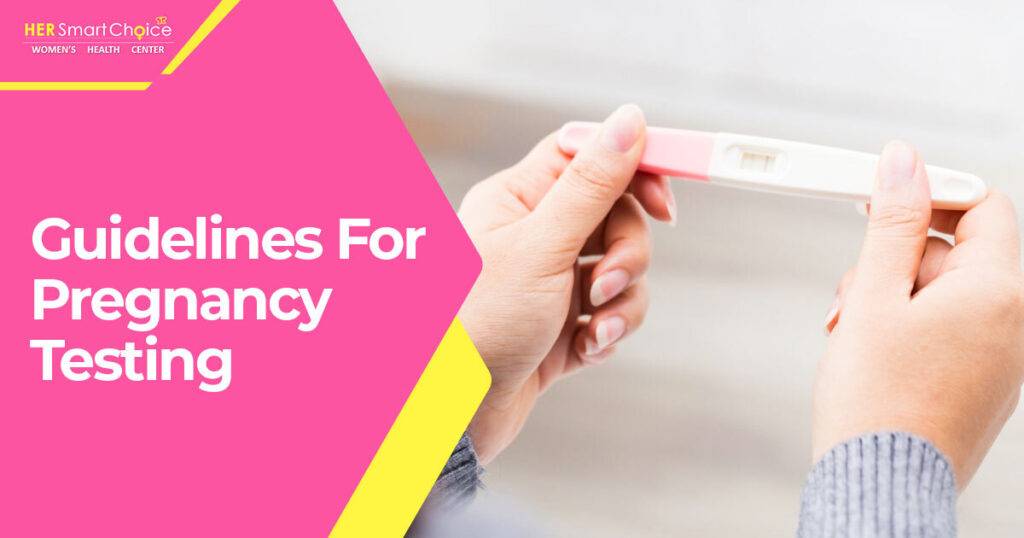 The general rule of thumb is to wait at least seven days before taking a pregnancy test after implant removal. This gives your body enough time to clear out any lingering hormones. However, waiting for a full menstrual cycle to pass is even more reliable. Here are the factors that need to consider:
The Seven-Day Wait: If you're eager to know, waiting at least seven days before taking a pregnancy test can be a good starting point. This allows time for most of the contraceptive hormones to leave your system.
Menstrual Cycle Tracking: For a more accurate result, wait until you've had a full menstrual cycle after implant removal. This may typically take about four to six weeks. Testing after a complete cycle ensures that your body is back to its natural hormone levels.
The general rule of thumb is to wait at least seven days before taking a pregnancy test after implant removal. This gives your body enough time to clear out any lingering hormones. However, waiting for a full menstrual cycle to pass is even more reliable. Here are the factors that need to consider:
The Seven-Day Wait: If you're eager to know, waiting at least seven days before taking a pregnancy test can be a good starting point. This allows time for most of the contraceptive hormones to leave your system.
Menstrual Cycle Tracking: For a more accurate result, wait until you've had a full menstrual cycle after implant removal. This may typically take about four to six weeks. Testing after a complete cycle ensures that your body is back to its natural hormone levels.
 Now that you've patiently waited for the right time, it's important to choose the right type of pregnancy test. There are two main types: urine tests and blood tests. Both can detect pregnancy, but they have different levels of sensitivity.
Urine Tests: These are the tests you find at your local pharmacy. They're easy to use and can detect pregnancy hormones in your urine. However, the sensitivity varies among different tests. Opt for a test that can detect lower levels of hormones for more accurate early results.
Blood Tests: Conducted at a healthcare provider's office, blood tests are even more accurate than urine tests. They have the capability to identify pregnancy hormones earlier than urine tests. If you're unsure about the results from a home pregnancy test, consider getting a blood test done for confirmation.
Use Morning Urine: Your morning urine is more concentrated and contains higher levels of pregnancy hormones. Testing with morning urine increases the chances of accurate results.
Follow Instructions: Read the instructions on the pregnancy test carefully and follow them precisely. Using it incorrectly can result in inaccurate results.
Retest if Necessary: If you get a negative result but your period still doesn't arrive, consider retesting after a few days. Hormone levels can vary, and retesting can provide clarity.
Now that you've patiently waited for the right time, it's important to choose the right type of pregnancy test. There are two main types: urine tests and blood tests. Both can detect pregnancy, but they have different levels of sensitivity.
Urine Tests: These are the tests you find at your local pharmacy. They're easy to use and can detect pregnancy hormones in your urine. However, the sensitivity varies among different tests. Opt for a test that can detect lower levels of hormones for more accurate early results.
Blood Tests: Conducted at a healthcare provider's office, blood tests are even more accurate than urine tests. They have the capability to identify pregnancy hormones earlier than urine tests. If you're unsure about the results from a home pregnancy test, consider getting a blood test done for confirmation.
Use Morning Urine: Your morning urine is more concentrated and contains higher levels of pregnancy hormones. Testing with morning urine increases the chances of accurate results.
Follow Instructions: Read the instructions on the pregnancy test carefully and follow them precisely. Using it incorrectly can result in inaccurate results.
Retest if Necessary: If you get a negative result but your period still doesn't arrive, consider retesting after a few days. Hormone levels can vary, and retesting can provide clarity.
The Waiting Period After Implant Removal
When To Take A Pregnancy Test After Implant Removal
Generally, waiting for at least seven days after removal is recommended. This allows most of the contraceptive hormones to disappear, reducing the chances of a false result.
Waiting until after a full menstrual cycle is even better for more reliable results. This usually requires approximately four to six weeks. By waiting for a complete cycle, you ensure that your body's natural hormone levels have had time to normalize, enhancing the accuracy of the test.
When selecting a pregnancy test, consider choosing one that can detect lower levels of hormones, as this increases the likelihood of detecting a pregnancy in its early stages. It's also advised to use your first-morning urine for testing, as it is more concentrated and contains higher levels of pregnancy hormones.
Guidelines for Pregnancy Testing
The general rule of thumb is to wait at least seven days before taking a pregnancy test after implant removal. This gives your body enough time to clear out any lingering hormones. However, waiting for a full menstrual cycle to pass is even more reliable. Here are the factors that need to consider:
The Seven-Day Wait: If you're eager to know, waiting at least seven days before taking a pregnancy test can be a good starting point. This allows time for most of the contraceptive hormones to leave your system.
Menstrual Cycle Tracking: For a more accurate result, wait until you've had a full menstrual cycle after implant removal. This may typically take about four to six weeks. Testing after a complete cycle ensures that your body is back to its natural hormone levels.
Choosing the Right Test
Now that you've patiently waited for the right time, it's important to choose the right type of pregnancy test. There are two main types: urine tests and blood tests. Both can detect pregnancy, but they have different levels of sensitivity.
Urine Tests: These are the tests you find at your local pharmacy. They're easy to use and can detect pregnancy hormones in your urine. However, the sensitivity varies among different tests. Opt for a test that can detect lower levels of hormones for more accurate early results.
Blood Tests: Conducted at a healthcare provider's office, blood tests are even more accurate than urine tests. They have the capability to identify pregnancy hormones earlier than urine tests. If you're unsure about the results from a home pregnancy test, consider getting a blood test done for confirmation.
Use Morning Urine: Your morning urine is more concentrated and contains higher levels of pregnancy hormones. Testing with morning urine increases the chances of accurate results.
Follow Instructions: Read the instructions on the pregnancy test carefully and follow them precisely. Using it incorrectly can result in inaccurate results.
Retest if Necessary: If you get a negative result but your period still doesn't arrive, consider retesting after a few days. Hormone levels can vary, and retesting can provide clarity.