
Can Abortion Cause Blocked Fallopian Tubes?
There is a lot of misinformation about abortion and its possible side effects. One common question is whether or not abortion can cause blocked fallopian tubes.
The answer, according to medical experts, is yes, abortion in many instances may cause tubal blockage while in others it may not.
There are some medical conditions that can lead to blocked fallopian tubes, and these should be discussed with a women's health clinic if you're considering abortion.
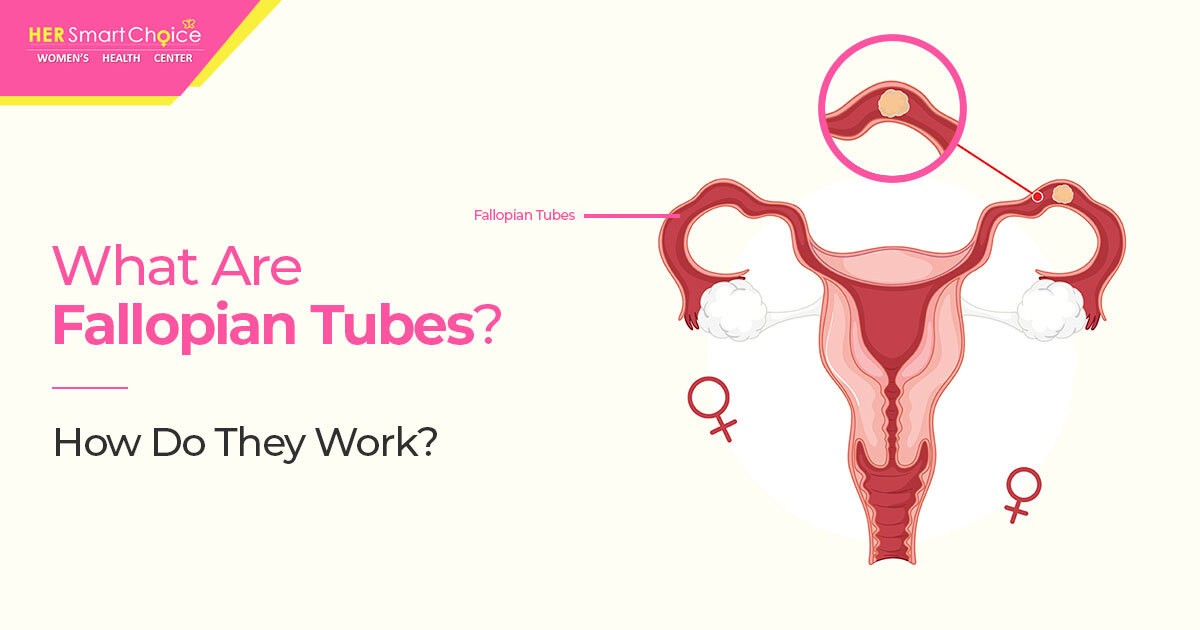 Fallopian tubes, also known as oviducts or uterine tubes, are a pair of slender tubes located on either side of the uterus. They are responsible for carrying an egg from the ovaries to the uterus and making it part of a woman’s reproductive system.
During ovulation, one of the eggs is released from an ovary and enters the fallopian tube, where small finger-like projections on the interior walls help carry it down to the uterus.
If fertilization occurs between sperm and egg inside one of the tubes, then its movement stops and it embeds into the wall of the uterus instead.
If no fertilization takes place, then after a couple of days or weeks, it eventually gets expelled from the body during menstruation. Fallopian tubes are therefore integral in facilitating successful pregnancies; otherwise, none of us would be here!
Fallopian tubes, also known as oviducts or uterine tubes, are a pair of slender tubes located on either side of the uterus. They are responsible for carrying an egg from the ovaries to the uterus and making it part of a woman’s reproductive system.
During ovulation, one of the eggs is released from an ovary and enters the fallopian tube, where small finger-like projections on the interior walls help carry it down to the uterus.
If fertilization occurs between sperm and egg inside one of the tubes, then its movement stops and it embeds into the wall of the uterus instead.
If no fertilization takes place, then after a couple of days or weeks, it eventually gets expelled from the body during menstruation. Fallopian tubes are therefore integral in facilitating successful pregnancies; otherwise, none of us would be here!
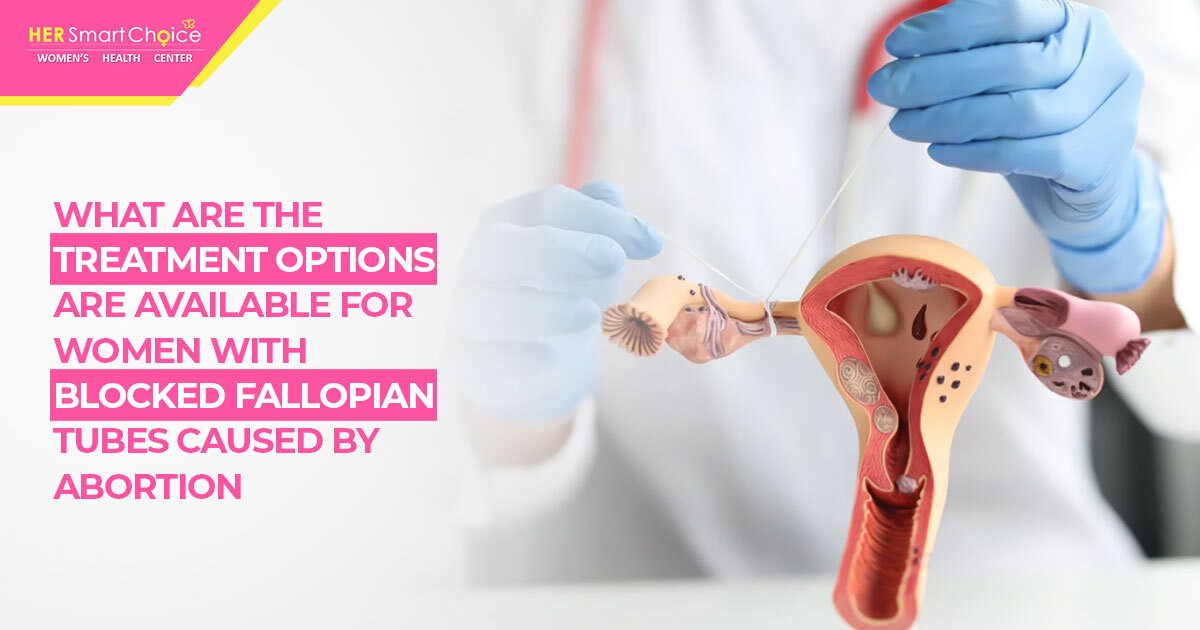 Women who have a blocked fallopian tube due to abortion still have many options available to them for fertility treatments. One of the most effective treatments is in vitro fertilization or IVF.
In this procedure, eggs are collected from the woman and fertilized with sperm outside the body, then immediately implanted in the uterus. Another quick solution is a surgery known as tubal cannulation where a physician inserts a small scope into the reproductive tract and opens up any obstruction that may be blocking it.
There are also less invasive treatments like medicines used to thin out scar tissue that may be blocking the tubes, restore normal function, and promote ovulation. Women facing infertility due to blocked fallopian tubes caused by abortion need not lose hope, as there are numerous successful treatments at their disposal.
Women who have a blocked fallopian tube due to abortion still have many options available to them for fertility treatments. One of the most effective treatments is in vitro fertilization or IVF.
In this procedure, eggs are collected from the woman and fertilized with sperm outside the body, then immediately implanted in the uterus. Another quick solution is a surgery known as tubal cannulation where a physician inserts a small scope into the reproductive tract and opens up any obstruction that may be blocking it.
There are also less invasive treatments like medicines used to thin out scar tissue that may be blocking the tubes, restore normal function, and promote ovulation. Women facing infertility due to blocked fallopian tubes caused by abortion need not lose hope, as there are numerous successful treatments at their disposal.
What are fallopian tubes and how do they work?
Fallopian tubes, also known as oviducts or uterine tubes, are a pair of slender tubes located on either side of the uterus. They are responsible for carrying an egg from the ovaries to the uterus and making it part of a woman’s reproductive system.
During ovulation, one of the eggs is released from an ovary and enters the fallopian tube, where small finger-like projections on the interior walls help carry it down to the uterus.
If fertilization occurs between sperm and egg inside one of the tubes, then its movement stops and it embeds into the wall of the uterus instead.
If no fertilization takes place, then after a couple of days or weeks, it eventually gets expelled from the body during menstruation. Fallopian tubes are therefore integral in facilitating successful pregnancies; otherwise, none of us would be here!
How can abortion cause blocked fallopian tubes?
Blocked fallopian tubes are a serious medical condition that can occur as a result of an abortion. This occurs when tissue forms around the inside of the tube, causing it to become partially or completely blocked and rendering it unable to receive an egg from the ovary or transport a fertilized egg toward the uterus. The process in which this tissue form is known as fibrosis, and it can be caused by physical trauma, such as that which is experienced during a surgical abortion. Additionally, uterine infections may cause inflammation after an abortion and lead to the formation of scar tissue in the fallopian tubes. It is essential for women who have had abortions to monitor any changes in their bodies afterward and promptly visit an abortion clinic if they experience any signs of fertility issues or other health complications.What are the symptoms of blocked fallopian tubes, and how is it diagnosed?
Blocked fallopian tubes are one of the most common causes of infertility. Symptoms associated with this condition vary but typically include lower back pain, heavy menstrual periods, painful intercourse, and irregular cycles. In some cases, the blockage can lead to an ectopic pregnancy, which requires immediate medical attention. To accurately diagnose a blockage of fallopian tubes, a physician will likely order a hysterosalpingogram (HSG), an X-ray procedure that involves putting dye into the uterus to assess whether the tubes are open or blocked. Other imaging tests such as laparoscopic exams may also be used. By understanding the symptoms of blocked fallopian tubes and how it is diagnosed, women can take steps toward improving their fertility outcomes in a safe and timely manner.What treatment options are available for women with blocked fallopian tubes caused by abortion?
Women who have a blocked fallopian tube due to abortion still have many options available to them for fertility treatments. One of the most effective treatments is in vitro fertilization or IVF.
In this procedure, eggs are collected from the woman and fertilized with sperm outside the body, then immediately implanted in the uterus. Another quick solution is a surgery known as tubal cannulation where a physician inserts a small scope into the reproductive tract and opens up any obstruction that may be blocking it.
There are also less invasive treatments like medicines used to thin out scar tissue that may be blocking the tubes, restore normal function, and promote ovulation. Women facing infertility due to blocked fallopian tubes caused by abortion need not lose hope, as there are numerous successful treatments at their disposal.