Understanding Different Methods and Options For Family Planning
Most couples that start a new life together wish to plan their future on their own terms. Family planning is a very crucial aspect of planning your future. It provides you a roadmap for your reproductive future. If you’re looking for family planning in Long Beach then you have come to the right place! In this blog, we will explore the various family planning options. So that you can choose the one that fits you best. Let’s get started!
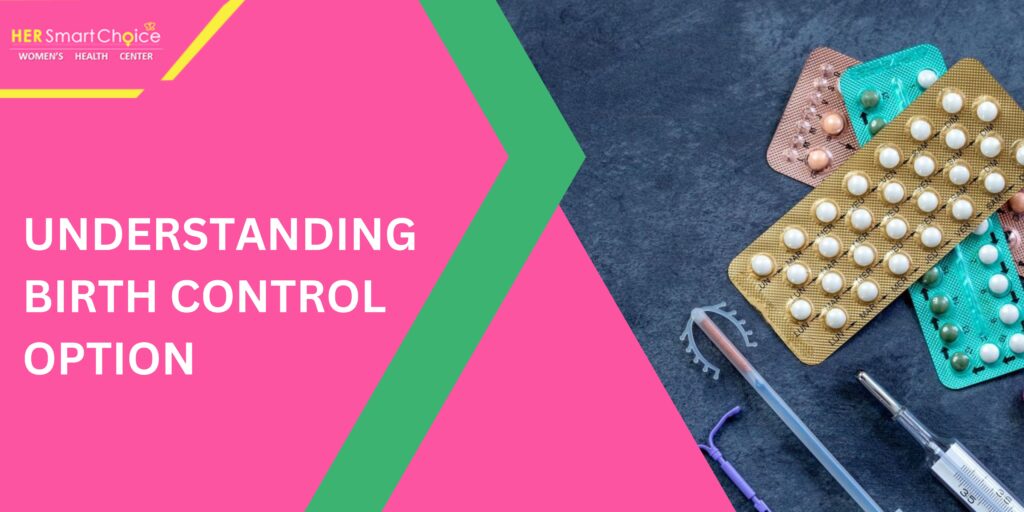
 Birth control offers a wide range of options. All these methods have their unique advantages and considerations. Let's look at the most common methods:
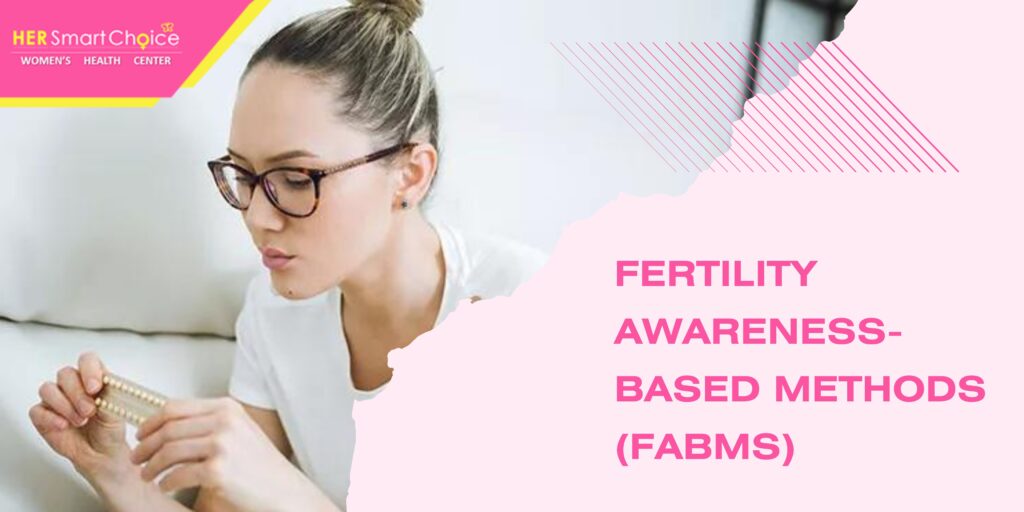 FABMs help you to understand your fertility cycle and track your fertile window. Here are some popular methods:
 There are some other Family planning options to create a family:
Areas of Family Planning:
Family planning is very vasts. It extends far beyond just contraception. Here are the key areas it covers:- Birth Control: This is the most well-known aspect of family planning. It involves methods to prevent unwanted pregnancy. It also allows you to space pregnancies intentionally and plan next pregnancy according to your choice.
- Fertility Awareness: These methods are simple. They help you track your fertile window, so that you can plan conception or avoid it naturally.
- Preconception Health: This involves improving your physical and mental health before attempting pregnancy. So that you can get a healthy outcome.
- Family Building Options: This involves various options for creating a family, including adoption, fostering, and assisted reproductive technologies (ART)
Exploring Birth Control Methods:
- Hormonal Methods: These methods regulate hormones to prevent ovulation or sperm fertilization. The methods include pills, patches, implants, injections, and vaginal rings. They are highly effective when used correctly. They can have some side effects like mood swings or irregular bleeding for some users.
- Barrier Methods: These methods physically block sperm from reaching the egg. Some of the popular options are condoms (male and female), cervical caps, and diaphragms. They are easily available, non-hormonal, and offer some protection against sexually transmitted infections (STIs). They might have lower effectiveness rate as compared to hormonal methods.
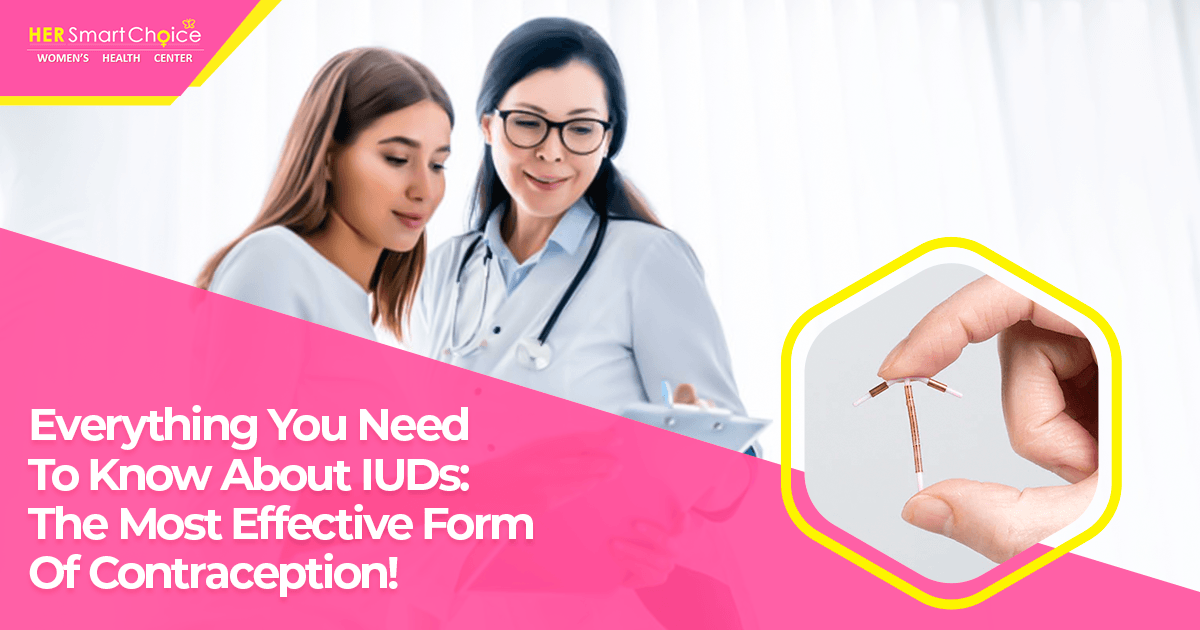
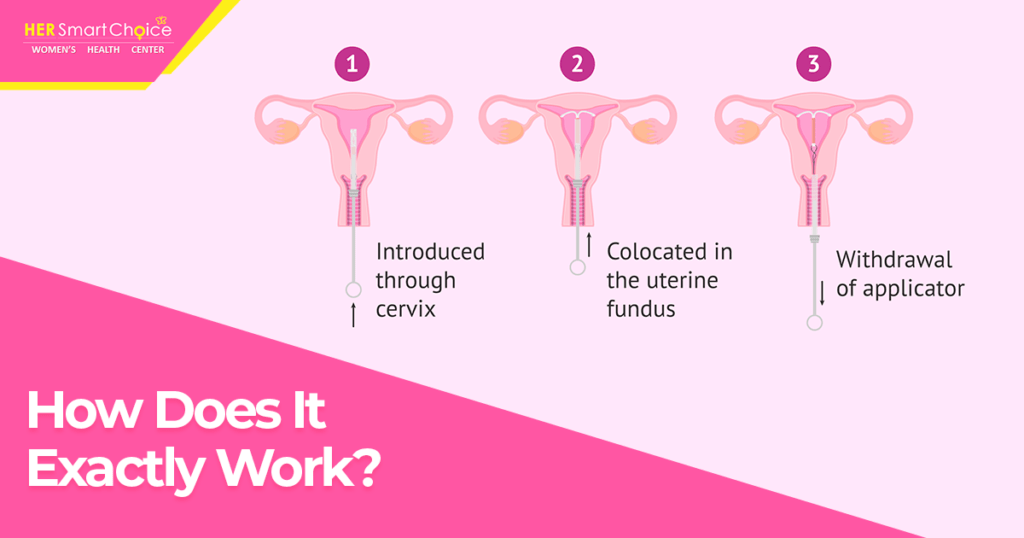
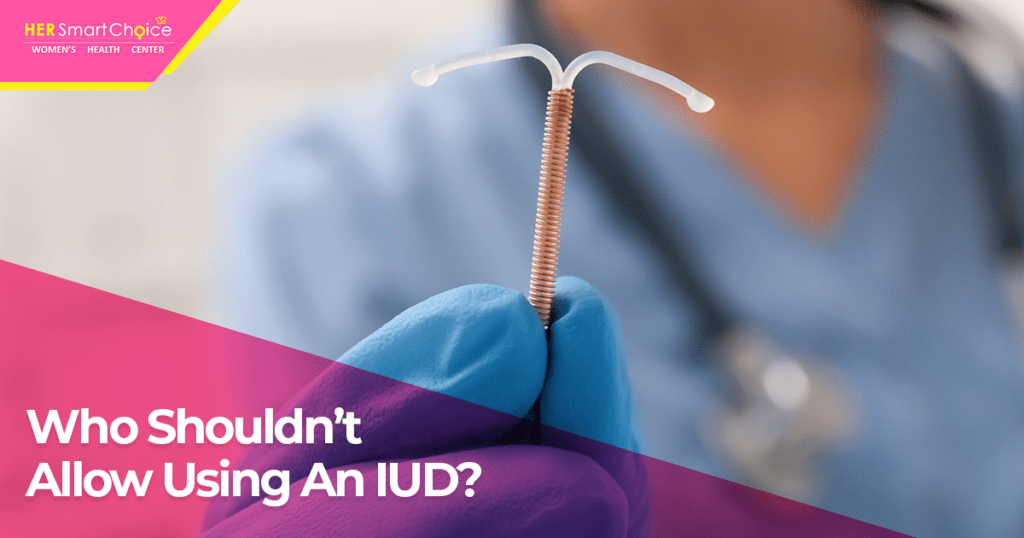
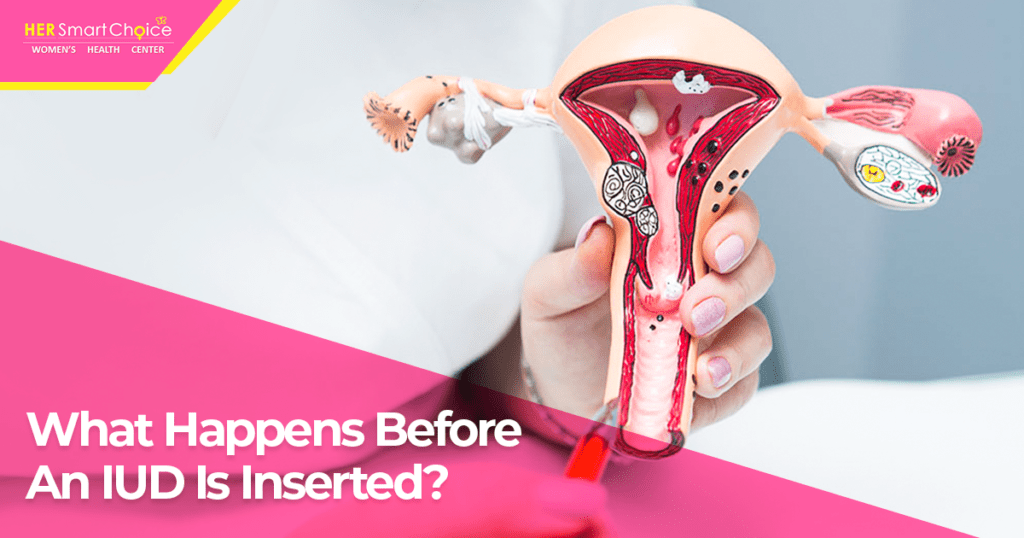
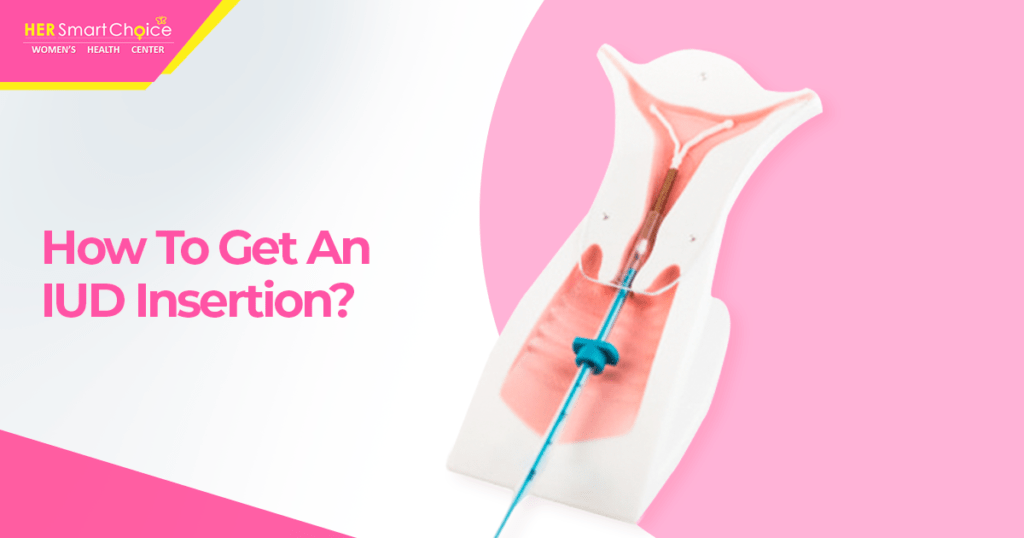
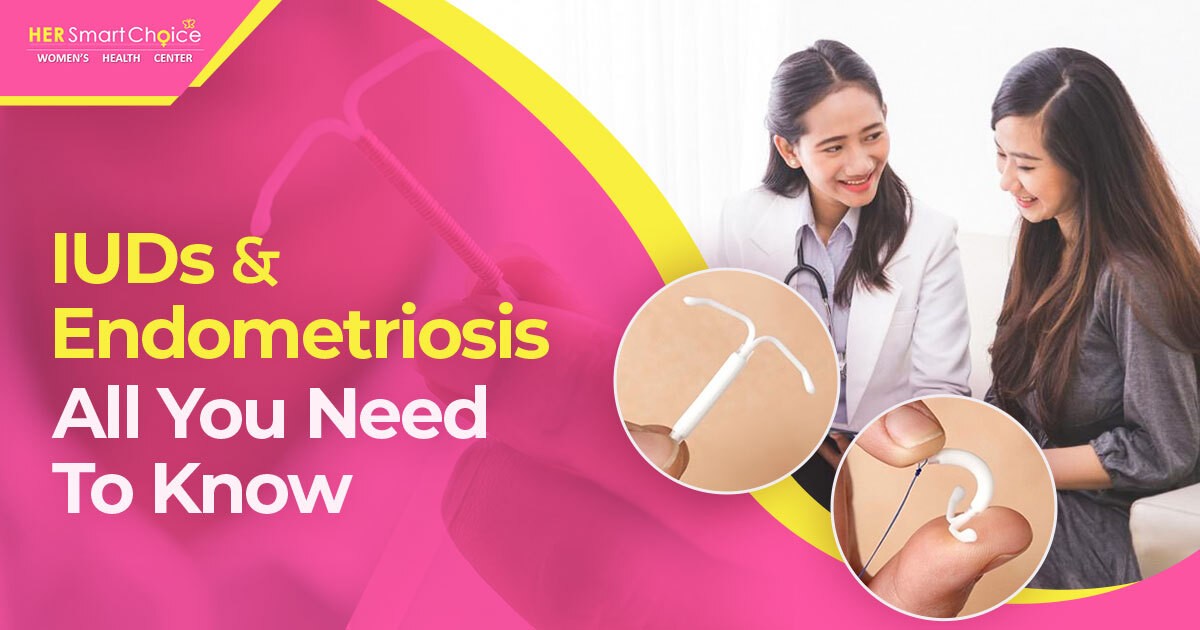
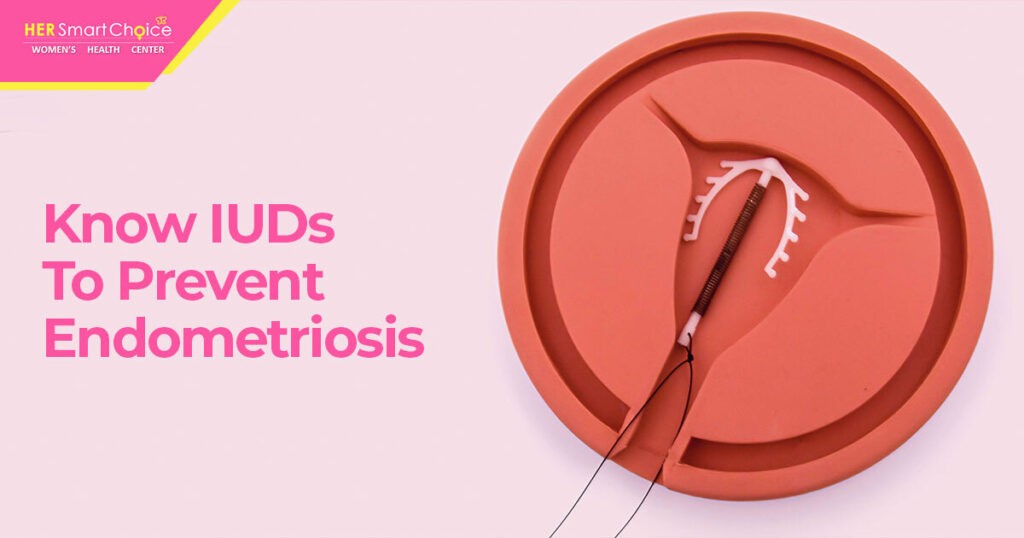
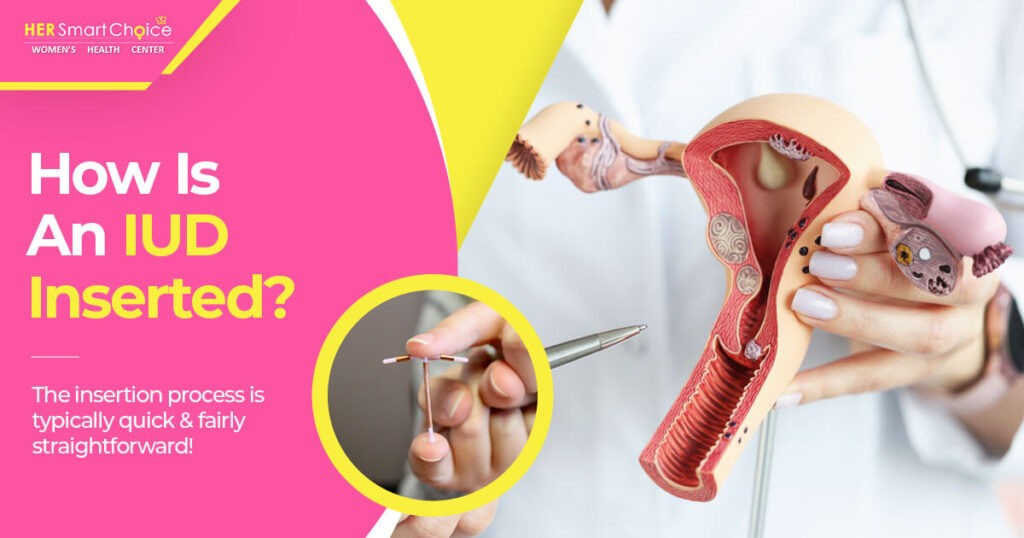
- Intrauterine Devices (IUDs): These are T-shaped devices, that are inserted into the uterus to prevent pregnancy. They are long-lasting and highly effective. You just need to consult a healthcare professional for insertion and removal.
- Sterilization: This is a permanent form of birth control for men (vasectomy) and women (tubal ligation). It's a highly effective. You should only consider this option if you are 100% sure about not wanting a pregnancy as it's not reversible.
Fertility Awareness-Based Methods (FABMs):
- Basal Body Temperature (BBT): You need to monitor your waking body temperature daily to identify ovulation when there is a slight temperature rise.
- Cervical Mucus Tracking: Observe changes in the consistency and amount of cervical mucus. This can also help in tracking your fertile window.
- Calendar Methods: These methods involve tracking menstrual cycles to predict ovulation but are less reliable than other FABMs.
Preconception Health:
Preconception health is crucial for a healthy pregnancy and future baby. These are a few ways to improve your health before conception:- Preconception checkup: Schedule a preconception checkup with your doctor. Discuss your medical history, family health background, and any existing conditions.
- Maintain a healthy weight: Being overweight or underweight can have adverse effect on fertility.
- Adopt a balanced diet: Make sure you are getting all the essential nutrients.
- Take folic acid: This B vitamin helps prevent birth defects in the brain and spine.
- Manage chronic health conditions: Make sure that your existing conditions like diabetes or high blood pressure are under control.
Family Building Options:
- Adoption: Adoption provides a loving home for children in need. There are different types of adoption, such as domestic adoption, international adoption, and foster care adoption. You can choose any of these options.
- Fostering: You can become a foster parent and provide temporary care for children who cannot live with their biological parents.
- Assisted Reproductive Technologies (ART): This option includes medical procedures used to help people conceive.