[vc_row][vc_column][vc_column_text]Choosing a birth control method can be an overwhelming task. However, more and more women are choosing to use hormonal methods of birth control. While these methods are highly effective in preventing pregnancy, they can also have a variety of other effects on the body that you need to be aware of. In this article, we will explore some of the beyond-the-basic aspects of hormonal birth control methods.
Birth Control Implant
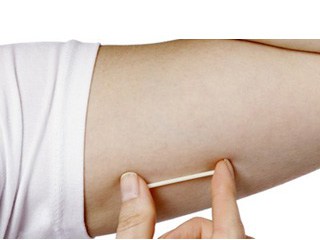
The birth control implant is a type of long-acting reversible contraception (LARC) that provides highly effective, hormone-based birth control. It is a small rod-shaped device that is surgically inserted into the upper arm and can remain in place for up to five years. The implant releases the hormone progestin into the body that prevents ovulation and thickens cervical mucus, making it more difficult for sperm to reach the egg. The implant typically lasts between three and five years, depending on the type.
What Are Side Effects?
The birth control implant can cause some mild side effects, such as irregular bleeding, acne, mood swings, headaches, breast tenderness, and weight changes. In some cases, prolonged or excessive bleeding may occur. Women who experience prolonged or excessive bleeding should contact their healthcare provider for an evaluation of the underlying cause.
IUD With Progestin
IUD with progestin is a long-acting, reversible form of contraception that can provide effective birth control for up to 5 years. It is a small device that is inserted into the uterus by a healthcare provider. It works by releasing the hormone progestin which thickens the cervical mucus and prevents sperm from reaching an egg.
What Are Side Effects?
Side effects of using an IUD with progestin as a form of birth control can vary from person to person. Some people experience mild side effects such as irregular periods, breast tenderness, bloating, nausea, and headaches. These side effects usually subside after the first 3 months of use.
Injectable Birth Control
Injectable birth control is a method of contraception that involves the injection of progestin, a synthetic form of progesterone, into the body to prevent conception.It works by suppressing ovulation, making it difficult for sperm to reach and fertilize an egg. It also makes the uterine lining less hospitable for an implant.
What Are Side Effects?
Injectable birth control is an effective and convenient method of contraception; however, it can come with some side effects that should be kept in mind when considering its use. Common side effects associated with injectable birth control include weight gain, irregular menstrual cycles, acne, mood swings, headaches, breast tenderness, nausea, and bloating.
Birth Control Pills
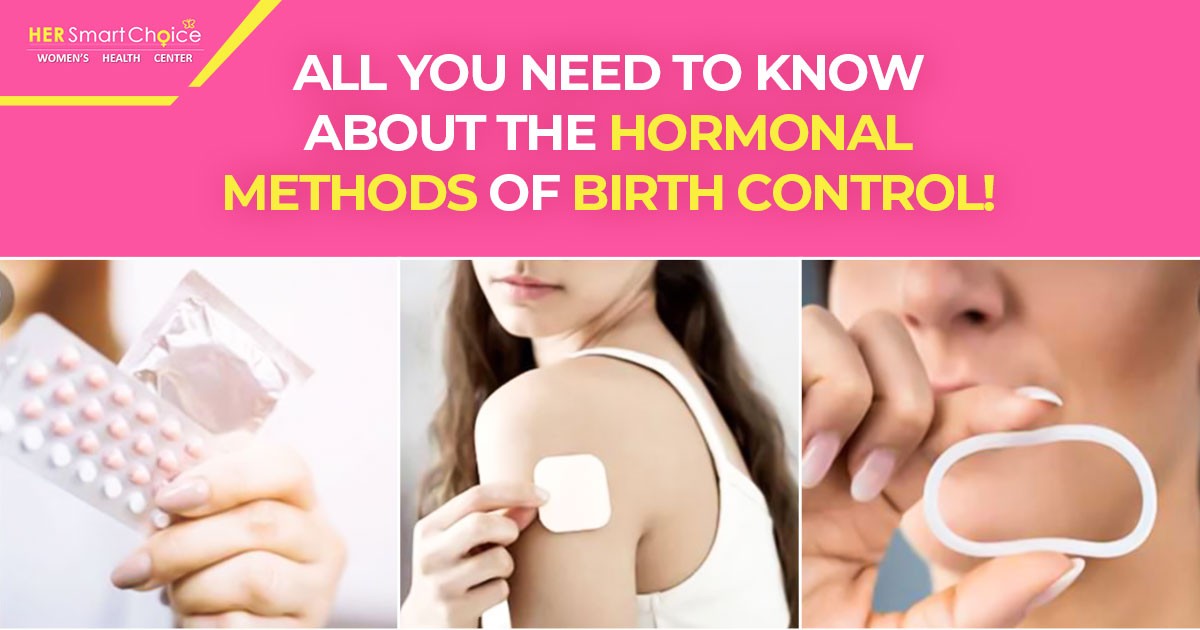
Birth control pills, also known as oral contraceptives, are a very popular and effective method of hormonal birth control. The pills contain synthetic forms of the hormones estrogen and progesterone, which work to prevent pregnancy by inhibiting ovulation (the release of an egg from the ovary).
What Are Side Effects?
Birth control pills have some potential side effects, although they are generally mild and not long-lasting. Common side effects include nausea, headaches, breast tenderness, missed periods, spotting between periods, changes in sex drive, and mood swings. These side effects usually get better over time as the body adjusts to the hormones.
Vaginal Rings
Vaginal rings are a type of hormonal birth control that provides a safe and effective way to prevent pregnancy. The ring is inserted into the vagina, where it releases both estrogen and progestin hormones each day for up to 3 weeks, after which it must be removed and replaced with a new one.
What Are Side Effects?
Vaginal rings are an effective and convenient form of hormonal birth control. The ring is inserted into the vagina, where it releases both estrogen and progestin hormones each day for up to three weeks. This helps to prevent pregnancy primarily by thickening the cervical mucus to block sperm from entering the uterus, as well as by preventing it.
Birth Control Skin Patches
Birth control skin patches are a form of hormonal contraception that is applied directly to the skin, usually on the upper arm, abdomen, or buttocks. The patch contains a combination of synthetic versions of the hormones estrogen and progestin which are released through the skin into the bloodstream over time.
What Are Side Effects?
Birth control skin patches may cause some side effects, including changes in mood or libido, breast tenderness, nausea and vomiting, headaches, irregular bleeding or spotting between periods, and skin irritation or redness where the patch is applied. Other more serious side effects could include blood clots, a stroke, or an allergic reaction.With so many different types of hormonal methods available, it’s important to take the time to research and consider all your options before making a decision.
Where to Get More Information..
For more information on the various types of hormonal birth control methods, it is recommended to speak with a women's health clinic. They can provide more detailed advice and information about the potential risks and side effects associated with each method. Additionally, they can discuss other factors that may impact the effectiveness of a particular method such as age, medical history, and your lifestyle.[/vc_column_text][/vc_column][/vc_row][vc_row][vc_column][vc_raw_html]JTNDaWZyYW1lJTIwc3JjJTNEJTIyaHR0cHMlM0ElMkYlMkZ3d3cuZ29vZ2xlLmNvbSUyRm1hcHMlMkZlbWJlZCUzRnBiJTNEJTIxMW0xOCUyMTFtMTIlMjExbTMlMjExZDMzMTUuODgyMjYwNzUxNTIzNSUyMTJkLTExOC4xNDU0MTUzMDAwMDAwMSUyMTNkMzMuNzg5NTM4NSUyMTJtMyUyMTFmMCUyMTJmMCUyMTNmMCUyMTNtMiUyMTFpMTAyNCUyMTJpNzY4JTIxNGYxMy4xJTIxM20zJTIxMW0yJTIxMXMweDgwZGQzMTVkYzY0ZmQ0ZjclMjUzQTB4OTM3M2U1NmI0Y2JiNmY1YyUyMTJzSGVyJTI1MjBTbWFydCUyNTIwQ2hvaWNlJTIxNWUwJTIxM20yJTIxMXNlbiUyMTJzdXMlMjE0djE2NzIwNzIzOTQxNDglMjE1bTIlMjExc2VuJTIxMnN1cyUyMiUyMHdpZHRoJTNEJTIyNjAwJTIyJTIwaGVpZ2h0JTNEJTIyNDUwJTIyJTIwc3R5bGUlM0QlMjJib3JkZXIlM0EwJTNCJTIyJTIwYWxsb3dmdWxsc2NyZWVuJTNEJTIyJTIyJTIwbG9hZGluZyUzRCUyMmxhenklMjIlMjByZWZlcnJlcnBvbGljeSUzRCUyMm5vLXJlZmVycmVyLXdoZW4tZG93bmdyYWRlJTIyJTNFJTNDJTJGaWZyYW1lJTNF[/vc_raw_html][/vc_column][/vc_row]
There is no one-size-fits-all type of birth control method. There are several options available that are affordable, safe, and effective. And all these options fit different lifestyles, budgets, and situations. Before you make a rash decision and consider the medical abortion pill as the only option, you should know what choices you have. When you are aware of the options that you have, you are more likely to make an informed choice.Before we present to you the options, it is better to clarify the terms of birth control and abortion.Birth control, in any form, natural, hormonal, or non-hormonal prevent concept. These contraceptive methods are used before you conceive, to prevent that from happening.Abortion, on the other hand, is a method used to terminate a pregnancy after conception. A lot of women consider abortion as primary birth control but that is not exactly true.Birth control is a method to prevent conception and abortion is the method to terminate a conception.Here are some methods of birth control for your consideration:
Hormonal methods like pills, patches, vagina rings. There are progesterone-only pills and injections also.
IUD or intrauterine devices (copper and hormonal) can also be inserted to offer protection from pregnancy for quite many years. In a lot of cases, there is a use of IUD for abortion as well.
Barrier methods like condoms, diaphragms, spermicides, cervical caps are also known to be effective methods of birth control.
Sterilization methods like tubal litigation and vasectomy are also used by couples who do not wish to have children anytime in the future.
Some natural methods of birth control are also practiced that include abstinence, the fertility awareness method (FAM), withdrawal, and also the lactational amenorrhea method (LAM).
At Her Smart Choice, we can offer you guidance regarding all the aforementioned methods. Other than guidance, if you need emergency contraception or abortion services, then too Her Smart Choice can be your first choice.Surveys have indicated that unintended pregnancies that interfere with a woman’s education, career, or ability to care for dependents remain the top remains the top cause of abortion.No matter what your reason be, we will make sure that you get complete care, effective treatment, and you face absolutely no stress or judgment.At Her Smart Choice, our main aim is to offer you the right options and help you make a smart choice. This smart choice is going to be suitable for your mental and physical health, your current situation, and your financial position.Other than abortion and birth control, we also offer services related to reproductive health.We offer several infertility treatments that can help you conceive. Our urogynecology services include treatment for bladder emptying disorders, interstitial cystitis, menopause, pelvic or bladder pain disorders, pelvic organ prolapse, sexual dysfunction, urinary incontinence, detrusor related incontinence, mixed incontinence, or urinary tract infections. We also offer STD tests and treatment.No matter what your issue is, you can visit us and we will help you make a smart choice.[/vc_column_text][/vc_column][/vc_row]
An Intrauterine Device or IUD is among the most effective birth control methods that you can use, especially when there are chances of human error with other methods such as the breaking of a condom while having sex or forgetting to ingest an oral contraceptive pill. An IUD is found to be 90 times more successful as a birth control method in comparison to male condoms and 45 times more successful in comparison to the contraceptive pill. The T-shaped, tiny device is also easily reversible and long-lasting. After a physician inserts or places an IUD in your uterus, it may prevent the occurrence of pregnancy for about three to 10 years depending on the model you choose. Currently, there are four models available; three of them release a low amount of hormones gradually. The fourth model is hormone-free and it has a copper coil curled around, which creates a reaction in your body. Due to this reaction the uterus becomes toxic to sperm and fertilization doesn’t occur. Using an IUD can return your fertility faster after its removal. This is especially helpful if you want to conceive in the future. Despite all the benefits, there are lots of myths that surround the use of an IUDs. Some females believe that an IUD is approved only for older females who already had kids. Others are scared to use it as they have heard many horror stories regarding the insertion of an IUD and the pain it causes. Each birth control method can’t fit every woman and each one of them prefers to have a different type of contraception. However, by having enough information regarding your options for birth control and by recognizing the myths surrounding them you can choose the best birth control method.
The following are the most common myths regarding IUDs
Myth 1: Having an IUD before having kids can put you at risk
This is far from the truth; instead, the opposite of this is true. The American Congress of Obstetricians and Gynecologists and the American Academy of Pediatrics both recommend an IUD as the first choice of birth control for sexually active adolescents, as they are very effective and safe. According to them any woman who has undergone puberty and has matured sexually can use an IUD.
Myth 2: IUD insertion is very painful
Another common myth is that an IUD insertion can be very painful. Some women believe that placing an IUD can be the most painful event of their lives. However, the ability to tolerate pain is different for every woman. Hence, an IUD insertion may be painful for some but not a big deal for others. Though an IUD placement is indeed unpleasant, for the majority of the women, this pain remains for a short duration. The pain may feel like a few menstrual cramps ranging from mild to severe. If you have any such apprehension you should discuss with your physician your tolerance to pain before getting an IUD. Most women get them inserted without any kind of problem. Moreover, you should consider the fact that a couple of minutes of pain and discomfort can give you five or more years of efficient and worry-free contraception.
Myth 3: The IUD may fall out
Another common myth that many women believe is that their bodies can expel or throw out the IUD from their uterus. This may happen; however, it is very unlikely. It occurs in about three to five percent of the females and if it happens it will most likely happen within two to three months of getting the device placed. The expulsion of an IUD increases your risk of having an unintended pregnancy. Due to this reason physicians recommend that females use another birth control method as a backup for the initial several weeks after they get the device. You must be aware of what happens when in case an IUD does fall out. Sometimes, you may have a severe cramp or pass a large blood clot and the device will also come out of the uterus with it. In case you think that your device is no longer in its place, ask your physician to teach you the method to check the string of the device (it is a thin thread made of nylon, which hangs out of your cervix in the vagina and makes the removal of the an IUD easy). You may also ask your doctor to check the IUD for you.
Myth 4: An IUD can cause infertility and infection
There is a history behind this rumor. In the 60s and 70s, there was an IUD on the market that was bad. It led to infertility in women. Some women lost their wombs and others were left dead. Though this IUD was removed from the market, its nightmarish legacy continues to affect the modern-day IUD. Holding an IUD birth control copper coil device in hand, used for contraception - front viewFurthermore, some physicians form part of this problem. Although data from 40 years demonstrate that current IUDs don’t increase the risk of infection in a woman and are safe to use, some physicians misinform their patients. According to a survey published in the Journal Obstetrics and Gynecology, 30 percent of the gynecologists, obstetricians, nurses, physician assistants, and family doctors believe that IUDs are unsafe for females who have never delivered a baby. The IUDs used presently are safe and effective and don’t lead to infections or infertility. Infection associated with the insertion of an IUD may occur probably because the IUD or instruments carry with them germs from your lower genital area. If the bacteria are normally present in your genital tract, then some mechanism eliminates or removes this contamination automatically from your uterus shortly after the device is inserted and the infection doesn’t occur. Your doctor can further reduce your risk of getting an infection by following the routine procedures to prevent infection such as the “no-touch” technique of insertion (in this technique the doctor doesn’t let the uterine sounds (instruments) or IUD touch any surface that is unsterile such as speculum, hands, tabletop or vaginal walls).
Myth 5: The physician has to induce a uterine contraction to place an IUD in the uterus
Though the term uterine contraction is related to labor, a cramp and uterine contraction are essentially similar or same - a squeezing sensation of your uterus, a sensation, which you must have experienced before. Women get cramping or uterine contractions during periods as their cervix opens slightly to expel the menstrual blood. When the doctor places an IUD, they open the cervix slightly, initially to take the measurement of your uterus and then place the device. Both these activities can stretch your cervix and cause a big cramp. However, no medication is given to produce a contraction or cramp that you feel.
Myth 6: An IUD work by inducing abortions
Some people don’t like to use an IUD as a birth control method as they have the incorrect belief that it prevents conception by inducing abortions. This is not true. In the majority of the cases, an IUD works by preventing the fertilization of an egg. The copper-containing IUD acts as a spermicide and kills or impairs the sperms so that they are unable to fertilize the egg. Progestin containing IUD causes thickening of your cervical mucus, which prevents the sperms from entering your uterus. In very rare cases, an IUD may prevent implantation and this is also considered a birth control or contraceptive effect of the IUD.
Myth 7: An IUD is not a very effective birth control method
Some women have the incorrect belief that an IUD is not a very effective birth control method or that its birth control effects are lost only after a couple of years from the time it is placed. On the contrary, an IUD is greater than 99 percent effective. Both the copper-containing and hormonal IUDs are very effective birth control methods. They are one of the most efficient reversible birth control methods. The hormonal IUD prevents pregnancy in about 998 females out of 1000 females who use it during the first year. Over five years of use, about five to eight females out of 1000 females may become pregnant. You can use this IUD for up to five years. The copper-containing IUD prevents pregnancy in about 994 females out of 1000 females who use it during the first year. During the 10 years of use, about two out of 100 females may become pregnant. This IUD remains effective for about 12 years.
Myth 8: An IUD causes health risks and side effects
Some females desire not to use an IUD as they have the incorrect belief that an IUD may cause health risks including cancer, birth defects or sexually transmitted infections (STIs) and/or side effects. On the contrary, an IUD is a very safe birth control method. An IUD never moves to the brain, heart or any other body part outside your abdomen. Proper technique of an IUD insertion can help in preventing many problems including perforation, infection, and expulsion. An IUD doesn’t cause cancer in a healthy female but cancer of reproductive organs contradicts the use of an IUD as it increases the risk of perforation, bleeding and infection. If you have breast cancer, then the use of a hormonal IUD is contraindicated (should not be used). An IUD doesn’t increase your risk of getting a sexually transmitted infection (STIs) or sexually transmitted diseases (STDs) including HIV. But, females who have a high risk of getting exposed to Chlamydia or Gonorrhea should not get it inserted. An IUD doesn’t increase your risk of having birth defects in the baby or having multiple pregnancies.
Myth 9: An IUD can cause miscarriage or ectopic pregnancy
Some women desire not to use an IUD as they have the incorrect belief that an IUD may cause a miscarriage or ectopic pregnancy. The fact is that your risk of having a miscarriage or ectopic pregnancy is not increased after removing the IUD. On the contrary, the risk of getting an ectopic pregnancy in a female using an IUD is much less in comparison to the risk in a female not using any birth control method. An IUD doesn’t lead to miscarriage after its removal. If it is placed using the correct insertion technique, IUD use may not lead to difficulty of any sort in your future pregnancies.
Myth 10: An IUD can cause a change in the menstrual pattern that can harm your overall health
Many women don’t desire to use an IUD as they have the incorrect belief that an IUD may either stop their monthly periods (cause amenorrhea) or cause painful, more frequent, or painful bleeding during periods and this can be harmful to the overall health. The fact is that the change in menstrual pattern is not harmful. You can experience menstrual pattern changes based on the kind of IUD you are using. If you are using copper-containing IUD you may experience:
Prolonged and heavy monthly bleeding.
More pain and cramps during periods.
Irregular bleeding.
These menstrual changes are quite normal and don’t indicate any illness. These are most commonly present during the initial three to six months after inserting the IUD and lessen gradually. If you are using hormonal IUD you may experience irregular, prolonged, or heavy bleeding during the initial few months. After that you may experience:
Predictable, lighter, and regular bleeding.
Light, no, or infrequent monthly bleeding.
These changes in bleeding are also normal and don’t indicate any illness. Myth 11: An IUD can cause inconvenience while having sexSome couples have an incorrect belief that it can cause inconvenience while having sexual intercourse, and that it may hurt the penis of the male partner causing pain, or cause pain and discomfort in the female. The fact is that using an IUD can make you more relaxed about not having unintended pregnancies, increasing your sexual pleasure and allow both the partners to enjoy sex better. Click Here To Schedule an AppointmentFor additional information, please visit hersmartchoice.com. Get SOCIAL with us!
Her Smart Choice Your Life. Your Decision. Your Smart Ch♀ice.iud insertion, hormonal iud, contraceptive method, dalkon shield, percent of women, pelvic inflammatory disease, contraception options, highly effective, family planning, long acting, reversible contraception, cervical mucusprevent pregnancy, unintended pregnancy, side effects, intrauterine devices, about iud, the iud, what are iuds, closest iud near me, whats the iud
Carrie’s baby just turned 6 months yesterday. Well… It's her second baby. The first one is five years old or should we say old enough to help her take care of the little one! the benefits of the nexplanon contraception implantCarrie was using oral contraceptivepills (OC) to prevent pregnancy before she got pregnant the first time. To be frank, she wasn’t sure if she was ready to become a mother. Carrie was living a busy life climbing the ladder of success in her career. cont...However, her busy schedule made her a bit forgetful when it came to her taking her oral contraceptive (OC) pills regularly. The doctor had advised her to use those pills regularly; otherwise, they would fail to act. What happened next? Well, maybe she skipped the pills too often and this is how she got her first good news! Anyways, Carrie was happy, though a bit unprepared. So, she wanted to be sure the second time around. Carrie spoke to her gynecologist at length about her schedule and her tendency to forget. She also told him she wanted her baby to have a sibling, but she would like to maintain a gap of a few years between the two kids. This is when the doctor advised her to try Nexplanon. When her baby turned two months, Carrrie visited the doctor again and during that visit itself, he implanted the Nexplanon contraceptive implant. Though she was breastfeeding at that time, her doctor told her the small amount of the progestin released by Nexplanon would not affect the growth and development of her child. Carrie confessed, having Nexplanon implanted under her skin was a big relief for her. She could focus on her career and take good care of her baby without having to worry about taking her pills daily. Carrie was sure she could get pregnant whenever she wanted to by simply getting the implant removed. Above all, she was assured that this time, she would get to make a choice about when she wanted to be pregnant. After about 3 years, as advised, Carrie visited the physician again for the removal of the old Nexplanon implant and the insertion of a new one. The Nexplanon implant works for a period of 3 years. This is why, she needed to change it, as she wished to avoid pregnancy for a few more years. Later, when Carrie’s first baby turned 4, she felt it was the right time to try for the second baby. She had settled well in her career and 'we', she means her, her husband and her baby, had developed a strong bond of love and affection. So, they took a decision to get the implant removed and try for the second baby. Within a month of the removal, Carrie was pregnant once again. And this time around, the happiness and joy were greater because she felt more confident and prepared to welcome the baby. That’s the kind of convenience and happiness the Nexplanon implant provided Carrie and her family with. She would recommend the Nexplanon implant to all women who want to choose when they want to conceive and would like to avoid pregnancy until they are ready. Schedule an AppointmentPregnancy, which is one of the most beautiful phases of women's life, can turn even more beautiful when it happens at the right time. Every woman would like to be sure she can meet the challenges that come with being a parent before she decides to embrace motherhood. This is why women need to be aware of the best contraceptive options available that can help them avoid conception until they are ready. Luckily, there are several types of contraceptive methods available for women including; oral contraceptive pills (OC pills), intrauterine devices (IUDs), implants, and so on. Each one of these comes with its own pros and cons. Also, there are some recommendations about which contraceptive works better under specific situations. The Nexplanon implant is one such contraceptive with a higher success rate. Read on to find out what the Nexplanon implant is and the benefits it can provide to women who wish to avoid pregnancy. We will also discuss the specific conditions in which Nexplanon is more suitable.The Nexplanon ImplantWhat is the Nexplanon Implant? the benefits of the nexplanon contraception implantNexplanon is a hormonal implant designed to help women avoid conception. Most women confuse it with intrauterine devices or IUDs, as both these methods of contraception involve inserting the device into the body for a long-term contraceptive effect. However, unlike IUDs, which are inserted through the vagina to be placed in the uterus, Nexplanon is implanted under the skin. It is a tiny plastic rod that can be placed usually under the skin of the upper arm. What makes Nexplanon an effective, convenient, and safe method of contraception is it contains a single hormone that is released into the blood slowly over a period of 3 years. This means women can simply get this device implanted and they will no longer have to take any pills every day or experience unpleasant symptoms like vaginal bleeding that may occur due to the IUDs. Nexplanon contains a synthetically prepared form of a female reproductive hormone called progestin, which works in a variety of ways to avoid conception. It is one of the most effective forms of birth control that lasts up to three years. It also has a higher efficacy rate, which is evident in the negligible risk of failure of this contraception. This is why Nexplanon is considered a superior contraceptive for preventing pregnancy while being safe and convenient to use.Schedule an AppointmentHow does the Nexplanon Implant Work?As stated earlier, the Nexplanon implant, once inserted into the skin, starts releasing progestin, a synthetic form of a female reproductive hormone called progesterone, into the blood. Progestin can prevent contraception primarily by inhibiting the process of ovulation. Ovulation is an integral function of the woman's reproductive functions. It involves the release of an egg from the ovaries during each menstrual cycle. During this process, the ovarian follicle releases an egg, which is also called an ovum. The egg is released only upon reaching maturity.Conception can occur when the egg travels through the fallopian tube and meets a sperm to induce fertilization. Conception cannot occur when the ovaries are not able to produce the eggs to cause fertilization.Nexplanon works by preventing this process of ovulation. Progestin released from Nexplanon prevents the ovaries from producing and releasing eggs due to which pregnancy fails to occur. Nexplanon also causes thickening of mucus in the cervix thus making it hard for the sperm to reach an egg. As a result, fertilization of the egg does not occur, thereby inhibiting conception.Another mechanism of action of the Nexplanon implant involves tricking the body into thinking you are already pregnant. It is a form of a negative feedback mechanism for the body. When a woman is pregnant, her body produces a higher amount of the hormone, progestogen, which helps in continuing the pregnancy until full term. The synthetic version of progesterone, Progestin, released by the Nexplanon implant results in an increase in the levels of this hormone in the blood. Thus, the body is made to believe the conception has already occurred and so, there is no need to release more eggs. This is how Nexplanon offers added benefits by creating a hormonal balance favorable for the prevention of conception.Why is it important to be Aware of the Benefits of the Nexplanon Implant?There are many forms of contraceptives available for women. Each one offers a few benefits and also some disadvantages, women may find it difficult to make the right choice. Hence, it can help to be aware of the specific benefits of the Nexplanon implant so that women can determine if it is the best choice of contraception for them. Being aware of the advantages Nexplanon can provide can also help women assess if this contraceptive is suitable for them or whether they need to choose another that matches their specific preferences. What are the benefits of Nexplanon? Higher Effectiveness With a failure rate of just 0.05%, the Nexplanon implant makes up for one of the best methods of contraception for women who wish to avoid pregnancy for a longer duration. It is estimated that only 5 in 10,000 women while using this implant would become pregnant in a year. The success rate of the Nexplanon implant as a contraceptive is higher than that of the male sterilization surgery called vasectomy, which is estimated to have a failure rate of 0.15%. It is also more effective than commonly used contraceptives like condoms, diaphragms, OC pills, and IUDs. Reversible ContraceptiveThe Nexplanon implant is also a reversible method of contraception. This is in contrast to a vasectomy performed in men and tubal ligation performed in women to prevent conception. These 2 surgical methods of contraception are considered irreversible, which means a woman may lose her chance of getting pregnant once she or her male partner has undergone these procedures. The Nexplanon implant, on the other hand, continues to preserve the fertility of women and allows them to get pregnant again when they wish by simply removing the implant. Duration of EffectOnce the Nexplanon implant is in place, you do not have to think about it for the next 3 years. It continues to produce a contraceptive effect for 3 years by releasing progestin into the bloodstream in small amounts. Hence, it is suitable for women who wish to avoid pregnancy for a longer duration. It can be a contraceptive of choice for women who already have kids as well as those who would prefer to wait until they get pregnant the first time.Does Not Contain EstrogensEstrogen is another female reproductive hormone. Most contraceptives contain a combination of progestin and estrogens. However, estrogen-containing contraceptives may not be suitable for women who have a higher risk of developing estrogen-sensitive cancers. Women who have a family history of breast and ovarian cancer are often advised to avoid estrogen-based contraceptives to prevent the development of cancerous changes in these tissues. The Nexplanon implant can be suitable in such cases as it does not contain estrogen and hence, does not affect their cancer risk.ConvenienceOral Contraceptive (OC) pills are commonly used contraceptives by women across the world. However, OC pills have a higher rate of failure compared to the Nexplanon implant. And the most common cause of failure is not taking the pills regularly as recommended. The hormones in OC pills can fail to prevent pregnancy when women miss the doses of the OC pills frequently or do not take the pills at the same time every day. The Nexplanon implant, on the other hand, does not involve taking pills daily. Hence, women who tend to forget taking pills regularly can try an alternative method of contraception like the Nexplanon implant as no action is required from them once it is implanted until after 3 years when it needs to be removed/replaced. Fewer Side EffectsOC pills are known to cause side effects such as abdominal pain, nausea, vomiting, breast enlargement, and heaviness or tenderness in the breasts. IUDs that are implanted into the uterus may cause side effects such as vaginal bleeding and irregular menses. However, the Nexplanon implant is not known to cause any serious side effects making it a safe choice of contraception for women. It may sometimes cause spotting in some women.Easy Insertion and RemovalThe Nexplanon implant can be inserted and removed at any time. Women just need to visit a doctor for the implantation and removal of the Nexplanon implant. The procedure is painless and can be performed in just a few minutes under local anesthesia. Women may develop mild bruising, tenderness, and swelling at the site of implant. However, these symptoms last only for a few days and often resolve spontaneously. Some Other Benefits of the Nexplanon implant
Does not interrupt sex
Safe to use during breastfeeding
May reduce heavy and painful periods
ConclusionThe Nexplanon implant offers women a safe and effective contraceptive. It is beneficial for women who already have children and would like to wait for a few years before they can welcome a second child. It is also suitable for women who are not sure if they want a second child and hence, would not like to undergo a permanent method of contraception like tubal ligation. The Nexplanon implant is also recommended for women who are looking for a long-term contraceptive to avoid pregnancy until they have achieved stability in their personal life as well as financial matters. The convenience offered by the Nexplanon implant together with its higher effectiveness makes it one of the best methods of contraception for women across different age groups and stages of life. Keywords / TagsNexplanon (etonogestrel) contraceptive implantsContraception Reproductive HealthWill antibiotics stop my contraception working?Ectopic pregnancy - Symptoms and causesWhich medicines affect my contraception?EtonogestrelEffectiveness of Contraceptive MethodsBirth Control ImplantsWhen can I use contraception after having a baby?Sex Hormone Binding Globulin (SHBG)Contraceptive implantNexplanon Implant: Side Effects, Dosage & UsesNexplanonNEXPLANON (etonogestrel implant) LabelImplanon (Etonogestrel)Contraception in Patients with Heart FailureBirth control and heart attacks and strokesetonogestrel (implant)What's your experience with the IUS?Does Plan B affect birth control?How to lose weight while on Depo Provera?Nexplanon insertionNexplanon pregnancyNexplanon reviewsNexplanon removalNexplanon pregnancy storiesHow to stop your period while on NexplanonNexplanon sharp pain in armNexplanon weight lossNexplanon removalNexplanon bleeding everydayNexplanon depressionNexplanon costNexplanon effectivenessNexplanon reviewsCould I be pregnant if I'm on Nexplanon?Can the Nexplanon implant and mini pill cancel each other out?Is it possible to be pregnant with no proof?Can I take St. John's wort with a Nexplanon implant?Can I get pregnant after being on implanon for 3 weeks?Is it possible to get pregnant on birth control?Five days before your period, can you take a pregnancy test?After 5 days of taking pills, I got my period. Am I pregnant?What happens if you take a pregnancy test while bleeding?When can I test for pregnancy?Contraceptive implantCan you get pregnant on birth control?I use the contraceptive implant, could I be pregnant?Can I get pregnant if I have Implanon, the birth control implant?Implanon contraceptive implant Q&Anexplanon implant- but now a positive pregnancy test!!Nexplanon (birth control)Positive tests on nexplanonWhich is the best method for birth control?Can Implanon reduce your sex drive?What are the pros and cons of implant birth control?What is the effect of Herbalife products on the implant?Can I delay my period by taking birth control?Can birth control cause thyroid test to be off?Does metoprolol cause weight gain?the benefits of the nexplanon contraception implantthe benefits of the nexplanon contraception implantthe benefits of the nexplanon contraception implantthe benefits of the nexplanon contraception implantthe benefits of the nexplanon contraception implantthe benefits of the nexplanon contraception implantthe benefits of the nexplanon contraception implantthe benefits of the nexplanon contraception implant
Her Smart Choice Women’s Health Center Educational Series Presents ‘Is An IUD A Good Option For Me?’
There are two types of IUDs and they are both the best birth control options available at this time. It's the #1 birth control method used in the world. About 23% of sexually active women in the world use this method.IUD can be used for most women including;
Nulliparous Women: who never gave birth to a child.
Adolescents with one or more kids.
Women who are instantly suffering from postpartum or post-abortion.
Women with almost all acute or chronic medical conditions.
Women desiring emergency contraception are candidates for intrauterine contraception.
It is also a great option if you are suffering from;
Heavy periods.
Anemia from heavy periods.
Painful periods.
Endometriosis related pain.
Pelvic inflammatory diseases.
Abnormal cells in uterus.
It also Reduces the risk for; (Which was found in several medical studies.)
Her Smart Choice Women's Health Center Educational Series Presents 'How To Choose A Birth Control Method For That's Right For You'
If you hope to start a family soon, you'll want a method that you can quickly stop when you're ready, such as birth control pills or condoms. On the other hand, if you're not thinking about having kids soon, long-lasting and reversible options, like an intrauterine device (IUD) implanted in your uterus or a birth control implant in your arm, may be more convenient.
These methods can last for several years before you have to replace them. If you're sure you don't want kids, you may decide on a permanent form of birth control; you can have a tubal ligation. You might hear this called GETTING YOUR TUBES TIED.
Birth control comes in many different forms. Pick a method that you are most likely to use correctly. You'll have to remember to take them every day simultaneously with birth control pills. The patch you'll need to change every week. With condoms, you've got to have them on hand and use them correctly. You have to place spermicide in your vagina no more than 1 hour before sex, and it has to stay there for as many as 8 hours after. You won't have to interact with other methods as much. They leave less room for user error. But they are longer-lasting and tend to require a doctor's office visit. Think about how each method suits your comfort level and lifestyle.
Birth control comes in many different forms. Pick a method that you are most likely to use correctly. You'll have to remember to take them every day simultaneously with birth control pills. The patch you'll need to change every week. With condoms, you've got to have them on hand and use them correctly. You have to place spermicide in your vagina no more than 1 hour before sex, and it has to stay there for as many as 8 hours after. You won't have to interact with other methods as much. They leave less room for user error. But they are longer-lasting and tend to require a doctor's office visit. Think about how each method suits your comfort level and lifestyle.
Protection Against STIs - Sexually Transmitted Infections Condoms are the only type of birth control that can protect against STIs. If this is a concern for you and your partner, you'll need to use a new one each time you have sex, whether or not you use another form of birth control.
Menstrual Periods & Side Effects and Safety Some types of birth control come with an added perk. They stop or significantly reduce menstrual flow. If this is an essential feature for you, ask your doctor which methods bring this benefit. Some types of birth control have side effects or put you at risk for certain health conditions. Some forms may not be safe for people who have a specific health condition or take a particular medication. Your doctor can explain which methods would be least likely to cause unwanted side effects and which would be safest for you, based on your health and any problems that run in your family.
For additional information, please visit www.HerSmartChoice.com or call 323-250-9360