Getting tested for sexually transmitted infections is a key part of personal health - especially for women, who can face specific risks and complications. This guide walks you through what to watch for in Van Nuys: the most common STDs, how they can affect health, typical testing costs, privacy options, and where to get care. If testing feels stressful or confusing, you’re not alone - clear information about the process and local resources can make it easier to take the next step.
Common STDs Women in Van Nuys Should Know About - and Their Health Effects
Sexually transmitted infections spread through sexual contact and can range from easily treated to life-changing if left untreated. Women in Van Nuys should be aware of several infections that commonly affect reproductive health, including chlamydia, gonorrhea, syphilis, and HIV. Without timely diagnosis and treatment, these infections can cause infertility, chronic pain, and raise the risk of other health problems.
Which STDs Should Women in Van Nuys Be Aware Of?
Chlamydia: One of the most common bacterial STIs in women. It often has no symptoms but can progress to pelvic inflammatory disease (PID) if not treated.
Recent reviews underscore why chlamydia screening matters — especially because many infections are asymptomatic and public-health approaches to screening and treatment involve ongoing debate.
Chlamydia Testing & Treatment for Asymptomatic Women Chlamydia trachomatis (CT) is the most common bacterial STI worldwide and is frequently asymptomatic. Public-health programs use test-and-treat approaches to reduce transmission and prevent complications, but screening asymptomatic people raises questions — for example, whether to test pharyngeal or rectal sites and which antibiotic regimens are best (azithromycin versus doxycycline). This review summarizes those clinical and public-health debates and the available evidence. Controversies and evidence on Chlamydia testing and treatment in asymptomatic women and men who have sex with men: a narrative review, B Hoenderboom, 2022
Gonorrhea: Like chlamydia, gonorrhea can be symptom-free at first but may cause serious reproductive complications if untreated.
Syphilis: This infection progresses in stages and can damage organs, including the heart and brain, when left untreated.
HIV: Human immunodeficiency virus requires ongoing testing and care — without treatment it can lead to AIDS and other serious health issues.
Knowing the signs and testing regularly makes early treatment possible and reduces the chance of long-term harm.
How Do Untreated STDs Affect Women’s Reproductive Health?
Untreated STIs can have major consequences. Chlamydia and gonorrhea can move up the reproductive tract and cause PID, which is linked to chronic pelvic pain, ectopic pregnancy, and infertility. Syphilis in pregnancy can cause stillbirth or congenital infection in infants. Timely testing and treatment are crucial to prevent these outcomes.
Medical literature describes PID as an underdiagnosed condition with significant risks for long-term reproductive health.
Pelvic Inflammatory Disease: Causes & Complications in Women Pelvic inflammatory disease (PID) affects the upper genital tract and most often happens in sexually active young women. Chlamydia trachomatis and Neisseria gonorrhoeae are frequent causes, though other bacteria may be involved. PID can present as acute, chronic, or subclinical infection and is often missed. If untreated, PID can lead to chronic pelvic pain, infertility, ectopic pregnancy, and intra-abdominal infections. Pelvic inflammatory disease: diagnosis, management, and prevention, 2019
How Much Does STD Testing Cost in Van Nuys and What Financial Help Exists?
Costs for STD tests in Van Nuys vary by the test type, testing site, and whether you have insurance. Typical out-of-pocket prices range from about $30 to $150 per test, depending on the infection being checked. Many clinics also offer sliding-scale fees or low-cost programs to reduce barriers to testing.
What Factors Influence the Cost of STD Testing in Van Nuys?
Several things affect price:
Type of test: Blood tests, urine tests, and swabs are used for different infections — each has its own cost.
Location: Private clinics usually charge more than public health centers, which often offer lower-cost or free options.
Insurance coverage: Many plans cover STD testing, which can substantially lower what you pay out of pocket.
Where Can Women Find Free or Low-Cost STD Testing in Van Nuys?
Confidential STD Testing Options for Women in Van Nuys
Privacy is a common concern when seeking testing. Clinics follow procedures to protect patient information and, in many cases, offer options that reduce the need to disclose personal details. You can read more about this in our confidentiality in abortion care.
How Is Confidentiality Maintained During STD Testing in Van Nuys Clinics?
Typical privacy measures include:
Private consultations: You’ll usually speak with a provider in a private exam or counseling room.
Secure records: Medical records are kept confidential and released only with your consent or as required by law.
Anonymous testing: Some sites provide anonymous testing or use unique identifiers instead of names for results.
Can Women Get Anonymous or At-Home STD Testing in Van Nuys?
Yes. Several clinics and commercial services offer at-home test kits you can order and use privately. Kits include instructions for sample collection and return shipping; results are delivered confidentially. Anonymous testing and at-home options let people avoid an in-person visit while still getting reliable results.
What to Expect During the STD Testing Process for Women in Van Nuys
Knowing the steps ahead of time helps reduce anxiety and speeds the visit.
How Are Samples Collected for STD Testing in Women?
Common sample methods include:
Urine tests: A simple urine sample can detect infections like chlamydia and gonorrhea.
Blood tests: Blood draws are used for HIV, syphilis, hepatitis, and other infections.
Swab tests: Swabs from the vagina, cervix, throat, or rectum are used when appropriate for more accurate detection.
How Are STD Test Results Delivered and Interpreted in Van Nuys?
Most test results arrive within 2–7 days, depending on the lab and the test. Clinics commonly share results through secure online portals, phone calls, or in-person visits. Your provider will explain what the results mean and outline any recommended follow-up services or treatment.
Where to Find Quality STD Clinics in Van Nuys for Women
Choosing the right clinic can affect comfort, privacy, and the quality of care you receive. Several local sites provide reliable testing and treatment.
What Types of Clinics Offer STD Testing Services in Van Nuys?
Public health clinics: Low-cost or free testing and treatment programs for people without insurance.
Nonprofit organizations: Clinics such as Planned Parenthood that combine testing, treatment, and education at affordable rates.
How to Choose the Right STD Clinic in Van Nuys for Women’s Health Needs?
Consider these factors when picking a clinic:
Reputation: Read reviews and ask for recommendations from trusted sources.
Services offered: Confirm the clinic provides the specific tests and follow-up care you may need.
Comfort and privacy: Choose a location where you feel safe and where staff prioritize confidentiality.
Listing these priorities ahead of time helps you find a clinic that fits your needs.
How Women Can Prevent STDs and Find Support in Van Nuys
Prevention and early care are the best defenses against STIs. There are practical steps and local resources to help you stay healthy.
What Are Effective STD Prevention Strategies for Women in Van Nuys?
Consistent condom use: Condoms significantly reduce transmission risk when used correctly.
Regular testing: Routine screening catches infections early and reduces complications.
Vaccination: Vaccines exist for HPV and hepatitis B and offer strong protection against those infections.
Combining these approaches makes sexual health safer and more manageable.
Where Can Women Find Emotional and Medical Support After an STD Diagnosis?
Receiving a positive test result can be stressful. Support options include:
Counseling services: Many clinics offer short-term counseling to help with emotional concerns.
Support groups: Local or online groups provide peer support and shared experiences.
Healthcare providers: Your medical team can guide treatment, partner notification, and follow-up care.
These services help manage both the medical and emotional sides of an STI diagnosis.
Service Type
Description
Cost
Public Health Clinics
Low-cost or free STD testing and treatment programs run by local health departments
Free - $50
Private Clinics
Comprehensive sexual-health care, including testing, counseling, and medical treatment
$50 - $150
Nonprofit Organizations
Affordable testing, education, and support services offered on a sliding scale
Sliding scale
This table summarizes typical testing options in Van Nuys and the related costs to help you plan where to go.
STD
Symptoms
Health Impact
Chlamydia
Often no symptoms; may cause pelvic pain
Can lead to PID and infertility if untreated
Gonorrhea
Painful urination, unusual discharge
Can cause serious reproductive health complications
Syphilis
Sores, rashes
Can progress to severe complications if not treated
HIV
Flu-like symptoms, fatigue
Can progress to AIDS without treatment; requires lifelong care
This quick reference highlights common infections, typical symptoms, and potential impacts to reinforce the importance of testing.
Frequently Asked Questions
What should women do if they test positive for an STD?
Follow up promptly with your healthcare provider to confirm results and start treatment if needed—most STIs are treatable. Notify recent sexual partners so they can get tested, and seek counseling or support if you need emotional help. Timely care protects your health and prevents further spread.
How often should women get tested for STDs?
At minimum, consider annual testing if you’re sexually active. Test more frequently if you have new or multiple partners, inconsistent condom use, or a history of STIs. Your provider can recommend a testing schedule based on your specific risk factors.
Are there any vaccines available for STDs?
Yes. Vaccines are available for HPV and hepatitis B and are recommended for adolescents and adults in specific age or risk groups. Vaccination is a safe, effective way to prevent these infections and protect long-term health.
What lifestyle changes can help prevent STDs?
Use condoms consistently, limit the number of sexual partners, get regularly tested, and communicate openly with partners about sexual health. Avoiding substance use that impairs judgment can also reduce risky behavior.
What are the signs that a woman should seek STD testing?
See a provider if you have unusual discharge, painful urination, pelvic pain, genital sores, or bleeding between periods. Also get tested after unprotected sex or when starting a new sexual relationship—even if you don’t have symptoms.
Can STDs affect pregnancy and childbirth?
Yes. Some infections, such as syphilis and HIV, can be passed to the baby during pregnancy or delivery and cause serious problems. Chlamydia and gonorrhea can lead to preterm labor or low birth weight. Pregnant people should be tested and treated as recommended to protect both mother and baby.
What resources are available for women seeking STD education and support?
Local health departments, Planned Parenthood clinics, community health centers, and reputable online resources offer education, testing, and counseling. Many clinics also provide printed materials and referrals to support services.
Conclusion
Regular STD testing is a practical, important step in protecting your health. Knowing the common infections, expected costs, and where to find confidential care in Van Nuys helps you make informed choices. If you’re due for testing or have concerns, reach out to a local clinic and schedule an appointment - early care makes a real difference.
Sexually transmitted diseases remain common in the United States, and many women experience barriers to timely care. According to the CDC, millions of new STD cases are diagnosed each year, and many infections cause mild or no symptoms in women. That gap between exposure and diagnosis can lead to complications that affect fertility, pregnancy outcomes, and long-term health. Telehealth has emerged as a practical way to close that gap by offering private consultations, convenient testing options, and treatment guidance without the need for an in-person visit.
Telehealth services for STD consultations connect patients with licensed clinicians through secure video or messaging platforms. For women, these services can offer discretion, flexible scheduling, and access to care even when local clinics are difficult to reach. This article explains what telehealth STD services are, how they work, and how to evaluate the best options for women. It also covers testing, treatment, safety considerations, and when in-person care is still necessary.
What is telehealth for STD consultations?
Telehealth for STD consultations refers to medical care delivered remotely for concerns related to sexually transmitted infections. This typically includes symptom assessment, sexual health counseling, ordering laboratory tests, reviewing results, and prescribing treatment when appropriate. Services are provided by licensed clinicians who follow state and federal regulations.
During a telehealth visit, a clinician reviews symptoms, sexual history, and risk factors. If testing is needed, the clinician may order lab work at a nearby facility or arrange an at-home collection kit when available. Results are reviewed with the patient, and treatment or follow-up care is discussed. Telehealth does not replace all in-person services, but it can be an effective first step for many women seeking STD evaluation.
Telehealth STD services are often confused with online test ordering sites. The key difference is clinical oversight. A true telehealth consultation includes a medical evaluation and guidance from a licensed provider rather than test ordering alone.
Why telehealth can be a strong option for women
Women face unique challenges related to sexual health. Many STDs are asymptomatic in women, which can delay diagnosis. Others cause symptoms that overlap with common gynecologic conditions. Telehealth can help address these challenges in several ways.
Privacy and discretion are major benefits. Telehealth visits can be completed from home, reducing concerns about stigma or visibility at a clinic. Convenience is another advantage, especially for women balancing work, caregiving, or limited transportation. Telehealth may also improve access for women in areas with few women’s health clinics.
Telehealth services can complement care from a women’s health clinic by offering faster initial assessment and follow-up discussions. Some women use telehealth as their primary entry point into care, while others use it between in-person visits.
Common STDs addressed through telehealth
Most telehealth STD services focus on common infections that can be evaluated and managed remotely in many cases.
Chlamydia and gonorrhea
Chlamydia and gonorrhea are among the most frequently reported bacterial STDs in the United States. Many women have no symptoms. When symptoms occur, they may include abnormal discharge, pelvic pain, or pain during urination. Telehealth clinicians can assess risk and order testing. According to CDC guidelines, these infections are treatable with antibiotics once confirmed.
Human papillomavirus
HPV is very common and often clears on its own. Some strains are linked to cervical cancer. Telehealth clinicians can provide education, discuss screening schedules such as Pap tests, and guide follow-up care. HPV testing itself is usually performed during in-person cervical screening, but telehealth can support counseling and prevention.
Genital herpes
Herpes simplex virus causes recurrent outbreaks of sores or blisters. Diagnosis may be based on symptoms, history, and testing. Telehealth clinicians can discuss suppressive or episodic antiviral therapy. Research published in the New England Journal of Medicine shows that antiviral treatment can reduce outbreak severity and transmission risk.
Syphilis
Syphilis progresses through stages and can cause serious complications if untreated. Telehealth can help with risk assessment and ordering blood tests. Treatment typically requires in-person administration of medication, so telehealth often serves as an initial step rather than complete care.
HIV
HIV testing and counseling are essential components of sexual health. Telehealth services can provide pre-test counseling, order testing, and discuss results. Ongoing HIV management usually requires in-person care, but telehealth can support education and linkage to services.
How telehealth STD consultations work
Understanding the typical process can help women choose the right service.
Initial consultation
The visit usually begins with a detailed medical and sexual history. Clinicians ask about symptoms, recent exposures, contraceptive use, and pregnancy status. This information helps determine testing needs and urgency.
Results are reviewed during a follow-up telehealth visit or through secure messaging. Clinicians explain what the results mean and discuss next steps. If treatment is indicated and permitted by state law, prescriptions may be sent to a local pharmacy.
Treatment and counseling
Treatment plans follow established guidelines such as those from the CDC. Clinicians also provide counseling on partner notification, prevention, and follow-up testing when needed.
What to look for in the best telehealth STD services
Not all telehealth services are the same. Several factors can help identify high-quality options.
Licensed clinicians and credentials
The service should clearly state that care is provided by licensed physicians, nurse practitioners, or physician assistants. Providers should be licensed in the patient’s state, which is required for telehealth care in the United States.
Evidence-based care
Best services follow current clinical guidelines. They explain testing accuracy, treatment effectiveness, and limitations. According to the CDC, adherence to evidence-based protocols is essential for STD management.
Clear testing pathways
High-quality services explain how testing is done, where samples are collected, and how results are delivered. They also clarify what infections can and cannot be managed remotely.
Privacy and data security
Telehealth platforms should use secure systems that protect patient information. Women should be able to review privacy policies and understand how data is stored and shared.
Integration with women’s health needs
Some services take a broader approach to reproductive and sexual health. A women-focused clinic such as Her Smart Choice may integrate STD consultations with counseling on contraception, pregnancy considerations, and access to in-person care when needed. This integrated approach can be helpful for women who want continuity across different aspects of care.
Telehealth versus in-person women’s health clinics
Telehealth and in-person clinics each play an important role in women’s healthcare. Virtual visits can make it easier to access care quickly, while in-person clinics remain essential for exams and hands-on treatments. For many women, using both options offers the most comprehensive support.
Telehealth may be appropriate for initial assessment, routine screening discussions, and treatment of uncomplicated infections. In-person care is necessary for pelvic exams, certain tests, injections, and management of complications. Cleveland Clinic experts note that combining remote and in-person care can improve access without compromising safety.
Treatment options available through telehealth
Treatment depends on the infection and individual circumstances.
Antibiotic therapy
For bacterial STDs such as chlamydia and gonorrhea, telehealth clinicians can prescribe antibiotics once testing confirms the diagnosis. The CDC regularly updates recommended regimens based on resistance patterns.
Antiviral therapy
For herpes, antiviral medications may be prescribed to reduce symptoms and transmission risk. Treatment plans are individualized based on outbreak frequency and patient preferences.
Supportive care and counseling
Education on prevention, condom use, and partner testing is a core part of care. Telehealth clinicians often spend time addressing questions and concerns that may not be fully covered during brief clinic visits.
Prevention and screening considerations for women
Prevention is a key component of sexual health.
Regular screening
CDC recommendations include routine screening for chlamydia and gonorrhea in sexually active women under 25 and in older women with risk factors. Telehealth can support scheduling and follow-up.
Vaccination
HPV vaccination is recommended for many adolescents and young adults. Telehealth clinicians can provide guidance on eligibility and direct patients to vaccination sites.
Risk reduction strategies
Counseling on barrier methods, communication with partners, and testing frequency is part of comprehensive care. Research published in JAMA suggests that counseling combined with testing improves prevention outcomes.
Living with an STD and ongoing care
An STD diagnosis can be emotionally challenging. Telehealth services can provide ongoing support, education, and follow-up. For chronic conditions such as herpes or HIV, coordination with in-person providers is important. Prognosis varies by condition, but early diagnosis and adherence to treatment are associated with better outcomes.
Women should plan regular follow-up and discuss future reproductive goals with their healthcare providers. Telehealth can help maintain continuity, especially between clinic visits.
FAQs
How accurate is STD testing ordered through telehealth?
Accuracy depends on the type of test and sample collection. Laboratory-based tests ordered through telehealth follow the same standards as in-person orders. According to the CDC, nucleic acid amplification tests used for chlamydia and gonorrhea are highly sensitive and specific when collected correctly.
Can telehealth doctors prescribe treatment for STDs?
In many cases, yes. Licensed clinicians can prescribe medications for certain STDs after appropriate evaluation and testing, as allowed by state law. Some treatments still require in-person administration, which the clinician will explain.
Is telehealth safe for STD care during pregnancy?
Telehealth can be used for counseling and initial assessment during pregnancy, but testing and treatment decisions require careful coordination with obstetric care. The CDC recommends prompt evaluation of STDs in pregnancy due to potential risks to both mother and baby.
What symptoms should prompt immediate in-person care?
Severe pelvic pain, fever, heavy bleeding, or symptoms of advanced infection require urgent in-person evaluation. Telehealth clinicians will advise when symptoms suggest complications that cannot be managed remotely.
How private are telehealth STD services?
Reputable services use secure platforms to protect patient information. Privacy policies should clearly explain data handling. Many women choose telehealth specifically for its discretion compared to waiting rooms.
Can telehealth replace a women’s health clinic completely?
Telehealth can handle many aspects of STD care, but it does not replace physical exams and procedures. Most experts recommend using telehealth alongside regular in-person care for comprehensive women’s health.
How do I choose between different telehealth providers?
Look for licensed clinicians, evidence-based protocols, clear testing options, and transparent privacy practices. Women-focused services that integrate reproductive health, such as Her Smart Choice, may offer added continuity for some patients.
Medical Disclaimer and Conclusion
This article is for informational purposes only and does not constitute medical advice. Always consult with a qualified healthcare provider for diagnosis and treatment.
Telehealth has become an important tool for STD consultations, especially for women seeking privacy, convenience, and timely care. High-quality services provide licensed clinicians, evidence-based testing, and clear follow-up pathways. Telehealth works best when combined with appropriate in-person care and regular screening. By understanding how these services work and what to look for, women can make informed choices that support their sexual and reproductive health.
Sexually transmitted infections (STIs), commonly called sexually transmitted diseases (STDs), are infections most often passed during sexual contact that can affect the reproductive system and overall health. This guide walks you through what STIs/SDs are, why clinicians distinguish “infection” from “disease,” how common STIs typically show up in women, and the clinical risks they pose for fertility and abortion care. You’ll get clear explanations of how chlamydia, gonorrhea, syphilis, herpes, HPV, trichomoniasis, and HIV behave biologically, which signs to watch for, and why routine screening matters even when there are no symptoms. We also cover testing methods, treatment strategies (curative versus suppressive), practical prevention steps like condoms and vaccination, and the reasons testing is often recommended before abortion procedures. Finally, find compassionate next steps for people seeking care or counseling.
STDs and STIs: What They Mean, How They Differ, and the Most Common Types
An STI (sexually transmitted infection) means a pathogen—bacteria, virus, or parasite—has colonized genital, oral, or rectal mucosa. An STD (sexually transmitted disease) refers to when that infection causes symptoms or tissue damage. Clinicians prefer “STI” to emphasize catching infections early and preventing disease, though both terms are used in everyday conversation. Knowing whether an infection is bacterial, viral, or parasitic helps predict which conditions are curable and which require ongoing management, and it explains why screening approaches vary by pathogen. Finding infections early lowers the chance of complications and stops onward spread by allowing timely treatment or suppression—an important safeguard for reproductive health. Below are the most commonly referenced STIs in clinical guidance and public health materials.
Common STIs include:
Chlamydia: A bacterial infection that’s often silent in women but curable with antibiotics.
Gonorrhea: A bacterial infection that can cause abnormal discharge and pelvic pain; rising antibiotic resistance makes quick treatment essential.
Syphilis: A systemic bacterial infection that progresses in stages and can cause serious long-term harm if untreated.
Herpes (HSV): A viral infection that causes periodic genital sores and is managed with antiviral medications.
Human papillomavirus (HPV): A group of viruses that can cause genital warts and, for certain types, cervical changes that may lead to cancer; vaccines prevent the highest-risk strains.
Trichomoniasis: A parasitic infection that commonly causes discharge and irritation and is curable with antiparasitic treatment.
HIV: A virus that attacks the immune system and requires lifelong antiretroviral therapy.
This quick list helps clarify pathogen type, how infections spread, and whether they’re curable.
Infection
Pathogen Type / Transmission
Curable?
Chlamydia
Bacteria — sexual genital/rectal exposure
Yes (antibiotics)
Gonorrhea
Bacteria — sexual genital/rectal/oral exposure
Yes (antibiotics; resistance concerns)
Syphilis
Bacteria — sexual contact, can be systemic
Yes (antibiotics when treated early)
Herpes (HSV)
Virus — skin/mucosal contact during outbreaks or asymptomatic shedding
No (manageable with antivirals)
HPV
Virus — skin/mucosal contact; some types oncogenic
No (infections may clear on their own; vaccine prevents high‑risk types)
Trichomoniasis
Parasite — vaginal sexual exposure
Yes (antiparasitic treatment)
HIV
Virus — blood, sexual contact, vertical transmission
No (lifelong management with antiretrovirals)
Infection vs. Disease: Understanding Medical Terms and Common Synonyms
In medical language, “infection” means a germ is present; “disease” means that presence is causing symptoms or measurable harm. That difference matters because many STIs don’t cause noticeable symptoms—an infection can be silent—so screening lets clinicians treat infections before they become disease. Public health groups often use the term “STI” to reduce stigma and focus on prevention. For example, a positive nucleic acid amplification test (NAAT) shows an STI even if someone feels fine. Clinicians explain these terms to help patients understand why treatment or partner notification may be advised even without symptoms.
Seeing this distinction makes the case for screening: if infections are frequently silent, proactive testing and early treatment are key to protecting reproductive health and preventing complications like pelvic inflammatory disease. The next section lays out the main pathogen categories with examples to make these concepts concrete.
Main Types of STIs: Bacterial, Viral, and Parasitic Infections
Practically speaking, STIs fall into three categories—bacterial, viral, and parasitic—each with different implications for care. Bacterial STIs such as chlamydia, gonorrhea, and syphilis are usually curable with antibiotics, so early detection can prevent long-term reproductive damage. Viral STIs like herpes, HPV, and HIV are generally managed rather than cured: antivirals can suppress symptoms and lower transmission risk, while vaccination prevents many HPV-related cancers. Parasitic infections—most commonly trichomoniasis—are treated effectively with antiparasitic medications and often cause characteristic discharge and irritation.
Bacterial STIs: Chlamydia, gonorrhea, syphilis — often curable with antibiotics.
Viral STIs: Herpes (HSV), HPV, HIV — managed with antivirals and prevented in part by vaccines (HPV) or prophylaxis.
Parasitic STIs: Trichomoniasis — curable with antiparasitic medication.
Knowing these categories helps patients and clinicians pick the right tests, follow-up care, and partner treatment or vaccination when appropriate.
Common STD Symptoms in Women: Early Signs and Silent Infections
STIs in women can cause symptoms in the vulva, vagina, cervix, urinary tract, and, less commonly, systemically. Many infections, however, are asymptomatic and only found through screening. Typical symptoms include abnormal vaginal discharge that varies in color and consistency, pelvic or lower abdominal pain that may indicate upper genital tract involvement, painful or frequent urination, and localized sores or lesions. Because symptoms overlap between infections, clinicians usually rely on targeted testing rather than diagnosis by symptoms alone. Spotting symptoms early supports prompt testing, treatment, and interruption of transmission.
Warning signs in women that suggest an STI include:
Abnormal vaginal discharge — yellow, green, frothy, or unusually smelly compared with your normal baseline.
Pelvic or lower abdominal pain, especially when paired with fever or pain after sex.
Painful urination or increased urinary frequency, which can mimic a urinary tract infection.
Genital sores, blisters, or ulcers, which may indicate herpes, syphilis, or other causes.
When these signs occur, clinicians typically perform a pelvic exam, collect swabs for NAAT testing, and order blood tests as needed; early diagnosis allows quick antibiotic or antiviral treatment and lowers the chance of complications. Prompt evaluation also makes partner notification and treatment possible, which reduces reinfection and community spread.
Which Symptoms Point to an STD in Women: Discharge, Pain, and Sores
Certain symptom patterns can suggest likely infections but aren’t definitive without testing. A mucopurulent or yellow‑green discharge often suggests chlamydia or gonorrhea, while frothy green discharge is more typical of trichomoniasis; clear, watery discharge may be non‑infectious. Pelvic or lower abdominal pain—especially with fever or cervical motion tenderness—raises concern for pelvic inflammatory disease (PID), commonly a complication of untreated chlamydia or gonorrhea. Genital sores or ulcers can signal herpes simplex or primary syphilis and usually require lesion swabs and blood tests for an accurate diagnosis.
Because symptoms overlap and some infections are silent, a low threshold for testing is the safest approach: if infection is suspected or routine screening is due, clinicians collect targeted samples and order the most sensitive tests for the likely pathogens. Early detection and treatment prevent progression and decrease transmission to partners.
Why Many STIs Are Asymptomatic in Women and What That Means for Detection
Several biological factors explain why many STIs are silent in women: infections often sit on mucosal surfaces, provoke a lower inflammatory response, and shed intermittently. Hormonal influences and the anatomy of the female reproductive tract can allow pathogens to persist without noticeable symptoms, while partner infections can go unrecognized. This silent course makes routine screening especially important to catch infections before they ascend to the upper genital tract and cause PID, infertility, or ectopic pregnancy.
Screening guidelines prioritize testing sexually active women under certain ages or with risk factors and emphasize NAAT-based urine or vaginal swab testing for chlamydia and gonorrhea because these methods detect infection even when there are no symptoms. Regular screening, timely treatment, and partner management together reduce the public-health burden of undiagnosed infections.
How STIs Affect Female Reproductive Health and Fertility
Untreated STIs can directly damage reproductive organs, trigger chronic inflammation, and raise the risk of adverse pregnancy outcomes—so prevention and early treatment are essential for preserving fertility. When infections move up from the cervix into the uterus and fallopian tubes, they can cause pelvic inflammatory disease (PID), leading to scarring, tubal blockage, and higher risk of infertility or ectopic pregnancy. Persistent infection with high‑risk HPV types can lead to cervical dysplasia and, over time, cancer, highlighting the importance of vaccination and regular screening. Understanding these mechanisms shows why screening and prompt treatment protect more than just immediate symptoms.
Cervical cancer: Persistent high‑risk HPV infection can lead to precancerous changes and cancer.
These outcomes explain why clinicians stress screening and timely treatment: stopping infection before it causes structural damage helps preserve reproductive potential and lowers obstetric risks.
What Is Pelvic Inflammatory Disease and How Is It Linked to Untreated STIs?
Pelvic inflammatory disease (PID) is inflammation of the upper reproductive tract—uterus, fallopian tubes, and ovaries—most often caused by untreated cervical infections like chlamydia and gonorrhea that ascend into the tubes. PID typically presents with lower abdominal pain, fever, abnormal bleeding, and cervical motion tenderness; diagnosis rests on clinical criteria supported by lab testing and sometimes imaging. The inflammatory process and subsequent scarring in the fallopian tubes are the main pathways by which PID leads to infertility and ectopic pregnancy. Prompt antibiotic treatment and follow-up reduce the risk of lasting damage, but repeated PID episodes raise cumulative risk.
Recognizing early PID signs and testing for common bacterial causes are essential steps to interrupt this disease process and protect future fertility.
How STIs Can Lead to Infertility, Ectopic Pregnancy, and Cervical Cancer
Different pathogens carry different long‑term risks: chlamydia and gonorrhea are strongly linked to tubal scarring that can cause infertility and ectopic pregnancy, while persistent infection with oncogenic HPV types is the main cause of cervical cancer. Chronic inflammation from untreated infections damages epithelial tissue and promotes fibrotic repair that narrows or blocks fallopian tubes, disrupting fertilization and embryo transport. HPV drives cellular changes through viral oncogenes, a process preventable with vaccination and detectable with routine cervical screening. Early detection, timely antibiotic or antiviral therapy, and vaccination together lower the population risk of these serious reproductive outcomes.
Using vaccination, regular screening, and prompt treatment together creates a layered defense that helps preserve fertility and reduce cancer risk over a lifetime.
Why STI Testing Matters Before Abortion Care
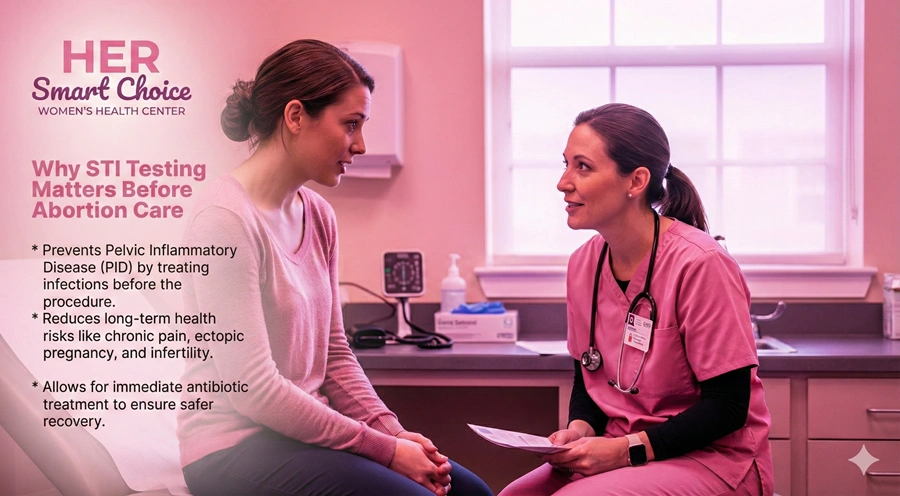
Testing for STIs before abortion care matters because untreated infections can raise the risk of procedural complications, postoperative infection, and pelvic inflammatory disease—issues that can affect healing and future fertility. If an STI is identified before a medical or surgical abortion, clinicians can start treatment or adjust procedural plans to reduce infection‑related risks. Rapid tests—like NAATs on urine or vaginal swabs and point‑of‑care syphilis or HIV tests—help clinicians make timely decisions before intervention. For people seeking abortion care, confirming STI status is part of comprehensive reproductive care that protects both immediate outcomes and long‑term reproductive health.
Comparison of tests commonly used for pre‑procedure screening:
Test Type
Sample Used / Turnaround
When Recommended
NAAT (chlamydia/gonorrhea)
Urine or vaginal swab — results often within 24–72 hours
Routine pre‑procedure screening for sexually active patients
Blood serology (syphilis, HIV)
Blood sample — rapid tests available; standard serology may take days
Recommended before invasive procedures or when risk factors are present
Lesion swab (HSV)
Swab from sore — PCR available with variable turnaround
When genital lesions are present at evaluation
Wet mount / microscopy (trichomonas)
Vaginal swab — immediate on‑site results possible
For symptomatic discharge or in limited‑resource settings
Risks of Untreated STIs During Abortion Procedures
Having an untreated STI at the time of an abortion can increase the chance of post‑procedural infection and PID, which can complicate recovery and raise the risk of longer‑term reproductive harm. For example, an ascending chlamydial or gonococcal infection around the time of instrumentation may trigger a stronger inflammatory response, higher fever, and a greater need for extended antibiotics or hospitalization. The level of procedural risk depends on the abortion method (medical versus surgical) and the infection involved, but the consistent clinical approach is to test and treat identified infections before or soon after the procedure to reduce complications. Clear patient education about testing timelines and rapid access to results are practical steps that help lower risk and improve outcomes.
Timely screening, same‑day testing when available, and prompt initiation of therapy when infections are detected are key clinical strategies to protect patients undergoing abortion care.
How Her Smart Choice Supports Accessible STI Testing and Counseling
Search results describe Her Smart Choice as a provider of comprehensive women’s health services, including STI testing and treatment alongside abortion care. Unique value points highlighted include clear, compassionate guidance on sexual and reproductive health; emphasis on testing and treatment before or after abortion care to reduce PID and infertility risk; and accessible services such as same‑day appointments and possible low‑cost or free options for people with financial need.
Her Smart Choice combines confidential counseling with testing pathways that prioritize same‑day access and patient-centered education, so people understand testing choices and the clinical reasons for pre‑procedure screening. Clinical decisions remain evidence‑based and individualized, but pairing counseling, rapid testing, and coordinated treatment reduces logistical barriers that can delay care. Patients are encouraged to discuss testing timing relative to their procedure and to ask about financial or support resources; early testing and partner notification are practical steps to limit complications and protect reproductive health.
These service features create a supportive clinical experience where prevention strategies are matched with practical access measures to reduce STI‑related risks around abortion care.
Effective STI Treatment and Prevention Strategies
Managing STIs effectively combines curative antibiotics for most bacterial and parasitic infections, suppression strategies for viral infections, and prevention measures like condoms and vaccination to reduce transmission and long‑term harm. Bacterial infections—chlamydia, gonorrhea, syphilis—are usually treatable with appropriate antibiotics, so prompt diagnosis is highly effective at preventing complications. Viral infections such as herpes and HIV are managed with antivirals to reduce symptoms and transmissibility; HPV prevention relies heavily on vaccination to block high‑risk types that cause cervical cancer. Prevention also includes regular screening, consistent condom use, reducing the number of sexual partners, and quick partner notification and treatment when infections are found.
Infection
Standard Treatment
Vaccine Available
Partner Treatment Needed
Chlamydia
Antibiotics (curative)
No
Yes (to prevent reinfection)
Gonorrhea
Antibiotics (curative; monitor resistance)
No
Yes
Syphilis
Antibiotics (curative if early)
No
Yes
Herpes (HSV)
Antivirals (suppressive, not curative)
No
Partner counseling recommended
HPV
Management of lesions; vaccination prevents
Yes (prevents common oncogenic types)
Vaccination recommended for eligible partners
Trichomoniasis
Antiparasitic/antibiotic (curative)
No
Yes
This table contrasts cure versus suppression goals and underscores partner treatment and vaccination as central prevention tools.
If you need local testing, treatment, or follow‑up support, connecting with clinics that offer testing, counseling, and same‑day appointments improves timely care. Search results describe Her Smart Choice as a comprehensive provider of women’s health services, including STI testing and treatment and abortion care, with value points like compassionate guidance, pre‑ and post‑procedure testing/treatment to reduce PID and infertility, and accessible appointment options for people with limited resources.
Which Treatments Cure or Manage Common STIs: Antibiotics and Antivirals
Antibiotics can cure most bacterial STIs by eradicating the organisms, preventing progression to complications when given promptly and correctly. Antivirals do not remove latent viral genetic material but reduce outbreak frequency and severity and lower transmission risk—for example, long‑term antiviral suppression for herpes can improve quality of life and reduce viral shedding. HPV is best prevented by vaccination, which dramatically lowers rates of cervical dysplasia, while existing lesions are managed clinically. Treating partners and adopting safer behaviors are key complements to medication because untreated partners can cause reinfection.
These treatment principles emphasize that curable infections need prompt antibiotic therapy and that viral infections are managed with suppression and prevention strategies—reasons why testing and partner management are integral to effective care.
How Condoms, Vaccination, and Behavior Change Reduce STI Transmission
Barrier methods like condoms substantially lower the chance of transmitting many STIs by blocking contact with infectious fluids and affected skin. Consistent, correct condom use reduces risk for HIV, chlamydia, gonorrhea, and trichomoniasis and decreases HPV exposure. Vaccination—especially the HPV vaccine—is a powerful prevention measure that protects against the strains most linked to cervical and other anogenital cancers. Behavioral strategies such as limiting concurrent partners, keeping up with regular screening, and treating detected infections promptly further reduce community transmission and individual risk. Using behavioral, barrier, and biomedical approaches together creates the most robust protection against STIs.
Talk with your provider about vaccination eligibility and how often you should be screened so your prevention plan matches your needs. Education and easy access to services are essential to improving vaccine uptake and lowering long‑term disease burden.
Search results describe Her Smart Choice as a provider of comprehensive women's health services, including STI testing and treatment and abortion care. Key value points include compassionate education about sexual health, emphasis on testing and treatment to prevent PID and infertility around abortion care, and accessible options like same‑day appointments or low‑cost services for those in need.
In short: integrated clinical services—testing, counseling, vaccination, and treatment—work together to prevent complications and preserve reproductive health. If you have symptoms, a recent exposure, or an upcoming procedure, seek testing promptly and ask about counseling and treatment options to protect your health and fertility.
Frequently Asked Questions
1. What are the long-term effects of untreated STIs on women's health?
Untreated STIs can lead to serious long‑term problems for women, including pelvic inflammatory disease (PID), infertility, and ectopic pregnancy. PID can scar reproductive organs and interfere with fertility, and persistent infections like high‑risk HPV can progress to cervical cancer. Regular screening and prompt treatment are key to preventing these outcomes and protecting reproductive health.
2. How often should women get tested for STIs?
At minimum, sexually active women should be tested at least once a year, and more often if they have new or multiple partners or other risk factors. Women under 25 are especially encouraged to have annual screenings for chlamydia and gonorrhea. More frequent testing may be appropriate based on sexual activity and clinical guidance. Regular screening helps catch infections early—even when there are no symptoms—and lowers the chance of complications.
3. Can STIs affect pregnancy outcomes?
Yes. STIs such as chlamydia and gonorrhea can increase the risk of preterm labor, low birth weight, miscarriage, and transmission of infection to the baby during delivery. Treating STIs during pregnancy is important to protect both the parent and the newborn. Pregnant people should be screened and treated according to current clinical recommendations.
4. What is the role of partner notification in STI management?
Partner notification is an important part of STI control. Letting recent sexual partners know about an exposure enables them to get tested and treated, reducing reinfection risk and stopping further spread. Many providers offer confidential resources and support to help patients notify partners safely and effectively.
5. Are there any vaccines available for STIs?
Yes. The HPV vaccine protects against the strains most likely to cause cervical cancer and genital warts, and the hepatitis B vaccine prevents hepatitis B virus infection. Vaccination is a powerful preventive tool that reduces the burden of these infections and their complications.
6. How can lifestyle changes help prevent STIs?
Simple lifestyle steps can lower STI risk: use condoms consistently and correctly, reduce the number of sexual partners, and have open conversations about sexual health with partners. Regular health checkups and testing, as well as maintaining overall health through good nutrition and exercise, also help support immune function and early detection.
7. What should I do if I suspect I have an STI?
If you think you might have an STI, seek medical care promptly. Schedule testing and avoid sexual contact until you’ve been evaluated and treated if needed. Be honest with your healthcare provider about symptoms and sexual history so they can recommend the right tests and treatment. Early diagnosis and treatment make management more effective and reduce the chance of complications.
Conclusion
Knowing how STIs affect women’s reproductive health helps you take practical steps to prevent and treat infections early. Regular screening and timely treatment greatly reduce the risks of infertility and pelvic inflammatory disease. By prioritizing sexual health, seeking care when needed, and using prevention tools like condoms and vaccination, you can protect your reproductive future. Explore our resources and book a test today to take the next step in safeguarding your health.
More than 2.5 million sexually transmitted infections were reported in the U.S. in 2021, yet many remain silent without noticeable symptoms. Getting tested for STDs is crucial for early detection, treatment, and preventing transmission—protecting both individual wellness and community health. In this article, you will discover:
What hidden dangers arise when STDs go untested
How personal health benefits—from preserving fertility to reducing HIV risk—depend on regular screening
Who should get screened and how often based on behavior and life stage
What to expect during the testing process, including types of tests and confidentiality safeguards
How STD testing breaks transmission chains and supports public health initiatives
The serious consequences of skipping testing
Clear next steps after you receive your results
By mapping these themes, you’ll gain actionable insight into why STD testing is a foundational component of sexual health and preventative care.
STD Prevalence in the U.S.
In 2021, over 2.5 million cases of sexually transmitted infections were reported in the United States, highlighting the significant public health burden of STIs. Many STIs often present without noticeable symptoms, making testing crucial for early detection and treatment.
Centers for Disease Control and Prevention, Sexually Transmitted Disease Surveillance 2021 (2022)
This source provides the statistical context for the prevalence of STIs, which is a foundational element of the article's introduction.
What Are the Hidden Dangers of Untested STDs?
Many sexually transmitted infections show no warning signs, making routine STD testing the only reliable method for detection, timely intervention, and preventing irreversible damage.
Why Can STDs Go Undetected Without Testing?
An asymptomatic infection is a medical condition that produces no obvious symptoms but can still cause tissue damage and spread to others. For example, Chlamydia trachomatis often infects the reproductive tract quietly, leading to inflammation that, if unaddressed, progresses to pelvic inflammatory disease. Recognizing this silent nature underscores why routine screening is essential to halt complications before they arise and to protect sexual partners.
Which Common STDs Are Often Asymptomatic?
Before presenting symptoms, several STDs remain hidden, requiring testing to confirm infection.
Chlamydia
Gonorrhea
Human papillomavirus (HPV)
Herpes simplex virus (HSV)
Syphilis in latent stages
These infections can persist undetected, elevating the risk of complications and spread. Regular screening transforms invisibility into actionable diagnosis, enabling prompt treatment.
What Are the Early Signs and Symptoms to Watch For?
Although many STDs are silent, some indicators can emerge early:
Unusual discharge from genitals or rectum
Painful or frequent urination
Genital itching, sores, or blisters
Lower abdominal pain in women
Skin rashes or swollen lymph nodes
Noticing any of these warrants immediate testing. Detecting an infection at its onset minimizes tissue damage and accelerates recovery, while also guiding partners to get screened.
How Does Early Detection Prevent Serious Health Issues?
Early STD detection enables targeted therapy that stops infection progression, reduces inflammation, and preserves organ function. Untreated gonorrhea and chlamydia, for instance, can ascend to the uterus and fallopian tubes, causing pelvic inflammatory disease and infertility. Prompt antibiotic treatment interrupts this pathway, safeguarding reproductive health and preventing costly long-term complications.
Benefits of Early STD Detection
Early detection of STDs enables timely intervention, which can prevent serious health issues. Prompt treatment can stop the progression of infections, reduce inflammation, and preserve organ function, thereby preventing long-term complications such as infertility and pelvic inflammatory disease.
Workowski, K. A., & Bolan, G. A., Sexually transmitted diseases treatment guidelines, 2015. (2015)
This citation supports the article's claims about the importance of early detection and treatment in preventing severe health outcomes.
What Are the Personal Health Benefits of Getting Tested for STDs?
Routine STD testing provides direct advantages that preserve fertility, reduce cancer risk, lower HIV susceptibility, and maintain sexual well-being.
How Does Testing Prevent Long-Term Complications Like Infertility and PID?
Identifying infections early interrupts pathological mechanisms that lead to pelvic inflammatory disease (PID) and fallopian tube scarring.
STD
Potential Complication
Mechanism
Chlamydia
Pelvic Inflammatory Disease (PID)
Bacterial ascent causes tubal scarring
Gonorrhea
Infertility
Chronic inflammation impairs cilia
Syphilis
Organ damage
Spirochete invasion leads to tissue lesions
Intervening during asymptomatic stages halts these mechanisms, ensuring reproductive structures remain functional and reducing infertility rates.
What Is the Link Between STDs and Increased Cancer Risk?
Certain viral STDs integrate into host DNA and drive malignant transformation. Human papillomavirus (HPV), for example, produces oncoproteins that inactivate tumor suppressor genes, increasing risk for cervical, anal, and oropharyngeal cancers. Detecting high-risk HPV strains through Pap smears and DNA tests enables early treatment of precancerous lesions, markedly reducing cancer incidence.
How Does STD Testing Reduce Your Risk of Contracting HIV?
Open wounds and mucosal inflammation caused by untreated STDs create entry portals for HIV. By diagnosing and treating infections like herpes simplex virus or syphilis, testing eliminates these co-infection risk factors. Regular screening thus serves as an indirect HIV prevention strategy that complements barrier methods and pre-exposure prophylaxis.
How Can Testing Protect Your Reproductive and Sexual Health?
Routine STD screening supports healthy pregnancies by identifying infections—such as syphilis or HIV—that can transmit to the fetus. It also preserves sexual function by preventing chronic pain syndromes associated with nerve involvement in untreated infections. In this way, testing empowers informed reproductive planning and enhances long-term sexual satisfaction.
Who Should Get Tested for STDs and How Often?
Universal and risk-based recommendations ensure appropriate screening intervals that catch infections early and sustain sexual health.
What Are the General Testing Recommendations for Sexually Active Individuals?
All sexually active people should undergo regular STD screening as a preventive health measure.
Demographic
Recommended Tests
Frequency
Ages 13–64
HIV antibody/antigen
At least once lifetime
Sexually active women < 25 years
Chlamydia & Gonorrhea (nucleic acid tests)
Annually
All pregnant individuals
Syphilis, HIV, Chlamydia, Gonorrhea
First prenatal visit
STD Testing Recommendations
The Centers for Disease Control and Prevention (CDC) provides guidelines for STD screening, recommending that all sexually active individuals undergo regular testing. Specific recommendations vary based on age, sex, and risk factors, such as the frequency of testing for different demographics.
Centers for Disease Control and Prevention, STD Screening Recommendations (2024)
This citation provides the basis for the article's recommendations on who should get tested and how often, which is a key section of the article.
Which Specific Groups Need More Frequent Testing?
Certain populations face elevated risk and benefit from intensified screening:
Individuals with multiple or anonymous partners (every 3–6 months)
Men who have sex with men (MSM) for syphilis, chlamydia, and gonorrhea (every 3 months)
People living with HIV to monitor co-infections (clinician-determined intervals)
Pregnant women beyond first trimester if new risk factors emerge
Focusing on these groups maximizes early detection in high-risk scenarios and reduces community prevalence.
How Does Sexual Behavior Influence Your Testing Schedule?
Behaviors such as unprotected sex, inconsistent barrier use, or partner concurrency directly increase exposure to STDs. Each new sexual partner or lapse in protection raises the probability of acquiring an infection, making it essential to test soon after possible exposures and to follow up after the window period for reliable results.
Why Is Regular Testing Important Even Without Symptoms?
Yes, regular testing is vital in the absence of symptoms because most STDs can remain latent while causing subclinical damage. Routine screening uncovers these hidden infections and prevents long-term sequelae, breaking silent transmission chains and ensuring interventions are not delayed until irreversible harm occurs.
What Should You Expect During STD Testing? – Types, Procedures, and Confidentiality
STD testing combines straightforward procedures with robust privacy measures to deliver accurate results and protect patient information.
What Are the Common Types of STD Tests?
Healthcare providers employ different specimen collection methods based on the infection being screened.
Test Type
Specimen
Purpose
Blood
Venipuncture
Syphilis serology, HIV antigen/antibody
Urine
Voided sample
Chlamydia & Gonorrhea nucleic acid tests
Swab
Genital swab
HPV DNA, Herpes PCR, Trichomoniasis
How Is Confidentiality Maintained During Testing?
Clinics adhere to privacy protocols and regulations, such as HIPAA in the U.S., to protect patient data. Key measures include:
Unique patient identifiers instead of names on lab specimens
Secure electronic medical records with access controls
Discreet billing codes or sliding-scale payments to reduce stigma
By safeguarding personal information, testing services encourage more people to seek screening without fear of exposure.
What Is the Window Period and When Should You Retest?
The window period is the time between exposure and when a test can reliably detect infection. For example:
HIV antigen/antibody: 18–45 days post-exposure
Syphilis serology: 3–6 weeks
Chlamydia/Gonorrhea NAAT: 7–14 days
Retesting after the recommended window ensures accurate results, preventing false negatives and guiding appropriate follow-up care.
How Can You Prepare for an STD Test?
Before your appointment, you can improve testing accuracy by:
Avoiding urination for at least one hour prior to a urine-based NAAT
Refraining from intercourse, douching, or vaginal products 24 hours before sampling
Listing recent sexual encounters and partner details for clinical context
Bringing valid identification and insurance or payment method
Being prepared streamlines the process, reduces discomfort, and maximizes the reliability of your results.
https://www.youtube.com/watch?v=uCXomIqGn-w
How Does STD Testing Help Prevent Transmission and Promote Public Health?
Testing serves as a cornerstone of community health initiatives, disrupting infection cycles and informing prevention strategies.
How Does Testing Break the Chain of STD Transmission?
By identifying infected individuals—often before they experience symptoms—healthcare providers can administer treatment and counsel on safer sexual practices. This interruption of infectious periods reduces onward transmission, effectively lowering community prevalence and protecting vulnerable population segments.
Why Is Open Communication About Testing Important Among Partners?
Transparent discussions about STD status foster mutual trust, encourage joint testing, and normalize prevention efforts. When partners share results and testing histories, they can make informed decisions about barrier methods, treatment adherence, and timing of intimate activities, strengthening relationship health in the process.
What Are the Broader Public Health Benefits of Widespread Testing?
Widespread screening contributes to:
Surveillance data that guide resource allocation and targeted interventions
Reduced healthcare costs by preventing costly complications
Enhanced community awareness, destigmatizing sexual health conversations
Measurable declines in STD incidence and potential eradication of treatable infections
These systemic benefits cascade from individual choices to large-scale health outcomes.
How Do Vaccinations Complement STD Prevention Efforts?
Vaccines against HPV and Hepatitis B significantly lower the incidence of vaccine-preventable infections. When combined with regular screening, immunization programs reduce both the burden of disease and the risk of co-infection, creating a multilayered prevention framework that preserves long-term health.
What Are the Risks and Consequences of Not Getting Tested for STDs?
Forgoing STD screening exposes individuals and communities to avoidable health crises and emotional strain.
What Happens If You Don’t Get Tested for STDs?
Untreated infections can progress silently, leading to chronic pain, organ damage, infertility, and increased risk of life-threatening conditions such as HIV or certain cancers. Moreover, individuals may unknowingly transmit infections to partners, perpetuating infection cycles and amplifying public health burdens.
How Can Untreated STDs Affect Pregnancy and Newborns?
Maternal infections like syphilis or HIV can cross the placenta or transfer during childbirth, causing miscarriage, stillbirth, or congenital disorders. Early detection and treatment in pregnant people dramatically reduce these perinatal complications and safeguard newborn health.
What Are the Emotional and Psychological Impacts of Delayed Testing?
Delaying testing can trigger anxiety, guilt, and relationship stress, especially if a diagnosis occurs at an advanced stage. Proactive screening empowers individuals with timely information, alleviating uncertainty and fostering a sense of control over one’s sexual health.
How Can Early Testing Improve Treatment Outcomes?
Yes, early testing allows for simpler, shorter treatment courses—such as a single antibiotic dose for chlamydia—instead of prolonged regimens. Timely intervention minimizes tissue damage, enhances quality of life, and lowers the risk of recurrent or chronic infection.
What Are the Next Steps After Getting Tested for STDs?
Receiving your test results marks the start of an informed care plan, whether that involves treatment, partner communication, or future screening.
What Should You Do If Your Test Is Positive?
Begin prescribed therapy promptly, attend follow-up appointments to confirm clearance, and comply with partner notification guidelines. Effective treatment regimens are available for bacterial STDs, while viral infections may require suppressive or prophylactic medications to manage symptoms.
How Can You Talk to Your Partner About STD Testing?
Approach conversations with empathy and clarity:
Share your results factually and without blame
Invite your partner to test together or separately
Focus on health and prevention rather than morality
Offer resources or clinic information to facilitate their screening
Open dialogue promotes mutual responsibility and reduces stigma.
When Should You Schedule Your Next Test?
Re-screen at intervals based on risk:
Six to twelve months for routine follow-up after clearance
Three months after high-risk exposures or new partnerships
According to clinician recommendations if symptoms reappear
Consistent testing reinforces a preventive mindset and catches reinfections early.
Where Can You Find Reliable Testing and Support Services?
Access confidential testing and counseling through:
Local public health clinics or community health centers
Certified family planning providers and sexual health clinics
Primary care offices and telehealth services offering at-home test kits
National hotlines and websites such as the CDC’s STD testing locator
Early and regular STD testing is a proactive step that secures your own health, protects those you care about, and strengthens community well-being. Schedule your screening today to take control of your sexual health and contribute to broader public health efforts.
Frequently Asked Questions
What should I do if I test positive for an STD?
If you receive a positive STD test result, it’s essential to start treatment as prescribed by your healthcare provider immediately. Follow-up appointments are crucial to ensure the infection is cleared. Additionally, inform your sexual partners about your diagnosis so they can also get tested and treated if necessary. Open communication about your health status can help prevent further transmission and promote a supportive environment for both you and your partners.
How can I encourage my partner to get tested for STDs?
Encouraging your partner to get tested can be approached with empathy and understanding. Start by sharing your own testing experience and the importance of maintaining sexual health. Suggest testing together to normalize the process and reduce any stigma. Emphasize that testing is a responsible step for both of you, focusing on health rather than blame. Providing resources or information about local clinics can also help facilitate their decision to get tested.
What are the costs associated with STD testing?
The costs of STD testing can vary widely depending on the type of test, the healthcare provider, and whether you have insurance. Many public health clinics offer low-cost or sliding-scale fees based on income. Some insurance plans cover STD testing, especially if it’s deemed medically necessary. It’s advisable to check with your insurance provider and local clinics to understand the costs involved and any available financial assistance options.
How often should I get tested if I have multiple partners?
If you have multiple sexual partners, it is recommended to get tested for STDs every 3 to 6 months. This frequent testing helps ensure early detection and treatment of any infections, reducing the risk of transmission to others. Regular screening is a proactive approach to maintaining your sexual health and the health of your partners. Always consult with your healthcare provider for personalized recommendations based on your specific circumstances.
What are the implications of untreated STDs on overall health?
Untreated STDs can lead to severe health complications, including chronic pain, infertility, and increased susceptibility to other infections, such as HIV. For women, untreated STDs can cause pelvic inflammatory disease (PID), which can result in long-term reproductive issues. In both genders, untreated infections can lead to organ damage and other serious health conditions. Regular testing and prompt treatment are crucial to prevent these adverse outcomes and maintain overall health.
Can I get tested for STDs without a doctor's referral?
Yes, many clinics and health centers offer STD testing without the need for a doctor's referral. You can visit public health clinics, sexual health clinics, or even some pharmacies that provide testing services. Additionally, telehealth services may offer at-home testing kits that allow you to collect samples privately and send them for analysis. Always ensure that the testing facility is reputable and follows proper confidentiality protocols.
What lifestyle changes can help reduce the risk of STDs?
To reduce the risk of STDs, consider adopting safer sexual practices such as using condoms consistently and correctly, limiting the number of sexual partners, and engaging in mutual monogamy with a tested partner. Regular STD testing is also crucial for early detection and treatment. Additionally, maintaining open communication with partners about sexual health and history can foster a safer sexual environment. Vaccinations for preventable STDs, like HPV and Hepatitis B, are also recommended.
Conclusion
Regular STD testing is essential for safeguarding your health and the well-being of your community, as it enables early detection and treatment of infections. By understanding the personal health benefits and the broader public health implications, you can take proactive steps to prevent serious complications. Don’t wait for symptoms to appear; prioritize your sexual health by scheduling a test today. Explore local clinics and resources to find the right testing options for you.
In today's health environment, understanding and identifying early signs of sexually transmitted diseases (STDs) is crucial for maintaining overall wellbeing—especially for women seeking prompt care and guidance. STDs such as herpes, chlamydia, gonorrhea, and syphilis can present with subtle symptoms like irritation, unusual odor, or even flu-like feelings. Recognizing these signs can prevent complications like chronic pain, reproductive system damage, and potentially severe illnesses such as hepatitis or ectopic pregnancy. This article, written from a clinical perspective, provides a comprehensive overview of STD symptoms, types, and testing protocols. It is designed to assist women in identifying when signs of infections may be present and emphasize the importance of open communication with healthcare providers. The information integrates clinical study data and peer-reviewed research findings to ensure evidence-based understanding.
With clear delineation of symptoms such as abnormal bleeding, pain during urination, rashes, and more, readers will learn how to interpret what these signals might mean in terms of bacterial, viral, or parasitic infection. Ultimately, early detection can lead to better treatment outcomes, reduced healthcare costs, and improved quality of life.
This content also addresses the challenges of stigma, debunks common myths about STD transmission, and underscores the necessity for regular testing—even when symptoms are not apparent. By providing a detailed discussion on various STD types, the article guides women through understanding the importance of timely testing and the benefits of discussing sexual health openly with partners and professionals.
Let us now examine the important indicators and when to seek essential medical advice.
Recognize Common Symptoms of STDs That Demand Attention
Recognizing the common symptoms of STDs is paramount for early intervention and treatment. The initial signs of an STD can often be subtle, and a high degree of awareness is necessary to catch them early. In many cases, symptoms such as irritation, unusual odor, and changes in vaginal bleeding patterns provide the first clues that something is amiss. When the reproductive system is affected, even mild discomfort or irritation should not be ignored, as it can signal the presence of pathogens like the herpes simplex virus or bacteria causing chlamydia and gonorrhea.
Identify Unusual Discharge That Could Signal an Infection
Unusual discharge, whether it is in color, consistency, or volume, serves as a primary warning sign that an STD may be present. Healthy vaginal discharge typically has a light odor and a consistent texture; deviations from this baseline—such as a yellow, green, or thick, curd-like consistency—should prompt further evaluation. Discharge changes may also be accompanied by irritation or itching, further underscoring the likelihood of an infection. For instance, bacterial vaginosis often presents with a fishy odor, while trichomoniasis might produce frothy, yellow-green discharge. Awareness of these changes, as supported by studies from the Centers for Disease Control and Prevention (CDC), emphasizes the need for prompt medical attention to diagnose and treat the underlying condition appropriately.
Monitor for Pain During Urination and Its Implications
Pain or a burning sensation during urination is another common symptom associated with many STDs. This type of discomfort occurs due to inflammation in the urethra or surrounding tissues caused by infections such as gonorrhea or chlamydia. The pain during urination is not only physically distressing but can also indicate that the infection is spreading or worsening. Clinical studies have shown that individuals who experience dysuria (painful urination) in conjunction with other symptoms such as vaginal irritation are at a higher risk of developing complications if left untreated. Thus, timely evaluation by a healthcare provider is essential for accurate diagnosis and effective treatment.
Pay Attention to Abnormal Bleeding Between Periods
Any instance of abnormal vaginal bleeding, especially between periods, should be regarded as a potential sign of an STD. Abnormal bleeding may be a manifestation of cervical inflammation or damage, conditions often caused by infections like chlamydia or human papillomavirus (HPV). Persistent spotting or bleeding can lead to further complications, including infertility and an increased risk of cervical cancer. It is crucial for women to monitor their menstrual cycles and note any deviation from the norm, as this can be a signal to seek further evaluation. Medical literature suggests that early detection through routine exams and Pap smear tests can significantly mitigate long-term reproductive health risks.
Watch for Rashes or Sores in Genital Areas
Rashes, sores, or blisters in the genital region are noticeable signs that should not be ignored. Conditions such as herpes simplex virus infections typically present with painful blisters or ulcers, while syphilis can cause painless sores that progress into a widespread rash if left untreated. The appearance of these skin lesions can vary in severity and often recurs periodically, making them an essential symptom to monitor. Furthermore, dermatological changes like these can also be compounded by other infections or by secondary bacterial infections, emphasizing the need for prompt diagnostic evaluation and targeted treatment, potentially involving antibiotics or antiviral medications.
Note Any Flu-Like Symptoms That May Occur
In some cases, STDs present with systemic signs, including flu-like symptoms such as fever, fatigue, muscle aches, and swollen glands. These symptoms occur as the body mounts an immune response to the infection. Such nonspecific symptoms might be initially dismissed as a common cold; however, when combined with localized symptoms like genital irritation or abnormal discharge, they strongly suggest the presence of an STD. These systemic manifestations underline the importance of understanding the full spectrum of STD-related symptoms and seeking professional health advice when such symptoms persist.
Key Takeaways: - Unusual discharge and pain during urination are early warning signs of infection. - Abnormal bleeding and genital rashes require immediate attention. - Flu-like symptoms in conjunction with local symptoms suggest the spread of an infection.
Understand When to Seek Medical Advice for STDs
Knowing when to seek medical advice is as important as recognizing the symptoms. Women experiencing any atypical signs such as unusual discharge, painful urination, or abnormal bleeding should consider immediate consultation with a healthcare provider. The window of opportunity for effective treatment can be narrow; early intervention can prevent complications such as pelvic inflammatory disease, infertility, or systemic infections.
Determine if Immediate Testing Is Necessary
Immediate testing is essential when symptoms are severe or when multiple symptoms occur simultaneously. For example, a combination of burning during urination, unusual odor, and intermenstrual bleeding may indicate a serious infection that requires urgent diagnostic workup. Peer-reviewed research, including a 2021 study from the Journal of Women's Health, indicates that timely STD testing reduces the risk of chronic complications significantly. Rapid diagnosis through nucleic acid amplification tests (NAATs) and cultures facilitates early treatment, preventing further spread and reducing the overall burden on the reproductive system.
Schedule an Appointment With Your Healthcare Provider
Promptly scheduling an appointment with a healthcare provider is critical when facing potential STD symptoms. During these consultations, providers can conduct comprehensive examinations, collect samples for lab testing, and review the patient's sexual history to establish risk factors. In many cases, early intervention through a scheduled appointment can result in more favorable outcomes and may also allow for preventive measures such as vaccination against hepatitis B or human papillomavirus (HPV).
Utilize Community Health Resources for STD Screenings
Access to community health resources can be a valuable asset in STD prevention and treatment. Many public health clinics offer free or low-cost STD testing, along with counseling services for individuals who are unsure about their sexual health status. Utilizing these community-based services not only aids in early detection but also fosters a supportive environment for those who might be facing social stigma. These resources are particularly crucial in underserved urban areas, where access to private healthcare may be limited.
Consider Discussing Your Sexual History Openly
An honest discussion about sexual history with a healthcare provider is imperative for accurate diagnosis and effective treatment planning. When patients provide detailed information regarding their sexual behavior, including the number of partners, usage of protection such as condoms or dental dams, and previous STD tests, it guides the provider in selecting the most appropriate tests and treatment protocols. Open dialogue minimizes the risk of misdiagnosis and empowers patients to take active steps in maintaining their sexual health.
Prepare a List of Symptoms to Share With Your Doctor
Before visiting a healthcare provider, it is useful to prepare a detailed list of symptoms. Documenting occurrences of irritation, unusual discharge, pain during urination, abnormal bleeding, and systemic symptoms like fever or fatigue can help the doctor understand the full scope of the problem. This proactive approach ensures that no significant detail is overlooked during the consultation and allows for a more personalized treatment plan.
Key Takeaways: - Immediate testing and early appointments improve treatment outcomes. - Community health resources offer accessible testing options. - Detailed and open communication with healthcare providers facilitates accurate diagnosis and personalized care.
Learn About Different Types of STDs and Their Signs
Different STDs manifest through various signs and symptoms, and understanding these can help in early detection and treatment. STDs can range from viral infections such as HPV and herpes to bacterial infections like chlamydia and gonorrhea, and even parasitic infections such as trichomoniasis. Each type has distinct clinical markers that, when recognized, can aid in swift medical intervention.
Study Symptoms Associated With Viral Infections Like HPV
Viral infections, including the human papillomavirus (HPV), often present with subtle symptoms that may go unnoticed. HPV, for instance, can lead to genital warts—small, flesh-colored bumps or clusters around the genitals—as well as abnormal cervical cell changes that can be detected on a Pap smear. Since HPV is very common and frequently asymptomatic, regular screening is recommended for all sexually active women. The integration of HPV testing with routine cervical examinations has significantly improved early detection rates, reducing the risk of progression to cervical cancer. Additionally, other viral STDs, such as herpes simplex virus, may cause painful blisters, ulcerations, and recurring episodes of discomfort, which should be evaluated immediately.
Recognize Signs of Bacterial STDs Like Chlamydia and Gonorrhea
Bacterial infections such as chlamydia and gonorrhea are among the most common STDs and often present with similar symptoms including unusual vaginal discharge, pain during urination, and pelvic pain. In many cases, these infections can be asymptomatic, which is why regular screening is crucial. When symptoms do occur, they might also include intermenstrual bleeding or postcoital bleeding. The importance of timely antibiotic treatment cannot be overemphasized, as untreated bacterial STDs can result in severe complications such as pelvic inflammatory disease and infertility. Research consistently highlights the significance of prompt intervention, with studies demonstrating that early antibiotic treatment can diminish the long-term risks associated with these infections.
Understand the Implications of Parasitic Infections Such as Trichomoniasis
Trichomoniasis is caused by a protozoan parasite and can result in symptoms like frothy, yellow-green vaginal discharge, irritation, and a significant odor. The discomfort and inflammation associated with trichomoniasis may also lead to a burning sensation during urination and sexual intercourse. Unlike viral or bacterial infections, trichomoniasis can be particularly challenging to detect without laboratory testing, as its symptoms overlap with other STDs. Medical guidelines emphasize the importance of seeking treatment immediately since partner treatment is equally necessary to prevent reinfection. Controlled clinical studies have shown that, when treated with a course of metronidazole, most cases of trichomoniasis resolve promptly, reaffirming the need for accurate diagnosis and treatment adherence.
Investigate Potential Signs of Herpes and Its Outbreaks
Herpes simplex virus (HSV) typically presents with painful blisters or ulcers around the genital area. Outbreaks may be accompanied by systemic symptoms like fever, swollen lymph nodes, and muscle aches. Since HSV is a chronic infection, managing outbreaks involves antiviral medications that can reduce the severity and frequency of episodes. Patients are advised to pay close attention to early signs such as tingling or itching, which often precede more noticeable symptoms. Research published in the New England Journal of Medicine (2019) indicates that early initiation of antiviral therapy can decrease the progression of an outbreak by up to 30%, thereby minimizing discomfort and transmission risk.
Acknowledge the Chronic Nature of Certain STDs
Some STDs, particularly viral infections like HIV and herpes, are chronic conditions that require ongoing management rather than a one-time cure. Chronic STDs often necessitate regular monitoring and long-term therapy to manage symptoms and reduce the risk of complications. This enduring aspect of some STDs can have significant implications on a patient’s mental and physical health, affecting aspects like energy levels, mood, and overall quality of life. Continuous care and periodic assessments by healthcare professionals are essential for managing these chronic conditions effectively, thereby preventing potential deterioration of the reproductive system and other bodily functions.
Key Takeaways: - Viral, bacterial, and parasitic STDs each display distinct symptoms. - Regular screening is critical due to often asymptomatic presentations. - Early treatment and continuous management can prevent serious health complications.
Examine the Role of Regular Testing in STD Awareness
Regular STD testing plays a fundamental role in maintaining sexual health and preventing the spread of infections. Testing is a proactive measure that enables early detection, thereby reducing the likelihood of complications such as infertility, chronic pain, or even life-threatening illnesses. Even when no overt symptoms are present, asymptomatic individuals may unknowingly harbor infections that can be transmitted to partners. Therefore, scheduled and routine screenings are advised, particularly for those with multiple sexual partners or in high-risk groups.
Identify How Often You Should Get Tested for STDs
Healthcare providers generally recommend that sexually active women undergo STD testing annually, though the frequency might be increased based on the presence of symptoms or higher risk behaviors. For instance, individuals engaging in unprotected intercourse or those with multiple partners should consider more frequent testing—every three to six months—to ensure early detection and treatment. Regular testing aids in catching infections before they develop into more serious complications, as supported by guidelines from the Centers for Disease Control and Prevention (CDC). These recommendations help standardize care protocols and instill preventive practices that could otherwise be neglected.
Understand the Testing Process and What It Entails
The STD testing process is relatively straightforward but comprehensive. Common tests include urine samples, blood tests, and swabs of the genital area, depending on the suspected infection. Some tests, such as nucleic acid amplification tests (NAATs), are highly sensitive and can detect bacterial infections like gonorrhea and chlamydia even in the absence of symptoms. The entire process is designed to be minimally invasive, providing fast and reliable results. Furthermore, many clinics now offer confidential testing services, encouraging more individuals to participate without fear of stigma or breach of privacy. This process not only aids in early diagnosis but also paves the way for quick, effective treatment regimens.
Recognize the Importance of Screening Even Without Symptoms
Even in the absence of symptoms, regular screening remains essential because many STDs can be asymptomatic. Asymptomatic infections can lead to silent damage—particularly in the reproductive system—and increase the risk of transmission to partners. Data from multiple peer-reviewed studies has shown that routine screening can decrease the long-term health risks associated with untreated STDs. For example, a study published in the American Journal of Preventive Medicine (2018) highlighted that individuals screened regularly had significantly lower incidences of pelvic inflammatory disease and other complications compared to those who delayed testing. This reinforces the need for a regular testing schedule as a core component of sexual health management.
Discuss Partner Testing for Mutual Health Safety
Partner testing is a critical aspect of STD prevention and management. When both partners are tested simultaneously, it reduces the likelihood of reinfection and ensures that both individuals can receive prompt treatment if necessary. This practice fosters a culture of shared responsibility and transparency, encouraging open discussions about sexual health and risk. Many healthcare providers now advocate for couple-based testing sessions, reinforcing the idea that mutual health safety contributes to overall well-being and relationship trust.
Explore How Testing Impacts Overall Sexual Health Management
Routine STD testing influences broader aspects of sexual health management, including timely treatment, prevention of further complications, and informed decision-making about sexual behavior. By understanding their health status, women can better coordinate care with their healthcare providers to manage symptoms and prevent transmission. This proactive approach not only safeguards individual health but also contributes to public health efforts in reducing STD prevalence. It underscores the critical role that preventative screening plays in modern healthcare, paving the way for better patient outcomes and more effective use of healthcare resources.
Key Takeaways: - Regular testing helps detect asymptomatic STDs early. - Comprehensive testing includes urine, blood, and swab tests. - Partner testing is essential for mutual health safety.
Investigate Myths and Misconceptions About STDs
Myths and misconceptions about STDs are pervasive and often hinder prompt diagnosis and treatment. These beliefs can lead to delays in seeking medical advice, increased transmission risk, and additional psychological stress for affected individuals. It is crucial to dismantle these myths with evidence-based information and clarify the myths surrounding STD transmission, asymptomatic presentations, condom effectiveness, affected populations, and the social stigma associated with diagnoses.
Dispel Common Myths Surrounding Transmission
One widespread myth is that STDs can be transmitted through casual contact such as hugging or sharing utensils. In reality, transmission typically occurs only through sexual contact, exposure to infected bodily fluids, or perinatal transfer from mother to child. Scientific studies have consistently debunked the notion that casual non-sexual interactions can lead to STD transmission. For example, research by the World Health Organization (WHO, 2020) highlights that proper understanding of transmission modes is key to successful prevention strategies. Dispelling such myths is essential to encourage responsible behavior without inciting unnecessary fear. Reliable sources, including clinical guidelines, emphasize that informed sexual practices and proper barrier methods like condoms and dental dams significantly reduce transmission risk.
Clarify Misconceptions About Asymptomatic STDs
Another misconception is that the absence of symptoms means there is no infection. However, many STDs, notably bacterial infections like chlamydia, can be asymptomatic for extended periods. Asymptomatic cases can silently damage reproductive organs and increase the risk of transmission. This misunderstanding often results in individuals neglecting regular screenings, which are vital for early detection. Peer-reviewed studies indicate that asymptomatic individuals can experience complications such as pelvic inflammatory disease and infertility if left undiagnosed. Therefore, the lack of obvious symptoms should not be taken as indicative of good sexual health, and routine testing remains paramount.
Educate on the Effectiveness of Condoms Against STDs
While condoms are not 100% foolproof, they significantly lower the risk of contracting and transmitting many STDs when used consistently and correctly. Research has shown that correct usage of condoms reduces the risk of HIV transmission by approximately 85% and lowers bacterial STD transmission substantially. However, some misconceptions suggest that condoms completely eliminate all risks, which is not entirely accurate. It is important for individuals to recognize that, although highly effective, condoms must be used in conjunction with other preventive measures like regular testing and honest communication with partners to maximize protection.
Discuss the False Belief That STDs Only Affect Certain Populations
A harmful myth is that certain STDs affect only specific populations or demographic groups. The reality is that all sexually active individuals are at risk, irrespective of age, race, socioeconomic status, or sexual orientation. This misconception can lead to complacency among individuals who believe they are not at risk, ultimately delaying necessary testing and treatment. Medical literature supports that STDs are universal concerns, and education campaigns continuously emphasize that anyone engaging in unprotected sex can contract these infections. Challenging this belief is critical in promoting widespread adoption of preventive measures and encouraging comprehensive sexual health education for all.
Learn About the Social Stigma Attached to STD Diagnoses
Social stigma remains one of the most powerful barriers in addressing STDs effectively. Many people delay or avoid testing and treatment due to the fear of judgment and discrimination. This stigma not only hampers individual well-being but also contributes to public health risks by perpetuating hidden infections. Educational initiatives, backed by research from organizations like the CDC, emphasize that an STD diagnosis is a medical condition rather than a moral failing. Removing the stigma requires open dialogue, factual education, and supportive healthcare environments that foster understanding rather than blame.
Key Takeaways: - Myths about casual transmission and asymptomatic STDs can delay treatment. - Condoms are effective but not absolute; additional preventive measures are essential. - STDs affect everyone regardless of demographics; reducing stigma is key.
Emphasize the Importance of Open Communication With Partners
Effective open communication with sexual partners is a cornerstone of sexual health management and STD prevention. When partners openly discuss their sexual history, testing status, and potential symptoms, it creates an environment of trust and mutual responsibility. This candid dialogue is essential not only for early detection and prevention of STD transmission but also for improving overall sexual wellbeing. Women, in particular, benefit greatly from such communication as it enhances their ability to make informed decisions regarding birth control, testing schedules, and healthcare provider consultations.
Encourage Dialogue About Sexual Health With Partners
Open dialogue about sexual health is crucial to dispel myths, reduce stigma, and promote a culture of preventive care. By discussing issues such as previous STD tests, current symptoms (like irritation or abnormal discharge), and preventive practices like barrier methods, partners can take proactive steps together. Healthcare professionals advocate regular communication to ensure that both partners remain informed about their sexual health status. Clinical data underscores that couples who maintain open communication are more likely to seek treatment early and experience improved health outcomes. Establishing a routine of discussing these topics can foster a supportive and trusting relationship, reducing anxiety around potential health issues and reinforcing accountability.
Suggest Strategies for Discussing STD Testing With Partners
There are several strategies to help initiate discussions about STD testing. One approach is to propose regular health check-ups as part of an established routine, similar to scheduling annual physical exams. Partners can also share educational materials from reputable sources like the CDC to start the conversation. Role-playing potential scenarios or using open-ended questions to gauge comfort levels can ease into these sensitive topics. Additionally, couples might agree on specific times to discuss sexual health, thereby integrating the conversation into their regular relationship dynamics rather than treating it as a sudden or isolated event.
Promote Transparency About Symptoms and Testing History
Transparency about personal health information—such as any recent symptoms like pain during urination, unusual discharge, or abnormal bleeding—is essential for mutual protection. When partners share their testing history and any ongoing concerns, it enables an informed decision-making process regarding when to seek further medical care. This practice not only lowers the risk of STD transmission but also supports early detection, which is key in managing potential infections effectively. It establishes a shared responsibility where both individuals contribute to a safe and healthy sexual practice.
Highlight the Role of Consent and Mutual Responsibility
Consent and mutual responsibility are critical elements of any discussion pertaining to sexual health. Partners should agree on preventive measures, testing intervals, and treatment plans based on the information shared by both parties. This mutual commitment not only safeguards both individuals but also underscores a respectful and caring dynamic within the relationship. Trust built on clear communication can lead to more effective cooperation in managing health risks and improving overall quality of life.
Share Tips on Creating a Supportive Environment for Discussions
Creating a supportive environment for discussions involves choosing a comfortable, private setting where both partners feel secure. Encouraging empathy, being non-judgmental, and actively listening to each other’s concerns are vital. Couples might benefit from counseling sessions or educational workshops that provide guidance on how to engage in sensitive topics. Additionally, maintaining regular follow-ups can help solidify these discussions as an ongoing part of the relationship, rather than a one-time conversation prompted by the presence of symptoms.
Key Takeaways: - Open communication with partners is essential for sexual health. - Proactive discussions about testing, symptoms, and history enhance mutual safety. - Strategies such as scheduled talks and education help foster supportive dialogue.
Table: Comparison of STD Symptoms, Testing, and Communication Strategies
Below is a table summarizing different aspects of STD management, from symptom recognition to communication strategies with partners. This table helps consolidate the key attributes and benefits associated with each approach.
Aspect
Key Symptoms / Strategies
Testing / Diagnosis Method
Benefit / Outcome
Symptom Recognition
Unusual discharge, pain during urination, rashes
Urine tests, swabs, blood tests
Early detection and prompt treatment
Immediate Medical Advice
Abnormal bleeding, severe pain
NAATs, cultures, comprehensive screening
Prevents complications and long-term damage
Regular Testing
Asymptomatic cases, periodic screenings
Annual or quarterly STD tests
Minimizes risk of unnoticed infections
Myth Dispelling
Understanding true modes of transmission
Education based on CDC/WHO guidelines
Reduces stigma and promotes preventative measures
Partner Communication
Open discussion, shared history, mutual testing
Joint consultations, couple-based testing
Enhances trust, prevention of reinfection
The table above consolidates various aspects of STD management, emphasizing the importance of early detection, effective communication, and regular testing in reducing health complications and enhancing sexual health.
Frequently Asked Questions
What are the most common symptoms of STDs?
Common symptoms include unusual discharge, pain during urination, abnormal bleeding, rashes or sores in the genital areas, and flu-like symptoms such as fever and fatigue. However, many STDs can be asymptomatic, which is why regular testing is crucial.
When should I get tested for an STD?
It is recommended to get tested at least once a year if you are sexually active, more frequently if you have multiple partners or notice any symptoms such as irritation or unusual discharge. Immediate testing is advised if you experience severe symptoms like pain or abnormal bleeding.
How effective are condoms in preventing STDs?
Condoms are highly effective at reducing the risk of many STDs, including HIV, gonorrhea, and chlamydia, when used correctly every time. However, they do not provide 100% protection, so regular testing and open communication with partners are also important.
Can STDs be transmitted if there are no symptoms?
Yes, many STDs can be asymptomatic, meaning you can carry and transmit an infection even if you do not show any symptoms. Regular screening is essential for early detection and prevention of spread.
How can open communication with my partner help in preventing STDs?
Open communication enables both partners to share their sexual history, testing status, and any symptoms, which can lead to timely testing and treatment. This transparency reduces the risk of reinfection and promotes mutual responsibility in maintaining sexual health.
What should I do if I suspect I have an STD?
If you suspect you have an STD, contact your healthcare provider immediately to schedule testing. Early diagnosis and treatment are critical in preventing complications and protecting your overall reproductive and general health.
Final Thoughts
Recognizing and understanding the signs of STDs is essential for both personal health and public well-being. Through careful examination of symptoms such as unusual discharge, pain during urination, and abnormal bleeding, women can take proactive steps by seeking immediate testing and medical advice. Open communication with partners and adherence to regular screening protocols empower individuals to manage their sexual health more effectively. By debunking myths and fostering an environment of transparency and support, this article encourages a proactive approach to STD awareness and prevention, ultimately leading to healthier outcomes and improved quality of life.
Children experience fundamental changes in their body as they go through their teenage years. These changes have a significant impact on their physical as well as mental health. One of the most crucial changes they will go through is gaining the understanding of sexuality and sexual health. Many parents hesitate in discussing topics like sex and sexually transmitted diseases STDs with their children. If you are also one of those parents then this blog is for you. Let’s understand how to open the conversation with your teenager.
Why is it important to talk about sex and STDs with teenagers?
To provide a better understanding
Teenagers need a reliable source of information for getting the right knowledge about such sensitive topics. But, they often get conflicting information from peers, media, and the internet. By having the conversation, you can provide accurate information and guidance. This will help the teen to make informed decisions.
Preventing STDs and Unintended Pregnancies
According to the Centers for Disease Control and Prevention (CDC), young people aged 15 to 24 account for half of all new STD infections. Thus, it becomes crucial to educate teenagers about STDs, including how they are transmitted and how to prevent them. This can help in reducing the risk of infection and unplanned pregnancies.
Building Trust and Communication
These topics are highly sensitive and many people feel hesitant in discussing them with their children. But open communication about such sensitive topics creates trust between the parent and the child. If your child feels comfortable discussing these issues with you, they are more likely to come to you for guidance and support. Especially if they are facing difficult decisions or challenges related to sexuality.
How to start the Conversation?
Start Early
It'll never be too early to begin talking to your child about sexuality and boundaries. You should use simple language and concepts to gradually start introducing your child to topics related to anatomy, reproduction, and personal boundaries. By doing so, you will make your child comfortable in discussing such problems with you.
Create a Safe and Open Environment
You should choose a time and place where both you and your teenager feel comfortable and relaxed. Assure them with your actions that they can ask questions and share their thoughts without fear of judgment or criticism.
Be a listener
Giving one-sided information can often create a communication barrier between the child and parent. Your child needs to feel heard. So, ask open-ended questions prompting your teenager to share their thoughts and experiences. For example, you can ask, "What have you heard about STDs?" or "How do you feel about learning more about how our bodies work?"
Be Honest and Accurate
Provide factual information about sex, STDs, contraception, and consent. Do not use vague language as that might cause confusion or misunderstanding. Even if there’s an air of hesitance, answer their questions honestly.
Discuss Boundaries and Consent
From an early age you should teach your teenager about the importance of setting boundaries and respecting the boundaries of other people. Highlight the concept of obtaining clear consent before engaging in any sexual activity.
Talk about Peer Pressure
Many teenagers feel overwhelmed with peer pressure. You should discuss peer pressure, social media, and popular culture. You should help your teenager in developing critical thinking skills so they can correctly interpret the messages they get and make decisions that align with their values and goals.
Keep the Conversation Going
Having the first open conversation can help a lot. But that is just the beginning of many more such conversations. You should keep having these conversations regularly. So that your teenager always feels welcomed in times of need.
Conclusion
Talking about such sensitive topics is not an easy task. But you must establish trust with your child. The information that you provide can have a significant impact on the decisions that your child will make in the future. Still, if you feel like you might not be the best communicator, you can always seek professional help. Many family planning clinics in Van Nuys have experts who can provide your teen the necessary knowledge. They can help in making your child comfortable in discussing these topics. Remember, the goal is not to have a single "talk" but to have an ongoing conversation and provide your child the support they need for growth and development.
California is one of the most advanced states when it comes to abortion rights and services. It was the first state to have legalized abortion. And has since taken progressive steps for women’s reproductive rights. Abortion clinics in Huntington Park provide safe and affordable healthcare services. Let’s understand the various options that you have when looking for an abortion clinic in Huntington Park. This blog will also help you in finding solutions to any challenges you may encounter in this journey.
The History of Abortion Laws in California:
Abortion laws in California have a complex history. In 1967, California became the first state in the United States to legalize abortion, allowing it under certain circumstances. In 1973, the Supreme Court decision in Roe v. Wade legalized abortion nationwide, overriding any state laws that restricted access to the procedure. Since then, California has passed additional laws to protect and expand abortion access. The California Constitution recognizes the right to privacy, which includes the right to choose to have an abortion.
Abortion Services Available in Huntington Park:
Huntington Park, located in Los Angeles County, has several healthcare providers that offer abortion services. These clinics follow the legal requirements set by the state of California and provide multiple reproductive healthcare options, including abortion.It can be a difficult task to find the perfect match out of so many options. Following is a list of a few factors that you can check when you’re doing your research:
Licensing and Qualifications: Make sure the clinic is licensed by the state of California and operates under the supervision of experienced and qualified healthcare professionals. Look for accreditation from organizations like the American Association for Accreditation of Ambulatory Surgery Facilities (AAAASF).
Services Offered: Some abortion clinics may only provide medication abortion while you may need to have surgical abortion depending on your gestational age. Make sure to check for these things when making the decision. You can also check for additional services offer by the clinic, like pregnancy testing, pre- and post-abortion counseling, and STI testing.
Cost and Payment Options: Find out the associated costs for the procedure, consultation, and any additional services you might need. Also, make sure to ask about the accepted payment methods and any financial assistance programs.
Location and Accessibility: You should look for a clinic that is easily accessible and conveniently located. If you do not have any personal vehicle, you can look for that offer assistance.
Waiting times: Most clinics have the option to schedule appointments. You can book your appointment in advance and avoid having to wait for consultation.
Patient Experience and Reviews: To get real insights, you can read online reviews from past patients to get a sense of the clinic's atmosphere, staff behaviour, and overall patient experience.
Conclusion:
Abortion can be a difficult choice for many women. It affects you both physically and mentally. Thus, it becomes very important to carefully understand all your options. And choose the one that suits you the best so that you can avoid any unnecessary challenges. There are multiple abortion clinics in Huntington Park that provide quality services. You can just check all these factors according to your preference and find your perfect match!
Abortion can be a fundamental decision in the life of a women. But the recent changes to abortion laws in the US have created some problems. While some states have expanded or maintained abortion access, others have put severe restrictions, making it difficult or even impossible for women to obtain safe and legal abortions within their own state. If you are also living in one of such states with restrictions, then this blog can help you to options for out-of-state care. You can find out what are the various factors to consider before traveling.
Impact of Abortion on the Life of Women:
Research shows that access to safe and legal abortion has a huge positive impact on the life of women. And according to the Guttmacher Institute, a leading source for reproductive health research, over 99% of abortions in the US are completed with no major complications. Studies indicate a positive correlation between abortion access and increased educational attainment, labor force participation, and overall economic well-being for women.
Out-of-State Options for Abortion Care:
Due to restricted access in some states, many women are seeking out-of-state abortion options. If you’re also one of them, then here's a list of things you need to know:
Identify Safe Havens: Several states have openly protected and expanded access to abortion. These "haven" states often have many abortion clinics and healthcare providers ready to support patients from out-of-state. You can explore abortion clinics in California, Colorado, Connecticut, Illinois, Maryland, Massachusetts, New Jersey, New York, Oregon, and Vermont.
Research Clinics and Providers: Once you've found out a suitable haven state, you should research nearby abortion clinics and healthcare providers. Make sure to look for licensed and reputable facilities with good patient reviews.
Financial Assistance: Traveling for an abortion can be expensive. Many government and non - government organizations provide financial assistance, covering costs like travel, lodging, and the abortion procedure itself.
Legal Considerations: While abortion is legal in some states, some have passed laws restricting who can perform abortions or the gestational age limit. You should ensure that the clinic and provider you choose operate within the legal framework of your destination state.
Factors to Consider Before Traveling for an Abortion:
Abortion in itself is a very big decision. You should double check all the necessities before you travel. Beyond the logistics, you should consider the following personal and emotional factors:
Support System: You should ask a trusted friend, family member, or partner to accompany you. It can be invaluable in providing you the support to get through the procedure.
Recovery Time: Recovery time can vary depending on which abortion procedure you have chosen. You might need to stay at the destination for a few days.
Work and School: You should make arrangements for some potential time away from work or school. You can explain your situation to a trusted employer or professor, if necessary, and ask for reasonable adjustments.
Emotional Wellbeing: If you feel overwhelmed by the weight of the decision, you can always seek help. There are multiple resources available both online and offline. You can also find people who can address your specific concerns related to reproductive health.
Conclusion
Irrespective of the location of abortion, it is crucial to think carefully before you make the decision. You should carefully consider all factors like your personal circumstances, the support you may need and the potential emotions you might experience. Every woman should have the freedom to make choices concerning her reproductive health. You deserve access to the care you need, even if it means traveling out of state.
PCOS is becoming increasingly common today. It is said that about 9-13% of women in reproductive age are affected by PCOS. But being common does not make it normal. Polycystic ovary syndrome (PCOS) is a hormonal imbalance. It disrupts ovulation, leading to irregular periods, excess androgen (male hormone) production, and can cause symptoms like acne, unwanted hair growth, and weight gain. This blog explores different birth control options suitable for PCOS, their benefits and drawbacks, and how to choose the best fit for you.
Impact of Birth Control on PCOS Management:
Birth control for PCOS acts by regulating hormones. Combination oral contraceptives (COCs) containing estrogen and progestin are the first-line treatment option. These medications work to manage PCOS:
Ovulation Suppression: COCs suppress ovulation to prevent pregnancy and establish a more predictable menstrual cycle.
Androgen Reduction: By regulating hormone levels, COCs help in decreasing androgen production, reducing symptoms like acne and unwanted hair growth.
Cervical Mucus Thickening: COCs thicken cervical mucus, creating a barrier that further makes it difficult for the sperm to reach the egg.
Birth Control Options for PCOS:
There are several birth control methods available. Each method has certain advantages and considerations. Here's are some popular options for PCOS management:
Combined Oral Contraceptives (COCs): This is the most commonly adopted method in cases of birth control for PCOS. They contain estrogen and progestin, effectively regulating periods and reducing androgen levels. There are many COC brands available.
Advantages: Highly effective in preventing pregnancy (over 99% with perfect use), regulates menstrual cycles, reduces PCOS symptoms like acne and unwanted hair growth, convenient daily dosage.
Considerations: Can cause side effects like nausea, breast tenderness, mood swings, and blood clots (rare). You should avoid this option if you are a smoker or someone with a high risk of blood clots.
Progestin-Only Pills (POPs): These pills only contain progestin, and can be a suitable alternative for those who cannot take estrogen. It is best suited for breastfeeding women or those with a high risk of blood clots.
Advantages: These pills have fewer side effects as compared to COCs. They’re a safe option for breastfeeding women.
Considerations: Comparatively less effective in preventing pregnancy as compared to COCs (around 98% with perfect use). It’s use may cause irregular bleeding and are less effective in reducing PCOS symptoms.
Progestin-Releasing Intrauterine Device (IUD): This is a T-shaped device that is inserted into the uterus. It releases progestin continuously for several years (depending on the type). It prevents pregnancy by thickening cervical mucus and suppressing ovulation.
Advantages: Highly effective in preventing pregnancy (over 99% with perfect use). It has a long-term impact (3-10 years). It reduces periods or stops them completely. It may also improve PCOS symptoms.
Considerations: IUDs require insertion and removal by a healthcare provider. It may cause irregular bleeding initially. It is not suitable for everyone (e.g., those who want regular periods).
Which Birth Control Should You Choose?
Every woman has unique needs and preferences. You should consider the following options and then choose the method that suits you the best.
Medical History: You should discuss any pre-existing health conditions with your doctor. You should tell them if you have any allergies, or risk factors like smoking.
PCOS Symptom Severity: You should find out the symptoms that cause you the most concern. Whichever method you choose should be based on targeting those concerns.
Desired Level of Effectiveness: You should consider the long-term and short-term impact of the method that you will choose. If taking a pill on daily basis is a concern, the you should consider longer-acting methods like IUDs.
Lifestyle and Preferences: You should take your daily routine into consideration when choosing a birth control method. See if you’re comfortable with insertion procedures. Also make sure to check if the method may impact the desired frequency of periods.
Conclusion:
Birth control methods can be effective in managing PCOS symptoms and achieving menstrual regularity. But you should know that it is not the only option. You should adopt a comprehensive PCOS treatment plan that also incorporate lifestyle modifications like maintaining a healthy weight and exercising regularly. Some people can also find relief through dietary adjustments or specific supplements. You should explore all your options and then choose one that fits you the best.
Can I get STD from my partner? Can STD be fatal for me? What if I have STD? Are you also worried about such questions? Well, The good news is you are not alone! It is natural to worry about STDs. STDs are incredibly common, and fortunately, family planning clinics in California are dedicated to providing confidential, affordable testing and treatment. So let’s start with understanding your concern!
What are STDs?
STDs, also known as sexually transmitted infections (STIs), are infections transferred from one person to another person through sexual contact. There are many different types of STDs. Each has different symptoms and impacts on health. Some STDs, like chlamydia and gonorrhea, can be treated easily with antibiotics. However, others, like HIV and HPV, have no cure and can lead to serious health problems if not found timely.Why is early detection and treatment crucial?
Prevent complications: Early treatment can prevent the transfer of STDs to your partner(s). It would minimize the risk of developing long-term problems like pelvic inflammatory disease (PID) in women, which can affect their fertility.
Protect your health: Some STDs can lead to serious health problems, including infertility, certain cancers, and even death. Thus it becomes important to detect STDs timely and get necessary treatment.
Peace of mind: Getting tested and knowing your status can provide significant peace of mind. You would be able to choose the right course of action for your future.
Common Signs and Symptoms of STDs
Many STDs do not have any visible symptoms, which makes them easy to miss. But you can still watch out for these signs:
Unusual vaginal discharge or burning sensation during urination in women
Painful or swollen testicles in men
Genital sores, warts, or itching
Pain in the lower abdomen or pelvis
Visit a Doctor and Get TestedYou might feel scared or embarrassed about getting STDs. But Family planning clinics in California can provide your confidential services, ensuring your comfort during the process. Just remember:
Testing is confidential: As per law, it is mandatory for clinics to protect your privacy. Your test results will not be shared with anyone unless you have given your consent.
Testing is quick and easy: STD testing usually involves a simple urine test, a blood test, or a swab of the genitals.
Testing is affordable: Many family planning clinics in California provide free or low-cost STD testing services.
Why Choose Family Planning Clinics in California ?
California is a leader in ensuring accessible and affordable sexual healthcare. Here's what you can expect when visiting a family planning clinic in California:
Confidentiality: Clinics prioritize your privacy. All discussions and test results are kept confidential.
Non-judgmental care: Clinics provide a safe space where you can openly discuss your concerns without worrying about any judgment.
Qualified healthcare providers: Family planning clinics in California have experienced healthcare professionals who can answer your questions, provide testing, and recommend appropriate treatment options.
Affordable services: Many clinics offer STD testing and treatment on a sliding scale based on your income. Some may even offer free services.
Additional resources: These clinics can connect you with additional resources like safe sex education, partner notification services, and mental health counseling.
Conclusion:
Maintaining your physical and mental health should always be your top priority. By getting tested for STDs, you're not just protecting yourself, but also your partner(s). If not found on time, STDs can have a very bad impact on your health. If you see any symptoms, be brave and Get Tested! STDs are treatable, and many are curable. Don't let fear or embarrassment stop you from getting the care you deserve.