Public Opinion Regarding Abortion Rights and Restrictions in California
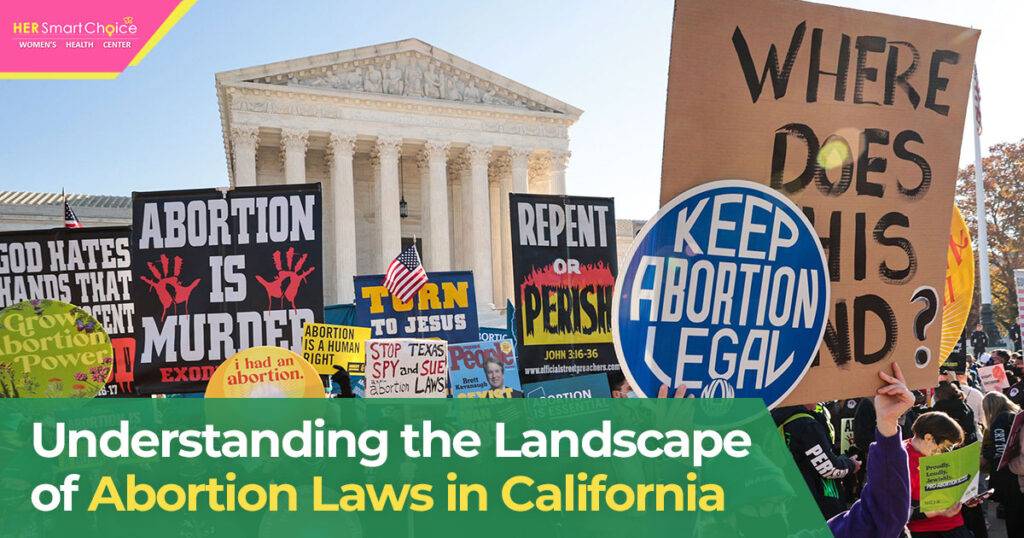
Understanding the Landscape of Abortion Laws in California

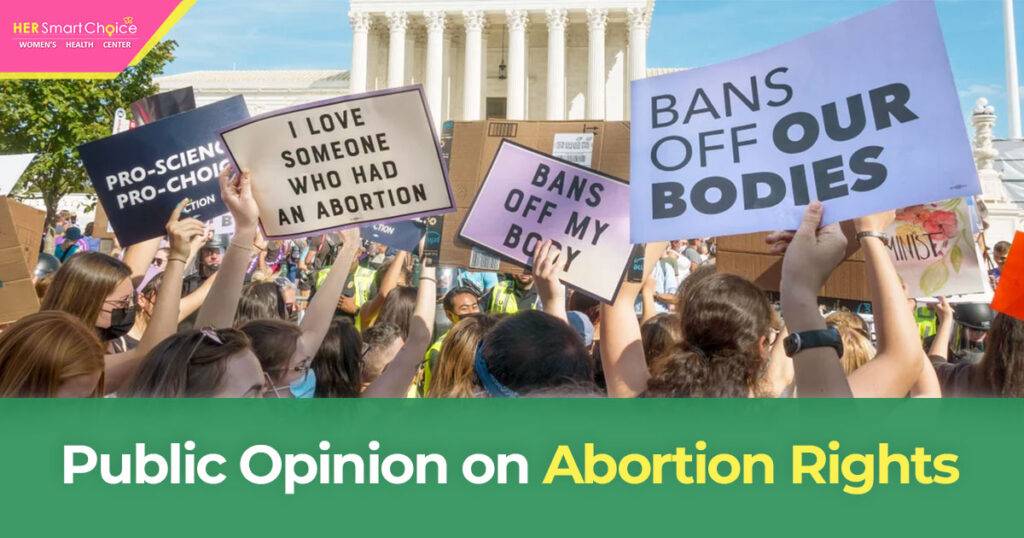
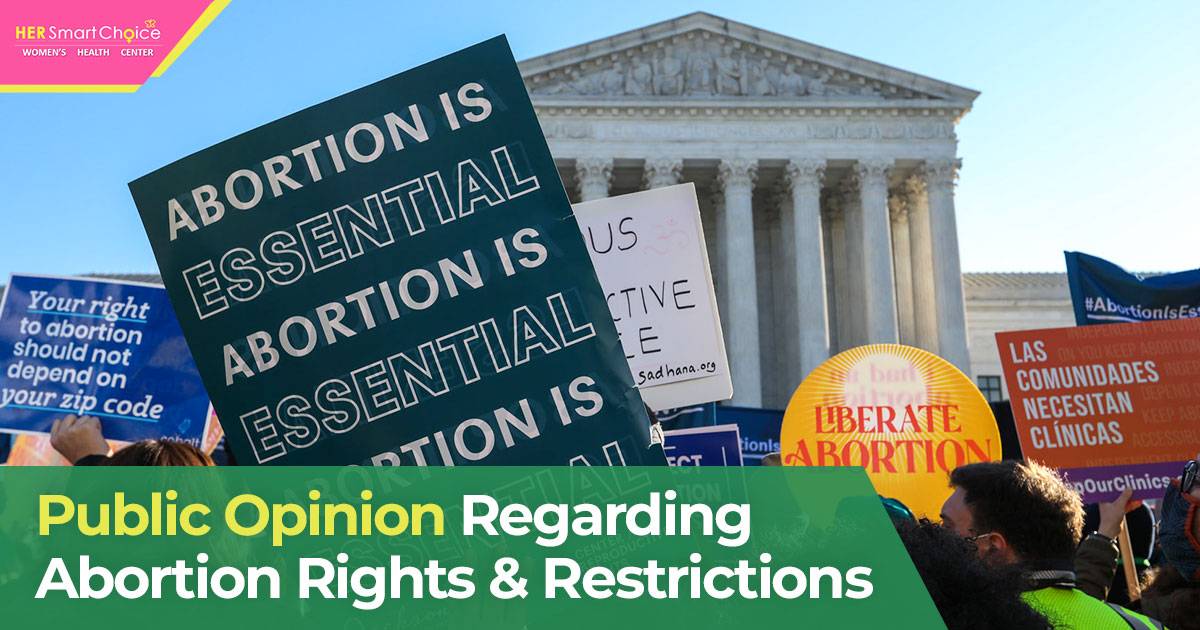
Public Opinion on Abortion Rights

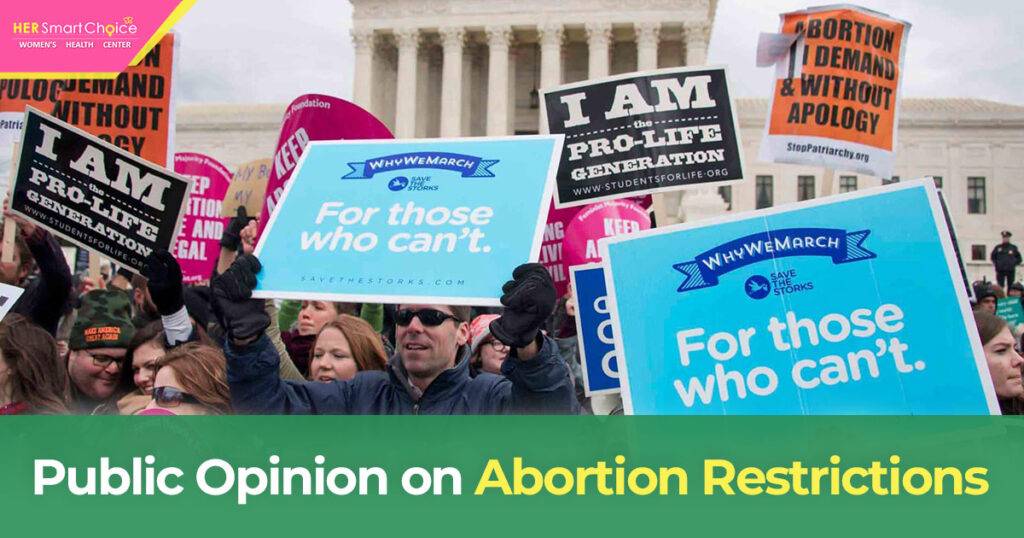
Public Opinion on Abortion Restrictions


Access to Contraceptives: The availability and use of contraceptives are critical factors influencing abortion rates. When people have easy access to effective birth control methods and education about their use, unintended pregnancies are less likely to occur, reducing the need for abortion.
Economic and Social Factors: Socioeconomic conditions, educational opportunities, and social support networks all play roles in the decision-making process regarding abortion. Factors like financial stability, access to education, and a strong support system can influence whether someone chooses to continue or terminate a pregnancy.
Healthcare Accessibility: The presence of accessible healthcare facilities that provide abortion services is a significant determinant of abortion rates. When clinics and medical professionals are readily available to offer safe and legal abortions, individuals are more likely to choose these services over unsafe alternatives.
Cultural and Religious Beliefs: Cultural and religious factors can shape people's attitudes toward abortion and influence their choices. In some communities, specific beliefs or values may encourage or discourage abortion. These cultural and religious factors can contribute to variations in abortion rates among different populations.


Unplanned pregnancies come with a range of potential risks and challenges that can affect individuals physically, emotionally, and socially. One significant risk is the potential impact on an individual's physical health. Delayed or lack of prenatal care can lead to health complications for both the pregnant person and the developing fetus. Additionally, engaging in risky behaviors during pregnancy, such as substance abuse or inadequate nutrition, can further endanger the health of both parties.
Emotionally, unplanned pregnancies can lead to increased stress, anxiety, and depression. The uncertainty and unexpected nature of the situation can take a toll on mental well-being, potentially affecting relationships and overall quality of life. It's crucial to acknowledge these emotional risks and seek appropriate support and counseling.
Socially, an unplanned pregnancy may pose challenges related to career, education, and personal goals. Individuals may need to make difficult decisions about their future plans, potentially altering the trajectory of their lives. The stigma and judgment associated with unplanned pregnancies can also lead to isolation and strained relationships with friends and family.
Furthermore, the decision-making process regarding whether to continue the pregnancy or pursue options like adoption or abortion can be emotionally taxing, and the choice made may not always align with personal values or desires. Besides, there are some ways to deal with unplanned pregnancies which you’ll read further.


Abortion is a topic that always sparks strong emotions and debates among everyone. In California, like in many states, there are laws in place that determine when and how abortions can happen. These laws are designed to ensure that women can make choices about their bodies while also maintaining safety and fairness. Let’s delve into the reasons why abortion should remain legal and regulated according to California's abortion laws.

One of the main reasons for legal abortion is to safeguard the health of women. When abortion is conducted under safe and regulated conditions, it reduces the potential risks associated with unsafe procedures. Legal limitations guarantee that qualified doctors are involved, which is crucial for a woman's well-being.
Before abortion became legal, some women had to resort to unsafe methods, which could be extremely dangerous. Legal abortion helps prevent these risky practices, ultimately keeping women safe and healthy.
Every woman deserves the right to make choices concerning her own body. Legal abortion respects this fundamental right, empowering women to choose what is best for their unique circumstances.
While it's crucial to protect women's rights, California's laws also impose certain limitations, such as a specific timeframe for abortion. These limits aim to strike a balance between individual choice and the public interest.
California's laws require counseling and informed consent, ensuring that women have access to accurate information before making their decisions. This guarantees that women are making choices based on facts rather than fear or misinformation.
Legal abortion helps reduce the stigma and shame that can be associated with the procedure. When abortion is part of regulated healthcare, it becomes a medical decision rather than a moral or criminal one.
Sometimes, pregnancies can develop serious complications that endanger a woman's life or health. Legal abortion ensures that women facing these critical situations have access to safe medical procedures.
In cases of sexual assault or incest, abortion provides victims with the option to terminate a pregnancy resulting from a traumatic experience, giving them some control over their lives.
Abortion is a complex ethical and moral issue, and California's laws aim to navigate this complexity thoughtfully. They acknowledge that different people have different beliefs and values and strive to find a middle ground that respects everyone's perspectives.

Empowering women's legal abortion rights involves several key strategies and actions:
Support Legislation: Advocate for, vote in favor of, and support legislation at the local, state, and federal levels that protects and expands women's reproductive rights. This includes laws that safeguard access to safe and legal abortion services.
Elect right Representatives: Elect officials who prioritize women's reproductive rights and will work to maintain and strengthen legal protections for abortion access.
Educate and Mobilize: Educate the public about the importance of women's reproductive rights and mobilize supporters to take action through grassroots organizing, campaigns, and rallies.
Challenge Restrictive Laws: Challenge any laws or regulations that unduly restrict access to abortion services through legal action and advocacy.
Support Organizations: Donate to and volunteer with organizations that provide reproductive health services, legal aid, and advocacy for women's abortion rights.
Promote Comprehensive Sex Education: Advocate for comprehensive, evidence-based sex education in schools to reduce unintended pregnancies and support informed reproductive choices.
Fight Stigma: Combat the stigma surrounding abortion by sharing personal stories and experiences, humanizing the issue, and fostering empathy and understanding.
In California, maintaining legal abortion with limitations is a multifaceted approach that prioritizes the health and rights of women while addressing the complex ethical, moral, and social aspects of the issue. It's about ensuring that every woman has the freedom to make choices about her body while upholding safety and fairness.
Abortion will continue to be a subject of debate, but California's laws aim to navigate it wisely, providing a framework that respects diverse viewpoints and prioritizes women's well-being and autonomy. For more information, stay tuned with us.
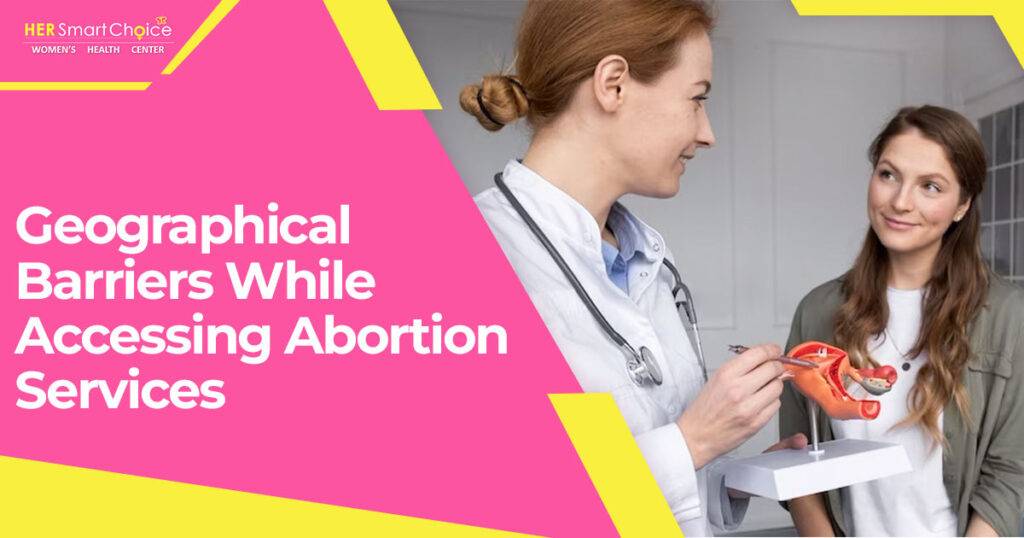
Accessing abortion services is an essential part of reproductive healthcare, but for many individuals, geographical barriers can make this process challenging. Here you will get to know how these obstacles can affect their access to safe and legal abortions.
Limited Availability:
In some regions or rural areas, abortion clinics and providers don't exist or are available rarely.
Limited availability can force individuals to travel long distances to reach a healthcare facility that offers abortion services.
State and Regional Laws:
Abortion laws vary from state to state or region to region and this creates confusion or it may be restricted in some areas. However, women living in areas with restrictive abortion laws may face hurdles, such as waiting periods or mandatory counseling.
Travel And Accommodation Costs:
Another important aspect that works as a barrier to accessing abortion services is the cost of traveling to another city. Individuals with limited financial resources can't be able to manage the cost of accommodation, transportation expenses, and time off work can create significant stress.
Lack of Local Support:
Some individuals may not have a support system to help them during this challenging time. They may need to navigate the process alone, which increases stress and emotional strain.
Impact on Vulnerable Communities:
Geographical problems are harder for some communities, especially those who are already struggling. It makes access to abortion services even more challenging for those facing systemic inequalities.
Except for all these geographical barriers, you can access abortion services via the telehealth support services of Her Smart Choice. This service is available 24 by 7 for all those individuals who want to access safe and secure abortion services. This way, you can save your travel expenses, can save yourself from the strict laws of your state, and can access safe birth-control solutions.


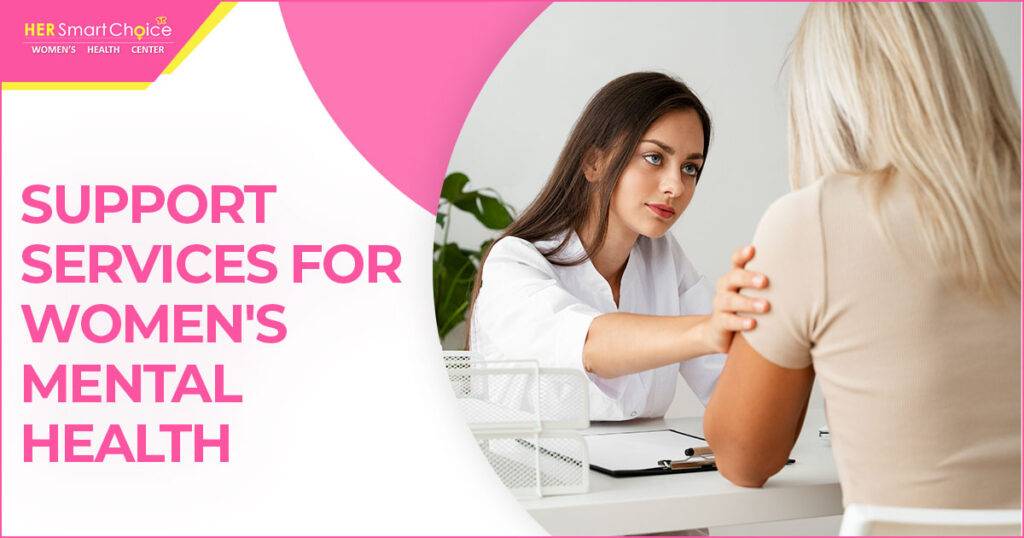
Women’s mental health encompasses emotional, psychological, and social well-being. It plays a significant role in shaping the quality of life and overall health. Here are several essential aspects that highlight its significance:
Life Transitions: Women often experience significant life transitions, such as puberty, pregnancy, childbirth, and menopause, which can affect their mental health.
Societal Pressures: The other aspect is societal expectations, gender roles, and discrimination. It can all create stress and impact mental well-being.
Reproductive Health: Also, reproductive health issues, including fertility challenges, pregnancy-related mood disorders, and perimenopausal symptoms, can influence mental health.
Trauma and Violence: Women are more likely to experience trauma, abuse, and violence, which can lead to mental health issues like post-traumatic stress disorder (PTSD) and depression.
Hormonal Fluctuations: Hormonal changes during the menstrual cycle, pregnancy, and menopause can affect mood and mental health.
Work-Life Balance: Balancing work, caregiving, and personal life can be challenging, leading to stress and burnout.
Body Image and Self-Esteem: Societal pressures related to body image can impact self-esteem and contribute to mental health challenges.
Well, there are numerous support services and resources available to help women prioritize and maintain their mental health:
Therapy and Counseling: Health professionals, including therapists and counselors, offer individual and group therapy to address various mental health concerns.
Support Groups: You can benefit from joining support groups that focus on specific issues like postpartum depression, trauma recovery, or anxiety management.
Reproductive Health Clinics: Clinics, like Her Smart Choice, specializing in women's reproductive health often provide counseling and support for issues like fertility, pregnancy, and menopause.
Emergency Helplines: Crisis hotlines and helplines are available 24/7 to provide immediate support for individuals experiencing emotional distress or other reproductive challenges.
Online Resources: Numerous websites and apps offer resources, articles, and self-help tools tailored to women's needs. You can read them to gain more information.
Workplace Programs: Some workplaces offer Employee Assistance Programs (EAPs) that provide confidential counseling and support for employees dealing with stress and personal issues. If you’re a working woman, then it is helpful for you to maintain a healthy mind.
Healthcare Providers: Primary care physicians and gynecologists can offer guidance and referrals for concerns.
Mindfulness and Meditation: Practices like mindfulness and meditation can help you manage stress and improve mental well-being.
Self-care: Encouraging self-care routines, including regular exercise, a balanced diet, and adequate sleep, can significantly impact mental health.
Advocacy and Awareness: Supporting organizations and initiatives that advocate for women's mental health can contribute to reducing stigma and increasing access to care.
You've probably heard these two terms a lot in your life. One side is all about women's rights, and the other is linked to saving babies. But it's not that simple. Both the pro-life and pro-choice sides have more to them than meets the eye. Unfortunately, our culture often oversimplifies these terms, leading one group to misunderstand the other.
Follow Us!
In this article, we want to explain what pro-life and pro-choice really mean. We'll provide clear definitions and examples so you can confidently talk about your views on pro-life topics.

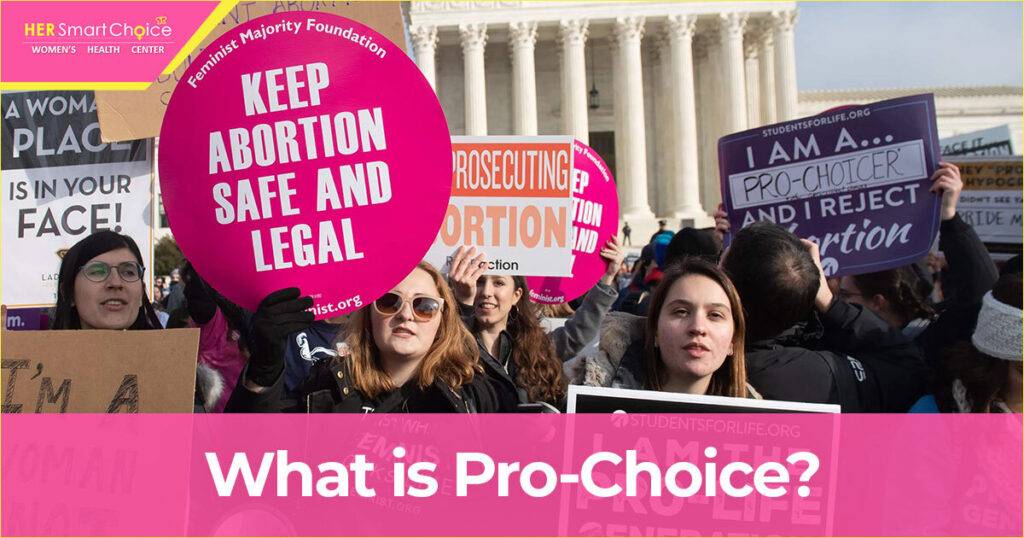
Pro-choice means people can decide whether or not to have a baby. It's about giving them the choice. If someone is pro-choice, they believe that everyone has the right to make this decision for themselves.
Pro-choice is all about supporting people's freedom to make this important choice about having children. It's about respecting their right to decide what's best for their own lives and circumstances.
Women's Autonomy: Pro-choice supporters emphasize a woman's right to decide what happens to her body, especially in cases of unwanted pregnancies, medical complications, or instances of sexual assault.
Health and Safety: They believe that access to safe and legal abortion is crucial to protecting women's health and preventing them from seeking dangerous, illegal alternatives.
Personal Circumstances: Pro-choice acknowledges that every pregnancy is unique, and decisions about whether to continue it should be made based on individual circumstances.
Reducing Unwanted Children: Some argue that allowing abortion can reduce the number of unwanted children who may end up in challenging circumstances.

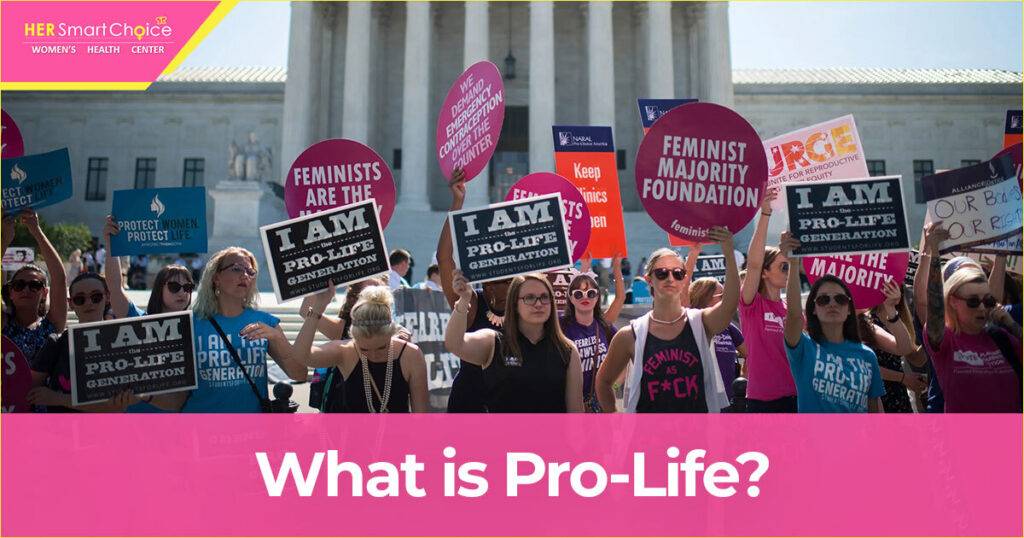
Pro-life means believing that all unborn babies should have a chance to live and not be ended by abortion. People who are pro-life think it's really important to protect these babies. They believe that life begins at conception, when a baby starts growing inside its mother.
Pro-life folks often say, "Every life is precious," and they work to make sure that pregnant women have other options and support so they don't feel like they have to have an abortion. So, being pro-life means caring a lot about the rights and lives of these unborn babies and wanting to give them a chance to be born.
Religious Beliefs: Many pro-life individuals base their stance on their religious beliefs. They see abortion as a violation of the sanctity of life as taught in their faith.
Right to Life: Pro-life advocates argue that every human, regardless of their stage of development, deserves the right to life and protection under the law.
Alternative Options: They believe that there are alternatives to abortion, such as adoption, which can provide unwanted children with loving homes.
Potential for Life: Pro-life supporters see the potential for a unique individual with their own future in every fertilized egg.

Pro-Choice Means Pro-Abortion: One common misconception is that pro-choice supporters promote abortion as the preferred option for all pregnancies. In reality, pro-choice supports a woman’s right to choose, not necessarily advocating for abortion in all situations.
Pro-Choice Ignores Moral Values: Some assume that pro-choice individuals lack moral or ethical values. However, many pro-choice advocates base their beliefs on principles of autonomy, personal freedom, and compassion for women facing challenging circumstances.
Pro-Choice Disregards Fetal Rights: Critics often argue that pro-choice supporters prioritize a woman’s rights over the rights of the fetus. Pro-choice individuals may have varying opinions on when fetal rights should be recognized, and it’s not necessarily a complete disregard for those rights.
Pro-Choice Equals Unrestricted Access: Not all pro-choice supporters advocate for unrestricted access to abortion. Many acknowledge the need for regulations, especially in late-term abortions, while still supporting a woman's right to choose in early pregnancy.

Pro-Life is Anti-Woman: Some assume that pro-life advocates are inherently anti-woman. In reality, pro-life supporters believe in protecting both the unborn child and the mother's well-being, often emphasizing support and alternatives to abortion.
Pro-Life Ignores Violence Cases: Critics may assume that pro-life supporters are inflexible when it comes to violence cases related to women. However, there are pro-lifers who support exceptions in such cases, recognizing the extreme emotional and physical trauma involved.
Pro-Life Doesn’t Care About Women’s Health: This misconception suggests that pro-life advocates prioritize the fetus at the expense of the woman's health. In reality, pro-life supporters often work to ensure that women have access to safe and comprehensive healthcare, including prenatal care.
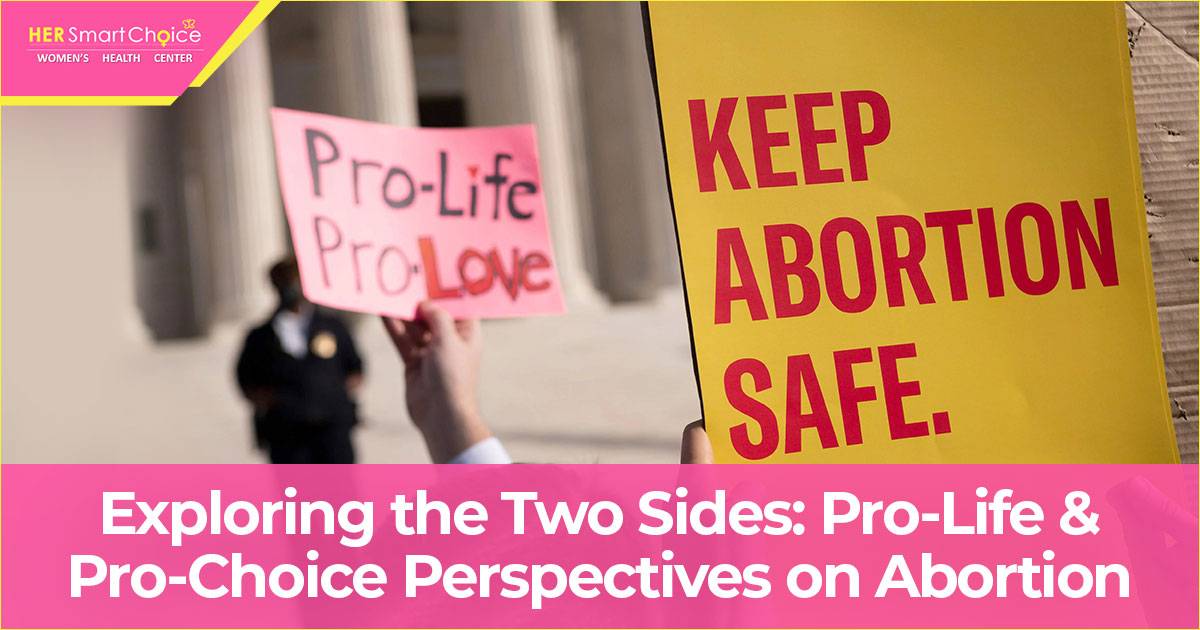
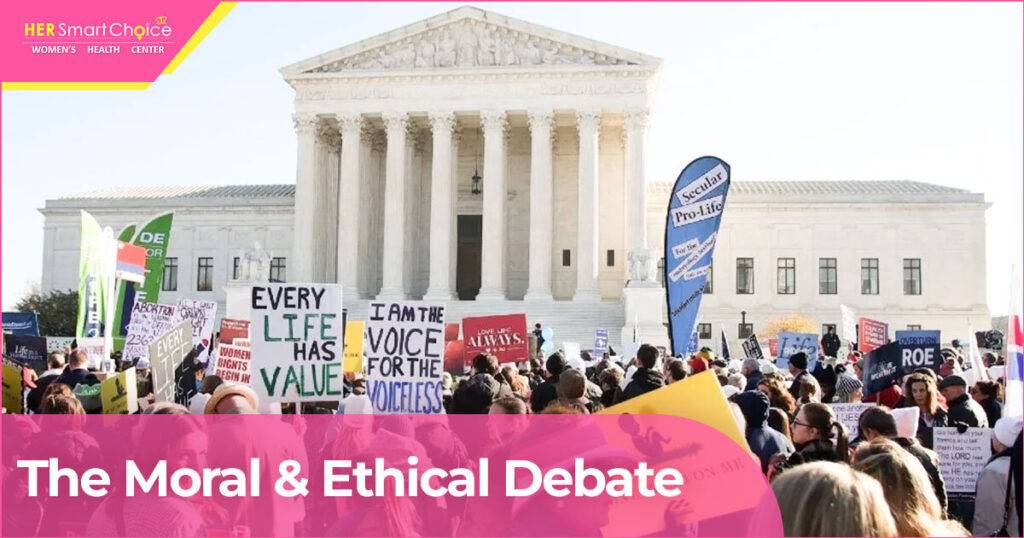
The pro-life and pro-choice sides of abortion represent deeply held beliefs about the value of life and personal autonomy. Both sides have valid arguments, and it's essential to approach this topic with empathy and understanding.
Follow Us!
Engaging in respectful dialogue can lead to greater understanding and, ideally, solutions that prioritize the well-being of both women and unborn children. While this blog provides a simplified overview, remember that real-life situations can be much more complex, and people's views may evolve based on their personal experiences and circumstances.
The term "pro-life" refers to a belief system that opposes abortion and advocates for the protection of unborn children, emphasizing the sanctity of life from conception to natural death.
The pro-choice perspective on abortion emphasizes a woman's right to make informed decisions about her own body and reproductive health. It advocates for the availability of safe and legal abortion options, respecting individual autonomy.
The legal implications surrounding pro-choice rights include the protection of a woman's right to make decisions about her reproductive health, influenced by landmark Supreme Court rulings and state laws, which can vary significantly across the country.
Cultural views significantly influence pro-choice opinions by shaping individual beliefs about women's autonomy, reproductive rights, and societal roles. These perspectives often reflect broader societal norms, religious beliefs, and historical contexts, impacting how individuals perceive and advocate for reproductive healthcare options.
Young people's views on pro-life issues are often shaped by a blend of personal beliefs, cultural influences, and education, leading to a diverse spectrum of opinions ranging from strong support to advocacy for reproductive rights.


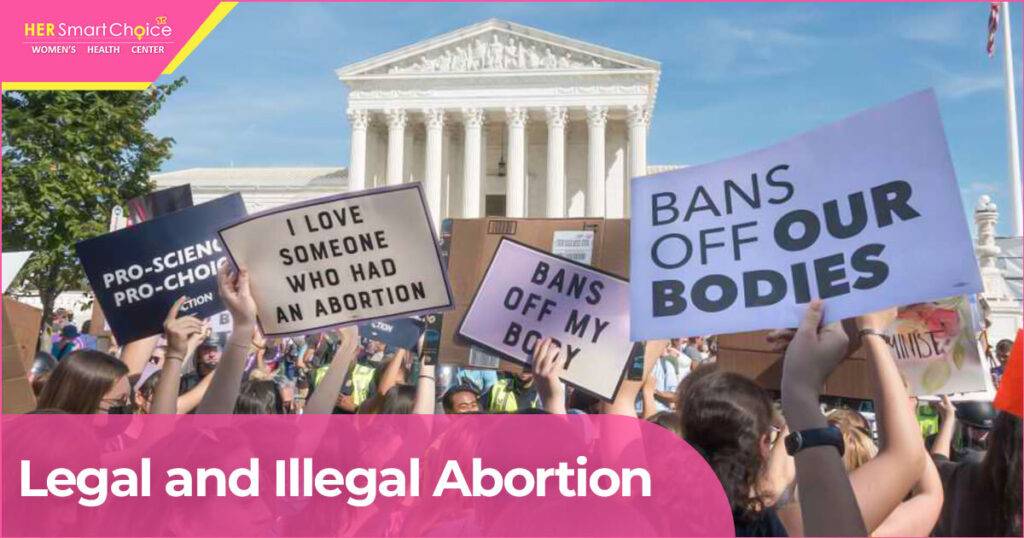
Addressing the issue of legality and illegality of abortion is complex and multifaceted. There is no one-size-fits-all solution, but several approaches can help mitigate the challenges associated with this issue:
Comprehensive Sex Education: Providing accurate information about sexual health and contraception can reduce the number of unintended pregnancies, subsequently lowering the demand for abortions.
Access to Contraception: Ensuring affordable and accessible contraception can help prevent unintended pregnancies.
Safe and Legal Abortion Services: Countries should consider the safety and well-being of women by providing safe and legal abortion services when necessary.
Support for Pregnant Women: Offering support and resources for pregnant women, such as prenatal care, adoption services, and financial assistance, can provide alternatives to abortion.
Reducing Stigma: Reducing the social stigma around abortion can help women make informed decisions without fear of judgment.
As you read both the pro-life and pro-choice perspectives on abortion, the problem of the legality or illegality of terminating pregnancy (abortion) is a complex issue with no defined answers. It involves deeply held beliefs and the fundamental question of a woman's autonomy over her own body.
While opinions on this topic may differ, it is crucial to ensure that women have access to safe and legal options when making decisions about their reproductive health. Balancing the rights of the unborn with the rights and well-being of women remains a challenge that societies must navigate with empathy, understanding, and respect for diverse perspectives.