The abortion pill uses two medicines — mifepristone and misoprostol — and is a safe, effective option for ending an early pregnancy. This guide explains each step of the medical abortion process, what you can expect, and important things to consider. Many people feel anxious or uncertain before a medical abortion; clear information can help you feel more prepared and make decisions that are right for you. Below we cover how the drugs work, the typical timeline, common side effects, and when to seek care.
Follow Us!
What is the abortion pill? Understanding mifepristone and misoprostol
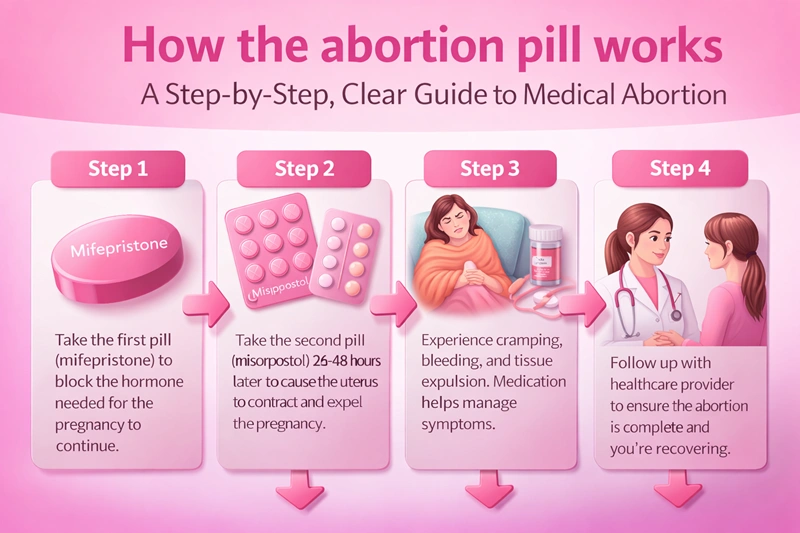
The term “abortion pill” usually refers to a two‑drug regimen: mifepristone followed by misoprostol. Mifepristone is taken first and blocks the hormone progesterone, which the pregnancy needs to continue. Misoprostol is taken later to cause uterine contractions and expel the pregnancy tissue. This combination is most commonly used for pregnancies up to about 11 weeks gestation. For more information, check out this abortion pill relevant insights.
How do mifepristone and misoprostol work together to end a pregnancy?
Mifepristone and misoprostol act in sequence: mifepristone disrupts the hormonal support for the pregnancy, and misoprostol triggers the uterus to contract and release its contents. Using both medicines together makes medical abortion more reliable than misoprostol alone.
What roles do progesterone and the uterus play in medical abortion?
Progesterone helps keep the uterine lining stable so a pregnancy can grow. When mifepristone blocks progesterone, the lining begins to break down. The uterus then responds by contracting — a process that, with misoprostol, leads to the pregnancy tissue being passed. For more information, see how is the abortion pill different from the morning after pill?
Step 1: Taking mifepristone — how it works and immediate effects
The first step is taking mifepristone, usually as a single oral dose in a clinic. After this dose, some people notice early effects such as mild cramping or light spotting as the body begins to respond. You may want to learn more about early signs of a miscarriage.
Read more: Spotting vs. Bleeding
How does mifepristone block progesterone to start the process?
Mifepristone binds to progesterone receptors in the uterus and prevents the hormone from doing its job. This causes the pregnancy to detach from the uterine wall and prepares the body for the second medicine, misoprostol, to finish the process.
What should you expect right after taking mifepristone?
After taking mifepristone, you might have mild to moderate cramping and some spotting. Those symptoms usually mean the medication is working. Keep track of how you feel and get ready for the next step: taking misoprostol as your provider instructs.
Step 2: Taking misoprostol — timing, how it’s taken, and symptoms
Misoprostol is usually taken 24–48 hours after mifepristone. Your provider will tell you the preferred route — oral, buccal (in the cheek), sublingual (under the tongue), or vaginal — and give instructions for how to use it.
When and how is misoprostol taken after mifepristone?
Misoprostol is commonly given 24–48 hours after mifepristone. The tablets can be placed in the cheek (buccal), under the tongue (sublingual), swallowed, or inserted vaginally, depending on your provider’s guidance and what’s most appropriate for you.
What uterine contractions and symptoms does misoprostol cause?
After misoprostol you can expect stronger cramping and heavier bleeding — often more than a typical period. These contractions help expel the pregnancy tissue. Pain intensity varies, so plan for pain relief and a comfortable place to rest.
Read more: Abortion Pill vs Surgical Abortion
Abortion pill experience timeline: what typically happens hour‑by‑hour and day‑by‑day
Knowing the common timeline can help you plan and feel less anxious. The experience varies, but there are typical stages most people go through.
How long does the medical abortion process take to complete?
The active part of the process can take from a few hours to several days. Some people pass tissue within hours after misoprostol; for others it can take longer. The body may continue to shed tissue and have bleeding for up to two weeks. Most people finish the process within one to two weeks.
What are the typical patterns of cramping, bleeding, and tissue passing?
Cramping usually increases after misoprostol and then eases over time. Bleeding often becomes heavier — similar to a heavy period — and may include visible tissue passing within hours to a few days after misoprostol. Keep an eye on symptoms and contact your provider if something feels off.
Common side effects and how to manage them safely
Medical abortion is generally safe, but side effects are common and usually temporary. Understanding how to manage them helps you stay comfortable and safe.
What side effects are normal during medical abortion?
Typical side effects include cramping, bleeding, nausea, vomiting, diarrhea, and tiredness. These usually improve within a few days. Learn the difference between expected effects and signs that need medical attention.
Which pain‑management strategies are effective and evidence‑based?
Over‑the‑counter pain relievers such as ibuprofen or acetaminophen are commonly recommended. Applying heat to the lower abdomen and using relaxation or breathing techniques can also help. Follow your provider’s instructions for dosing and safety. Can I get pregnant after being on birth control for 10 years?
Research is ongoing to identify the best pain‑management approaches for early medical abortion.
Managing pain in medical abortion with mifepristone & misoprostol Medical abortion before 14 weeks’ gestation using mifepristone plus misoprostol is common worldwide. Pain during the process is well recognized, but the optimal approach to pain relief is still unclear. Pain management for medical abortion before 14 weeks’ gestation, JJ Reynolds‑Wright, 2022
When to seek medical help: warning signs and follow‑up care
Knowing which symptoms require prompt attention is important for safety. Follow your provider’s follow‑up plan and contact them if you have concerns.
What are the warning signs that require urgent medical attention?
Contact emergency services or your provider right away for symptoms such as very severe abdominal pain; heavy bleeding (soaking through two or more pads in one hour for two consecutive hours); fever; foul‑smelling discharge; or other signs of infection. These may indicate a complication that needs prompt care.
Why is follow‑up care important after taking the abortion pill?
Follow‑up ensures the abortion is complete and checks for complications. Providers typically recommend an appointment one to two weeks after the medication to confirm the pregnancy has ended and to address any ongoing symptoms. This visit may include a physical exam or an ultrasound.
| Medication | Purpose | Administration Method | Timing |
|---|---|---|---|
| Mifepristone | Blocks progesterone | Oral | Day 1 |
| Misoprostol | Induces contractions | Oral/Vaginal | 24-48 hours after Mifepristone |
The table summarizes the two medicines, what they do, how they’re given, and when to take them.
Medical abortion is a commonly used, effective option for ending early pregnancies. Understanding how the medicines work, what to expect during the days after treatment, and when to seek help will help you navigate the process safely. If you have questions or need support, reach out to a healthcare provider or trusted resource for care and information.
Frequently asked questions
If you have intense abdominal pain, very heavy bleeding (soaking two or more pads in an hour for two consecutive hours), a high fever, or persistent vomiting that prevents you from keeping fluids down, seek immediate medical attention. Keep your provider’s contact details available and call if you’re unsure about symptoms.
Talk with your healthcare provider about any medical conditions you have before taking the abortion pill. Conditions such as adrenal gland disorders, bleeding disorders, or some heart conditions can affect whether medical abortion is the safest option for you. Your provider will review your history and recommend the best approach.
The abortion pill is highly effective — about 95–98% when used within the first 10 weeks of pregnancy. Surgical abortion is also effective; the right choice depends on your medical history, how far along the pregnancy is, and your personal preference. Discuss options with your provider to choose what fits your needs.
There is a controversial approach called “abortion pill reversal” that involves giving progesterone after mifepristone. This method lacks strong scientific support and is not widely endorsed by medical organizations. If you’re unsure about your decision, contact a healthcare professional right away for guidance and counseling.
At your follow‑up visit, usually one to two weeks after treatment, the provider will confirm that the abortion is complete. This may include a physical exam or an ultrasound. It’s also a chance to talk about any symptoms, questions, or next steps for contraception and recovery.
Yes. Mifepristone and misoprostol are generally considered safe during breastfeeding; only small amounts pass into breast milk. Still, it’s a good idea to discuss your individual situation with your provider so they can offer tailored advice and support.
Conclusion
Knowing how the abortion pill works and what to expect helps you make informed choices and feel more prepared. The process, timeline, and common side effects are predictable for most people, and follow‑up care helps ensure a safe outcome. If you need more information or support, contact your healthcare provider or local reproductive health resources.
Follow Us!