
Pelvic Or Bladder Pain Disorders
Find out how to get relief from pelvic floor disorder
symptoms such as urinary leakage, constipation, & more.
Book an appointment to know all therapeutic methods!
Book An Appointment




Free Abortion Pills for Low-Income
Patients Without Insurance
18+
Years of experience!
98%
Abortion Success Rate
150,000+
Happy Patients
Success Stories from Our Satisfied
Patients at Her Smart Choice
Pelvic pain disorders refer to medical conditions that cause chronic pain in the pelvic region. The pain is located in the region below the navel and between the hips. You may also have lower back pain with some of the conditions.
Advanced Diagnostic Testing
Utilizing imaging, urinalysis, and other diagnostic tools for accurate diagnosis.
Personalized Treatment Plans
Tailored approaches including medications, physical therapy, nerve stimulation, and lifestyle modifications.
Minimally Invasive Procedures
Options such as bladder instillations and nerve block therapy for pain relief.
Hear from Our Patients
Pelvic Or Bladder Pain Disorders
Procedure
Initial Consultation
A detailed discussion of symptoms, medical history, and lifestyle factors.
Diagnostic Testing
To check for infections or underlying conditions.
Personalized Treatment Plan
Pain relievers, anti-inflammatory drugs, or muscle relaxants.
Ongoing Management
Regular monitoring to assess progress and make necessary adjustments.
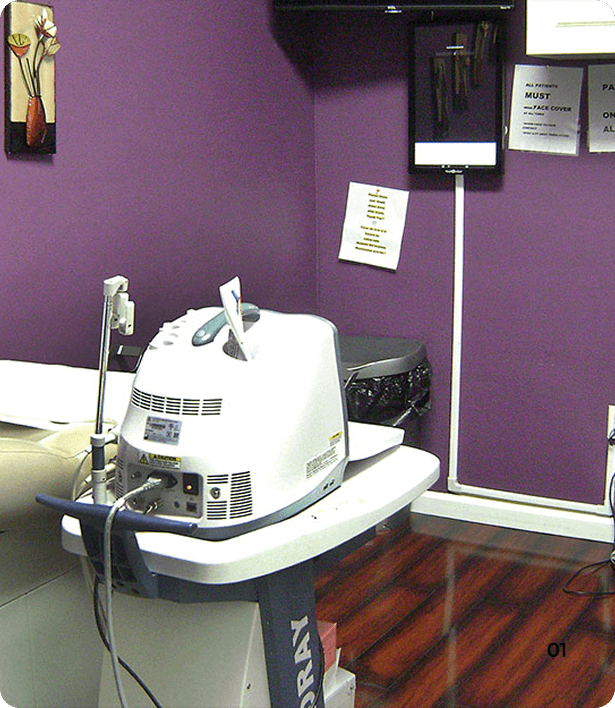
Considering Pelvic Or Bladder Pain Disorders?
Ready to discuss your options? Click the appointment button to talk to our
caring experts in a private, safe space.
Call Now – 213-372-0307
Make An Appointment
About Pelvic Or Bladder Pain
Disorders
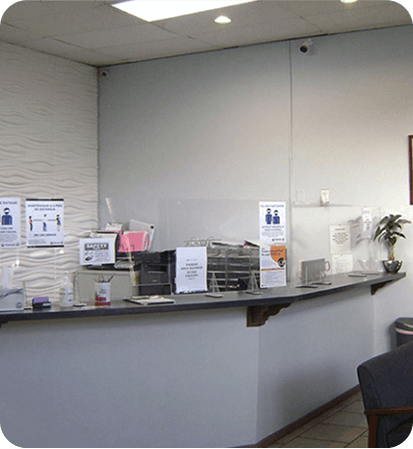 Pelvic or Bladder Pain Disorders refer to chronic discomfort, pressure, or pain in the pelvic region or bladder that can significantly impact daily life. These conditions may result from various causes, including infections, nerve dysfunction, muscle issues, or underlying medical conditions.
-
Persistent pelvic or bladder pain -
Painful urination or urgency -
Discomfort during sexual activity -
Pressure or heaviness in the pelvic area -
Frequent need to urinate
Considering Pelvic Or Bladder Pain Disorders?
Visit Us at : 2226 E Cesar Chavez Ave
East Los Angeles, CA 90033
Call Now – 213-372-0307
Make An Appointment
Get Directions
Frequently Asked Questions
What are the causes of pelvic pain disorders?
Some of the common causes of pelvic pain disorders are:
- Endometriosis: it’s a medical condition in which the tissue from your uterine lining grows in any other place outside the uterus. These tissue deposits react to your menstrual cycle in a manner similar to your uterine lining, i.e., thickening, shedding off, and bleeding every month as the levels of hormones rise and fall. However, since the tissue deposits lie outside the uterus, the tissue and blood can’t leave the body through the vagina. Instead, they are trapped in the abdomen and may form painful cysts and scar tissue (adhesions).
- Musculoskeletal problems: Certain conditions that affect your joints, connective tissues, and bones, such as the tension of the muscles of the pelvic floor, fibromyalgia, hernia, or inflammation of the pubic symphysis (pubic joint), may result in recurring lower back pain and pelvic pain.
Fibroids: They are noncancerous growths in the uterus, which may lead to a feeling of pressure in the lower abdomen. They usually don’t cause sharp lower back pain or pelvic pain unless their blood supply is cut off and they start degenerating. - Interstitial cystitis (Painful bladder syndrome): In this condition, there is recurrent pain in the bladder along with frequent urination. Pelvic pain occurs as the bladder fills with urine, and it improves temporarily after the bladder is emptied.
- Irritable bowel syndrome (IBS): Pelvic pressure and pain may occur due to the symptoms associated with IBS, such as constipation or diarrhea, and bloating.
- Pelvic congestion syndrome: According to some physicians, varicose-type, enlarged veins around your ovaries and uterus may cause pelvic pain. But some other physicians are less certain whether pelvic congestion syndrome causes pelvic pain as most females who have enlarged veins in their pelvis don’t have associated pain.
- Pelvic inflammatory disease (PID): Pelvic inflammatory disease is characterized by infection and pelvic inflammation of the female reproductive organs, including the uterus, cervix, fallopian tubes, and ovaries. The most common cause of PID is a sexually transmitted disease (STD) such as gonorrhea or Chlamydia. During the early stages, PID may not produce any symptoms. But as the infection worsen, you may have pain in the pelvis and lower abdomen, foul-smelling heavy vaginal discharge, pain during sexual intercourse, bleeding between menses, chills and fever, and pain during urination. If not treated, PID may result in serious problems, for instance, chronic pelvic pain and trouble in conceiving.
- Ovarian cysts: They are fluid-filled or solid pockets that may form in or on the ovary. They are commonly present in females who are still menstruating. Most of the time, ovarian cysts are harmless and don’t cause pain. They generally go away without any treatment on their own. However, an ovarian cyst creates a problem if it becomes bigger or doesn’t resolve. It can cause symptoms of bloating, pressure, lower abdominal pain on the side in which the cyst is present, and swelling. In some cases, you may also develop a sharp pain in the ovary that is accompanied by fever, vomiting, dizziness, fast breathing, feeling faint, and weak. These are signs that indicate that your ovary has twisted due to the cyst and needs emergency medical attention.
- Cervical cancer: Cervical cancer in its early stages generally produces no symptoms and signs. In more advanced stages, it may produce bleeding from the vagina after sex, between menses, or after menopause, foul-smelling, bloody, and watery vaginal discharge, and pelvic pain.
- Uterine cancer: Also known as endometrial cancer, it starts in the cells of the lining of the uterus. The symptoms and signs of uterine cancer are bleeding between menses or after menopause, abnormal, blood-tinged or watery vaginal discharge, and pelvic pain.
What are the symptoms of pelvic pain disorders?
- Steady and severe pain in the lower abdominal area
- Intermittent pain
- Dull aching pain
- Cramping or sharp pain
- Heaviness or pressure deep within the pelvis
You may also experience:
- Pain while having sexual intercourse
- Low back pain
- Pain while sitting for a long duration of time
- Pain while passing urine
- Pain while passing stool
Your pain may worsen after you stand for a long time and may get relieved after lying down. However, pain can be so severe and debilitating that you have to miss work and you can’t exercise and sleep.
Some of the common causes of pelvic pain disorders are:
- Endometriosis: it’s a medical condition in which the tissue from your uterine lining grows in any other place outside the uterus. These tissue deposits react to your menstrual cycle in a manner similar to your uterine lining, i.e., thickening, shedding off, and bleeding every month as the levels of hormones rise and fall. However, since the tissue deposits lie outside the uterus, the tissue and blood can’t leave the body through the vagina. Instead, they are trapped in the abdomen and may form painful cysts and scar tissue (adhesions).
- Musculoskeletal problems: Certain conditions that affect your joints, connective tissues, and bones, such as the tension of the muscles of the pelvic floor, fibromyalgia, hernia, or inflammation of the pubic symphysis (pubic joint), may result in recurring lower back pain and pelvic pain.
Fibroids: They are noncancerous growths in the uterus, which may lead to a feeling of pressure in the lower abdomen. They usually don’t cause sharp lower back pain or pelvic pain unless their blood supply is cut off and they start degenerating. - Interstitial cystitis (Painful bladder syndrome): In this condition, there is recurrent pain in the bladder along with frequent urination. Pelvic pain occurs as the bladder fills with urine, and it improves temporarily after the bladder is emptied.
- Irritable bowel syndrome (IBS): Pelvic pressure and pain may occur due to the symptoms associated with IBS, such as constipation or diarrhea, and bloating.
- Pelvic congestion syndrome: According to some physicians, varicose-type, enlarged veins around your ovaries and uterus may cause pelvic pain. But some other physicians are less certain whether pelvic congestion syndrome causes pelvic pain as most females who have enlarged veins in their pelvis don’t have associated pain.
- Pelvic inflammatory disease (PID): Pelvic inflammatory disease is characterized by infection and pelvic inflammation of the female reproductive organs, including the uterus, cervix, fallopian tubes, and ovaries. The most common cause of PID is a sexually transmitted disease (STD) such as gonorrhea or Chlamydia. During the early stages, PID may not produce any symptoms. But as the infection worsen, you may have pain in the pelvis and lower abdomen, foul-smelling heavy vaginal discharge, pain during sexual intercourse, bleeding between menses, chills and fever, and pain during urination. If not treated, PID may result in serious problems, for instance, chronic pelvic pain and trouble in conceiving.
- Ovarian cysts: They are fluid-filled or solid pockets that may form in or on the ovary. They are commonly present in females who are still menstruating. Most of the time, ovarian cysts are harmless and don’t cause pain. They generally go away without any treatment on their own. However, an ovarian cyst creates a problem if it becomes bigger or doesn’t resolve. It can cause symptoms of bloating, pressure, lower abdominal pain on the side in which the cyst is present, and swelling. In some cases, you may also develop a sharp pain in the ovary that is accompanied by fever, vomiting, dizziness, fast breathing, feeling faint, and weak. These are signs that indicate that your ovary has twisted due to the cyst and needs emergency medical attention.
- Cervical cancer: Cervical cancer in its early stages generally produces no symptoms and signs. In more advanced stages, it may produce bleeding from the vagina after sex, between menses, or after menopause, foul-smelling, bloody, and watery vaginal discharge, and pelvic pain.
- Uterine cancer: Also known as endometrial cancer, it starts in the cells of the lining of the uterus. The symptoms and signs of uterine cancer are bleeding between menses or after menopause, abnormal, blood-tinged or watery vaginal discharge, and pelvic pain.
- Steady and severe pain in the lower abdominal area
- Intermittent pain
- Dull aching pain
- Cramping or sharp pain
- Heaviness or pressure deep within the pelvis
You may also experience:
- Pain while having sexual intercourse
- Low back pain
- Pain while sitting for a long duration of time
- Pain while passing urine
- Pain while passing stool
Your pain may worsen after you stand for a long time and may get relieved after lying down. However, pain can be so severe and debilitating that you have to miss work and you can’t exercise and sleep.
How are pelvic pain disorders diagnosed?
To find out the cause of your pelvic pain, your doctor follows a process of elimination as many different medical conditions can cause it. Your doctor will take a detailed history of the pain and other symptoms associated with it and your health and family history.
Your doctor may suggest the following exams or tests:
- Pelvic exam: Your physician checks for any areas of tenderness or abnormal growth in the pelvic region.
- Lab tests: Your physician may order blood and urine tests to rule out any blood or urine infection.
- Ultrasound: This test detects cysts of masses in the ovaries, fallopian tubes, or uterus.
- Other imaging tests: Your physician may recommend a CT scan, abdominal X-rays, or MRI to help in detecting abnormal growths or structures.
- Laparoscopy: This is a procedure that helps in detecting chronic PID and endometriosis.
What is the treatment of pelvic pain disorders?
The aim of treatment is to decrease symptoms and signs and to improve life quality. If your physician is able to identify a specific cause of your pain, the treatment is focused on that cause. But if a cause is not identified the focus of treatment is to manage the pain and associated symptoms. Your physician may recommend a combination of different treatments to treat your pelvic pain disorder. The various treatments given are:
- Medicines: The different medicines that may be recommended are pain relievers, birth control pills, antibiotics, and antidepressants.
- Other therapies: Some of the therapies that are recommended as part of pelvic pain disorder treatment and lower back pain treatment are physical therapy, spinal cord stimulation, and trigger point injections.
- Surgery: Surgical procedures such as laparoscopy and hysterectomy are done to correct the underlying problem that is causing chronic pelvic pain.
For treating uterine and cervical cancer, radiation therapy and chemotherapy may also be given.
To find out the cause of your pelvic pain, your doctor follows a process of elimination as many different medical conditions can cause it. Your doctor will take a detailed history of the pain and other symptoms associated with it and your health and family history.
Your doctor may suggest the following exams or tests:
- Pelvic exam: Your physician checks for any areas of tenderness or abnormal growth in the pelvic region.
- Lab tests: Your physician may order blood and urine tests to rule out any blood or urine infection.
- Ultrasound: This test detects cysts of masses in the ovaries, fallopian tubes, or uterus.
- Other imaging tests: Your physician may recommend a CT scan, abdominal X-rays, or MRI to help in detecting abnormal growths or structures.
- Laparoscopy: This is a procedure that helps in detecting chronic PID and endometriosis.
The aim of treatment is to decrease symptoms and signs and to improve life quality. If your physician is able to identify a specific cause of your pain, the treatment is focused on that cause. But if a cause is not identified the focus of treatment is to manage the pain and associated symptoms. Your physician may recommend a combination of different treatments to treat your pelvic pain disorder. The various treatments given are:
- Medicines: The different medicines that may be recommended are pain relievers, birth control pills, antibiotics, and antidepressants.
- Other therapies: Some of the therapies that are recommended as part of pelvic pain disorder treatment and lower back pain treatment are physical therapy, spinal cord stimulation, and trigger point injections.
- Surgery: Surgical procedures such as laparoscopy and hysterectomy are done to correct the underlying problem that is causing chronic pelvic pain.
For treating uterine and cervical cancer, radiation therapy and chemotherapy may also be given.
Considering Pelvic Or Bladder Pain Disorders?
Ready to discuss your options? Click the appointment button to talk to our
caring experts in a private, safe space.
Call Now – 213-372-0307
Make An Appointment